Locking Cylinder For Ladle Car
Guarantee absolute structural holding power during critical molten steel transit. Engineered with forged alloy steel, integrated pilot-operated check valves, and severe-heat nickel plating to ensure zero mechanical drift and secure supreme metallurgical plant safety.
Product Overview: The Ultimate Fail-Safe in Metallurgical Transport
Within the extreme and highly dangerous operational environment of a modern primary steelmaking plant, the secure transportation of molten metal dictates the baseline safety of the entire industrial facility. The ladle car, a massive rail-mounted transfer vehicle, is responsible for moving hundreds of tons of liquid steel between the basic oxygen furnace, the secondary refining stations, and the continuous casting deck. During transit, track switching, and active pouring, the massive ladle must be rigidly secured to the car frame, or the car chassis itself must be locked firmly to the station tracks to prevent unexpected shifting. This absolutely critical safety requirement is entirely dependent on the performance of the Locking cylinder. If the transport vehicle experiences sudden acceleration, heavy track vibration, or an emergency stop, a standard mechanical friction latch is vastly insufficient. The facility relies entirely on a specialized high-force fluid power actuator to actively engage, push, and relentlessly hold the heavy steel locking pins. The consequences of a mechanical lock failure during transit are catastrophic, potentially resulting in massive, uncontainable spills of high-temperature molten steel, instantly destroying plant infrastructure and severely endangering all personnel on the melt shop floor.
Deploying standard, off-the-shelf commercial fluid power components for this specific heavy-duty application presents an unacceptable operational risk. Ordinary cylinders suffer from continuous internal fluid bypass across their standard piston seals over time, meaning their static holding force slowly and silently degrades while the car is moving. Furthermore, if a hydraulic supply hose suddenly ruptures near the extreme hot zone due to falling slag or mechanical fatigue, a standard actuator will instantly depressurize and retract, releasing the mechanical lock while the load is unsecured. As a highly specialized engineering facility with decades of dedicated experience in severe metallurgy, we identified this profound industry vulnerability and completely re-engineered the transport safety paradigm. Our proprietary Locking hydraulic cylinder is explicitly designed to completely prevent lock failure. We achieve this critical mandate by integrating direct-mounted pilot-operated check valves, creating an impenetrable hydraulic lock directly into the heavy steel barrel structure. This brilliant engineering integration ensures that the cylinder remains physically locked in its extended position even in the catastrophic event of total system power loss or massive hydraulic hose severance.
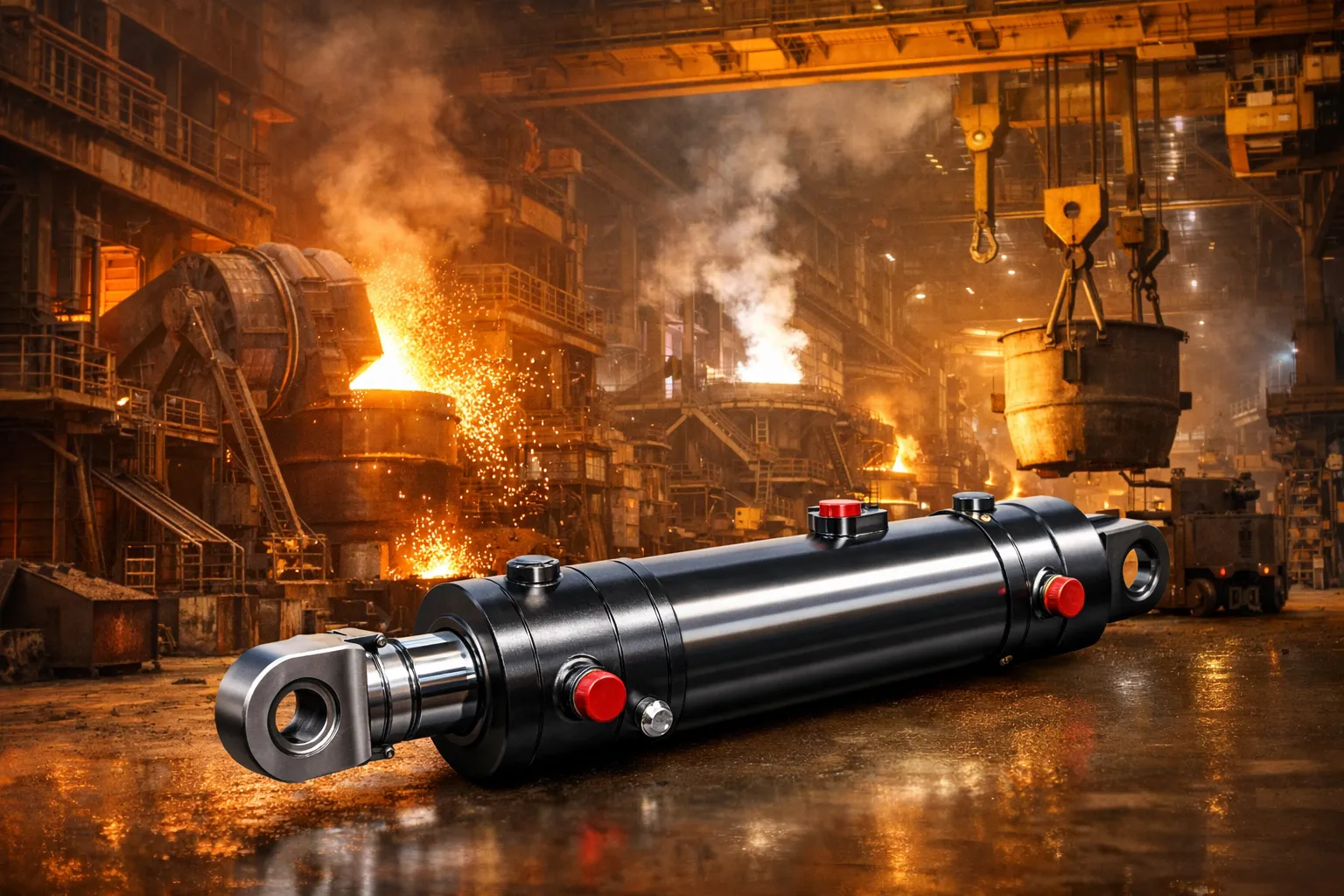
Constructed exclusively from premium forged alloy steel and utilizing deep-penetration automated welding techniques, our highly advanced hydraulic cylinder easily absorbs the massive sheer forces and kinetic shocks generated by a shifting 300-ton ladle. Additionally, the critical piston rod is treated with a highly advanced nickel plating process designed specifically to resist the corrosive acidic fumes of the melt shop and repel molten slag spatter, ensuring the internal seals are never compromised by external rod scoring. Engineering directors, procurement managers, and safety supervisors throughout South Korea, Japan, Taiwan, and the broader East Asian heavy manufacturing sector trust our premium hydraulic parts to secure their most dangerous operations. Upgrading your transit fleet to a purpose-built safety actuator is the most effective and intelligent way to optimize your facility’s long-term hydraulic cylinder price metrics, as actively avoiding a single transport spill pays for the specialized component thousands of times over in averted damages and continuous production.
Technical Specifications and Safety Parameters
Integrating a truly fail-safe mechanism into an existing heavy transport vehicle requires exact dimensional conformity and uncompromising static holding force. Every metallurgical facility utilizes slightly different ladle car dimensions, rail gauge widths, and locking pin geometries based on their specific equipment vendors. To successfully accommodate this vast diversity, we provide a highly adaptable, bespoke engineering platform. The detailed technical matrix below outlines the primary configurations, material sciences, and the robust engineering boundaries of our safety-critical fluid power locking systems.
| Critical Engineering Parameter | Standard Specification & Customizable Engineering Range |
|---|---|
| Primary Industry Sector | Metallurgy / Heavy Iron and Steel Refining |
| Equipment Category | Ladle Car / Steel Ladle Transfer Vehicle / Scrap Charging Car |
| Subsystem / Specific Action | Locking system / Safely securing the ladle payload to the chassis frame |
| Component Designation | Locking cylinder (Universally specified as a Locking hydraulic cylinder) |
| Actuation Method | Double acting hydraulic cylinder (Providing forced powered locking and controlled release) |
| Internal Structure Type | Piston type (Engineered for extremely high static load holding capacity and force) |
| Manufacturing Architecture | Heavy Welded Construction (Ensures zero structural flex under extreme sheer stress) |
| Core Material System | High-Strength Alloy Steel (Specifically forged to vigorously resist impact shearing and bending) |
| Surface Treatment Protocol | Advanced Nickel Plating (Forms a highly ductile, non-porous shield against severe high heat) |
| Environmental Rating | High safety requirements, extreme radiant heat, abrasive metallic dust, heavy rail vibration |
| Primary Operational Condition | Lock holding (Continuous static pressure retention during mechanical shock and transit) |
| Targeted Failure Mode Prevented | Lock failure caused by silent internal fluid bypass or sudden external hose rupture |
| Essential Safety Configuration | Integrated Hydraulic lock (Pilot-Operated Check Valve block bolted directly to the steel barrel) |
| Heavy Mounting Options | Heavy-duty Clevis, Flange, or custom block trunnion mounts for rigid chassis integration |
Advanced Fluid Kinematics and the Ultimate Safety Working Principle
Deeply understanding the exact fluid mechanics of the Locking cylinder is completely crucial for truly appreciating its invaluable role as a primary plant safety device. The operational sequence demands absolute holding power combined with fail-safe reliability. Because gravity, lateral momentum, and severe track vibration constantly attempt to dislodge the heavy locking pins during transport, this fluid power component must function strictly as a heavily reinforced double acting hydraulic cylinder. Utilizing pressurized, fire-resistant synthetic hydraulic fluid, it actively forces the heavy steel locking pins directly into the chassis receivers. However, once engaged, the true engineering challenge begins: maintaining that locked state indefinitely, safely, and securely without relying on continuous hydraulic pump pressure from the main power unit.
When the massive ladle is carefully lowered onto the transfer car, the proximity sensors clear the path, and the control operator shifts the directional valve, pumping high-pressure fluid into the cap end port. This immense hydrostatic pressure forces the massive alloy steel hydraulic cylinder piston to extend outward, driving the mechanical lock home. However, in a standard hydraulic system, if the main directional valve leaks slightly over time, or worse, if the main pressure hose is violently severed by falling scrap steel from the crane, the fluid would instantly escape. This would cause the cylinder to retract under load, immediately unlocking the car and creating a fatal hazard. To fundamentally eliminate this nightmare scenario, our specialized Locking hydraulic cylinder is exclusively equipped with a heavily fortified hydraulic lock—a dual pilot-operated check valve block. This specialized heavy-duty valve acts as an absolute one-way gate. It allows fluid to enter the cylinder freely to extend it, but immediately slams shut via a hardened steel poppet, physically trapping the pressurized fluid inside the thick cylinder barrel.
Once this integrated hydraulic lock is engaged, the fluid cylinder becomes a rigid, unyielding structural steel member. Even if all external hydraulic hoses are completely severed or the main electrical power unit fails entirely on the transport car, the trapped incompressible fluid simply cannot escape. The actuator will reliably continue to hold the massive tonnage of the ladle securely in place, entirely preventing lock failure and securing the route. When it is finally time to release the car at the pouring station, the system sends pressurized fluid to the opposite port (the rod end). This new pressure acts specifically as an internal “pilot” signal, mechanically forcing the check valve open, allowing the trapped fluid to exhaust harmlessly, and smoothly retracting the locking pin. This flawless, highly calculated integration of fluid dynamics and mechanical fail-safes ensures absolute security on the production floor.
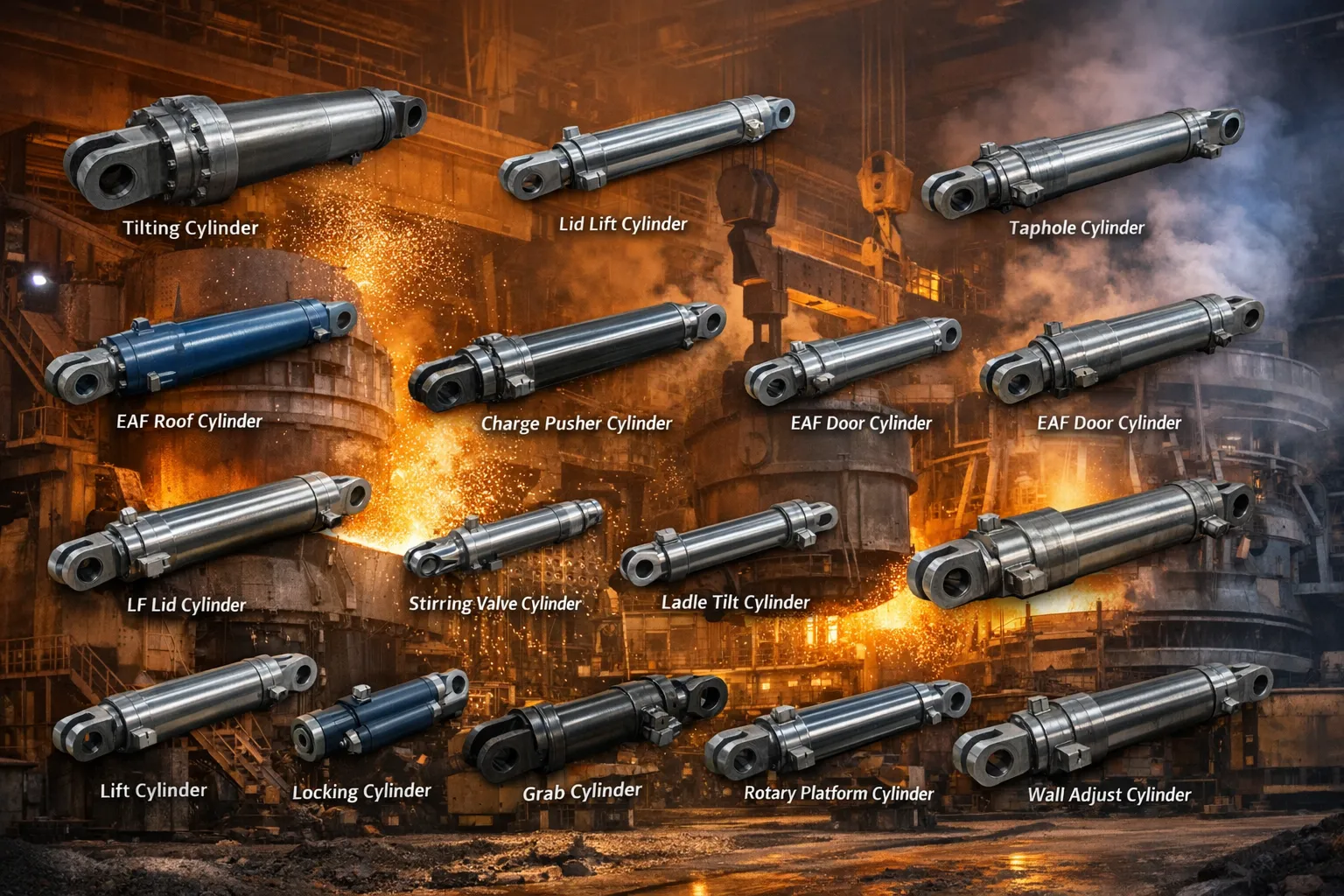
Seamless Safety Upgrades for Global OEM Machinery Brands
During highly critical maintenance intervals or urgent post-accident safety audits, plant managers simply do not have the time or budget to redesign heavy transport chassis to accommodate non-standard, bulky safety parts. Recognizing this strict industrial necessity, our engineering division has purposely designed our entire safety cylinder series to conform completely to global heavy-duty mounting standards, including ISO 6022, ISO 6020, and heavy DIN 24333 specifications. This strict adherence to international dimensional profiles guarantees that our upgraded, fail-safe hydraulic rams function beautifully as immediate, direct-fit drop-in replacements for inadequate or failing original equipment.
We possess and maintain extensive technical blueprints, CAD files, and precision machining capabilities to seamlessly cross-reference, dimension match, and upgrade legacy machinery initially outfitted by major global fluid power brands such as Bosch Rexroth, Parker Hannifin, Eaton Vickers, SMC, and Hydac.
(Please explicitly note: The mention of these highly respected industrial manufacturing brands is provided strictly to assist your plant engineering teams in rapidly verifying mounting dimensions, confirming stroke lengths, and ensuring accurate technical integration during upgrades. We operate entirely independently as a premium, specialized custom hydraulic cylinder manufacturer, and this reference implies absolutely no direct commercial affiliation, formal endorsement, or trademark infringement regarding those specific corporate entities.)
When corporate safety supervisors meticulously evaluate the massive liability and severe operational risks associated with constantly fixing hydraulic cylinders that suffer from internal drift or completely lack integrated check valves, they immediately recognize the necessity of an immediate upgrade. Retrofitting your ladle cars with our heavily welded alloy steel units allows your facility to dramatically elevate its safety compliance scores without heavily modifying the expensive transport chassis. You receive an expertly engineered safety component that mounts perfectly onto existing clevis pins, instantly securing your transport routes for years to come.
Five Core Technical Advantages for Absolute Load Holding
What specific engineering principles separate a dedicated safety actuator from a standard commercial catalog cylinder? The profound distinction lies in uncompromising metallurgical science and fail-safe fluid architecture. We engineer definitive, scientifically sound solutions to prevent the specific mechanisms that cause lock failure on a moving ladle car. Below are five foundational engineering advantages integrated directly into our premium product:
- 1.Integrated Pilot-Operated Hydraulic Locks: The absolute cornerstone of this safety device. We manifold-mount heavy-duty check valves directly onto the cylinder barrel, completely eliminating vulnerable external hoses between the valve and the cylinder body. Once extended, these valves hermetically trap the fluid inside. Even if the main pump fails or external lines are violently severed by a crane accident, the Locking cylinder maintains 100% of its holding force indefinitely, guaranteeing zero mechanical drift.
- 2.High-Rigidity Alloy Steel Construction: A locking mechanism is subjected to massive, sudden sheer forces when a heavy rail car accelerates, brakes, or hits a track junction. Standard carbon steel barrels and rods can easily bend, score, or fracture under this extreme impact stress. We forge our structural components entirely from premium high-strength alloy steel, providing exceptional yield strength and impact toughness. This heavy welded construction ensures absolute geometric stability under shock loads.
- 3.Advanced Nickel Plating for Heat and Spatter Defense: Ladle cars operate directly beneath falling molten slag, acidic fumes, and extreme radiant heat. Standard hard chrome plating rapidly develops thermal micro-cracks and allows slag to adhere, which violently shreds rod seals upon retraction. We deploy an advanced electroless nickel plating process. This amorphous, non-porous shield easily handles extreme thermal expansion without cracking, aggressively rejects molten slag adhesion, and entirely prevents ambient acidic corrosion.
- 4.High-Temperature Zero-Leakage Sealing Systems: To properly support the hydraulic lock, the internal piston seals must be absolutely flawless and resilient. We engineer the internal hydraulic cylinder components using highly specialized Polytetrafluoroethylene (PTFE) and high-temperature fluoroelastomer (FKM/Viton) aerospace composites. These materials withstand ambient temperatures up to 220°C without hardening, melting, or glazing, ensuring complete internal fluid separation and preventing any microscopic internal pressure bypass.
- 5.Extended Mechanical Fatigue Life via Advanced FEA: The heavy, continuous vibration of solid steel wheels on industrial rails translates directly into the cylinder mounts, causing standard welds to fail. Utilizing rigorous Finite Element Analysis (FEA) software, our engineering design entirely eliminates stress concentration zones around the clevis and flange welds. Post-weld stress relief heat treatment ensures a mechanical fatigue life that handles decades of heavy rail transit without structural tearing.
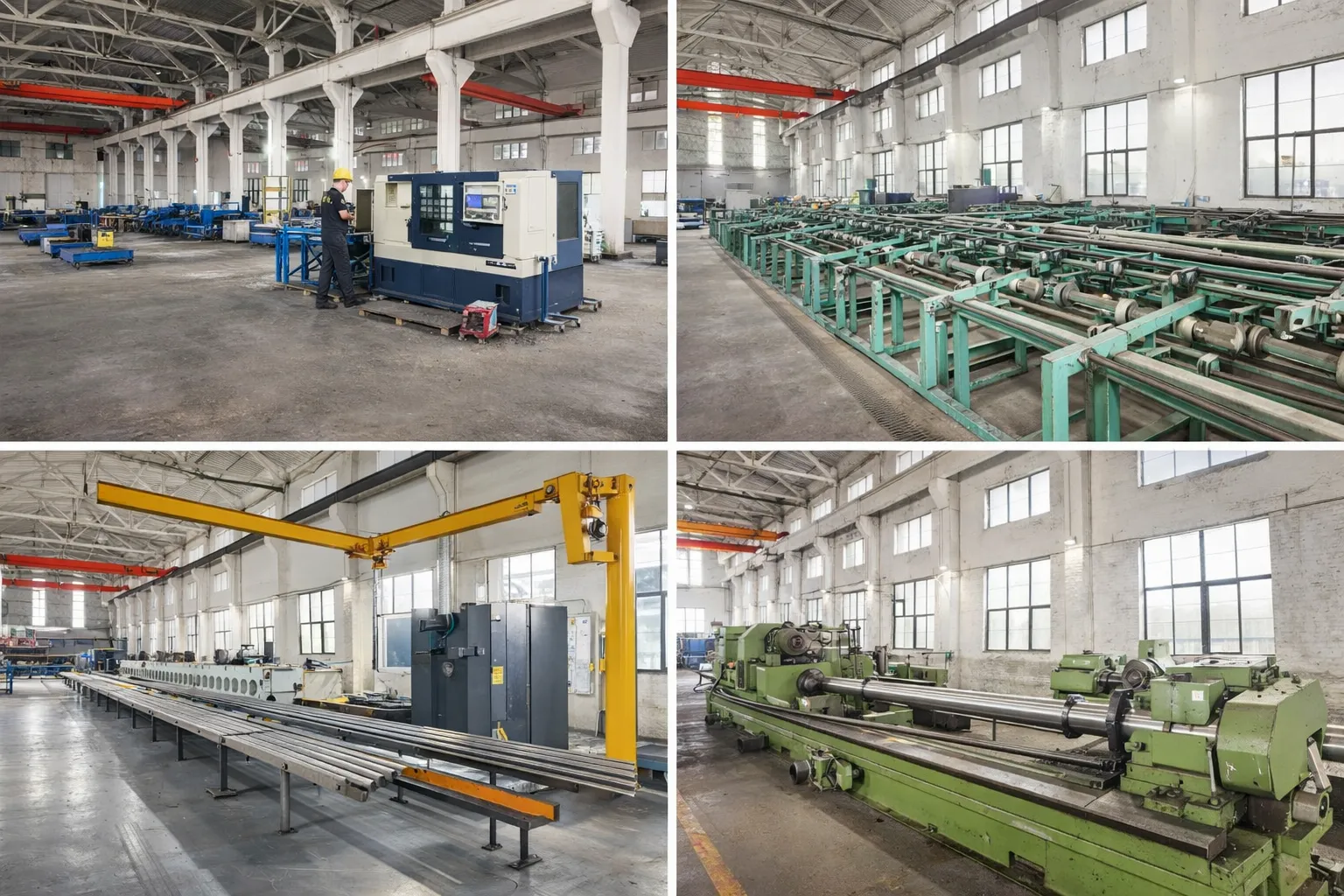
Autonomous Fabrication and Zero-Defect Quality Control
When manufacturing life-critical safety equipment intended for the primary heavy iron industry, fragmented, cheap supply chains present completely unacceptable risks. Operating as a completely vertically integrated engineering manufacturer, we maintain absolute, unbroken control over every single phase of production. From the initial ultrasonic inspection of raw alloy steel forgings to the final high-pressure lock testing, every procedure is executed, heavily monitored, and digitally documented under rigorous ISO 9001 protocols entirely within our own advanced manufacturing facilities.
This uncompromising fabrication process starts with multi-point ultrasonic flaw detection of all raw steel billets to ensure zero internal voids or inclusions. After heavy CNC turning, the cylinder barrels undergo specialized multi-pass deep-hole skiving and burnishing, achieving an internal mirror finish (Ra 0.15 to 0.3 micrometers) that is vital for the longevity of the high-temperature PTFE seals. Structural welds on the heavy mounts are verified through comprehensive non-destructive radiographic (X-ray) and magnetic particle testing, guaranteeing they will never shear under the sudden deceleration of a fully loaded ladle car.
Crucially, before final high-temp painting and global dispatch, 100% of our produced units are subjected to severe, computerized hydrostatic factory testing. We intentionally pressurize every single Locking hydraulic cylinder to a massive 150% of its maximum rated capacity, physically engaging the hydraulic locks and using highly sensitive digital transducers to monitor for even a fraction of a bar of pressure drop over extended holding periods. This guarantees absolute lock holding capability. Every approved unit is laser-etched with a unique serial identifier, granting our B2B partners complete material traceability. This systematic approach heavily minimizes the need for dangerous, emergency hydraulic cylinder repair on the facility floor.
Expansive Cross-Industry Safety Applications
While this ultra-heavy-duty alloy steel architecture is specifically optimized to conquer the extreme sheer loads and severe radiant heat of metallurgical ladle transport, the core engineering principles of absolute load holding and massive structural rigidity translate perfectly to other extreme safety sectors. Any heavy industrial environment facing massive static loads, heavy continuous vibration, and the absolute need to lock heavy mechanical structures firmly in place can vastly benefit from our fluid power safety advancements.
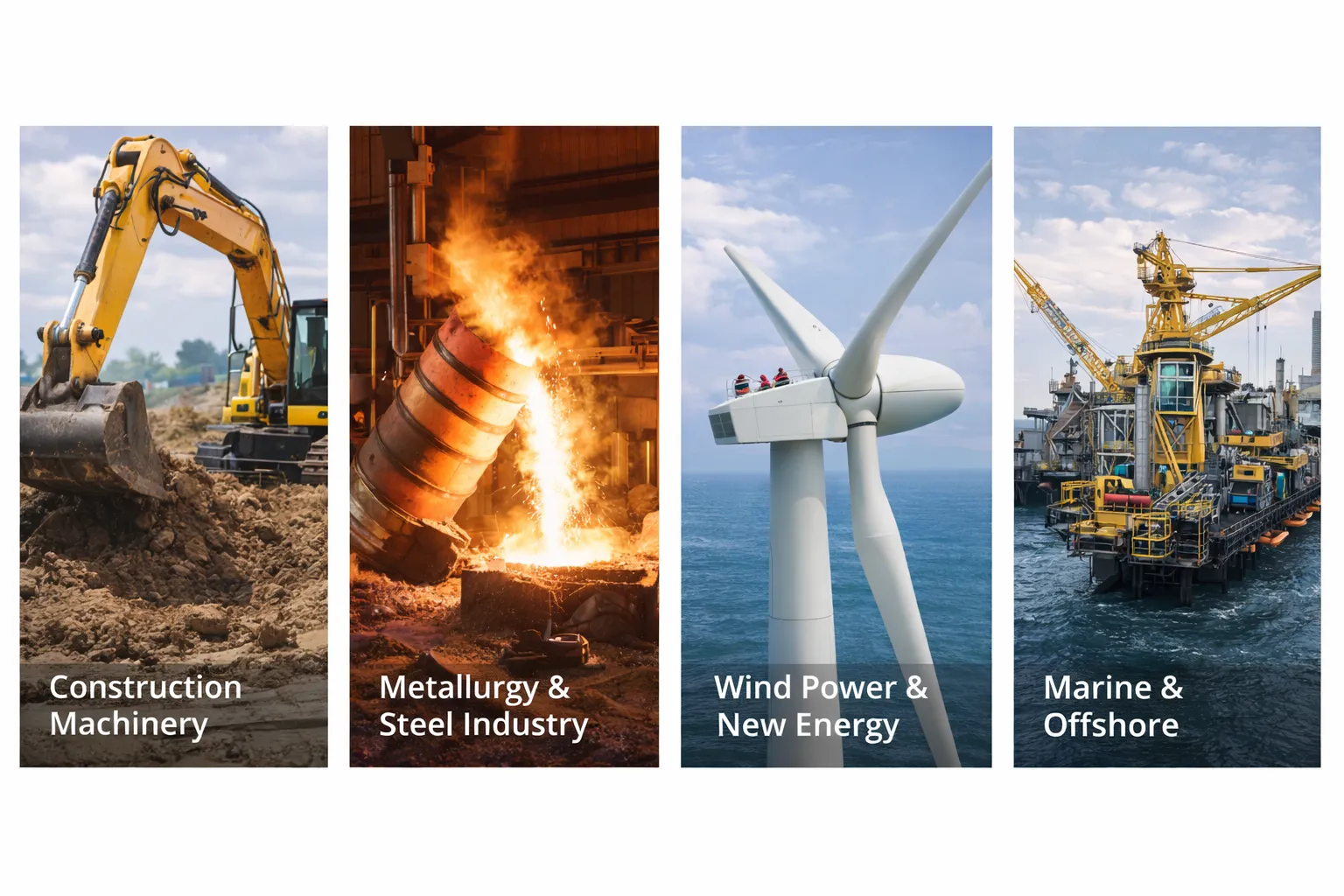
Beyond our foundational and extensive work in the Metallurgical and Iron Industry, the immense holding power of our integrated lock designs makes them exceptionally valuable for heavy earthmoving equipment. They function perfectly as specialized boom lock actuators or heavy securing mechanisms for massive mining excavators and crane outriggers, where a sudden loss of line pressure would result in a tipped vehicle and a lethal accident. Discover our incredibly resilient linear safety solutions engineered explicitly for the Construction Machinery Industry. Furthermore, the advanced dust exclusion seals and heavy-duty locking technologies we deploy are critically required in deep-shaft mine hoists and surface extraction equipment. Learn more about our specialized actuators designed to secure heavy loads safely in the Mining Industry.
Additionally, our heavily customized fluid locking systems provide unyielding, fail-safe clamping force for massive plastic and rubber injection molding machinery, safely secure heavy movable bridges and flood gates in civil infrastructure projects, firmly lock massive wind turbine blades during maintenance, and stabilize critical offshore marine platforms where maximum reliability against heavy wave shock is absolutely non-negotiable.
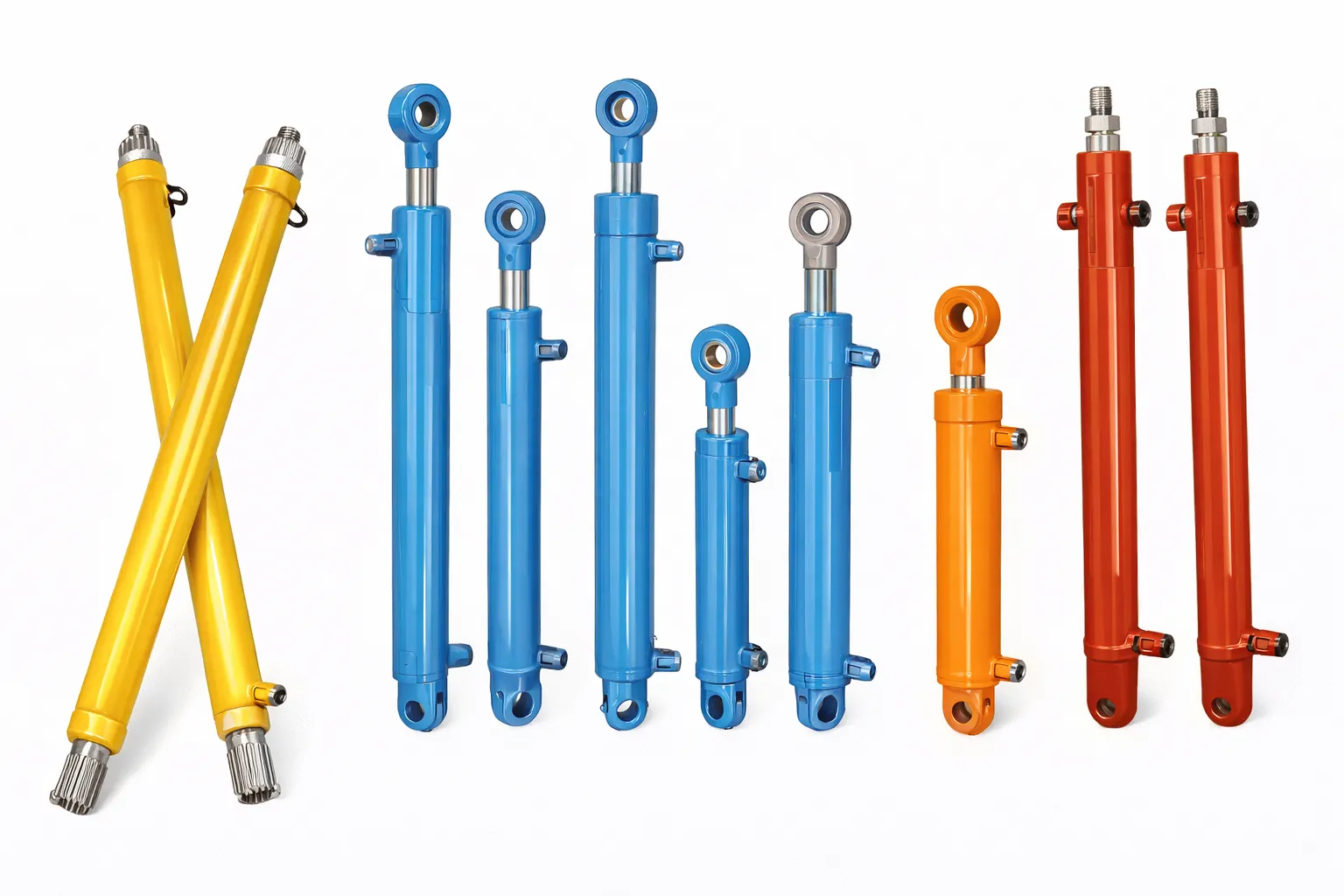
Comparative Safety Analysis: Standard Hydraulics vs. Our Locking Solutions
When corporate safety officers and plant directors evaluate facility upgrades, the decision requires accurately balancing the initial procurement cost against the catastrophic, uninsurable liabilities of a transport accident. To clearly demonstrate our engineering value proposition, the following analytical table highlights the profound physical differences between relying on standard commercial cylinders and deploying our dedicated safety actuator.
| Critical Safety Metric | Standard Commercial Hydraulic Cylinder | Our Specialized Locking Cylinder |
|---|---|---|
| Hose Rupture Response | Immediate pressure loss, rapid rod retraction, and total mechanical lock failure | Absolute Zero drift. Integrated hydraulic lock maintains 100% clamping force indefinitely |
| Primary Structural Material | Basic 45# Carbon Steel (Prone to bending, scoring, or snapping under sudden transport braking) | Forged Alloy Steel (Provides massive yield strength to seamlessly absorb severe impact shear) |
| Rod Surface Defense | Standard Chrome (Micro-cracks allow rapid oxidation; slag firmly sticks and shreds seals) | Advanced Nickel Plating (Highly ductile, amorphous layer actively repels molten slag) |
| Long-Term Static Holding | Internal seals gradually bypass fluid, causing the lock to slowly creep open during transit | Zero-leakage poppet valves in the check block physically prevent any fluid migration |
| Operational Risk Profile | Extremely high risk of catastrophic molten steel spillage during sudden vehicle movements | Maximum safety compliance, permanently protecting personnel and expensive plant infrastructure |
Field Proven: 5 Industrial Safety Case Studies in Asia
True engineering credibility is validated exclusively on the active production floor. Our customized safety solutions consistently prevent accidents across major metallurgical hubs globally, with a profound presence in the East Asian heavy industry sector. Below are five detailed deployments demonstrating exactly how our integrated locks secured critical plant transport systems.
Case Study 1: Preventing Lock Drift on 300-Ton Transporters in Pohang
Location & Valued Client: Major Integrated Steelworks Facility, Pohang, South Korea.
Application Context: Heavy rail-mounted ladle car locking mechanisms operating between the BOF and continuous caster.
Initial Connection: The plant’s strict safety audit committee located our technical specifications via a targeted search for a highly specialized hydraulic cylinder manufacturer in May 2024.
The Challenge: The facility was experiencing terrifying “lock drift.” Over a 20-minute transit, the standard commercial cylinders would slowly leak internally, allowing the locking pins to retract slightly. On one occasion, a sudden train stop nearly sheared the partially retracted pins, threatening a massive ladle tip.
The Solution & Verifiable Result: We rapidly engineered drop-in replacements featuring heavy alloy steel and manifold-mounted pilot-operated check valves. Installed in July 2024, the actuators completely eliminated the drift. The pins now lock with immense force and physically cannot retract until intentionally piloted, entirely resolving the severe safety violation.
“The integrated hydraulic locks provided immediate peace of mind. We measure zero millimeter drift over extended holding periods now. It fundamentally secured our transport route.” — Chief Safety Officer, Pohang
Case Study 2: Defeating Shock Load Fractures in Busan
Location & Valued Client: Heavy Industrial Smelting and Forging Plant, Busan, South Korea.
Application Context: Scrap charging car securing mechanisms handling rapid, aggressive acceleration cycles.
Initial Connection: An international heavy machinery consultant highly recommended our specialized alloy steel hydraulic rams specifically to solve their structural failure issues.
The Challenge: The aggressive start-stop motion of the charging cars was exerting massive sheer impacts on the locking pins. The standard 45# carbon steel rods of their OEM cylinders were constantly bending and occasionally snapping under the kinetic shock, destroying the lock entirely and halting production.
The Solution & Verifiable Result: We supplied completely custom units forged from high-tensile alloy steel with heavily reinforced rod diameters. Since installation in late 2024, the new actuators have absorbed the aggressive transport shocks flawlessly. Ultrasonic testing confirms zero internal stress fractures after 18 months of heavy duty cycles.
“The yield strength of their alloy steel is exceptional. We haven’t had a bent rod or a jammed lock since we made the switch, saving us massive mechanical downtime.” — Heavy Maintenance Superintendent
Case Study 3: Overcoming Radiant Heat Seal Destruction in Osaka
Location & Valued Client: Specialty High-Grade Steel Foundry, Osaka, Japan.
Application Context: Bottom-pouring ladle transfer car locking system directly exposed to molten heat.
Initial Connection: Reached out to our technical engineering department seeking advice on permanently fixing hydraulic cylinders that were failing due to melted internal seals in early 2025.
The Challenge: The intense ambient radiant heat from the ladle bottom was baking the standard nitrile (NBR) seals inside the locking actuators. The hardened seals would crack, causing internal fluid bypass. The locks would fail to engage with sufficient pressure, dangerously delaying the entire casting process.
The Solution & Verifiable Result: We heavily deployed our high-temperature FKM (Viton) and PTFE thermal sealing composites, paired with our heat-reflecting nickel plating on the rod. The upgraded units now operate continuously in the high-heat zone without any seal degradation, maintaining full engagement pressure at all times.
“Standard cylinders simply baked in this environment. Their high-temp FKM seals and nickel coating finally provided a solution that survives the heat of the casting deck.” — Foundry Operations Director
Case Study 4: Surviving Catastrophic Hose Severance in Kaohsiung
Location & Valued Client: Massive Expanding Steel Milling Enterprise, Kaohsiung, Taiwan.
Application Context: Complete fleet upgrade for all heavy transfer cars operating near the scrap yard.
Initial Connection: Sourced our safety expertise through a comprehensive digital catalog while actively researching fail-safe transport upgrades.
The Challenge: The plant suffered a terrifying near-miss when a heavy piece of falling scrap severed the main hydraulic supply line to a ladle car’s locking mechanism while the car was moving. The standard cylinder immediately depressurized and unlocked, risking a massive spill.
The Solution & Verifiable Result: We immediately retrofitted their entire fleet with our Locking hydraulic cylinder featuring the integrated manifold check valves. Six months later, another hose was accidentally severed in a similar incident. However, because our check valves rigidly trap the fluid directly at the barrel, the cylinder remained locked at full force, completely averting a disaster.
“That integrated lock literally saved the plant from a disaster. The main hose was completely cut, yet the locking pin didn’t move a millimeter. Absolutely incredible safety engineering.” — Plant Modernization Architect
Case Study 5: Rapid Emergency Safety Compliance in Incheon
Location & Valued Client: High-Capacity Alloy Recycling and Smelting Facility, Incheon, South Korea.
Application Context: Main locking array for an older generation ladle transport chassis.
Initial Connection: Reached out urgently via our online portal after drastically failing a national safety audit because their legacy European actuators lacked built-in hydraulic locks.
The Challenge: The facility faced an immediate shutdown mandate unless they upgraded their transport locks to fail-safe standards. The original OEM quoted an unacceptable 5-month lead time for custom lock-integrated cylinders, which would have bankrupt the operation due to downtime.
The Solution & Verifiable Result: Utilizing reverse-engineering from provided drawings, we rapidly manufactured vastly superior replacements equipped with heavy-duty pilot-operated checks. The custom double acting hydraulic cylinder units were machined, assembled, tested, and air-freighted to Incheon within an intense 4-week window, passing the safety audit instantly.
“They delivered a heavily upgraded, fully compliant safety actuator faster than the original manufacturer could process the quote. Their speed saved our quarterly production targets.” — Facility Operations Director
B2B Engineering Frequently Asked Questions (FAQ)
Specifying safety-critical fluid power configurations for moving ladle cars requires absolute technical clarity and trust. Below, our senior metallurgical safety engineers comprehensively address the most critical inquiries posed daily by industrial procurement directors and plant maintenance supervisors.
Secure Your Critical Transport Operations Today
Do not permit vulnerable commercial components to compromise your safety audits or jeopardize the lives of personnel on the melt shop floor. Stop pouring maintenance budgets into fixing hydraulic cylinders that were fundamentally never designed to hold immense static loads during an emergency. Partner with a deeply specialized engineering manufacturer capable of delivering heavily welded, fail-safe actuation solutions designed specifically for the extreme realities of your steel mill.
Editor: Cxm