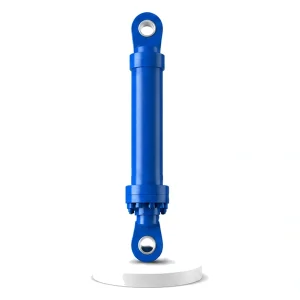
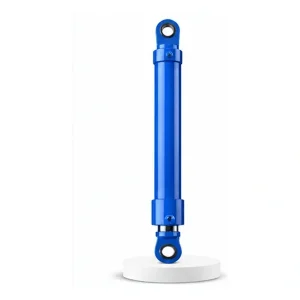
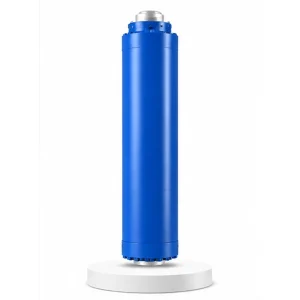
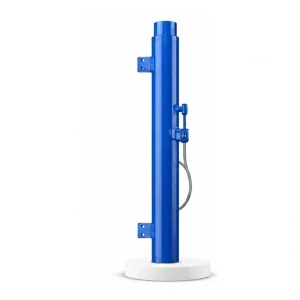
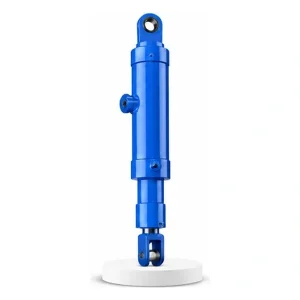
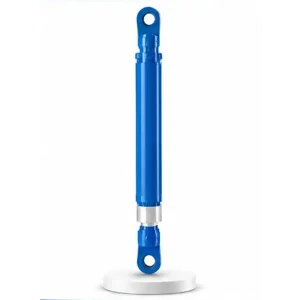
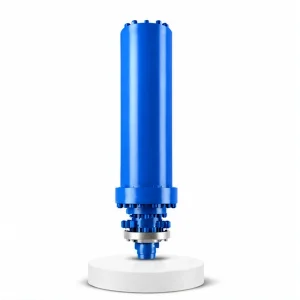
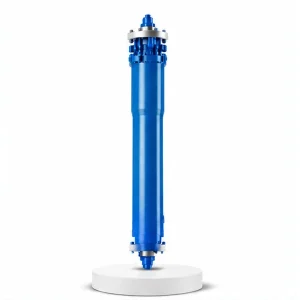
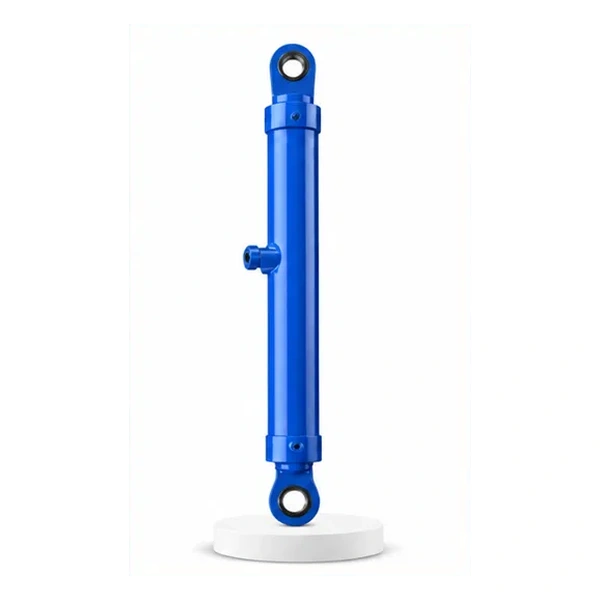
Electric Furnace Cover Rotating Cylinder
Lift — Then Swing.
The Two-Step Door.
The cover lifting cylinder raises the furnace roof. But a raised cover still blocks the furnace opening from above — the charging bucket cannot swing in with the cover hovering overhead. The cover rotating cylinder solves this: it swings the elevated cover horizontally on a pivot arm, rotating it 90–120° clear of the furnace opening. The bucket charges, the cover swings back, and the cover lowers. Two cylinders, two motions, one seamless door sequence.
The Two-Step Cover Opening Sequence
The EAF cover cannot simply swing aside from its seated position — it must first be lifted clear of the furnace rim, then rotated. Two cylinders from the electric furnace cylinder family coordinate this two-step motion:
Technical Specifications
| Parameter | Value |
|---|---|
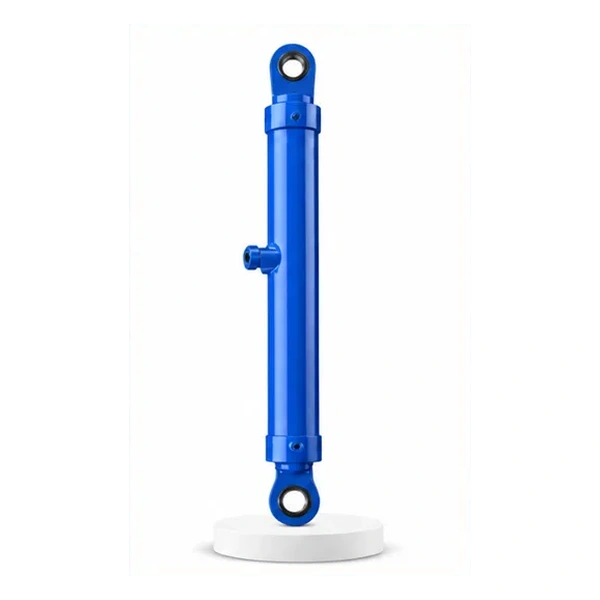
| Product | Electric Furnace Cover Rotating Cylinder |
| Function | Swing the elevated cover horizontally aside |
| Bore Diameter | 210 mm |
| Rod Diameter | 125 mm |
| Working Pressure | 14 MPa |
| Maximum Thrust | 484 KN |
| Rotation Arc | 90–120° (depends on pivot arm geometry) |
| Certification | ISO 9001 · 100% hydrostatic tested |
59.5% Rod/Bore Ratio — Why This Cylinder Is Different from #14 and #16
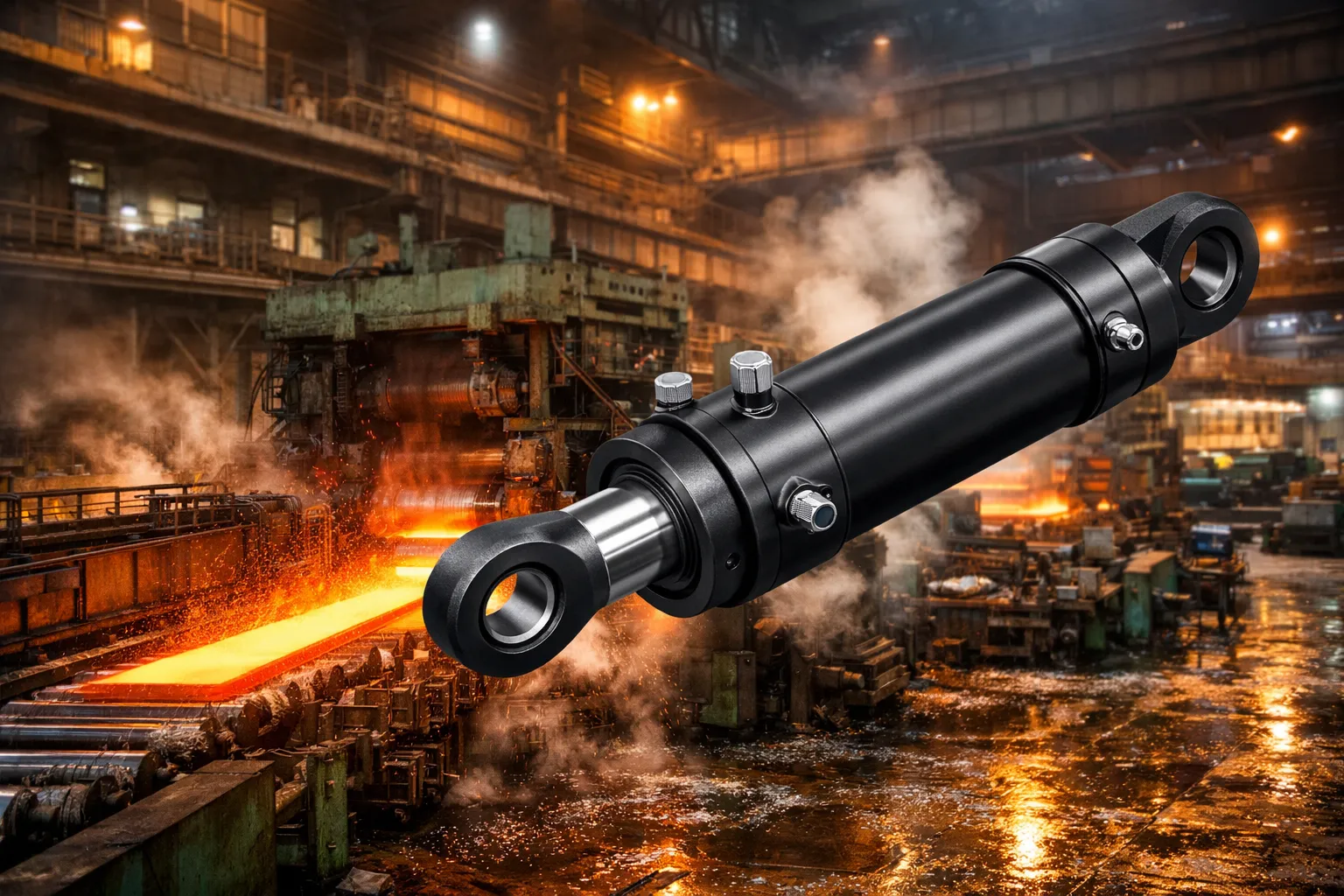
The cover lifting cylinder (#14) has a rod that fills 96.6% of its bore. The tipping cylinder (#16) has 93.8%. Both needed massive rods to serve as structural columns — holding the furnace cover or the furnace body against gravity. The cover rotating cylinder's rod is just 59.5% of the bore — a standard hydraulic ratio.
The reason is simple: this cylinder does not carry the cover's weight. The cover lifting cylinder holds the weight — the cover rotating cylinder only swings the already-elevated, already-supported cover sideways. The horizontal swinging force is much lower than the vertical holding force: the cover's weight acts downward (carried by #14); the rotating cylinder only overcomes the inertia and friction of the horizontal swing motion.
This means the cover rotating cylinder is a conventional hydraulic cylinder — standard bore-to-rod proportions, standard double-acting operation, standard seal configuration. It does not need the structural-column rod design of its EAF neighbours. The engineering is still demanding (heat, scale, fume), but the mechanical duty is less extreme than the weight-bearing cylinders.
It Is Not Just a Cover — Everything Connected to It Swings Too
The furnace cover is not an isolated lid. It is an integrated assembly carrying several heavy, connected systems — all of which must swing with the cover when the rotating cylinder operates.
Each electrode is 300–750 mm in diameter, 3–6 metres long, and weighs 1–5 tonnes. They pass through holes in the cover and are supported by electrode arms mounted above the cover. When the cover swings, the electrodes, electrode arms, and electrode clamps all swing with it — adding significant mass and inertia to the rotating system.
The high-current cables (carrying 30,000–80,000 amps) connect the electrodes to the transformer. These cables are heavy, stiff, and must flex through the swing arc without kinking or disconnecting. The cable routing must accommodate 90–120° of cover rotation — typically through a cable festoon or a slack loop that unfurls as the cover swings.
The fourth hole in the cover connects to the fume extraction system. When the cover swings, the duct must disconnect (via a slip joint or break-away flange) and reconnect when the cover returns. The rotating cylinder's final positioning accuracy determines whether the duct re-seats properly — a misaligned cover leaks fume into the melt shop.
The cover itself weighs 20–80 tonnes including refractory bricks on its underside. This mass, combined with the electrode assembly mass, creates a large rotating inertia. The cylinder must accelerate this mass at the start of the swing and decelerate it at the end — cushioning the stop to prevent the cover from overshooting the parked position.
Engineering Challenge — The Cover Must Return to Exactly the Same Position
Opening the cover is straightforward — swing it aside, any angular overshoot can be corrected before charging begins. Closing the cover is the precision challenge: the cover must return to its original position within ±5 mm so that the electrode holes align with the electrodes, the fume duct re-seats, and the cover sits flush on the furnace rim seal.
The electrode holes in the cover have a clearance of 50–100 mm around each electrode. If the cover returns more than this clearance off-position, the electrode strikes the cover rim during lowering — damaging both the electrode and the refractory lining. The rotating cylinder must bring the cover back to within ±20 mm of the original position for safe electrode clearance.
The cover's lower rim must sit flush on the furnace shell rim — a continuous metal-to-metal seal that contains the furnace atmosphere. Angular misalignment causes a gap on one side, allowing air ingress (which oxidises the melt) and fume escape (which degrades melt shop air quality). The rotating cylinder's return accuracy determines the seal quality.
Korea Ever-Power engineers the cover rotating cylinder with end-of-stroke cushioning on both sides and a mechanical stop (adjustable) at the closed position — ensuring repeatable return positioning within the required tolerance after every swing cycle. Contact the hydraulic cylinder engineering team for cover rotation positioning specifications.
Manufacturing
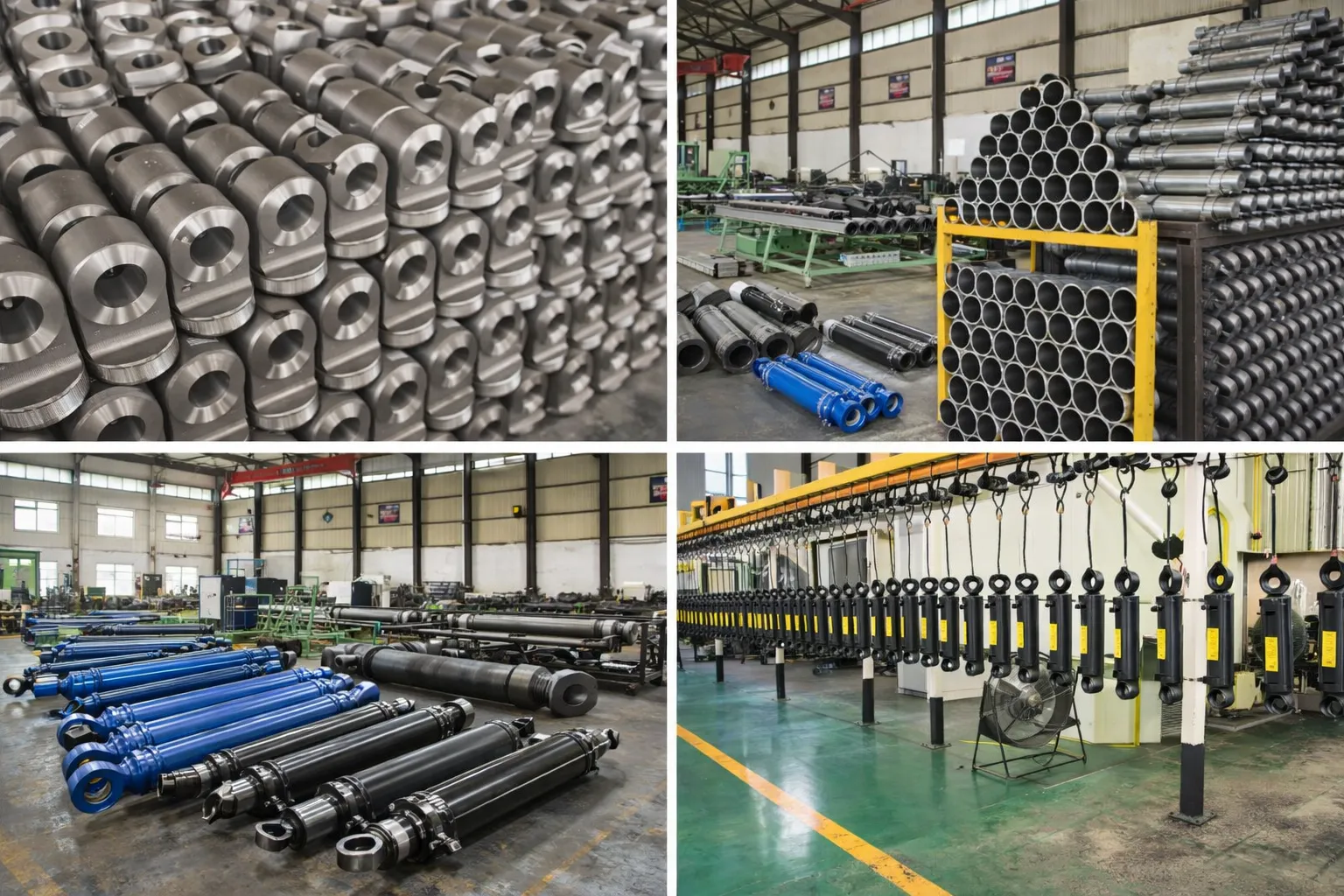
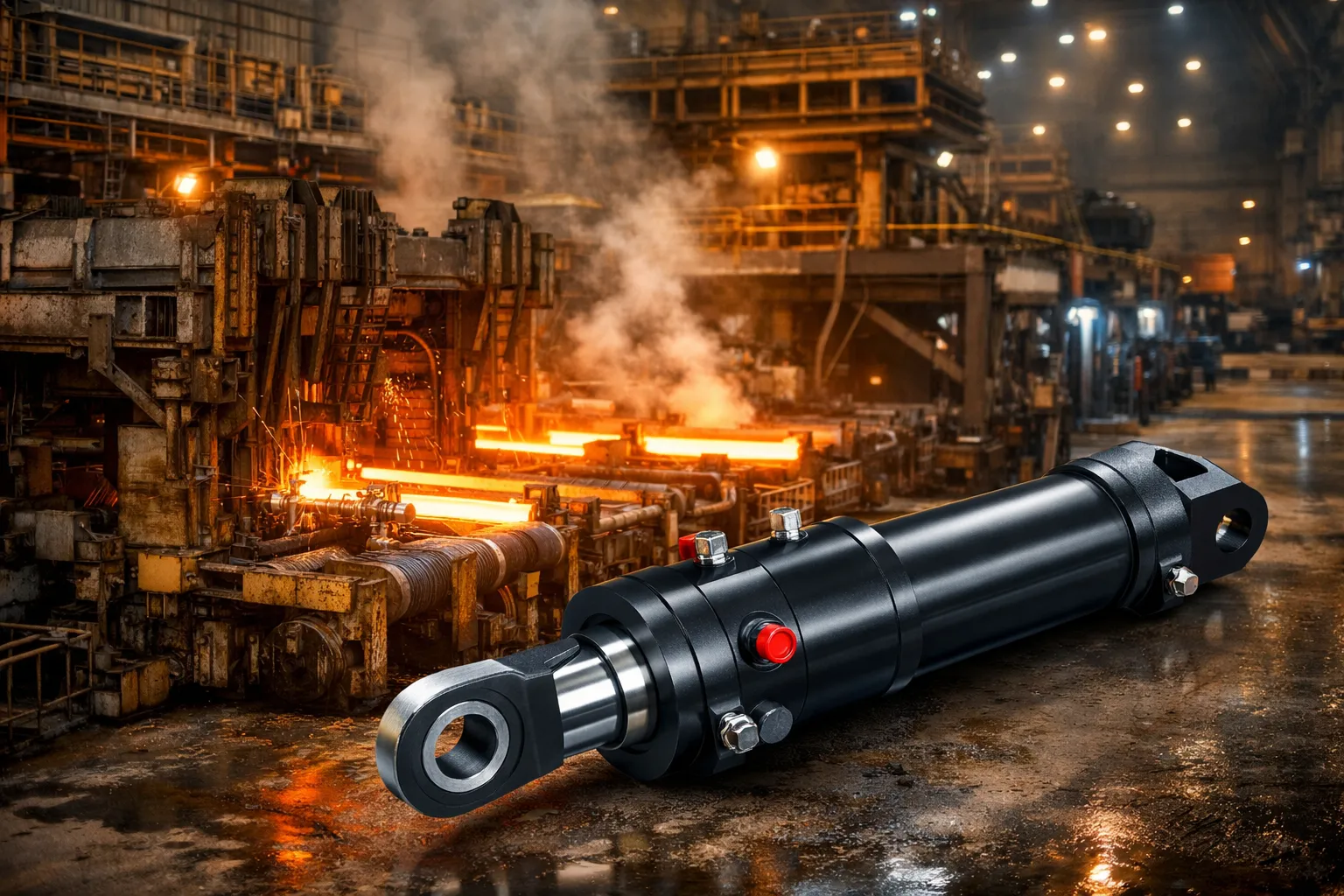
The cover rotating cylinder uses conventional bore-to-rod proportions (210 mm bore, 125 mm rod), but it is built to the same environmental protection standards as all EAF cylinders: FKM seals for sustained high temperatures, heavy-duty rod wipers to exclude scale particles, and chrome plating thickness of 50–80 µm for fume and splash resistance. The bore is honed to Ra 0.2–0.4 µm for smooth, consistent motion at the low speeds used during the deceleration and precision-positioning phases of the swing.
The end-of-stroke cushion is calibrated for the specific cover mass and swing speed — heavier covers at faster swing speeds require more aggressive cushioning to prevent impact at the mechanical stop. Korea Ever-Power adjusts the cushion needle valve setting during factory functional testing to match the customer's specified cover weight and target swing speed.
Every cover rotating cylinder is hydrostatic tested at 1.5× working pressure (21 MPa) and functionally tested for full-stroke extension and retraction, including cushion deceleration verification at both ends of the stroke.
OEM & ODM
FAQ
Related Categories
Additional information
| Editor |
|---|