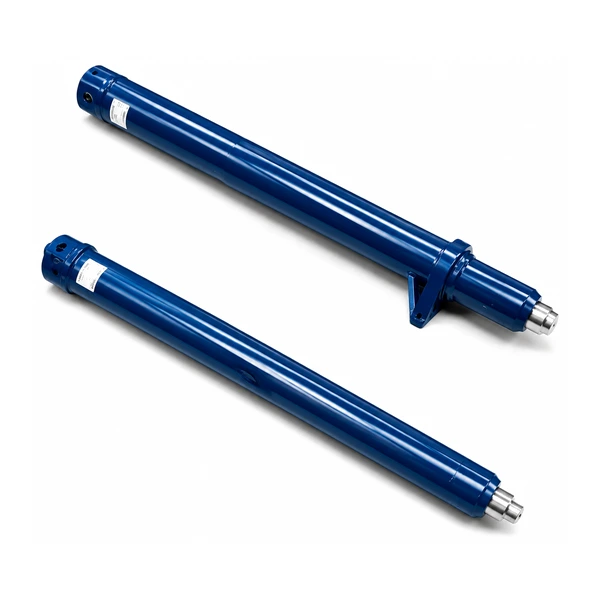
Scissor Fork Aerial Work Vehicle Steering Hydraulic Cylinder — Double-Acting
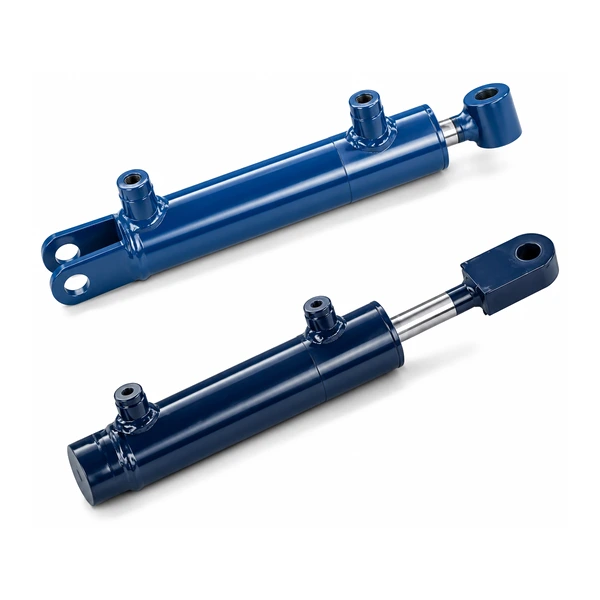
Technical Specifications — 2 Steering Cylinder Models
Two models address the two dominant port standards in the scissor lift industry. The hydraulic performance is similar; the primary selection factor is the port thread standard on the platform's steering circuit.
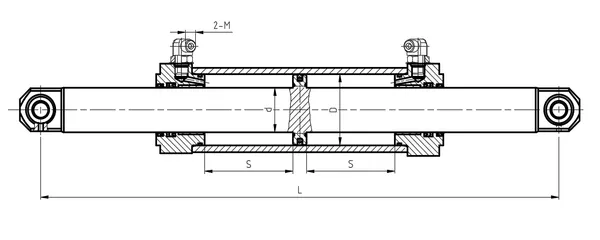
| Cylinder Name | Drawing Number | Bore (D) | Rod (d) | Stroke (S) | Install Dist (L) | Pressure | Ports (M) | Weight |
|---|---|---|---|---|---|---|---|---|
| Steering cylinder | 140XEN-620300-001 | Φ40 | Φ20 | 125 | 400 | 20 MPa | 2-G1/4 | 3 kg |
| Steering cylinder | DL4020-00A | Φ40 | Φ20 | 150 | 400 | 12 MPa | 2-M14×1.5 | 4 kg |
| Acting Type | Double-acting (left & right steering under pressure) |
| Architecture | 17-component with dual back-ring system |
| Body Material | 20# / 45# steel |
| Seal Options | Parker, NOK, Hallite, Busak Shamban |
| Certification | ISO 9001:2015, ISO 14001, ISO 45003 |
| Quality | 100% pressure + leakage tested · Certificate provided |
| MOQ / Warranty | 1 piece / 1 year |
| Shipping | Carton · Port: Shanghai / Ningbo |
Why Scissor Lift Steering Is a Different Engineering Problem
A forklift steering cylinder turns the rear wheels at typical driving speed while the operator sits in a cab at ground level. A scissor lift steering cylinder turns the drive wheels at walking pace while personnel stand on an elevated platform. The speed difference is an order of magnitude, and the consequences of imprecise steering are fundamentally different — a forklift that overshoots a steering correction wastes a second; a scissor lift that overshoots puts personnel off-balance at height.
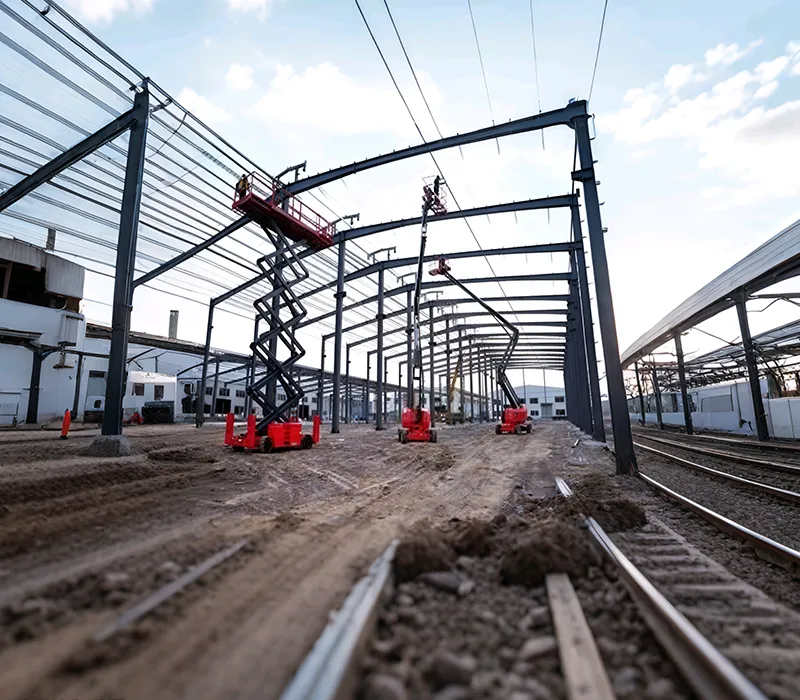
Ultra-Low Speed Precision
The aerial work vehicle steering cylinder operates at creep speed — the platform drives at walking pace during positioning. At these speeds, the hydraulic flow rate through the cylinder is very low (1–3 L/min compared to 8–15 L/min on a forklift steering circuit). The cylinder must respond smoothly at this minimal flow without stick-slip, judder, or dead zones. This requires an ultra-smooth bore finish — tighter than typical forklift steering cylinder specification — and a rod seal with very low breakaway friction.
Platform Stability Under Steering Input
When a scissor lift changes direction at height, the elevated platform mass creates a lateral inertia force that the chassis must absorb through the wheel contact patches. Any abrupt steering input — from a sticky cylinder that suddenly breaks free, or a cylinder that overshoots due to internal leakage — generates a lateral jolt that personnel feel as a sway or lurch. The steering cylinder must provide proportional, linear response: 10° of steering input should produce exactly 10° of wheel angle, with no lag, no overshoot, and no dead band around the centre position.
17-Component Architecture — Why 2 More Parts Than the Lifting Cylinder
The scissor lift lifting cylinder has 15 components. This steering cylinder has 17. The two additional components are a second back-ring and a nut — both required because this is a double-acting cylinder. The back-rings support the U-ring seals against pressure from both directions (extend and retract), while the nut secures the piston to the rod under bidirectional loading. Single-acting cylinders do not need these components because pressure only acts in one direction.
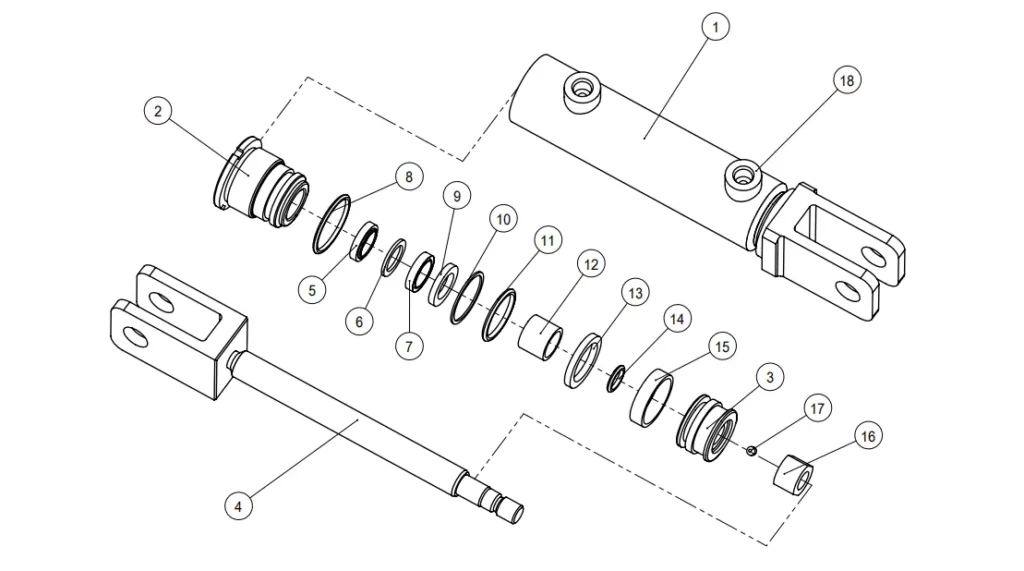
| # | Component | # | Component |
|---|---|---|---|
| 1 | Cylinder Housing Assy | 10 | Back-Ring |
| 2 | Guide Bush | 11 | O-Ring |
| 3 | Piston | 12 | Du Bush |
| 4 | Piston Rod | 13 | Hole Seal |
| 5 | Dust Wiper | 14 | O-Ring |
| 6 | Back-Ring ◆ | 15 | Wear-Ring |
| 7 | U-Ring | 16 | Nut ◆ |
| 8 | O-Ring | 17 | Set Screws |
| 9 | Back-Ring |
◆ Components specific to the double-acting steering configuration — not present in the single-acting lifting cylinder.
Two Models — Same Bore, Different Pressure and Port Standards
Both models share the same Φ40 bore and Φ20 rod, producing identical steering force at equal pressure. The difference lies in the working pressure rating and the port thread standard — reflecting two design philosophies in the scissor lift industry.
140XEN — High-Pressure, BSP Ports
20 MPa working pressure with G1/4 (BSP) port threads. Designed for scissor lift platforms where the steering circuit shares the pump with the lift circuit and may see pressure spikes during simultaneous operation. The higher pressure rating provides margin for transient peaks. BSP ports are standard on European and Australian-market scissor lifts from manufacturers such as Haulotte, Skyjack, and JLG.
DL4020 — Standard-Pressure, Metric Ports
12 MPa working pressure with M14×1.5 metric port threads. Designed for scissor lifts with a dedicated steering pump or an isolated steering circuit where the pressure is separately regulated. The lower pressure rating reflects a circuit that does not share flow or pressure with the lift system. Metric ports are standard on Chinese-manufactured scissor lifts and many Asian-market platforms.
Steering Cylinder vs Lifting Cylinder — Same Machine, Different Engineering
| Parameter | Steering Cylinder | Lifting Cylinder |
|---|---|---|
| Acting type | Double-acting | Single-acting |
| Bore | Φ40 | Φ63–Φ75 |
| Stroke | 125–150 mm | 563–1,269 mm |
| Weight | 3–4 kg | 17–60 kg |
| Components | 17 (dual back-ring) | 15 (composite bearing) |
| Critical quality | Smooth low-speed response | Load holding / zero drift |
| Bore finish | Ultra-smooth (precision-honed) | Standard honed finish |
Scissor Lift Steering Cylinder — Technical Questions
Customer Reviews
Verified Purchase · April 2025
Replaced the steering cylinder on a JCPT0607 electric scissor — the old one had bad stick-slip at low speed that was driving our operators crazy. They'd turn the wheel and nothing would happen for half a second, then the platform would jerk sideways. New Ever-Power DL4020 cylinder eliminated the problem completely. Smooth, proportional steering from the first use. The whole swap took about 45 minutes including bleeding. At 4 kg it's light enough to hold in one hand while threading the fittings with the other.
Verified Purchase · February 2025
We hire out 120+ scissor lifts across the Midlands. Steering cylinders are a consumable item for us — the rental machines get driven hard on building sites and the steering is the first thing to go. We've been buying the 140XEN from Ever-Power for about 6 months now, 18 units installed so far across Skyjack and our Chinese-brand fleet. G1/4 ports fit the Skyjacks perfectly. Zero returns. The price per unit is roughly 60% of the OEM equivalent which makes a real difference at our volume.
Verified Purchase · June 2025
Good cylinder, correct dimensions, works well. The only thing I would change is the packaging — ours arrived in a simple plastic bag inside a cardboard box with newspaper padding. For a precision hydraulic component I'd expect foam inserts or at minimum bubble wrap. The port caps were properly installed though, so no contamination entered the cylinder. Performance after installation is perfect — smooth steering with no dead zone at centre. Four stars because the product is great but the packaging could be more professional.
Verified Purchase
We needed the DL4020 for a Chinese-brand 8m scissor lift operating on a construction site in Istanbul. The original steering cylinder started leaking at around 2,800 hours — not surprising given the amount of dust on our site. The Ever-Power replacement arrived in 17 days. Perfect fit, metric ports matched, steering response is excellent. We also ordered the lifting cylinder at the same time for a second machine. Both performing well after 3 months of daily outdoor use.
Other Aerial Work Vehicle Cylinders
Additional information
| Editor | Cxm |
|---|
Related products
-
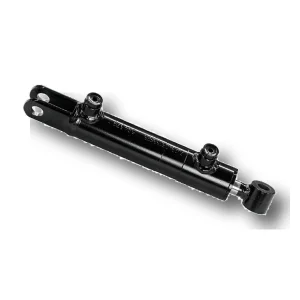
Scissor Lift Steering Cylinder | EP-HCYY11112004 Model
-
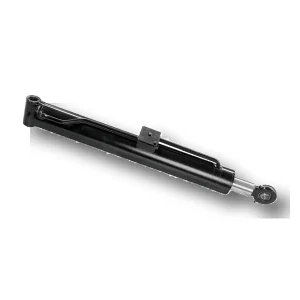
Boom Lift Hydraulic Cylinder Set | 8 Models | Bore Φ40–110mm
-
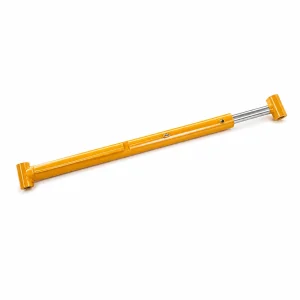
HCYY11112003 Lifting Cylinder for Aerial Work Vehicles
-
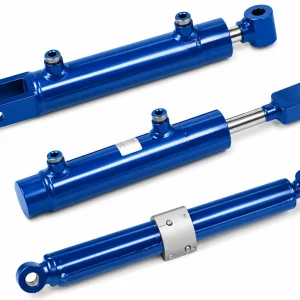
Boom Aerial Work Vehicle Upper Arm Hydraulic Cylinder
-
Boom Aerial Work Vehicle Lower Arm Hydraulic Cylinder
-
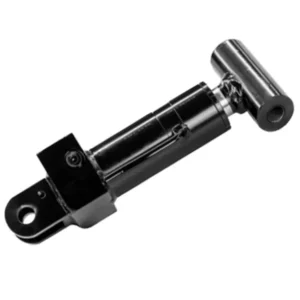
Boom Aerial Work Vehicle Floating Hydraulic Cylinder — Platform Levelling
-
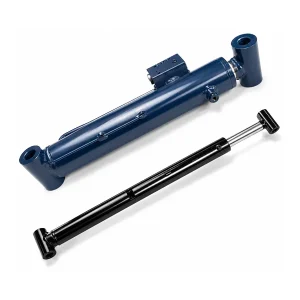
Scissor Fork Aerial Work Vehicle Lifting Hydraulic Cylinder
-

Scissor Fork Aerial Work Vehicle Steering Hydraulic Cylinder