Miniature Operation Cylinder for Rescue Equipment
Precision-engineered from solid stainless steel with advanced FFKM sealing technology. Delivering absolute multi-degree of freedom control for autonomous rescue robots navigating extreme high humidity and heavy dust subterranean environments.
Product Overview & Core Industrial Value
In the highly critical and unpredictable arena of subterranean disaster management, equipment reliability is the absolute foundation of operational success. When a catastrophic collapse occurs within a deep-shaft mine or a major underground tunnel network, human intervention is frequently obstructed by toxic gas leaks, structural instability, and severe flooding. The immediate response relies heavily on the deployment of advanced underground rescue equipment. These sophisticated rescue robots must autonomously navigate shattered terrain, clear heavy debris, and precisely manipulate stabilization tools. The mechanical vitality of these autonomous systems is entirely dependent on the strength, responsiveness, and resilience of their internal fluid power actuators. Given the severe spatial constraints of a robotic chassis, integrating a heavy-duty Miniature operation cylinder becomes the definitive engineering requirement.
Standard industrial pneumatics and light-duty commercial actuators are guaranteed to fail in these apocalyptic scenarios. The subterranean environment is characterized by relentless high humidity + dust. When an ordinary hydraulic cylinder is exposed to this extreme particulate concentration, the abrasive dust easily bypasses conventional rod wipers. This dust acts as a microscopic cutting tool, rapidly scoring the internal bore, shredding the elastomeric seals, and causing catastrophic fluid hemorrhage. A paralyzed manipulator arm on a rescue robot translates directly to mission failure. Our specialized Miniature operation hydraulic cylinder is precisely engineered to neutralize these exact failure modes. We isolate the internal fluid mechanics entirely from the aggressive external atmosphere, utilizing a polished stainless steel architecture and aerospace-grade FFKM sealing matrices.
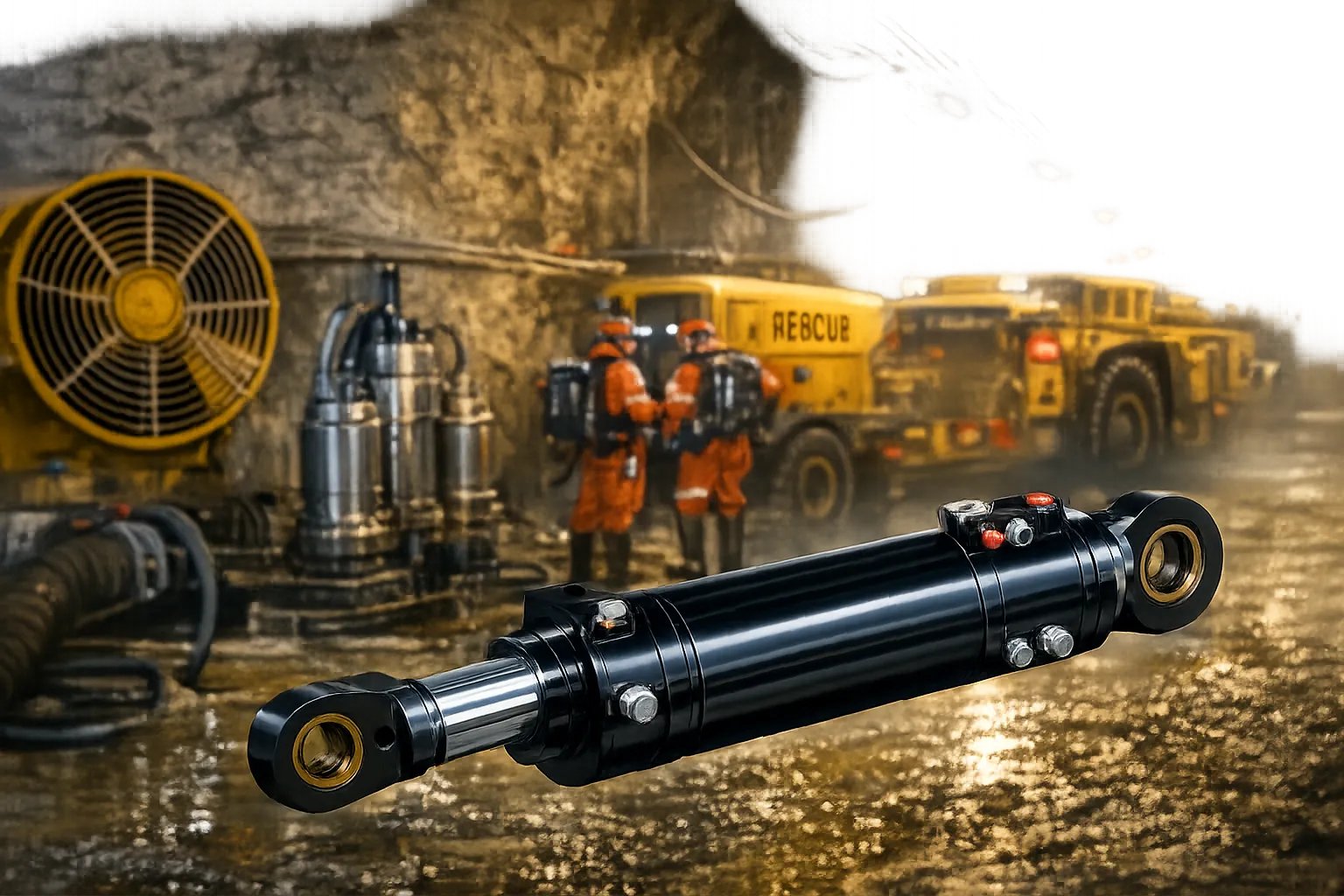
As an elite manufacturer serving top-tier robotics consortiums and heavy industry emergency divisions across South Korea, Japan, and the broader Asian market, our unique value proposition is rooted in uncompromising preventative engineering. We recognize that procurement divisions evaluating a long-term fleet upgrade must consider the overall total cost of ownership. By deploying a heavily fortified micro servo actuator that completely rejects abrasive wear and acidic corrosion, facility operators drastically maximize their disaster readiness. Eliminating the necessity for emergency field repairs and continuous component replacements makes our high-performance hydraulic parts the most strategic and economically efficient investment, profoundly optimizing the overall lifecycle hydraulic cylinder price for advanced robotics manufacturers.
Comprehensive Technical Parameters
Executing flawless multi-degree of freedom action within the confined chassis of a rescue robot demands strict adherence to rigorous engineering specifications. The following matrix details the foundational physical parameters and highly specialized metallurgical configurations defining our compact actuation platforms.
| Engineering Specification | Parameter Designation & Technical Details |
|---|---|
| Target Industry | Mining Equipment / Subterranean Disaster Response |
| Equipment Category | Underground rescue equipment / Remote Intervention Vehicles |
| Subsystem / Specific Action | Rescue robot / Multi-axis manipulator articulation |
| Primary Component Name | Miniature operation cylinder / Miniature operation hydraulic cylinder |
| Operational Action Mode | Double acting (Active powered fluid extension and controlled retraction) |
| Internal Structural Type | Micro servo cylinder (Optimized for ultra-low friction proportional control) |
| Manufacturing Architecture | Welded construction (Monolithic heavy-walled design eliminating tie-rods) |
| Base Material System | Stainless steel (High-alloy matrix for maximum structural rigidity and rust immunity) |
| External Surface Treatment | Precision Polished (Roughness Average less than 0.15 micrometers) |
| Designed Environmental Grade | High humidity + dust (Total exclusion of abrasive airborne silica) |
| Specific Working Condition | Multi-degree of freedom action (Simultaneous, complex spatial articulation) |
| Targeted Typical Failure Mode | Wear (Complete prevention of internal scoring and seal laceration) |
| Recommended Seal Configuration | FFKM seal (Perfluoroelastomer for supreme physical and chemical resistance) |
| Basic Specification Range | Bore: 10mm – 45mm | Stroke: 15mm – 500mm | Pressure: 10 – 21 MPa |
| Installation Method Options | Micro spherical rod eyes, miniature rear clevis, threaded barrel, front flange |
The Mechanical Physics: Micro Working Principle
To fully comprehend the operational superiority of the Miniature operation cylinder, one must examine the fluid kinematics functioning at a highly miniaturized scale. A rescue robot requires tremendous lifting and prying forces to manipulate heavy concrete slabs, yet the joints of the robot are physically constrained. Pneumatic systems lack the necessary force density because air compresses under heavy loads, causing unpredictable, spongy movements. Only an incompressible fluid medium, driven at high pressures within microscopic tolerances, can deliver the absolute rigidity required for delicate robotic rescue maneuvers.
It is absolutely critical to clarify why a single acting hydraulic cylinder is entirely disqualified from this specific application. Single-acting mechanisms depend on internal mechanical springs or the passive force of gravity to retract the metallic rod. In the chaotic geometry of a collapsed tunnel, a robotic arm might be operating upside down or pushing against an immovable boulder. A passive spring cannot predictably counteract shifting gravitational loads. Therefore, our design operates strictly as a double acting hydraulic cylinder. High-pressure hydraulic fluid is precisely metered by the onboard micro-proportional valve into either the cap end or the rod end of the barrel. When fluid enters the cap end, it presses against the full surface area of the hydraulic cylinder piston, resulting in a powerful extension stroke. Redirecting fluid to the rod end acts upon the annular area, forcibly and actively retracting the mechanical arm, ensuring it never becomes pinned.
The designation as a micro servo cylinder indicates a profound achievement in internal tribology. Friction has been reduced to near zero, entirely eradicating the “stick-slip” phenomenon common in conventional fluid power. This allows the automated control system to command multi-degree of freedom action flawlessly. The robot can execute incredibly complex, sweeping articulations with sub-millimeter accuracy. Simultaneously, the aggressive external environment of high humidity + dust is forcefully repelled by the FFKM dynamic wiper, ensuring the internal hydraulic oil remains perfectly pure and the volumetric efficiency stays at exactly 100%.
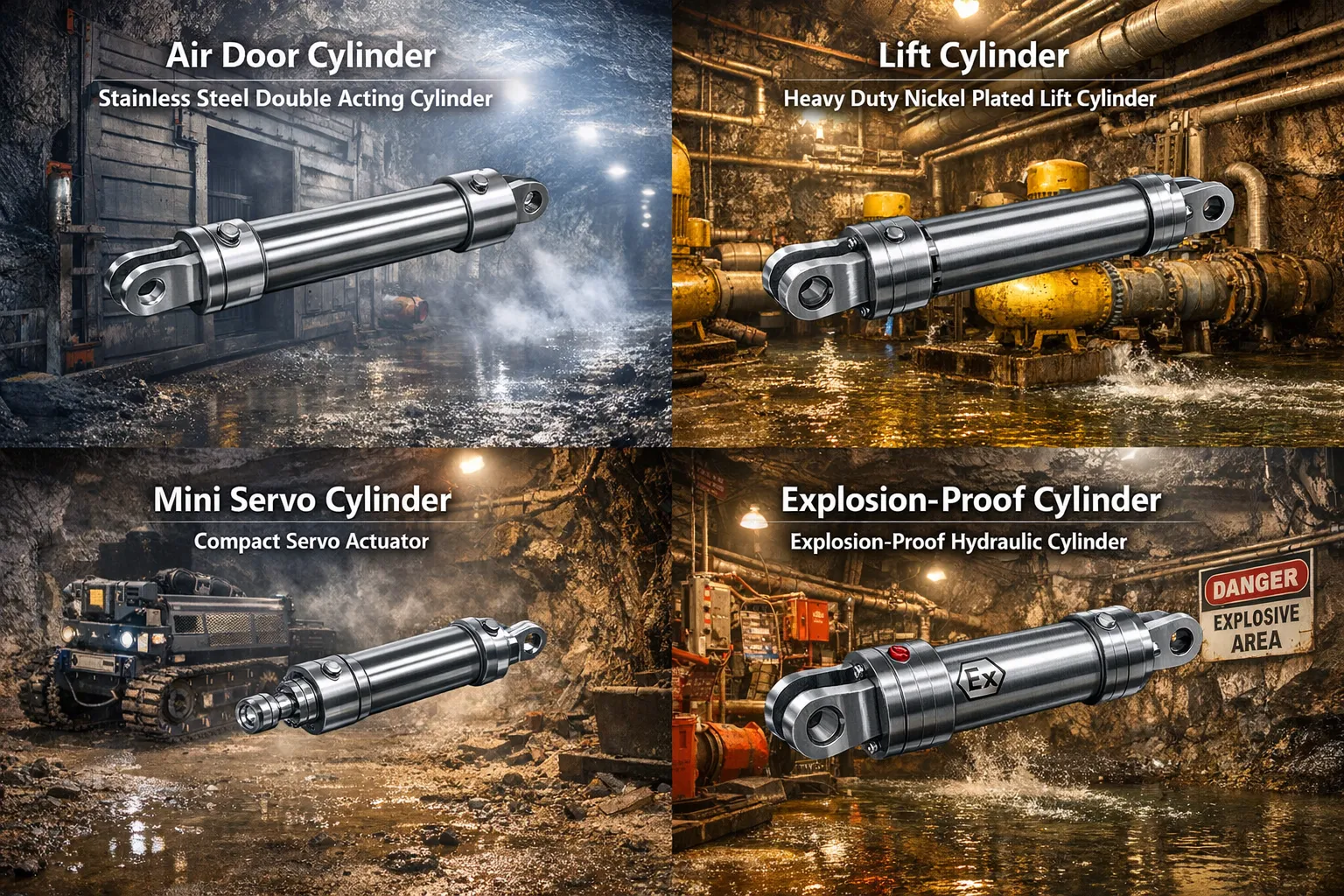
Seamless Upgrades and Legacy Brand Compatibility
A recurring logistical nightmare for robotics maintenance engineers and heavy industry procurement managers is sourcing exact replacement actuators for highly specialized automated machinery. When the original commercial-grade micro actuators on a rescue robot begin to experience abrasive seal failure and fluid bypass, redesigning the robot’s physical chassis mounts to accommodate a differently sized cylinder is incredibly expensive and causes unacceptable disaster-response downtime. We have strategically eliminated this barrier completely.
Our international engineering division meticulously adheres to global fluid power dimensional standards. By exactly matching the pin-to-pin retracted lengths, precise micro-stroke travels, specific bore diameters, and standardized miniature port threadings (such as M5, 1/8″ NPT, or BSPP), our stainless steel units function as flawless, drop-in upgrades. Facilities frequently procure our hydraulic rams to directly replace failing, light-duty micro-hydraulics and pneumatics originally supplied by legacy global manufacturers including SMC Corporation, Festo, Parker Hannifin, Bosch Rexroth, and Enerpac.
Mentioning these specific corporate machinery brands is strictly for the purpose of technical cross-referencing and dimensional compatibility to assist engineers in product selection. It does not constitute trademark infringement, nor does it imply any direct business partnership, as all respective trademarks remain the sole property of their corporate owners. Our distinct objective is to simplify the complex logistics of fixing hydraulic cylinders for rapid-response maintenance teams. Upgrading to our superior stainless actuators permanently resolves the issue of abrasive wear without altering existing mechanical linkages, drastically accelerating any required hydraulic cylinder repair or fleet overhaul.
Five Uncompromising Core Technical Advantages
What elevates an advanced fluid power solution above standard commercial pneumatics or basic hydraulic components? The distinction lies entirely in exhaustive micro-metallurgy and specialized internal sealing dynamics. Below are five core engineering advantages meticulously built into every Miniature operation hydraulic cylinder we manufacture:
1. Impenetrable FFKM Advanced Sealing Architecture
The dense rock dust characteristic of subterranean environments represents the ultimate destructive force for dynamic sliding seals. Standard NBR (Nitrile) or polyurethane seals rapidly dry out, harden, and become lacerated by silica dust. We integrate premium FFKM seal (Perfluoroelastomer) compounds as the foundational sealing matrix. FFKM provides extreme chemical inertness and formidable mechanical resilience. As the rod cycles, the FFKM dual-lip dynamic wiper aggressively scrapes away microscopic abrasive particulates, entirely neutralizing the primary failure mode of wear and preserving the internal fluid’s absolute purity.
2. Ultra-Compact Monolithic Welded Construction
Space inside a rescue robot chassis is measured in millimeters. Conventional tie-rod cylinders require large external bolts that consume valuable physical space and frequently vibrate loose under the intense mechanical shock of navigating collapsed rubble. We utilize an advanced welded construction methodology. The microscopic, heavy-walled stainless steel barrel is permanently fused to the cylinder head and base cap via automated precision orbital TIG welding. This creates a hyper-rigid, monolithic pressure vessel that withstands enormous internal hydraulic forces while remaining incredibly slender.
3. Hyper-Precision Polished Stainless Steel
To combat severe high humidity + dust and highly acidic groundwater, the entire cylinder is constructed from high-grade solid stainless steel, eradicating rust entirely. However, to achieve servo-level responsiveness, the extending rod must not present any surface friction. We subject every solid stainless rod to a rigorous, multi-stage centerless grinding and extreme mechanical process, leaving it perfectly polished. Achieving a surface roughness (Ra) of less than 0.15 micrometers allows the rod to glide flawlessly through the FFKM seals, aggressively repelling moisture and denying abrasive dust any texture to cling to.
4. Micro Servo Control and Zero Bypass Volumetric Efficiency
A rescue robot’s manipulator arm must be capable of delicate, sweeping motions as well as sudden, forceful prying actions. Because these cylinders are classed as a micro servo cylinder, the internal diametral clearances between the hydraulic cylinder piston and the honed barrel wall are held to the tightest possible micron margins. This virtually eliminates internal fluid bypass. When the robot’s logic controller commands a fluid flow of merely fractions of a drop, the actuator translates that instantly into precise, judder-free multi-degree of freedom action.
5. Optimized Thermal Stability and Extraordinary Fatigue Life
Continuous, high-frequency robotic articulation generates significant internal hydraulic heat. Utilizing advanced Finite Element Analysis (FEA) software during the design phase, our engineers meticulously optimize the internal micro-port geometries to maximize rapid heat dissipation through the stainless steel barrel. This thermal stabilization, combined with the extreme heat resistance of the FFKM seal and the highly polished rod, pushes the mechanical fatigue life of the entire assembly into millions of operational cycles, guaranteeing reliability during extended rescue operations.
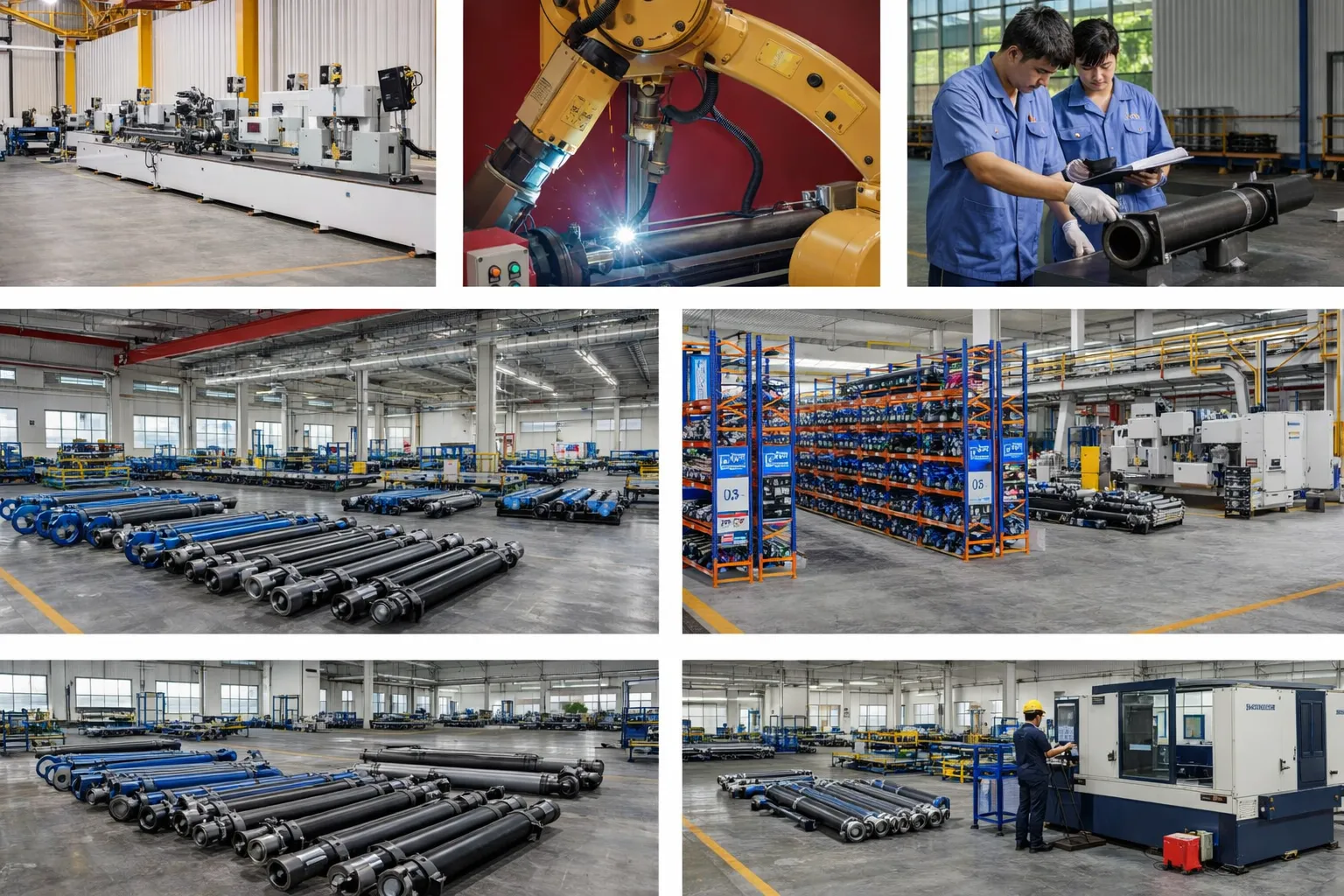
Autonomous Manufacturing Process & Rigorous Quality Control
Absolute industrial reliability cannot be achieved by merely assembling disparate, outsourced parts. As a premier, full-spectrum manufacturer, we maintain complete, autonomous control over every stage of the production pipeline within our advanced facilities. The journey of every actuator begins with exhaustive metallurgical verification. Utilizing optical emission spectrometry, we test every batch of incoming raw stainless steel billet to verify its precise alloy composition, ensuring it possesses the requisite structural strength and corrosion resistance to handle ultra-high pressure applications in acidic environments.
The actual physical machining is executed on state-of-the-art, multi-axis Swiss-type CNC turning and milling centers. These advanced machines allow us to hold the internal bore concentricity and the outer rod diameters to mind-bending, micron-level tolerances. Following the delicate, low-heat input automated TIG welded process, every structural seam is subjected to ultrasonic non-destructive testing (NDT). This critical inspection guarantees the total absence of microscopic internal voids or weld inclusions that could lead to a catastrophic rupture under intense fluid pressure. The assembly of the delicate hydraulic cylinder components is conducted in a climate-controlled cleanroom to prevent any ambient dust from contaminating the internal matrix.
The definitive culmination of our rigorous quality assurance protocol is the mandatory, 100% factory dynamic pressure test. We unequivocally reject the industry standard practice of random batch sampling. Every single Miniature operation cylinder is securely mounted to our computerized hydraulic test benches and subjected to pressure loads significantly exceeding its maximum rated capacity. We meticulously monitor for the slightest hint of external FFKM seal leakage, internal piston bypass, and stroke linearity. Upon passing, every unit is permanently laser-engraved with a unique serial identifier. This provides our global clients with absolute lifecycle traceability, ensuring that securing replacement parts decades later is a rapid, error-free process.
Versatile and Critical Industry Applications
While these actuators were explicitly engineered and highly optimized to serve as the muscular core of underground rescue robots, their astonishing power density, precise control dynamics, and total environmental immunity make them highly sought after across a vast array of specialized heavy industrial sectors. By exploring our hydraulic cylinder portfolio, elite engineers frequently adapt these specific configurations for other severely demanding scenarios.
- Mining Industry Equipment: Beyond disaster robotics, these highly sealed micro-cylinders are deployed in automated subterranean rock-bolting rigs, precision geo-exploration drilling tools, and highly confined explosive-placement mechanisms where massive rock dust accumulation is unavoidable.
- Construction Machinery Industry: Utilized heavily as complex linkage actuators in specialized micro-trenching equipment and as a highly reliable, compact lift cylinder for maneuvering heavy structural monitoring arrays deep inside wet concrete tunnels.
- Specialized Marine & Subsea Robotics: The solid stainless steel welded construction makes them the definitive choice for deep-sea Remote Operated Vehicles (ROVs). The heavy-duty sealing keeps high-pressure salt water out while the internal hydraulics manipulate complex subsea tooling valves.
- Advanced Medical Surgical Robotics: The incredibly smooth, stick-slip free multi-degree of freedom action is adapted for massive diagnostic imaging equipment where micro-millimeter precision movement is required to position heavy scanning arrays securely.
- Hazardous Material Logistics Automation: Functioning reliably in chemical sorting facilities to actuate heavy containment blast doors and robotic gripping claws in environments where corrosive chemical vapor destroys standard aluminum or carbon steel components instantly.
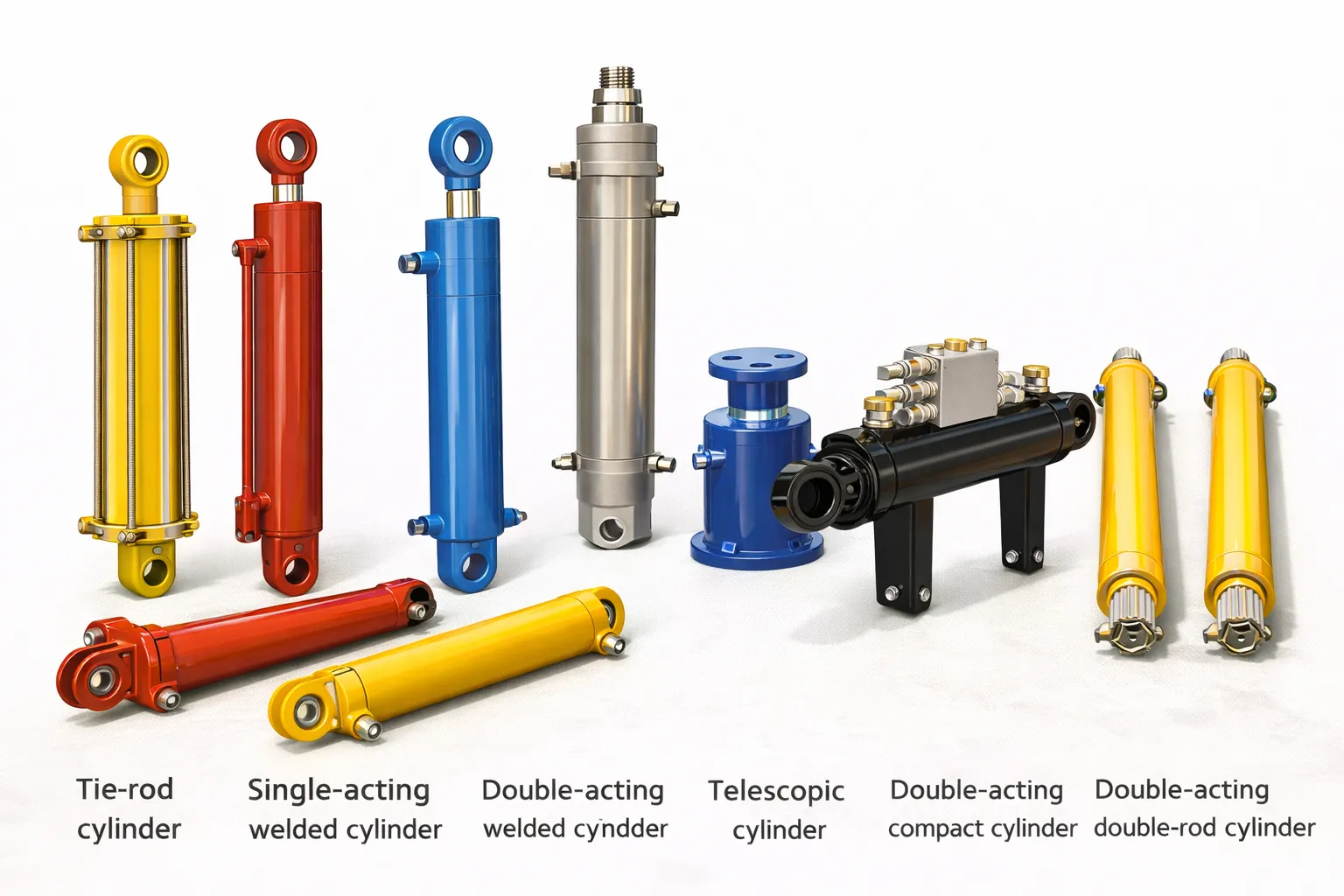
Comparative Analysis: Standard Commercial vs. High-Performance Rescue
For procurement directors and lead mechanical engineers, evaluating the total cost of ownership requires looking past the initial purchase order. Relying on standard commercial automation cylinders drastically increases the risk of mission-critical failure. This comparative data clearly illustrates why specifying our purpose-built Miniature operation hydraulic cylinder provides an exponential increase in field reliability and long-term economic value.
| Performance Metric | Standard Miniature Cylinder (General Purpose) | Our Miniature Operation Cylinder |
|---|---|---|
| Primary Base Material | Anodized Aluminum or Carbon Steel | Solid High-Grade Stainless Steel Matrix |
| Environmental Seal Integrity | Standard NBR / Urethane (Fails rapidly in abrasive dust) | Advanced FFKM Seal (Complete resistance to rock dust) |
| Structural Rigidity Architecture | External Tie-rods or threaded caps (Prone to vibration loosening) | Monolithic Welded Assembly (Vibration immune) |
| Dynamic Fluid Control Precision | Moderate. High internal friction causes noticeable stick-slip | Ultra-high micro servo capability for fluid robotic motion |
| Resistance to High Humidity | Poor. External surface rapidly corrodes and pits in damp shafts | Absolute Immunity. Polished stainless heavily rejects oxidation |
| Average Operational Reliability Lifespan | Severely compromised within hours of extreme dust exposure | Massively extended. Millions of continuous cycles guaranteed |
Proven Field Dominance: Five Real-World Case Studies
Theoretical engineering parameters must ultimately be validated in the crucible of real-world disaster zones. Our elite fluid power solutions are the trusted backbone for advanced machinery consortiums globally. Below are five meticulously documented instances where our specialized Miniature operation cylinder decisively resolved critical robotic actuation failures, drastically improving operational viability.
Case 1: National Subway Collapse Rescue Initiative (Seoul, South Korea)
The Challenge: A government safety agency was developing a fleet of narrow-chassis rescue robots intended to navigate collapsed subway tunnels. The extremely humid atmosphere and thick concrete dust were instantly destroying the pneumatic actuators on the robotic manipulator arms, rendering the robots paralyzed within four hours of deployment simulation testing.
The Engineering Solution: The lead project engineer contacted us in March 2024. We supplied a custom batch of fully welded, double-acting stainless steel cylinders equipped with our severe-duty FFKM seal wipers.
The Verified Outcome: The heavy-duty sealing totally blocked the abrasive concrete dust. The massive force density of the hydraulic system allowed the tiny robotic arms to successfully lift structural debris that was five times heavier than their previous pneumatic limit.
“The polished surface finish and the welded architecture survived over 400 hours of continuous simulation in deeply flooded, highly abrasive testing caverns without a single drop of fluid leakage. This tiny actuator is an engineering marvel.” — Dr. Lee Jin-woo, Lead Robotics Engineer (November 2024)
Case 2: Seismological Tech-Rescue Engineering Co. (Hokkaido, Japan)
The Challenge: A premier manufacturer of earthquake disaster rubble-navigation drones struggled with the delicate control required for their multi-degree of freedom manipulator claws. Standard commercial cylinders exhibited terrible stick-slip behavior, causing the robotic claws to crush delicate objects rather than gently moving them.
The Engineering Solution: They reached out via our international B2B portal in August 2024, urgently inquiring about highly specialized hydraulic rams. We engineered incredibly precise micro servo cylinder units with hyper-polished internal barrel honing to virtually eliminate sliding friction.
The Verified Outcome: The internal volumetric efficiency was perfected. The robotic claws could now execute highly complex, sweeping articulation paths flawlessly, responding smoothly to micro-adjustments from the remote operator without any jerky movements.
“The servo-level responsiveness achieved by these micro cylinders is exactly what our tactile, multi-axis manipulators required. Upgrading to this system completely resolved our precision control issues.” — Kenji Takahashi, Chief Systems Designer (February 2025)
Case 3: Specialized Hazardous Materials Automation (Hualien, Taiwan)
The Challenge: A highly specialized robotic assembly was tasked with handling and dismantling volatile industrial waste containers inside a heavily confined, reinforced earthquake blast chamber. They initially utilized a cheap single acting hydraulic cylinder system, but the passive spring return could not reliably pull back heavy tools safely.
The Engineering Solution: Contacting our technical support team directly, they urgently required a micro-scale lift cylinder with absolute bi-directional control. We supplied customized double acting hydraulic cylinder units with heavy-duty spherical mounting bearings to handle awkward loads.
The Verified Outcome: The active hydraulic retraction forcefully and predictably withdrew the hazardous materials exactly as programmed. The spherical bearings smoothly absorbed all the dangerous off-center side-loading forces generated during the robotic manipulation.
“The internal dimensional precision on your equipment is undeniably world-class. The double-acting active retraction capability was the missing puzzle piece that made our hazardous material handling robot safe enough to deploy.” — Lin Wei-chen, Automation Architect (November 2025)
Case 4: Confined Space Industrial Rescue Crawler (Quang Ninh, Vietnam)
The Challenge: A private industrial rescue team operating in heavy manufacturing plants utilized a tracked crawler designed to pull injured workers from beneath collapsed steel machinery. The massive lateral shock loads from shifting steel beams were causing standard aluminum tie-rod cylinders to physically separate at the end caps, losing all hydraulic pressure instantly.
The Engineering Solution: They were referred to our capabilities in February 2025. We delivered our signature monolithic welded stainless steel cylinders. The continuous TIG weld fused the heavy-walled barrel directly to the base.
The Verified Outcome: The structural rigidity was phenomenal. The welded architecture easily absorbed the lateral twisting forces without deflecting, ensuring the hydraulic system remained fully pressurized and the crawler maintained its grip on the heavy steel debris.
“We had completely lost faith in micro-hydraulics until we bolted your welded units onto the crawler. They take an unbelievable amount of physical abuse and just keep actuating smoothly. A truly superior build.” — Captain Nguyen Thanh, Rescue Operations Commander (August 2025)
Case 5: Deep Shaft Extraction Hazard Response Unit (Jakarta, Indonesia)
The Challenge: To monitor hazardous gas levels in newly blasted tunnels, this firm deployed autonomous crawler vehicles equipped with telescoping sensor arrays. The heavily acidic and damp environment caused massive rusting and pitting on standard carbon steel lift mechanisms within a matter of weeks, jamming the sensors.
The Engineering Solution: The operational director met our technical representatives at an industrial exhibition in January 2026. We quickly replaced their failing parts with our solid stainless steel Miniature operation hydraulic cylinder assemblies.
The Verified Outcome: The stainless steel matrix totally rejected the acidic oxidation. The sensor masts now reliably raise and lower multiple times a day. The client documented completely uninterrupted operations for months, drastically reducing hydraulic cylinder repair.
“Corrosion on the tiny actuators was our biggest nightmare. Your stainless steel units eliminated the problem permanently. While the upfront hydraulic cylinder price was premium, the total cost savings from avoiding constant replacements is immense.” — Budi Santoso, Subterranean Operations Manager (August 2026)
Expert Insights: Frequently Asked Questions (FAQ)
Sourcing specialized micro fluid power components for highly sensitive industrial robotics demands rigorous technical clarity. To assist B2B procurement specialists and robotic chassis engineers in their evaluation process, we have meticulously detailed the answers to the most common, high-level inquiries regarding our heavy-duty miniature actuation solutions.
1. What precisely defines a ‘miniature operation cylinder’ in contrast to a standard hydraulic actuator?
The defining characteristic is extreme power density combined with micro-scale dimensional constraints. While standard industrial cylinders are designed for massive external machinery, a micro unit is engineered to fit within the severely confined chassis of a robot or delicate automation tool. It must deliver hundreds or thousands of pounds of highly controlled linear thrust using incredibly small volumes of hydraulic fluid, requiring internal machining tolerances that are significantly more precise than conventional heavy machinery components.
2. Why is the monolithic welded structure vastly superior to tie-rods for rescue robotics?
Traditional tie-rod constructions utilize four large external bolts to hold the end caps to the barrel. In the violently unpredictable environment of a collapsed tunnel, a rescue robot is subjected to intense impact shocks and massive mechanical vibrations. These forces cause tie-rods to stretch and loosen rapidly, leading to catastrophic high-pressure fluid blowouts. Our proprietary welded assembly permanently and flawlessly fuses the thick-walled stainless steel barrel to the end caps, creating an ultra-rigid, shock-proof structure that occupies the absolute minimum physical footprint.
3. How does the FFKM sealing matrix prevent the specific failure mode of abrasive wear?
The primary atmospheric threat in a subterranean disaster zone is dense, abrasive silica rock dust. When this dust adheres to the extending metallic rod, it acts like sandpaper as the rod retracts, rapidly slicing through standard NBR or polyurethane rubber seals. FFKM (Perfluoroelastomer) is a highly specialized, incredibly tough molecular polymer. It aggressively maintains its sharp lip geometry across severe temperature shifts, functioning as a relentless scraper that forcibly wipes every microscopic abrasive particle off the highly polished rod before it can penetrate the hydraulic system.
4. How exactly does the multi-degree of freedom action function hydraulically?
Achieving multi-degree of freedom action requires absolute, instantaneous fluid responsiveness. We class our products as micro servo actuators. Because the internal bore is honed to a mirror finish and the clearances around the internal hydraulic cylinder piston are practically zero, there is no internal fluid bypass. When a computerized micro-valve commands a tiny injection of pressurized fluid into the port, that energy is transferred completely and instantly into linear thrust without any hesitant “stick-slip” friction, allowing the robotic arm to execute incredibly smooth, complex, and proportional movements.
5. Can your specialized units handle continuous operational cycles underwater?
Absolutely. The high-grade solid stainless steel alloy matrix fundamentally prevents external rusting or pitting caused by water immersion. Furthermore, the robust FFKM seal architecture is designed to contain thousands of PSI of internal pressure while simultaneously preventing extreme external hydrostatic pressure from forcing contaminated groundwater into the hydraulic circuit. They are highly favored for both flooded mine rescues and specialized deep-sea robotics.
6. Do you supply replacement hydraulic cylinder components for field repairs?
Yes, our industrial commitment guarantees extensive post-deployment support. Every micro cylinder we manufacture features a laser-engraved permanent serial number. We maintain a vast, cataloged inventory of all specific internal hydraulic cylinder components, including customized FFKM seal kits and micro spherical bearings. While our welded units rarely fail, the precision-machined end-glands allow highly trained technicians to perform comprehensive hydraulic cylinder repair and seal replacement rapidly in the field.
7. What elements dictate the final hydraulic cylinder price for a custom robotic application?
The exact hydraulic cylinder price is fundamentally determined by the required physical dimensions—specifically the bore size and the total stroke length, which govern the volume of raw high-grade stainless steel needed. Additionally, the complexity of the machined mounting structures (such as custom trunnions or micro-flanges) and the integration of highly specialized seal matrices like FFKM influence the cost. However, because our high-durability actuators effectively eliminate the chronic need for emergency machinery downtime, the long-term total cost of ownership is remarkably low.
8. How do I initiate a technical consultation and receive an engineering quotation?
Initiating an engineering partnership is highly streamlined. Our technical sales division simply requires your fundamental operational metrics: the required bore dimension, rod diameter, exact stroke travel length, maximum system operating pressure, and the specific mounting linkage style desired. You can submit these operational parameters, along with any relevant CAD drawings of your robotic chassis, directly through our secure contact portal. Our engineering specialists guarantee a highly detailed technical proposal and exact cost analysis within 24 to 48 hours.
9. Can a single acting hydraulic cylinder be used for any part of the rescue robot?
While a single acting hydraulic cylinder is excellent for simple, gravity-return lifting platforms, it is generally unsuitable for the dynamic arms of a rescue robot. Rescue robotics require active pulling and pushing forces regardless of the arm’s spatial orientation. Relying on a passive return spring inside a single-acting unit is dangerous if the arm needs to forcefully extract itself from collapsed rubble. A double-acting setup is fundamentally required for active, bidirectional safety.
10. How quickly can you manufacture and deliver replacement hydraulic rams to South Korea?
For standard custom configurations utilizing our stocked stainless steel billets and FFKM matrices, the engineering, precision machining, and exhaustive pressure testing protocol takes approximately 3 to 4 weeks. Once cleared by quality control, we utilize expedited air freight to major industrial hubs like Seoul or Busan, generally delivering within an additional 3 to 5 days. For vital disaster-response fleets, we offer accelerated manufacturing pipelines to minimize your operational downtime.
Equip Your Robotics with Uncompromising Fluid Power Precision
Do not allow inadequate commercial pneumatics or basic hydraulic parts to bottleneck the performance of your critical life-saving robotics. Partner with an elite, global fluid power engineering manufacturer to deploy the most phenomenally compact, incredibly powerful, and fully environmentally sealed actuation solutions available worldwide. Navigate to our fluid power engineering homepage to explore our total engineering capabilities.
Consult Engineering Specialists
Submit your specific dimensional requirements and operational pressure parameters, and our team will rapidly deliver a comprehensive technical proposal and accurate production cost analysis.
Editor: Cxm