Strategic Overview & Core Industrial Value
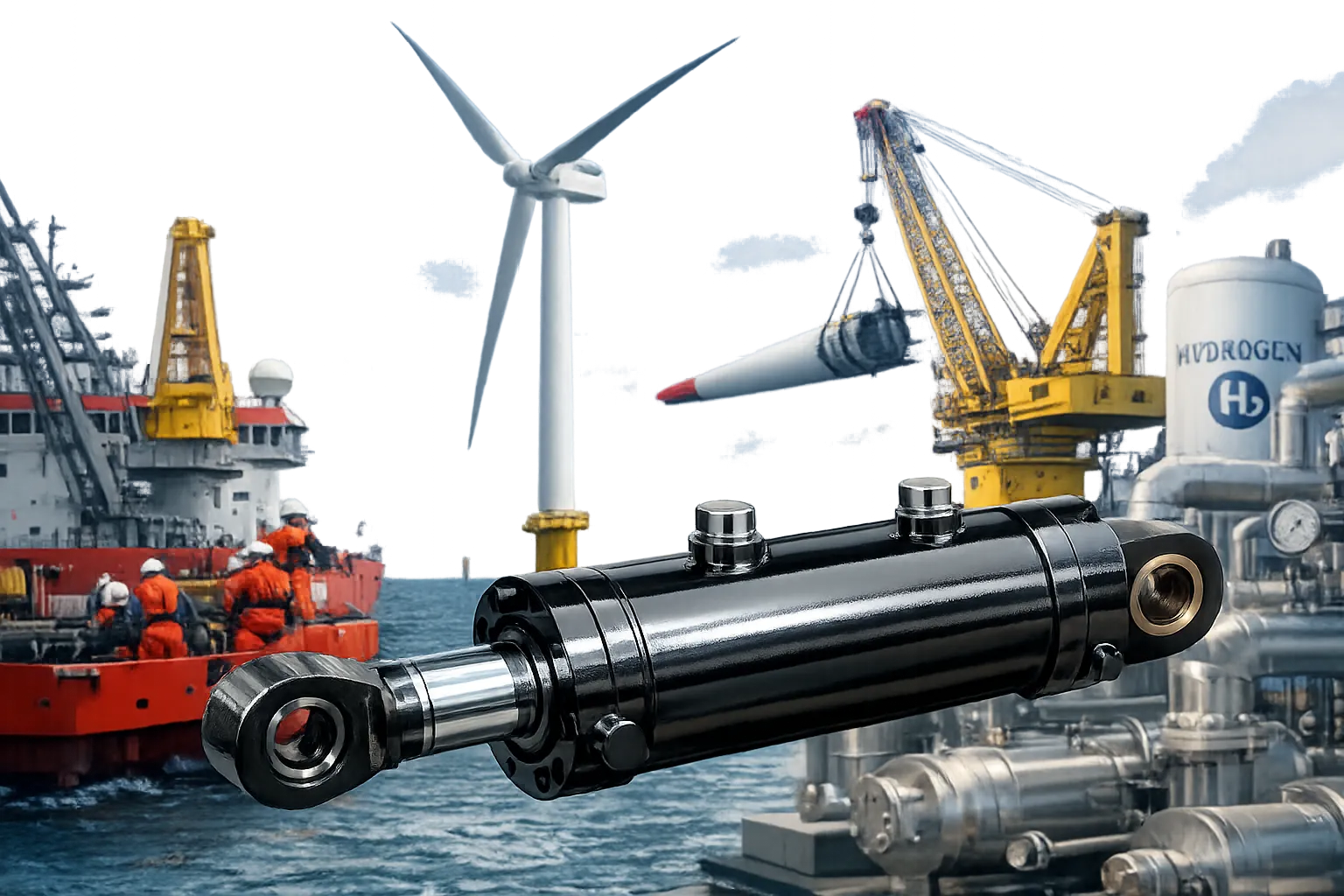
The rapid acceleration of the global transition toward sustainable and zero-emission power has positioned hydrogen energy as the definitive foundation of future industrial infrastructure. Across the Asia-Pacific region, particularly within the highly advanced manufacturing sectors of South Korea and Japan, massive capital investments are accelerating the deployment of high-capacity hydrogen production plants and high-pressure storage hubs. Handling hydrogen gas at a commercial scale presents extraordinary engineering challenges due to its highly volatile nature, extremely small molecular structure, and the intense atmospheric pressures required for stable storage. Central to the safety, automation, and operational functionality of these heavy-duty containment vessels is the specialized Tank Cover Cylinder. This critical fluid power actuator serves as the primary mechanical muscle responsible for the precise opening, closing, and secure locking of massive containment lids.
Operating fluid power equipment within a hydrogen processing plant or a chemical containment zone exposes the machinery to an aggressively hostile ecosystem. The ambient environment is frequently saturated with a strong corrosive medium, generated by nearby chemical refinement processes, aggressive solvent washdowns, or coastal marine atmospheric conditions. When standard hydraulic parts manufactured from basic carbon steel are deployed in these settings, they rapidly deteriorate. The primary mode of failure manifests as severe pitting corrosion on the actuator rod surfaces. This microscopic pitting transforms a smooth surface into an abrasive file; as the rod retracts, it aggressively shreds the internal elastomeric seals. This inevitably leads to catastrophic fluid bypass, dangerous losses in clamping pressure, and severe contamination hazards within the hydrogen containment system.
As an internationally recognized hydraulic cylinder manufacturer with over twenty years of specialized fluid dynamics expertise, we recognized that the new energy sector could not rely on obsolete metallurgy. Our unique industrial positioning is defined by our purpose-built Tank Cover Hydraulic Cylinder. By completely abandoning standard steel in favor of premium 316L austenitic stainless steel and integrating a proprietary low-leakage seal matrix, we have engineered an actuator that delivers flawless, leak-proof containment clamping. Our equipment permanently eliminates the threat of pitting corrosion, ensuring that the heavy-duty cylinder operates reliably over thousands of high-stress cycles. We provide the unyielding mechanical integrity that drastically reduces your long-term maintenance overhead and maximizes the continuous uptime of your clean energy infrastructure.
Comprehensive Technical Parameters
Deploying actuation systems in highly regulated, volatile gas environments demands complete transparency and strict adherence to advanced metallurgical and fluid dynamic specifications. The technical matrix below details the core engineering parameters of our standard high-performance stainless steel systems. Our manufacturing division routinely customizes bore diameters, stroke lengths, and exact mounting configurations to perfectly align with the specific geometric requirements of your high-pressure storage tanks.
| Engineering Parameter | Specification Details & Configurable Range |
|---|---|
| Target Industry Sector | New Energy / Clean Tech Infrastructure |
| Equipment Category | Hydrogen Energy Storage and Pressurized Transport Vessels |
| Subsystem / Action Function | Hydrogen tank opening and closing mechanism |
| Designated Component Name | Tank Cover Cylinder / Tank Cover Hydraulic Cylinder |
| Actuation Mode | Double acting hydraulic cylinder for powered lifting and locking |
| Structural Type | Heavy-wall Stainless steel cylinder |
| Manufacturing Method | Fully Integrated Welding (Precision TIG / Argon Shielded) |
| Core Material System | Premium 316L Austenitic Stainless Steel (Molybdenum-enriched) |
| Surface Finishing | Mechanical & Electrolytic Polished (Surface roughness Ra < 0.2 µm) |
| Environmental Grade | Engineered for continuous exposure to a strong corrosive medium |
| Working Condition Feature | Tank cover opening and closing under immense structural stress |
| Typical Failure Mode Countered | Explicitly designed to prevent Pitting and subsequent seal degradation |
| Recommended Configuration | Advanced Low-leakage seal technology utilizing PTFE/FKM compounds |
Operational Fluid Dynamics & Kinematic Functionality
Safely articulating a massive, multi-ton solid steel containment lid requires the absolute mastery of fluid power transmission. Relying on gravity or passive mechanics for the closing sequence is entirely unacceptable when dealing with highly combustible, pressurized gases. For this precise reason, our engineering protocol mandates that this equipment functions strictly as a double acting hydraulic cylinder. In this closed-loop configuration, high-pressure hydraulic fluid is metered directly into alternating ports, granting the facility’s control systems complete, active authority over both the extension and retraction phases of the heavy steel lid.
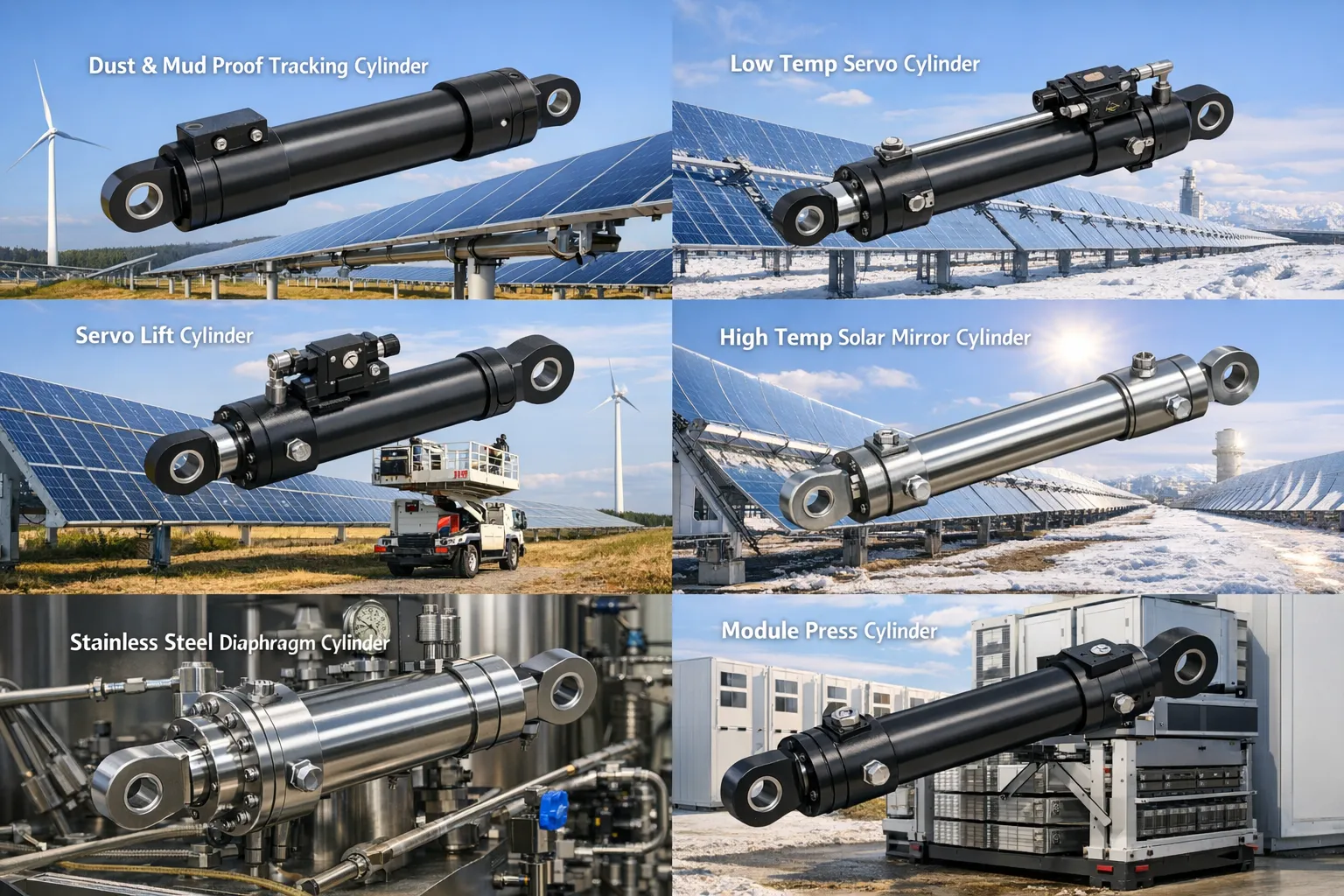
When the facility operator initiates an opening sequence, the main power unit directs pressurized fluid through the manifold into the blind end (cap end) of the welded 316L barrel. According to fundamental fluid dynamics, this pressure acts uniformly across the entire surface area of the internal hydraulic cylinder piston. This generates massive linear thrust, forcing the polished rod outward and lifting the heavy tank cover with a smooth, judder-free motion. This level of controlled power is something a basic single acting hydraulic cylinder simply cannot safely replicate in high-tonnage overhead lifting scenarios.
Conversely, during the critical closing and locking cycle, hydraulic fluid is dynamically redirected into the rod end of the Tank Cover Cylinder. This actively and forcefully retracts the hydraulic rams, pulling the heavy cover down and heavily compressing the main containment flange against the primary vessel O-rings to form an impenetrable seal. Once fully seated, the system relies entirely on our advanced low-leakage seal matrix. These specialized seals hold the extreme internal fluid pressure indefinitely without permitting microscopic bypass, ensuring the hydrogen vessel remains hermetically locked shut regardless of internal gas expansion or fluctuations in external ambient temperatures.
Seamless Equipment Integration & Brand Cross-Compatibility
We deeply understand that procurement directors and maintenance engineers operating complex hydrogen hubs frequently face crippling supply chain bottlenecks. Attempting to source replacement hydraulic cylinder components from original European or North American equipment manufacturers can result in prohibitive international lead times and exorbitant freight costs, severely stalling critical facility output. Our engineering strategy actively eliminates this logistical hurdle by reverse-engineering international geometric standards.
Technical Sizing and Fitment Reference: Our highly specialized hydraulic parts are precisely CNC-machined to perfectly match the exact dimensional footprints, trunnion widths, clevis pin diameters, and port threads of factory-installed units. We engineer superior drop-in replacements for standard commercial actuators originally manufactured by global brands such as Bosch Rexroth, Parker Hannifin, Eaton Vickers, Enerpac, and SMC. Please be explicitly advised that the mention of these corporate brand names is strictly for the technical purpose of sizing comparison, reverse-engineering compatibility, and assisting your engineers in seamless selection. It does not imply any official OEM affiliation, sponsorship, or trademark infringement. By supplying geometrically identical 316L stainless steel upgrades, we ensure that the process of fixing hydraulic cylinders on your pressure vessels requires zero costly structural modifications, cutting, or welding to your existing tank chassis.
Core Engineering Innovations & Technical Advantages
Surviving the harsh atmospheric realities of a hydrogen generation plant requires moving decisively beyond standard fluid power conventions. We have fundamentally redesigned the internal and external architecture of our Tank Cover Hydraulic Cylinder to actively neutralize chemical threats and provide unmatched operational longevity. Here are the definitive engineering advantages that protect your infrastructure:
1. Absolute Defiance of Pitting Corrosion
Standard steel alloys, even those heavily chrome-plated, rapidly succumb to localized pitting when exposed to a strong corrosive medium. We utilize 100% 316L austenitic stainless steel for the barrel, rod, and end caps. The significant addition of molybdenum in the 316L alloy matrix provides immense, natural resistance to chloride-induced pitting, permanently preserving the structural integrity of the rod surface.
2. Advanced Low-Leakage Sealing Matrix
Hydrogen environments demand absolute sterility; a microscopic fluid leak is an unacceptable fire hazard and contamination risk. We deploy a proprietary low-leakage seal configuration utilizing specialized PTFE (Teflon) composites and FKM (fluorocarbon) elastomers. This multi-stage architecture dynamically handles extreme pressure spikes while aggressively wiping the rod completely dry, ensuring zero external fluid contamination.
3. Monolithic Precision Welding
Standard tie-rod cylinders stretch, flex, and mechanically loosen under the extreme holding pressures required to secure massive tank covers. Our actuators feature a heavily reinforced, fully welded construction. We utilize automated Tungsten Inert Gas (TIG) welding with argon shielding to ensure deep, flawless penetration, completely eliminating the structural stretching weaknesses inherent in tie-rod designs.
4. Micro-Polished Surface Dynamics
Beyond superior metallurgy, physical surface texture is paramount for seal longevity. The exterior of the 316L rod undergoes advanced mechanical and electro-polishing down to a roughness average (Ra) of less than 0.2 micrometers. This mirror-like, frictionless finish radically reduces dynamic seal wear and actively prevents airborne corrosive particulates from finding crevices to adhere to.
5. Optimized Thermal Stability
Hydrogen processing inherently involves vast thermal fluctuations, from intense gas compression heat to cryogenic cooling phases. Our heavy-wall 316L construction naturally resists thermal warping. Simultaneously, the specialized FKM sealing matrix maintains its elastomeric memory and flexibility across a massive temperature spectrum, preventing heat-induced hardening and cracking.
6. Internal Kinematic Cushioning
Allowing a heavy steel lid to free-fall or slam shut risks shattering the primary containment O-rings and generating dangerous mechanical sparks. Our cylinders are engineered with integrated hydraulic dampening. As the stroke nears its end, internal fluid is metered through a restrictive orifice, automatically and smoothly decelerating the massive kinetic energy into a gentle locking sequence.
Uncompromising Manufacturing Autonomy & Quality Control
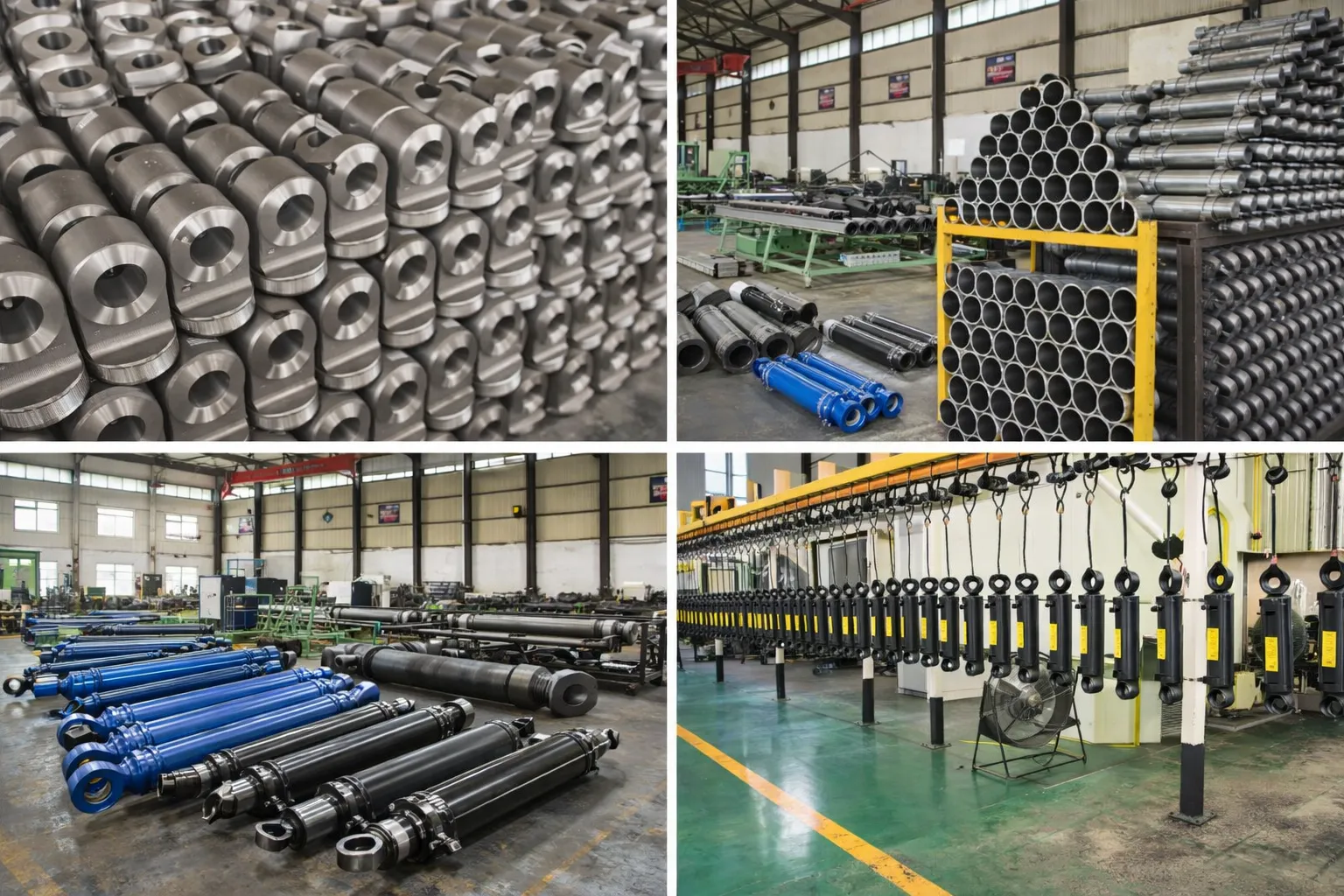
Supplying critical safety components to the highly explosive new energy sector demands absolute perfection in manufacturing. As a fully vertically integrated facility, we maintain sovereign control over our entire supply chain. From the moment the raw 316L stainless steel billets enter our plant, they are subjected to strict metallurgical spectrographic analysis to verify the exact chromium, nickel, and molybdenum content. All precision turning, deep hole boring, and polishing operations are executed strictly in-house on our multi-axis CNC machining centers. This autonomy allows us to hold extreme geometric tolerances measured in single micrometers, ensuring perfect concentricity between the barrel, the piston, and the end caps.
Following the heavy-duty TIG welding process, 100% of the structural joints undergo rigorous ultrasonic non-destructive testing (NDT) to guarantee the total absence of internal voids or micro-cracking. Once fully assembled in our clean-room environment, every single Tank Cover Cylinder is securely connected to an automated hydrostatic test rig. We subject the cylinders to 1.5 times their maximum rated operating pressure, meticulously monitoring for even microscopic internal bypass or external fluid weeping using electronic flow sensors. Upon passing this exhaustive protocol, each cylinder is permanently laser-etched with a serialized QR code, providing our enterprise clients with total lifecycle traceability linking back directly to the original raw material certificates.
Cross-Industry High-Performance Deployments
While this specific 316L welded architecture was heavily engineered to conquer the extreme challenges of hydrogen tank opening and closing, its fundamental resistance to a strong corrosive medium makes it a highly coveted asset across a multitude of heavy-duty sectors. Whenever environmental degradation threatens standard systems, our stainless steel technology provides the ultimate mechanical defense:
- Metallurgical & Heavy Processing: Acid pickling lines, high-heat continuous casting operations, and industrial solvent vats require identical resistance to corrosive atmospheric vapors. Explore our heavy-duty solutions tailored for the Metallurgical and Iron Industry.
- Subterranean Extraction & Mining: Deep underground environments expose heavy machinery to highly acidic groundwaters and abrasive rock slurries that quickly destroy exposed rod chrome. Our polished, well-sealed systems are vital for the Mining Industry.
- Marine Construction & Port Infrastructure: Coastal excavators and offshore equipment are constantly battered by saltwater spray, which aggressively corrodes standard steel. Discover how our technologies adapt perfectly to the Construction Machinery Industry for harbor applications.
- Pharmaceutical & Food Grade Automation: The precise low-leakage seal technology and sterile 316L polished surfaces that protect hydrogen systems are equally critical in clean-room manufacturing, ensuring no hydraulic cylinder oil ever contaminates consumer products.
Comparative Engineering Analysis: Standard vs. High-Performance Solutions
Evaluating the total cost of ownership for fluid power components requires looking far beyond the initial hydraulic cylinder price. Installing standard commercial cylinders in a highly demanding chemical or new energy environment inevitably leads to rapid degradation, forced emergency shutdowns, and massive maintenance labor costs. The comparative matrix below isolates the distinct mechanical differences.
| Engineering Characteristic | Standard Commercial Cylinder | Our Specialized 316L Tank Cover Cylinder |
|---|---|---|
| Primary Metallurgy | Standard Carbon Steel (#45/A36). Highly reactive to industrial atmospheres and chemical vapors. | 100% 316L Austenitic Stainless Steel. Molybdenum-enriched for extreme chemical immunity. |
| Corrosion Resistance | Relies purely on basic paint or thin chrome plating. Rapidly suffers from deep structural pitting. | Inherent material resistance completely eliminates the risk of pitting and galvanic decay. |
| Sealing Integrity | Basic NBR lip seals. High likelihood of external fluid weeping under high-cycle pressure conditions. | Advanced Low-leakage seal matrix (PTFE/FKM). Guarantees zero contamination of the processing area. |
| Structural Integrity | Often utilizes tie-rods which stretch and flex under heavy tank lid lifting forces over time. | Fully integrated TIG welded structure providing massive, monolithic rigidity against torsional twisting. |
| Maintenance Frequency | High. Requires frequent seal replacements, rust removal, and causes costly facility downtime. | Extremely Low. Install-and-forget reliability ensures continuous, safe operation of critical infrastructure. |
Global Engineering Success: Real-World Deployments in Asia
The true validation of our fluid power engineering is witnessed out in the field. Our advanced stainless steel technologies are actively securing critical hydrogen infrastructure in the most demanding markets across East Asia. By mitigating extreme corrosion and guaranteeing seamless actuation, we fiercely protect our clients’ operational budgets and safety records. Review these detailed regional deployments.
Deployment 1: Hydrogen Hub Infrastructure in Ulsan, South Korea
- Client Profile: Major National Energy Conglomerate managing high-capacity hydrogen processing nodes.
- Equipment Handled: Heavy-duty high-pressure hydrogen liquefaction and storage vessels.
- Initial Engagement: The regional procurement director initiated contact via our B2B portal in early 2024, searching for a permanent solution for hydraulic cylinder repair issues that were forcing plant shutdowns.
Engineering Challenge: The facility operated strictly in a highly corrosive medium. The ambient air contained heavy chlorides from the nearby ocean, combined with trace industrial chemical vapors. The standard carbon steel cylinders previously operating the tank lids were suffering from intense pitting within just three months. This pitting shredded the rod seals upon retraction, causing unacceptable hydraulic fluid leakage dangerously close to the volatile hydrogen staging areas.
Strategic Solution & Outcome: We engineered a complete fleet upgrade utilizing our fully polished 316L Tank Cover Hydraulic Cylinder. The integration of the advanced low-leakage seal array instantly resolved the contamination risk. Installed in late 2024, the equipment has undergone continuous high-cycle operations for over 18 months without a single instance of pitting or measurable fluid bypass. The facility eliminated their quarterly replacement cycle entirely.
“The transition to these specialized 316L actuators completely stabilized our sealing operations. The resistance to atmospheric pitting is remarkable. Sourcing these components directly provided an excellent balance of top-tier engineering and highly manageable cost structures compared to our old European suppliers. The technical support provided to our Ulsan team was exceptional.” — Mr. Choi Min-jae, Senior Plant Reliability Engineer (Reviewed: October 2025)
Deployment 2: Liquid Hydrogen Marine Transport in Kobe, Japan
- Client Profile: Specialized Maritime and Heavy Transport Logistics Corporation.
- Equipment Handled: Intermodal liquid hydrogen transport iso-tanks.
- Initial Engagement: Their R&D division reached out specifically for custom-dimensioned, marine-grade lift cylinder solutions capable of handling extreme transit shock loads.
Engineering Challenge: The massive top-loading covers of the iso-tanks required frequent automated opening for inspection and safety venting. However, the transport vessels subjected the entire mechanical assembly to extreme vibrations, twisting forces, and heavy saltwater spray during transit. The previous tie-rod style cylinders were physically stretching, causing the internal hydraulic cylinder piston to bind and stall mid-stroke, severely delaying port logistics timelines.
Strategic Solution & Outcome: We replaced the fragile tie-rod designs with our heavily reinforced, TIG-welded stainless steel architecture. We increased the thickness of the trunnion mounts by 40% to absorb transit shock. Since implementation, the logistics firm has reported flawless tank cover opening and closing operations across their entire intermodal fleet, with zero reported binding or salt-induced corrosion failures.
“The structural rigidity of these welded cylinders is precisely what our heavy transport fleet required. They do not flex under load, and the highly polished surface rejects salt accumulation perfectly. A brilliantly engineered fluid power solution that outlasts anything we used before.” — Director Watanabe Ken, Transport Infrastructure Operations (Reviewed: January 2026)
Deployment 3: Advanced Chemical Separation Plant in Kaohsiung, Taiwan
- Client Profile: Petrochemical and Alternative Fuels Processing Facility.
- Equipment Handled: Industrial blending vats and pressurized containment silos.
- Initial Engagement: Reached out to our engineering team looking to overhaul their entire fluid power network because standard fixing hydraulic cylinders routines were failing entirely.
Engineering Challenge: Similar to hydrogen facilities, this plant operated a highly corrosive medium consisting of acidic vapors and high humidity. The environment aggressively attacked any exposed carbon steel. Maintenance crews were spending massive amounts of capital constantly rebuilding standard cylinders, hunting for reliable hydraulic parts, and creating severe bottlenecks in production throughput.
Strategic Solution & Outcome: We supplied a comprehensive bulk order of custom 316L Tank Cover Cylinder assemblies. The high-polish surface and FKM low-leakage seal configuration completely isolated the internal hydraulics from the acidic atmosphere. The plant increased its uninterrupted processing cycles by over 300%, and the initial investment was recouped within the first eight months due to massive reductions in emergency maintenance labor.
“The quality of the mechanical polishing and the integrity of the TIG welds rival components we previously imported from Europe at triple the cost. Their technical team’s deep understanding of corrosive environments makes them an invaluable partner for our ongoing plant expansions.” — Mr. Lin Wei-ting, Chief Maintenance Engineer (Reviewed: March 2026)
Expert B2B Procurement FAQ (Frequently Asked Questions)
Sourcing highly specialized safety components for the hydrogen and new energy sectors requires thorough technical diligence. To assist corporate procurement and engineering teams, we have documented detailed responses to the most critical inquiries regarding our advanced stainless steel technologies.
Secure Your Hydrogen Infrastructure Operations Today
Do not compromise the absolute safety and efficiency of your new energy storage facilities with standard industrial components that will rapidly fail under chemical attack. Whether your organization requires a specialized 316L upgrade to eliminate persistent pitting or a fully customized, high-tonnage actuation system for a new facility build, our engineering division is ready to analyze your schematics. Let us deliver fluid power solutions that guarantee absolute containment, zero leakage, and relentless operational reliability.
Our technical team provides comprehensive CAD dimensioning, fluid dynamics analysis, and competitive hydraulic cylinder price quotes within 24 hours.
Editor: Cxm