Factory Serving Small Dump Truck Hydraulic Hoist Cylinder
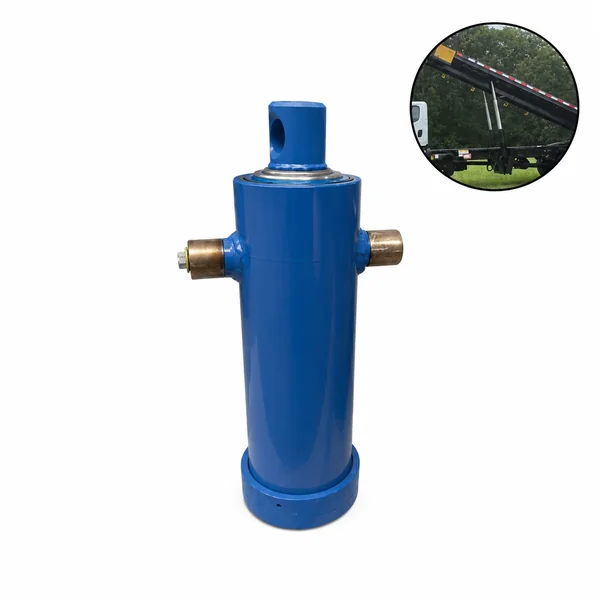
SMALL DUMP TRUCK · HOIST
Agricultural
Hoist Cylinder
Small Dump Truck — Farm-Specific Challenges
Farm dump trucks tip grain, manure, silage, compost, and soil — materials that are heavier, wetter, more corrosive, and more abrasive than construction aggregate. The telescopic hoist cylinder on an agricultural small dump truck must handle all of this while operating on uneven field terrain that construction-site trucks rarely encounter.
Korea Ever-Power serves agricultural equipment builders and farm fleet operators with telescopic hoist cylinders designed for the specific demands of farm tipping applications. The engineering is the same proven multistage telescopic design used in construction and road-hauling dump trucks — but the specification choices (seal material, surface treatment, corrosion protection, and storage preparation) are adapted for the agricultural operating environment. This page covers five farm-specific challenges and how to address each one through correct specification and maintenance.
Agricultural Small Dump Truck Hoist Cylinder — Parameters
| Bore / Rod / Stroke / Pin | 2–6″ / 1.125–4″ / 4–100″ / 0.5–2″ |
| Port Options | G / SAE / NPT / M |
| Agricultural Materials | Grain, manure, silage, compost, soil, fertiliser |
| Recommended Seals | PU (dust resistance) or PTFE (chemical/biodegradable fluid) |
| Recommended Barrel Finish | Zinc + paint (duplex) or powder coat for corrosion |
| Certification / Lead Time | ISO 9001 / 25–35 days / 1-year warranty |
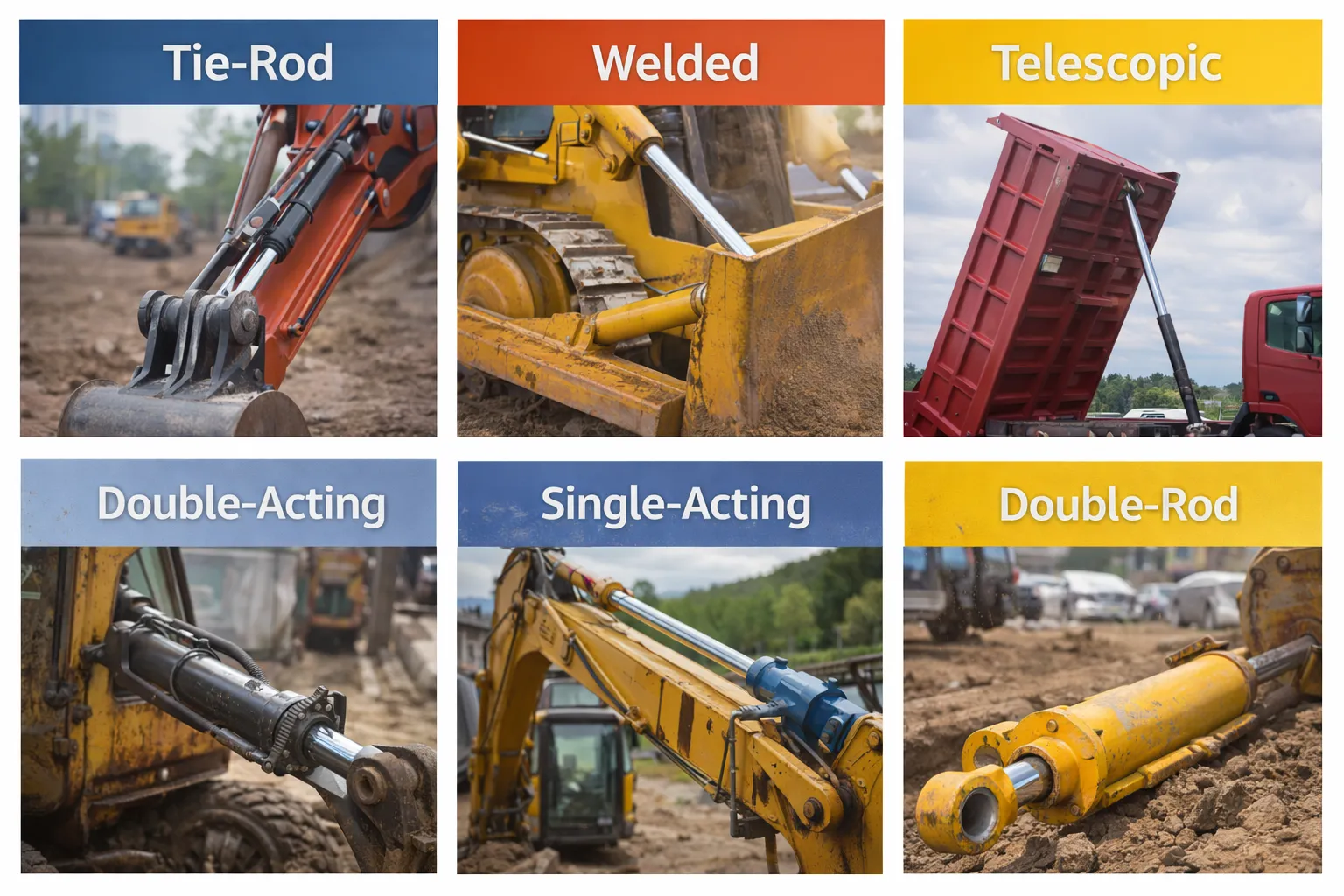
Five Farm-Specific Challenges for Telescopic Hoist Cylinders
1. Uneven Terrain — Side-Loading on the Cylinder
Farm dump trucks tip on field surfaces — not flat concrete pads. Uneven ground means the truck chassis may be tilted 3–8° laterally when the dump body tips. This lateral tilt creates a side-load on the telescopic cylinder that straight, level tipping does not produce. Side-loading pushes the plunger against one side of the bore, concentrating wear on the guide rings and accelerating seal wear on the loaded side. PU (polyurethane) guide rings handle agricultural side-loading better than PTFE guides — PU is more resistant to the intermittent impact loading that uneven terrain produces.
2. Crop Dust and Debris — Accelerated Wiper Wear
Harvest-season dust — grain chaff, dry soil particles, dried manure — coats every exposed surface on the truck, including the telescopic cylinder plunger when extended. This debris is drawn past the wiper seal during retraction, entering the cylinder and contaminating the oil. Agricultural dust is finer and more abrasive than construction dust (silica content in soil is higher), so it accelerates seal wear faster. Upgraded PU wiper seals with tighter scraping lips perform better in agricultural dust environments than standard NBR wipers. Additionally, cleaning the plunger surface with a cloth before retraction during heavy dust conditions extends seal life measurably.
3. Corrosive Materials — Manure, Silage Acids, Fertiliser
Manure contains ammonia and organic acids. Silage produces lactic and acetic acids during fermentation. Chemical fertilisers (ammonium nitrate, urea) are corrosive to bare steel. These materials splash, drip, and aerosol onto the hoist cylinder during tipping. Standard industrial paint may not resist this chemical exposure over multiple seasons — the paint blisters, the steel corrodes underneath, and the barrel loses its protective finish. Duplex zinc + paint (sacrificial zinc protection under the paint layer) or heavy-duty powder coat provides significantly better corrosion resistance for agricultural chemical exposure.
4. Seasonal Use — Months of Off-Season Storage
Many farm dump trucks are used intensively during harvest (2–4 months) and then parked for the remaining 8–10 months. During storage, condensation forms inside the cylinder, corrosion develops on unprotected surfaces, and seals take a compression set from remaining static in one position. The standard warehouse may be a barn with temperature fluctuations and humidity — not a climate-controlled indoor facility. Pre-storage preparation (fully retracting the cylinder, applying anti-corrosion oil to exposed surfaces, and capping all ports) significantly extends the cylinder's readiness for the next season.
5. Biodegradable Fluid Requirements — Near Waterways
Farms near waterways, aquifers, or in environmentally protected zones may be required to use biodegradable hydraulic fluid to prevent soil and water contamination from hydraulic leaks. As covered in the hydraulic cylinder fluid compatibility guide, biodegradable ester fluids attack standard NBR seals. Agricultural cylinders operating in biodegradable fluid must be specified with PTFE seals at order time. Korea Ever-Power can confirm the correct seal specification for your specific fluid brand.
Agricultural Tipping Applications — What Farmers Haul
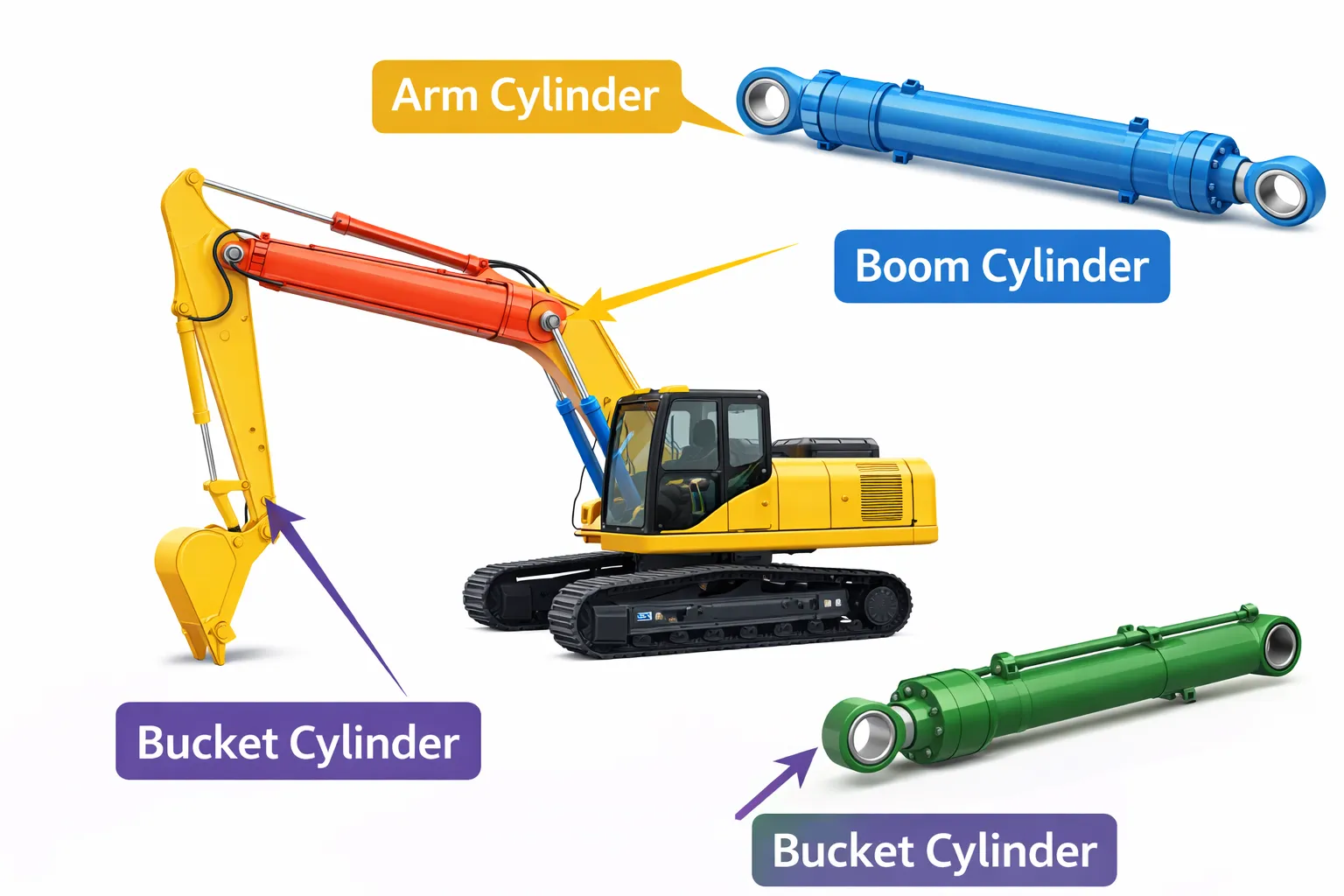
Grain Harvest Transport
Field-to-silo or field-to-barn transfer during harvest. Grain is relatively light (600–800 kg/m³) but generates enormous amounts of fine dust during tipping. The tipping speed matters — too fast and the grain plume creates visibility and breathing hazards; too slow and the harvest crew waits. Controlled tipping speed through proper pump flow matching is important for grain applications.
Manure and Compost
Heavy (900–1,100 kg/m³ for wet manure), sticky, and highly corrosive. Manure clings to the dump body interior and drips onto the hoist cylinder barrel during tipping. The ammonia and acid content attacks unprotected paint. Duplex zinc + paint on the barrel and heavy chrome on the plunger provide the corrosion resistance needed for repeated manure tipping over multiple seasons.
Silage and Fermented Feeds
Silage produces organic acids (pH 3.5–4.5) that are actively corrosive to steel. Silage juice dripping onto the cylinder barrel corrodes standard paint finishes within one season. Powder coat or duplex finish provides significantly better resistance. For telescopic cylinders used exclusively for silage, consider stainless steel port fittings to prevent thread corrosion on the hydraulic connections.
Soil and Root Vegetables
Moving topsoil, potatoes, beets, or carrots — heavy (1,200–1,600 kg/m³ for wet soil) and highly abrasive. Soil particles contain silica which is harder than most seal materials. PU seals and upgraded PU wipers provide the best abrasion resistance for soil-handling farm trucks. Combined with regular hydraulic fluid changes (soil contamination enters past the wiper), PU seals can deliver 2–3× the service life of NBR in soil-handling applications.
Off-Season Storage Procedure — Protecting the Cylinder During Idle Months
A telescopic cylinder that is properly prepared for off-season storage starts the next harvest season ready to work. A cylinder that is parked dirty and unprotected starts the next season with corroded surfaces, stuck seals, and contaminated fluid — requiring maintenance before it can operate. Fifteen minutes of preparation saves hours of repair.
Before storage: Clean
Pressure-wash the entire cylinder to remove manure, silage acids, soil, and crop debris. Pay particular attention to the plunger surface, seal areas, and port connections. Any corrosive material left on the cylinder during storage months will actively corrode the surface underneath.
Before storage: Retract fully + coat
Fully retract all stages so the chrome plunger surfaces are inside the barrel (protected from exposure to air and humidity). Apply a thin coat of anti-corrosion oil or spray to any exposed steel surfaces — barrel exterior, mounting pins, and port fittings. Cap all hydraulic ports with plastic caps to prevent dust and moisture entry during storage.
Before next season: Inspect + cycle
Before the first use of the new season: visually inspect the cylinder for corrosion, check the hydraulic fluid level and condition, replace the filter element, and cycle the cylinder 5–10 times at no load to redistribute the oil film on the seal surfaces and break any compression set. This pre-season procedure applies to all hydraulic cylinders on farm equipment — not just the dump truck hoist.
OEM & ODM — Cylinders for Agricultural Equipment Builders
Agricultural Hoist Cylinder — FAQ
Field Reports
Our 4 small dump trucks haul wheat from field to elevator during harvest — 3 months of heavy use, then 9 months parked in the barn. Previous cylinders (standard NBR seals, standard paint) needed resealing every second harvest — the grain dust wore the wipers and the barn storage corroded the barrel. Switched to Ever-Power with PU seals, powder coat barrel, and heavy chrome plungers. Now in the 3rd harvest season with zero seal issues. The off-season storage procedure (retract, clean, cap ports, coat exposed steel) takes 15 minutes per truck. Best investment we've made for harvest reliability.
Our dairy farm dump trucks haul liquid manure year-round — highly corrosive, ammonia-rich, pH around 8–9. Standard paint cylinders from our previous supplier showed visible corrosion within one season — paint blistering and rust underneath. Ever-Power cylinders with duplex zinc + paint barrel finish: zero corrosion after 14 months of continuous manure duty. We also specified PTFE seals because we use biodegradable hydraulic fluid (required by Danish environmental regulations near waterways). PTFE + biodegradable fluid + duplex barrel = the correct agricultural specification for our operation.
We haul potatoes and beet from field to store — extremely heavy loads (wet clay soil still attached, total load 5+ tonnes on a 7.5t truck) and very abrasive. Four stars because we underestimated the soil abrasion — started with standard NBR seals and the wipers wore through in 5 months. Upgraded to PU seals on the replacement Ever-Power cylinder and the PU wipers are now at 10 months with no wear-through. The agricultural specification guide on this page would have saved us the initial NBR failure. Lesson: for soil-handling farm trucks, always specify PU seals from the start.
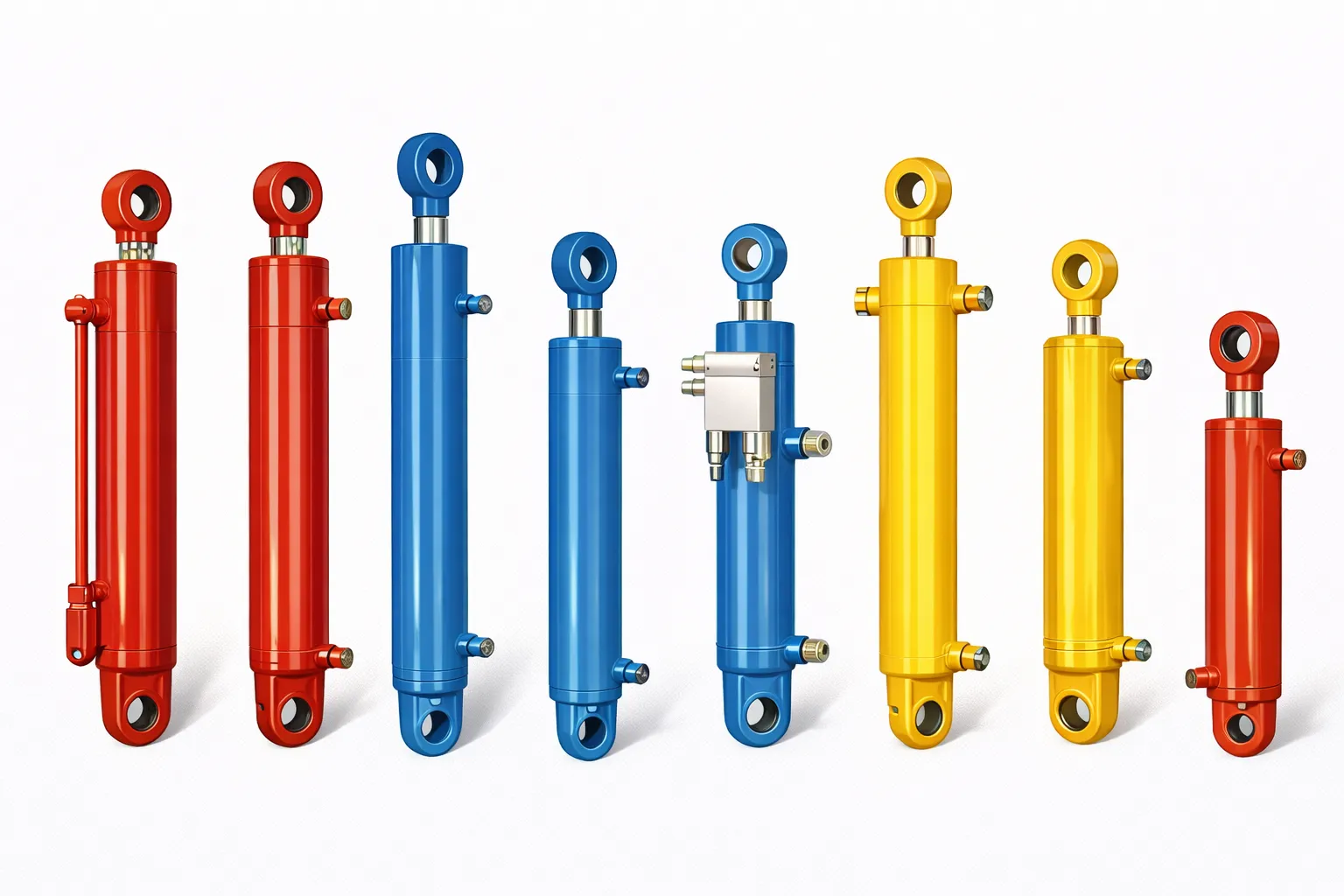
Other Hydraulic Cylinder Categories
Additional information
| Editor | Cxm |
|---|
Related products
-
New Arrival Double Acting Dump Truck Telescopic Hydraulic Cylinder For Sale
-

High Quality Small Hydraulic Cylinder Telescopic Hydraulic Cylinder For Dump Truck
-
Factory Direct Sale Dump Truck Hydraulic Hoist Cylinder
-
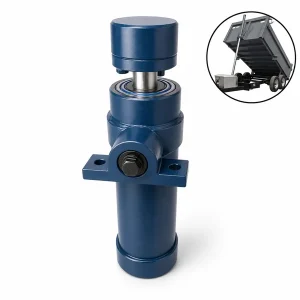
Quality Manufacturing 2 Stage Hydraulic Cylinder
-
Professional Craftsmanship Dump Truck 4 Stage Hydraulic Cylinder
-
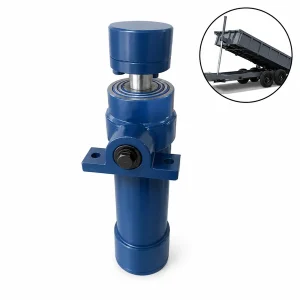
Mini Dump Truck Hydraulic Cylinder — Telescopic, Direct Sales
-
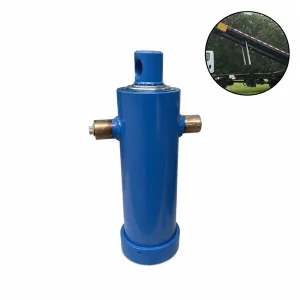
Good Quality 2 Stage Hydraulic Cylinder — Telescopic Hydraulic Cylinder For Sale
-
Strong Stable Telescopic Hydraulic Cylinder — Multistage for Dump Trailer