Guaranteed Quality Mini Dump Truck Hydraulic Cylinders
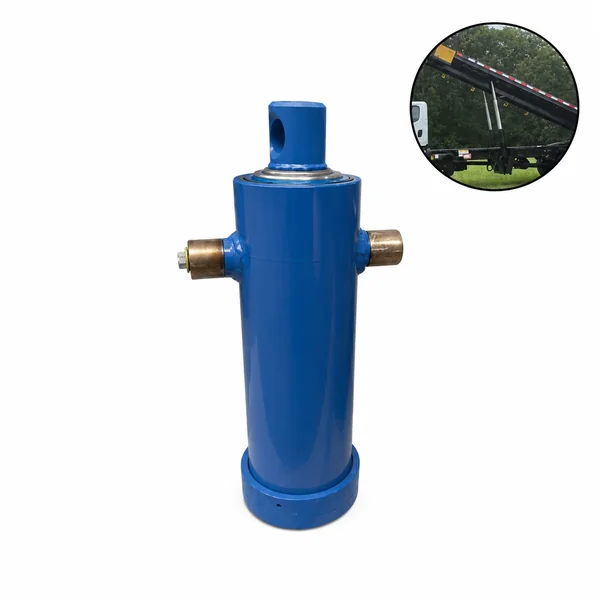
MINI DUMP TRUCK · GUARANTEED QUALITY
Guaranteed Quality
Mini Dump Truck
Telescopic Cylinder
Hydraulic Fluid — The Other Half of Quality
A guaranteed quality telescopic hydraulic cylinder can still fail prematurely if the hydraulic fluid it operates in is wrong. The fluid is the lifeblood of the hydraulic system: it transmits force, lubricates seals, removes heat, and protects internal surfaces from corrosion. Selecting the correct fluid type, viscosity, and change interval is the other half of quality — the half that is entirely under the operator's control after the cylinder leaves the factory.
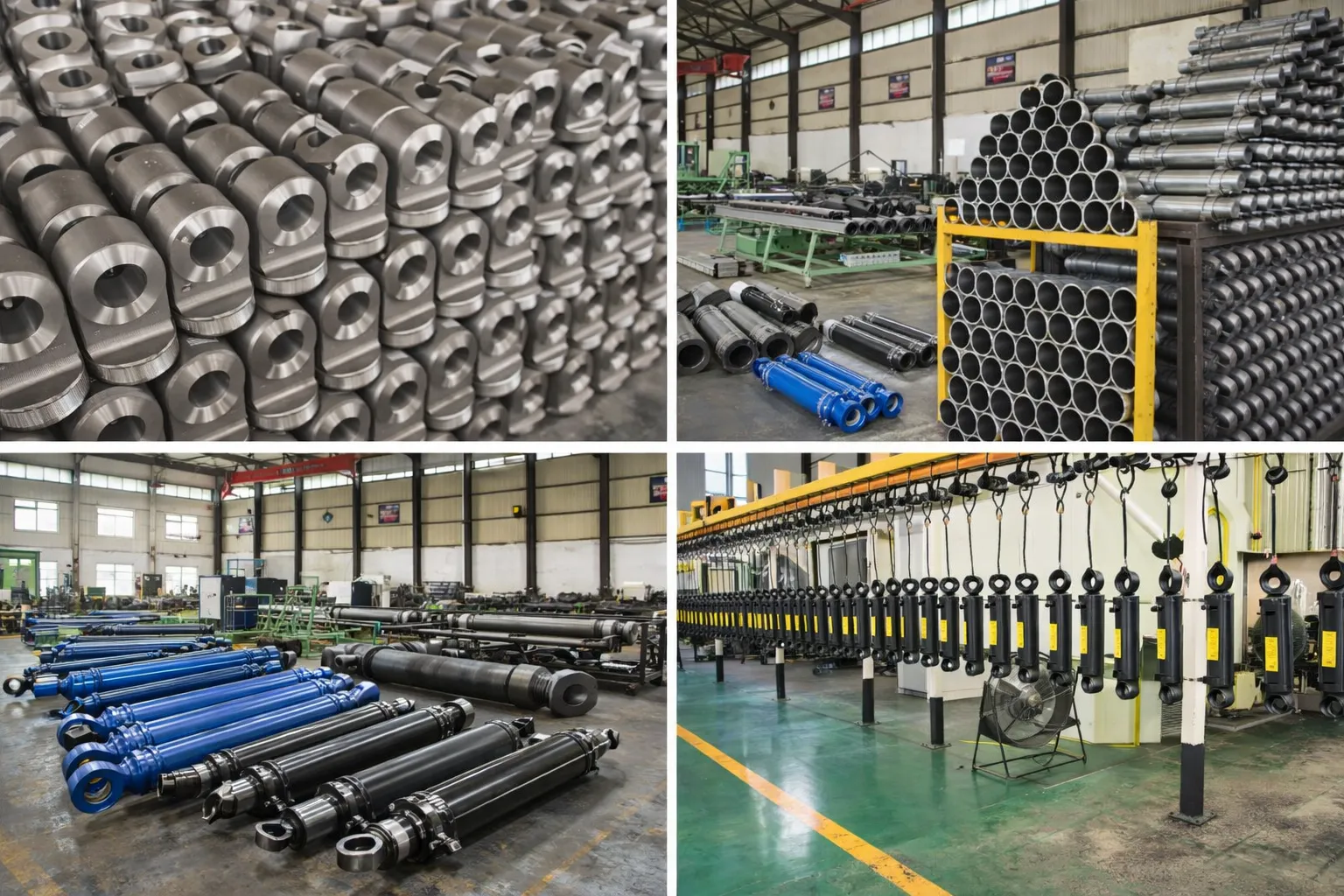
Korea Ever-Power guarantees the manufacturing quality of this mini dump truck telescopic cylinder — the bore finish, seal installation, weld integrity, and pressure test are all within specification when it leaves the factory. But from the moment the cylinder is filled with hydraulic fluid and begins operating, the fluid quality determines how long that manufacturing quality is preserved. This page provides the fluid selection guide that completes the quality picture: what goes inside the cylinder matters as much as how the cylinder is built.
Mini Dump Truck Telescopic Cylinder — Customisation Parameters
| Bore / Rod / Stroke / Pin | 2–6″ / 1.125–4″ / 4–100″ / 0.5–2″ (all customisable) |
| Port Options | G / SAE / NPT / M |
| Target Vehicle | Mini dump trucks, electric utility vehicles (<3.5t) |
| Quality Guarantee | ISO 9001 · 100% pressure tested · 1-year warranty |
| Lead Time | 25–35 days |
Hydraulic Fluid Types — Which One for Your Mini Dump Truck
Most mini dump trucks use one of three hydraulic fluid categories. The correct choice depends on your operating environment, regulatory requirements, and seal material. Using the wrong fluid type can chemically damage the cylinder seals — causing failures that look like manufacturing defects but are actually fluid-compatibility issues.
Mineral Hydraulic Oil (HLP / AW)
The standard choice for most mini dump trucks. HLP (DIN 51524) or AW (anti-wear) mineral oils are compatible with NBR, PU, and FKM seals — the three most common seal materials. Available in multiple viscosity grades (ISO VG 32, 46, 68). Inexpensive, widely available, and well-understood. Unless your application has specific environmental or temperature requirements that rule out mineral oil, this is the default and correct fluid choice.
Biodegradable Hydraulic Fluid (HETG / HEES)
Required by regulation in many EU municipalities and near waterways, parks, and environmentally sensitive areas. Rapeseed oil (HETG) and synthetic ester (HEES) biodegradable fluids are not compatible with standard NBR seals — they cause NBR to swell, soften, and lose sealing function within months. If you must use biodegradable fluid, specify PTFE or FKM seals when ordering the cylinder. Inform Korea Ever-Power that you use biodegradable fluid so the correct seal material is installed at the factory.
Automatic Transmission Fluid (ATF)
Some mini dump trucks — particularly those with 12V/24V electric hydraulic power units — are factory-filled with ATF instead of standard hydraulic oil. ATF has lower viscosity than typical hydraulic oils, which suits the small gear pumps used in electric power units. ATF is generally compatible with NBR seals, but confirm the specific ATF specification with the power unit manufacturer. If your mini truck's power unit manual specifies ATF, use ATF — do not substitute standard hydraulic oil without verifying that the higher viscosity does not overload the electric pump motor.
Viscosity Grade Selection — Match the Grade to Your Climate
Viscosity is how thick the oil is at a given temperature. Too thick (high viscosity) and the mini truck's small pump struggles to push the oil — tipping speed is slow and the electric motor overheats. Too thin (low viscosity) and the oil cannot maintain the lubricating film between the seal and bore — seal wear accelerates. The correct viscosity grade depends on your ambient temperature range.
| Your Climate | ISO VG Grade | Notes |
|---|---|---|
| Cold climate (−30 to +20 °C) | VG 22 or VG 32 | Low viscosity for cold-start pumpability |
| Temperate (−10 to +35 °C) | VG 32 or VG 46 | Most common — suits most mini truck applications |
| Hot climate (+15 to +50 °C) | VG 46 or VG 68 | Higher viscosity maintains oil film at high temperature |
| Wide range (−20 to +40 °C) | Multi-grade (e.g. 10W-30) | Multi-grade flows at low temp, maintains film at high temp |
Mini dump trucks with 12V/24V electric hydraulic pumps are sensitive to viscosity. The small electric motor has limited torque — thick oil (VG 68) in cold weather can stall the pump or trip the circuit breaker. If your mini truck uses an electric power unit, choose the lowest viscosity grade that maintains adequate lubrication at your highest operating temperature. Consult the power unit manufacturer's fluid recommendation. The same viscosity principle applies to every hydraulic cylinder application — match the viscosity to the climate and the pump capability.
Fluid Change Intervals and Contamination Prevention
Mini dump trucks typically have small hydraulic reservoirs (3–15 litres) — which means the fluid circulates more frequently than on a large truck, heats up faster, and degrades sooner. The smaller volume also means contamination has a proportionally larger impact: a few grams of dirt in a 5-litre reservoir creates a much higher particle concentration than the same dirt in a 50-litre reservoir.
For mini dump trucks in standard commercial service, replace the hydraulic fluid annually or every 1,000 operating hours — whichever comes first. The small reservoir volume means the fluid circulates rapidly and accumulates heat and contaminants faster than on a larger system. In heavy-duty or high-dust environments, shorten the interval to 6 months or 500 hours.
Replace the return-line filter element at twice the frequency of the fluid change. The filter is the primary defence against particles circulating through the cylinder bore — a saturated filter bypasses and allows unfiltered fluid to reach the cylinder. On mini trucks without a filter (some basic 12V power units), consider adding an inline return-line filter — it is a low-cost addition that significantly extends the cylinder's seal life.
Every time a hose is disconnected — for cylinder replacement, valve service, or any maintenance — cap the open hose end and cylinder port immediately. Use clean plastic caps, not rags or tape. Dirt entering the open hydraulic system during maintenance is the most common source of contamination that causes premature telescopic cylinder seal failure. One uncapped hose end during a 30-minute service can introduce more dirt than 6 months of normal operation.
OEM & ODM — Mini Dump Truck Cylinders
Hydraulic Fluid & Mini Dump Truck Cylinder — FAQ
Field Reports
Our municipality requires biodegradable hydraulic fluid on all vehicles operating in the park district. We specified PTFE seals on the Ever-Power mini truck telescopic cylinders when ordering. 15 months in service on rapeseed-based HETG fluid — zero seal issues. Our previous cylinder supplier did not ask what fluid we used, installed NBR seals, and the seals failed within 5 months. The fluid compatibility question at the ordering stage is the most important question a manufacturer can ask.
Our 24V electric utility dump carts use ATF as the hydraulic fluid — per the power unit manufacturer's specification. We informed Ever-Power of the ATF requirement when ordering. The factory confirmed that ATF is compatible with their standard NBR seals and no change was needed. The viscosity guidance on this page confirmed our practice — VG 32 equivalent for our temperate-climate operation. 25 cylinders delivered, all performing well on ATF. Fluid compatibility verified at the factory before production — that's guaranteed quality.
Operating mini dump trucks in Finnish winters (−25 to −30 °C). Was using VG 46 oil — the 12V pump struggled to start on cold mornings and the tipping speed was painfully slow until the oil warmed up. Switched to VG 22 per the viscosity guide on this page. The cold-start performance improved dramatically — the pump starts immediately and the tipping speed is acceptable even at −25 °C. Four stars because I had to learn this the hard way — would have saved a year of cold-morning frustration if I'd matched the viscosity to my climate from the start.
Other Hydraulic Cylinder Categories
Additional information
| Editor | Cxm |
|---|
Related products
-
Low Price Double Acting Small Dump Truck Telescopic Hydraulic Cylinder
-

High Quality Small Hydraulic Cylinder Telescopic Hydraulic Cylinder For Dump Truck
-
High Quality Double Acting Dump Truck Telescopic Hydraulic Cylinder for Sale
-
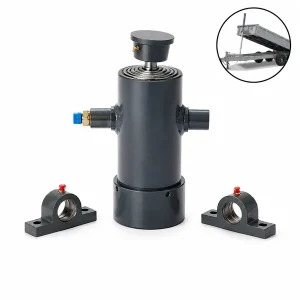
Effective 5 Stage Telescopic Small Dump Truck Hydraulic Cylinder
-
Good Quality Small Dump Truck Hydraulic Cylinder — Telescopic For Sale
-
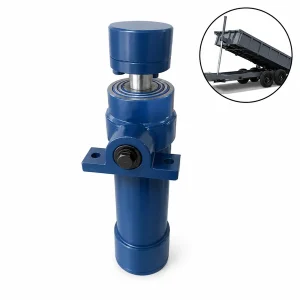
Mini Dump Truck Hydraulic Cylinder — Telescopic, Direct Sales
-
Factory Provide 5 Stage Telescopic Hydraulic Cylinder For Sale
-
5 Stage Telescopic Dump Truck Hydraulic Cylinder — Maximum Compactness, Steel, Custom Bore 2–6 inch