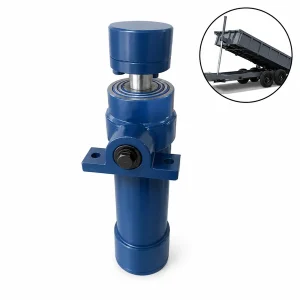
Hot Sale Double Acting Small Dump Truck Telescopic Hydraulic Cylinder
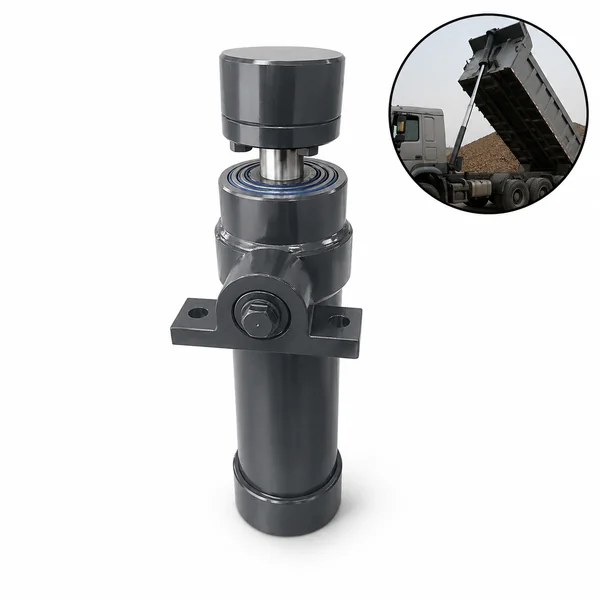
DOUBLE ACTING · SMALL DUMP TRUCK
Hot Sale
Double Acting Telescopic
Small Dump Truck — What Buyers Order Most
Some telescopic hydraulic cylinder configurations sell consistently — month after month, across different customers and different countries. These "hot sale" specifications are not random: they represent the market's collective engineering judgment about which bore sizes, stage counts, and port threads work best for small dump truck applications. Understanding what other buyers order can inform your own specification decision.
Korea Ever-Power produces double-acting telescopic cylinders for small dump trucks across a wide specification range — but a subset of configurations accounts for the majority of orders. This page shares the ordering patterns, explains why certain specifications dominate, and provides a practical installation and maintenance guide for buyers who have selected a double-acting telescopic cylinder for their small dump truck fleet. Whether you are ordering your first cylinder or your fiftieth, the market data and technical guidance here can help you make a more informed purchase.
Hot Sale Double Acting Small Dump Truck Cylinder — Customisation Parameters
| Acting Type | Double-acting (hydraulic extend + retract) |
| Bore / Rod / Stroke / Pin | 2–6″ / 1.125–4″ / 4–100″ / 0.5–2″ (all customisable) |
| Port Options | G (BSP) / SAE (JIC) / NPT / M (metric) — two ports |
| Body / Certification | Steel / ISO 9001 / 100% dual-circuit tested |
| Target Vehicle | Small dump trucks, compact tippers, utility haulers (<7.5t) |
| Lead Time / Warranty | 25–35 days / 1 year |
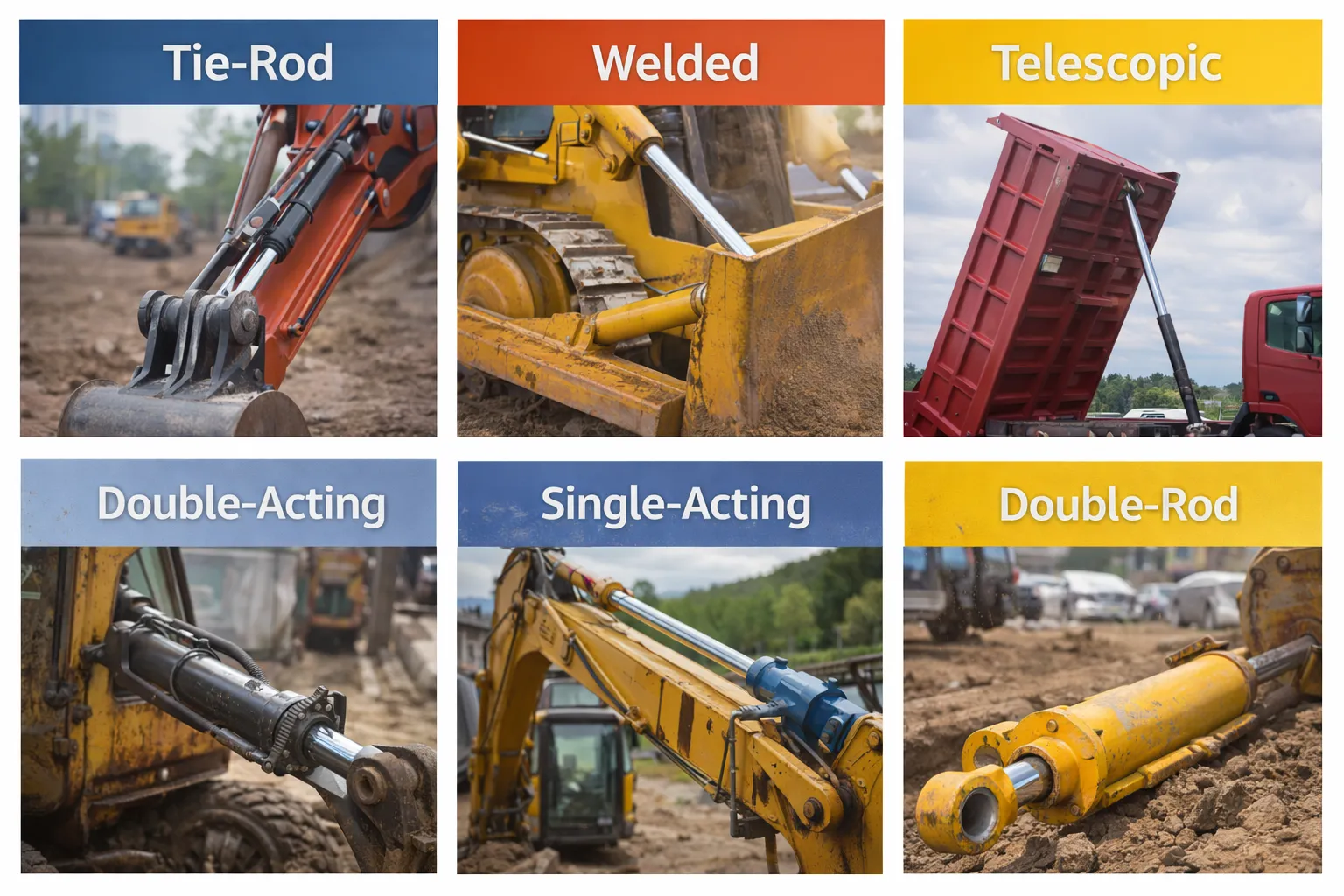
What the Market Orders — Popular Configurations for Small Dump Trucks
Based on Korea Ever-Power's production order patterns, certain double-acting telescopic cylinder configurations dominate the small dump truck market segment. These patterns reflect the engineering consensus across hundreds of buyers in different countries and different applications. If you are unsure which specification to order, the popular configurations below represent proven, field-validated choices.
| Truck Class | Bore | Stages | Stroke | Why This Combination |
|---|---|---|---|---|
| Mini (<2t) | 2–2.5″ | 2 | 16–24″ | Smallest bore sufficient for sub-2t bodies; 2-stage fits micro frames |
| Compact (3.5t) | 2.5–3″ | 2–3 | 24–36″ | Most popular — aluminium body tippers in EU/Japan/Korea |
| Medium (5–7.5t) | 3–4″ | 3 | 36–48″ | Utility tippers and construction support vehicles |
North America: SAE (JIC 37° flare) dominates — approximately 80% of small dump truck orders. Europe/UK/Australia: BSP G-thread is standard. Asia (China, Korea, Japan): metric thread prevails. Middle East/Africa: split between metric and BSP depending on the truck manufacturer's origin. Matching the correct port thread to your regional hydraulic fitting standard is the most common specification decision beyond bore and stroke.
The adoption of aluminium dump bodies on small trucks is accelerating — driven by payload regulations that incentivise lighter tare weight. As more small trucks switch from steel to aluminium bodies, the gravity retraction threshold becomes marginal, and double-acting becomes necessary. Korea Ever-Power's order data shows double-acting orders for small trucks have grown steadily as the aluminium body trend expands across the hydraulic cylinder market.
Installation & Commissioning Guide — Double Acting Telescopic Cylinder on a Small Dump Truck
Installing a double-acting telescopic cylinder on a small dump truck follows the same general procedure as single-acting, with additional steps for the retract circuit. The following guide covers the key steps — adapt it to your specific truck model and hydraulic system configuration.
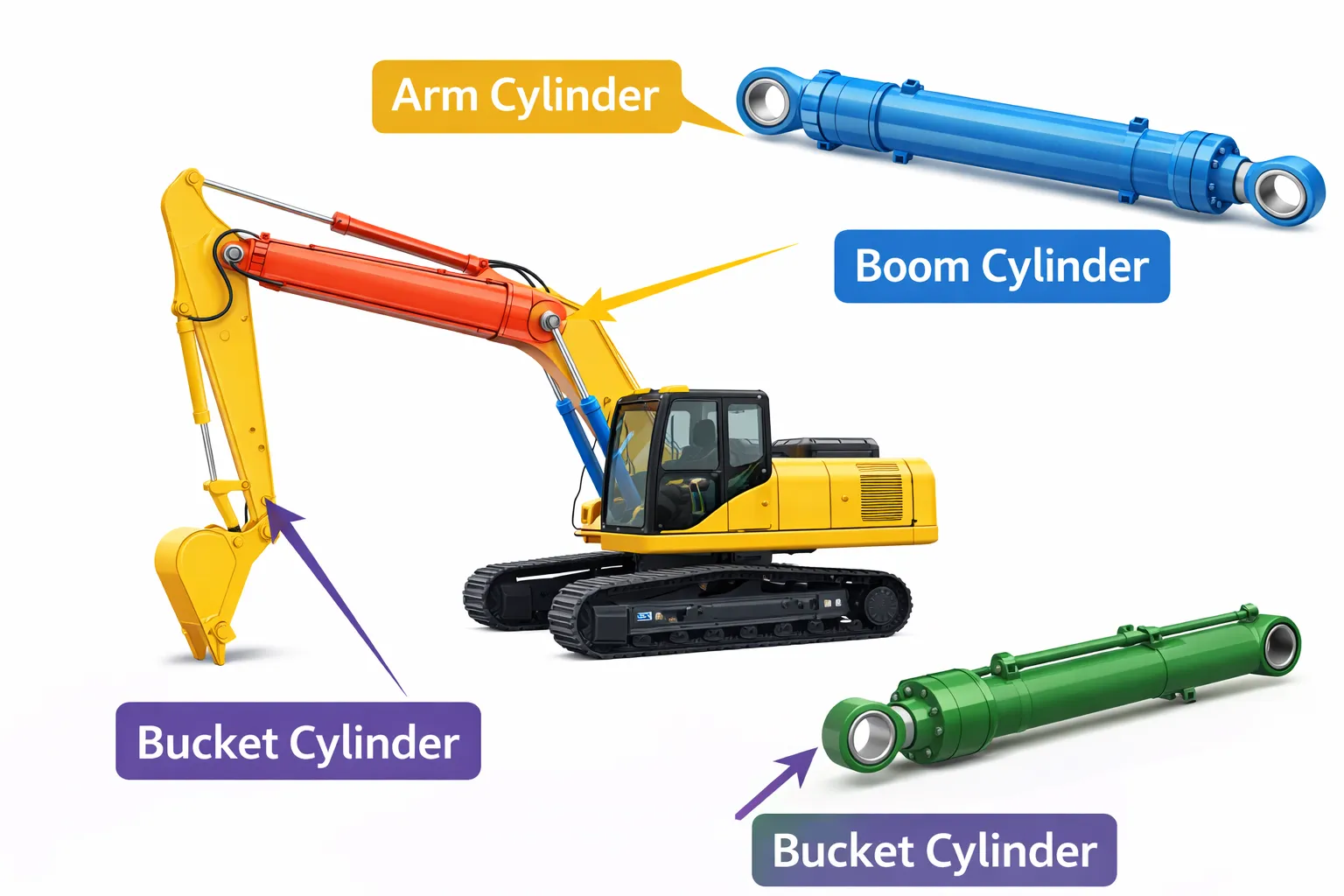
Before removing the old cylinder: verify the new cylinder's retracted length, bore diameter, pin diameters, and port threads match the order specification. Partially extend the cylinder on a bench (hand pump or low-pressure supply) and check for smooth operation, no leaks, and correct stage sequencing. Confirm that the extend port and retract port are clearly identified — connecting them backwards will cause the cylinder to retract when the operator commands extend.
Support the dump body independently (safety props, not the cylinder) before disconnecting the old cylinder. Cap the hydraulic hose ends immediately after disconnection to prevent contamination — dirt entering the hydraulic system during cylinder replacement is the most common cause of premature seal failure on the new cylinder. Remove the mounting pins and extract the old cylinder. On small trucks, one technician can typically handle a 2–3 inch bore cylinder by hand.
Position the new double-acting cylinder in the mounting brackets and insert the pins. Connect the extend hose to the extend port and the retract hose to the retract port — verify port identification markings on the cylinder body. If upgrading from single-acting to double-acting, route the new retract hose from the 4-way control valve to the cylinder retract port, securing it along the frame with appropriate clamps to prevent chafing.
Bleed air from both the extend and retract circuits by cycling the cylinder 5–10 times at low load (dump body empty). Air trapped in the retract circuit causes spongy retraction and inconsistent lowering speed. After bleeding, perform a full-load test: raise the dump body with a representative load, hold at full tilt for 30 seconds (check for drift), then lower under hydraulic control (check for smooth, consistent descent). Inspect all hose connections, ports, and mounting pins for leaks.
Maintenance Schedule — Maximising Service Life of Your Double Acting Telescopic Cylinder
A well-maintained double-acting telescopic cylinder on a small dump truck can deliver 3–5 years of service before a seal overhaul is required. The following maintenance schedule is based on general hydraulic cylinder best practices — adapt the intervals to your operating environment and duty cycle intensity.
| Interval | Action | Why |
|---|---|---|
| Daily | Visual check for external oil leaks at stage junctions and port connections | Early leak detection prevents hydraulic fluid loss and environmental contamination |
| Weekly | Inspect plunger surfaces for scratches, dents, and corrosion | Surface damage accelerates seal wear — catch it early before it causes leaks |
| Monthly | Check hydraulic fluid level and condition (colour, clarity, smell) | Contaminated or degraded fluid accelerates wear on all hydraulic components |
| Every 500 hours | Replace hydraulic filter element; check hose condition and clamp tightness | Clean fluid = longer seal and bore life; loose hoses chafe and burst |
| Annually | Full hydraulic fluid change; inspect mounting pin wear; check for stage drift under load | Annual fluid change removes accumulated contamination; pin wear and drift indicate developing issues |
More telescopic cylinder seal failures are caused by contaminated hydraulic fluid than by any other factor. Particles in the fluid act as abrasive between the seal and bore, accelerating wear. Maintaining clean fluid through regular filter changes and preventing contamination during hose connections is the most cost-effective maintenance investment you can make. This applies equally to forklift hydraulic cylinders, aerial work vehicle cylinders, and every other hydraulic cylinder on your fleet.
Troubleshooting — Common Double-Acting Telescopic Cylinder Issues
Possible causes: retract hose not connected or connected to the wrong port; 4-way control valve not shifting to the retract position; retract-side seal failure causing internal bypass (oil passes across the piston instead of pushing it down). Check hose connections first, then valve operation, then consider internal seal inspection.
Possible causes: air trapped in the retract circuit (bleed by cycling 10+ times at no load); partially blocked retract passage inside the cylinder (debris from contaminated fluid); inconsistent flow from the control valve (valve spool contamination). Bleed the system first — if the problem persists, check fluid cleanliness and valve condition.
Cause: worn or damaged seal at the affected stage junction. The seal may be cut (plunger surface scratch), extruded (excessive pressure), or hardened (age, heat, chemical exposure). On a double-acting cylinder, identify whether the leak is from the extend-side or retract-side seal — this determines which side of the piston needs resealing. Complete disassembly is required for seal replacement.
Cause: internal seal bypass — oil is leaking past the piston from the extend side to the retract side (or vice versa) inside the cylinder. The control valve may also be leaking internally. To isolate: cap the cylinder ports and observe — if the body holds with ports capped, the valve is leaking; if it still drifts, the cylinder has internal bypass and needs seal replacement.
OEM & ODM — Ordering the Hot Sale Configurations
If you are ordering one of the popular configurations listed above, the specification process is straightforward — the engineering team is already familiar with these combinations and can confirm a drawing rapidly. For non-standard specifications, provide your bore, rod, stroke, stage count, both port threads, working pressure, and vehicle details. Browse the full telescopic hydraulic cylinder catalogue for other configurations.
Hot Sale Double Acting Small Dump Truck — FAQ
Field Reports
Ordered the "hot sale" configuration for our 3.5-tonne aluminium tippers — 2.5-inch bore, 2-stage, 28-inch stroke, BSP G-thread, double-acting. Exactly what the market data recommended for our vehicle class. Drawing confirmation took 1 day because this is a well-validated specification at the factory. 10 units arrived in 26 days. All passed our incoming inspection. The installation guide from this product page matched our procedure — especially the reminder to bleed the retract circuit before loading. Excellent product, smooth process.
Replaced a failed single-acting with Ever-Power double-acting on a customer's 5-tonne utility tipper — 3-inch bore, 3-stage, 40-inch stroke, SAE ports. The customer's aluminium body wasn't retracting reliably. Double-acting solved the retraction issue immediately. Four stars because I initially didn't bleed the retract circuit properly — the lowering was jerky for the first few cycles until all the trapped air worked out. Should have cycled it 10+ times at no load as recommended. After proper bleeding, operation is perfectly smooth. Lesson learned.
We produce 3.5-tonne aluminium tippers for the Korean market. The "hot sale" configuration (2.5-inch bore, 2-stage, metric ports, double-acting) is exactly what we standardised on. Ever-Power produces this specification in volume for us — 30 units per quarter on an annual blanket agreement. Pricing is competitive, dimensional consistency is excellent across 120+ units delivered so far, and the maintenance schedule recommendations on this page align with our warranty service data. This is our sole source for double-acting telescopic hydraulic cylinders.
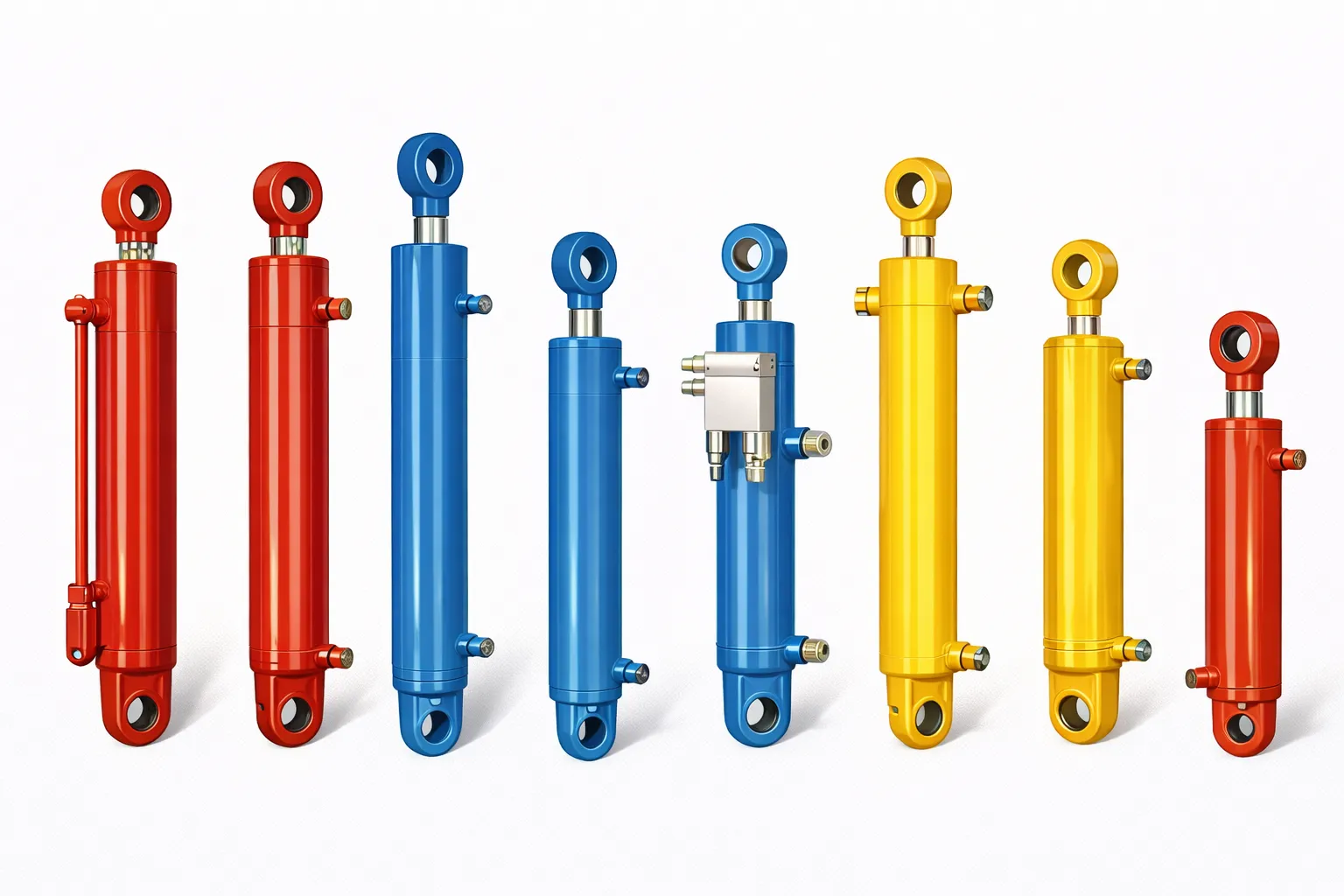
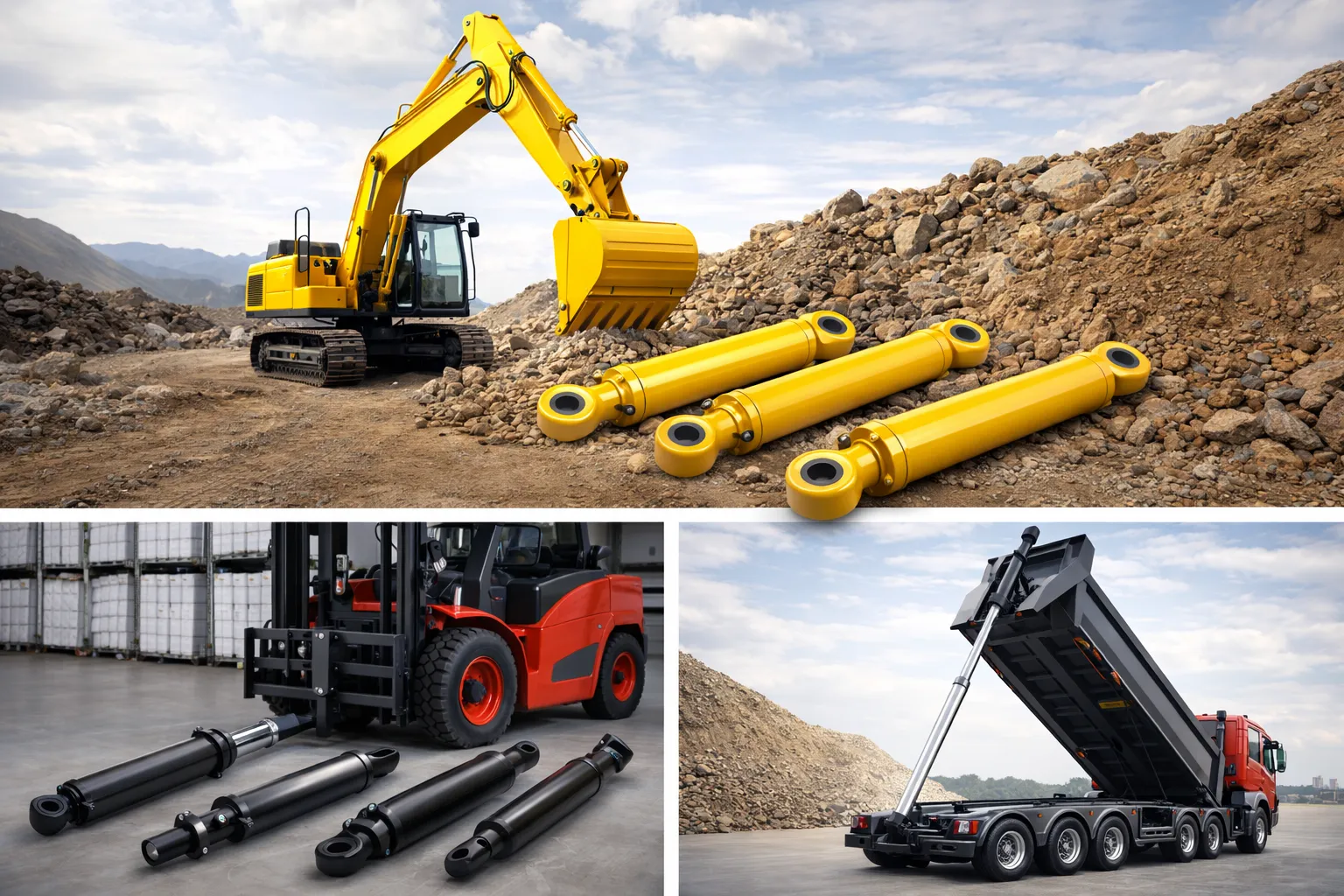
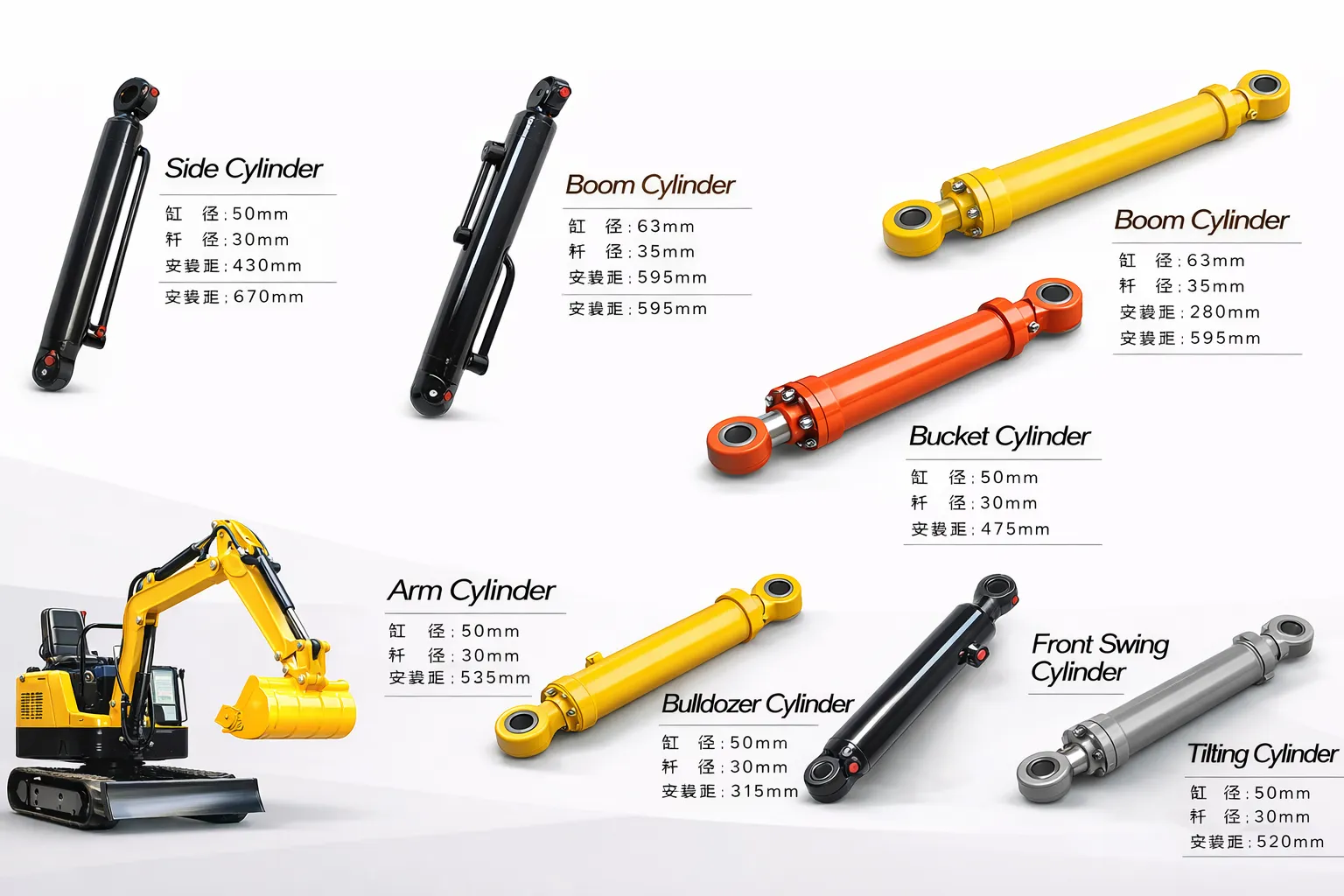
Other Hydraulic Cylinder Categories
Další informace
| Editor | Cxm |
|---|
Související produkty
-
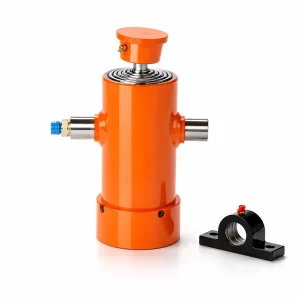
Manufacturer Supplier Double Acting Telescopic Hydraulic Cylinder For Dump Truck
-
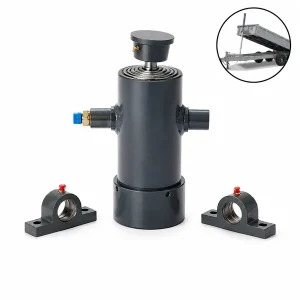
Customized 5 Stage Telescopic Hydraulic Cylinders
-
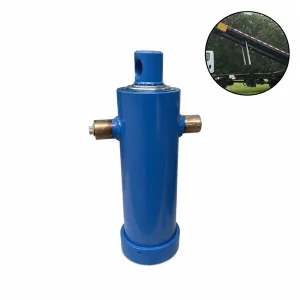
Factory Price Hydraulic Cylinder — Telescopic For Dump Trailer
-
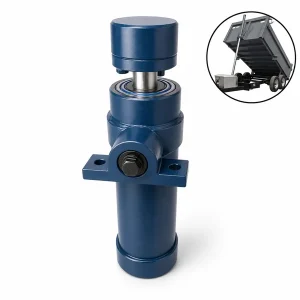
Quality Manufacturing 2 Stage Hydraulic Cylinder
-
Cost Effective Double Acting Telescopic Hydraulic Cylinder for Sale
-
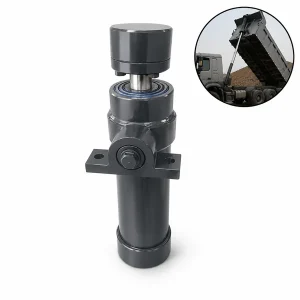
5 Stage Telescopic Dump Truck Hydraulic Cylinder — Maximum Compactness, Steel, Custom Bore 2–6 inch
-
Strong Stable Telescopic Hydraulic Cylinder — Multistage for Dump Trailer
-
Telescopic Hydraulic Cylinder for Dump Trailer