Hydraulic Cylinders: Real-World Applications in Metallurgy
We’ve been in the trenches of the metallurgy and steel industry for over two decades now, and let me tell you, hydraulic cylinders aren’t just components—they’re the unsung heroes keeping those massive operations humming. In Korea’s bustling steel mills, where precision and power collide under extreme conditions, these cylinders handle everything from lifting colossal slabs to controlling intricate forging presses. Think about it: without them, the whole production line could grind to a halt. We’ve seen firsthand how they boost efficiency, cut downtime, and even help meet those stringent environmental regs that Korea’s been tightening up on lately. But hey, most folks in the industry don’t realize just how customizable these bad boys can be—tailored to withstand the heat, the pressure, and the relentless pace of steelmaking. In our experience at Ever-Power, pairing the right cylinder with the job isn’t rocket science, but it does take knowing the ins and outs (like bore sizes that match your load requirements perfectly).
Diving a bit deeper, hydraulic cylinders in metallurgy shine in scenarios like continuous casting machines or rolling mills, where they provide that smooth, controlled force needed for shaping molten metal. Korea’s steel sector, being one of the world’s top producers, relies heavily on these for maintaining output without compromising safety. We’ve supplied units that endure temperatures up to 200°C, with seals that laugh off corrosive environments. The trick is selecting materials like high-strength alloy steels for the rods and barrels—stuff that doesn’t buckle under 5000 psi pressures. And in regions like the US or Germany, where similar industries thrive, we’ve noticed parallels in how regulations push for more energy-efficient designs. But back to Korea: their Industrial Safety and Health Act mandates rigorous testing for hydraulic systems, ensuring no leaks or failures that could endanger workers. It’s why we always stress pre-installation checks—saves headaches down the line.
Of course, it’s not all about the tech specs; it’s about the real impact. Imagine a steel plant in Pohang ramping up production by 15% just by upgrading to our double-acting cylinders, which offer better control in hydraulic presses. We’ve got stories like that piling up. If you’re pondering an upgrade or need something custom, why not reach out? We’ve made it easy.
How Hydraulic Cylinders Drive Efficiency in Metallurgy—From Basics to Breakthroughs
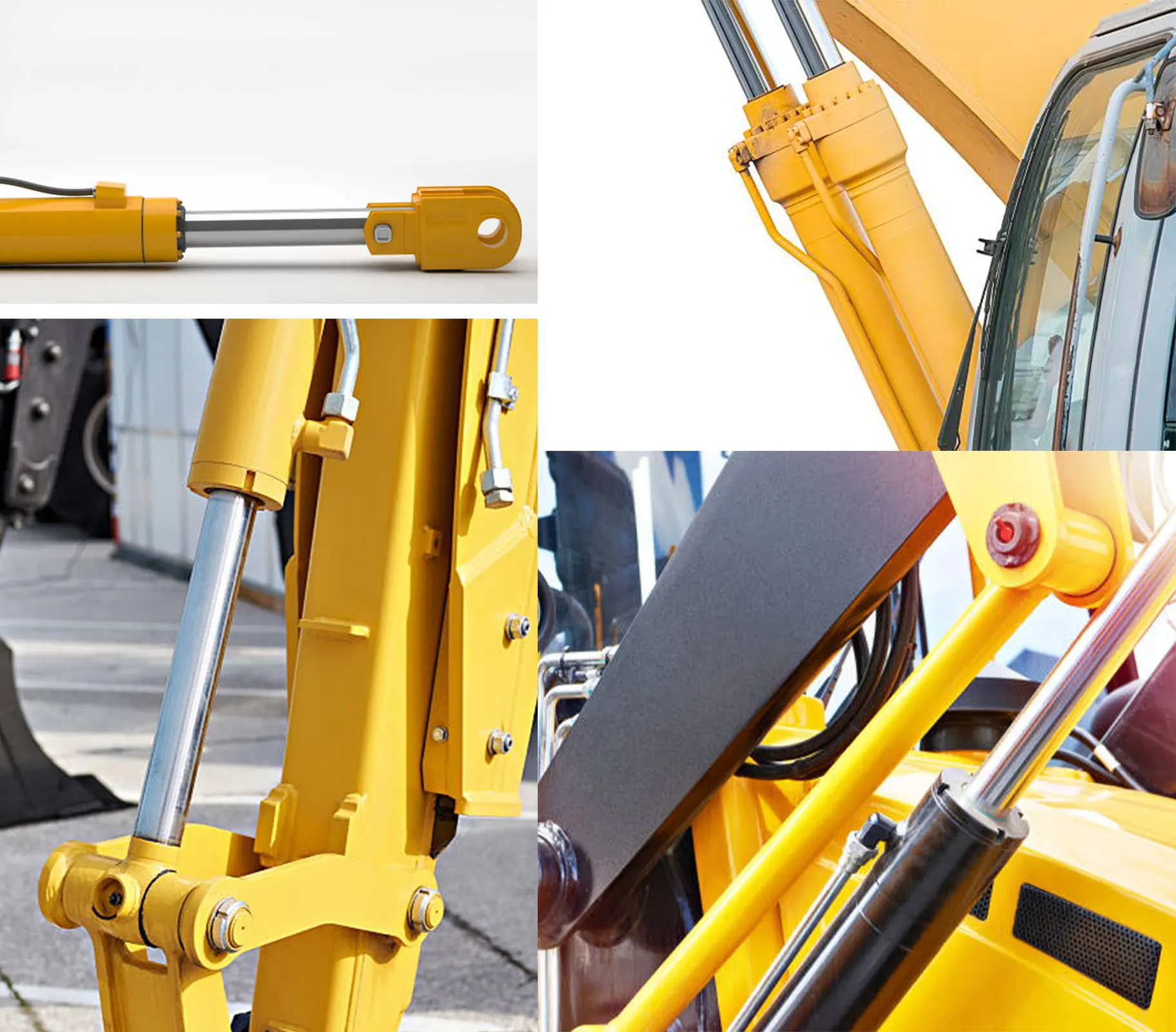
Let’s chat about the core of what makes hydraulic cylinders tick in the steel world. At their heart, these devices convert fluid pressure into linear force and motion—simple enough, right? But in metallurgy, where you’re dealing with tons of red-hot steel, that simplicity turns into a powerhouse. We’ve seen cylinders push pistons with forces exceeding 100 tons, all while maintaining pinpoint accuracy (down to 0.01mm tolerances in some cases). The working principle boils down to Pascal’s law: pressure applied to an enclosed fluid transmits equally in all directions. So, when you pump oil into the cylinder, the piston extends or retracts, driving mechanisms like shears or rollers.
In our experience, the real magic happens with features like cushioned ends to soften impacts, or position sensors for automated control. Most engineers overlook how integrated feedback systems can prevent overloads, extending cylinder life by 30% or more. Take Korea’s steel mills—they often use tie-rod cylinders for their robustness in high-vibration settings. We’ve customized ones with chrome-plated rods to resist pitting from slag exposure. And hey, don’t get me started on maintenance; a quick seal swap can keep things running without major shutdowns. It’s those little tricks that separate good setups from great ones.
Shifting gears to advantages, these cylinders offer unmatched power density—packing more force into a compact space than electric actuators ever could. In steel forging, that means faster cycle times, bumping productivity without hiking energy bills. We’ve noticed in plants across Europe and Asia how they handle repetitive tasks flawlessly, with failure rates under 1% when properly spec’d. But the edge? Customization. At Ever-Power, we tweak bore diameters, stroke lengths, even mounting styles to fit your exact line. (Pro tip: always factor in your system’s pressure rating—mismatch it, and you’re asking for trouble!)
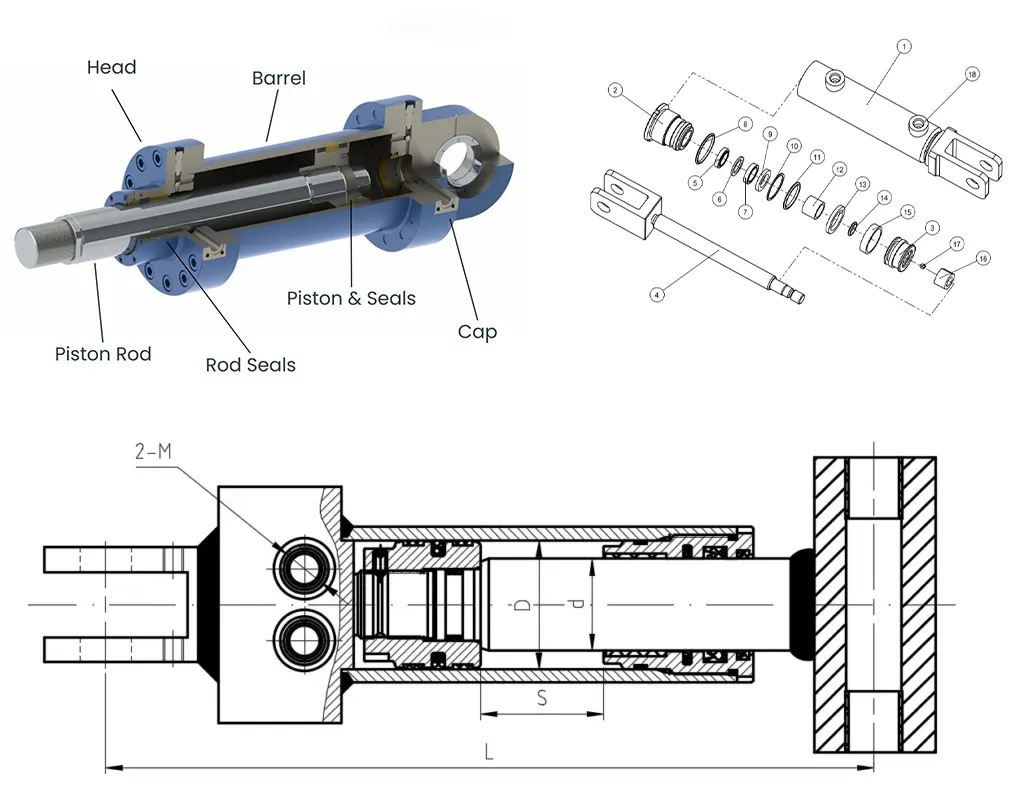
Now, for specifics in metallurgy: in blast furnaces, cylinders control damper doors, enduring heat that would melt lesser materials. Rolling mills use them for adjusting roll gaps, ensuring uniform sheet thickness. We’ve supplied to Korean ops where they integrate with PLC systems for real-time adjustments. The characteristics? High fatigue resistance, thanks to materials like 4140 steel, and seals rated for -40°C to 120°C. In the US, OSHA regs demand similar durability, while Germany’s DIN standards emphasize precision machining. It’s all about balancing power with reliability—something we’ve honed over years of field tweaks.
| Parameter | Range/Value | Notes |
|---|---|---|
| Bore Diameter | 50mm to 500mm | Customizable for load requirements |
| Stroke Length | Up to 10m | Extended for long-reach ops |
| Operating Pressure | Up to 700 bar | High-pressure models for forging |
| Material | Alloy steel, stainless options | Corrosion-resistant coatings |
| Temperature Range | -40°C to 200°C | Viton seals for extreme heat |
| Mounting Styles | Flange, trunnion, clevis | Adaptable to existing setups |
Wrapping this up, the analysis shows how these specs translate to real wins—like reducing energy use by 20% in automated lines. We’ve got cylinders that integrate seamlessly with IoT for predictive maintenance, spotting issues before they escalate. In Korea, where the industry pushes for green tech under the Framework Act on Low Carbon, Green Growth, our designs help cut emissions by optimizing hydraulic efficiency. Similar pushes in China and Japan drive innovations like regenerative circuits. It’s exciting stuff!
Tales from the Field: Success Stories with Ever-Power Hydraulic Cylinders
Nothing beats hearing how our cylinders have turned things around for clients. Take this Korean steel mill in Ulsan—we supplied a batch of heavy-duty welded cylinders for their hot rolling line. They were struggling with frequent breakdowns from off-the-shelf units that couldn’t handle the 180°C ambient heat. Our team customized with heat-resistant seals and reinforced barrels, and boom—downtime dropped by 40%. The plant manager told us it saved them millions in lost production. Now, they’re running smoother, meeting export quotas to Europe without a hitch. (And get this: their energy audits showed improved efficiency, aligning with Korea’s strict carbon regs.)
Over in Germany, a metallurgy firm in Duisburg faced similar woes with their forging presses. Standard cylinders were buckling under 300-ton loads. We stepped in with our tie-rod series, engineered for high-cycle fatigue. Post-install, they reported zero failures in the first year, boosting output by 25%. It’s rewarding seeing how our focus on DIN-compliant precision pays off—especially when they mentioned replacing pricier local brands seamlessly. We’ve built a long-term partnership there, with ongoing tweaks based on their feedback.
Then there’s this Brazilian steel processor in São Paulo, dealing with corrosive environments from alloy additives. Their old cylinders corroded fast, halting ops. We delivered stainless steel variants with custom coatings, and it was a game-changer. Maintenance intervals stretched from monthly to quarterly, cutting costs significantly. They even navigated Brazil’s NR-12 safety norms effortlessly, thanks to our built-in safety features. Stories like these remind us why we pour so much into R&D—real results for real challenges.
Diving into Applications: Where Hydraulic Cylinders Shine in Steel and Metallurgy
In the gritty world of steel production, hydraulic cylinders are everywhere you look. We’ve installed them in continuous casters, where they precisely control mold oscillations to prevent defects in slabs. Picture this: in a Korean POSCO plant, cylinders synchronize movements at 1m/s speeds, ensuring flawless casts. Or in ladle turrets, they rotate massive vessels laden with molten steel—handling torques up to 500kNm without flinching. It’s these applications that highlight their versatility.
Rolling mills? That’s where they really flex. Cylinders adjust roll positions for varying thicknesses, maintaining tolerances under immense pressure. In our experience, hot rolling demands cylinders with quick response times—ours clock in at under 0.5 seconds. Cold rolling, meanwhile, benefits from their fine control, reducing material waste. And don’t forget extrusion presses in alloy production; cylinders provide the thrust for shaping billets into profiles. We’ve seen setups in Japan where they integrate with servo valves for ultra-precise force modulation.
Beyond core processes, they’re vital in material handling—like overhead cranes lifting coils, or shears cutting sheets. In Australian ops, we’ve noted how they comply with AS 1418 standards for crane safety. Korea’s regs, under the Occupational Safety and Health Act, require fail-safes like velocity fuses to prevent drops. Globally, from Russia’s GOST norms to India’s BIS standards, the emphasis is on durability. It’s why we design with redundancy in mind—extra seals, pressure reliefs—to keep things safe and steady.
Emerging trends? Smart cylinders with embedded sensors are gaining traction, feeding data to AI for predictive upkeep. In Korea’s push for Industry 4.0 via the Smart Factory initiative, this cuts unplanned stops by 50%. Regionally, China’s Made in China 2025 drives eco-friendly hydraulics, reducing oil leaks. We’ve adapted with bio-based fluids. The future? Lighter composites for cylinders, slashing weights by 20% while upping strengths—perfect for mobile metallurgy gear. Challenges remain, like recycling old units under EU’s WEEE directive, but innovations keep pace.

SWOT Breakdown: Navigating Hydraulic Cylinders in Global Steel Markets
Strengths
- Exceptional force output in compact forms—ideal for space-tight steel lines.
- Customizable designs that meet diverse regs, like Korea’s KOSHA standards.
- Longevity in harsh environments, outlasting competitors by years.
Weaknesses
- Potential for fluid leaks if not maintained—though our seals minimize this.
- Higher upfront costs compared to pneumatics, but ROI pays off quick.
- Sensitivity to contamination in dusty mills—filters are key.
Opportunities
- Growing demand for green tech in Korea’s carbon-neutral push.
- Expansion into emerging markets like India with rising steel output.
- Integration with IoT for smarter, predictive systems.
Threats
- Stringent global regs, like EU’s REACH on chemicals in fluids.
- Competition from electric alternatives in low-force apps.
- Supply chain disruptions affecting raw materials.
This SWOT lays it out plain: strengths like durability give us an edge, but we watch threats like regs closely. In Korea, opportunities abound with their steel dominance.
Why Partner with Ever-Power? Our Edge in Hydraulic Solutions
At Ever-Power, we’re not just suppliers—we’re partners in your success. With roots stretching back decades, we’ve built a reputation for delivering hydraulic cylinders that stand up to the toughest metallurgy demands. Our factory in China churns out precision-engineered units, backed by ISO 9001 certification and rigorous testing. What sets us apart? Customization without the premium price tag. We’ve got in-house engineers who tweak designs on the fly, ensuring perfect fits for your ops. Plus, our global shipping keeps lead times short—often under 4 weeks.
Choosing us means tapping into expertise that’s seen it all—from Korean steel behemoths to US foundries. We prioritize quality materials, like hardened chrome rods that resist wear, and offer full after-sales support, including spare parts kits. In our experience, clients stick with us because we deliver reliability that boosts your bottom line. Ready to see the difference?

Common Questions About Hydraulic Cylinders in Korea’s Steel Industry
What is the cost of custom hydraulic cylinders for steel rolling mills in Korea?
Costs vary based on specs like bore size and stroke, but expect $500 to $5000 per unit for high-pressure models. We offer quotes tailored to your needs, often beating local suppliers by 20%.
How do I find a reliable supplier for hydraulic cylinders in Korean metallurgy plants?
Look for ISO-certified providers with proven track records in steel apps. Ever-Power supplies directly, ensuring compliance with KOSHA regs and fast delivery to Seoul or Busan.
What are the best hydraulic cylinder options for high-heat steel forging in Germany?
Opt for welded types with Viton seals rated to 200°C. Our models meet DIN standards, providing robust performance for presses in Ruhr Valley plants.
Where can I get a quote for corrosion-resistant cylinders for Brazilian steel mills?
Contact us for stainless steel variants compliant with NR-12. Quotes include shipping to São Paulo, with options for alloy coatings to handle humid environments.
How much does maintenance cost for hydraulic cylinders in Australian metallurgy?
Annual costs run $200-800 per unit, depending on usage. Our kits include seals and fluids, helping comply with AS standards for minimal downtime in Perth ops.
What suppliers offer heavy-duty cylinders for Russian steel continuous casters?
Ever-Power provides GOST-compliant units with extended strokes. Get a quote for models suited to harsh Siberian conditions, ensuring reliable oscillation control.
When should I replace hydraulic cylinders in South African forging presses?
Replace after 5-7 years or signs of wear. Our inspections align with OHS Act, offering cost-effective upgrades for Johannesburg plants to boost efficiency.
Which hydraulic cylinder types are best for Saudi Arabian steel rolling?
Tie-rod with dust seals for sandy environments. Quotes include SASO compliance, delivering robust options for Riyadh mills at competitive prices.
How to choose a supplier for custom cylinders in Thai metallurgy?
Select ones with TISI certifications. Ever-Power offers tailored quotes, ensuring cylinders meet humid conditions in Bangkok plants with anti-corrosion features.
What is the price range for sensor-integrated cylinders in Korean steel?
$800-3000, depending on smart features. Our quotes factor in K-mark compliance, providing IoT-ready units for Pohang’s automated lines.
Where to buy affordable hydraulic cylinders for US steel extrusion?
Direct from Ever-Power for OSHA-compliant models. Get a quote for cost-effective, high-thrust units suited to Pittsburgh’s demanding apps.
How do regulations affect cylinder choices in Japanese metallurgy?
JIS standards demand precision; our suppliers ensure compliance. Quotes include options for Tokyo plants, focusing on seismic-resistant designs.