Aerial Work Platform Luffing Cylinder
People on the Platform — Why This Luffing Cylinder Is Designed Differently from the Crane's
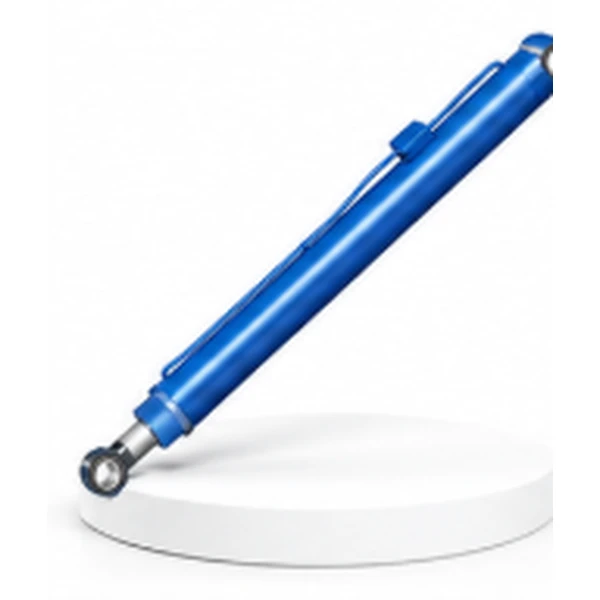
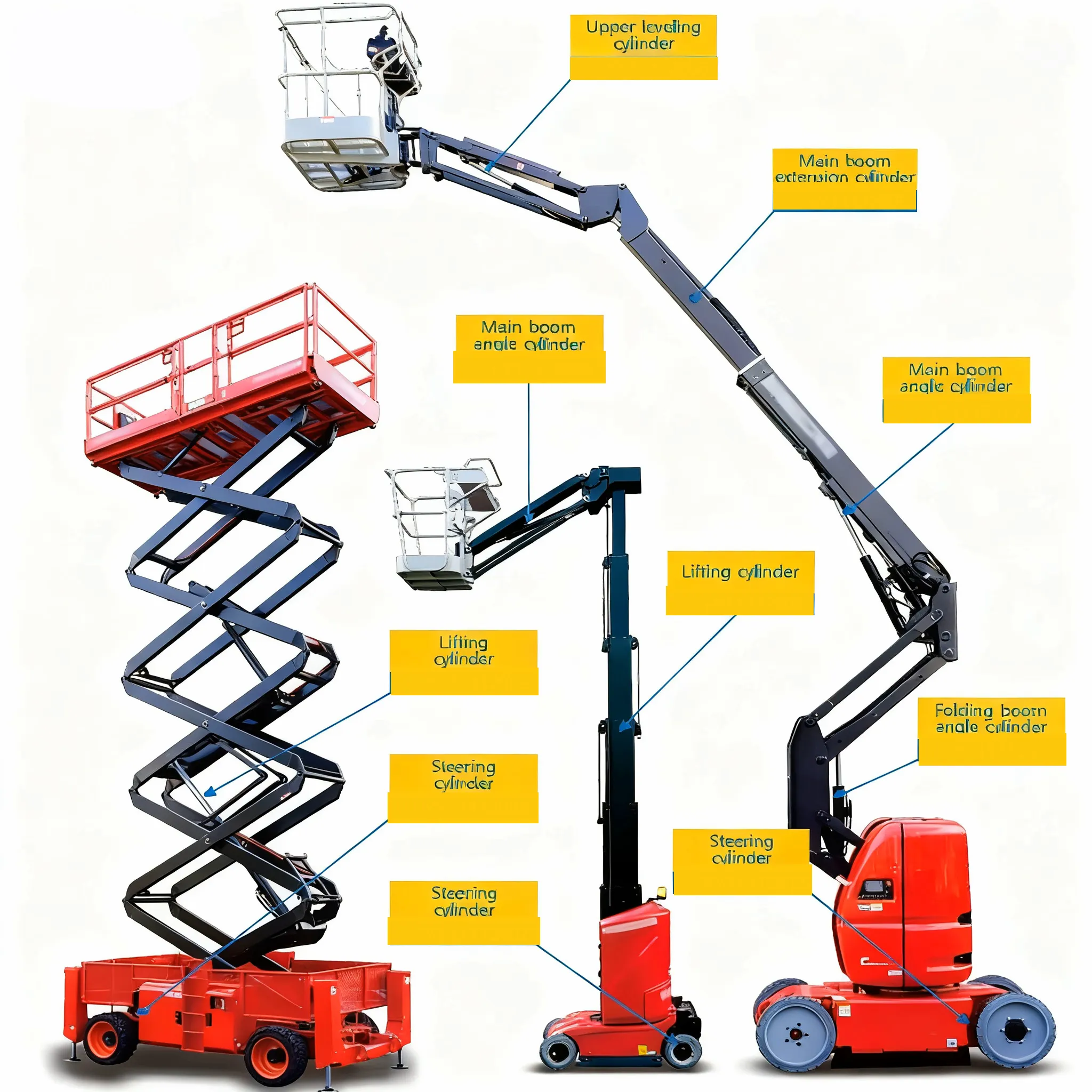
The mobile crane luffing cylinder (#17) holds a steel load — if the boom drifts by 10 mm, the load moves 10 mm. No injury. The aerial platform luffing cylinder holds a platform with workers standing on it — if the boom drifts, people lurch. If the boom drops, people fall from height. Aerial platform regulations (EN 280, ANSI A92, AS 1418.10) impose design constraints on the luffing cylinder that go beyond what crane standards require:
A counterbalance valve is not optional on an aerial platform luffing cylinder — it is mandatory by regulation. The valve must hold the platform with workers at any boom angle, even after a complete hydraulic hose failure. The valve must be mounted directly on the cylinder (not on a remote valve block connected by hoses).
The boom lowering speed must not exceed specified limits — typically 0.4 m/s at the platform. A sudden boom drop (even 50 mm) can throw workers off balance. The counterbalance valve's metering orifice restricts the lowering flow, ensuring the boom descends smoothly regardless of operator input aggressiveness.
Korea Ever-Power manufactures the luffing cylinder as the second of seven aerial work platform hydraulic cylinders — with the safety architecture that EN 280 and ANSI A92 require for personnel-carrying equipment.
Technical Specifications
| Parameter | Specification |
|---|---|
| Product | Aerial Work Platform Luffing Cylinder |
| Function | Boom up/down pitching — main driving force for platform height |
| Bore Diameter | 50 mm – 350 mm |
| Rod Diameter | 30 mm – 300 mm |
| Stroke | ≤ 3,000 mm |
| Max Pressure | 30 MPa |
| Application | Aerial Work Platform (boom lift, cherry picker) |
| Certification | ISO 9001 · EN 280 / ANSI A92 compatible · 100% tested |
Smooth Motion — People Feel Every Jerk
A crane operator sits inside a cab — minor boom oscillations are barely noticed. Workers on an aerial platform basket stand in the open, 20–40 metres above ground — they feel every vibration, every jolt, every start/stop transient. If the boom motion is rough, workers grip the railing, stop working, and productivity drops. If the motion is too rough, workers refuse to use the platform.
Internal cushions (tapered sleeves at both stroke ends) decelerate the piston smoothly before it reaches the end cap — preventing the jolt that workers feel as the boom reaches its limit. Korea Ever-Power tunes the cushion orifice to match the platform's boom speed and inertia.
High seal friction causes stick-slip at low speeds — the boom jumps in small steps instead of moving smoothly. Workers interpret this as a malfunction. PTFE-composite guide rings and low-friction polyurethane seals eliminate stick-slip, giving the operator smooth proportional control at any speed. Contact Korea Ever-Power for aerial platform luffing cylinder specifications.
Manufacturing Process
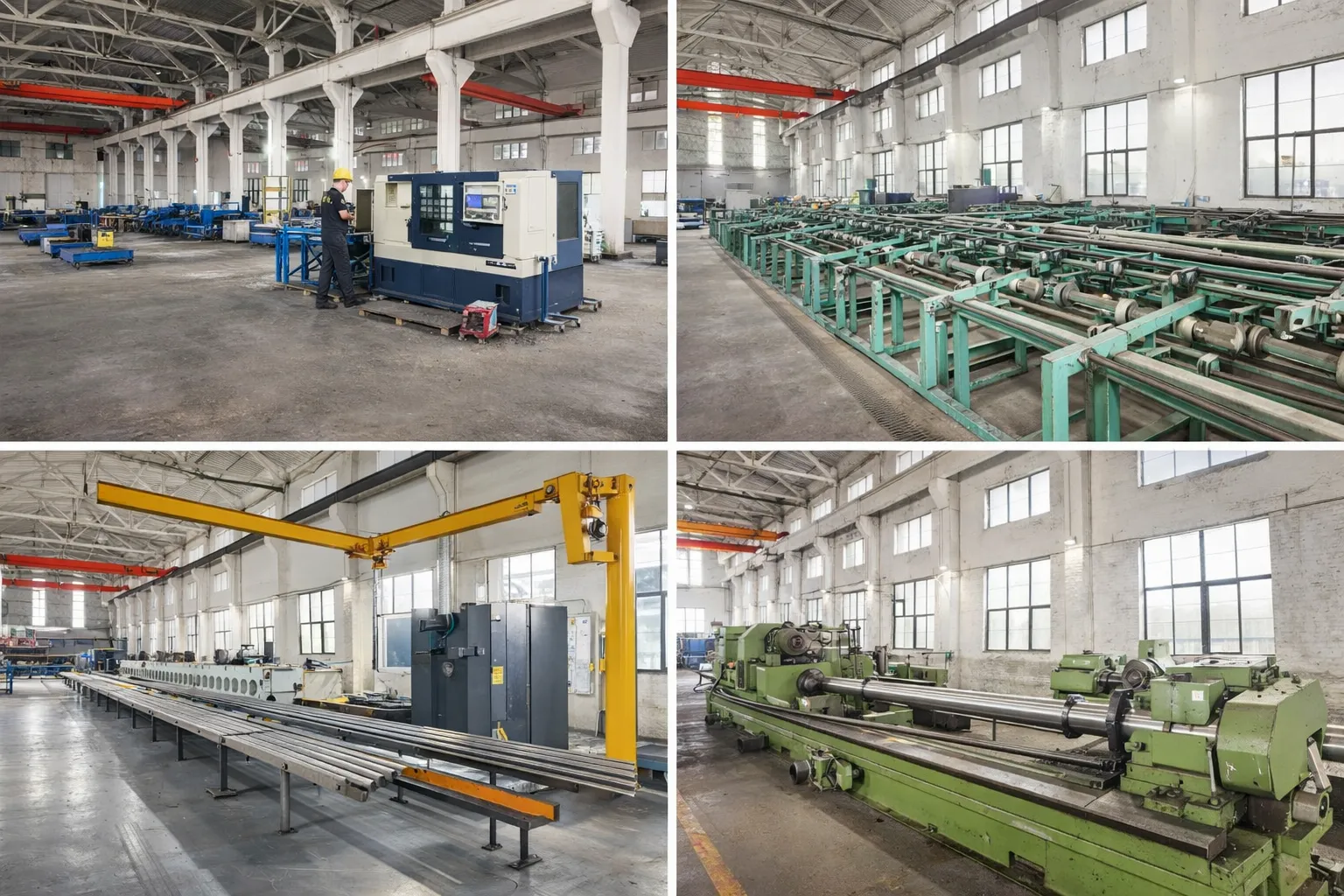
Bore honed to Ra 0.2–0.4 µm. Chrome 50–80 µm. Internal cushions machined at both ends. Counterbalance valve mounting pad machined on the barrel — the valve mounts directly on the cylinder with no intermediate hose. Rod eyes forged. Seals rated -30 °C to +80 °C, polyurethane + PTFE guides + low-friction rod seal. Every luffing cylinder is hydrostatic tested at 1.5× (45 MPa), drift tested (zero allowable boom drop under rated load), and lowering-speed tested — verifying that the platform descent rate does not exceed the EN 280 / ANSI A92 limit.
OEM & ODM
FAQ
Related Categories
Yderligere information
| Editor |
|---|
Relaterede varer
-
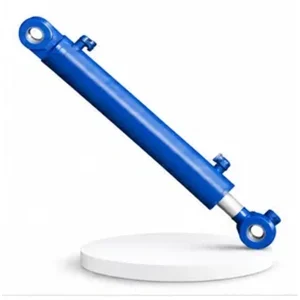
Small Excavator Rotary Actuator
-
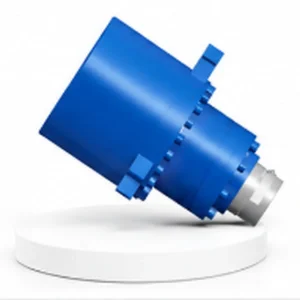
Large Excavator Tightening Cylinder
-
Aerial Work Platform Telescopic Cylinder
-
Mobile Crane Luffing Cylinder
-
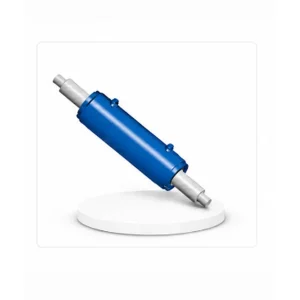
Aerial Work Platform Steering Cylinder
-
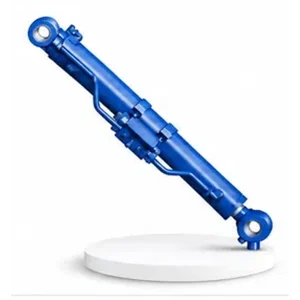
Small Excavator Stick Cylinder (Arm Cylinder)
-
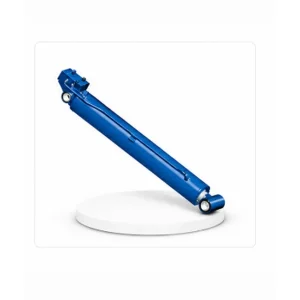
Aerial Work Platform Leveling Cylinder
-
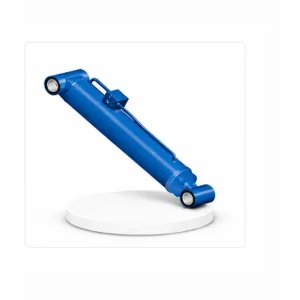
Aerial Work Platform Outrigger Cylinder