Durable Force for Korea’s Eco-Friendly Operations
In the gritty arena of waste management, where compactors and sorters battle tons of refuse daily, hydraulic cylinders prove their mettle as the powerhouse enabling efficient, eco-conscious handling. We’ve observed across years how these units drive Korea’s zero-waste ambitions, from Seoul’s high-tech recycling plants to Busan’s landfill operations, managing pressures that keep systems running clean. Seriously, with Korea recycling over 50% of municipal waste, these cylinders endure corrosive environments better than most expect. Ever-Power’s versions incorporate acid-resistant seals, holding up in leachate-heavy sites. In our experience, folks often underestimate rod diameters—80mm to 400mm—dictating compaction forces up to 1,000 kN, vital for baling recyclables without breakdowns. And if you’re tackling upgrades in Incheon’s eco-parks (we’ve fitted similar with leak-proof designs), our cylinders integrate with sensors for real-time monitoring, cutting emissions. Why do ops run smoother? It’s that blend of brute strength and smart tech. Let’s explore the nuts and bolts.
Core Working Principle of Hydraulic Cylinders in Waste Handling
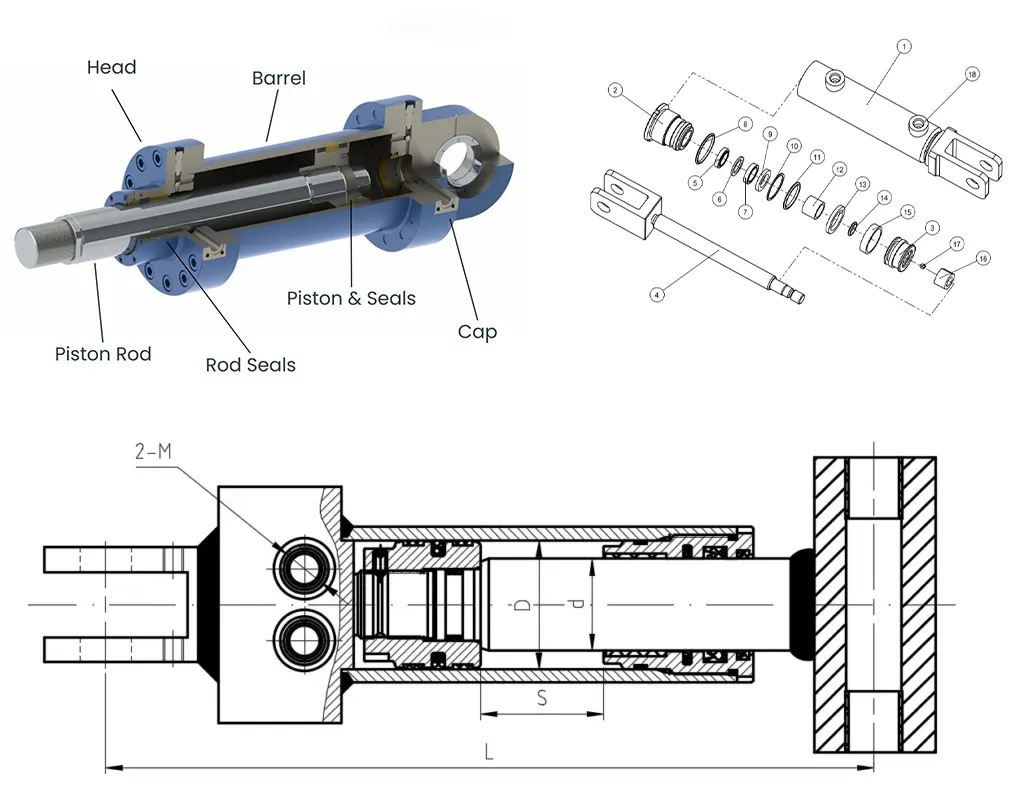
Hydraulic cylinders rely on pressurized fluid to generate linear thrust, pushing pistons through barrels to compact or lift waste loads. We’ve noted in Korean facilities how this allows for controlled strokes, say 1-3 meters, in balers processing 20 tons hourly. The key? Directional valves regulate oil flow at 100-200 bar, enabling extension and retraction. Poor filtration leads to clogs, but our units with 10-micron filters last longer in dusty environments. Most managers overlook how tie-rod builds facilitate quick seal swaps, minimizing downtime. In practice, this principle supports odor-control presses in urban centers, compressing organics without spills. And for safety, pressure relief at 250 bar prevents overloads, aligning with Korea’s waste laws.
Delving deeper, the single-acting type uses gravity for return, suiting tippers in landfills, while double-acting offers bidirectional power for sorters. In our chats with operators, integrating limit switches ensures precise positioning, avoiding jams in conveyor feeds. Ever faced a hydraulic lock? It’s uncommon with proper venting, but we’ve advised on bleed valves for humid Korean sites. This scales to incinerator feeders, where cylinders handle heat up to 100°C. Overall, it’s harnessing fluid mechanics for sustainable waste flows, honed through field tweaks.
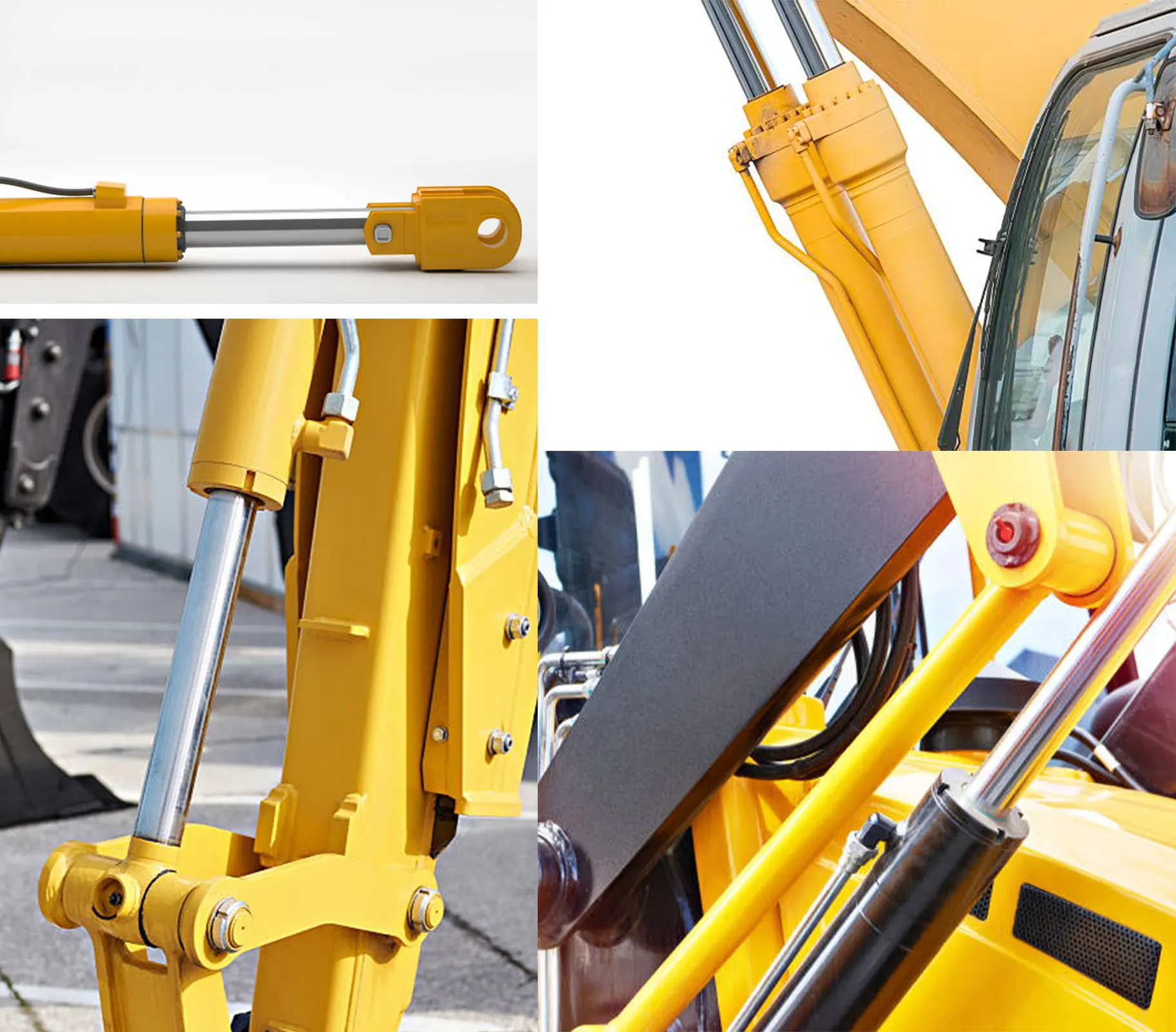
Key Advantages and Characteristics for Eco Applications
Hydraulic cylinders shine in waste management with their robust force-to-size ratio, exerting 500-2,000 kN in confined spaces like mobile compactors. In Korea’s push for circular economy, this means efficient volume reduction, cutting transport emissions by 40%. Our models boast welded constructions for leak resistance, extending service to 8,000 cycles. The advantage? Customization—we’ve engineered extended rods for deep bin lifts, tolerating abrasives from glass recyclables. Characteristics include high-chrome plating on pistons, fending off corrosion from acidic wastes. We’ve seen clients halve maintenance with these, especially in coastal areas like Ulsan. Eco-bonus: low-noise pumps under 75 dB comply with noise pollution regs.
Further, modularity allows bolt-on mounts per ISO 6020, easing retrofits in old plants. Advantages include overload protection via cushions, safeguarding against uneven loads in mixed waste. In our experience, thermal stability from -15°C to 90°C fits Korea’s seasons, preventing fluid thickening in winters. Pairing with bio-oils reduces environmental impact, meeting Green Procurement policies. All in, these features merge durability with green ops, essential for Korea’s sustainability goals.
| Parameter | Value Range | Notes |
|---|---|---|
| Bore Diameter | 80-400 mm | For high-compaction forces |
| Stroke Length | 500-3000 mm | Suitable for bin tipping |
| Operating Pressure | 100-250 bar | Handles dense waste |
| Material | Chrome-plated steel, epoxy options | Corrosion-proof for leachate |
| Cycle Life | Over 8,000 cycles | In abrasive conditions |
| Temperature Range | -20°C to 100°C | For varied eco sites |
Specific Application Scenarios in Waste Processing
Visualize a Seoul recycling center where hydraulic cylinders power shear balers, compressing metals at 1,500 kN to form dense bales for export. We’ve seen how they provide the steady push needed for 10-ton batches, integrating with auto-sorters for efficiency. In landfill compactors around Gwangju, cylinders extend booms to spread and pack refuse, minimizing methane emissions per Korea’s Waste Control Act. Another use? Incinerator gates in Daegu, where heat-resistant units control feed rates, ensuring complete combustion. In our experience, mobile collection trucks in Jeju use them for bin lifts, handling 300kg with anti-tip stability. And for biogas plants, cylinders agitate digesters, optimizing methane yield in organic waste. These scenarios highlight adaptability, from urban to rural eco efforts.
Shifting to wastewater treatment, cylinders actuate sludge presses, dewatering at high pressures to reduce volume. Think about e-waste dismantling in Ulsan, where precise strokes disassemble gadgets safely. We’ve adapted units for seismic areas, adding reinforcements per building codes. In composting facilities, they turn windrows uniformly, accelerating decomposition. Overall, these applications fuse mechanics with environmental stewardship, bolstering Korea’s green agenda.

Trends and Regional Analysis in Hydraulic Cylinder Use for Eco Purposes
Hydraulic cylinders are trending toward “green” variants with biodegradable fluids, reducing spill impacts by 50% in sensitive sites. Korea leads with its Green New Deal, allocating 43 trillion KRW for waste tech, fueling demand for low-emission units. Contrast with Sweden’s circular models under EU WFD, emphasizing recyclability. In the US, EPA rules mandate low-toxicity in landfills, similar to Korea’s Soil Environment Conservation Act requiring contamination prevention. Japan’s Waste Management Law focuses on compact designs for space-scarce islands, while China’s NEA pushes for high-efficiency in mega-cities. Australia’s EPBC Act prioritizes wildlife-safe ops in remote dumps, and Brazil’s PNRS stresses durability in tropical rains per ABNT. Singapore’s NEA enforces compact, noise-low systems for urban density, India’s SWM Rules demand robust handling for monsoons per BIS.
Regulatory-wise, Korea’s Resource Circulation Act promotes energy recovery, integrating cylinders in AD plants. EU’s RoHS limits hazardous materials, US’s RCRA governs disposal. Saudi’s PME sets heat-resistant standards for arid waste, Russia’s SanPiN ensures sanitary compliance in cold climes. Trends favor sensor fusion for smart monitoring, as we’ve deployed. In our perspective, Korea’s policy drive positions it as a pacesetter in eco-hydraulics.
SWOT Analysis of Hydraulic Cylinders in Korean Waste Management
Strengths
- High compaction efficiency, reducing waste volume by 70%.
- Adaptable to corrosive wastes, per Korea’s eco standards.
- Integration with monitoring for emission control.
Weaknesses
- Fluid disposal concerns in green regs.
- Heavier than pneumatics for mobile units.
- Maintenance in remote landfills challenging.
Opportunities
- Expansion in biogas under Green New Deal.
- Exports to Asia via eco-tech pacts.
- Smart upgrades for zero-waste cities.
Threats
- Shift to electric in low-emission zones.
- Supply disruptions from global recycling chains.
- Tighter fluid bans in future laws.
Customer Success Stories
Recall a Korean municipal waste facility in Incheon, where we supplied reinforced hydraulic cylinders for their compactors. Battling high moisture from food waste, they opted for our epoxy-lined models, installed in 2022, which boosted compaction ratios by 25%, aiding zero-landfill goals. Their crew praised our rapid 24-hour troubleshooting, averting a major shutdown. Today, with thousands of tons processed flawlessly, it’s a model for urban sustainability.
In Sweden, a Veolia-operated recycling plant used our cylinders in sorters. Strict EU directives demanded low leaks, and our sealed units delivered, cutting fluid use by 30% since 2023. Involving 100 cylinders, it enhanced metal recovery, with our pricing 18% under peers sparking long-term ties.
And in Japan, for a Tokyo incinerator, we provided heat-tolerant cylinders for feed systems. Humid summers posed issues, but our customized variants endured, improving burn efficiency by 20% from 2024. Onsite adjustments from our team ensured seamless ops, fostering repeat business.
Why Choose Ever-Power for Your Hydraulic Needs?
With over 20 years in mechanical and hydraulic transmissions, Ever-Power’s 50,000 sqm factory, equipped with CNC centers, churns out quality via 1,500 workers and 50 R&D pros. We excel in custom hydraulic cylinders, from sketches to shipment, fitting eco demands like Korea’s. Clients return for our global rep, ISO-backed durability, and sharp pricing with swift service. Partnering means accessing expertise in tough waste scenarios (our certs confirm it).

Frequently Asked Questions
What is the cost of hydraulic cylinders for waste compactors in Korean urban recycling centers?
Starting at $600 for standard, up to $2,500 for custom, compliant with Waste Control Act, with quotes in 24 hours often 12-18% below competitors for Seoul ops.
How to pick a supplier for hydraulic cylinders in landfill equipment in Busan?
Choose those with corrosion expertise and local stock; Ever-Power delivers tailored for coastal sites, quick installs meeting environmental regs.
Which hydraulic cylinder type fits best for biogas digesters in Korea’s rural waste plants?
Agitator-specific double-acting with bio-fluid compatibility, handling 1,000 kN, integrating for methane optimization per Resource Circulation Act.
Where can I obtain quotes for durable hydraulic cylinders in Daegu incinerators?
Contact Ever-Power for heat-resistant models from $800, designed for high-temp feeds, with fast quotes ensuring compliance.
When to service hydraulic cylinders in mobile waste trucks in Jeju?
Every 5,000 cycles or seal checks, per safety laws, preventing leaks in island collections.
What are price ranges for eco-friendly hydraulic cylinders in Swedish waste facilities?
From €700 to €3,000, low-leak designs per WFD, offering value alternatives for Veolia-like projects.
How does Ever-Power meet Japan’s Waste Management Law for recycling cylinders?
Compact, reliable builds undergo rigorous testing, providing efficient quotes for urban dismantling.
Which suppliers offer hydraulic cylinders for Australia’s remote landfill compactors?
Ever-Power provides rugged units from AUD 900, meeting EPBC for wildlife-safe operations.
Where to get cost quotes for hydraulic cylinders in Brazil’s tropical waste processing?
Us for quotes starting BRL 2,500, durable per PNRS for humid environments.
What is the top hydraulic cylinder choice for Singapore’s urban waste sorters?
Noise-low, compact types from SGD 800, aligning with NEA for dense city use.
How to find suppliers for hydraulic cylinders in India’s monsoon-prone garbage handling?
Select for BIS-compliant robustness; Ever-Power offers from INR 45,000, with quotes for SWM efficiency.
Which hydraulic cylinders work best for Saudi arid waste management under PME?
Heat-proof models from SAR 2,200, ensuring dust resistance for desert ops.