Cutter Head Locking Cylinder for TBM
Ensuring absolute maintenance safety with highly durable mechanical locking structures in extreme underground environments.
Product Overview & Industrial Value
In the highly specialized field of underground excavation and tunneling, equipment reliability is not merely a matter of operational efficiency; it is a critical safety imperative. When a Shield Machine or Tunnel Boring Machine (TBM) requires cutter head maintenance, tool replacement, or internal inspection, the massive cutter head must be completely immobilized. This is the core industrial value of the Cutter Head Locking Cylinder. Operating in some of the most unforgiving environments on the planet, this component guarantees that the immense rotational forces of the TBM are fully neutralized while personnel are working in the excavation chamber.
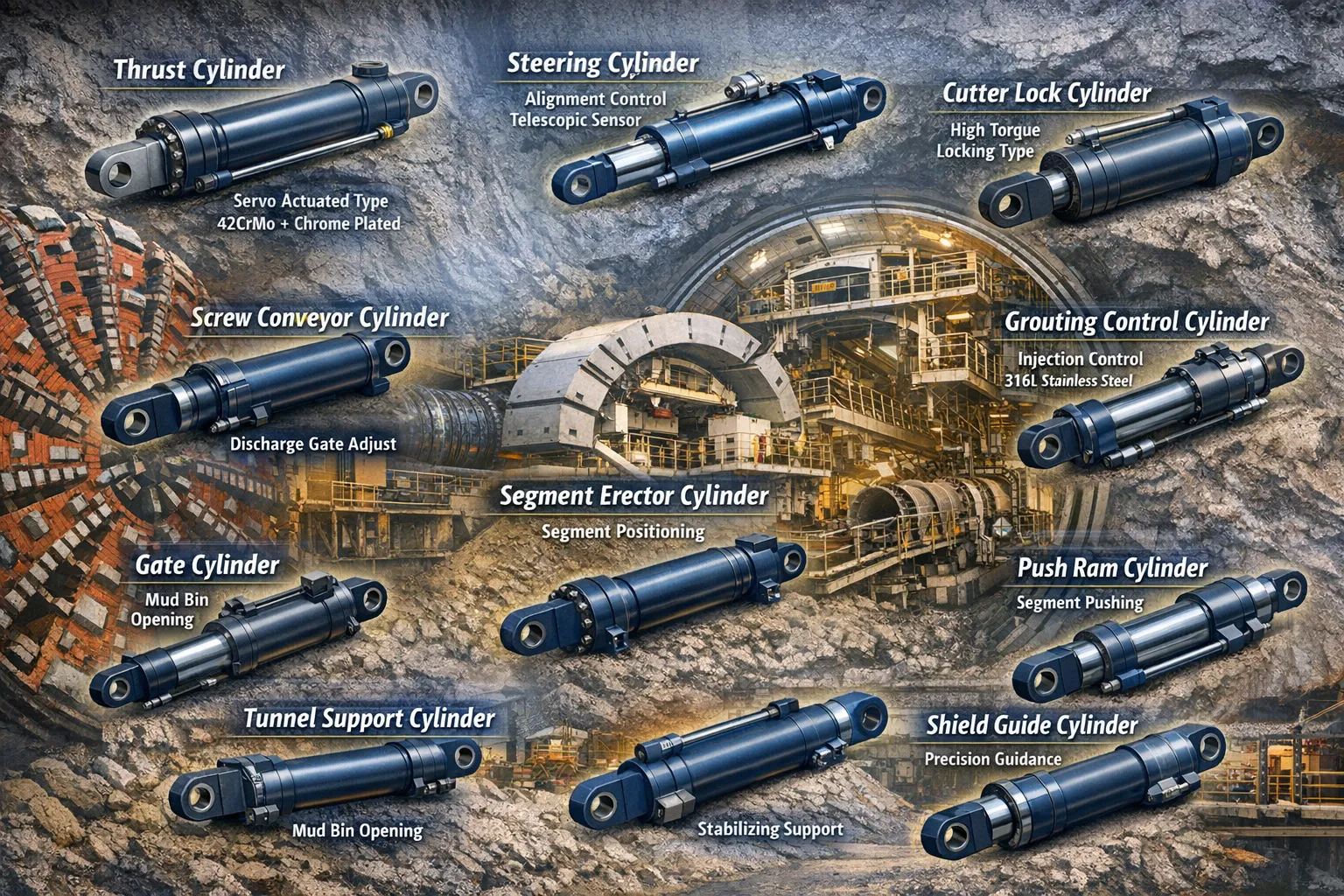
As a dedicated hydraulic cylinder manufacturer, we have engineered a highly specialized Cutter Head Locking Hydraulic Cylinder that surpasses standard industry benchmarks. Unlike ordinary generic cylinders that rely solely on fluid pressure to hold a position, our design integrates a robust mechanical locking structure. This ensures absolute lock maintenance even in the event of total hydraulic pressure loss. Our strategic positioning in the market focuses on providing heavy-duty, fail-safe hydraulic parts to major infrastructure projects, particularly across South Korea, Japan, and the broader Asian market where urban tunneling demands the highest safety protocols.
We understand that a lock failure could result in catastrophic machinery damage or severe safety hazards. Therefore, every Cutter Head Locking Cylinder we produce is built to withstand extreme high torque scenarios, utilizing advanced material sciences and surface treatments tailored specifically for the mud, abrasive soil, and high-salinity water commonly encountered in shield tunneling operations.
Technical Parameters & Specifications
Selecting the correct hydraulic cylinder requires a deep understanding of the operating parameters and environmental constraints. The table below outlines the specific technical data for our highly demanded locking cylinders. We provide extensive customization options to ensure perfect integration with your specific machinery architecture.
| Industry | Equipment Category | Subsystem / Action | Cylinder Name | Action Type | Structure Type |
|---|---|---|---|---|---|
| Construction Machinery | Shield Machine / TBM | Cutter Head Maintenance | Cutter Head Locking Cylinder | Double Acting | Piston Cylinder |
| Manufacturing Structure | Material System | Surface Treatment | Environmental Grade | Working Condition | Typical Failure Mode |
| Welded Construction | 42CrMo Alloy Steel | Nickel Plated | High Torque / Heavy Soil | Lock Maintenance | Lock Failure / Seal Wear |
Recommended Configuration Target: To combat the primary risk of lock failure, our engineering team mandates the inclusion of a proprietary mechanical locking structure within the cylinder assembly, providing a secondary layer of physical security independent of the hydraulic circuit.
Detailed Working Principle
The operational mechanics of our Cutter Head Locking Hydraulic Cylinder are a marvel of heavy-duty engineering. Designed as a robust double acting hydraulic cylinder, it utilizes pressurized hydraulic fluid to perform both the extension and retraction strokes. When the TBM operator initiates the maintenance sequence, hydraulic fluid is pumped into the cap end of the cylinder barrel. This forces the heavily reinforced hydraulic cylinder piston forward, extending the piston rod toward the corresponding locking slots or lugs located on the perimeter of the massive cutter head.
Once the rod is fully extended and engaged with the cutter head, the true advantage of our design comes into play. In standard systems, maintaining this position relies entirely on continuous hydraulic pressure. If a hose ruptures or a pump fails, the cylinder could retract, allowing the cutter head to spin freely under the weight of uneven soil pressure. To prevent this severe hazard, our cylinder employs a specialized mechanical locking mechanism. Upon full extension, mechanical segments or locking rings physically block the retraction of the rod. This means the lock maintenance is held by the sheer shear strength of the steel components rather than fluid pressure.
To release the lock, hydraulic pressure is first applied to slightly extend the rod, disengaging the mechanical lock. A sequence valve then allows the locking segments to retract before fluid is routed to the rod end of the cylinder, safely pulling the piston rod back into the barrel. This carefully orchestrated cycle requires precision-machined hydraulic cylinder components and high-performance valving to ensure smooth, bind-free operation under massive lateral loads.
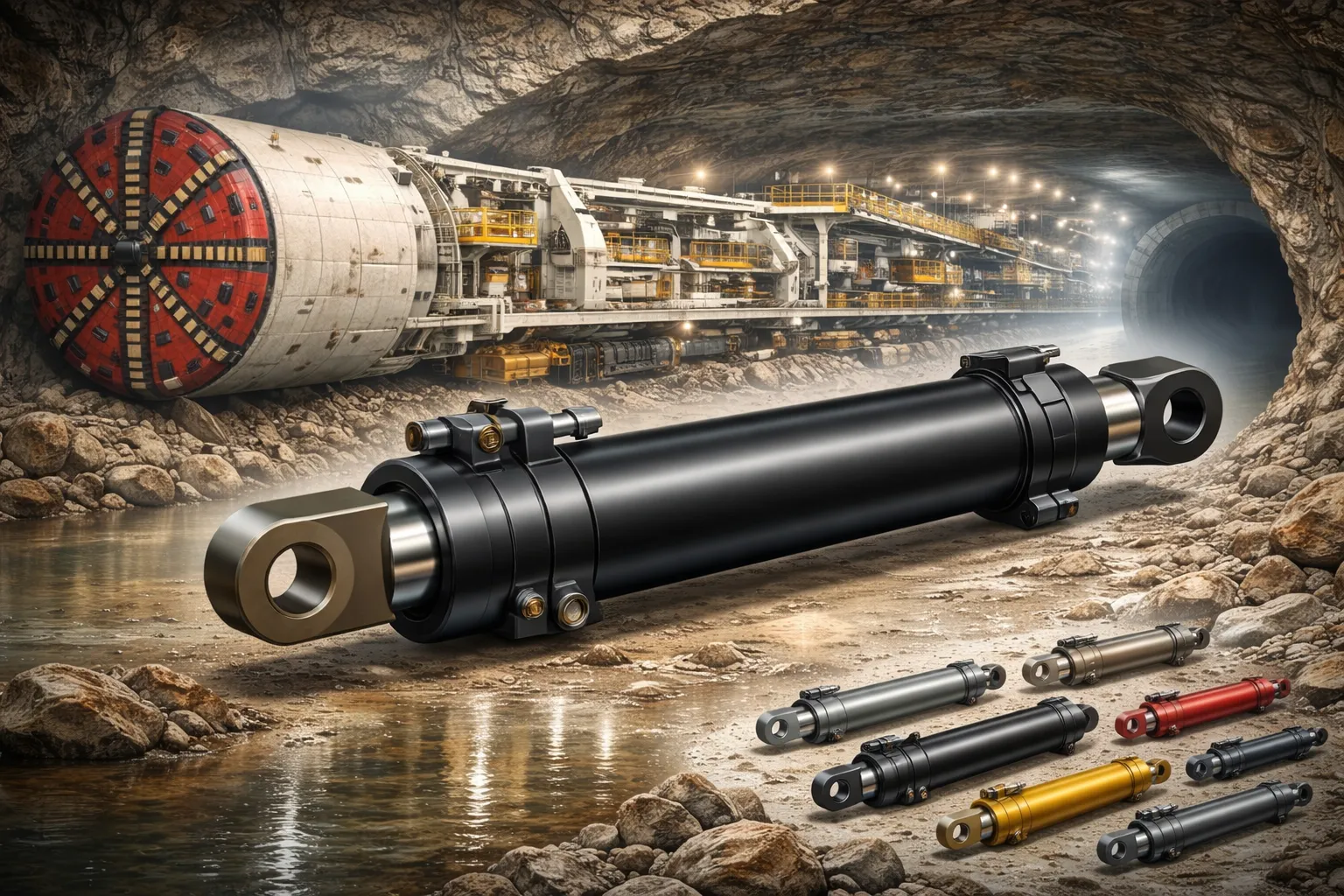
Seamless Brand Machinery Replacement
Equipment downtime in tunneling projects can cost hundreds of thousands of dollars per day. Having access to highly reliable, drop-in replacement parts is vital for project continuity. Our engineered Cutter Head Locking Hydraulic Cylinder is designed with precise dimensional tolerances to perfectly replace OEM components on the world’s leading shield machines.
We have successfully provided exact fitments for machinery manufactured by global leaders including Herrenknecht, Robbins, Komatsu, Hitachi Zosen, Kawasaki, CREG (China Railway Engineering Equipment Group), and CRCHI (China Railway Construction Heavy Industry). By accurately matching the trunnion mounts, clevis dimensions, pin diameters, and port threads, we eliminate the need for any on-site fabrication or machinery modification.
Please Note: The brand names mentioned above (such as Herrenknecht, Komatsu, etc.) are the registered trademarks of their respective owners. We reference these brands strictly for the purpose of illustrating equipment compatibility and assisting engineers with part selection. We are an independent hydraulic cylinder manufacturer offering premium aftermarket replacement solutions, not affiliated with these original equipment manufacturers.
5 Core Technical Advantages
When you evaluate the hydraulic cylinder price against the operational lifespan and safety it provides, the value of superior engineering becomes clear. Here are the defining advantages of our locking cylinders:
1. Advanced Mechanical Locking Structure
Our proprietary physical locking system entirely eliminates the risk of lock failure caused by hydraulic pressure drops. This integrated safety feature acts as a fail-safe, bearing the massive torsional forces of the cutter head mechanically, allowing workers to perform maintenance with absolute peace of mind.
2. Premium 42CrMo Material Architecture
Unlike standard cylinders that use basic carbon steel, our cylinder barrel and piston rod are forged from 42CrMo alloy steel. This specific metallurgy, combined with rigorous quenching and tempering processes, provides exceptionally high tensile strength and impact toughness. It effectively resists the bending moments and high torque forces transmitted from the cutter head during uneven geological shifts.
3. Specialized Nickel Plated Surface Treatment
TBMs often encounter highly corrosive saline groundwater and aggressively formulated soil conditioning foams. Standard hard chrome can micro-crack in these environments. Our specialized thick Nickel Plated surface treatment provides vastly superior chemical resistance and anti-corrosion properties, ensuring the piston rod remains smooth and pit-free, thereby protecting the internal seals.
4. High-Integrity Welded Construction
The harsh vibrational environment of a shield machine demands absolute structural rigidity. We utilize automated deep-penetration welding techniques for the cylinder base and ports. Post-weld stress relief thermal treatments are applied to eliminate microscopic stress risers, guaranteeing long-term fatigue life without structural cracking.
5. Ultra-Low Friction Sealing Technology
To ensure smooth actuation and zero internal bypass, we deploy multi-lip polyurethane and PTFE composite seals. These high-grade hydraulic cylinder components drastically reduce friction, minimize heat generation during rapid actuations, and feature heavy-duty external wipers to completely block mud and rock dust from entering the fluid chamber.
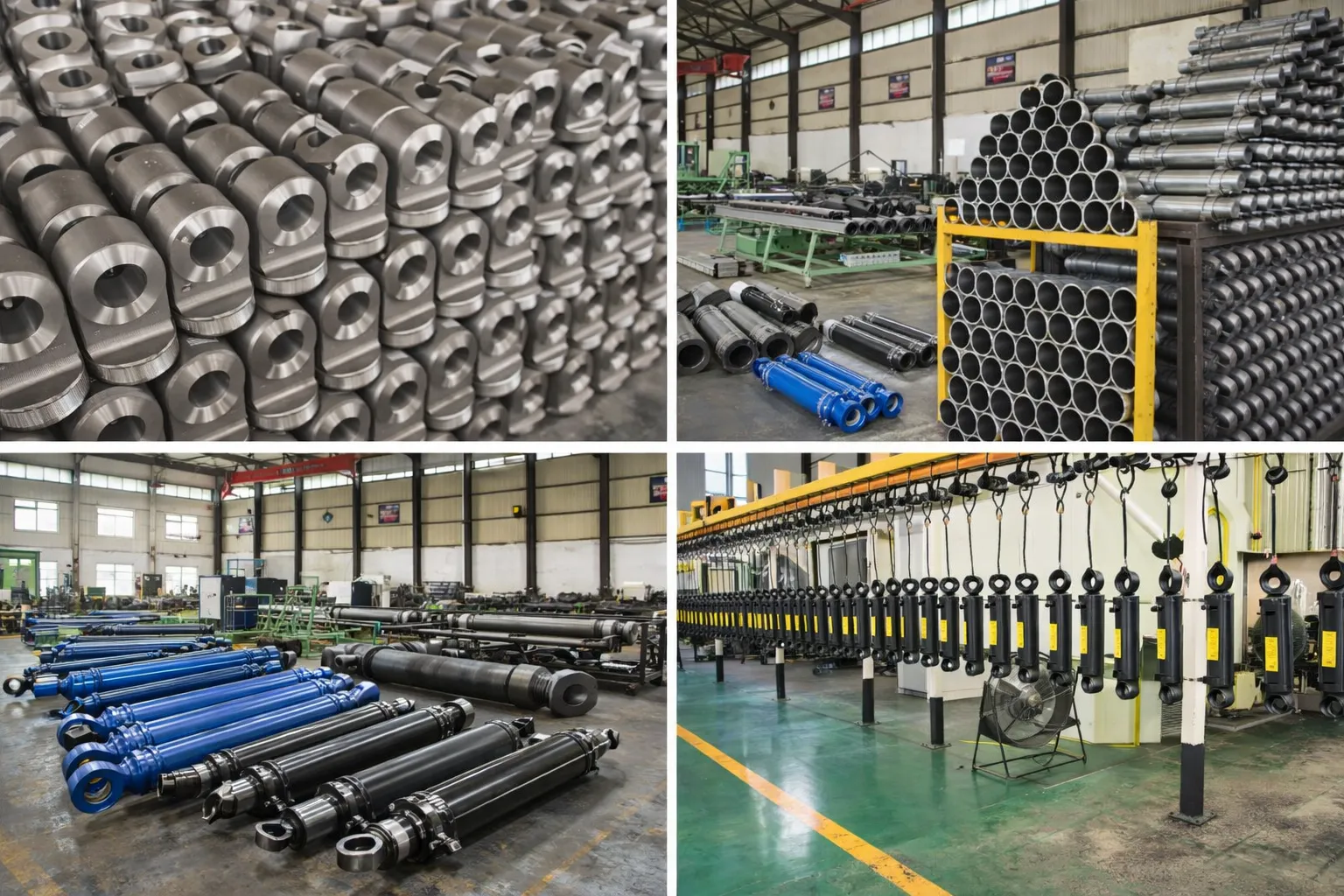
Manufacturing Process & Uncompromising Quality Control
The production of a high-torque Cutter Head Locking Hydraulic Cylinder requires an obsession with precision. Operating a full-scale, vertically integrated manufacturing facility allows us to control every variable from raw steel ingot to final testing. Our commitment to quality directly reduces your future need for fixing hydraulic cylinders in the field.
- Material Verification: Every batch of 42CrMo steel undergoes ultrasonic flaw detection to ensure there are zero internal voids or inclusions before machining begins.
- Precision Honing: The internal bore of the cylinder barrel is skived and roller-burnished to achieve a mirror-like Ra 0.2 surface finish, maximizing the lifespan of the internal piston seals.
- Automated Welding: Heavy-duty robotic welding ensures consistent, deep penetration on all mounting brackets and end caps.
- 100% Factory Pressure Testing: No cylinder leaves our floor without passing a rigorous dynamic load and static pressure holding test, often exceeding 150% of its rated working pressure, to certify the mechanical locking structure and seal integrity.
- Full Traceability: Every unit is laser-etched with a unique serial number, linking it permanently to its specific material certificates, welding logs, and pressure test graphs in our database.
Broad Industry Applications
While engineered primarily for the extreme conditions of tunneling, the incredible durability of these units makes them highly sought after in other demanding sectors requiring heavy-duty holding forces.
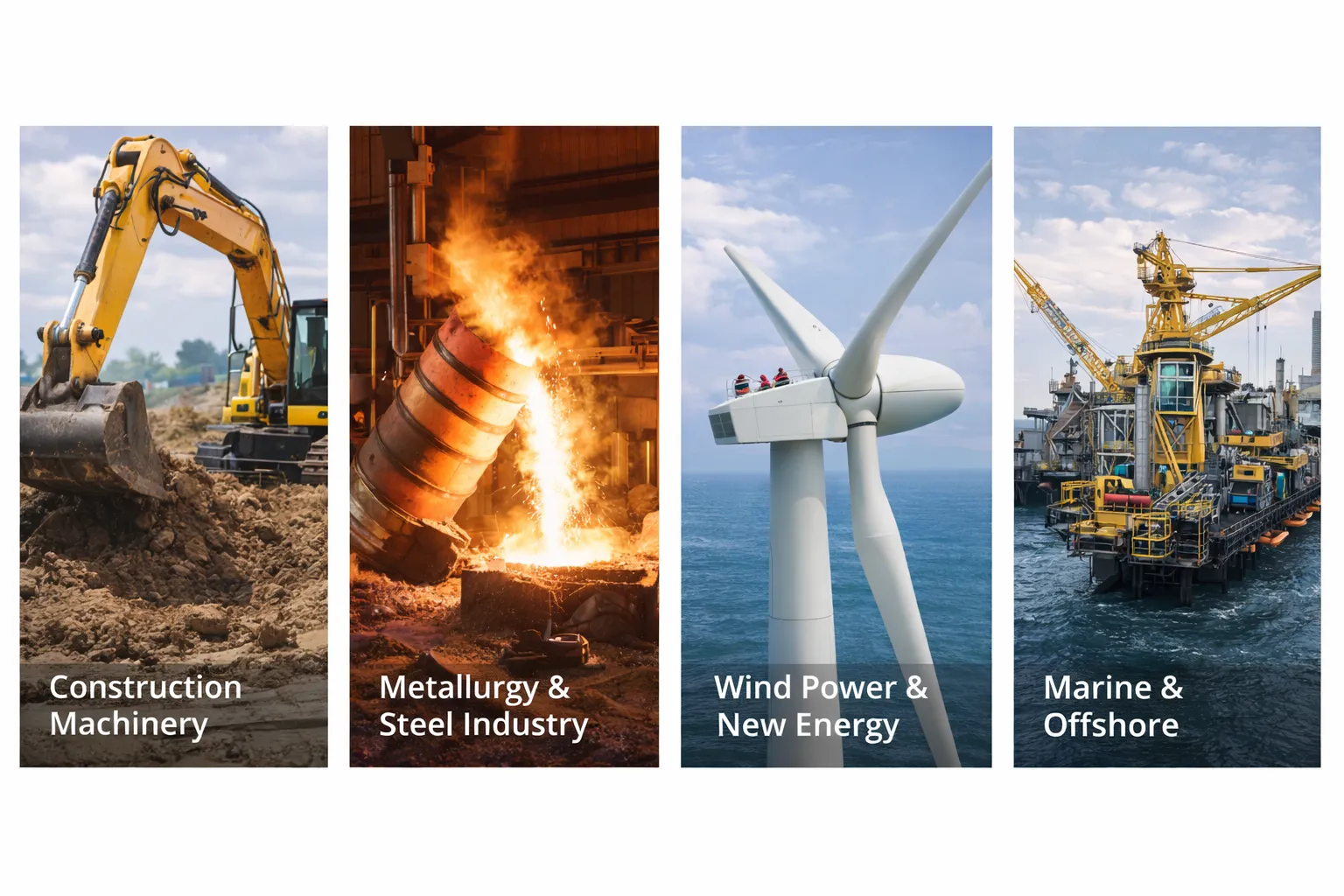
- Construction Machinery Industry: The primary application remains within Shield Machines and TBMs for cutter head stabilization.
- Metallurgy & Heavy Manufacturing: Utilized in steel rolling mills and massive forging presses where high-heat and high-shock loads are present.
- Offshore & Marine Equipment: The exceptional corrosion resistance of the Nickel plated surface makes them perfect for deck machinery, offshore rig locking mechanisms, and specialized underwater repair robotics.
- Material Handling: Actuating heavily loaded ramp doors, securing massive gantry crane segments, or acting as a specialized heavy lift cylinder in custom logistics platforms.
- Mining Automation: Providing secure locking for underground continuous miners and heavy roof support systems.
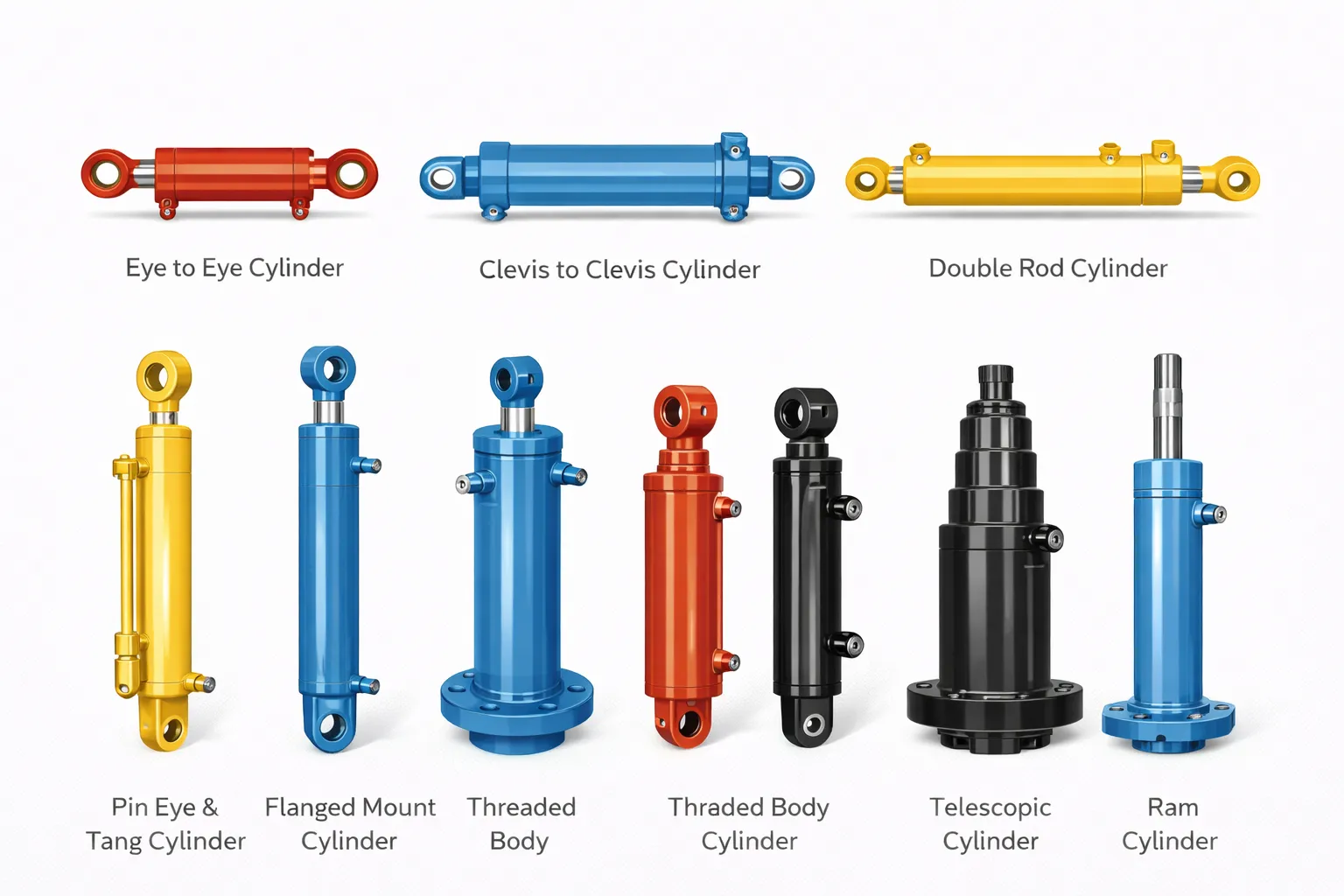
Comparative Analysis: Standard vs. High-Performance Locking Cylinders
To clearly illustrate the engineering gap, we compare a generic off-the-shelf cylinder with our optimized Cutter Head Locking Hydraulic Cylinder.
| Feature Parameter | Generic Hydraulic Cylinder | Our Locking Hydraulic Cylinder |
|---|---|---|
| Holding Mechanism | Relies entirely on hydraulic fluid pressure. | Integrated Mechanical Locking Structure. |
| Base Material | Standard carbon steel (e.g., 45# steel). | High tensile 42CrMo Alloy Steel. |
| Surface Treatment | Thin hard chrome plating (vulnerable to salt). | Heavy Nickel Plated for extreme anti-corrosion. |
| Failure Risk | High risk of lock failure upon hose burst. | Zero risk of back-driving under pressure loss. |
| Maintenance Frequency | Frequent seal replacements due to mud ingress. | Long-life multi-lip seals reduce downtime. |
Proven Global Reliability: 5 Real Case Studies
The true test of heavy machinery parts happens deep underground. Below are examples of how our products have solved critical engineering challenges across Asia.
Case 1: GTX Commuter Rail Deep Tunnel, South Korea (October 2025)
Client: A leading Seoul-based tunneling consortium.
Application: Replacing failing OEM lock cylinders on a 14-meter EPB shield machine excavating through hard granite.
Connection: The chief procurement officer reached out via our website after searching for a high-strength double acting hydraulic cylinder manufacturer capable of rapid customization.
Result: We delivered 8 customized locking cylinders featuring the 42CrMo structural upgrade within 35 days. The mechanical lock successfully held the massive cutter head during 12 separate maintenance stops.
Client Feedback: “The torsional forces in this granite layer are brutal. Your locking cylinders gave our maintenance crews the safety assurance they needed. The dimensional accuracy was perfect for a fast swap.”
Case 2: Coastal Expressway Tunnel, Busan, South Korea (March 2024)
Client: Marine infrastructure developer.
Application: TBM operating entirely under the seabed with extreme saline water intrusion.
Connection: Referred to us by an industry partner who had previously used our heavy-duty hydraulic rams.
Result: The standard chrome cylinders were corroding rapidly. We supplied our specialized Nickel Plated Cutter Head Locking Hydraulic Cylinder. After 14 months of operation, the rods showed zero signs of pitting or rust.
Client Feedback: “The anti-corrosion performance of the nickel plating saved us from constant hydraulic cylinder repair costs. Outstanding metallurgical knowledge from your team.”
Case 3: Deep Underground Stormwater Reservoir, Tokyo, Japan (July 2025)
Client: Multinational civil engineering contractor.
Application: Securing the cutter head of a large slurry TBM during high-pressure fluid face interventions.
Connection: Found our technical catalog online while sourcing for a reliable hydraulic cylinder manufacturer.
Result: Implemented 6 units with our advanced mechanical locking structure. During a scheduled intervention, a main hydraulic pump failed, but our cylinders mechanically held the 300-ton cutter head without shifting a single millimeter.
Client Feedback: “Your mechanical locking design prevented what could have been a fatal accident. We are standardizing your cylinders for all future TBM builds.”
Case 4: Mass Rapid Transit Line Extension, Kaohsiung, Taiwan (November 2024)
Client: Municipal transit construction firm.
Application: Mid-sized Earth Pressure Balance machine requiring compact but incredibly strong locking mechanisms.
Connection: Contacted our technical sales team directly through the inquiry form on our product page.
Result: Re-engineered the cylinder profile to fit tight spatial constraints while upgrading the internal seals to handle abrasive sandy soil conditioning agents. Cut maintenance downtime by 40%.
Client Feedback: “Very competitive hydraulic cylinder price considering the level of custom engineering provided. The delivery was fast and the quality is superb.”
Case 5: Deep Tunnel Sewerage System Phase 2, Singapore (February 2025)
Client: Joint venture tunneling contractor.
Application: Extremely abrasive mixed-face ground conditions causing rapid wiper seal failure on standard cylinders.
Connection: Discovered our specialized hydraulic parts via a B2B industrial networking event follow-up.
Result: We supplied locking cylinders equipped with a proprietary triple-lip scraper system. This entirely prevented the highly abrasive rock dust from entering the cylinder barrel.
Client Feedback: “We were burning through standard cylinders every three months. Your product has been in the ground for nine months and the rods still look brand new. Excellent design.”
B2B Technical FAQ
To assist your engineering and procurement teams, we have compiled the most frequent inquiries regarding our locking cylinders.
1. How exactly does the mechanical locking structure function?
When the cylinder reaches its fully extended locking position, specialized steel locking blocks or rings drop into a machined groove on the rod. If hydraulic pressure drops, the retraction force is transferred directly into these physical steel blocks rather than fluid, preventing the rod from moving.
2. Why do you use 42CrMo instead of standard structural steel?
The cutter head of a TBM generates massive, unpredictable torsional forces. 42CrMo alloy steel has significantly higher yield strength and fatigue resistance compared to standard Q345 or 45# carbon steel. This prevents the rod from bending under extreme shear loads during maintenance operations.
3. Can you customize the connection ports and mounting brackets?
Yes. As a comprehensive hydraulic cylinder manufacturer, we can machine any required thread standards (BSPP, NPT, Metric) and customize the clevis, trunnion, or flange dimensions to ensure a perfect 1:1 drop-in replacement for your existing machinery.
4. Do you supply spare seal kits for field maintenance?
Absolutely. We can provide complete OEM-grade seal kits alongside your order. While our seals are designed for extended life, having a spare kit on hand drastically reduces downtime if unexpected fixing hydraulic cylinders maintenance is required in the future.
5. What is the typical lead time for exporting to South Korea or Japan?
For a custom-engineered batch, production generally takes 3 to 5 weeks. Shipping to major ports like Busan or Yokohama usually takes an additional 3 to 7 days by sea freight. We also offer expedited air freight options for emergency breakdown scenarios.
6. How does the Nickel plating outperform standard hard chrome?
While hard chrome is excellent for wear resistance, it can develop microscopic cracks where corrosive saltwater or alkaline mud can penetrate to the base metal, causing flaking. Our heavy Nickel plating provides a dense, continuous, crack-free barrier that is far superior in highly corrosive marine or underground environments.
Secure Your Subsurface Operations Today
Do not risk your project timeline or personnel safety with inferior holding mechanisms. Upgrade to our specialized Cutter Head Locking Cylinder and experience the reliability of true mechanical lock maintenance and premium 42CrMo construction.
Editor: Cxm