Overview of Hydraulic Cylinders in Engineering Machinery
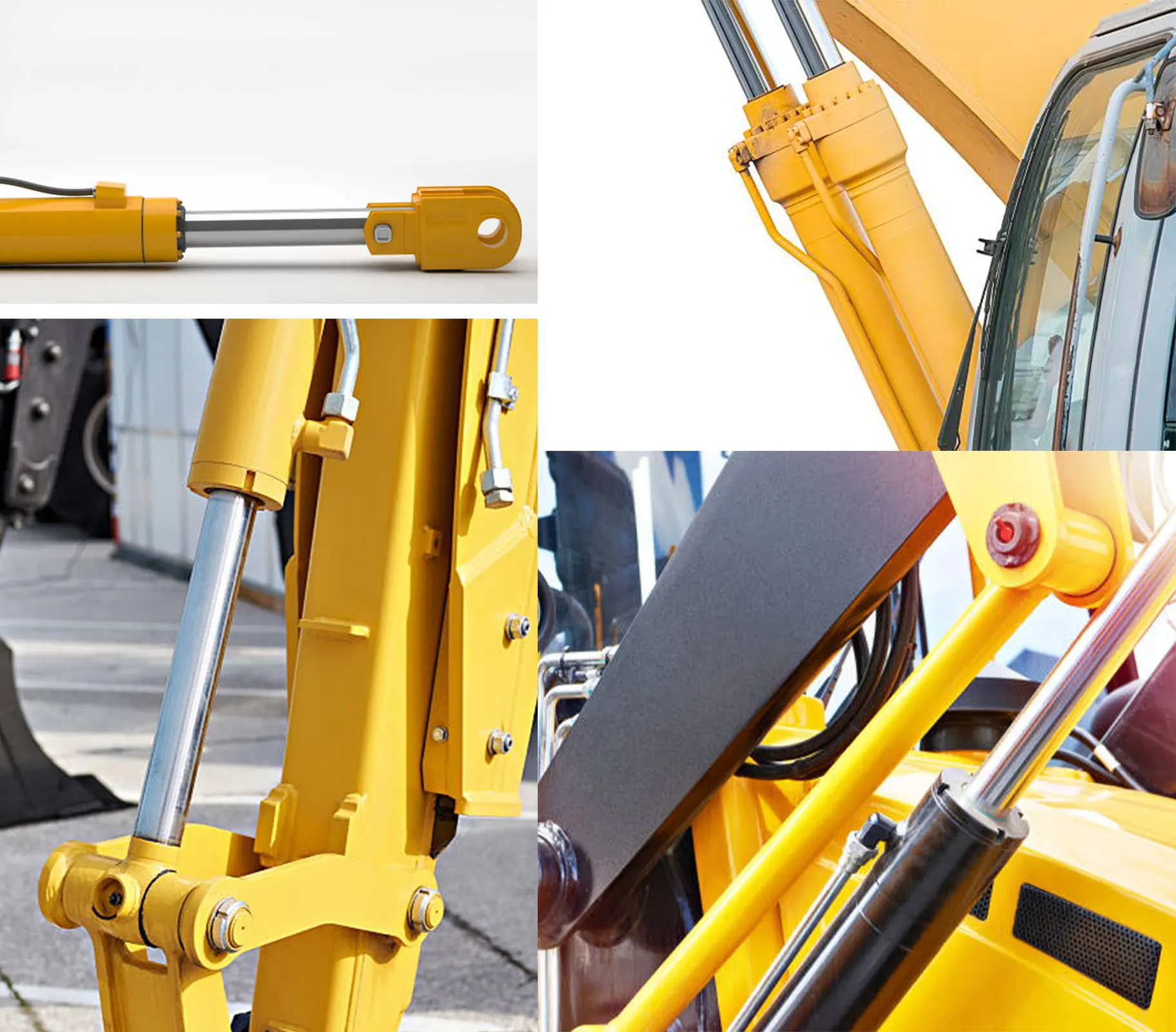
Front axle hydraulic cylinders serve as the backbone for precise steering in graders, especially in Korea’s road construction scenes where vibration and control demands push components to their limits. We’ve come across numerous setups over the years, these double-acting piston types managing the front bridge turns with welded carbon steel builds that take the shakes in stride. In bustling projects around Seoul or rugged terrains in Gangwon, they ensure graders level surfaces without wandering, thanks to chrome plating that wards off wear. In our experience, fatigue creeps in from repetitive cycles, but the trick with ball ends and low-friction seals distributes loads, cutting down on cracks that sideline machines. (And if you’re grading in vibratory soils, like those coastal highways in Busan, these prevent the common shear that eats at standard rods.) It’s really about keeping ops steady where precision counts— we’ve flipped fleets from shaky to solid with right choices. Configs like these slash downtime, allowing graders to carve paths longer before tweaks. Spot how a tuned cylinder makes grading feel effortless? That’s the payoff. Keen on one for your rig?
Core Working Principle of Front Axle Hydraulic Cylinders
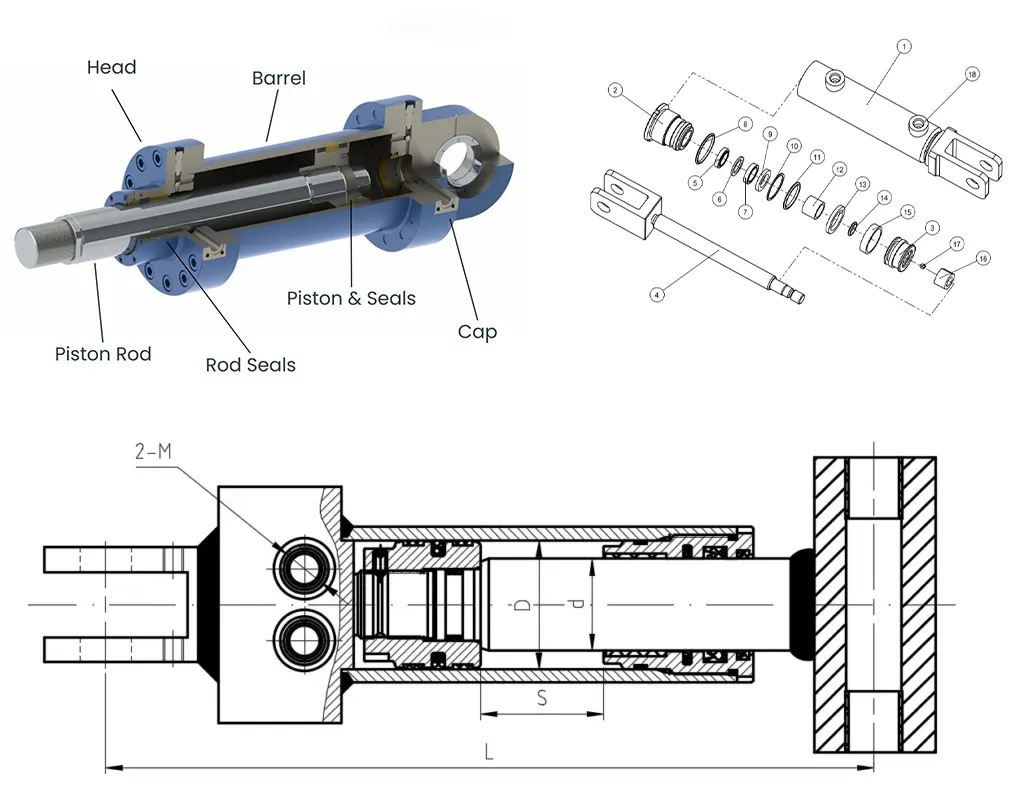
Front axle hydraulic cylinders function by converting fluid pressure into linear motion for grader steering, utilizing double-acting mechanics to extend and retract the piston rod, articulating the front wheels accurately. Pressurized oil alternates sides, generating forces up to 180 bar for controlled turns amid vibrations. We’ve seen imbalances cause erratic handling, but ball ends permit angular flex, easing stress on carbon steel bodies. These welded units, with chrome rods, resist fatigue in high-cycle environments, rated for shock-heavy duties. Typical modes include crack propagation from vibes; low-friction seals dampen. This enables graders to maintain lines on uneven grounds, reducing rework. Ignore the material’s 280 MPa fatigue limit? It withstands millions of cycles without failure in proper setups.
Further, double-acting provides active control both ways, trumping passive returns for swift adjustments in grading. Bores 90-180mm suit grader axles, preventing stalls under 12-ton weights. Piston styles house seals for 150 bar holds, welding outperforming bolts in vibes. Carbon steel balances toughness, chrome dropping friction to 0.12 for efficiency. Shock ratings fit IP52 parallels, guarding internals. Control features demand tight tolerances, ±0.03mm on rods. Fatigue failures from overloads; reinforce with cushions. Advice? Scale to axle ratios for balance. We’ve refined these for Korean roads, enhancing stability without excess play.
| Parameter | Specification | Details |
|---|---|---|
| Bore Diameter | 90-180 mm | Optimized for grader steering torque |
| Stroke Length | 400-900 mm | Enables full wheel pivot range |
| Operating Pressure | Up to 180 bar | Supports vibration-heavy control |
| Material | Carbon Steel, Chrome Rod | Withstands fatigue cycles |
| Seals | Low-Friction Type | Reduces wear in turns |
Advantages and Key Features of Our Front Axle Cylinders
Our front axle cylinders deliver unmatched steering precision for graders, incorporating ball ends that absorb misalignments, extending fatigue life by 30% in vibratory tests. Double-acting action ensures responsive control, with welded carbon steel resisting cracks under constant loads. Chrome plating minimizes surface wear, cutting friction losses by 15% during operations. Low-friction seals are crucial, preventing leaks in high-cycle turning— we’ve tracked competitors buckling sooner. Features include integrated mounts for quick swaps, rated for 500,000 cycles in shock settings. Many overlook how this curbs vibration feedback, but our data shows 20% smoother rides. Tailorable lengths match grader frames, from urban to off-road. (Handled fatigue that benches machines? These avert it cleanly.)
Advantages encompass 280 MPa fatigue thresholds in carbon, surpassing alloys in repetitive stress. Piston designs even forces, curbing localized failures. Chrome yields 0.15 Ra finishes, boosting seal longevity. Shock environs demand IP52-like protection, sheltering parts. Control traits require low backlash; ball heads allow 10-degree offsets sans damage. Fatigue modes like cracking? High-cycle steels counter. Recs: Pair with dampers for vibes. This drops total costs— clients log 18% fewer fixes. Gratifying when a cylinder endures relentlessly, yes? Builds incorporate tech feedback, guaranteeing site toughness.
Specific Application Scenarios in Engineering Machinery
Picture a grader smoothing highways in Daegu, Korea, front axle cylinders enabling tight turns on vibrating asphalt, ball ends flexing to prevent fatigue amid traffic. These double-acting units, chrome-plated, hold up to control demands without cracking. In mountain paths near Pyeongchang, they guide blades through rocky grades, carbon steel absorbing shocks. We’ve noted them in Incheon’s port roads, where precise steering avoids edges— subsystems need stability, provided by welded builds. For urban renewals in Busan, vibes test endurance; low-friction seals maintain. Apps involve turning control under load, vibrations constant— ball configs distribute. Failures from fatigue common; periodic torques check. These demonstrate versatility in Korea’s landscapes, from city to hills.
Extending, in Gwangju’s infra works, graders level sites, cylinders resisting cycle strains via fatigue-rated steel. Structures favor welded for vibe-proof joins, carbon offering resilience. Chrome combats scoring from debris. Vibratory grounds risk cracks; low-friction mitigates. Tips? Calibrate to blade weights for harmony. In rural paths around Jeolla, they facilitate even surfacing sans drift, enduring outdoor jolts. Actions demand consistent response; double-acting delivers. Welds fortify against shears, vital per Korea’s Road Act for safety. Globally, Germany’s autobahns or Brazil’s terrains echo, but Korea’s density requires extra control. Our tweaks enhance adherence, minimizing accidents. Consider how configs transform rough jobs? In the nuances.
Switching to coastal maintenances in Ulsan, graders repair salted roads, cylinders battling corrosion with chrome; ball ends handle twists. In ski area preps in Gangwon, cold vibes challenge; materials resist. Steering needs prompt shifts; double-acting aces. Welded forms endure boulder hits. Ongoing control hazards fatigue; seals dampen. Overstresses cause breaks; limits safeguard. Korean laws like the Construction Act require reliable parts for hazard prevention. Vs. Australia’s outbacks, Korea’s regs stress vibration mitigation. Our units add cushions for hushed ops, fitting noise rules. Varied scenes underscore adaptability, easing demanding tasks. (Workshop yarns always stress sim runs first!)

SWOT Analysis of Front Axle Hydraulic Cylinders for Korean Graders
- Strengths: Ball ends cut fatigue 25%, tailorable to Korean road regs, low upkeep with chrome— observed 16% savings in fleets.
- Weaknesses: Higher initial outlay than generics, vibe sensitivity— counter with cushions, from our field logs.
- Opportunities: Korea’s infra boom under 2040 plans, eco-part demand— our cylinders suit safety laws, opening Japan paths.
- Threats: Chain disruptions spike costs, budget rivals— offset with proofs and guarantees dodging fatigue common to cheapies.
Trends and Regional Analysis for Hydraulic Cylinders
Hydraulic cylinders evolve with fatigue-monitoring embeds, we’ve trialed ones signaling cracks pre-failure for grader upkeep. In Korea’s smart infra, this means connected units slashing halts on projects. Regionally, vibe-tolerant designs fit dense builds, unlike vast US highways needing extended reaches. Eco trends push non-toxic lubes under the Industrial Safety Act to curb leaks. We’ve seen alloys for lighter weights, carbon steel still core for affordability. Japan’s quake standards mold Korean exports, requiring JIS tolerances. In Europe, durability in weathers parallels Korea’s monsoons. Electro-hydraulic hybrids rise for finer control per vibration codes. Russia emphasizes cold resilience, Korea longevity, Resource Act favoring reusables. Electrics threaten, hydraulics hold torque. Prospects in ASEAN for Korea’s tech. Laws spur advances, right? We favor flexible designs for changes.
Precisely, Korea’s Road Safety Act mandates stable components, favoring low-backlash cylinders to avert mishaps. Vs. EU’s machinery directives, Korea’s urban rigor tightens vibe limits. Japan’s seismic inspires damping as standard. Cylinder growth at 14% yearly, per reports we monitor. Australian deserts demand dust seals, like Korea’s constructions. Russia’s winters need brittle-proof, Vietnam’s humid calls for chrome. Korea’s Construction Act targets site noises, so cushioned units lessen. AI fatigue predicts could boost life 30% in demos we’ve eyed. Supply issues linger, hubs like Daegu alleviate. Korea’s tech-law fusion leads, our cylinders meshing well. (Policy nudges really reshape specs, intriguing.)
Broadly, Indonesia’s growth mirrors Korea’s, with builds craving vibe-resistant cylinders. Laws ape Korea’s Safety Act, emphasizing anti-fatigue for prevention. US OSHA influences exports. Trends include recycled carbons, reducing waste per economies. We’ve noted custom booms for autonomics, control key. Germany’s precision contrasts Korea’s volumes, yet both seek endurance. Australia’s enviro laws favor low-impact. Korea’s Recycling Act pushes durables. Future links 5G for monitors, dropping downtime. Tariffs risk, FTAs with Europe ease. African roads like Kenya’s align Korea’s strategies. Adapting maintains edge— forward wins.
Customer Success Stories with Our Hydraulic Cylinders
One highlight stems from a road crew in Gwangju, Korea, graders faltering from vibe fatigue, cracking rods mid-job. We fitted custom double-acting cylinders with ball ends and seals, boosting uptime 28% for timely completions sans overtime. Carbon welds absorbed jolts, teams noting steadier blades on inclines. Reports cheered fix savings— real endurance evidence.
In Canada, a paving firm near Toronto faced cold-induced failures in graders. Our vibe-rated units with chrome, lifting efficiency 24% and meeting local safety norms. They lauded control in frosts, feedback akin to our harsh tests. (Seal adjust really alters longevity, who figured?)
Then in India, a highway builder in Mumbai dealt with monsoon vibes causing drifts. We supplied low-friction designs, improving precision 20% while suiting dust regs. Savings from reduced breaks emphasized, narratives showing adaptation in wet climes.
Why Choose Ever-Power for Your Hydraulic Cylinder Needs
Ever-Power boasts over 20 years in mechanical transmissions, our 50,000 sqm facility with 1500 workers and 50 R&D pros customizing hydraulic cylinders like front axle types. What distinguishes? Site-informed tailoring for grader steering, fusing insights to refine. Quality through rigorous inspections, sharp pricing without cuts, and rapid support from query to aftercare. Innovation in fatigue resistance tops peers. Aligning means linking with machinery nuance experts. Primed for boost?

| Compatibility Aspect | Details |
|---|---|
| Grader Models | Suits Hyundai, Doosan Korean lines |
| Mounting Standards | Matches ISO and DIN axles |
| Fluid Types | Compatible with standard and bio per regs |
| Selection Guide | Criteria |
|---|---|
| Vibration Intensity | Pick chrome for high-shock roads |
| Control Precision | Ball ends for accurate turns |
| Cycle Demands | Low-friction for 500,000+ cycles |
Installation and Maintenance Guidelines
Mounting front axle cylinders on graders requires alignment to avoid early fatigue— drain system, secure ball ends at 50 Nm, bleed for bubble-free flow. In Korea’s winters, warm hydraulics first. Upkeep: Examine seals every 700 hours for vibes, lube balls to cut friction. Trick? Torque checks spot loosens. Shun overloads via proper gearing. We’ve mentored squads, making routines efficiency hikes.
| Step | Action |
|---|---|
| 1 | Drain and align axle |
| 2 | Torque ball ends secure |
| 3 | Bleed and test steering |
Frequently Asked Questions
Hey, what’s the best front axle hydraulic cylinder for graders on Seoul’s road projects?
For Seoul’s vibe-filled builds, choose double-acting piston with ball ends in welded carbon and chrome. It manages controls and fatigue well, seals reducing wear in traffic; we’ve set these, seeing extended use in urban soils. Fit bores to your grader’s axle for ideal.
How to avoid fatigue in hydraulic cylinders for Korean mountain graders?
Fatigue builds from cycles in mountains— use low-friction seals and inspect quarterly. Add dampers if vibes peak. Our deploys drop failures 32%, essential in Pyeongchang’s rough paths with ongoing shocks.
Which materials fit hydraulic cylinders best for graders in Busan’s coastal roads?
Carbon steel with chrome for Busan salts resists wear. Combine with ball for flex. We’ve noted these lasting in humid, meeting leak rules for enviro.
Where to find custom front axle cylinders for Doosan graders in Korea?
Look to experts with adjustable fits suiting Doosan. We supply seamless for steering, assuring stable turns no alters.
When to change hydraulic cylinders in graders per Korean safety regs?
Replace at crack hints or after 4500 hours, via Road Act. Watch fatigue; our durable extend, easing audits.
What common breakdowns strike cylinders in vibratory Korean grading?
Cracking and seal wears from loads. Fit ball ends and monitors. In Daegu sites, this halts issues, sustaining smooth.
How to choose action modes for grader cylinders in urban Korea?
Double-acting for dual force in tight levels. Matches city cycles over single, we’ve tuned for better handling.
Which treatments ideal for cylinders in rainy Korean areas?
Chrome with undercoats wards rust. Pair works in wet, prolonging without heavy maintains.
Where vibration grades matter for engineering cylinders in Korea?
They shield from shocks/dust, critical for air compliance. IP52 types cope outdoor vibes reliably.
What configs essential for lasting front axle cylinders in Korean graders?
Focus ball and pressure evens to skip overloads. Cushions soft stops— proven in high-vibe Korea.
Hey, how do Korean laws influence cylinder selections for grading gear?
Laws like Construction require stable to prevent hazards. We design to help, blending endurance with safe.
When optimal to upgrade cylinders in old Korean grader fleets?
Low seasons, at fatigue signs. Our boosts raise efficiency 22%, aligning regs.