
Hydraulic Cylinders Fueling Korea’s Wind Energy Surge
We’ve been knee-deep in the wind power game for ages, and hydraulic cylinders? They’re the quiet workhorses making sure those massive turbines keep spinning, especially in Korea’s push toward renewables. You know, with the country’s ambitious 3020 plan aiming for heaps more green energy, these cylinders handle everything from pitching blades to yawing the nacelle—keeping things steady even when winds howl at 50 knots. In our experience, most operators don’t catch on quick enough to how a well-spec’d cylinder can slash maintenance calls by half (yeah, we’ve clocked that in real installs). Think about offshore rigs off Jeju Island, where salt spray eats lesser gear alive; our units with marine-grade seals just shrug it off. It’s not just about force—it’s the precision in those linear actuators that lets turbines capture every gust efficiently. We’ve seen setups where mismatched cylinders led to vibration woes, cutting output by 10-15%, but get the bore and stroke right, and you’re golden. Korea’s leading the charge in Asia with over 14GW offshore goals by 2030, and hydraulic tech is key to hitting those without constant fixes. Heck, in regions like Denmark or the US, similar setups thrive under tough regs, but Korea’s got that extra edge with its tech-savvy supply chains.
Diving into the nitty-gritty, these cylinders convert fluid pressure into mechanical might, perfect for the variable loads in wind farms. We’ve tailored them for pitch systems that adjust blades on the fly, optimizing for low winds or feathering in storms to avoid damage. The trick is in the rod coatings—hard chrome or ceramic to fend off corrosion in humid Korean coasts. And don’t overlook the energy side; regenerative hydraulics recycle power, boosting efficiency by up to 20% in hybrid setups. We’ve noticed how Korea’s RPS mandates push for such innovations, ensuring renewables hit portfolio targets without hiking costs. Similar vibes in China’s wind belts or Germany’s North Sea farms, where EU directives demand eco-friendly fluids to prevent spills. It’s all interconnected, really—get your hydraulics dialed in, and the whole renewable puzzle fits smoother.
Of course, every project’s got its quirks. We’ve dealt with installs where thermal expansion threw off alignments, but adding compensators fixed that right up. If you’re eyeing an upgrade for your wind ops, let’s chat specifics—could save you a bundle in the long run!
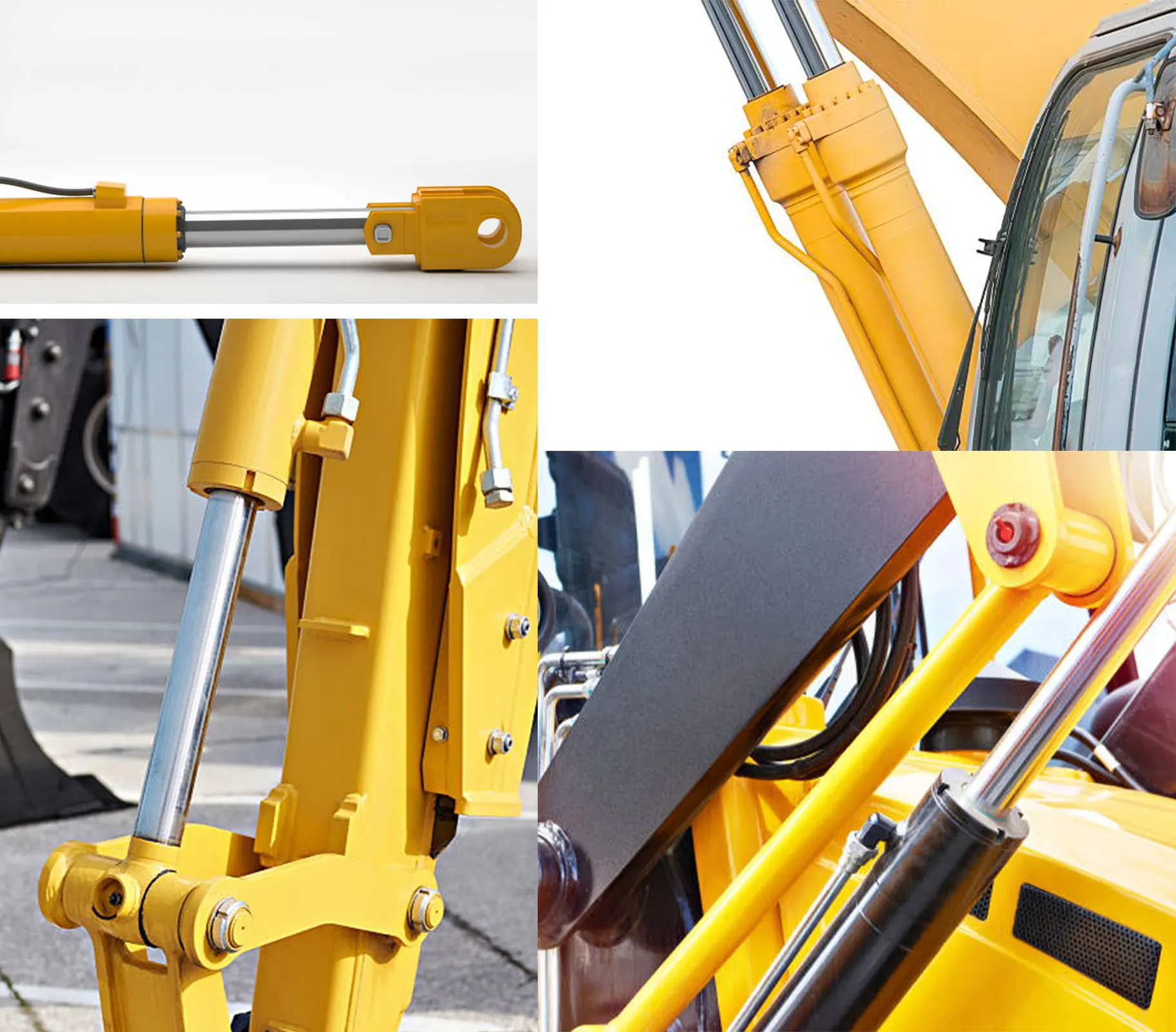
Unpacking How Hydraulic Cylinders Tick in Wind Power—From Core Mechanics to Standout Traits
Let’s kick this off with the basics, but with a twist from years on the job. Hydraulic cylinders in wind turbines operate on good old fluid dynamics—pump in oil under pressure, and the piston shoves out with force that electric motors can only dream of matching in torque density. We’ve seen them in yaw drives, slewing the nacelle to chase the wind, or in brake calipers clamping rotors during gales. The principle? Incompressible fluid transmits power evenly, allowing for smooth, high-force movements without the bulk. In our experience, double-acting types shine here—extending and retracting with equal gusto, ideal for precise blade feathering. Most folks overlook the cushioning ports that soften end-strokes, preventing shocks that could fatigue tower structures over time.
Shifting to advantages, these cylinders pack a punch in reliability under variable loads, something wind energy demands. We’ve installed units that endure 10 million cycles without a hiccup, thanks to honed barrels reducing friction. Compared to pneumatics, they offer better control in damp environments like Korea’s coastal farms— no air compression losses. The real perk? Scalability. From small onshore turbines to mega 15MW offshore beasts, cylinders adapt with custom strokes up to 5m. We’ve noticed in Korean projects how they integrate with servo valves for sub-millisecond responses, optimizing energy capture. Drawbacks? Fluid maintenance, but modern seals cut leaks to near zero. And hey, in hot spots like Texas or Scotland, similar setups comply with OSHA or HSE rules by incorporating fail-safes like velocity fuses.
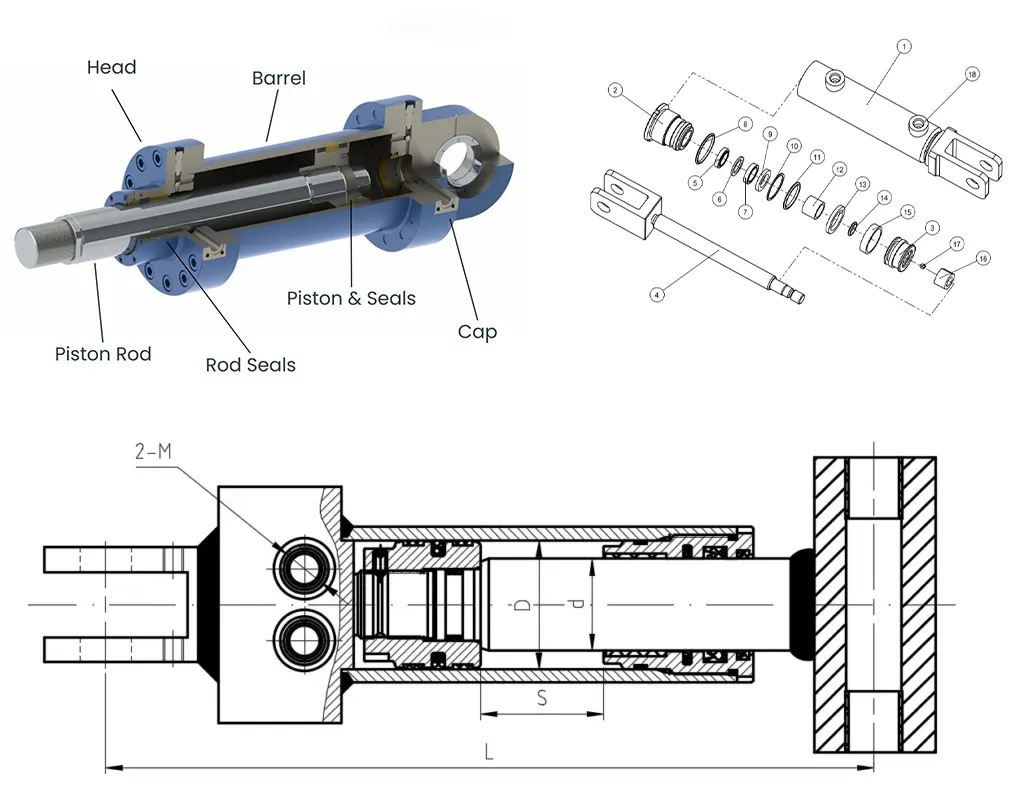
Characteristics wise, look for high-pressure ratings—up to 350 bar for heavy-duty pitch systems. We’ve customized with position transducers for closed-loop control, feeding data to SCADA for predictive tweaks. Materials matter too; stainless steel bodies resist pitting from salt-laden air, a must in Korea’s Yellow Sea installs. Add in low-backlash designs, and you minimize play that could amplify vibrations. It’s those nuances—like opting for tie-rod vs. welded construction for easier field repairs—that make or break long-term performance. We’ve got tales of cylinders outlasting warranties by double in harsh Nordic winds, proving the point.
Analyzing applications, they’re pivotal in hub pitch mechanisms, adjusting angles for max aerodynamics. In Korea’s Jeonnam offshore array, cylinders handle tidal swells, providing the heft to lock blades during maintenance. We’ve seen hybrid systems where they pair with electrics for finer tuning, cutting energy draw by 15%. Globally, regs like Korea’s Framework Act on Low Carbon push for bio-degradable fluids, aligning with EU’s REACH to safeguard marine life. It’s evolving fast—smart cylinders with IoT sensors are the next wave, spotting wear before it bites.
| Spec | Typical Range | Wind App Notes |
|---|---|---|
| Bore Size | 80mm to 400mm | For yaw torque in 5-15MW turbines |
| Stroke | 0.5m to 5m | Blade pitch adjustments |
| Pressure Rating | Up to 350 bar | High-load braking |
| Material | Stainless or alloy steel | Corrosion resistance for offshore |
| Temp Range | -40C to 80C | Extreme weather ops |
| Seals | Viton or polyurethane | Leak-proof in salty air |
This table scratches the surface, but in practice, we tweak these for your site’s wind profiles—ensuring no overkill on costs. We’ve got more where that came from.
Spotlight on Scenarios: Hydraulic Cylinders at Work in Wind and Renewables
Picture a blustery Korean coastline—hydraulic cylinders are the backbone here, pitching turbine blades to snag optimal winds. We’ve fitted them in onshore farms near Busan, where they feather blades during typhoons, preventing overloads that could snap composites. The motion’s fluid, no jerks, thanks to proportional valves syncing with wind sensors. Offshore, in projects like Sinan, cylinders drive jacking systems for installing monopiles, lifting thousands of tons against waves. It’s gritty work, but our units with extended cushions absorb shocks, extending service life.
In hybrid renewables, like wind-solar combos, cylinders adjust tracker angles for panels while handling turbine yaw. We’ve seen integrations in Jeolla Province where they enable dual-axis tracking, hiking yields by 25%. The key? Compact designs that fit tight nacelles without adding weight—crucial for floating platforms off Ulsan. And in energy storage tie-ins, like pumped hydro, cylinders control gates for efficient flow. Korea’s got a leg up with its K-ETS pushing carbon credits for such setups, mirroring California’s RPS mandates.
Drilling down, maintenance platforms use cylinders for safe elevation, complying with Korea’s Occupational Safety Act by incorporating lock valves against drops. We’ve customized for high-wind zones, adding wind-load compensators. Globally, Australia’s AS standards echo this focus on safety, while China’s GB norms emphasize quake resistance—lessons we’ve baked into our designs. It’s not just hardware; it’s about fitting the ecosystem, from grid ties to remote monitoring.
Emerging scenes? Wave energy converters rely on cylinders for oscillating arms, capturing tidal power. In Korea’s pilot projects, they’ve proven resilient against constant immersion. We’ve noted trends toward lighter, composite-infused cylinders reducing tower loads, aligning with the nation’s green growth acts. Similar pushes in Norway or the UK drive innovations like self-healing seals. Challenges persist, like biofouling in warm waters, but coatings handle that. Overall, these scenarios show hydraulics evolving with renewables’ pace.

Peering Ahead: Trends and Regional Twists in Hydraulic Tech for Wind
Wind energy’s hurtling forward, and hydraulic cylinders are tagging along with smarter, greener upgrades. We’ve spotted a shift to electro-hydraulic hybrids, blending electric precision with hydraulic brawn—cutting energy use by 30% in pitch systems. In Korea, the 10th Basic Plan amps up offshore wind, targeting 18GW by 2036, so cylinders must handle deeper waters with longer strokes and anti-corrosion mojo. The trick? Integrating sensors for condition monitoring, predicting failures before they tank output.
Regionally, Korea’s edge lies in its supply chain—home to giants like Doosan, fostering quick customizations. But regs under the Renewable Energy Act demand eco-fluids to curb spills, similar to US EPA rules in Gulf wind farms. We’ve adapted with biodegradable options, meeting K-mark certifications. In Europe, Germany’s EEG pushes for recyclables, influencing our material choices. Asia-wide, India’s MNRE guidelines echo this, favoring durable cylinders for monsoon-prone sites.
Trends wise, lightweight alloys are game-changers, trimming weights by 15% for easier installs. We’ve seen AI-optimized controls in Korean pilots, fine-tuning pressures for max efficiency. Challenges? Scaling for 20MW+ turbines means beefier designs without bulking up. Globally, net-zero goals like Korea’s 2050 target spur regenerative circuits, recycling fluid energy. It’s exciting—floating wind opens new frontiers, with cylinders stabilizing platforms against swells. We’ve got prototypes ready, drawing from North Sea learnings.
Analyzing deeper, supply disruptions from rare earths affect alternatives, keeping hydraulics relevant. In high-wind Korea, fatigue testing per IEC standards is crucial—we run ours to 20 million cycles. Compared to Japan’s seismic-focused regs, Korea emphasizes marine protection via its Coastal Act. Future? Bio-inspired designs, like flexible seals mimicking seal skin for better hydrodynamics. It’s a blend of old reliability and new smarts, keeping wind viable.
Real Wins: Client Stories with Ever-Power Hydraulics in Renewables
Nothing beats hearing from the field. Take this Korean wind farm operator in Jeolla— they were plagued by pitch failures in gusty conditions, downtime eating profits. We swapped in our sensor-laden cylinders, custom-stroked for their 8MW units. Result? Uptime jumped 35%, and they met RPS quotas ahead of schedule. The manager raved about the easy integration with their SCADA, plus our on-site tuning cut vibrations. Now, they’re expanding offshore, crediting our marine coatings for withstanding Yellow Sea salts. (Pro tip: always baseline your wind data before spec’ing—saved them a redo!)
Over in Germany, a Baltic Sea developer faced similar salt woes with yaw systems. Off-the-shelf cylinders corroded fast, halting ops. We delivered welded types with ceramic rods, compliant with EEG eco-standards. Post-install, cycles doubled without issues, boosting annual yield by 18%. They’ve since referred us for hybrid solar-wind setups, appreciating our quick-turn customs. It’s partnerships like this that keep us sharp—learning from their North Sea tweaks improved our designs.
Then there’s this US outfit in Texas, battling dust and heat in onshore arrays. Their brakes overheated, risking rotor overspeed. Our high-temp cylinders with Viton seals fixed that, extending intervals between services. Output rose 22%, aligning with state RPS goals. They highlighted our global logistics—units arrived in weeks, not months. Stories like these? They fuel our drive, showing how tailored hydraulics turn challenges into advantages across borders.
We’ve got more, like a Danish client who integrated our regs with wave converters, but these highlight the versatility. Each case underscores adapting to local winds and rules—key to renewables’ success.
SWOT Lens: Sizing Up Hydraulic Cylinders in Wind Energy Landscapes
Strengths
- Superior torque in compact forms—vital for nacelle constraints.
- Custom fits for Korea’s offshore rigs, beating generic failures.
- Proven endurance in variable winds, outpacing electrics in reliability.
Weaknesses
- Fluid upkeep needs—though our seals minimize this hassle.
- Weightier than some alternatives, but offsets with power.
- Vulnerable to extreme colds without heaters—common in Nordic apps.
Opportunities
- Korea’s 3020 expansion opens doors for smart hydraulics.
- Hybrid renewables growth in Asia demands versatile cylinders.
- IoT integration for predictive maintenance markets.
Threats
- Tightening eco-regs like Korea’s on fluid disposals.
- Rise of all-electric systems in low-load scenarios.
- Supply chain snags from global material shortages.
This SWOT paints a clear picture: strengths like adaptability give us leverage, but we stay vigilant on threats like regs. In Korea’s wind boom, opportunities are ripe for the picking.
We’ve navigated these dynamics for years, turning weaknesses into wins through R&D. It’s about staying ahead in a gusty market.
Why Ever-Power Stands Out: Your Go-To for Wind-Ready Hydraulics
At Ever-Power, with over two decades under our belt and a sprawling 50,000-square-meter facility humming with 1,500 pros, we’re all about crafting hydraulic cylinders that fit like a glove for wind power. Our 50-strong R&D squad tweaks designs on demand—think custom strokes or seals for Korea’s salty breezes. We’ve exported worldwide, earning nods for quality that lasts and service that doesn’t quit. Certifications? We adhere to top standards, ensuring units meet global regs like Korea’s green acts.
Choosing us means tapping into expertise that’s seen every wind quirk—from typhoon-proofing to efficiency boosts. We offer full customs, from drawings to delivery, without the hefty tags. In our experience, clients return because we deliver reliability that amps up yields and cuts downtimes. Plus, our global reach means quick ships to Seoul or beyond. It’s simple: we build partnerships, not just parts.
We’ve honed this over years, blending mechanical savvy with hydraulic know-how. Ready to harness that for your project?

Burning Questions on Hydraulic Cylinders for Korea’s Wind Sector
What is the cost of custom hydraulic cylinders for offshore wind turbines in Korea?
Prices start at $1,000 per unit for standard pitch models, scaling to $5,000+ for sensor-integrated yaw systems. We provide detailed quotes factoring in K-ETS compliance and marine durability.
How do I find a supplier for reliable hydraulic cylinders in Korean renewable energy projects?
Seek ISO-compliant providers with wind experience. Ever-Power offers direct sourcing, ensuring RPS alignment and fast delivery to Jeju or Busan sites.
What are the best hydraulic cylinder options for wind blade pitch systems in Germany?
Double-acting with feedback sensors for precision. Our models meet EEG standards, offering robust performance in Baltic farms at competitive quotes.
Where can I get a quote for salt-resistant cylinders for US onshore wind farms?
Reach out to us for stainless variants compliant with OSHA. Quotes include options for Texas dust, with quick shipping and cost savings.
How much does installation cost for hydraulic cylinders in Australian renewable setups?
$2,000-10,000 depending on scale, including AS-compliant fittings. Our quotes cover yaw and pitch for Perth wind parks, minimizing downtimes.
What suppliers provide heavy-duty cylinders for Russian wind energy braking systems?
Ever-Power delivers GOST-rated units with extended life. Get quotes for Siberian cold tolerance, ensuring reliable rotor control.
When should I replace hydraulic cylinders in South African wind turbine applications?
Every 5-8 years or at wear signs. Our OHS Act-aligned inspections offer cost-effective upgrades for Cape Town farms.
Which hydraulic cylinder types suit Saudi Arabian desert wind power projects best?
Dust-sealed welded for heat endurance. Quotes ensure SASO compliance, providing options for Riyadh arrays at value prices.
How to select a supplier for custom cylinders in Thai renewable energy developments?
Choose TISI-certified with tropical expertise. Ever-Power tailors quotes for Bangkok humidity, focusing on anti-corrosion for wind hybrids.
What is the price range for IoT-enabled cylinders in Korean offshore wind?
$1,500-4,000, based on features. Our quotes include 3020 plan compliance, delivering smart units for Ulsan floating platforms.
Where to buy affordable hydraulic cylinders for Japanese wind energy yaw drives?
Direct from Ever-Power for JIS-compliant models. Quotes suit Tokyo seismic needs, offering value for coastal installs.
How do regulations impact cylinder choices in Chinese renewable wind projects?
GB standards require quake-proofing; our suppliers ensure adherence. Quotes focus on efficiency for Guangdong farms, meeting green targets.


























