Forklift Steering Cylinder | EP-HCYY11112002 Model

Forklift Steering Cylinder
EP-HCYY11112002 · Double-Rod · Bore Φ65–80mm
The only double-rod cylinder on the forklift. Mounted at the centre of the rear axle, it extends equally in both directions — pushing one wheel left while pulling the other right. The result: precise, zero-backlash steering in the tight aisles of a warehouse or container yard.
Technical Specifications
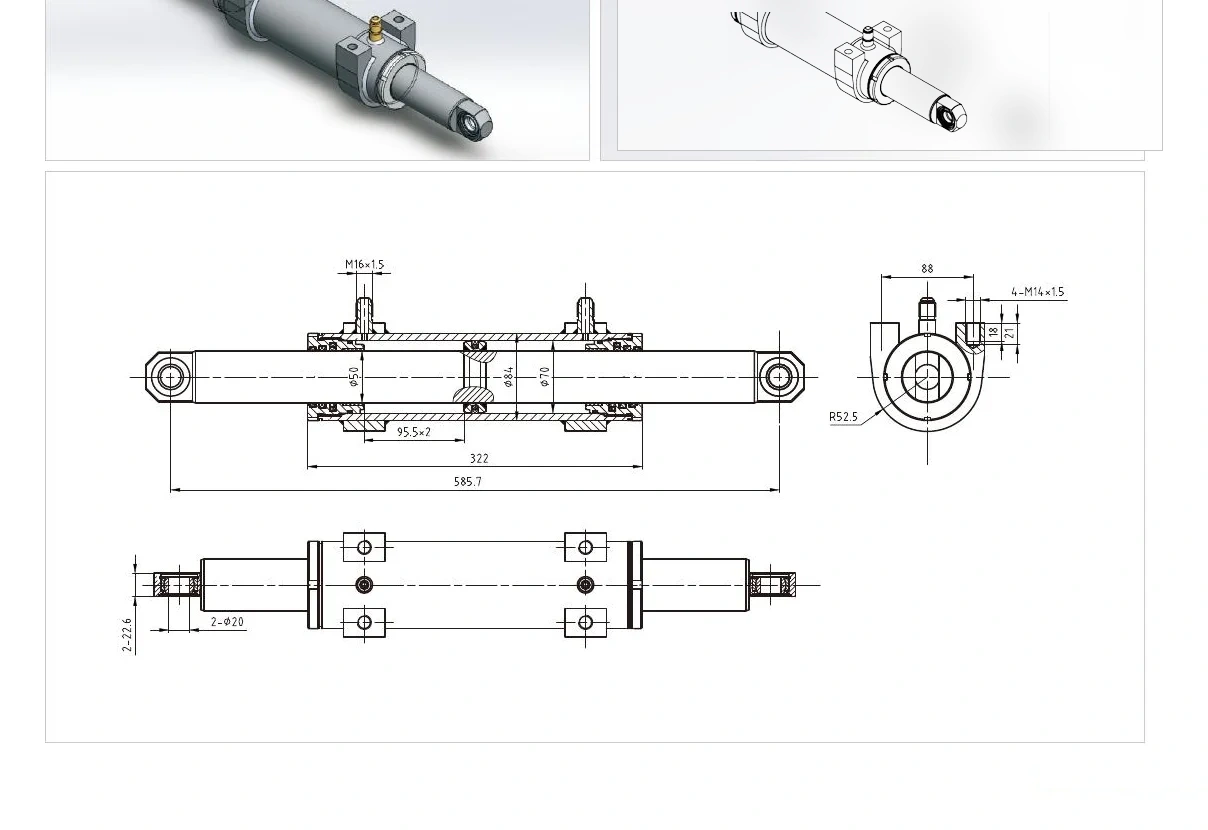 ▲ Dimension Drawing
| Parameter | Specification |
|---|---|
| Product Name | Forklift Steering Cylinder |
| Cylinder Model | EP-HCYY11112002 |
| Bore Diameter (D) | Φ65 – Φ80 mm (3 specifications) |
| Rod Diameter (d) | Φ40 – Φ50 mm |
| Stroke (S) | 2×94 – 2×103 mm (double-rod, equal both sides) |
| Installation Distance (L) | 652.2 – 672 mm |
| Working Pressure | 16 MPa |
| Maximum Withstand Pressure | 24 MPa |
| Weight | 16.5 kg |
| Cylinder Type | Double-acting, double-rod (centre-mounted) |
| Application | Counterbalanced Forklift — Rear Axle Steering |
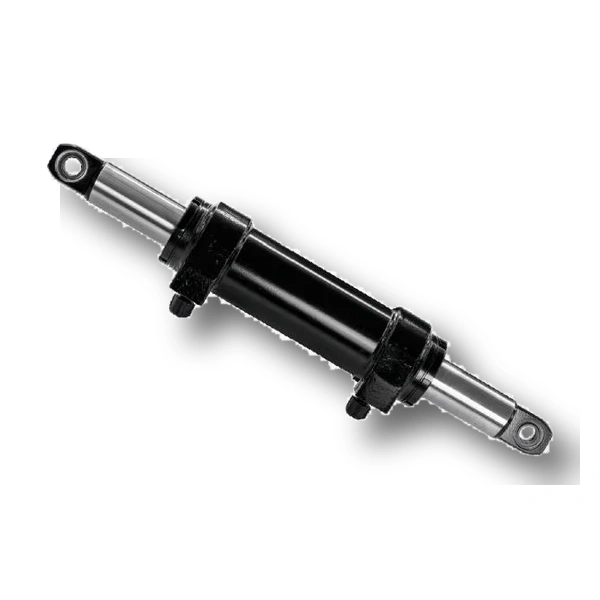 ▲ Forklift Steering Cylinder | EP-HCYY11112002 Model
How the Double-Rod Steering Cylinder Works
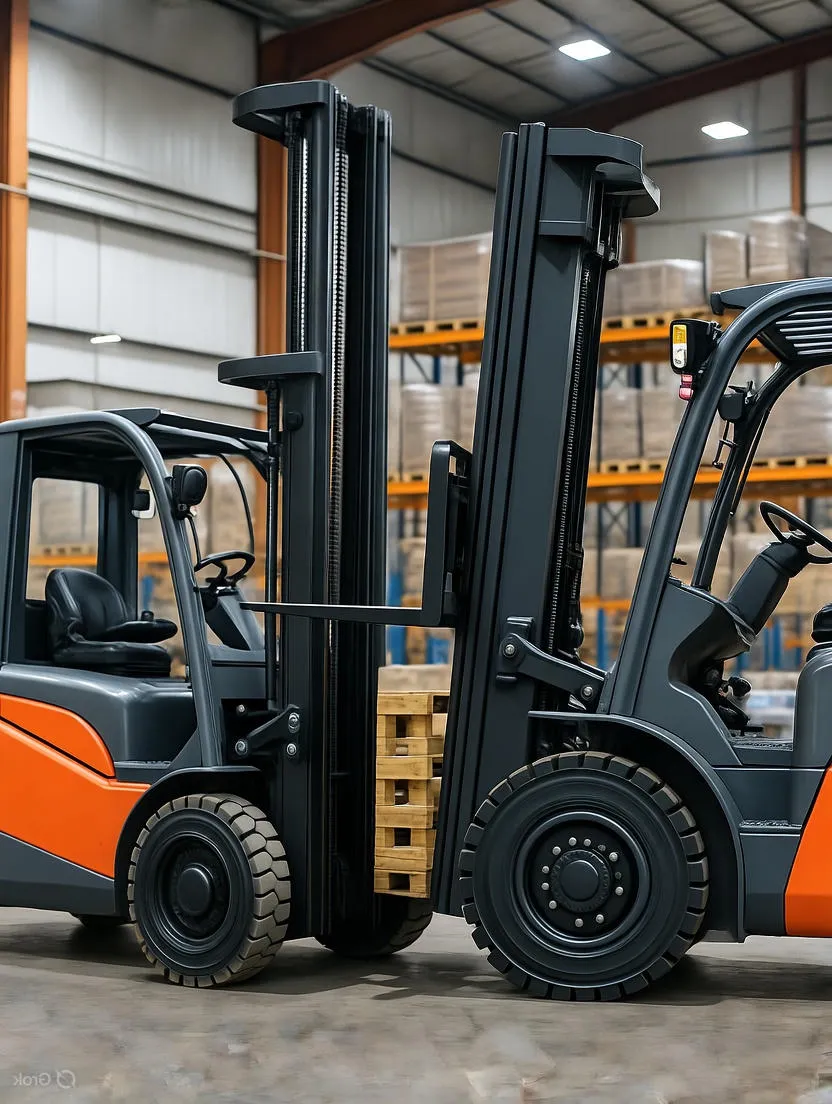
Unlike every other cylinder on the forklift, the steering cylinder has rods extending from both ends. It sits horizontally across the rear axle, connected to the steering knuckles of the left and right rear wheels by tie rods. When hydraulic pressure pushes the piston to one side, one rod extends while the opposite rod retracts — turning both wheels simultaneously in the same direction.
The double-rod design provides equal steering force and speed in both directions — left turns feel identical to right turns. The stroke is described as 2×94 to 2×103 mm, meaning the piston travels approximately 94–103 mm from centre to each side, producing a total wheel-to-wheel steering angle of 70–80 degrees. This tight turning radius is essential for manoeuvring in warehouse aisles, where the forklift must often turn 90 degrees within its own length.
The steering circuit operates at 16 MPa — lower than the tilt cylinder (18.1 MPa) and lifting cylinder (18.1 MPa) because the steering force required to turn the unloaded rear wheels is significantly less than the forces needed to tilt a loaded mast or raise a loaded carriage. Browse the complete forklift hydraulic cylinder range.
Why Double-Rod Instead of Single-Rod?
A single-rod cylinder could also steer the wheels — but a double-rod design has three critical advantages for forklift steering:
With a single-rod cylinder, the piston area differs between the bore side and the rod side — so the force and speed are unequal. With double rods, both sides of the piston have identical effective areas, producing identical force and speed for left and right turns.
Each rod connects to one steering knuckle. As one rod extends, the opposite retracts — turning both wheels at the same rate. This maintains the correct Ackermann steering geometry at every steering angle, ensuring even tyre wear and predictable handling.
When hydraulic pressure is released, the equal piston areas on both sides allow the cylinder to return to centre naturally. The wheels straighten without active correction — a passive safety feature that keeps the forklift driving straight if the operator releases the steering.
Available Specifications
Three standard specifications are available, covering different forklift axle configurations:
| No. | Bore (D) | Rod (d) | Stroke (S) | Inst. Dist. (L) | Specifications |
|---|---|---|---|---|---|
| 1 | Φ65 | Φ40 | 2×98 | 672 | Φ65×Φ40×98×2 |
| 2 | Φ80 | Φ50 | 2×10³ | 652.2 | Φ80×Φ50×103×2 |
| 3 | Φ80 | Φ50 | 2×94 | 654 | Φ80×Φ50×94×2 |
Key Advantages
- Double-rod centre-mounted design — equal piston area on both sides produces identical steering force and speed for left and right turns. No asymmetric handling behaviour.
- Tight turning radius — the 2×94 to 2×103 mm double stroke provides the full wheel angle needed for 90-degree turns within a single aisle width. Warehouse forklifts rely on this tight radius for efficient operation in narrow spaces.
- ⚡ 24 MPa maximum withstand pressure — 1.5× safety factor over the 16 MPa working pressure. Handles shock loads from kerb strikes, dock bumps, and rapid steering reversals.
- High-frequency cycling durability — the steering cylinder cycles with every change of direction — thousands of short strokes per shift. Both rod seals and bore seals are specified for this high-frequency, low-amplitude cycling pattern.
- ️ Hard-chrome double rods — both rods are precision-honed (Ra ≤0.2 µm) and hard-chrome plated for corrosion resistance and seal longevity. The exposed rod sections are short, but they cycle continuously during every manoeuvre.
Complete Forklift Hydraulic Cylinder Family
Korea Ever-Power manufactures a complete range of forklift hydraulic cylinders — every cylinder type on the forklift, from a single source:
Tilt Cylinder — mast forward/backward pitch. 7 specs, Φ60–100 mm.
Lifting Cylinder — raises/lowers the carriage. Φ56–60 mm, stroke 1,500 mm.
Steering Cylinder — rear wheel direction. Φ65–80 mm, double-rod design.
Free-lift stage. 5 specs, Φ75–95 mm, high rod ratio.
Fork spacing + lateral adjustment. 5 specs, Φ50–70 mm.
Ultra-compact for electric/manual pallet trucks. 4 specs, Φ40–45 mm.
Why Choose Korea Ever-Power
Korea Ever-Power is a professional hydraulic cylinder manufacturer and supplier, specialising in forklift hydraulic cylinders, aerial work vehicle cylinders, mobile machinery cylinders, offshore cylinders, and industrial engineering cylinders. Our production facilities are equipped with composite machining centres, multi-station welding robots, automated assembly lines, specialised cylinder testing machines, and a dedicated quality inspection area — ensuring every cylinder meets OEM-grade performance standards.
Korea Ever-Power forklift tilt cylinders are manufactured to the same specifications and quality standards as original equipment cylinders fitted to major forklift brands worldwide. Every cylinder is 100% hydrostatic pressure tested, dimensionally inspected, and shipped with a test certificate and seal kit. Contact the Korea Ever-Power team for pricing and lead time.
FAQ
What Our Customers Say
"Replaced the steering cylinder on 6 forklifts. The dead zone at the centre position is completely gone — drivers noticed the improvement immediately. The Φ80 specification matched our rear axle perfectly, and the double-rod ends aligned with our existing tie rod connections."
T. Andersen — Fleet Mechanic, Denmark
"The steering feel is noticeably better with the new cylinder. Left and right turns are perfectly symmetrical — our drivers report the forklift tracks straighter in long aisle runs. Rod chrome quality is excellent on both ends."
S. Moreau — Warehouse Manager, France
"Good replacement steering cylinder. The 16.5 kg weight is easy to handle during swap-out. Installation took about 90 minutes including bleeding the steering circuit. Cost was approximately 40% below OEM price."
H. Nguyen — Service Technician, Vietnam
"We ordered steering + tilt + lifting cylinders for the same forklift fleet. Having a single supplier for all three cylinder types simplifies our spare parts inventory and warranty management."
D. Reyes — Procurement Director, Mexico
"The Φ65 specification steering cylinder has been running on our light-duty forklifts for 14 months without any seal issues. The lower bore is perfectly adequate for our smaller units — no over-engineering, no unnecessary cost."
A. Johansson — Technical Manager, Sweden
Related Hydraulic Cylinder Categories

Additional information
| Editor |
|---|
Related products
-
Forklift Fork Positioner & Side Shift Cylinder | Bore Φ40–125mm
-
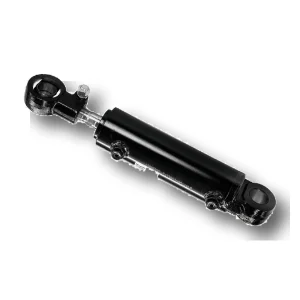
Forklift Tilt Cylinder | EP-HCYY11112001 Model
-
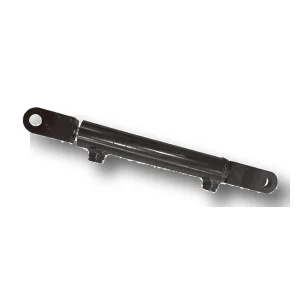
Pallet Truck Lift Cylinder | Bore Φ40–45mm | Ultra-Compact
-
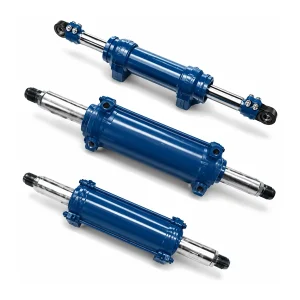
LS-HCZD30N-03 Forklift Truck Steering Cylinder
-
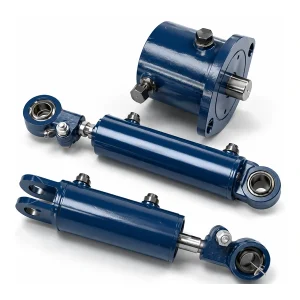
Hydraulic Tilt Cylinder for Loader — OEM Multi-Function Cylinder for Wheel Loaders
-
Tractor & Forklift Hydraulic Steering Cylinder — OEM Cross-Industry Power Steering Cylinder
-
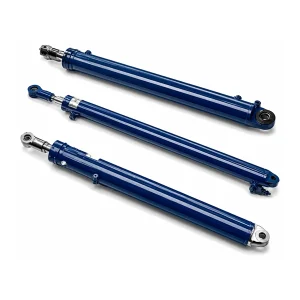
Forklift Distance Adjustment Hydraulic Cylinder — Fork Positioner Cylinder
-
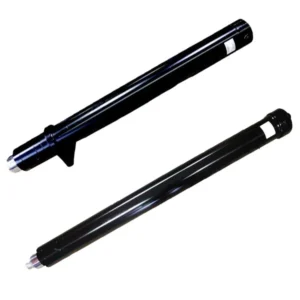
Forklift Short Lifting Hydraulic Cylinder