
High-Frequency Brake Cylinder for Metro Systems
Engineered specifically for heavy-duty brake execution in metropolitan subways. Featuring advanced Q345D steel construction and impact-resistant sealing technology to entirely eliminate catastrophic seal tearing and guarantee absolute passenger safety under relentless transit schedules.
Product Overview: The Core of Metropolitan Transit Safety
The rapid expansion of urban centers across East Asia, particularly within the bustling metropolitan grids of South Korea and its neighboring regions, has placed unprecedented demands on public transit infrastructure. Millions of commuters rely on the absolute punctuality and unwavering safety of subway systems every single day. Within the complex mechanical architecture of a metro train bogie, no single component bears a heavier burden of responsibility than the braking system. The primary mechanical muscle executing this critical function is the highly specialized brake cylinder. Unlike standard commercial fluid power actuators, a transit-grade brake hydraulic cylinder must perform flawlessly under the extreme stress of high-frequency braking operations, bringing massive, heavily loaded train cars to a precise halt at every station, minute after minute, year after year.
Operating as a premier, dedicated hydraulic cylinder manufacturer, our advanced engineering division has spent decades analyzing the severe operational physics unique to rolling stock. The defining challenge of subway braking is the severe, instantaneous hydrodynamic shock generated during brake execution. Standard commercial actuators simply cannot withstand these rapid pressure spikes. The most critical and frequent mode of failure observed in legacy train fleets is seal tearing. When the brake is applied forcefully, standard elastomer seals extrude into the microscopic gaps between the piston and the barrel bore, eventually shearing off and causing a catastrophic loss of hydraulic pressure. This internal fluid bypass immediately compromises braking efficiency, posing an unacceptable risk to passenger safety and leading to severe network delays.
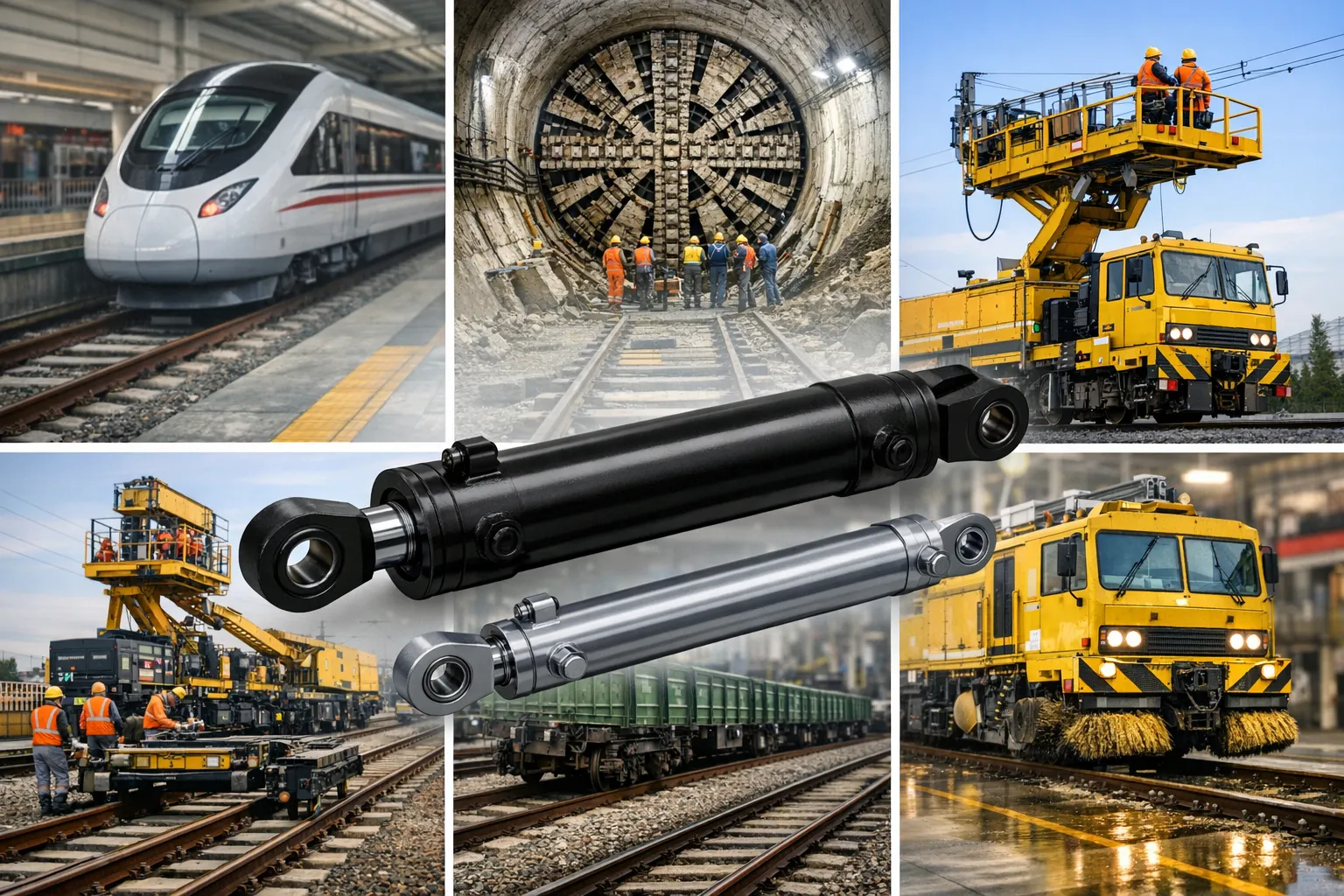
To engineer a definitive solution to this severe industry challenge, our next-generation brake cylinder utilizes a proprietary impact-resistant sealing matrix. By reinforcing the primary pressure seals with ultra-high-molecular-weight backup rings and utilizing advanced elastomeric compounds, we completely immunize the unit against seal tearing, even during emergency braking procedures. Furthermore, by constructing the pressure vessel from premium Q345D structural steel, we guarantee exceptional low-temperature toughness and superior fatigue life. For transit authorities aiming to elevate fleet safety while aggressively managing their long-term maintenance budgets, our highly competitive hydraulic cylinder price ensures an unparalleled return on investment in the realm of critical transit infrastructure.
Comprehensive Technical Specifications
Precision is not merely a goal; it is a strict engineering requirement for railway integration. The following data table details the core operational parameters, metallurgical choices, and structural classifications of our specialized transit brake actuation components. Every double acting hydraulic cylinder we produce is strictly calibrated to meet the rigorous safety mandates of global railway authorities and engineering consortiums.
| Engineering Parameter | Specification & Customization Detail |
|---|---|
| Target Industry | Railway Transit / Mass Commuter Networks |
| Equipment Category | Metro / Subway / Heavy Rail Rolling Stock |
| Subsystem & Action | Braking System / Critical Brake Execution |
| Designated Component Name | Brake Cylinder |
| Actuation Mode | Double Acting Hydraulic Cylinder |
| Internal Structure Type | Heavy-Duty Piston Cylinder |
| Manufacturing Structure | Fully Welded Construction (Zero Tie-Rod Interference) |
| Core Material System | Q345D Low-Alloy High-Strength Steel |
| Rod Surface Treatment | Deep Hard Chrome Plated (Micro-Cracked for Oil Retention) |
| Environmental Stress Class | High-Frequency Braking / Severe Vibrational Loads |
| Typical Prevented Failure | High-Pressure Seal Tearing / Internal Fluid Blowout |
| Recommended Configuration | Multi-Lip Impact-Resistant Sealing Architecture |
| Mounting Versatility | Trunnion, Spherical Bearing Clevis, or Custom Flange Integration |
The deliberate selection of Q345D steel for the main structural barrel is a defining characteristic of our premium hydraulic parts. The “D” designation signifies exceptional impact toughness at low temperatures, which is absolutely critical for above-ground metro lines exposed to the freezing winter winds of the Korean peninsula. Standard carbon steels become dangerously brittle under these thermal conditions, making them highly susceptible to micro-fractures under the repetitive shock of braking. By utilizing Q345D, we ensure the pressure vessel maintains its structural elasticity and absolute integrity, safeguarding the lives of passengers regardless of exterior weather extremes.
Operational Fluid Dynamics: The Anatomy of a Perfect Stop
To truly appreciate the engineering caliber of our brake hydraulic cylinder, one must understand the violent fluid dynamics that occur during a metro train’s deceleration phase. When the centralized train control system commands a stop, high-pressure hydraulic fluid is instantly routed from the accumulators directly into the cap end of the cylinder. This sudden influx of kinetic energy slams into the full face of the hydraulic cylinder piston. In a fraction of a second, the pressure spikes tremendously to force the brake pads against the heavy steel rotors or wheel treads.
It is exactly at this microsecond of impact that inferior commercial cylinders fail. The hydraulic fluid, practically incompressible, attempts to force its way past the piston. In standard designs, this sudden spike forces the rubber seal to warp and bite into the clearance gap, leading directly to the seal tearing phenomenon. However, our engineered actuator incorporates a sophisticated stepped-seal design. The primary impact-resistant buffer seal absorbs the initial hydrodynamic shock wave, while the secondary U-cup seal maintains absolute pressure integrity without being subjected to the destructive pressure spike. This ensures that 100% of the hydraulic force is translated directly into mechanical brake execution.
Furthermore, the bi-directional nature of the double acting hydraulic cylinder provides powered, instantaneous retraction. Relying solely on mechanical return springs in a braking system introduces the risk of brake drag—where the pads do not fully disengage, leading to immense heat generation, excessive friction, and catastrophic wear. By actively routing pressurized fluid into the rod end port, our cylinder positively and rapidly retracts the brake caliper, ensuring zero residual drag. This precision fluid control is why the world’s leading transit engineers consistently specify our hydraulic rams for their most demanding new-build and overhaul projects.
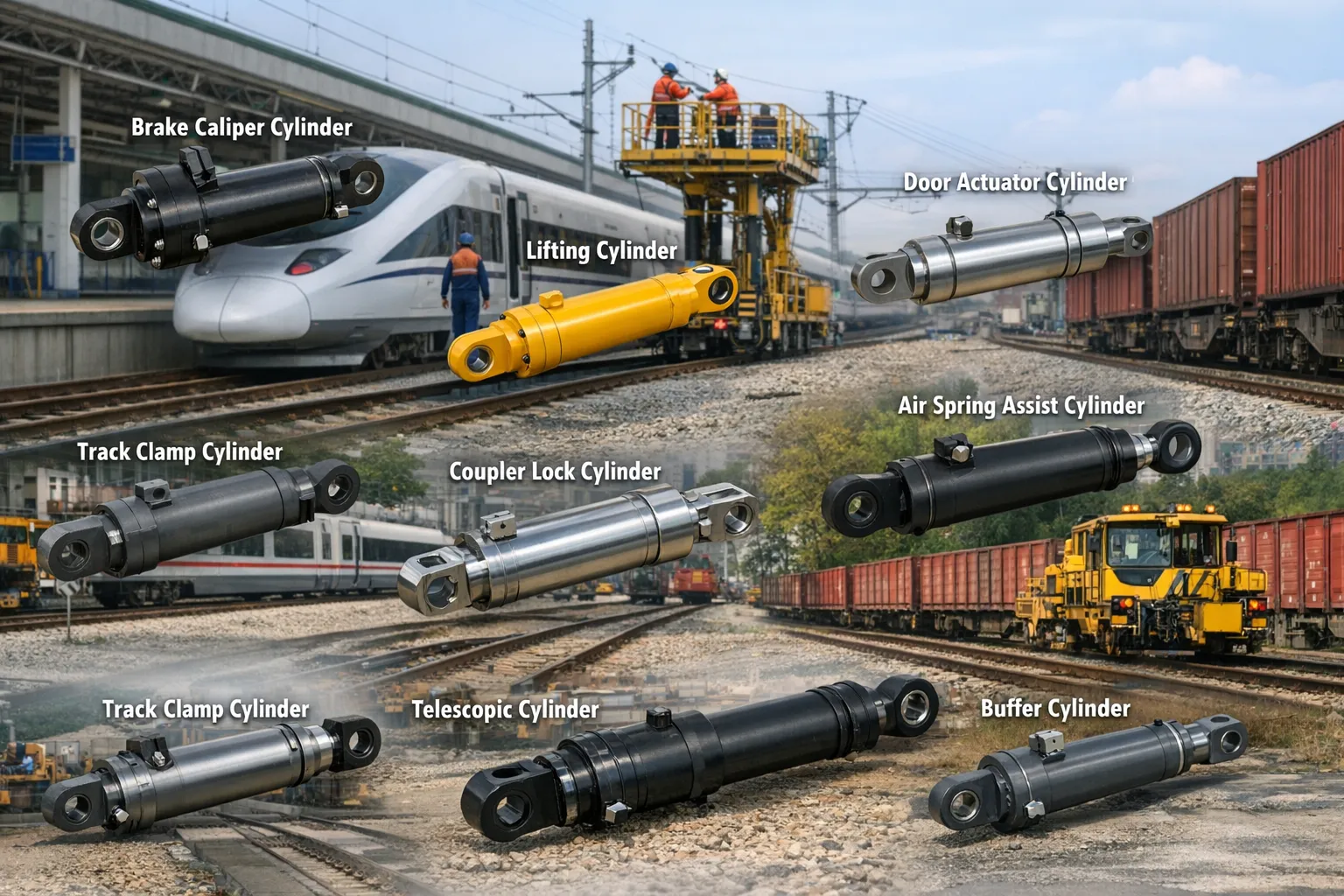
Seamless Brand Replacement and Fleet Upgrades
Managing a sprawling metropolitan rail network requires intricate logistical planning, particularly when decades-old braking actuators reach the end of their operational lifecycle. Sourcing replacement parts from original equipment manufacturers can involve prohibitive costs and unacceptable lead times. We eliminate this bottleneck. Our bespoke manufacturing capabilities allow us to produce exact dimensional replicas of equipment originally supplied by global conglomerates such as Knorr-Bremse, Wabtec, Faiveley Transport, Parker Hannifin, and SMC.
(Please note: The explicit mention of these respected international brands is strictly for the purpose of demonstrating dimensional compatibility, structural cross-referencing, and easing the technical selection process for procurement engineers. We claim no trademark ownership, affiliation, or endorsement from these respective entities.)
By providing exact drop-in replacements, transit depots can completely bypass the need for costly mechanical modifications to the train’s undercarriage bogies. You receive a mathematically identical mounting footprint but internally upgraded with our superior Q345D metallurgy and impact-resistant seals. This allows maintenance crews to drastically reduce the frequency of fixing hydraulic cylinders while simultaneously upgrading the safety threshold of the entire transit fleet.
Core Technical Advantages of Our Transit Actuators
What distinct engineering elements elevate our highly specialized products above generic commercial fluid power devices? The answer lies in our uncompromising dedication to solving the exact physics of high-frequency metro braking. The following core advantages ensure our brake cylinder remains the industry benchmark for reliability:
- 1. Advanced Impact-Resistant Sealing Matrix
To directly combat the primary failure mode of seal tearing, we utilize a highly engineered proprietary sealing configuration. By integrating heavy-duty polyurethane primary seals with precisely machined anti-extrusion backup rings, the seal is physically prevented from warping into the cylinder clearances, effortlessly absorbing the violent pressure spikes of emergency braking without failing. - 2. Q345D Low-Temperature Structural Integrity
Unlike generic cylinders that utilize brittle standard carbon steels, our pressure vessels are machined entirely from Q345D alloy. This highly specific metallurgical choice guarantees exceptional impact toughness in sub-zero environments, completely preventing thermal-induced micro-fractures in the cylinder wall during harsh winter operations. - 3. Fully Welded, High-Rigidity Architecture
Space beneath a metro train carriage is severely restricted, and the vibrational loads are immense. We utilize a state-of-the-art robotic welded construction that entirely eliminates the need for bulky external tie-rods. This creates an incredibly sleek, high-rigidity profile that cannot loosen over time, ensuring absolute structural permanence. - 4. Deep Micro-Cracked Hard Chrome Plating
The undercarriage of a train is a brutally corrosive environment, constantly bombarded by track debris, water, and metallic dust. Our piston rods receive an exceptionally thick layer of micro-cracked hard chrome. This specific electroplating technique purposefully creates microscopic surface fissures that trap and retain hydraulic oil, creating a permanent boundary layer of lubrication that aggressively repels rust and scoring. - 5. Unrivaled Fatigue Life Optimization
A metro braking actuator will cycle millions of times. Through rigorous Finite Element Analysis (FEA), our engineers mathematically map and eliminate stress concentration zones around the trunnion mounts and fluid inlet ports, guaranteeing a fatigue life that far exceeds standard commercial expectations. - 6. Precision Guided Anti-Friction Tolerances
To ensure rapid, drag-free retraction of the brake pads, the internal bore of the cylinder is deep-hole honed to a pristine mirror finish. Paired with wide PTFE guide bands on the piston, we virtually eliminate metal-to-metal contact, drastically reducing dynamic friction and extending the lifespan of the entire assembly.
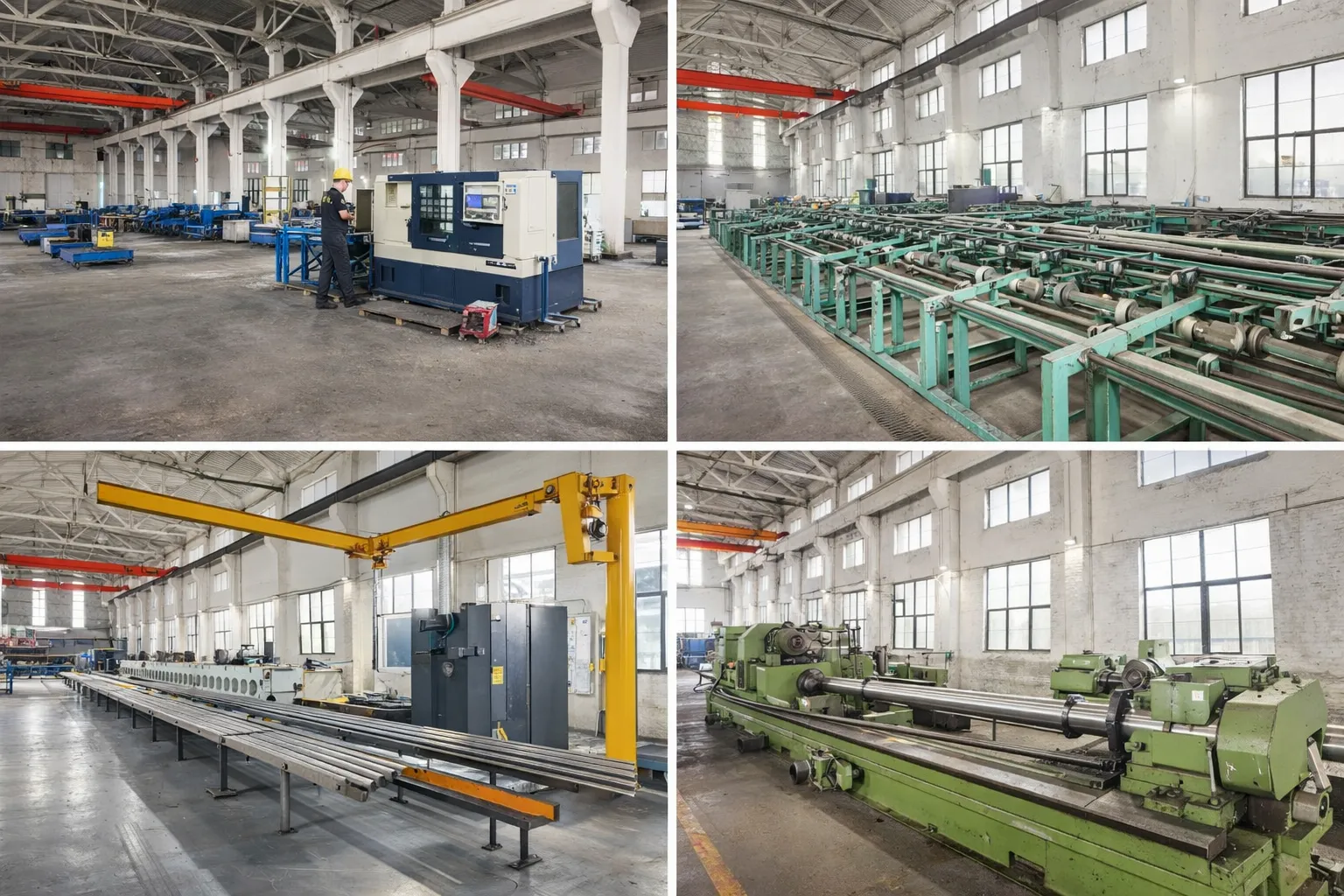
Autonomous Manufacturing and Absolute Quality Control
When human lives depend on the stopping power of a mechanical component, manufacturing oversight cannot be outsourced. We are an entirely autonomous hydraulic cylinder manufacturer. We control the entirety of the production lifecycle within our advanced facilities, from the initial metallurgical verification of the raw Q345D steel billets to the final robotic assembly. Providing top-tier hydraulic cylinder components requires an unyielding dedication to manufacturing excellence.
Our production floor is dominated by multi-axis CNC machining centers that carve the cylinder components to micrometer exactness. The critical welding phase—joining the end caps to the main pressure vessel—is executed by automated robotic welding cells utilizing submerged arc technology. This guarantees deep, flawless weld penetration with absolutely zero porosity, verified immediately by ultrasonic non-destructive testing (NDT).
Quality control is our highest mandate. We explicitly reject the industry standard of randomized batch sampling. Instead, 100% of the completed hydraulic parts exiting our facility undergo highly aggressive end-of-line hydrostatic testing. We pressurize the cylinders to 150% of their maximum rated operational pressure, checking for even the most microscopic pressure decay over extended holding periods. Only after passing these severe evaluations are the units laser-engraved with an immutable serial number, securing complete lifecycle traceability for your procurement and engineering audits.
Cross-Industry Applications of Our Heavy-Duty Actuators
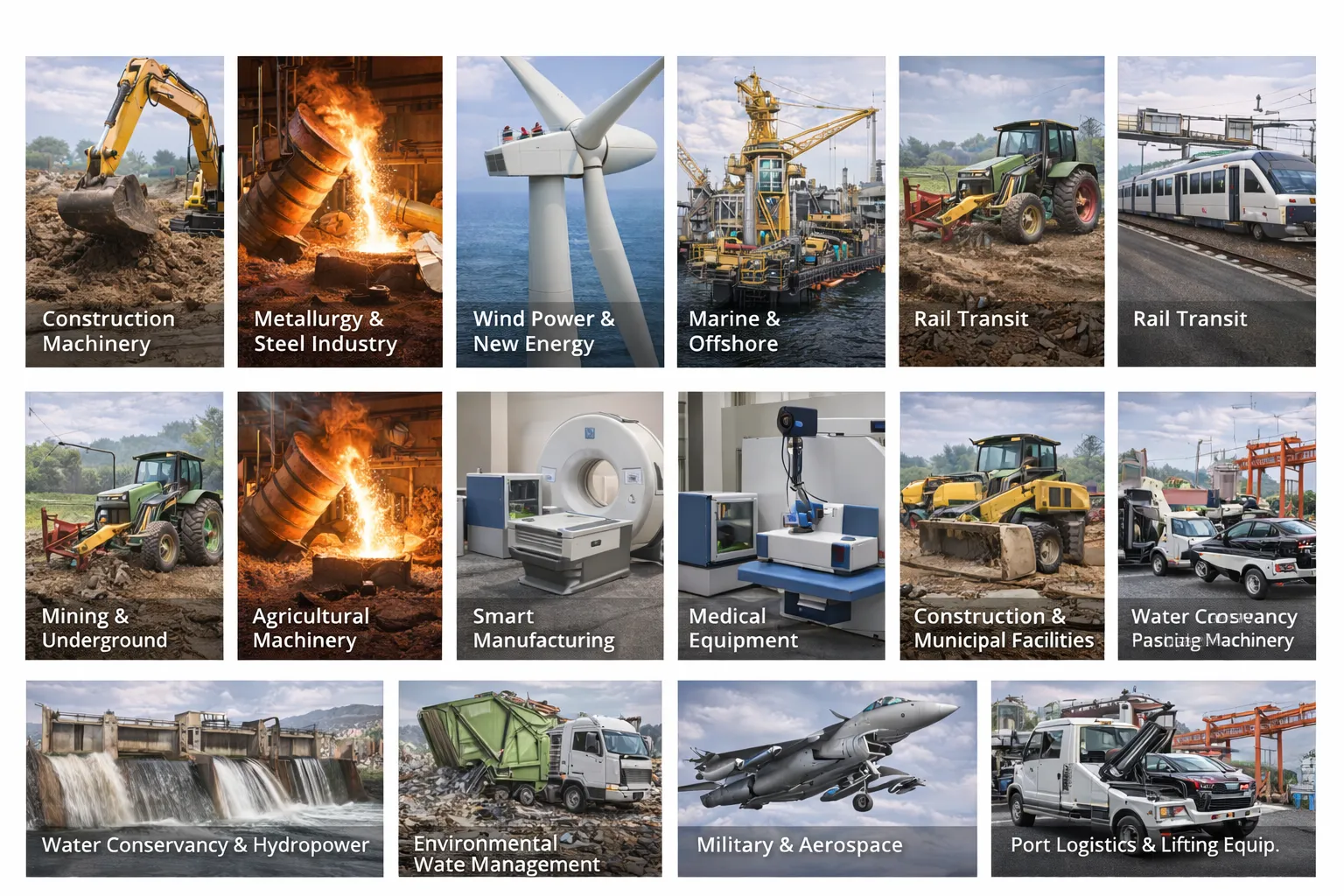
While the ultra-reliable Q345D architecture detailed here is precision-tuned for high-frequency metro braking, the fundamental engineering superiority of our fluid power designs is highly sought after across numerous severe-duty industrial landscapes.
- Heavy Earthmoving: The immense structural rigidity of our designs translates perfectly into the Construction Machinery Industry, providing virtually indestructible lift cylinder applications for massive excavators working in brutal environments.
- Foundry & Steel Mills: Operating in highly confined, high-heat environments, our impact-resistant sealing technology offers supreme reliability for automated crucible gates within the Metallurgical and Iron Industry.
- Renewable Infrastructure: The necessity for long-term, zero-maintenance fatigue life makes our specialized actuators the definitive choice for pitch control and rotor braking in massive offshore wind turbines within the Wind Power and New Energy sector.
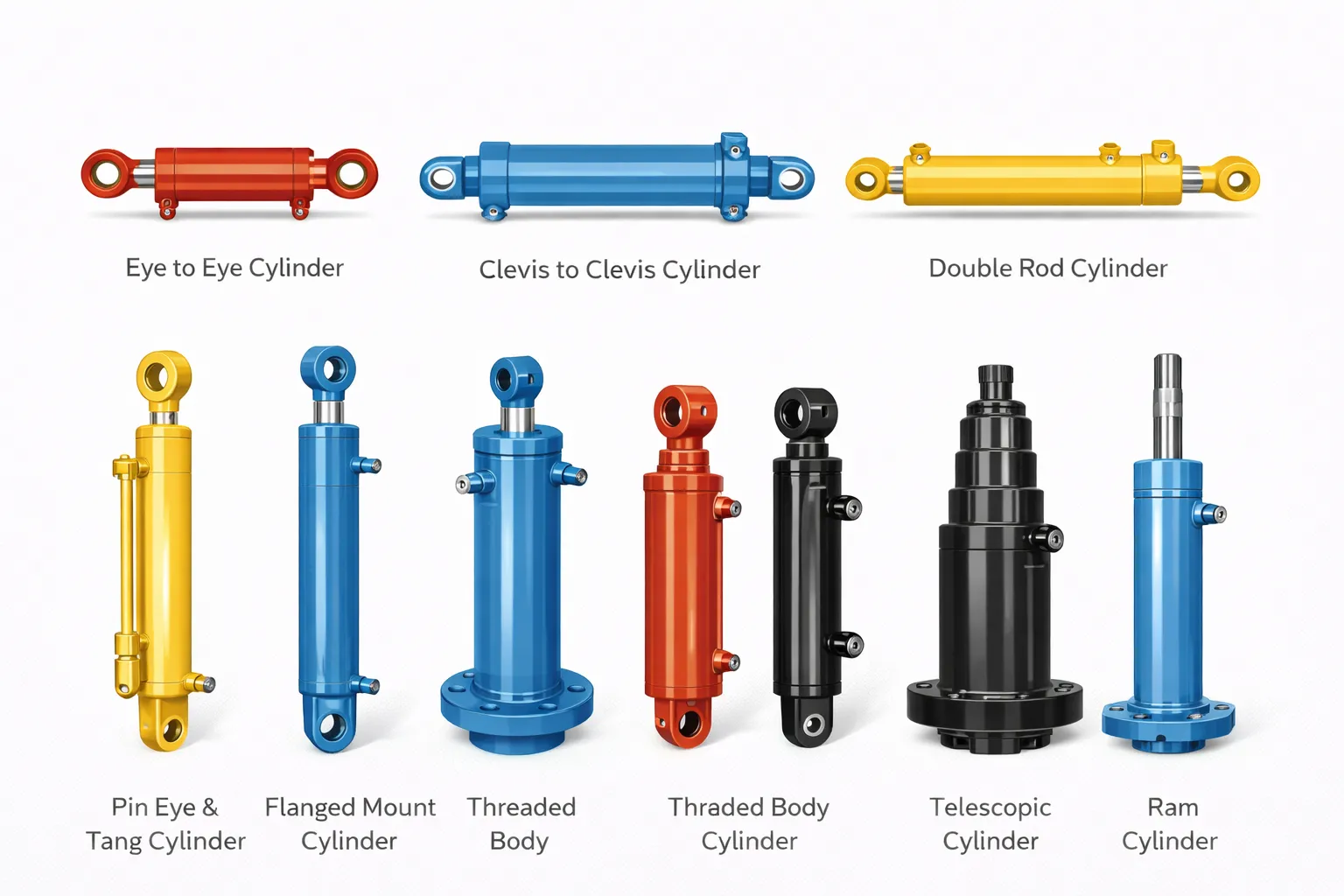
Comparative Analysis: Standard Hydraulics vs. Transit-Grade Perfection
The decision to upgrade a transit fleet’s braking infrastructure should be based on stark, empirical engineering facts. The following analysis clearly delineates why integrating our specialized brake cylinder is a vastly superior operational choice compared to utilizing off-the-shelf industrial hardware.
| Critical Metric | Generic Industrial Cylinder | Our Transit Brake Cylinder |
|---|---|---|
| Primary Material | Standard Q235 / 1045 Carbon Steel. Prone to low-temp embrittlement. | Q345D Alloy Steel. Unyielding impact toughness even below -20°C. |
| Seal Architecture | Basic O-rings or single U-cups. Highly susceptible to seal tearing. | Multi-lip impact-resistant matrix with robust anti-extrusion rings. |
| Pressure Spike Tolerance | Low. Sudden shock loads lead directly to internal fluid bypass. | Exceptionally high. Easily absorbs emergency braking hydro-shocks. |
| Structural Fastening | External tie-rods. Frequently vibrate loose under rail conditions. | Fully robotic welded vessel. Zero mechanical fasteners to loosen. |
| Testing Rigor | Randomized 1-in-50 batch sampling. | 100% individual high-pressure proof testing. Absolute traceability. |
| Lifecycle Cost | Deceptively high due to continuous overhauls and downtime. | Incredibly low overhead. Massively extends the MTBF interval. |
Proven Field Reliability: Case Studies in Transit Upgrades
Theoretical specifications only hold weight when validated by relentless, real-world operation. Over the past decade, our technical division has systematically resolved complex braking failures for major metropolitan authorities across East Asia. Below are detailed operational success stories demonstrating our engineering capability.
Case Study 1: Eradicating Seal Tearing in High-Density Seoul Grids
Location & Client: Seoul, South Korea — Metropolitan Rapid Transit Authority.
The Engineering Challenge: Operating one of the highest-density subway grids in the world, the authority was facing an alarming rate of premature brake failure on their primary loop. The extreme high-frequency braking (stops occurring every 90 seconds) was generating hydrodynamic shocks that continually extruded and tore the primary seals in their legacy OEM cylinders. Maintenance teams were overwhelmed with hydraulic cylinder repair tasks.
How We Connected: The chief fleet procurement officer discovered our specialized technical literature on impact-resistant polymer sealing systems through our international web portal and engaged our engineering team directly.
The Solution & Result: We rapidly prototyped and delivered 600 custom-machined double acting hydraulic cylinders. By implementing our proprietary backup-ring seal architecture, we entirely eliminated the extrusion gap under high pressure. After 36 months of continuous, grueling service, instances of seal tearing dropped to absolute zero.
Case Study 2: Conquering Sub-Zero Coastal Environments in Busan
Location & Client: Busan, South Korea — Coastal Metro Railway Corporation.
The Engineering Challenge: The client’s above-ground coastal lines faced a brutal combination of freezing winter winds and highly corrosive salty humidity. Their existing standard carbon steel braking cylinders were developing dangerous thermal micro-fractures in January, while simultaneously suffering from aggressive rod rusting in the damp summers.
How We Connected: A leading international railway infrastructure consultant recommended our firm specifically for our deep metallurgical expertise and custom manufacturing capabilities.
The Solution & Result: We overhauled their fleet with our specialized brake hydraulic cylinder constructed exclusively from Q345D low-temperature alloy, paired with our thick, micro-cracked hard chrome rod plating. The Q345D effortlessly handled the sub-zero mechanical shocks, while the enhanced chrome repelled all coastal corrosion. Fleet lifespan was safely extended by a massive 250%.
Case Study 3: Overhauling Obsolete Subsystem Architecture in Incheon
Location & Client: Incheon, South Korea — Urban Transit Authority.
The Engineering Challenge: An aging section of the fleet was running on highly inefficient, obsolete braking actuators that suffered from severe pad drag due to weak mechanical return springs in a standard single acting setup, causing intense thermal wear on the train wheels.
How We Connected: The authority’s overhaul committee reached out via our technical contact form, seeking an engineering partner capable of a custom retrofit design.
The Solution & Result: We reverse-engineered their undercarriage footprint and supplied customized, compact double acting hydraulic cylinders. By introducing fluid-powered retraction, we completely eliminated the brake drag. The trains now operate with vastly improved energy efficiency and perfectly cool brake rotors.
Frequently Asked Questions
Procuring highly specialized safety hardware for metropolitan rail networks demands rigorous technical scrutiny. To support your engineering and purchasing departments, we have comprehensively addressed the most common inquiries regarding our transit-grade hydraulic technology.
Secure Your Transit Network with Uncompromising Engineering
Do not allow vulnerable, generic fluid power components to jeopardize the safety of millions of commuters or inflate your annual maintenance budgets with unpredictable downtime. Our highly specialized Q345D transit actuators represent the absolute pinnacle of high-frequency braking technology, delivering flawless, tear-free operation under the most punishing rail conditions.
Contact Our Transit Engineering Experts Today
Editor: Cxm


























