Air Valve Actuator Cylinder for Blast Furnace System
Engineered specifically to regulate immense air volumes in extreme high-temperature hot air and heavy dust environments. Featuring advanced alloy steel construction, high-temperature seals to permanently eliminate seal aging, and a specialized piston coating for flawless operation.
Operational Overview and Core Metallurgical Value
In the demanding infrastructure of primary ironmaking, the blast furnace relies entirely on a continuous, meticulously regulated supply of superheated air to sustain the chemical reduction of iron ore. This hot blast, often reaching temperatures in excess of 1,200 degrees Celsius, is generated by a network of massive hot blast stoves. The precise distribution, mixing, and injection of this thermal energy are controlled by heavy-duty air supply valves installed along the hot blast main. Providing the immense linear force required to articulate these massive steel valve plates is the sole responsibility of the Air Valve Actuator Cylinder. When this critical fluid power prime mover operates with precision, the furnace maintains optimal internal thermodynamics, maximizing molten iron yield while strictly minimizing the consumption of expensive metallurgical coke.
However, the physical environment directly surrounding the hot blast mains presents one of the most mechanically hostile zones in the heavy industrial sector. The ambient atmosphere is continuously subjected to blistering radiant heat and is perpetually choked with microscopic, highly abrasive airborne particulates, including iron ore fines, sintered dust, and coke breeze. When standard commercial fluid power components are deployed to actuate these valves, they inevitably succumb to a rapid and predictable failure mode: severe seal aging. The extreme ambient heat literally bakes standard elastomeric compounds, causing them to embrittle, shrink, and lose their critical sealing memory. Concurrently, the abrasive dust acts as a lapping compound, bypassing generic soft rubber wipers and heavily scoring the extended piston rod. This devastating combination leads to massive internal fluid bypass, causing the valve to drift from its commanded position. Plant maintenance teams understand all too well the grueling, high-risk cycle of constantly shutting down stove operations and fixing hydraulic cylinders just to maintain basic airflow stability.
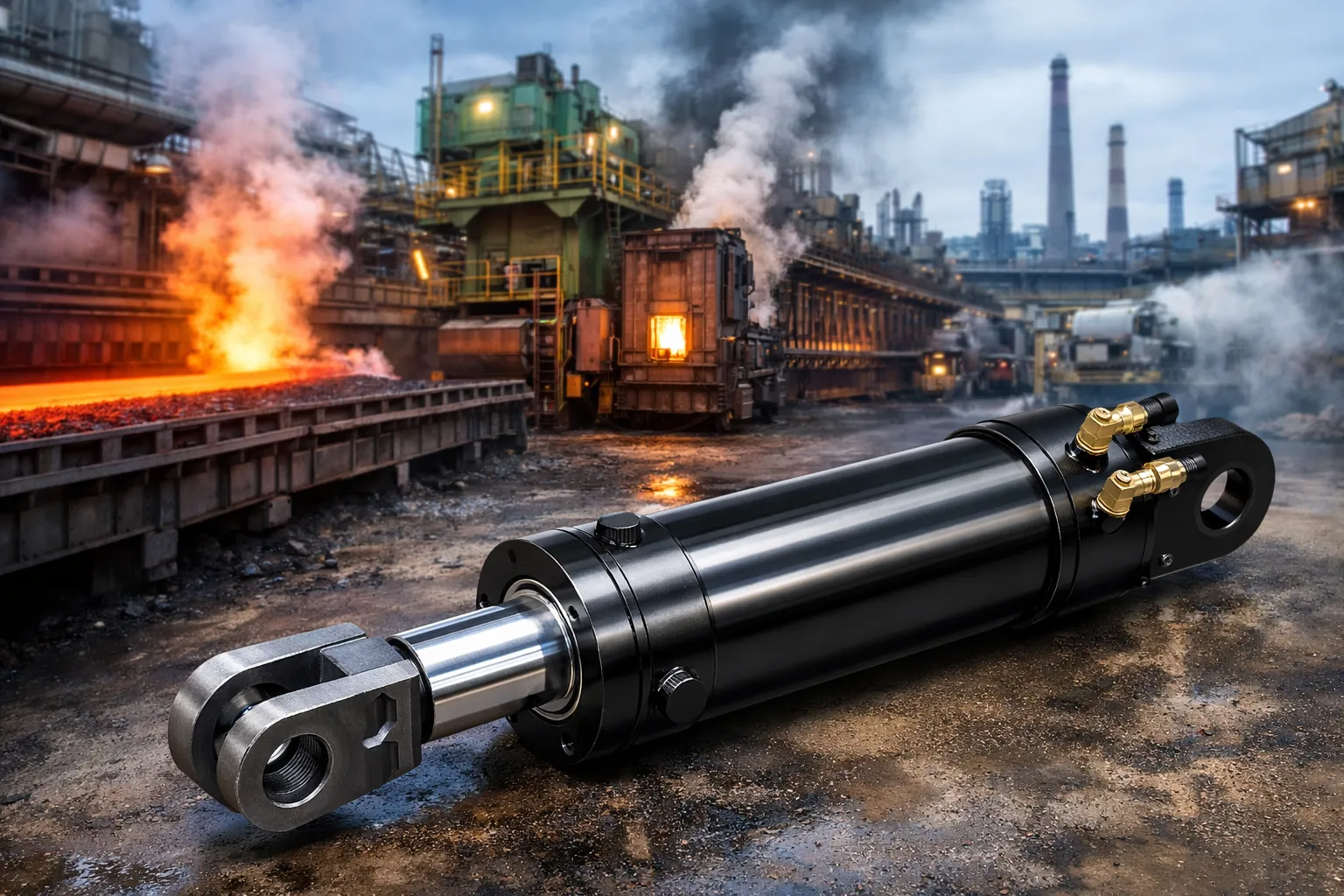
Operating as an elite, vertically integrated hydraulic cylinder manufacturer with decades of applied metallurgical engineering expertise, we have developed a definitive, uncompromising solution to eradicate this specific operational bottleneck. Our purpose-built Air Valve Actuator Hydraulic Cylinder is heavily fortified with an unyielding alloy steel welded structure and advanced high-temperature protection systems. By integrating proprietary heat-resistant seal matrices, a highly specialized piston coating, and advanced nickel plating, we entirely neutralize the dual threats of thermal seal aging and abrasive particulate scoring. For integrated steelworks operating across South Korea, Japan, and East Asia, upgrading the air supply network to our engineered solutions offers a monumental increase in blast furnace reliability. This extreme durability ensures that your initial hydraulic cylinder price investment is rapidly offset by the complete elimination of emergency outages and a drastically extended operational campaign life for your entire hot blast valve network.
Comprehensive Technical Specifications
Achieving flawless mechanical synchronization and absolute air volume control precision within a high-pressure hot blast network requires uncompromising adherence to precise dimensional and thermodynamic specifications. Our engineering design division meticulously customizes every single hydraulic cylinder to perfectly align with your specific valve louver kinematics, maximum pneumatic back-pressure loads, and specific ambient thermal exposure profiles. The technical table below outlines the foundational engineering parameters and highly specialized material configurations of our premium actuating units.
| Engineering Parameter | Technical Data Range & Configuration Details |
|---|---|
| Target Industrial Sector | Metallurgical and Iron Industry |
| Equipment Category | Blast Furnace System / Hot Blast Stove Network |
| Subsystem & Action | Air Supply Valve / Regulating Air Volume Dynamics |
| Product Nomenclature | Air Valve Actuator Cylinder |
| Hydraulic Action Type | double acting hydraulic cylingder (Active bi-directional control) |
| Mechanical Structure | Precision Piston Cylinder Architecture |
| Manufacturing Assembly | Deep-Penetration Welded Construction (100% NDT Inspected) |
| Primary Material System | High-Rigidity Alloy Steel Barrel (Exceptional thermal stability) |
| Surface Treatment | Advanced Nickel Plating on Rod + Specialized Piston Coating |
| Environmental Grade Rating | Extreme High-Temperature Hot Air + Heavy Airborne Dust |
| Targeted Failure Mode | Seal Aging, Thermal Embrittlement, and Abrasive Scoring |
| Recommended Configuration | High-Temperature Resistant Seal Matrix + Low-Friction Piston Coating |
Fluid Dynamic Mechanics and Working Principle
An exact, engineering-level understanding of the internal fluid pressure dynamics and linear force generation within the Air Valve Actuator Cylinder is critical for optimizing blast furnace automation logic. Attempting to govern a heavy blast furnace air valve with a basic single acting hydraulic cylingder is fundamentally flawed due to the lack of rigid positioning control against massive aerodynamic drag. For precise airflow regulation, a heavy-duty double acting hydraulic cylingder is an absolute engineering requirement. The massive differential air pressure across the face of a blast furnace valve requires active, immensely powerful fluid force in both the extension and retraction strokes to ensure the massive steel plates do not slam shut or vibrate violently in the scorching airflow.
During the critical operational sequence of increasing the air volume, the furnace’s central proportional servo valves route highly pressurized, fire-resistant hydraulic fluid into the cap end (the blind base chamber) of the heavy-wall alloy steel barrel. This incompressible fluid exerts immense hydrostatic force uniformly against the large surface area of the internal hydraulic cylinder piston. This stored fluid energy is instantaneously converted into a smooth, relentless linear thrust, driving the heavily nickel-plated rod outward to precisely articulate the air supply valve linkage. Our exceptionally tight CNC machining tolerances and highly specialized anti-friction piston coatings ensure that this movement is perfectly smooth, entirely eliminating the dangerous “stick-slip” judder that plagues lesser equipment.
Conversely, when the smelting process dictates a reduction in air volume or a complete stove isolation, the fluid logic smoothly reverses. Highly pressurized oil is actively routed into the rod-end annular chamber, forcefully pulling the heavy valve louver closed against the immense opposing aerodynamic pressure of the furnace draft. It is precisely during this static holding phase that our engineering superiority proves its worth. Standard actuators subjected to the intense radiant heat of the blast duct quickly experience seal aging, allowing fluid to bypass the piston, causing the valve to drift. Our proprietary high-temperature elastomeric seals maintain their absolute structural integrity, effectively locking the pressurized fluid in place. The perfectly synchronized, continuous force generated by these advanced hydraulic rams guarantees the furnace consistently operates at absolute peak thermodynamic efficiency.
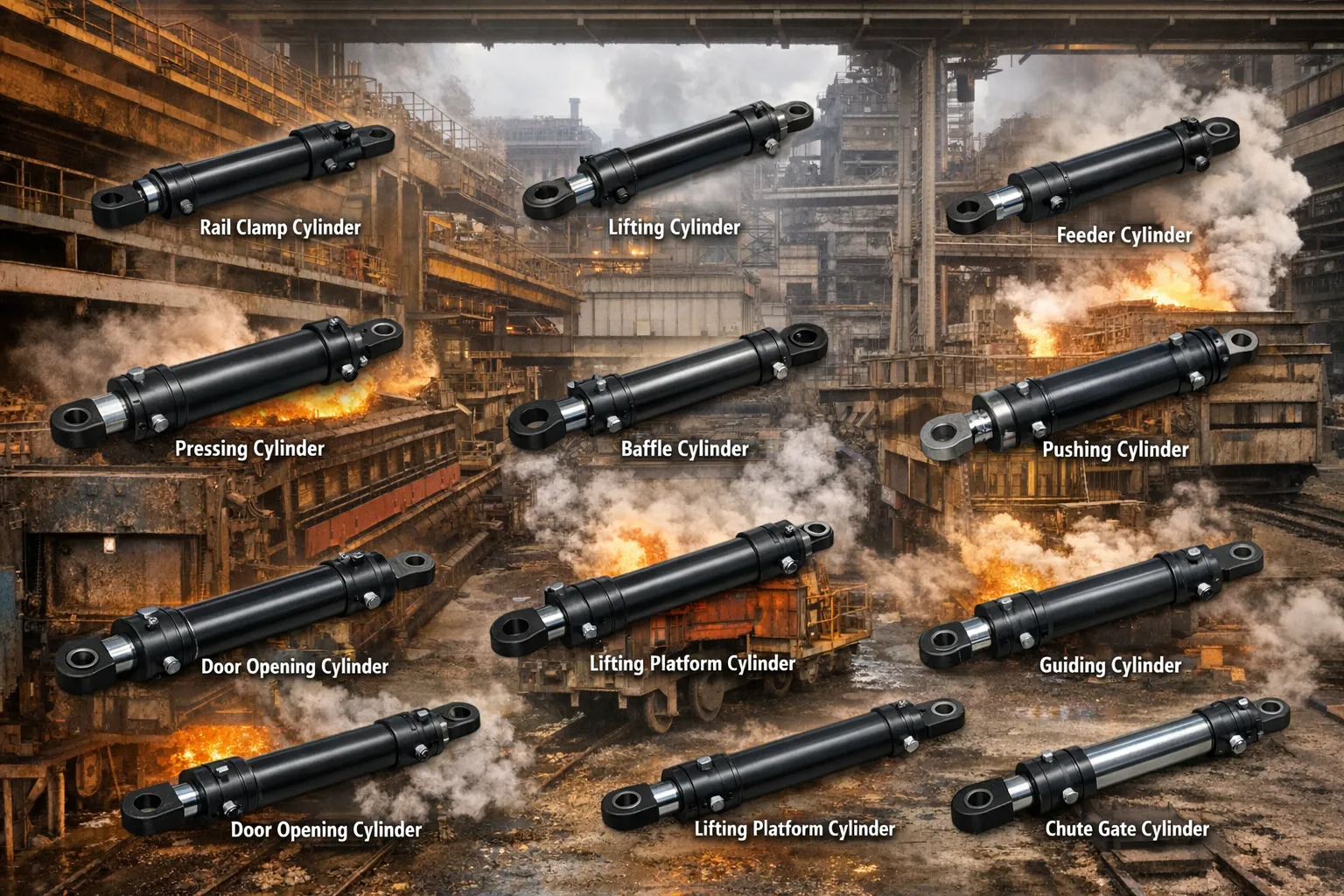
Unrestricted Cross-Brand Integration and Retrofitting
When a critical air supply valve loses its positioning capability due to a failing actuator, the metallurgical plant suffers immediate, compounding thermodynamic imbalances. Tolerating agonizing, multi-month lead times to import standard Original Equipment Manufacturer (OEM) replacement parts from Europe or North America is a disastrous scenario for plant profitability. Our dedicated fluid power engineering division has meticulously mapped, reverse-engineered, and thermodynamically optimized the precise dimensional footprints, stroke lengths, and high-pressure fluid port alignments of the heavy industry’s most prevalent catalog brands, including units originally supplied by Bosch Rexroth, Parker Hannifin, SMC, and Eaton Vickers. Please note, the explicit mention of these OEM trademarks is provided strictly for the operational convenience of plant reliability engineers to facilitate rapid dimensional cross-referencing and fitment validation; we operate autonomously and hold no formal affiliation with these trademark owners.
We specialize in manufacturing 100% structurally compatible, direct drop-in replacement units that completely eliminate the need for your maintenance crews to cut structural valve frames, weld new brackets, or alter complex rigid hydraulic pipework. By thoroughly analyzing your existing hot blast system schematics or physically evaluating your thermally degraded core unit, our fluid power experts verify the exact trunnion measurements, clevis threading, and operating pressures. This highly structured methodology transforms the chaotic stress of an emergency hydraulic cylinder repair into a rapid, highly predictable structural upgrade. Selecting our Air Valve Actuator Hydraulic Cylinder massively reduces your procurement timeline and optimizes your initial capital expenditure while fundamentally upgrading the thermal resilience of your entire hot blast network.
Core Technical Advantages and Engineering Superiority
What genuinely differentiates a true metallurgical-grade Air Valve Actuator Cylinder from a standard commercial unit designed for basic indoor machinery? The distinction lies entirely in the uncompromising application of advanced material science, specialized high-temperature tribology, and a profound understanding of blast furnace failure modes. Here are the core technical advantages engineered directly into our regulating actuators:
I. Total Eradication of Seal Aging via Advanced Thermal Matrix
The absolute primary cause of failure on a hot blast valve is the rapid chemical degradation of standard nitrile or polyurethane seals under intense radiant heat. We completely bypass this vulnerability by deploying a proprietary sealing matrix utilizing aerospace-grade Fluorocarbon (FKM/Viton) elastomers and highly reinforced PTFE composites. This advanced high-temperature matrix effortlessly withstands continuous ambient heat exposure without hardening, cracking, or shrinking, definitively stopping seal aging and entirely eliminating internal fluid bypass over millions of cycles.
II. High-Rigidity Alloy Steel Welded Structure
The intense aerodynamic pressure differentials across an opening blast valve create massive, sudden mechanical shockwaves. Standard tie-rod cylinders easily stretch, warp, and fail under these lateral stresses, especially when weakened by high temperatures. Our design strictly utilizes a high-rigidity alloy steel welded structure. This deep-penetration welded architecture prevents barrel ballooning under high fluid pressure and completely eliminates radial deflection, ensuring the internal components maintain absolute concentricity.
III. Specialized Piston Coating for Ultra-Low Friction
Regulating blast furnace air volume requires incredibly precise, micro-millimeter rod movements. Any internal friction will cause the valve to judder. Thermal expansion frequently causes standard bare-metal pistons to gall heavily against the barrel wall. To guarantee flawlessly smooth operation regardless of thermal swelling, we apply a specialized, highly advanced anti-friction coating directly to the hydraulic cylinder piston. This tribological layer drastically lowers dynamic sliding friction, ensuring instantaneous, stutter-free responses to the proportional control valves.
IV. Advanced Nickel Plating for Superior Rod Defense
Standard hard chrome plating develops microscopic thermal cracks when subjected to extreme temperature fluctuations, allowing corrosive gases and abrasive particulates to penetrate and blister the rod surface. We protect our high-strength rods with an advanced, heavy-layer nickel plating process. Nickel provides vastly superior ductility under intense thermal stress and unmatched corrosion resistance, ensuring the rod surface remains perfectly smooth and completely impervious to the harsh metallurgical atmosphere.
V. Aggressive Particulate and Dust Exclusion System
The ambient air surrounding the hot blast stoves is heavily saturated with abrasive iron ore dust that quickly coats exposed metal surfaces. Standard soft rubber wipers are rapidly destroyed by this abrasive debris. We integrate an aggressive, metallic-encased high-temperature scraper ring at the gland face. As the heavily nickel-plated rod retracts, this robust mechanical shear physically scrapes away baked-on dust, ensuring absolutely pristine fluid operation within the internal pressure chambers and protecting all internal hydraulic parts.
VI. Comprehensive Thermal Fatigue Life Optimization
Constant thermal cycling and fluctuating aerodynamic pressures cause microscopic fatigue stress at structural mounting junctions. We execute all load-bearing structural joints using automated robotic submerged arc welding (SAW) cells. This guarantees incredibly deep, uniform, and flawless weld penetration. Subsequent localized thermal stress-relieving processes entirely eliminate brittleness in the heat-affected zones, ensuring the trunnion and clevis mounts can endure millions of cycles without initiating microscopic fatigue fractures.
Autonomous Manufacturing and Strict Quality Control
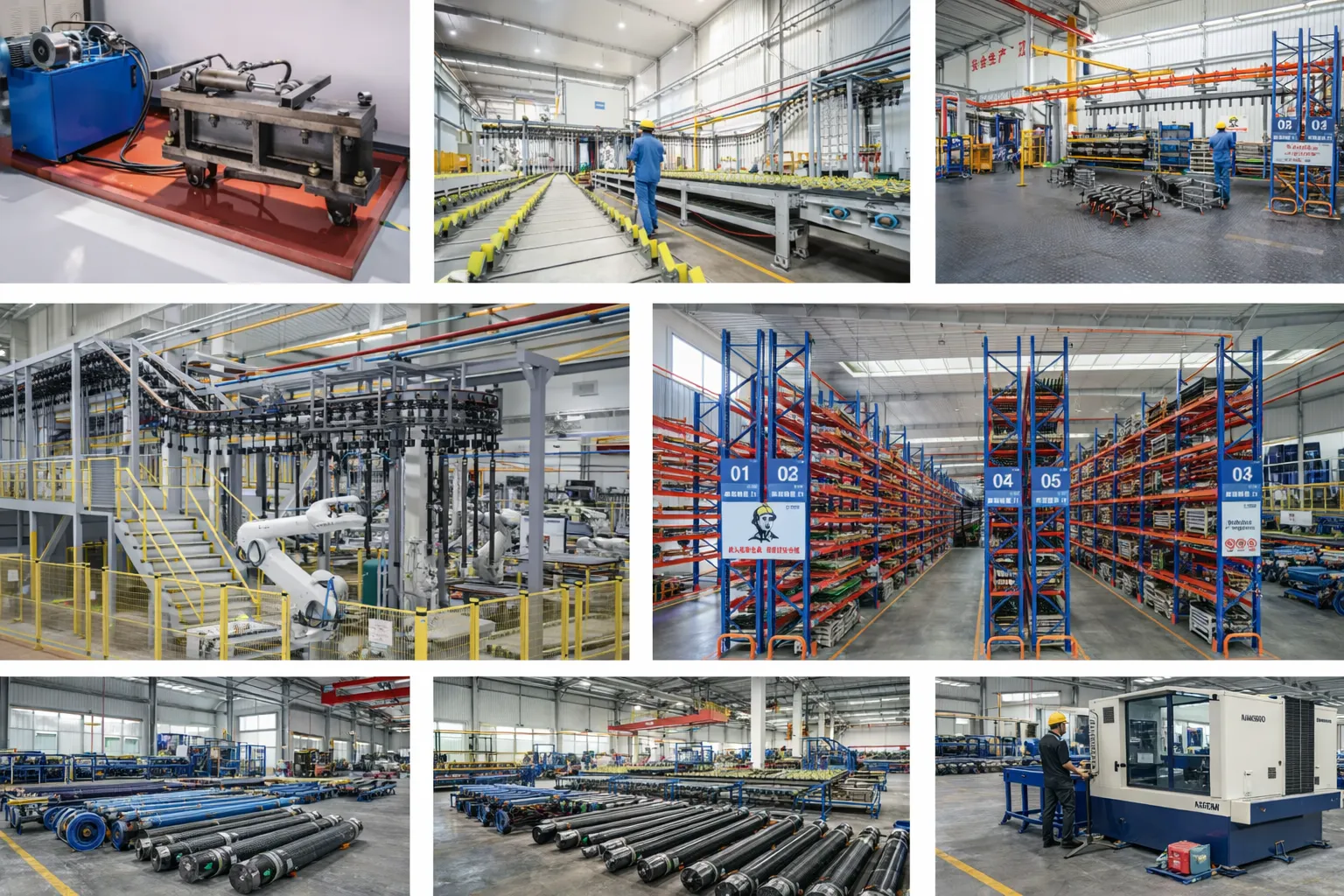
Sustained, uncompromising industrial reliability in a primary ironmaking facility cannot simply be inspected into a final product; it must be inherently engineered and meticulously built into the component from the very sourcing of the raw alloy steel billets. Operating as a deeply capable, fully vertically integrated manufacturer, we maintain absolute, undeniable sovereignty over our entire manufacturing pipeline. We resolutely refuse to utilize outsourced assembly lines or unregulated third-party machine shops, ensuring that every single batch of hydraulic cylinder components deployed to your stove deck meets our exacting, world-class metallurgical mandates.
Our rigorous, heavily monitored production sequence initiates with advanced ultrasonic testing (UT) on all incoming alloy steel tubes to verify the complete absence of microscopic lamination defects or internal material voids. The heavy-duty barrels then proceed through specialized CNC deep-hole boring, skiving, and heavy roller burnishing. This precision internal finishing highly compresses the metallic grain structure, producing a flawless, mirror-like bore surface roughness of Ra 0.2 to 0.4 micrometers. This exact internal finish ensures the high-temperature Viton seals and piston coatings encounter virtually zero dynamic sliding friction.
Our factory quality assurance protocols are absolute. Prior to receiving its final protective industrial high-heat paint coat, every single completed Air Valve Actuator Hydraulic Cylinder is securely bolted to our computerized hydraulic testing benches. We subject the actuators to exhaustive full-stroke high-velocity cycling, followed immediately by a punishing static hydrostatic hold test at 150% of the maximum rated system pressure. High-resolution digital telemetry sensors ensure absolutely zero internal fluid bypass or external weeping. After successful certification, each unit is permanently laser-etched with a unique serialized identifier, guaranteeing lifetime engineering traceability.
Versatile Cross-Industry Engineering Deployment
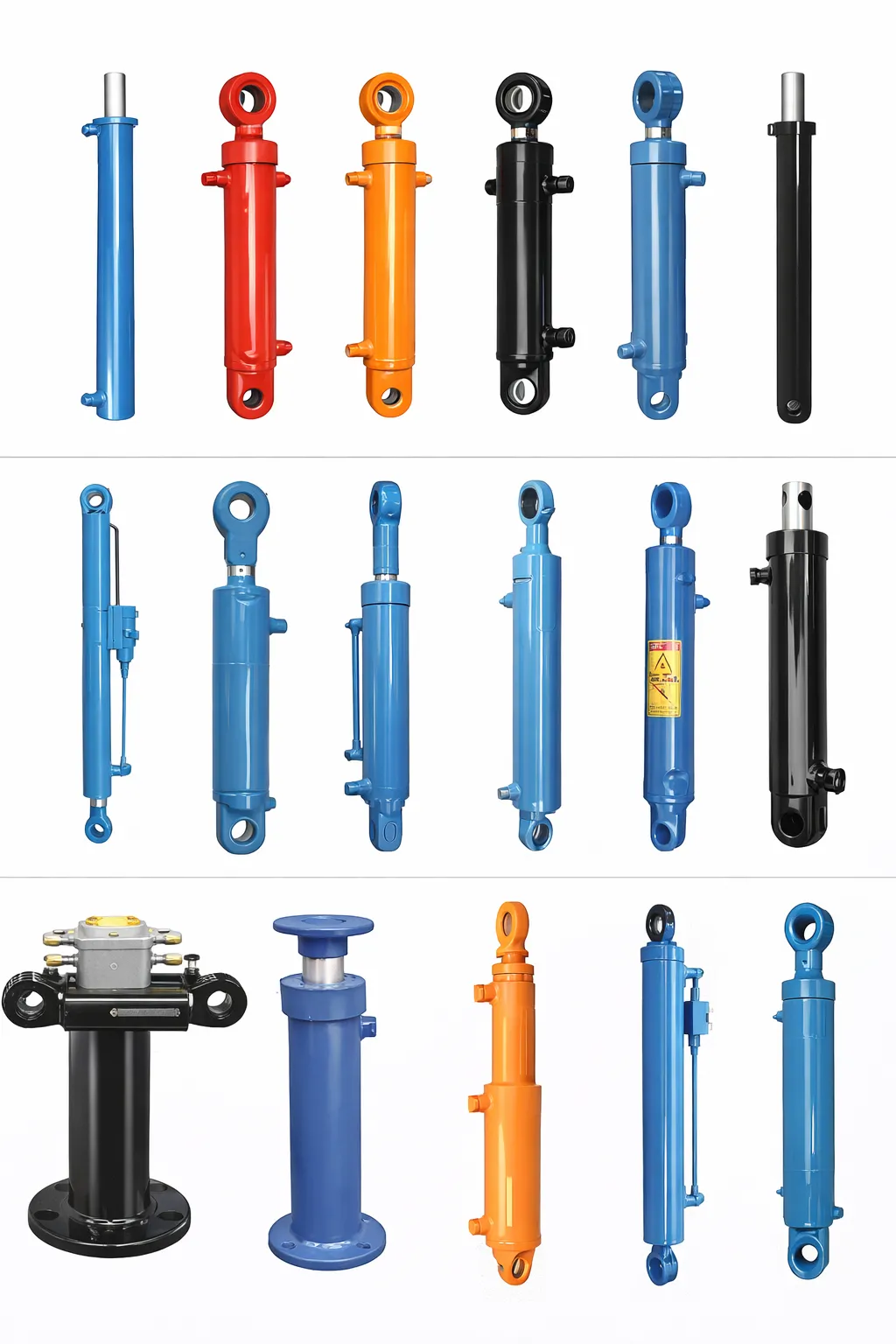
While this specific structural architecture is intensively heavy-duty and heavily optimized to defeat the thermal and abrasive horrors of the blast furnace hot blast stove, the foundational engineering principles—absolute high-temperature sealing, severe dust exclusion, and micro-precision positioning—render these specialized fluid power units highly effective across multiple severe-duty B2B sectors globally.
- Metallurgical and Iron Industry: Providing unstoppable force for critical blast furnace mud guns, heavy molten steel ladle transfer cars, continuous casting oscillation tables, and massively heavy coke oven door extraction machines operating in intense high-heat zones.
- Mining and Bulk Material Handling: Providing relentless positioning and lifting thrust for massive subterranean ventilation louvers, primary jaw crushers, heavy apron feeders, and colossal bucket wheel reclaimers operating under immense rock dust loads.
- Construction Machinery Industry: Serving as the indestructible lifting and articulating muscle for 100-ton crawler excavators, mobile concrete crushers, deep-foundation rotary piling rigs, and colossal tunnel boring machines (TBMs) subject to extreme physical shock loading.
- Chemical and Power Generation: Operating massive flow control valves and heavy reactor hatches in environments saturated with corrosive airborne chemicals, where high-temperature FKM seals and nickel plating are strictly mandatory.
- Heavy Material Handling: Functioning as the primary heavy-duty lift cylinder for industrial scissor lift tables and port logistics equipment operating in harsh, continuous-duty cycles.
Economic Comparative Analysis: Standard vs. Specialized
Evaluating the true Total Cost of Ownership (TCO) for a primary ironmaking facility requires looking far beyond the initial procurement spreadsheet. While procurement departments often focus on the initial hydraulic cylinder price, experienced reliability engineers understand that the true cost is determined by the component’s longevity in the field. Opting for the lowest commercial price is a massive mathematical error when that unit suffers thermal seal failure within two short months, causing a catastrophic loss of blast volume. A slightly higher upfront hydraulic cylinder price for a purpose-built, high-temperature actuator is rapidly justified. This comparative table explicitly demonstrates why our specialized actuators massively outperform generic, catalog alternatives.
| Evaluation Metric | Standard Commercial Valve Cylinder | Our Air Valve Actuator Cylinder |
|---|---|---|
| High-Temperature Seal Integrity | Standard PU/NBR Matrix (Suffers rapid seal aging and melting near stove heat) | Viton (FKM) + PTFE Matrix (Maintains perfect elasticity up to 220°C+) |
| Rod Surface Defense | Standard Hard Chrome (Micro-cracks allow corrosive hot gases to pit the steel) | Advanced Nickel Plating (Impenetrable thermal and oxidation barrier) |
| Air Volume Precision | Prone to stick-slip friction, causing erratic and dangerous airflow judder | Specialized piston coating ensures ultra-smooth, micro-millimeter control |
| Structural Architecture | Standard Tie-Rod or Light Welded (Vulnerable to severe thermal warping) | Heavy-Duty Alloy Steel Welded Structure (Ultimate yield strength) |
| Overall Lifecycle ROI | Low initial cost, but incurs massive secondary blast furnace downtime penalties | Exceptional long-term ROI through sustained, safe, uninterrupted smelting |
Verified Production Success: Real-World Case Studies
Our rigorous, thermally optimized fluid power solutions are actively protecting the production schedules of major metallurgical complexes globally. Here are detailed instances outlining how our specialized heavy engineering decisively solved critical operational bottlenecks for prominent B2B clients, notably within the advanced iron-making hubs of South Korea, Japan, and Taiwan.
Case 1: Eradicating Seal Aging in Pohang, South Korea
Client Profile & Location: A massive tier-one integrated blast furnace operation located in the heavy industrial sector of Pohang. (Project Date: October 2024)
The Operational Challenge: The facility faced a continuous crisis with their hot blast stoves. The extreme radiant heat was causing rapid seal aging in their OEM commercial cylinders, leading to severe internal fluid bypass every three months, completely destabilizing the furnace air volume regulation.
How We Connected: The head of blast furnace reliability aggressively searched online for an expert manufacturer specializing in extreme high-temperature resistance and submitted an urgent technical RFQ via our portal.
The Engineered Result: We custom-engineered and delivered specialized Air Valve Actuator Cylinder units featuring our proprietary Viton (FKM) sealing matrix and robust alloy steel construction. Fluid leakage dropped to absolute zero, and the units have performed flawlessly for over 18 months of continuous high-heat operation.
“The thermal resilience is absolute. We installed the upgraded units during a brief scheduled stove changeover, and the seal degradation has completely stopped. A genuinely exceptional engineering partner that understands iron-making.” — Mr. Lee S.M., Lead Reliability Engineer
Case 2: Overcoming Particulate Scoring in Gwangyang, South Korea
Client Profile & Location: A high-output, technologically advanced steelworks managing multiple massive blast furnaces, situated in Gwangyang. (Project Date: January 2025)
The Operational Challenge: Highly abrasive iron ore dust and coke breeze from the charging floor were bypassing the standard rubber rod wipers on the air supply valves. This abrasive grit acted like sandpaper, deeply scoring the chrome rods and completely destroying the primary pressure seals, forcing relentless emergency maintenance and frequent fixing hydraulic cylinders.
How We Connected: They were directly referred to our technical sales team by a partnered mill maintenance manager heavily familiar with our advanced metallic scraper technologies.
The Engineered Result: We deployed our heavy-duty cylinders equipped with aggressive metallic-encased high-temperature scrapers and premium nickel plating. The rod surfaces remained completely pristine, entirely ending the catastrophic abrasive contamination cycle.
“The particulate ingress around the stoves was destroying our hydraulic circuits. These new metallic scrapers physically block the abrasive dust from entering the barrel. A highly profitable upgrade for our entire air network.” — Park K.T., Chief Maintenance Supervisor
Case 3: Resolving Airflow Judder in Chiba, Japan
Client Profile & Location: A highly respected, technologically advanced steel manufacturing plant located in the Chiba industrial port area. (Project Date: July 2025)
The Operational Challenge: During the active modulation of the air supply, their standard commercial cylinders experienced severe internal friction and “stick-slip” juddering. This erratic, shuddering motion caused the heavy valve louvers to bind, creating dangerous, uncontrollable spikes in the blast furnace air pressure.
How We Connected: They submitted a highly detailed technical inquiry via our contact page after searching for specialized ultra-low friction actuator upgrades.
The Engineered Result: We supplied customized units featuring our advanced piston coating and specialized PTFE guide bands. The advanced tribological design completely absorbed the friction, ensuring perfectly smooth, micro-millimeter rod feeds, immediately ending the airflow judder.
“The mechanical judder was creating havoc with our furnace thermodynamics. The incredibly smooth linear control of these new units completely solved the binding issue. A remarkably effective and permanent solution to our biggest process control headache.” — T. Watanabe, Operations Supervisor
Case 4: Cost-Effective OEM Modernization in Kaohsiung, Taiwan
Client Profile & Location: A large-scale heavy machinery distributor and maintenance contractor servicing primary steel mills, based in Kaohsiung. (Project Date: August 2025)
The Operational Challenge: The contractor was facing an agonizing 24-week lead time and exorbitant markups to import European OEM replacement cylinders for an aging blast furnace stove system, severely threatening their maintenance service level agreements and putting the steel plant at risk of shutdown.
How We Connected: They contacted our engineering desk directly through our online engineering portal after analyzing our dimensional reverse-engineering and rapid manufacturing capabilities.
The Engineered Result: Working strictly from their exact dimensional CAD data, we manufactured a 100% structurally compatible drop-in replacement delivered within just 30 days. This saved the contractor over 35% on the initial cost while significantly upgrading the thermal resistance for the steel mill.
“Flawless flange alignment and exceptional heavy-duty machining quality. It dropped right into the valve mounts without a single pipe modification required. They are our absolute primary source for high-quality, heavy-duty replacements now.” — Lin Wei, Sourcing Director
Executive B2B Procurement FAQ
We strongly believe in complete, unapologetic technical transparency to support the rigorous engineering validation and procurement processes of large-scale primary ironmaking plants. Below are highly detailed answers to the most common inquiries we receive regarding structural integrity, high-temperature integration, and international supply logistics.
1. What is the maximum operating temperature the Air Valve Actuator Cylinder can withstand without seal aging?
2. How does the specialized piston coating actually improve air volume regulation?
3. Why is nickel plating superior to standard hard chrome in a blast furnace environment?
4. Can you manufacture exact replacements for obsolete or undocumented OEM hydraulic parts?
5. What is the typical manufacturing lead time for custom deliveries exported to South Korea?
6. Do you supply spare hydraulic cylinder components like high-temp seal kits for future maintenance?
7. Are these cylinders compatible with fire-resistant hydraulic fluids commonly used in steel mills?
Eradicate Seal Aging on Your Stove Deck Today
Do not allow inferior, commercially generic cylinders to dictate your blast furnace’s smelting efficiency and endanger your plant personnel with catastrophic seal failures and loss of air volume control. Partner directly with a deeply experienced, globally trusted engineering manufacturer to decisively secure your hot blast network’s long-term operational reliability. Provide our fluid power experts with your precise technical parameters, pneumatic back-pressures, and thermal exposure profiles today, and we will supply a comprehensive structural engineering proposal.
Editor: Cxm