Product Overview: The Core Mechanism of Precise Material Distribution
In the highly demanding and unforgiving sector of road construction, the quality of the final asphalt mat dictates the success of the entire infrastructure project. The primary component governing this exactness is the material conveying auger, a massive, rotating screw mechanism positioned at the rear of the paver. This auger is responsible for leveling, spreading, and providing an even flow of the hot mix asphalt across the entire width of the screed. The vertical positioning, continuous adjustment, and stabilization of this heavy unit rely entirely on the auger adjustment cylinder. Even a millimeter of variance caused by mechanical instability can lead to material segregation, structural weaknesses in the road surface, pooling of water, and eventual catastrophic failure of the pavement under heavy traffic loads.
Standard off-the-shelf fluid power components simply cannot survive the brutal operating conditions of an active paving site. Pavers operate continuously in environments characterized by extreme radiant heat from 160-degree Celsius asphalt, relentless vibration from tamper bars, and thick clouds of abrasive silica dust and sticky molten bitumen. When standard seals are used, they are quickly damaged by molten material, leading to catastrophic fluid loss. As a dedicated hydraulic cylinder manufacturer, we recognize that a specialized approach is fundamentally required. Our meticulously engineered auger adjustment hydraulic cylinder line is designed specifically to counteract these destructive forces. By integrating advanced Viton high-temperature sealing architectures and exceptionally robust Q345D structural steel, we ensure smooth, stutter-free movement during the critical elevation and material distribution phases.
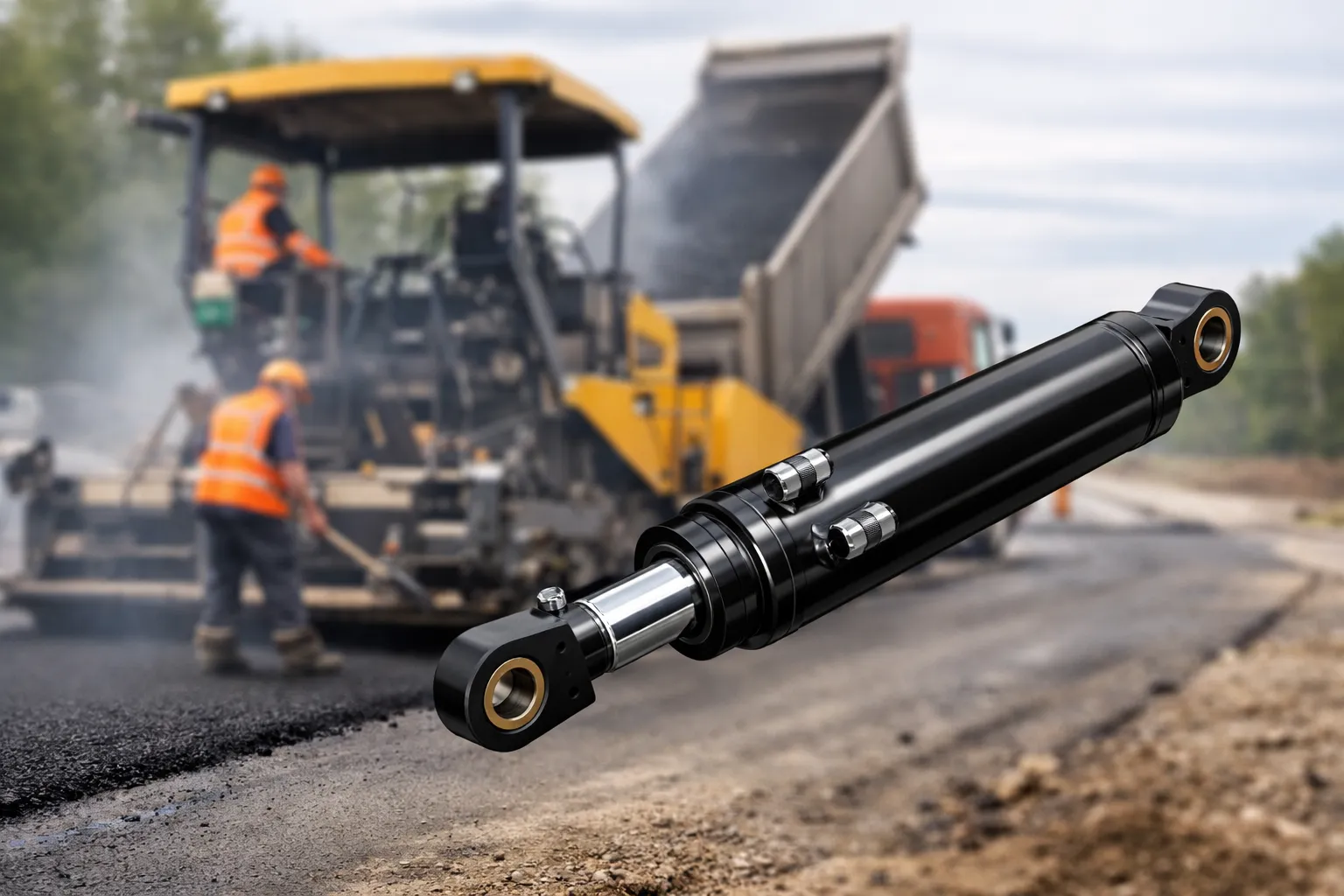
Our unique positioning in the global market stems from our profound understanding of fluid dynamics applied directly to heavy construction equipment. We provide hydraulic parts that not only perform flawlessly but also optimize the overall hydraulic cylinder price to performance ratio for fleet managers and B2B procurement teams. Whether you are managing an international infrastructure project across South Korea and Japan, or seeking highly reliable components for heavy-duty paving machines, our auger lifting solutions offer unparalleled industrial value. By entirely eliminating internal leakage and seal melting, we drastically reduce machine downtime and guarantee a perfect mat finish. You can explore our full range of solutions on our dedicated hydraulic cylinder product page.
Technical Parameters & Highly Customizable Specifications
Engineering machinery demands precise and robust fluid power configurations. To facilitate seamless integration into diverse paver models, our double acting hydraulic cylinder series features a highly adaptable structural design. Below is the comprehensive parameter matrix detailing the primary specifications, material selections, and environmental tolerance levels of our dedicated paver conveying auger cylinders.
| Category | Parameter Element | Technical Data Description |
|---|---|---|
| System & Application | Target Industry | Construction Machinery Industry |
| Equipment Category | Asphalt Paver | |
| Subsystem / Action | Material Conveying Auger Elevation Control | |
| Product Designation | Auger Adjustment Cylinder | |
| Manufacturing & Materials | Action Mechanism | Double acting hydraulic cylinder |
| Internal Structure | Piston Type Configuration | |
| Construction Type | Heavy-duty Welded Construction | |
| Core Material System | Q345D Low-Alloy High-Strength Steel | |
| Operating Environment | Surface Treatment | Hard Chrome Plated Rod (Anti-adhesion and high corrosion resistance) |
| Environmental Grade | High Temperature Asphalt | Severe Sticky Contamination | |
| Typical Failure Mode Prevented | Seal damaged by molten material ingress and tar hardening | |
| Recommended Configuration | Viton High-Temperature Seals & Metal Encased Scraper Wipers |
Operational Dynamics: Understanding the Working Principle
To completely comprehend the operational superiority of our fluid power products, one must understand the precise fluid dynamics governing the auger adjustment hydraulic cylinder. Its fundamental duty is to convert hydrostatic energy into heavy linear mechanical force to securely manipulate the paver’s material conveying system. This is executed through a highly responsive fluid circuit. Unlike a basic single acting hydraulic cylinder that relies on gravity or mechanical springs for retraction, a double-acting unit features two fluid ports, allowing pressurized hydraulic oil to actively control both the lifting and lowering strokes. Gravity alone is insufficient to pull a massive steel auger downward through a mound of dense, sticky asphalt; it requires powered retraction.
During the paving sequence, hydraulic fluid supplied by the main pump enters the cap end port. As pressure builds against the full surface area of the internal hydraulic cylinder piston, it overcomes the immense mechanical load and extends the rod, applying powerful force to lift the massive auger assembly. To lower the auger and restrict material flow, the proportional directional control valve shifts, directing pressurized fluid to the rod end port while allowing fluid from the cap end to return smoothly to the reservoir. This dual-sided pressure control allows the operator to make micro-adjustments on the fly.
The critical moment of failure for standard cylinders occurs when the valve closes to lock the auger in a rigid state to maintain paving depth. If the internal seals have been compromised by heat, high-pressure fluid bypasses the piston to the low-pressure side. This internal leakage causes the rod to creep, resulting in the auger gradually dropping and starving the screed of asphalt. By utilizing advanced Viton fluoroelastomer seals, our hydraulic rams guarantee an absolute fluid barrier. Furthermore, our design eliminates the “stick-slip” phenomenon caused by breakaway friction at low velocities. When automatic leveling sensors dictate a millimeter adjustment, our cylinders respond with perfectly fluid linearity, ensuring an impeccable material feed.
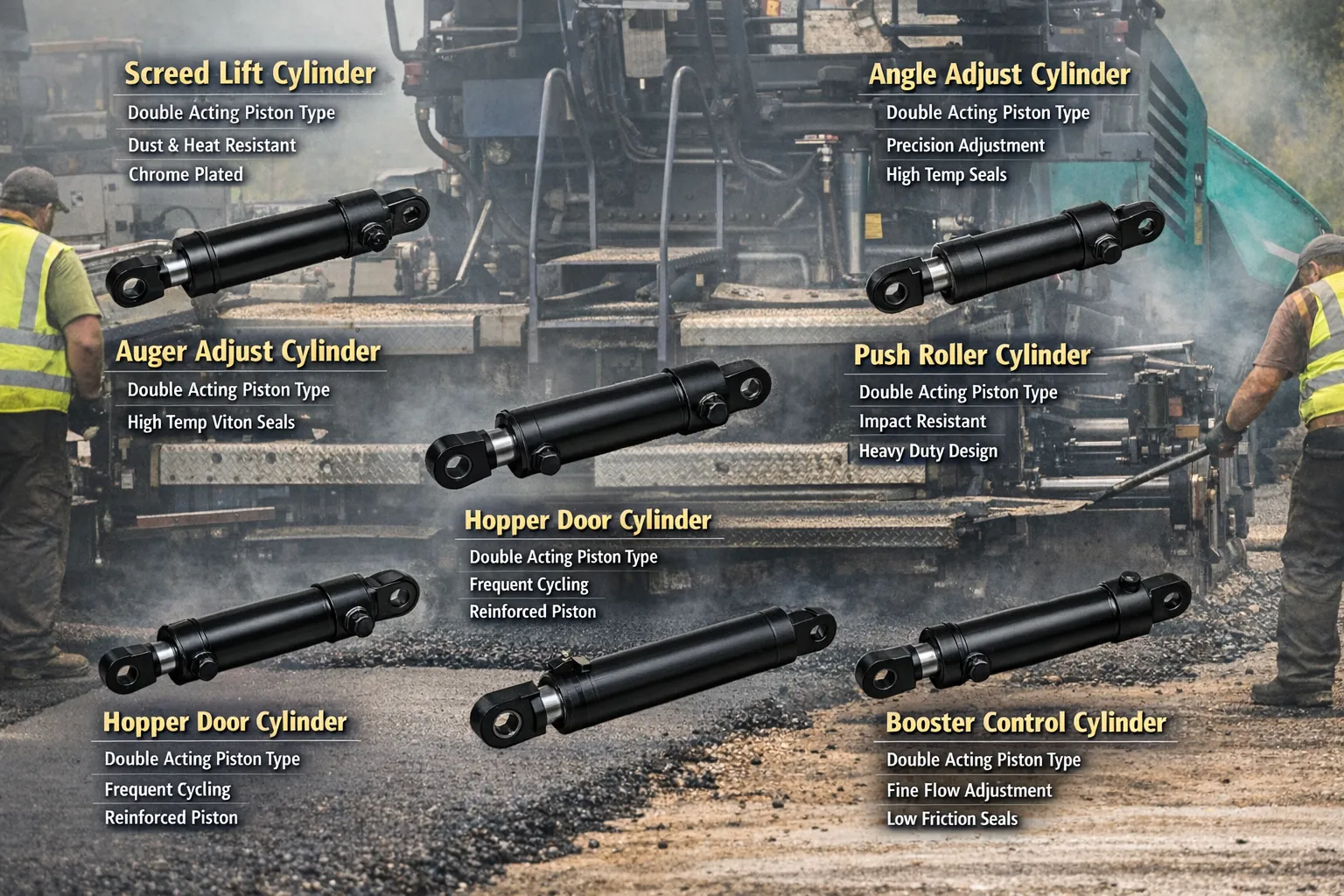
Seamless Machine Integration & Aftermarket Compatibility
Fleet standardization and rapid component replacement are absolutely critical for construction enterprises facing strict project deadlines and massive financial penalties for delays. When an original part fails on a highway job site, sourcing expensive OEM replacements often involves unacceptable international lead times. Therefore, our engineering team has meticulously reverse-engineered and dimensioned our hydraulic cylinder components to serve as direct drop-in aftermarket replacements for the industry’s leading heavy machinery.
Disclaimer: The mention of the following manufacturer brands is strictly for the purpose of dimensional matching, compatibility verification, and equipment sizing convenience. It does not imply any trademark affiliation, sponsorship, or infringement. We operate as a fully independent manufacturer of premium fluid power solutions.
Our robust lift cylinder models can seamlessly upgrade or replace lifting systems on asphalt pavers manufactured by Vögele, Dynapac, BOMAG, Volvo CE, Roadtec, and Caterpillar (CAT). By matching the exact closed length, stroke length, pin hole diameters, and port thread specifications, we take the complexity out of fixing hydraulic cylinders in the field. Your maintenance crews can unbolt the leaking OEM part and install our high-temperature resistant unit immediately, restoring equipment to peak operational status with zero structural chassis modifications required.
Five Core Technical Advantages Guaranteeing Lifespan
As a dedicated engineering facility, we do not simply assemble off-the-shelf tubes and rods; we engineer comprehensive mechanical solutions tailored to specific industrial threats. The exceptional longevity and precision of our auger adjustment hydraulic cylinder series are anchored in five fundamental technological pillars, designed to comprehensively outlast and outperform conventional cylinders.
1. Viton (FKM) High-Temperature Sealing Architecture
Standard polyurethane and NBR (nitrile) rubber seals begin to cook, harden, and permanently lose their geometric shape at ambient temperatures around 90°C. In the presence of 160°C hot mix asphalt, these materials literally melt, causing massive fluid blowouts. We exclusively install premium aerospace-grade Viton fluoroelastomer seals. These advanced chemical compounds withstand continuous radiant heat up to 200°C without losing elasticity, completely eradicating thermal seal failure and preventing seals from being damaged by molten material.
2. Heavy-Duty Q345D Low-Alloy Steel Barrel
The auger operates as a giant screw, pushing dense, heavy aggregate laterally. This action creates severe transverse (side) loads and vibration that transfer directly to the cylinder barrel. We discard standard 1045 carbon steel in favor of Q345D low-alloy structural steel. This specific metallurgy provides superior yield strength and exceptional impact toughness, ensuring the barrel does not flex or micro-fracture under extreme lateral loads, which in turn keeps the internal hydraulic cylinder piston perfectly aligned.
3. Aggressive Metal-Encased Contamination Scrapers
As the exposed rod extends, it becomes coated in airborne silica dust and splashes of cooling, sticky bitumen. Standard rubber dust wipers are too soft; when the rod retracts, the hardened tar simply tears the rubber lip off, allowing dirt to flood the internal fluid. We engineer heavy-duty, metal-encased scraper rings at the rod exit. These rigid scrapers act like physical chisels, aggressively shearing off the hardened asphalt before it can reach the primary high-pressure seals inside the gland.
4. Micro-Cracked Hard Chrome Plating Optimization
To further combat sticky pollution and scoring, the piston rod is subjected to a deep hard-chrome plating process that yields a specialized micro-cracked surface finish. This extreme hardness protects the steel from being scratched by sharp aggregate particles. More importantly, the microscopic cracks retain a tiny film of lubricating oil from the internal reservoir, which dramatically lowers the surface friction and prevents hot splashing asphalt from firmly adhering to the rod in the first place.
5. Automated Submerged Arc Welded Integrity
Through sophisticated engineering, we optimize the stress distribution across all structural joints. Hand-welded components present a significant risk of porosity and stress-fracture under the high-pressure spikes caused when the auger hits a cold lump of asphalt. We employ fully automated, robotic submerged arc welding for all end caps and trunnion mounts. This superior manufacturing structure extends the fatigue life of the auger adjustment cylinder well beyond generic industrial standards.
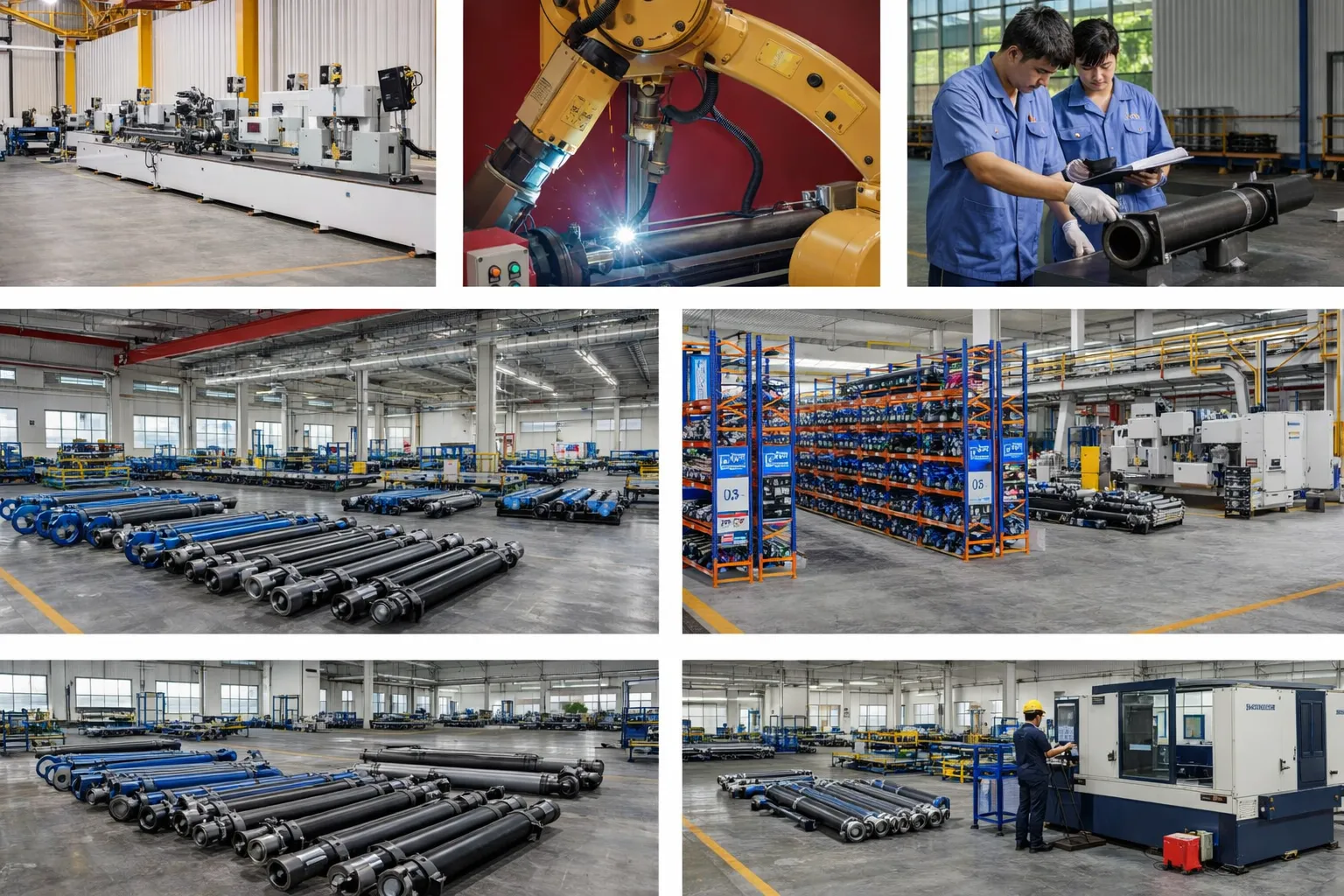
Manufacturing Process & Uncompromising Quality Control
Superior engineering design must be matched by flawless factory execution. Operating a vertically integrated production facility allows us absolute dominion over the manufacturing timeline and quality output. Every single step, from the initial ultrasonic flaw detection of the raw Q345D steel billets to the final automated multi-layer painting process, is conducted strictly in-house. Our precision CNC turning and skiving/roller burnishing centers ensure that the internal bore dimensional tolerances are held to microscopic standards. This creates an internal mirror-finish that drastically reduces friction and maximizes the lifespan of the internal Viton seals.
Quality assurance is not a random sampling process; it is the absolute cornerstone of our operational philosophy. Before dispatch, 100% of our hydraulic cylinder units undergo rigorous hydrostatic pressure testing on automated digital benches. We hold the units at 1.5 times their maximum rated working pressure for extended periods while electronically monitoring for pressure decay. This validation guarantees that seals are seated perfectly and that there is absolutely zero external weeping or internal leakage. Furthermore, we implement a strict digital traceability protocol; each cylinder is laser-etched with a unique serial number, logging its material heat batch, assembly details, and test results into our permanent database.
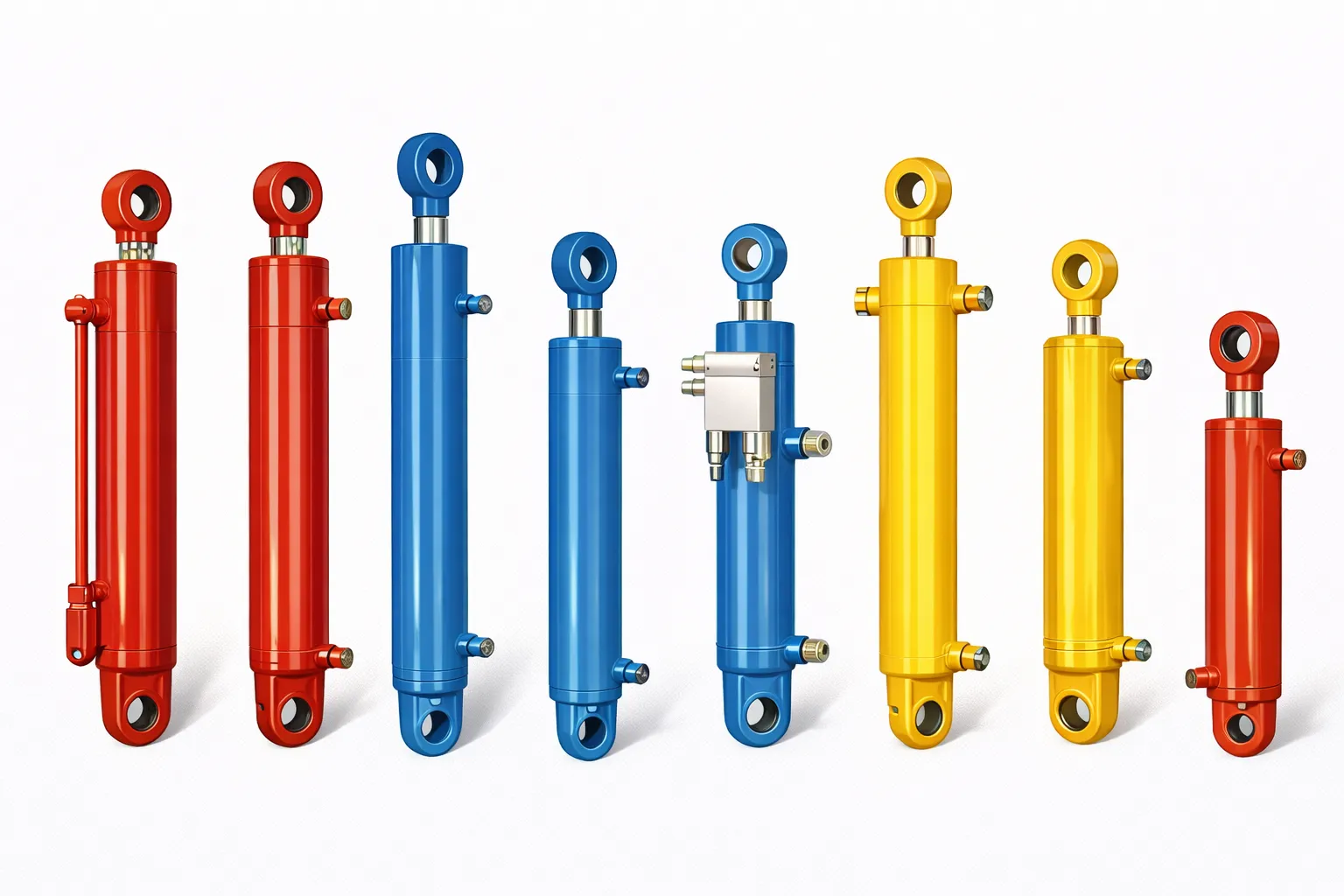
Expansive Industry Applications
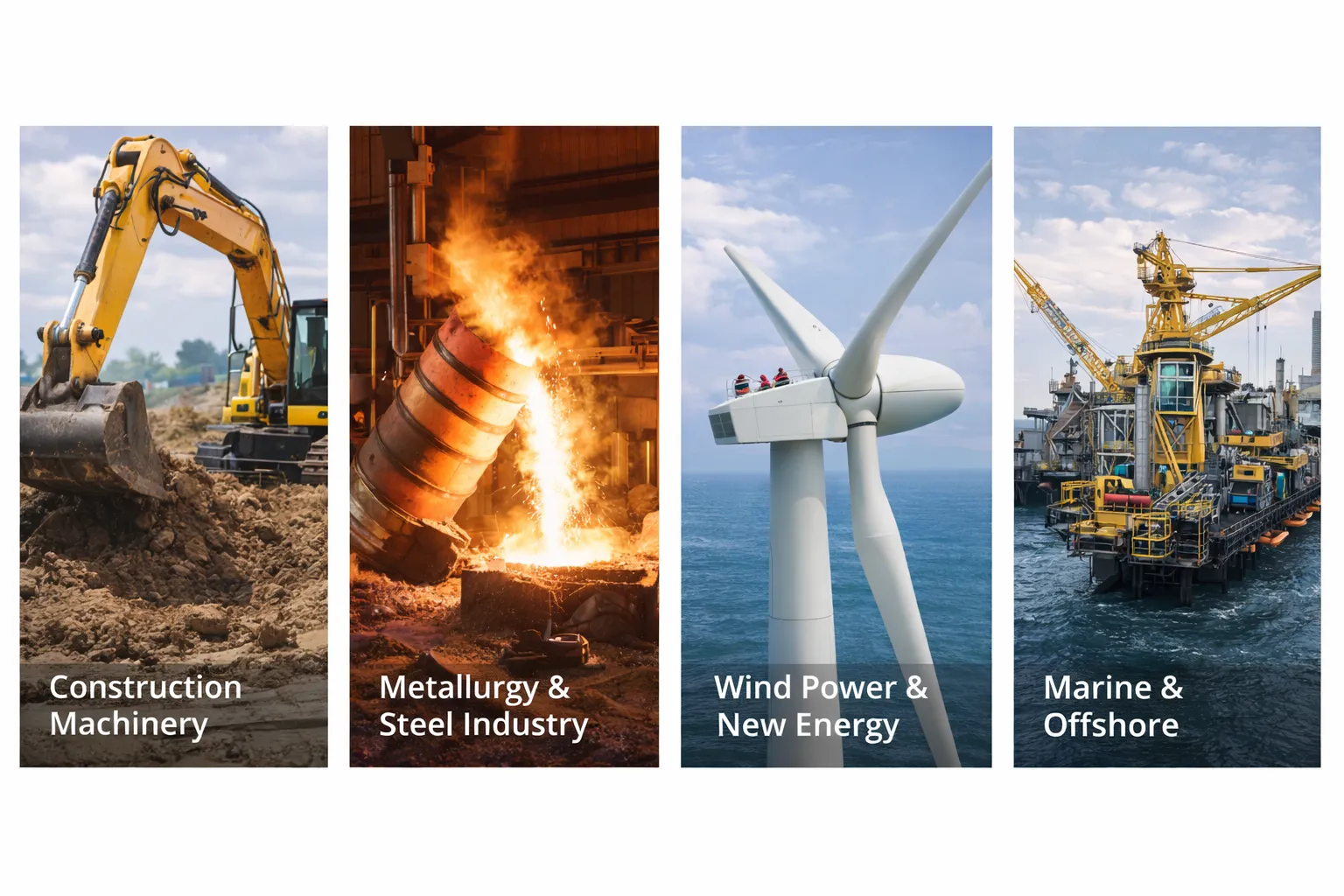
While this specific unit is perfectly optimized as a premier auger adjustment cylinder, the heavy-duty core technologies, zero-leakage capabilities, and high-temperature resistance developed for this product have wide-ranging relevance across multiple heavy industries. Our capacity to create highly customized, extreme-environment fluid power solutions makes us a preferred partner for various sectors. For more detailed application insights, explore our dedicated section on the construction machinery industry.
Engineering Machinery
Beyond asphalt pavers, our scraping and high-temperature technologies are heavily utilized in asphalt milling machines, road recyclers, and trenching equipment operating in heavy silica dust.
Metallurgy & Heavy Manufacturing
The extreme thermal stability of our Viton seals makes these units perfect for steel mills, safely operating blast furnace doors and precisely positioning molten metal ladles.
Plastics & Rubber Machinery
Industrial injection molding machines leverage our zero-leakage double acting hydraulic cylinder designs to maintain immense, stable clamping pressures near heated molds.
Material Handling & Logistics
Heavy-duty port forklifts and container reach stackers utilize our heavily sealed cylinders to prevent abrasive coastal salt and dust from destroying internal fluid power components.
New Energy & Environmental
Waste incineration plants and biomass facilities deploy our units because the aggressive rod scrapers easily clear away corrosive ash and sticky environmental debris continuously.
Specialized Custom Scenarios
Our engineering team rapidly prototypes bespoke, extreme-duty solutions for subsea exploration equipment, mining tunneling machines, and high-vibration screening plants.
Comparative Analysis: Standard Commercial vs. Our Dedicated Auger Cylinder
Understanding the profound difference in engineering quality is vital when selecting a hydraulic cylinder manufacturer. Procuring the cheapest parts often results in the highest operational costs due to unexpected road paving downtime. The table below provides a direct comparison illustrating why our specialized high-temperature solutions drastically outperform ordinary commercial cylinders in the field.
| Evaluation Metric | Ordinary Commercial Cylinder | Our High-Performance Auger Cylinder |
|---|---|---|
| Material Selection | Standard 1045 Carbon Steel (Prone to bending under heavy side loads) | Q345D Low-Alloy Structural Steel (Superior rigidity and high tensile strength) |
| Thermal Endurance | Basic Nitrile (NBR) rubber; melts, hardens, and shatters near hot asphalt. | Viton (Fluorocarbon); easily withstands 200°C continuous radiant heat safely. |
| Contamination Defense | Standard polyurethane dust wiper; easily overpowered and torn by sticky tar. | Heavy-duty metallic-encased scrapers; physically chisels and shears away asphalt. |
| Pressure Retention | Accepts small fluid bypass; causes the auger to slowly drop during paving. | Absolute zero internal leakage; holds fixed elevation for hours flawlessly. |
| Economic Value & ROI | Cheap upfront cost, but causes massive, unpredictable paving downtime. | Highly competitive bulk pricing with massive ROI through absolute field reliability. |
Global Field Evidence: Real B2B Success Profiles in Asia
Theoretical engineering must be validated by relentless field performance in the dirt, heat, and pressure of real construction sites. Through direct digital outreach and our robust distribution channels, we have empowered major construction entities across East Asia. Below are five detailed accounts proving the transformative impact of upgrading your equipment with our fluid power components.
1. Resolving Thermal Seal Failure on the Seoul Expressway — South Korea
Client: Tier-1 National Expressway Construction Firm
Application: Operating a massive fleet of Vögele pavers laying specialized high-temperature Polymer-Modified Asphalt (PMA) on major urban expressways during 16-hour shifts.
Connection: The chief procurement officer searched organically online for a specialized heat-resistant hydraulic cylinder manufacturer after experiencing sequential seal melt failures on OEM parts mid-season.
Results & Outcome: In May 2025, we rapidly supplied a batch of custom-fitted cylinders equipped exclusively with our high-temp Viton sealing architecture. The upgrade completely neutralized the thermal degradation. They concluded the entire summer paving season without a single pressure drop on the auger decks, eliminating material segregation entirely.
“The radiant heat from the polymer mix was destroying our standard seals weekly. Your Viton-equipped units handled the extreme temperatures flawlessly, saving us thousands in halted production and rejected paving sections.” – Mr. Kim T., Lead Fleet Maintenance Engineer
2. Defeating Abrasive Coastal Contamination at Busan Port — South Korea
Client: Maritime Port Expansion and Logistics Authority
Application: Heavy-duty, deep-base paving of port container yards using Volvo machinery in a highly saline, silica-rich coastal environment with sharp aggregate.
Connection: Engaged our engineering team via a B2B industrial sourcing portal after facing rapid chrome rod scoring and hydraulic fluid contamination issues that destroyed their pumps.
Results & Outcome: Delivered in late 2024. The salty coastal air combined with hot tar and crushed rock created an abrasive paste that quickly destroyed standard rods. Our micro-cracked hard chrome plating and aggressive metallic scraper seals physically sheared the hardened asphalt off upon every retraction. This protected the internal seals and extended the operational life of the hydraulic rams by over 300%.
“The scraper design is brilliant. The rods stay incredibly clean even when submerged in splashing asphalt and sand. We haven’t had a single gland seal failure since making the switch.” – Park H., Site Operations Manager
3. Precision Urban Resurfacing Control — Tokyo, Japan
Client: Metropolitan Roadworks and Utility Syndicate
Application: Executing continuous micro-adjustments of the material auger on compact BOMAG pavers maneuvering through tight, uneven city streets during night shifts.
Connection: Discovered our low-friction technology through an online technical whitepaper and contacted our sales division for a competitive hydraulic cylinder price.
Results & Outcome: Urban paving requires constant stopping, starting, and adjusting of the material flow. Their previous cylinders suffered from severe friction, causing jerky, inaccurate movements that disrupted the mat thickness. In April 2025, they retrofitted with our PTFE-guided models, achieving buttery-smooth adjustments and perfectly even asphalt distribution across complex intersections.
“The responsiveness of your components to our electronic leveling sensors is immediate. The operator has absolute control over the material flow without the hydraulics stuttering.” – Yuto T., Chief Paving Engineer
4. Structural Integrity for High-Shear Mountain Paving — Taipei, Taiwan
Client: Alpine Infrastructure and Civil Contractors
Application: Paving steep gradient mountain passes where gravity and heavy, dense aggregate cause extreme lateral shear stress on the auger assembly.
Connection: Direct email inquiry via our website, requesting customized structural reinforcements and consulting on cylinder rigidity for CAT machinery.
Results & Outcome: Working on steep inclines caused their standard 1045 steel cylinder barrels to micro-bend, leading to rapid asymmetrical seal wear and fluid blowouts. We supplied our heavy-wall Q345D alloy steel lift cylinder models in November 2024. The superior structural rigidity totally neutralized the sheer forces, eliminating catastrophic mid-job failures on dangerous curves.
“Your Q345D engineering solved a massive logistical headache for us. Trying to replace a blown cylinder on a 15-degree mountain slope is a nightmare. These units are practically bulletproof against lateral stress.” – Chen W., Project Lead
5. Rapid Fleet Retrofit & Legacy Modernization — Incheon, South Korea
Client: Heavy Equipment Leasing and Maintenance Corporation
Application: Upgrading a legacy fleet of older CAT and Dynapac pavers with modern, reliable hydraulic lifting components to extend their rental lifecycle.
Connection: Emailed our technical department with scanned original blueprints, needing reliable hydraulic parts since OEM replacements had been completely discontinued.
Results & Outcome: In January 2026, we successfully reverse-engineered the discontinued auger lift units. We applied our modern Q345D steel and Viton seal matrix to the exact original dimensional footprint, delivering 20 custom units within a strict 25-day lead time. The seamless retrofit breathed new life into the aging fleet without requiring any chassis modification.
“Finding a manufacturer willing to engineer custom dimensions while actively improving the baseline technology was critical for our business. The installation was a direct drop-in. Highly professional B2B service.” – Lee S., Procurement Head
B2B Client FAQ: Expert Engineering Insights
Procuring mission-critical fluid power components for heavy fleets requires absolute technical clarity. Our engineering support desk has compiled the most critical inquiries from global procurement officers and maintenance chiefs regarding this specialized auger adjustment cylinder product line.
1. Why do standard seals fail so quickly on an auger adjustment hydraulic cylinder?
The proximity to the hot mix asphalt creates a severe ambient temperature zone that easily exceeds the chemical limits of standard Nitrile (NBR) rubber. Once NBR reaches 90°C to 100°C, it begins to cook, harden, and permanently lose its geometric shape. When the seal hardens, high-pressure fluid bypasses the piston internally, causing the cylinder to drift downwards or leak externally. We solve this completely by utilizing Viton (FKM) which easily tolerates 200°C.
2. How does the Q345D steel barrel improve the cylinder’s operational lifespan?
The material conveying auger acts as a large screw, pushing heavy, dense aggregate laterally. This action creates severe transverse (side) loads and vibration that transfer directly to the cylinder barrel. Q345D is a structural low-alloy steel that offers much higher yield strength than standard mild steel. Because the barrel does not bend or flex under this extreme load, the internal hydraulic cylinder piston remains perfectly centered, entirely preventing asymmetrical seal wear and blowouts.
3. Can you manufacture these cylinders as direct replacements for older, discontinued pavers?
Yes, absolutely. Because we operate as a fully integrated hydraulic cylinder manufacturer, we specialize in custom reverse-engineering. Simply provide us with the closed pin-to-pin length, the required stroke length, the pin hole diameters, and the operating system pressure. We will machine a precise drop-in replacement that perfectly fits your legacy equipment while utilizing our modern high-temperature materials and anti-contamination designs.
4. What is the typical lead time for a bulk order shipped to South Korea?
Our strictly in-house manufacturing process allows for rapid turnaround times. For standard paver dimensions compatible with major global brands, we typically complete mass production in 15 to 20 working days. Ocean freight logistics to major ports like Busan or Incheon takes approximately 3 to 5 transit days. For critical breakdowns stopping an active highway project, we also routinely coordinate expedited air freight directly to your facility.
5. How do you prevent sticky asphalt from destroying the gland seals?
When hot asphalt splashes onto the extended rod, it cools and hardens quickly. Standard soft rubber dust wipers will simply fold or tear when the rod retracts against this hard mass. We engineer our cylinders with heavy-duty metal-encased scrapers that are rigidly sharp enough to physically chisel and break off the hardened asphalt before it can enter the cylinder gland, thereby protecting the internal oil and seals from contamination entirely.
6. Do you supply internal components for our mechanics to perform hydraulic cylinder repair?
Yes, we actively support large construction fleets that prefer to manage their own maintenance and perform fixing hydraulic cylinders in-house. Alongside fully assembled and tested units, we distribute comprehensive rebuilding kits. These include our proprietary high-temperature Viton seals, metal-encased scrapers, PTFE wear bands, and replacement piston assemblies, ensuring your mechanics can rebuild units to our exact factory specifications.
7. Why is a double acting cylinder required instead of a single acting one for this application?
A single acting hydraulic cylinder relies purely on gravity or weak mechanical springs to retract. In a paving scenario, the auger is buried in thick, viscous, sticky asphalt. Gravity alone cannot pull the heavy mechanism down rapidly enough through this resistive material. A double acting hydraulic cylinder utilizes pressurized hydraulic fluid to actively power both the lifting and the lowering strokes, granting the operator absolute, forced control over the auger position at all times.
8. How do you guarantee the quality and pressure rating before shipment?
We do not rely on random batch testing. 100% of our production output undergoes rigorous hydrostatic bench testing. Each hydraulic cylinder is cycled repeatedly to purge air and then pressurized to 1.5 times its maximum rated working capacity. The pressure is held and electronically monitored to ensure zero leakage or pressure drop before the unit is certified, painted, and laser-engraved with its unique serial number for global traceability.
Secure Your Paving Fleet’s Reliability Today
A failed auger lift mechanism results in halted asphalt laying, ruined road surfaces, and devastating financial penalties. Do not compromise your heavy machinery with inadequate, standard-grade commercial components that will melt and score under pressure. Partner with an expert manufacturer dedicated to thermal resilience, structural rigidity, and zero-leakage precision. Our engineering team is standing by to cross-reference your specific OEM dimensions, provide detailed technical assistance.
Editor: Cxm