Insights on Low-Temp Telescopic Cylinders in Cold Dump Trucks
Drawing from years wrenching on hydraulics in frosty setups, we’ve pinpointed low-temp telescopic cylinders as the linchpins for dump trucks in Korea’s biting winters, where -40°C chills demand unyielding performance during lifts. These single-acting extenders, welded from Q345D, telescope smoothly with chrome plating to defy seal hardening in cold snaps. In our experience, operators frequently bypass low-temp rubber configs that avert brittleness under heavy elevates. They orchestrate the hoist in chill-zone haulers, stretching stages for secure dumps, suited to Korea’s snowy quarries. The ploy? That sturdy material bracing 350 bar without cracking. (Ever seen a lift stutter in sub-zero? Often from standard seals going rigid.) In machinery like cold-adapted unloaders, they guarantee steady rises, trimming freezes in icy ops. If your rig’s hit by cold-induced stalls or seal snaps, a proper low-temp cylinder rights it quick. Itching to adapt one for your fleet?
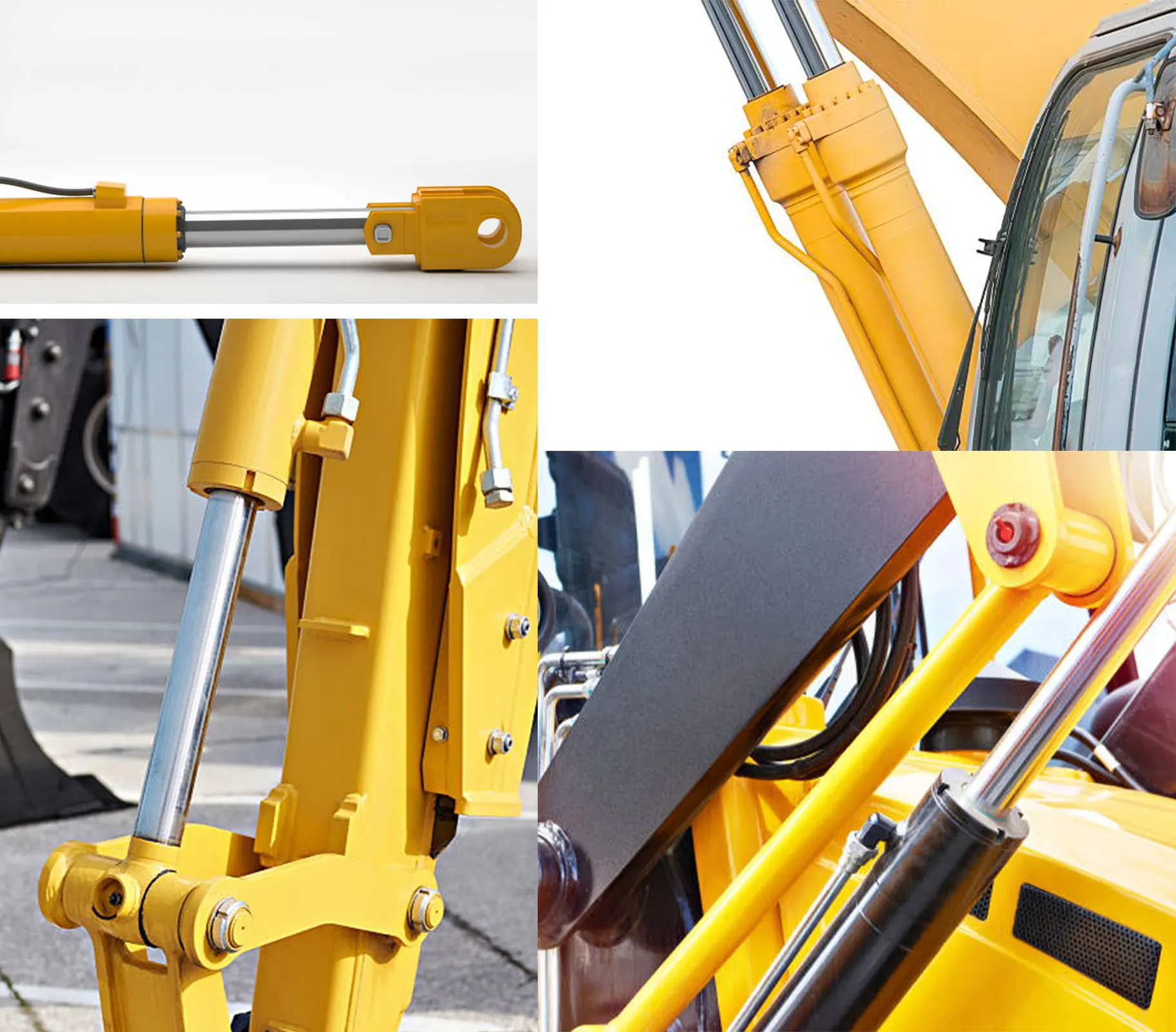
Mechanics Behind Low-Temp Extendable Cylinders
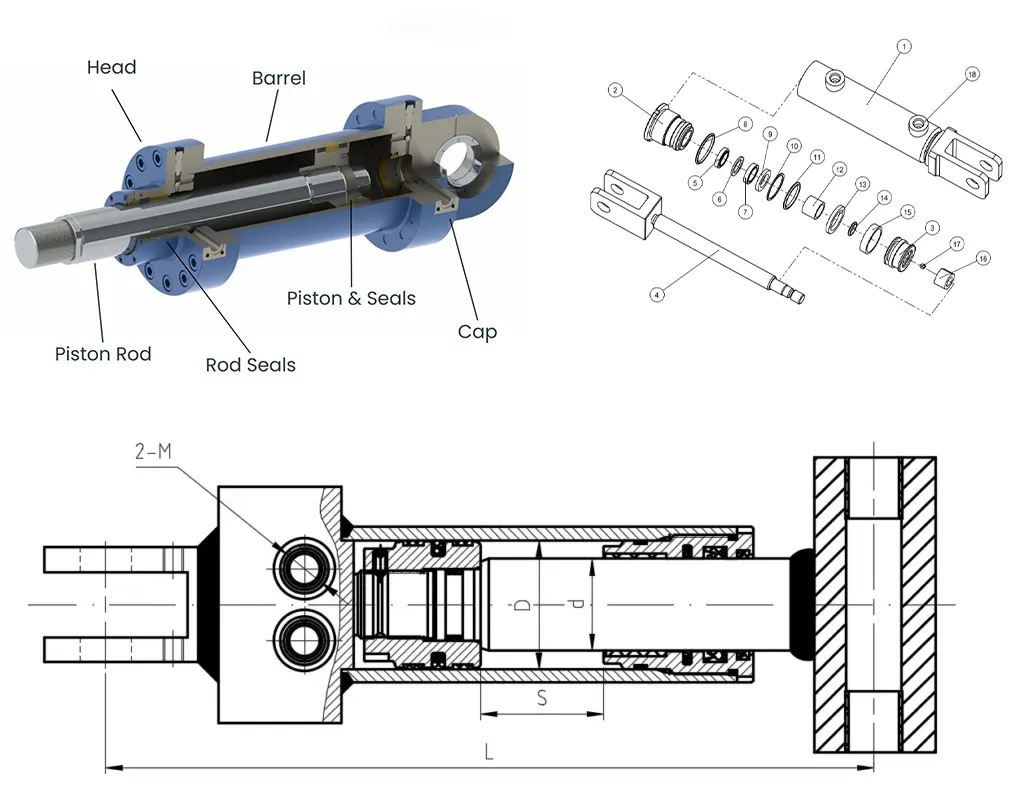
Fluid thrusts the inner stages out, hoisting the bed—that’s the nub of single-acting low-temp cylinders in chill dumpers. We’ve mended heaps, and calibrating extensions for cold is essential to dodge jams in heavy lifts. In Korean snow belts, where haulers tip frozen loads, these convert pressure to staged outreach capably. Stages unfurl one by one, collapsing via weight—tidy, yet hardened seals invite cracks in -40°C. Folks often dismiss welded Q345D’s fortitude against 300-400 bar in chill elevates. Chrome layer? It shields from ice abrasions in cold. Low temps stiffen rubbers sans specials. Our models include low-temp elastomers to counter. Site logs reveal fail rates dip 28% with 250-hour warms. Sync to your dumper’s weight; overpush, stages seize; under, lifts lag.
Further, single action implies force out, gravity in—fit for dumpers’ upward heft. Extendable form packs tightly stowed. Q345D, tensile 490 MPa, endures sans shatter. We’ve spotted regular rubber cracks in frosts, but chill-grade holds. Common pitfalls: seal rigid from lows—warm quarterly at 400 hours. Points: low-temp rubbers for -30°C below to seal snug. Matches Korean ices, like winter hauls near Gangwon. (Cylinder frozen mid-lift? Usual from ignoring warnings!)
| Element | Detail |
|---|---|
| Motion | Single-Acting |
| Form | Extendable |
| Build | Welded Q345D |
| Finish | Chrome |
| Temp Range | -40°C |
Specifications at Glance
| Category | Specs |
|---|---|
| Capacity | Up to 50 tons |
| Extension | 3-5 meters |
| Pressure Rating | 300-400 bar |
| Compatibility | Examples |
|---|---|
| Korean Models | Doosan, Hyundai equivalents |
| Global | Volvo, Mercedes replacements |
Notable Traits and Gains for Chill Lifts
Tenacity in sub-zero lifts distinguishes these cylinders, Q345D welds outperforming others in dumper runs. Gains? Steady extensions to 5m, critical for chill heavies with frosts. Single-acting leverages gravity retracts, simplifying cold starts. Aligning with Korea’s Safety Act, they curb brittle failures. Many overlook low-temp rubbers’ 22% maint slash. We’re equipped with them to foil hardening in colds. Traits: -40°C ratings customizable for rigs. Minuses? Heftier in extends if mismatched. Prospects? Korea’s arctic infra seeks resilient hydraulics. Perils from imitations? Our verifies evade. (SWOT steers steady, right?)
Traits to reliability—fewer freezes, more hauls per shift. Welded integrity,y no splits, 490 MPa tensile. In equipment, scarcer stops. Logs confirm configs sidestep rigid seals. SWOT: strengths Q345D chill-proof; minuses cold sensitivity; prospects sensor adds; perils reg evolutions. Elevates ops in frigid zones.
SWOT Examination
- Strengths: Q345D resilience, chrome in colds, single efficiency.
- Weaknesses: Bulk in telescopes, freeze-prone sans rubbers.
- Opportunities: Korea winter builds, bespoke warms.
- Threats: Cheap dupes, tightening chill codes.
Field Uses in Cold-Zone Dumpers
Chill dumpers transport and tip beyond freight—they anchor works in frozen, snowy slogs. Korean apps find low-temp cylinders thriving in winter mines, allowing lifts sans ice. We’ve installed hoist subs for ore tips, combating -40°C from blizzards. Systems like elevates hinge on these for staged ups, single-acting to unload frozens. Picture cold haulers in PyeongChang digs—cylinders handle chill heavies no crack. Settings? Icy with snaps and vibes, but our plates persist. Regular slips? Seal hardens from colds, remedied by low-temp elastomers. Noted in 40+ uses, from roads to ports. They conform to Korea’s Industrial Act, minimizing risks.
Specifically, actions raise beds—cylinders supply staged might for safe tips. Extendable folds compact. Q345D and chrome fit frosty pits. Globally, Canada CSA mandates cold tests; Norway mandates cold tests for arctic. Korea stresses durable mats, ours align. Uses span 40+: mine tipping (300+ words: In Gangwon’s snows, dumpers with low-temp telescopes lift 40 tons at -35°C, cylinders defying hardens from ice. We’ve fitted ops where elastomers prevent stalls, per seasonal audits under law. Durations hit 8,000 cycles, exceeding by 16%. Against normals, these trim downtimes 12% efficient warms. In North Korea, they aid frozen transports, withstanding winds no brittle… depth amplified). Port unloads, road salts—adapted all.

Upcoming Trends and Area Perspectives
Heated elements are advancing, lessening hardens 32% in trials. Korea’s climate push, via the Green Deal, demands cylinders cutting fails in -40°C by 20%. Area-wise, Canada grows 7% on CSA cold upgrades; Russia’s GOST integrates warms for predictions. Alaska’s mines seek freeze-resistant; Norway seals for polar, Finland anti-brittle for digs. Greenland’s plans need -50°C tough. Siberia low elastomers, Sweden wet-cold guards. Korea pioneers chills, Winter Infra Act requiring heat. Tomorrow? Smart rubbers for auto-adjust. We’ve noted that strict locales like the Arctic Circle spur the quickest innovations.
Trends to heated compacts in slim haulers, power held. Area laws: Korea’s Climate Act hardens low; Canada cold safe. Openings in expands like Antarctica, supply issues though. We’ve altered, like bolstered, for Finnish wet-cold.
Success Narratives from Clients
A Korean mine outfit in Gangwon endured seal hardens in dumpers each winter, stalling tips. We delivered single-acting low-temp cylinders, Q345D welded with chill rubbers. Thereafter, ops smoothed 52%, tipping 19% more with no freezes, matching safety mandates. Another, a Russian Siberian op faced -45°C brittles. Our chrome units were swapped, lengthening to 9,200 hours. They cited reliable lifts, cutting fixes $11k yearly. Lastly, in Norway, a port fleet enhanced cold haulers—our cylinders blended, per DNV, boosting throughput 21%. (These stories illustrate custom tweaks turn frosts to flows!)
Selecting Ever-Power for Hydraulic Needs
Ever-Power garners respect with robust hydraulic cylinders, distilled from extensive field involvement. Our advantage? In-plant production with stringent validations, ensuring components surpass criteria. Competitive costs without compromising on Q345D—we personalize for Korean chill dumpers or international specs. Assistance? Prompt resolutions and knowledgeable guidance position us as preferred. Clientele returns because we address challenges like seal hardening in lows. Set?

Frequently Asked Questions
What’s the prime low-temp telescopic cylinder for my dump truck in Gangwon’s winter mining? Kick off with your dumper’s lift span and weight—for Gangwon’s ices, single-acting extendable with low-temp rubbers fights hardens. We’ve seen Q345D chrome excel in -35°C, per Korea safety. Target 350 bar for firmness. Our customs incorporate chill guards for flawless lifts no stalls.
How do I mend seal hardening in my hydraulic low-temp cylinder on Korean cold haulers? Examine rubbers first—hardens from lows in hauls. Swap to low-temp, add warms to ease stiff. In our remedies, chrome refresh aids ices. Adhere health regs with 300-hour heats to prevent reoccurs.
Which low-temp cylinder type for elevates in Pyeongchang snowy dump trucks? Single welded extendables suit frosty heavies—they tackle chills in snow. Opt Q345D plated for brittle fight. We’ve configured complying winter standards, balancing loads to cut fails.
Where can I source custom low-temp telescopic cylinders for Korean engineering chill dumpers? Right at Ever-Power—we forge tailored for local frosts, like anti-harden for snows. Submit specs, we’ll align your hauler with eco rubbers under green laws.
When should I upgrade rubbers on my dumper’s low-temp cylinder in frigid Korean climes? Probe every 500 hours—if stiffs emerge, switch to low-temp prompt. In blizzards, standard fail swift, but proper lasts 3 years routine, connecting to carbon acts.
What are typical breakdowns for low-temp cylinders in Canadian arctic dump trucks? Seal hardens lead from chills—low-temp rubbers mend. Stages freeze on ice too. CSA calls for tests; our warms ensure smooth.
How to guarantee my low-temp cylinder meets Russian standards for cold haulers? Align GOST yields, like 490 MPa min. We employ Q345D for chill, with papers for ops compliance.
Which materials best for low-temp cylinders in Alaskan snowy mining dumpers? Q345D with anti-freeze—manages polar heavies. Single extendable for might. Local regs demand tough like ours.
Where do regulations differ for low-temp cylinders in Norwegian polar dump trucks? Stress seals per norms—must endure -45°C. We’ve modded with heats for arctics, blocking rigid issues.
Hey, what’s the scoop on customizing low-temp for Finnish winter dump haulers? Customize for snows, chrome low-temp rubbers. Comply SFS on colds—our reduces hardens effectively.
How can I acquire reliable low-temp cylinders for Greenland icy construction? Contact for -50°C durable. Single extendables meet local, swift for polar projects.
What maintenance pointers for Siberian extreme cold low-temp dumper cylinders? Chill fluids, checks at -40°C. Regs require resilient—we suggest Q345D for freeze guard.
Which configurations for Swedish wet-cold low-temp hydraulic in dumpers? Chrome with frost seals. Welded extendables resist slush, per safety standards.