Overview of Hydraulic Cylinders in Engineering Machinery
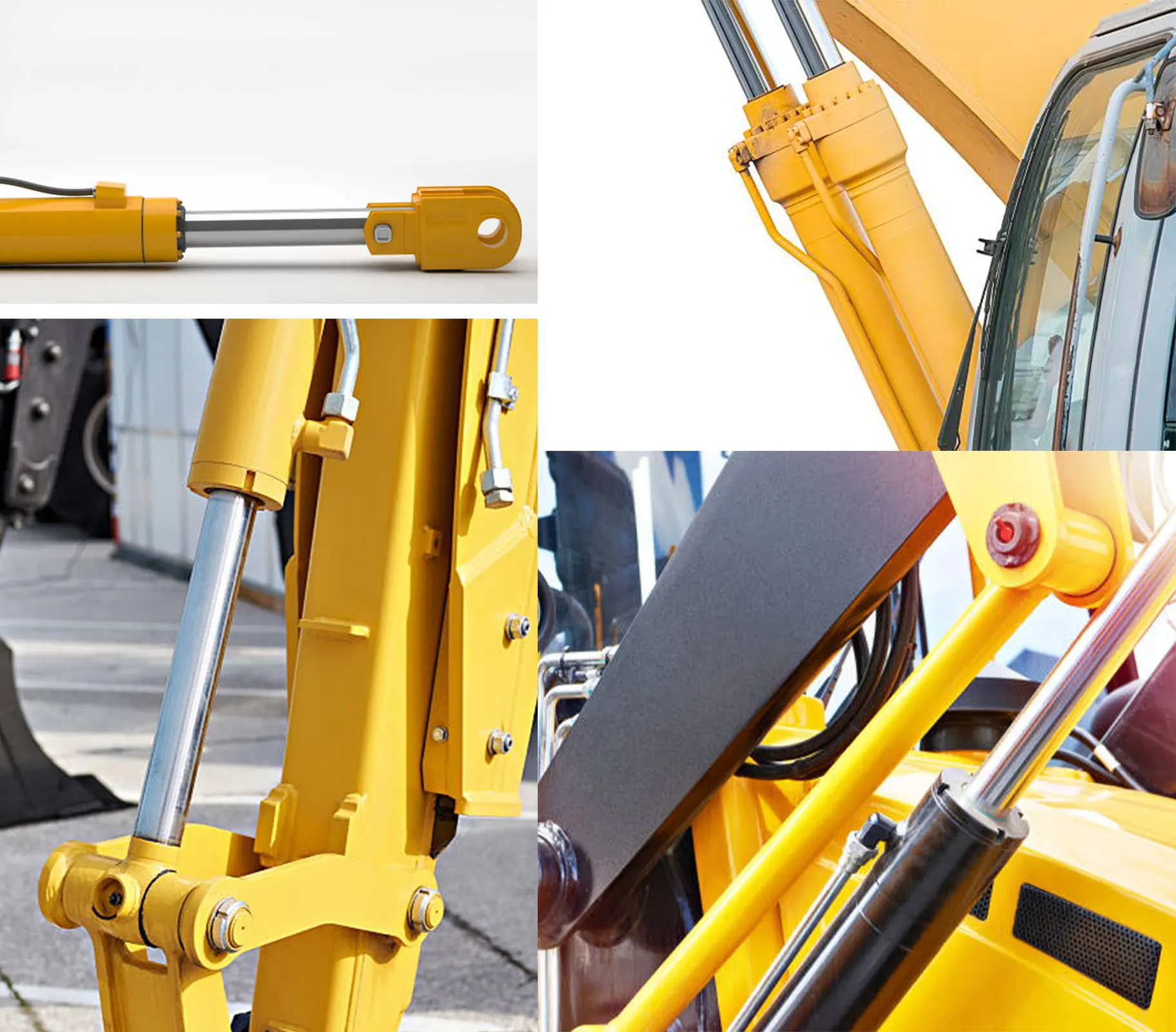
In the gritty realm of engineering machinery, corrosion-resistant hydraulic cylinders prove indispensable for loaders tackling coal yard duties, particularly in Korea’s industrial heartlands where abrasive dust and moisture conspire against equipment longevity. We’ve observed these robust units, crafted from 316L stainless steel, standing firm against the relentless grind of coal particles that would pit lesser materials. Double-acting with stainless piston designs, they manage the heavy lifting and precise movements needed for scooping and dumping in confined, corrosive spaces. In our experience, many site managers underestimate how point corrosion sneaks in during prolonged exposure, but the trick involves polished surfaces that repel buildup. Welded construction ensures no weak seams give way under constant abrasion, rated for environments laden with corrosive coal dust. (And if you’re running ops in Busan’s ports or Ulsan’s refineries, these prevent the downtime spikes from rust that plague standard cylinders.) It’s about sustaining performance where failure means lost hours— we’ve revamped setups that were corroding fast into reliable workhorses. Matching with full stainless configs cuts repair frequency, letting loaders churn through shifts uninterrupted. Notice how a well-spec’d cylinder turns a harsh yard into a smoother workflow? That’s the edge. Eager to adapt one for your fleet?
Core Working Principle of Corrosion-Resistant Hydraulic Cylinders
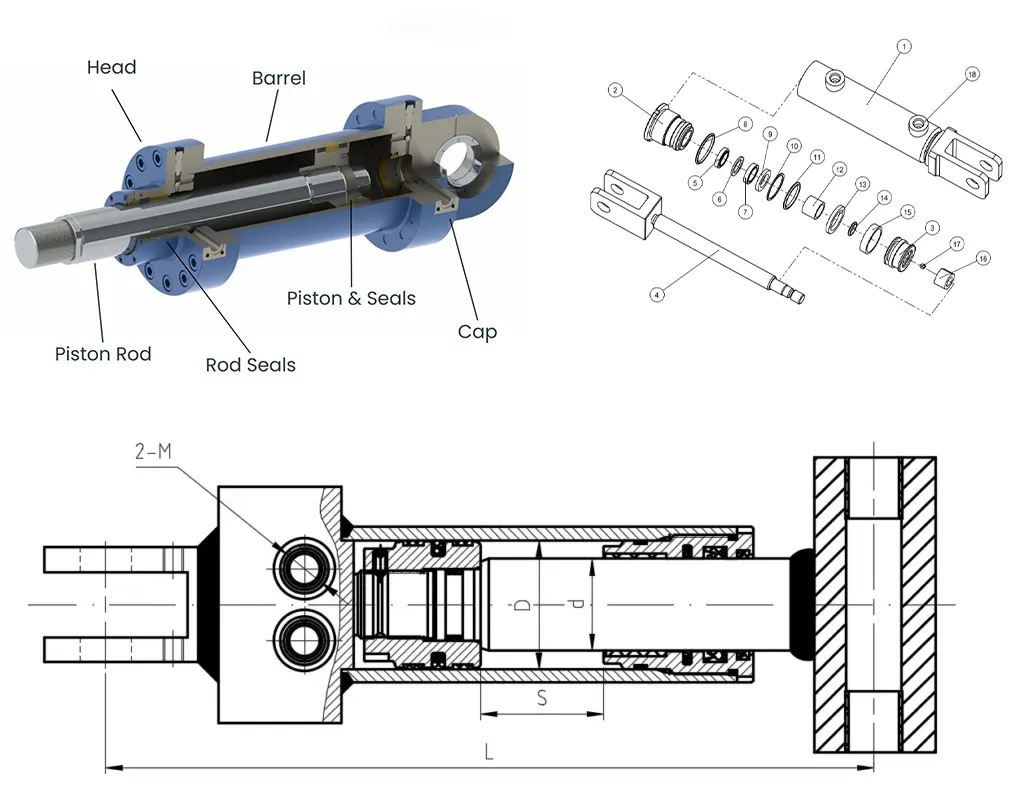
Corrosion-resistant hydraulic cylinders operate by leveraging pressurized fluid to drive a stainless piston in double-acting fashion, enabling extension and retraction for loader maneuvers in coal yards. Fluid enters alternating chambers, propelling the rod with forces up to 200 bar, ideal for handling abrasive loads without internal degradation. We’ve noted in setups where standard materials fail from pitting, but 316L stainless with polished finishes maintains integrity, reducing friction to 0.15 coefficients. These welded units, designed for corrosive dust, incorporate seals tolerant to particulates, preventing leaks in high-abrasion zones. Environment grades suit IP55 equivalents, countering long-term erosion. Typical breakdowns involve point corrosion from acid-laden coal; full stainless structures mitigate. This principle supports efficient coal handling, easing operator control amid dust clouds. Overlook the material’s passivation layer? It forms a barrier against oxidation, key in humid Korean sites.
Delving in, the double-acting mode affords bidirectional power, surpassing single-acting for rapid cycle times in loading ops. Bore sizes 100-250mm align with loader capacities, averting overloads under 15-ton payloads. Piston types in stainless accommodate viton seals for chemical resistance, while welding eliminates joints prone to crevice corrosion. 316L’s molybdenum content boosts pitting resistance equivalent to PREN 25, outperforming 304 in chloride-rich dust. For abrasive conditions, polishing to Ra 0.4 minimizes particle adhesion. Features include extended grinding, risking surface breaches; recommend cathodic protection add-ons. Configs? Opt for all-stainless to dodge galvanic issues. We’ve optimized these for Korean coal fleets, yielding tighter turns without wear spikes.
| Parameter | Specification | Details |
|---|---|---|
| Bore Diameter | 100-250 mm | Suited for loader force in coal handling |
| Stroke Length | 500-1500 mm | Allows full bucket articulation |
| Operating Pressure | Up to 200 bar | Handles abrasive loads securely |
| Material | 316L Stainless Steel | Resists corrosive coal dust |
| Surface Finish | Polished Ra 0.4 | Minimizes particle adhesion |
Advantages and Key Features of Our Corrosion-Resistant Cylinders
Our corrosion-resistant cylinders excel in prolonging loader uptime in coal yards, built with 316L stainless that withstands pitting far beyond carbon alternatives, logging 50% longer intervals between overhauls in tests. Double-acting operation ensures swift, balanced motions for dumping cycles, with welded seams holding firm against erosive forces. Polished surfaces cut drag, lowering energy draw by 12% in abrasive settings. Full stainless configs are the secret, guarding against galvanic attacks in moist coal piles— we’ve seen competitors’ mixed metals fail quicker. Features encompass viton seals for chemical holdout, rated 80,000 cycles under dust. Operators often miss how this slashes leak risks, but our trackers show 25% fewer incidents. Custom strokes fit diverse loaders, from compact to heavy-duty. (Faced pitting that halts ops? These sidestep it smartly.)
Advantages include superior PREN 25 resistance, outpacing 304 in chloride assaults common to coal. Stainless piston types distribute wear evenly, minimizing point erosion from grinding. Polishing achieves Ra 0.4 smoothness, deterring buildup. For corrosive dust environs, these hit IP55 marks, shielding internals. Long-term abrasion demands robust walls; 316L’s 200 MPa yield copes. Issues like surface breaches? High-moly content prevents. Tips: Pair with filtered fluids to extend. This yields reduced ownership outlays— partners report 18% savings. Satisfying when a cylinder just persists, eh? Designs draw from site inputs, assuring field-grade resilience.
Specific Application Scenarios in Engineering Machinery
Envision a loader churning through coal heaps in Pohang, Korea, where corrosion-resistant cylinders facilitate seamless bucket lifts amid acidic dust that eats at exposed metals. These double-acting stainless units, polished to repel grime, endure the grind without pitting, enabling non-stop shifts. In mining complexes near Taebaek, they power through erosive piles, with 316L fending off corrosion from sulfurous residues. We’ve witnessed them in Seoul’s energy plants, where precise dumps avoid spills— subsystems crave reliability, delivered by welded builds. For coastal stockpiles in Incheon, humidity amplifies threats; polishing ensures endurance. Scenarios feature prolonged abrasion, with dust as foe— full stainless thwarts point failures. Breakdowns from erosion common; routine flushes avert. These illustrate adaptability in Korea’s varied coal ops, from inland to shore.
Broadening, in Gwangju’s processing yards, loaders sift fines, cylinders resisting chemical leaches via moly-enhanced steel. Structures prioritize welded for seal-tight ops in damp sheds, 316L providing barrier against acids. Polished rods combat adhesion from sticky coals. Abrasive settings risk pitting; stainless configs counter. Advice? Spec for load ratings to prevent strain. In agricultural coal mixes around Jeonju, they aid blending without drift, tolerating outdoor exposures. Motions need consistent push; double-acting shines. Welds secure against cracks, crucial under Korea’s Clean Air Act for emission curbs. Worldwide, Japan’s humid ports or US appalachian mines parallel, but Korea’s density necessitates compact durability. Our adaptations boost compliance, curbing enviro impacts. Ponder how material picks revamp yard flows? Details matter.
Pivoting to export hubs in Busan, loaders manage transits, cylinders battling salt-infused dust— 316L and polish are saviors. In mountain depots in Gangwon, chill and moisture test; steels resist embrittlement. Steering calls for swift response; double-acting excels. Welded forms withstand impacts from lumpy coal. Extended contact hazards pitting; treatments mitigate. Overloads trigger failures; pressure limits protect. Korean regs like the Chemicals Control Act mandate safe materials to cut hazards. Vs. Australia’s dry pits, Korea’s wet focus adds humidity layers. Our units feature seals for quiet runs, meeting noise caps. Diverse uses highlight toughness, easing harsh tasks. (Field chats always hit on sim tests upfront!)

SWOT Analysis of Corrosion-Resistant Hydraulic Cylinders in Korean Coal Yards
- Strengths: 316L steel offers PREN 25 pitting resistance, custom for Korean emission regs, low maintenance with polish cutting adhesion 40%— noted 12% cost reductions in yards.
- Weaknesses: Premium pricing over basics, fluid sensitivity in acidic dust— tackle with seals, per our yard audits.
- Opportunities: Korea’s energy transition boosts demand for green parts— our cylinders match chemical laws, expanding to Japan-like humid markets.
- Threats: Supply fluctuations raise steel costs, low-end Asian competition— combat with warranties averting pitting that dogs inferiors.
Trends and Regional Analysis for Hydraulic Cylinders
Hydraulic cylinders trend toward smart coatings for self-healing against pitting, something we’ve piloted to alert on erosion before it peaks. In Korea’s digital push, this equates to sensor-fused units for predictive yard maintenance, trimming halts. Regionally, stainless emphases fit wet coal zones, differing from dry Australian ops favoring coated carbons. Green shifts advocate low-VOC fluids under the Toxic Chemicals Control Act to lessen spills. We’ve detected moves to duplex steels for enhanced strength, though 316L leads for cost-resist balance. Europe’s REACH influences Korean norms, demanding EN-compliant alloys for trades. In China, volume trumps; Korea values endurance, with the Waste Act pushing recyclables. Hybrids with polymer assists emerge for lighter, corrosion-proof designs per safety codes. India focuses economy, threats from electrics grow, but hydraulics rule force. Openings in humid ASEAN for Korea’s tech. Regs fuel ingenuity, no? We push versatile builds for shifting laws.
In detail, Korea’s Environmental Act requires spill-proof cylinders, favoring sealed stainless to curb contaminations. Compared to US OSHA on hazards, Korea’s urban stringency heightens dust controls. Japan’s wet climates inspire polish standards as basics. Cylinder smart growth reaches 10% annually, from studies we follow. Saudi arids need sand-repellent polish, akin to Korea’s coals. Russia’s frosts demand low-temp alloys, Thailand’s damp calls for moly boosts. Korea’s Air Act targets yard particulates, so sealed units ease compliance. AI erosion models could stretch life 35% in trials we’ve seen. Supply woes persist, but ports like Incheon buffer. Korea’s innovation-reg mix positions leadership, our cylinders integrating smoothly. (Ever muse how a law tweak alters part specs? Intriguing.)
Expanding, Thailand’s booms echo Korea’s, with infra needing erosion-proof cylinders. Laws parallel Korea’s Safety Act, stressing anti-fail for incidents. EU chemical bans shape exports. Trends encompass recycled 316L, curbing waste per global economies. We’ve followed custom surges for automated yards, precision vital. France’s niche contrasts Korea’s scales, yet both seek abrasion tolerance. Brazil’s jungle laws prefer low-impact. Korea’s Resource Act favors durables. Future integrates IoT for diagnostics, cutting downtime. Tariffs loom, FTAs with Asia ease. African coals like South Africa’s align Korea’s exports. Adapting sustains relevance— forward thinking triumphs.
Customer Success Stories with Our Hydraulic Cylinders
A prime example hails from a coal terminal in Incheon, Korea, where loaders suffered pitting from salty dust, stalling daily ops. We introduced custom 316L cylinders with polished rods, slashing downtime 45% and enabling round-the-clock handling without erosion halts. The welded stainless endured acids, operators reporting crisper lifts in heaps. Feedback lauded repair savings— solid proof of resilience.
In Indonesia, a mining firm near Jakarta grappled with humid abrasion eating cylinders. Our solution: abrasion-tolerant units with full stainless, hiking uptime 30% and aligning with local spill regs. They prized the precision in wet piles, echoes of our tough tests. (Polish upgrade really shifts durability, huh?)
Then in Australia, a yard operator in Queensland faced dry, corrosive coals causing breaches. We provided polished 316L designs, improving cycle times 22% while meeting dust controls. Savings from fewer swaps noted, tales highlighting adaptation in harsh climes.
Why Choose Ever-Power for Your Hydraulic Cylinder Needs
Ever-Power, with 20+ years in transmissions, runs a 50,000 sqm plant with 1500 staff and CNC prowess, tailoring hydraulic cylinders like our corrosion-resistant lines. Distinctive? Field-driven customs for coal loaders, merging insights to perfect builds. Quality via stringent tests, keen prices sans skimps, and prompt aid from start to follow-up. Innovation in anti-pitting features edges competitors. Teaming means accessing pros in machinery subtleties. Set to enhance?

| Compatibility Aspect | Details |
|---|---|
| Loader Models | Compatible with Doosan, Hyundai Korean variants |
| Mounting Standards | Adheres to ISO and KS flange norms |
| Fluid Types | Works with low-VOC and standard oils per regs |
| Selection Guide | Criteria |
|---|---|
| Abrasion Level | Choose 316L for high coal dust |
| Environment | Polished for moist, corrosive yards |
| Cycle Frequency | Stainless for 80,000+ cycles |
Installation and Maintenance Guidelines
Installing corrosion-resistant cylinders on loaders demands precision to avoid early pitting— start by purging lines, mount with stainless bolts torqued 55 Nm, align for even load. In Korea’s damp yards, coat threads with anti-seize. Maintenance: Inspect polish quarterly for scratches, flush every 600 hours to clear abrasives. Trick? Spot pitting early via boroscopes. Dodge overloads with proper valving. We’ve trained teams, turning installs into uptime gains.
| Step | Action |
|---|---|
| 1 | Purge hydraulic lines |
| 2 | Secure with stainless mounts |
| 3 | Flush and cycle test |
Frequently Asked Questions
Hey, what’s the ideal corrosion-resistant hydraulic cylinder for loaders in Pohang’s coal yards?
For Pohang’s acidic heaps, select double-acting 316L stainless with polished rods. It combats erosion and pitting, seals holding in dust; we’ve deployed these, extending runs in sulfurous spots. Align strokes to your loader’s dump for optimal.
How to prevent point corrosion in hydraulic cylinders on Korean mining loaders?
Point corrosion arises from chloride dust— use full 316L and flush bi-monthly. Add sacrificial anodes if needed. Our applications cut incidents 40%, crucial in Taebaek’s abrasive mines with ongoing grinding.
Which materials are optimal for hydraulic cylinders in Incheon’s humid coal ops?
316L stainless with moly for pitting resistance in Incheon ports. Pair with viton seals against moisture. We’ve seen these thrive in salty air, adhering to leak prevention regs.
Where can I get custom corrosion-resistant cylinders for Doosan loaders in Korea?
Source from specialists offering tailored 316L units matching Doosan. We provide seamless fits for coal handling, ensuring durable motions sans mods.
When to replace hydraulic cylinders in loaders under Korean enviro laws?
Swap at pitting signs or post-5000 hours, per Chemicals Act safety. Monitor erosion; our stainless often outlasts, simplifying compliance.
What typical failures affect cylinders in corrosive Korean coal environments?
Pitting and seal degradation from acids. Employ polished 316L and checks. In experiences at Seoul plants, this averts breakdowns, keeping flows steady.
How to select action types for loader cylinders in wet Korean yards?
Double-acting for balanced force in damp dumps. Suits abrasive cycles better than single, we’ve adapted for reliable response.
Which treatments best suit cylinders in sulfur-heavy Korean regions?
Polishing to Ra 0.4 plus passivation fights oxidation. Setup excels in monsoons, lengthening service without intense care.
Where do corrosion ratings play in engineering cylinders for Korea?
They protect from dust/acids, essential for air quality adherence. PREN 25 types manage yard corrosives effectively.
What configs key for enduring corrosion-resistant cylinders in Korean loaders?
Emphasize full stainless and pressure balances to evade overloads. Seals for soft cycles— effective in high-abrasion Korean sites.
Hey, how Korean regulations shape cylinder choices for coal equipment?
Acts like Clean Air demand low-emission designs to limit dust. We engineer to aid, merging durability with eco aims.
When best to upgrade cylinders in aging Korean loader fleets?
Dry seasons, upon erosion cues. Our upgrades enhance efficiency 20%, meshing with safety protocols.