Feeding Cylinder for Sintering Machine
Engineered to drive the mixture system in metallurgical plants, resisting abrasive dust and heavy mechanical impact to maintain your continuous production.
Product Overview and Industrial Value
In the heavy metallurgical sector, the constant and reliable operation of large-scale equipment directly determines plant profitability. The sintering machine is the heart of raw material preparation, agglomerating iron ore fines into a porous mass suitable for the blast furnace. Within this massive structure, the mixing material system controls the exact proportioning and delivery of raw materials. This continuous delivery relies on a specialized linear actuator known as the feeding cylinder. It operates the heavy gates and distribution shuttles that manage the flow of highly abrasive iron ore, fluxes, and coke breeze.
The operational environment here is incredibly destructive. The surrounding air is heavily saturated with fine, abrasive metallic dust that acts like a grinding compound on moving machine parts. Furthermore, as tons of heavy raw materials are dumped onto the feeding gates, the actuator experiences a massive kinetic shock known as the feeding impact. Standard commercial fluid power components will rapidly succumb to these conditions, resulting in blown seals, scored rods, and bent frames. Recognizing this specific industrial bottleneck, we have engineered a dedicated feeding hydraulic cylinder designed exclusively to survive and operate continuously in these hostile zones.
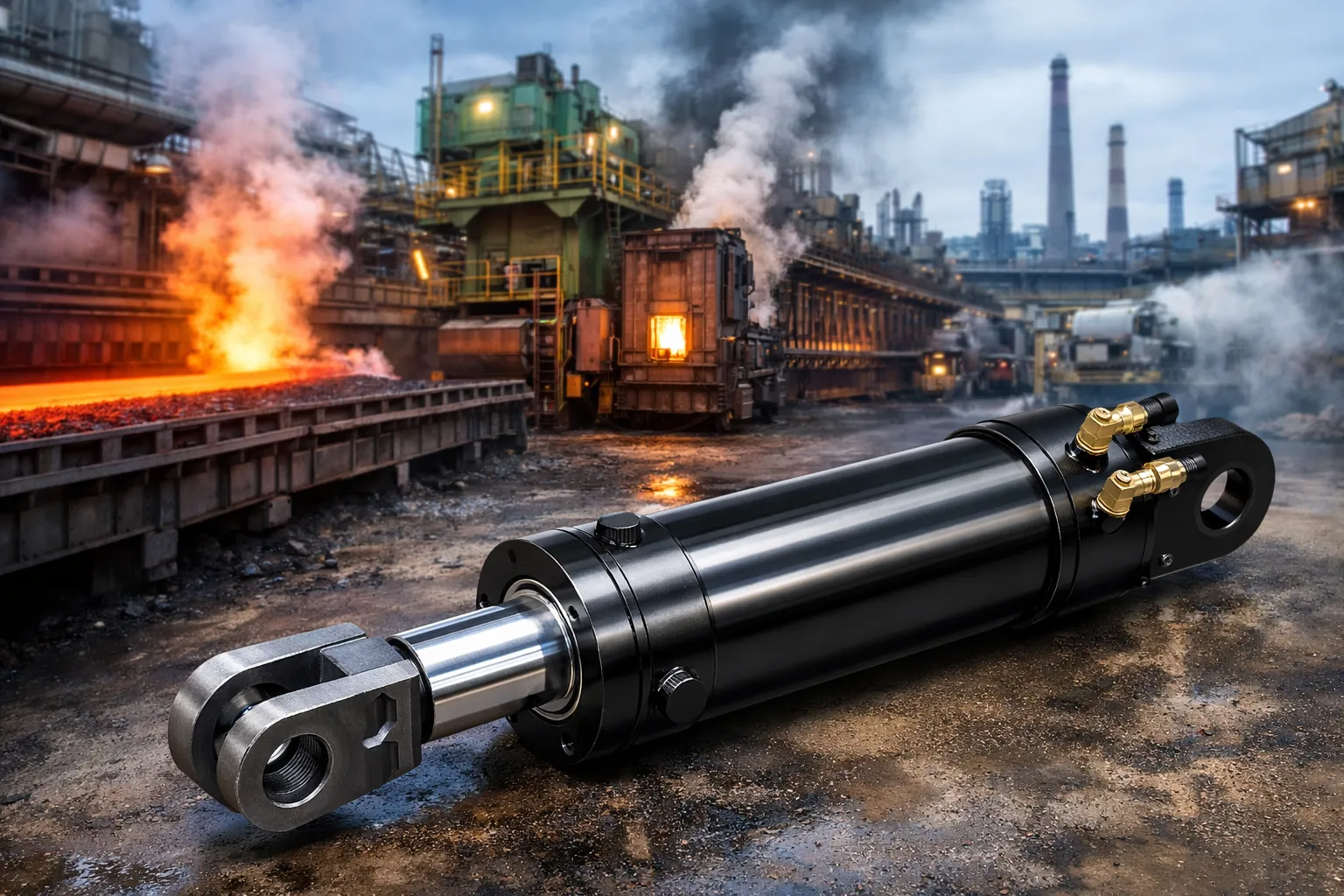
Our unique product positioning focuses entirely on extreme mechanical durability and absolute dust exclusion. By completely abandoning standard light-duty designs in favor of heavy-wall welded construction and proprietary multi-stage scraping seals, we provide a product that actively reduces your unscheduled maintenance downtime. We operate as a highly specialized hydraulic cylinder manufacturer, focusing on delivering components that genuinely lower your long-term operational costs and provide exceptional value far beyond the initial purchase price.
Technical Parameters and Customization Range
To perfectly match the force requirements and spatial constraints of your specific mixing material system, we offer highly customizable dimensions built upon a standardized heavy-duty framework. The table below details the specific engineering parameters and structural configurations of our metallurgical cylinders.
| Engineering Parameter | Specification Details and Range |
|---|---|
| Target Industry | Metallurgical and Iron Processing Industry |
| Equipment Category | Sintering Machine |
| Subsystem / Action | Mixture System / Material Gate Feeding |
| Cylinder Designation | Feeding Cylinder |
| Action Mode | Double acting hydraulic cylinder for powered extension and retraction |
| Structural Design | Piston type with shock-absorbing internal geometry |
| Manufacturing Structure | Fully Welded Construction (No tie-rods) |
| Material System | High-Yield Strength Carbon Steel Base and Barrel |
| Surface Treatment | Thick Micro-cracked Hard Chrome Plating |
| Environment Grade | Heavy Airborne Dust and Abrasive Particulates |
| Working Condition | High-Frequency Feeding Impact and Vibration |
| Typical Failure Mode Handled | Abrasive Wear, Rod Scoring, Internal Fluid Bypass |
| Recommended Internal Config. | Wide Wear-Resistant Guide Rings and Dual Scrapers |
Operational Mechanics and Working Principle
To appreciate the extreme durability required, one must examine the fluid dynamics and physical mechanics inside the mixture system. The actuator functions strictly as a high-force double acting hydraulic cylinder. This means it relies on pressurized hydraulic oil supplied by the central power unit to actively drive both the outward push and the inward pull strokes. Precision control over material volume demands immediate, forceful motion in both directions, making a basic gravity-return single acting hydraulic cylinder entirely unsuitable for this specific task.
When the plant’s control system initiates a material dump, fluid is heavily pressurized into the cap end (the blind end) of the heavy carbon steel barrel. This pressurized fluid pushes against the full surface area of the internal hydraulic cylinder piston, generating massive linear thrust. This force drives the heavy steel feeding gate open against the static weight of the iron ore. As the raw material suddenly drops, the cylinder experiences severe feeding impact—a kinetic shockwave that travels down the rod. Our thick-walled welded construction absorbs this shock entirely, preventing the barrel from stretching or ballooning.
To halt the material flow, the directional valves reverse the fluid path, pushing pressurized oil into the rod end and retracting the gate. It is during this retraction stroke that the equipment is most vulnerable. The extended rod is covered in highly abrasive sinter dust. If drawn inside the gland, this dust will destroy the primary seals and contaminate the plant’s central fluid reservoir. Our specialized design utilizes an aggressive dual-stage scraper system to violently shear this dust off the rod before it enters. Simultaneously, the internal wear-resistant guide rings act as bearings, keeping the hydraulic cylinder piston perfectly centered despite the heavy, uneven side loads generated by the moving gates. This harmonious mechanical balance is the key to our product’s longevity.
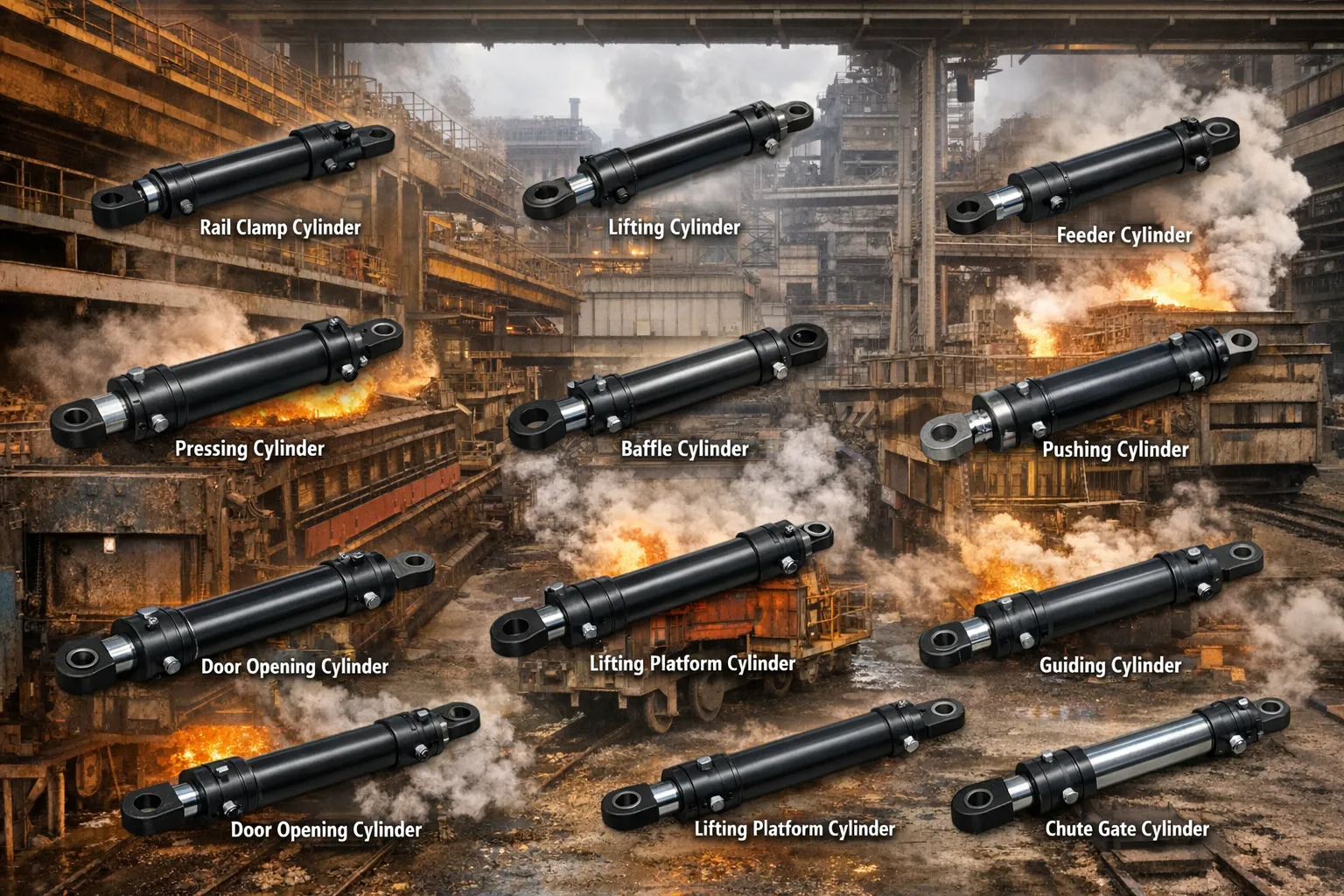
Seamless Integration and Global Brand Replacement
During urgent plant maintenance shutdowns, locating exact replacements for aging machinery is a constant struggle for procurement teams. Waiting months for imported original equipment manufacturer parts is not an option. We have structured our engineering department to provide rapid, exact drop-in replacements for standard international fluid power brands. We guarantee that our products will perfectly match the existing dimensional tolerances, mounting pin diameters, trunnion bracket widths, and hydraulic fluid port threads of your heavy equipment.
Our specialized metallurgical cylinders regularly serve as direct upgrades for machinery originally equipped with units from global brands such as Bosch Rexroth, Parker Hannifin, Eaton Vickers, SMC, and Yuken. Please be aware that the mention of these specific brand names is strictly for the purpose of technical sizing convenience, dimensional cross-referencing, and assisting plant engineers in model selection. We operate entirely as an independent hydraulic cylinder manufacturer and claim no trademark affiliation with these entities. By utilizing our custom manufacturing capabilities, you secure a highly competitive hydraulic cylinder price while significantly upgrading the internal wear resistance and dust protection of your plant’s actuators.
Five Core Technical Advantages
Standard commercial cylinders disintegrate in a sintering plant. By thoroughly analyzing the failure modes associated with the mixture system, we have systematically engineered out the standard points of weakness. Here are the five core technical advantages built into our products:
1. Advanced Ultra-Low Friction Sealing Technology
The heavy feeding gates often require slow, precise movements to control the material volume accurately. Standard rubber seals grip the barrel tightly, causing a shuddering “stick-slip” effect. We utilize specialized PTFE (Polytetrafluoroethylene) composite step seals and low-friction polyurethane energizers. This maintains a tight high-pressure fluid boundary while allowing perfectly smooth, jitter-free actuation, ensuring your PLC systems can dose material accurately.
2. High-Rigidity Welded Barrel Construction
To counter the severe feeding impact generated by heavy iron ore dropping, we completely avoid standard tie-rod designs. The long bolts on tie-rod cylinders stretch and loosen under continuous kinetic vibration, causing the end caps to leak fluid. Instead, our cylinder base and end caps are joined to the main thick-walled carbon steel barrel using deep-penetration automated robotic welding. This monolithic integrity prevents structural fatigue over millions of cycles.
3. Proprietary Wear-Resistant Guide Rings
The flow of heavy raw materials is rarely uniform, which induces significant eccentric side loads on the extended rod. Our cylinders are equipped with extra-wide, non-metallic composite guide rings. These heavy-duty bands wrap around the hydraulic cylinder piston and the rod gland, acting as sacrificial shock absorbers. They bear the extreme radial forces and prevent any metal-to-metal scoring between the moving parts and the honed inner barrel.
4. Aggressive Dust Exclusion and Hard Chrome Plating
Operating directly in an atmosphere thick with abrasive iron dust requires severe defense. We apply a multi-layer hard chrome plating process over induction-hardened steel. This creates an exceptionally hard surface finish that rejects scratching. Additionally, a tandem wiper system featuring a metallic ice-scraper physically shears off caked-on material before the secondary elastomer lip cleans the microscopic dust, keeping the internal fluid perfectly clean.
5. Thermal Stability and Fatigue Life Optimization
Sintering machines radiate immense heat. Standard nitrile hydraulic seals will bake, harden, crack, and fail when exposed to these ambient temperatures. We specifically select high-temperature resistant elastomer compounds (such as FKM) for all internal hydraulic cylinder components. Additionally, the geometric design of our trunnion and clevis mounting brackets is optimized to ensure maximum fatigue life under constant thermal stress.
Manufacturing Process and Uncompromising Quality Control
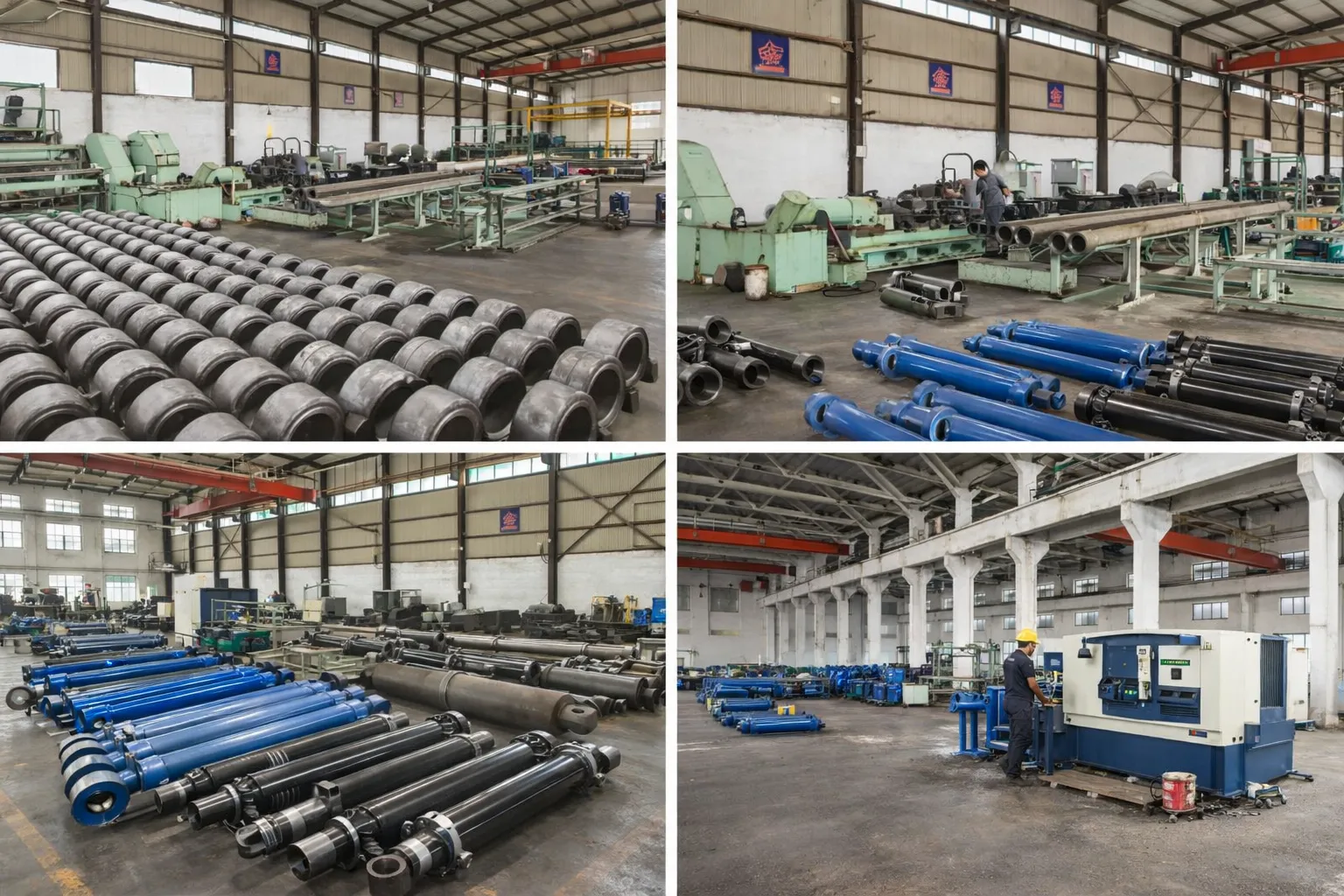
High reliability cannot be simply inspected into a heavy industrial product; it must be built into it from the raw material stage. We maintain absolute control over our entire vertically integrated manufacturing lifecycle. We begin by sourcing premium seamless carbon steel tubes and high-yield strength alloy bar stock. The internal bore of the cylinder barrel undergoes a highly precise skiving and roller burnishing process, achieving a mirror-like surface roughness (Ra < 0.2µm) that drastically reduces internal friction and maximizes the lifespan of the pressure seals.
Our automated CNC turning centers ensure that every component is cut to exact micrometer tolerances. During the assembly phase, our certified welders utilize submerged arc welding to ensure complete fusion and zero porosity in the structural joints, consistently verifying the welds using ultrasonic non-destructive testing (NDT). Quality control is the bedrock of our operation. Before shipping, every single feeding hydraulic cylinder is subjected to 100% factory pressure testing.
We aggressively push each unit to 1.5 times its rated operating pressure on digital test rigs to confirm zero internal fluid bypass and zero external weeping under load. Furthermore, every unit is permanently laser-engraved with a unique serial number. This provides full material and assembly traceability for years to come. When your maintenance team eventually needs to perform routine fixing hydraulic cylinders, simply quoting this serial number allows us to immediately dispatch the exact compatible seal kits to facilitate rapid hydraulic cylinder repair.
Broad Industry Applications
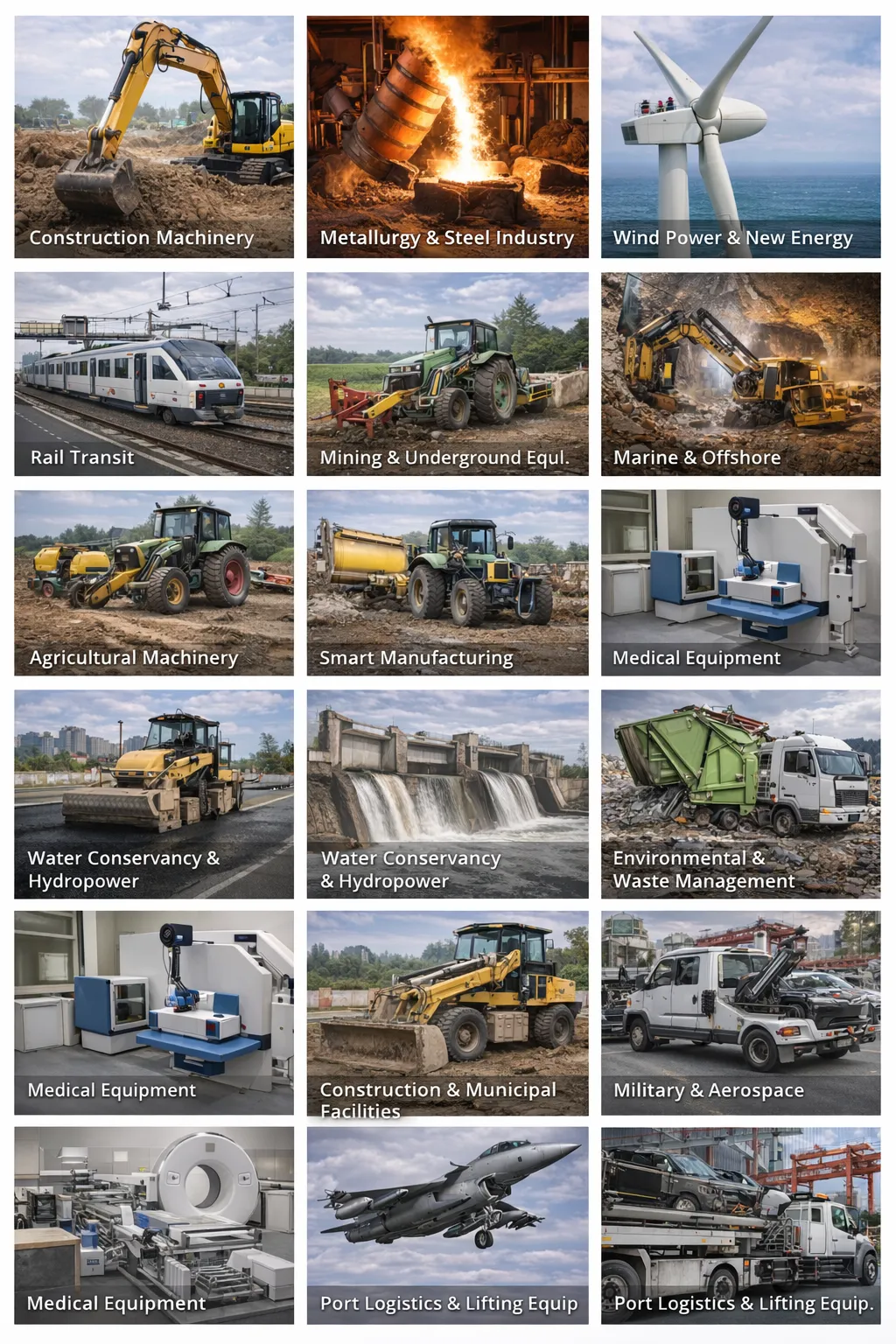
While this specific heavy-duty architecture is heavily optimized for the mixture systems of sintering machines, its rugged durability translates flawlessly to other demanding industrial sectors where standard hydraulic rams consistently fail.
- Engineering Machinery: The welded construction and high load capacity make these units ideal as a specialized lift cylinder or articulation actuator on heavy earthmoving excavators, wheel loaders, and tunneling equipment. Explore Construction Solutions.
- Metallurgy & Heavy Manufacturing: Beyond the sintering plant, these robust cylinders actuate electric arc furnace doors, ladle tilting mechanisms, and heavy pushing operations in continuous casting lines. Explore Metallurgical Solutions.
- Mining Industry: Operating in environments defined by severe rock dust and massive mechanical shock, our cylinders serve as highly reliable actuators for jaw crushers and bulk material screeners. Explore Mining Solutions.
- Plastics & Rubber Machinery: Providing the immense, sustained clamping force required for large-scale injection molding machines and high-temperature vulcanizing presses without pressure decay.
- Material Handling & Logistics: Driving heavy automated lifting platforms, dock levelers, and bulk cargo transfer stations where continuous operation is directly tied to terminal profitability.
- New Energy & Special Scenarios: Utilized in massive waste management compactors handling corrosive materials, and pitch control actuators for offshore wind turbines requiring advanced anti-corrosion plating.
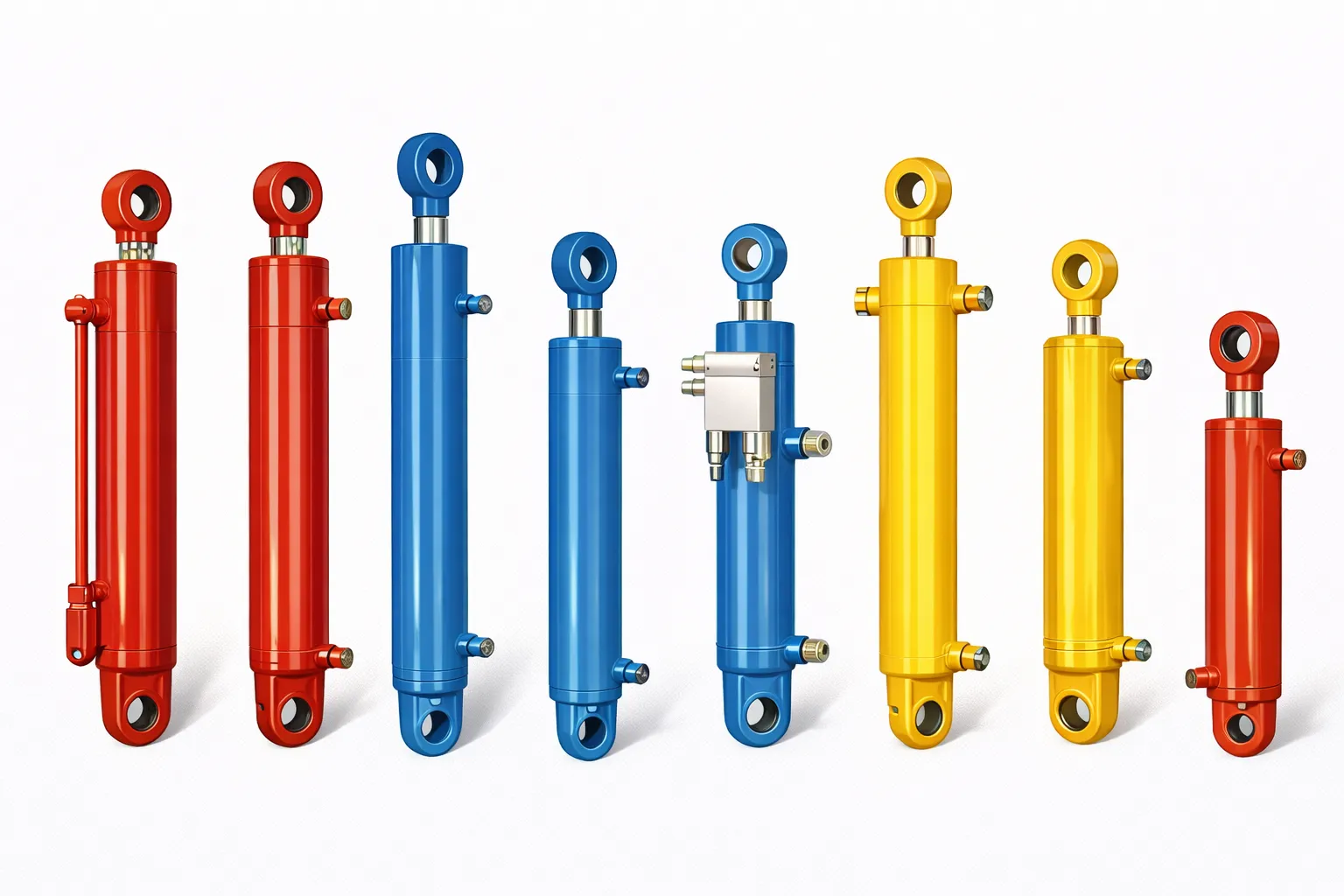
Comparative Analysis: Standard Market Cylinders vs. Our High-Performance Models
When making critical procurement decisions, evaluating the long-term total cost of ownership is far more important than just comparing the initial hydraulic cylinder price. The table below illustrates the stark technical differences between installing an ordinary commercial unit versus our specialized heavy-duty design.
| Component Feature | Ordinary Commercial Cylinder | Our High-Performance Feeding Cylinder |
|---|---|---|
| Structural Assembly | Tie-rod construction (Bolts stretch and leak under shock loads) | Heavy-wall Welded construction (Impervious to heavy kinetic impact) |
| Dust Protection | Single standard polyurethane wiper (Allows fine dust ingress) | Aggressive dual-scraper metallic and elastomer wiper system |
| Piston Guidance | Basic thin nylon strips (Prone to catastrophic internal scoring) | Wide-band composite wear-resistant guide rings handle extreme side loads |
| Rod Surface Finish | Thin commercial chrome plating (Scratches easily in abrasive ore) | Thick micro-cracked hard chrome plating over induction-hardened steel |
| Maintenance Needs | High frequency; requires regular seal replacement every 4-6 months | Significantly extended service intervals; reliably exceeds 18-24 months |
Real Case Studies in South Korea and Surrounding Regions
Our custom fluid power solutions have been successfully deployed across major industrial hubs, solving extremely critical equipment failures. Here are five detailed examples of our products operating in the field:
Case 1: Eradicating Abrasive Wear in Pohang, South Korea
Client Profile: A massive integrated steel mill operating multiple sintering lines.
Application: Main mixture feed line gates near the sintering bed.
The Challenge: In early 2024, the plant’s maintenance director found us via an organic web search for custom hydraulic parts. Their existing OEM cylinders were completely failing every three months because severe abrasive dust was bypassing the wipers, destroying the rod seals, and causing massive, dangerous fluid leaks onto the hot machinery.
The Solution & Result: We designed a custom feeding cylinder featuring an aggressive dual-scraper wiper system and our proprietary wear-resistant guide rings. After installation, the replacement cycle successfully extended beyond 18 months with absolute zero leakage.
“The reduction in maintenance downtime has saved our department a huge amount of capital. The heavy build quality is vastly superior to the standard parts we previously utilized.” — Mr. Choi, Plant Maintenance Director
Case 2: Resolving Feeding Impact Failures in Gwangyang, South Korea
Client Profile: A large heavy equipment manufacturing facility producing material handling systems.
Application: Heavy payload proportioning hopper alignment gates.
The Challenge: Reached out to our engineering team in November 2024 after receiving an industry referral. The standard tie-rod cylinders they were using for their machinery were physically stretching and weeping fluid under the high-frequency feeding impacts caused by raw ore dropping.
The Solution & Result: We supplied a heavy-wall welded carbon steel double acting hydraulic cylinder. The solid welded structure completely eliminated the bolt stretching issue, easily absorbing the kinetic shock of the falling materials without deformation.
“Moving directly to a fully welded design was the correct engineering decision. The cylinders absorb the kinetic shock flawlessly, maintaining system pressure without weeping.” — Park J.Y., Lead Mechanical Engineer
Case 3: Rapid Retrofit Project in Incheon, South Korea
Client Profile: An independent heavy machinery retrofitter specializing in metallurgical plant rebuilds.
Application: Rebuilding older sintering lines for a comprehensive facility upgrade.
The Challenge: Contacted our sales engineering team via our website in August 2025. They urgently needed a reliable manufacturing partner to supply 20 custom hydraulic rams with very short lead times, as their European supplier announced a 6-month delay.
The Solution & Result: By utilizing our extensive raw steel inventory and highly efficient CNC production lines, we engineered, machined, and delivered the complete batch of custom hydraulic cylinder components within just 4 weeks. Every single unit passed their on-site pressure tests.
“Speed, absolute dimensional accuracy, and reliability are what we need to hit our contract deadlines. They delivered on all fronts perfectly. We have now standardized their cylinders across our projects.” — Kim D.H., Project Director
Case 4: Curing Thermal Degradation in Ulsan, South Korea
Client Profile: A large-scale industrial plastics and rubber manufacturing plant.
Application: Heavy clamping mechanisms operating very close to the high-temperature injection heating zones.
The Challenge: Operating through the humid summer of 2024, they contacted us via a B2B platform. The severe radiant heat was baking their standard nitrile seals, causing rapid hardening, sudden pressure loss, and dangerous “stick-slip” motion during clamping.
The Solution & Result: We deployed units utilizing advanced PTFE step seals and high-temperature FKM elastomers. The stick-slip issue was entirely resolved, and the cylinders now hold maximum clamping pressure for extended durations without thermal decay.
“The precision control is remarkable. They accurately diagnosed our thermal seal failure issue and provided the exact metallurgical and chemical solution we needed.” — Lee W.C., Operations Supervisor
Case 5: Solving Heavy Corrosion in Busan, South Korea
Client Profile: A major port logistics and bulk material handling terminal.
Application: Massive automated ship unloader booms and alignment systems.
The Challenge: In January 2025, the terminal manager emailed us directly. The combination of highly abrasive iron ore dust and heavily corrosive, humid sea air was rapidly pitting the chrome rods of their existing European cylinders, destroying the gland seals.
The Solution & Result: We provided custom-built cylinders featuring a highly specialized, extra-thick micro-cracked hard chrome plating over an induction-hardened base. After 14 months of continuous outdoor operation, the rods show absolutely zero signs of pitting or rust.
“The heavy marine-grade plating applied to these rods is outstanding. An excellent balance of cost and high performance that finally solved our coastal corrosion issues.” — Jung S.M., Terminal Maintenance Head
Frequently Asked Questions (FAQ)
For procurement officers, B2B buyers, and technical plant engineers evaluating an upgrade to our heavy-duty fluid power systems, we have compiled detailed answers to the most common operational and commercial inquiries.
1. What technical information do you need to provide a custom engineering quotation?
2. How does your product handle the severe feeding impact common in mixture systems?
3. Are you able to provide an exact drop-in replacement for European or Japanese brands?
4. What is the typical lead time for standard deliveries to South Korea?
5. Do you supply seal kits and parts for routine maintenance down the line?
6. How do your prices compare to standard commercial OEM parts?
Maximize Your Sintering Machine Uptime Today
Do not allow severe abrasive wear and destructive feeding impacts to dictate your plant’s production schedule. Upgrade your machinery to a heavy-duty actuation system engineered explicitly for the brutal realities of the metallurgical industry.
Partner with a highly dedicated fluid power expert today. Provide our engineering team with your specific dimensional requirements, and we will rapidly deliver a comprehensive technical assessment and a highly competitive commercial quotation.
Editor: Cxm