Hatch Cover Cylinder for Hatch Systems
Engineered specifically for heavy-duty sealing marine offshore environments. Built with 316L stainless steel to eradicate pitting and ensure flawless cargo protection during continuous seawater immersion.
Product Overview: Securing Maritime Cargo Integrity
In the demanding field of international maritime logistics, the physical security of a vessel’s cargo hold is a primary concern. When a bulk carrier or specialized transport ship navigates through severe ocean weather, the massive steel covers on the weather deck serve as the main defensive barrier against the sea. The mechanical heavy lifting required to operate these large steel structures depends heavily on the performance of a dedicated hatch cover cylinder. If this specific fluid power component malfunctions, the vessel can experience long logistical delays at the port, serious cargo damage, and significant safety risks due to water ingress.
Operating deck machinery in a heavy-duty sealing marine offshore environment brings intense mechanical and chemical challenges. Standard industrial actuators deteriorate rapidly here. Continuous seawater immersion and salt spray cause a rapid chemical breakdown on generic steel, leading directly to pitting corrosion. Once the rod surface develops these sharp, microscopic pits, the abrasive edges tear the internal rubber seals apart every time the unit actuates. This results in massive fluid leakage and the complete inability of the hatch cover hydraulic cylinder to generate lifting pressure. For fleet managers and shipyard operators based in major maritime hubs across South Korea and Japan, these unplanned maintenance events consume large portions of the operational budget.
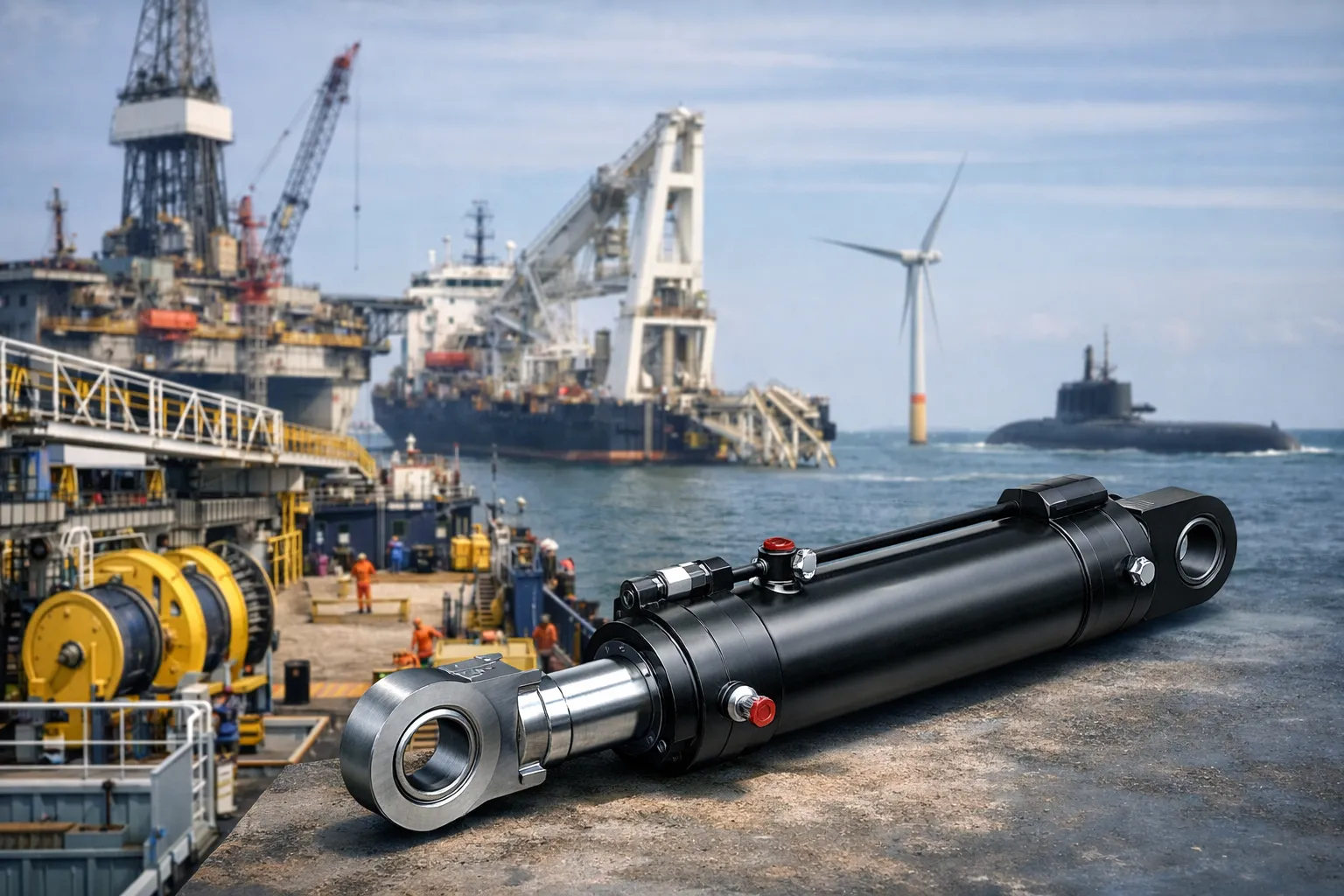
As an established hydraulic cylinder manufacturer, we have developed a definitive solution to these specific maritime equipment failures. Our marine fluid power engineering focuses on a fully welded stainless steel piston cylinder design. By utilizing premium 316L material combined with highly polished surface treatments, our cylinder completely resists chloride-induced pitting. We guarantee that opening and closing hatch covers remains a highly synchronized, reliable operation, allowing your vessel to execute rapid port turnarounds and adhere to strict commercial shipping schedules without the constant fear of sudden equipment breakdowns.
Detailed Technical Parameters and Customization Range
Because vessel designs vary significantly, the physical dimensions and functional requirements of deck machinery differ from ship to ship. To address this, we maintain an extensive customization range alongside our standard heavy-duty marine specifications. The table below details the engineering parameters that define our equipment, ensuring exact integration with your specific hatch systems while maintaining full compliance with maritime classification societies.
| Engineering Specification | Standard Marine Baseline | Available Customization Options |
|---|---|---|
| Industry Domain | Heavy-duty sealing marine offshore | Adaptable for specialized dredging vessels and naval ships |
| Equipment Target | Hatch systems / Hatch cover | Roll-on/Roll-off ramps and watertight bulkheads |
| Core Mechanism Name | Hatch Cover Cylinder | Compatible with multi-panel folding linkages |
| Fluid Action Principle | Double acting | Proportional valving for synchronized multi-point lifting |
| Manufacturing Structure | Stainless steel piston cylinder / Welded | Trunnion, clevis, or custom spherical bearing mounts |
| Material Base System | 316L | Duplex alloys for extremely high salinity exposure |
| Exterior Surface Finish | Polished | Specialized hard coatings for abrasive ice-class environments |
| Environmental Tolerance | Seawater immersion | Arctic fluid adaptations capable of -40 degrees Celsius |
| Addressed Operation | Opening and closing hatch covers | Impact dampening cushions for rapid closure protection |
| Defeated Failure Mode | Pitting | Heavy-duty scrapers to remove crystallized salt |
Operational Dynamics: Controlling the Deck
To recognize the structural capability of this deck equipment, you must consider the kinetic forces involved. When opening and closing covers that weigh dozens of tons, wind resistance and gravity become highly unpredictable factors. A basic single acting hydraulic cylinder, which only uses gravity to retract, presents a massive safety risk on a vessel. If the ship rolls or a strong wind catches the raised steel panels, the lack of pressurized internal fluid control can cause the covers to free-fall, severely damaging the deck coaming or endangering the crew.
This physical reality dictates the use of a heavy-duty double acting hydraulic cylinder. When the deck officer triggers the manifold to open the hold, the ship’s central hydraulic power unit sends high-pressure hydraulic fluid into the base chamber of the unit. This fluid acts forcefully against the total surface area of the internal hydraulic cylinder piston. The highly polished 316L rod extends outward with immense thrust, pushing the mechanical hinges and lifting the heavy panels safely upward and away from the hold.
The primary mechanical advantage of the double-acting system becomes apparent during the closing sequence. Fluid is routed to the rod-end port, actively pulling the piston back into the barrel. This pressurized retraction guarantees that the heavy covers are lowered smoothly, fighting against gravity through the use of integrated counterbalance valves. Furthermore, it uses active fluid power to pull the steel covers down hard against the thick rubber weather seals, completing the heavy-duty sealing process and establishing a watertight barrier against the ocean. This continuous, bi-directional control is why marine operators specify our engineered hydraulic cylinder models.
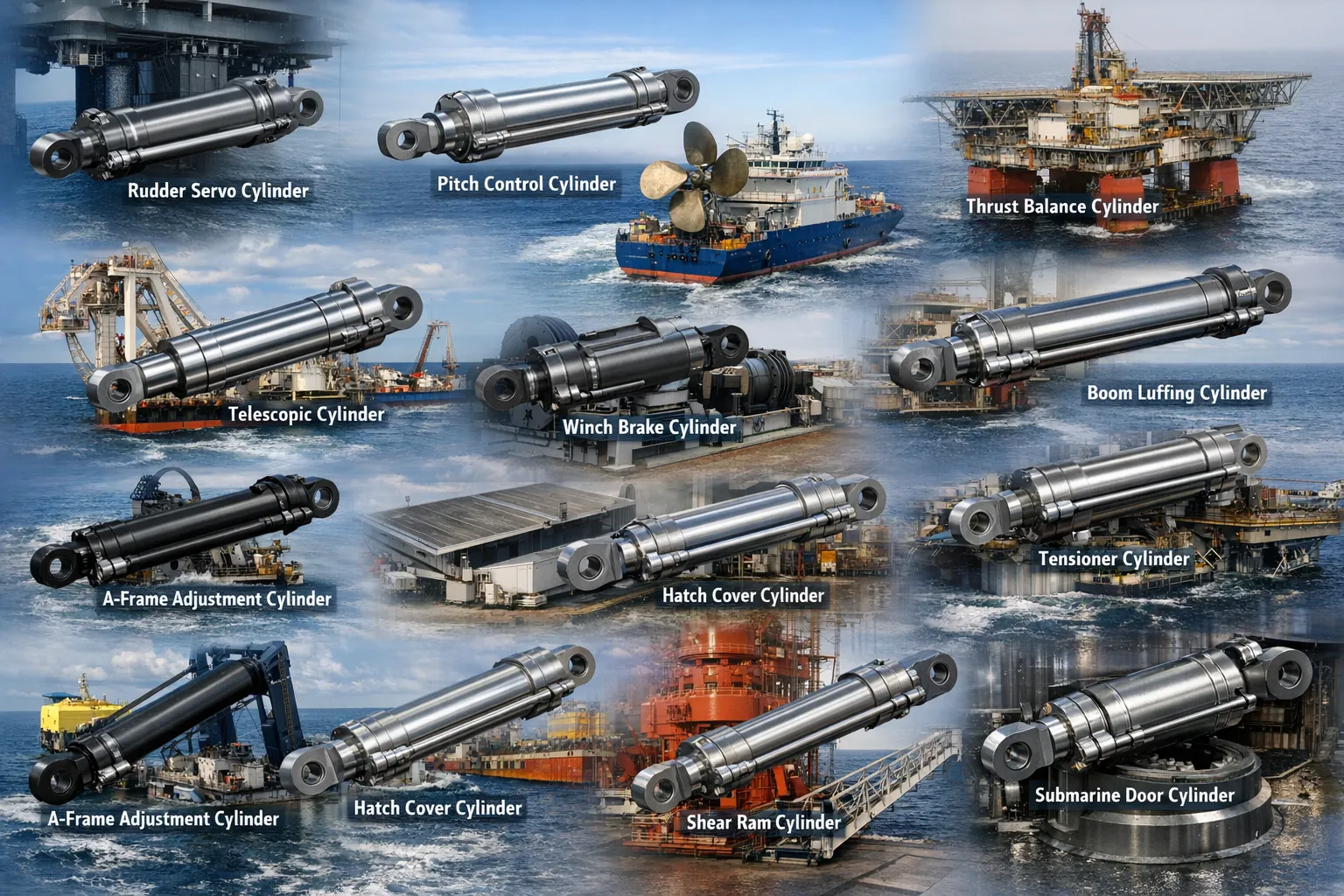
Direct Drop-In Replacement for Global Marine Brands
Dry-docking a commercial vessel is an incredibly expensive process. Fleet operators in major shipyards across South Korea and the surrounding region cannot accept the long lead times demanded by European original equipment manufacturers (OEMs) for spare hydraulic parts. To solve this procurement delay, our engineering team has dimensionally mapped our marine product portfolio to serve as exact drop-in replacements for aging and failing legacy equipment.
If your deck machinery currently uses actuators originally manufactured by MacGregor, TTS Marine, Navire, Bosch Rexroth, or Parker Hannifin, we can provide direct equivalents. We rigorously match the pin-to-pin closed lengths, spherical bearing diameters, and fluid port thread configurations. (Please note: The mention of these specific brand names is provided solely for technical sizing reference and fitment matching, aiding marine personnel in evaluating compatibility. We operate as an independent manufacturer and claim no commercial affiliation with these trademarked entities.)
Attempting to preserve capital by fixing hydraulic cylinders that are already heavily pitted by seawater is a false economy. Machine shop repairs, such as grinding down the rod and re-plating it, rarely restore the original integrity, and the unit will inevitably leak again quickly. By upgrading to our solid 316L stainless steel replacement units, you eliminate the actual root cause of the breakdown. Combined with our highly competitive direct-from-factory hydraulic cylinder price, total replacement is the clear strategy for ensuring long-term fleet operational readiness.
Definitive Engineering Advantages for the Marine Sector
Enduring the mechanical abuse and chemical attack of the open ocean requires highly specific engineering choices. The following technical superiorities are integrated into every marine unit we fabricate, separating them entirely from standard commercial hydraulic rams:
1. Total Immunity to Pitting
Generic carbon steel rods use a thin hard-chrome layer that develops micro-cracks under normal deck vibrations. Seawater penetrates these microscopic fissures, causing rapid subsurface rust and destructive pitting. By manufacturing our entire piston cylinder structure from solid 316L material, we inherently block chloride attack, ensuring total survival even during constant seawater immersion.
2. Ultra-Smooth Polished Surface Finish
Marine environments constantly deposit abrasive dried salt crystals on exposed metal. We use multi-stage abrasive polishing techniques to reduce the surface roughness of our 316L rods to a near-mirror finish. This slick surface prevents salt from adhering deeply, protecting the primary rubber seals from abrasive scoring when the rod pulls back into the barrel.
3. Unyielding Welded Architecture
Vessels bend and twist significantly when riding over large ocean swells. Basic tie-rod designs flex along with the ship’s deck, loosening the internal seals and causing sudden fluid blow-by. Our heavy-duty welded construction merges the main barrel, base cap, and mounting trunnions into a single, solid piece of steel, guaranteeing absolute structural rigidity.
4. Advanced Self-Lubricating Seals
Deck machinery can sit completely idle for weeks during a long ocean transit. Standard rubber seals dry out and bond to the metal rod, causing violent shuddering when finally actuated. We install specialized PTFE composite sealing rings on the piston and gland head. This ensures ultra-low friction movement, eliminating any “stick-slip” juddering.
5. High-Load Impact Cushions
Allowing a heavy hatch cover to slam shut freely will rapidly deform the hinges and the deck coaming. Our units feature progressive hydraulic dampening cushions at the extreme ends of the stroke. This internal fluid geometry ensures the heavy steel plates decelerate softly and seat themselves gently, protecting the vessel’s structural framework from shock loads.
6. Integrated Safety Valves
Safety on a wet deck is the highest operational priority. We can directly integrate pilot-operated check valves and counterbalance valves into the steel barrel of the actuator. If a main hydraulic hose suddenly ruptures, these integrated valves instantly lock the pressurized fluid inside the cylinder, preventing the heavy covers from crashing down on the crew.
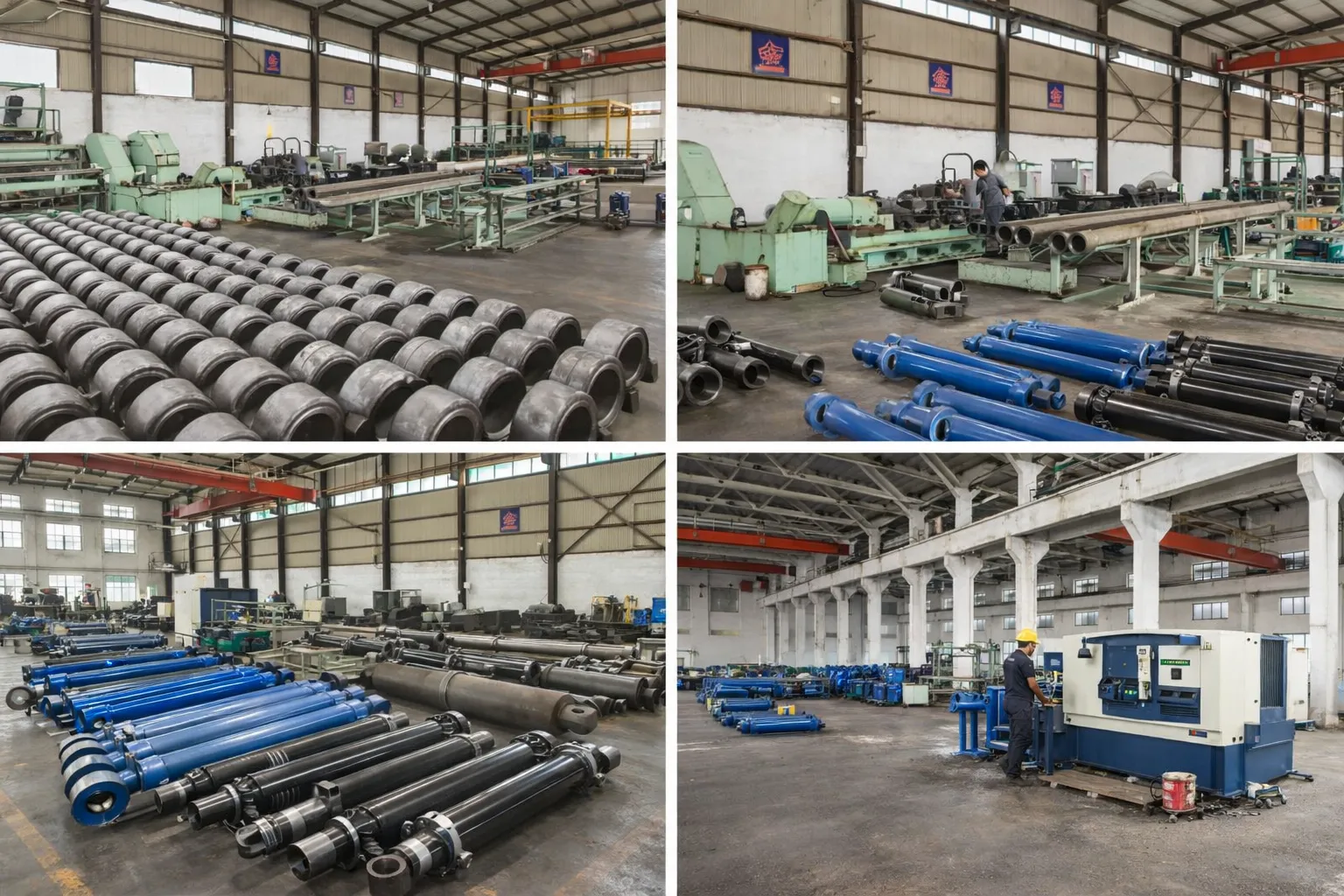
Manufacturing Traceability and Rigorous Quality Control
Delivering highly dependable equipment designed for continuous seawater immersion demands a production environment governed by intense engineering scrutiny. We do not assemble components bought from random third-party foundries; we operate a complete, vertically integrated production facility. This tight operational control dictates that we handle every step, from the initial metallurgical validation of the raw 316L billets to the final robotic welding and precision polishing. By keeping all fabrication stages strictly in-house, we eliminate the quality control blind spots that plague lesser manufacturers.
Marine classification societies, such as DNV, ABS, and the Korean Register (KR), demand total transparency for any critical deck machinery. We provide detailed material traceability reports for every major structural component. Before leaving our testing facility, every single stainless steel piston cylinder goes through a mandatory factory pressure test. We systematically pressurize the units to 150% of their maximum rated working load, verifying absolute zero-leakage tolerance across the gland seals and the heavy structural weldments.
Additionally, our advanced welding protocols utilize automated Tungsten Inert Gas (TIG) processes combined with strict Non-Destructive Testing (NDT) standards. Every load-bearing weld undergoes Ultrasonic Testing (UT) to guarantee deep, flawless penetration without microscopic internal voids. This exhaustive level of quality assurance ensures that our hydraulic cylinder components function reliably for years, cementing our reputation as a trusted, high-end supplier for commercial marine infrastructure.
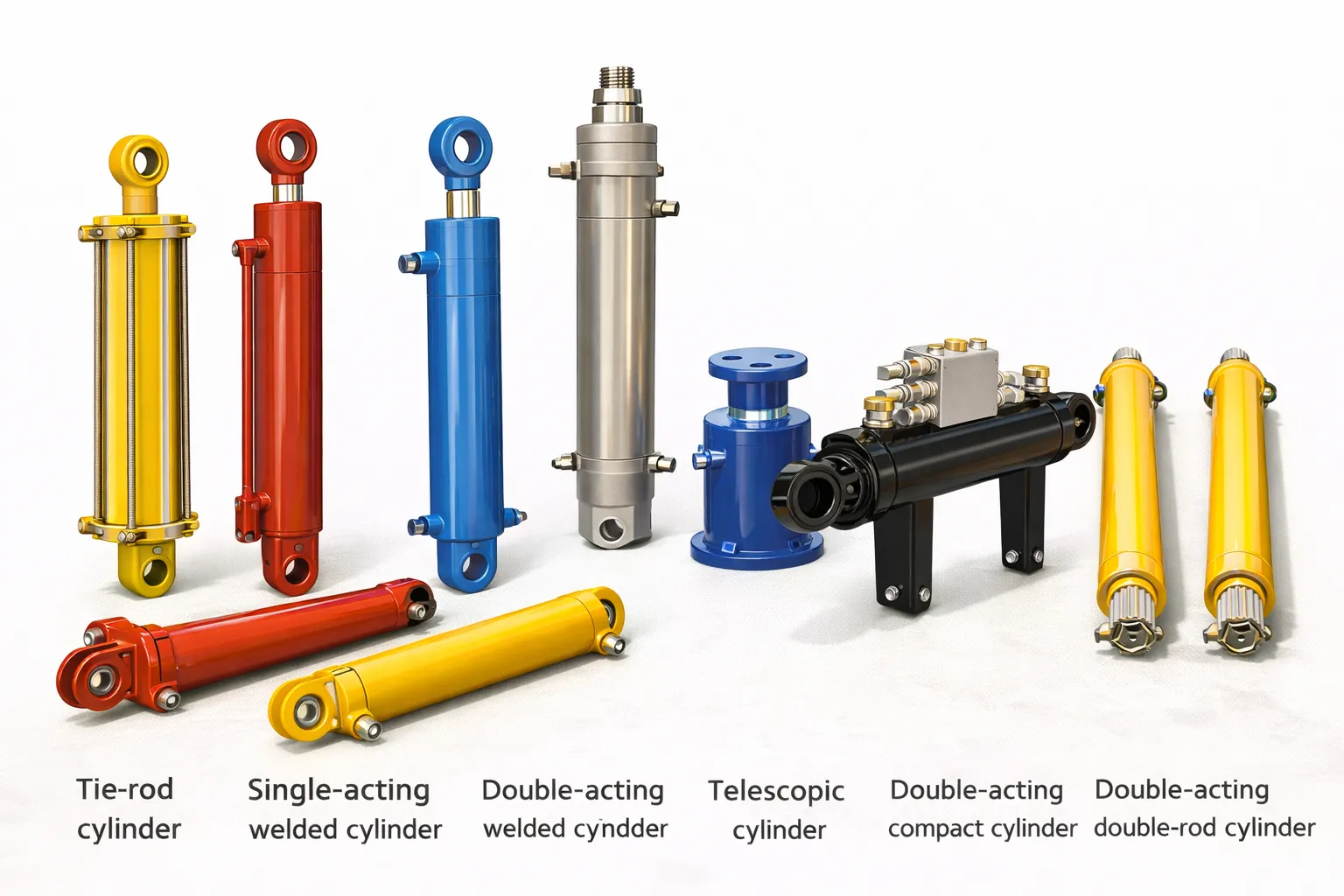
Broad Industrial Synergies: Extending the Technology
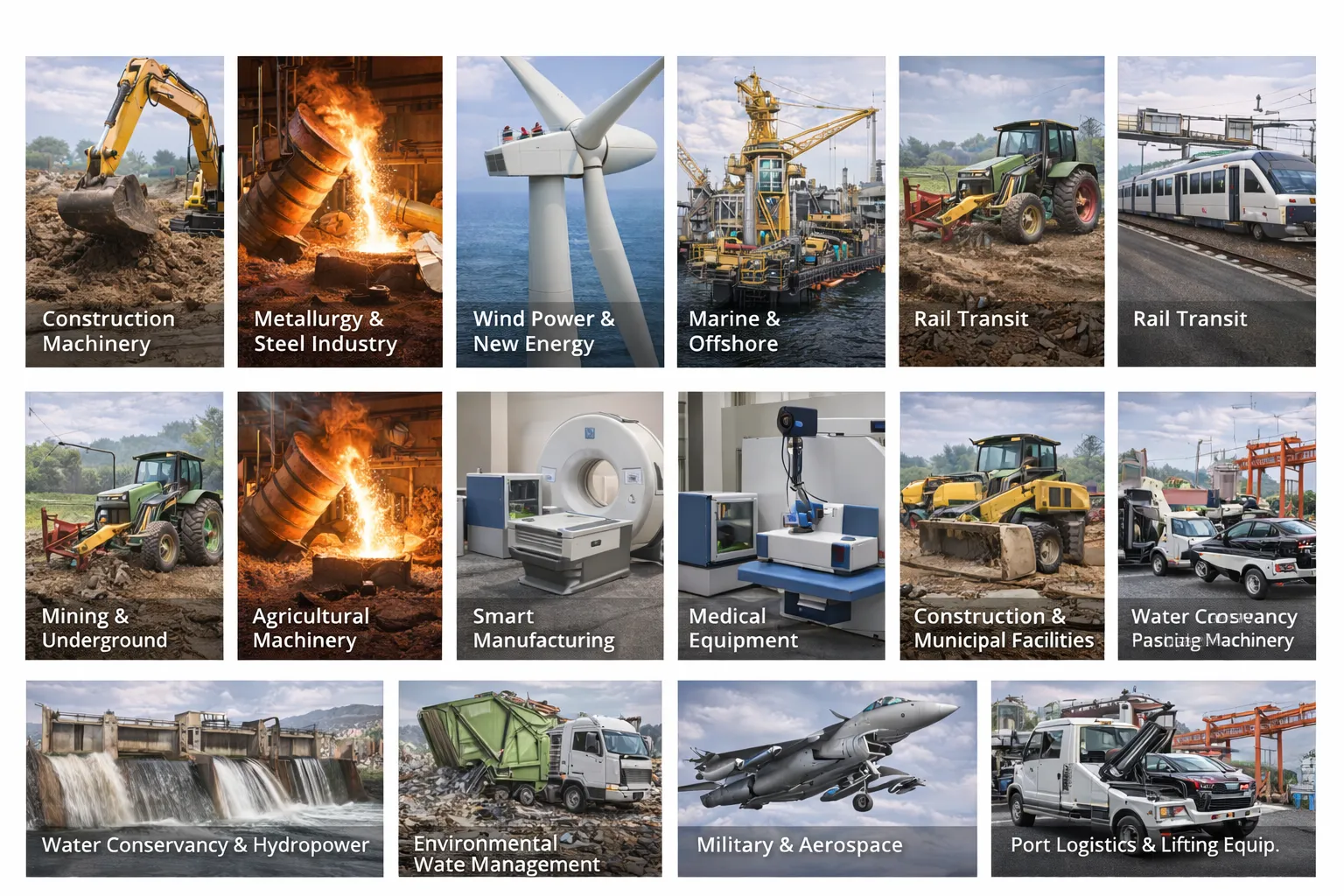
While the primary design target for this heavy-duty double-acting architecture is maritime hatch systems, the demand for extreme pitting resistance and massive lifting capacity extends deep into other aggressive industrial sectors. When standard commercial actuators fail, engineering managers consistently turn to our marine-grade designs.
- Maritime Operations: Beyond basic hatches, we drive massive Ro-Ro vehicle ramps, bow doors, and watertight internal bulkheads on cargo vessels and passenger ferries.
- Metallurgical and Iron Industry: Operating heavy, high-temperature furnace lids and continuous casting cooling panels where airborne acidic gases destroy standard chrome plating in weeks.
- Mining Industry: Moving heavy discharge gates on subterranean ore hoppers, requiring equipment that can survive highly acidic underground mine water and abrasive dust without a seal blowout.
- Construction Machinery Industry: Providing reliable pushing force for heavy amphibious excavators, coastal dredging equipment, and tunnel boring machines constantly exposed to salt mud and grit.
- Port Automation & Logistics: High-cycle ship-to-shore gantry cranes use our heavy-duty units as a primary lift cylinder to ensure shipping containers are handled safely regardless of corrosive coastal conditions.
Comparative Analysis: Standard Actuator vs. Marine Grade
Purchasing departments frequently attempt to install standard, off-the-shelf industrial cylinders on ship decks to minimize the initial capital expenditure. This decision almost universally results in rapid failure and huge secondary costs due to vessel delays. The analytical comparison table below demonstrates why investing in a purpose-built marine actuator is economically and mechanically necessary.
| Evaluation Metric | Standard Carbon Steel Cylinder | Our 316L Hatch Cover Cylinder |
|---|---|---|
| Pitting Resistance | Extremely Poor. Hard chrome micro-cracks allow salt water to corrode the steel substrate rapidly. | Exceptional. Solid 316L alloy inherently blocks chloride attack throughout the metal. |
| Structural Rigidity | Tie-rod construction stretches and loosens under heavy ship torsion in rough seas. | Fully welded, monolithic block absorbs massive lateral loads and hull flex seamlessly. |
| Seal Longevity | Fails quickly as salt crystals stick to rough steel and tear standard rubber elements. | Polished finish prevents salt adhesion; composite PTFE seals massively outlast standard rubber. |
| Overall Economic Impact | Low upfront cost, but causes expensive cargo delays and continuous repair bills at port. | Highly competitive initial price yielding massive long-term operational expense savings. |
Real-World B2B Execution: Global Marine Engineering Case Studies
Theoretical engineering logic must successfully translate into reliable offshore performance. Our marine hydraulic equipment actively serves commercial fleets operating across the world’s most aggressive maritime routes. Below are concrete B2B examples detailing how our solutions resolve complex mechanical challenges.
Project 1: Fleet-wide Refit for Bulk Carriers
Client Location & Date: Busan, South Korea (October 2024)
The Engineering Hurdle: A prominent South Korean ship management firm operating 12 Panamax-class bulk carriers was suffering from recurrent failures of their OEM hatch actuators. Severe pitting on the carbon steel rods was destroying the seals in under 12 months. This caused unacceptable port delays and threatened cargo damage due to salt water leaking onto the deck and into the holds.
Strategic Solution: The chief fleet engineer discovered our capabilities via a targeted technical search and contacted us looking for a metallurgical upgrade. We engineered exact dimensional replacements utilizing our 316L stainless steel piston cylinder design, incorporating high-pressure locking valves for added deck safety.
Outcome & Impact: We manufactured and delivered 48 fully tested units directly to the Busan drydock ahead of schedule. Post-installation, the fleet has recorded zero fluid leakage and complete immunity to salt corrosion across all trans-Pacific voyages.
“Replacing the failing OEM equipment with these dedicated marine-grade units was the best procurement decision we made this quarter. The polished 316L construction is flawless, entirely eliminating our previous seal wear nightmares.” – Lead Fleet Superintendent, Busan.
Project 2: Specialized Ro-Ro Vessel Access Revitalization
Client Location & Date: Kobe, Japan (May 2025)
The Engineering Hurdle: A logistics company managing vehicle transport (Ro-Ro) vessels needed to immediately overhaul their main internal ramp and weather-deck hydraulic systems. The legacy European manufacturer was demanding an unacceptable 7-month lead time for replacement parts, which threatened to ground the vessel entirely.
Strategic Solution: Facing a critical deadline, the shipyard sourced our capabilities. We rapidly reverse-engineered the required heavy-duty configurations, perfectly replicating the exact mounting geometries while simultaneously upgrading the barrel thickness to withstand sudden vehicle impact loads.
Outcome & Impact: Delivered via express sea-freight within 5 weeks, the massive cylinders dropped perfectly into the existing deck framework. The flawless operation of the ramps saved the client massive amounts of capital by keeping the ship operational.
Project 3: Offshore Supply Vessel Upgrade
Client Location & Date: Singapore (January 2026)
The Engineering Hurdle: An offshore support vessel working heavily in aggressive equatorial marine environments was facing routine failure on their aft deck machinery access hatches. The constant wash of warm, highly saline water was causing immediate rust and seal failure on standard chrome cylinders.
Strategic Solution: The engineering team specified our fully welded, polished marine hatch units to replace the sub-standard components. We also integrated specialized low-friction composite guide rings to manage the severe deck vibrations caused by dynamic positioning thrusters.
Outcome & Impact: Since the installation, the deck equipment has functioned perfectly through tropical storms and continuous seawater washdowns, requiring zero maintenance intervention for over 18 months.
Professional FAQ for Fleet Managers and Shipyards
Upgrading marine fluid power infrastructure requires strict due diligence. Below, we address the most frequent technical inquiries received from B2B procurement managers, naval architects, and chief marine engineers concerning our hatch cover technology.
Why is a standard lift cylinder entirely insufficient for maritime hatch operations?
Can you custom manufacture specific hydraulic cylinder components for our deck layout?
What is the typical lead time for delivering replacements to shipyards in South Korea or Japan?
Why must the system use a double acting hydraulic cylinder rather than a single acting one?
When should we consider fixing hydraulic cylinders rather than completely replacing them?
How does your highly polished rod finish actually enhance the reliability of the equipment?
Do you provide ongoing support with spare hydraulic parts for your marine cylinders?
Secure Your Maritime Assets with Superior Fluid Power
Do not allow inferior deck machinery to compromise the safety of your crew or the security of your cargo. Upgrading to our heavily engineered, pitting-resistant marine actuators ensures your vessel remains operational, compliant, and profitable across the world’s most aggressive ocean routes.
Editor: Cxm