Tractor Oil Cylinder
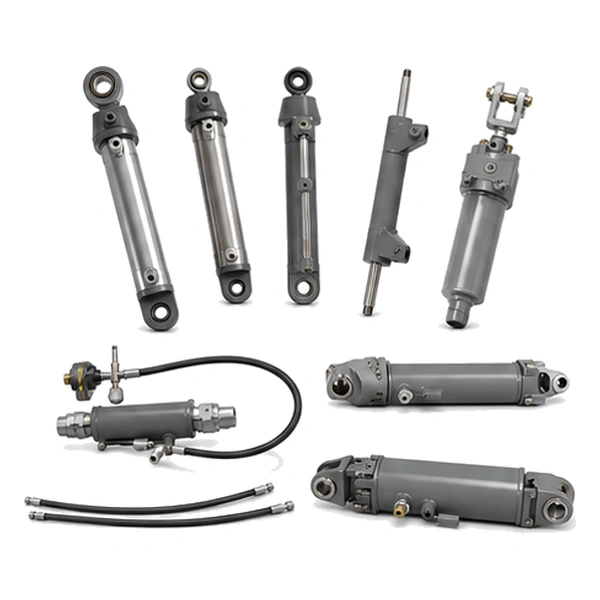
Tractor Oil Cylinder · HSG Series
From the Factory Floor
to the Open Field
Thirty-four cylinders in this catalogue operate indoors — in climate-controlled factories, heated press frames, or enclosed mill housings. The tractor oil cylinder works in a different world: ploughing in freezing rain, grading under a July sun, loading in knee-deep mud. No heat shields, no dust extraction, no roof. The cylinder is the only hydraulic component fully exposed to the sky — and it must deliver 3,000–5,000 hours of field service per year without failure.
One Tractor, Many Cylinders — Where Each One Works
A modern tractor uses 4–12 hydraulic cylinders simultaneously — far more than any single industrial machine in this catalogue. Each cylinder serves a different function, with different bore, stroke, and mounting requirements:
Raise and lower the rear-mounted implement (plough, disc harrow, seeder). The most heavily loaded tractor cylinders — lifting 2–8 tonnes of implement weight against gravity. Short stroke (200–400 mm), high force, clevis or pin mounting.
Raise/lower the boom and tilt the bucket. The loader sees the highest impact loads — scooping into a pile of gravel or manure creates shock forces 2–3× the static load. Medium bore, medium stroke (400–800 mm), pin mounting with spherical bearings.
Turns the front wheels via the steering linkage. Small bore, short stroke, but the fastest-cycling cylinder on the tractor — the driver makes continuous small corrections all day. Low friction seals are critical for steering feel and precision.
Control the implement's own functions — plough depth, disc angle, seeder height, sprayer boom fold. Connected to the tractor's remote hydraulic couplers. These cylinders live on the implement, not on the tractor itself — but the tractor supplies the hydraulic power.
Korea Ever-Power manufactures the HSG series tractor oil cylinder in all bore, stroke, and mounting combinations needed for these applications — from compact steering cylinders to heavy-duty 3-point hitch lifters. Browse the full industrial engineering hydraulic cylinder range.
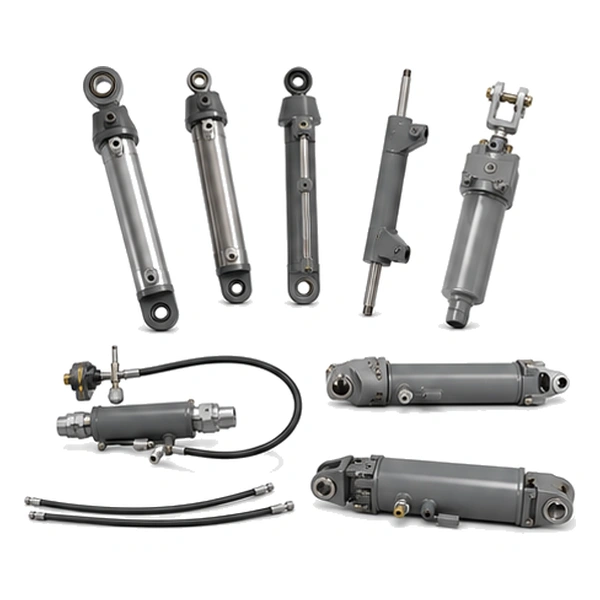
Outdoor Survival — What the Factory Cylinders Never Face
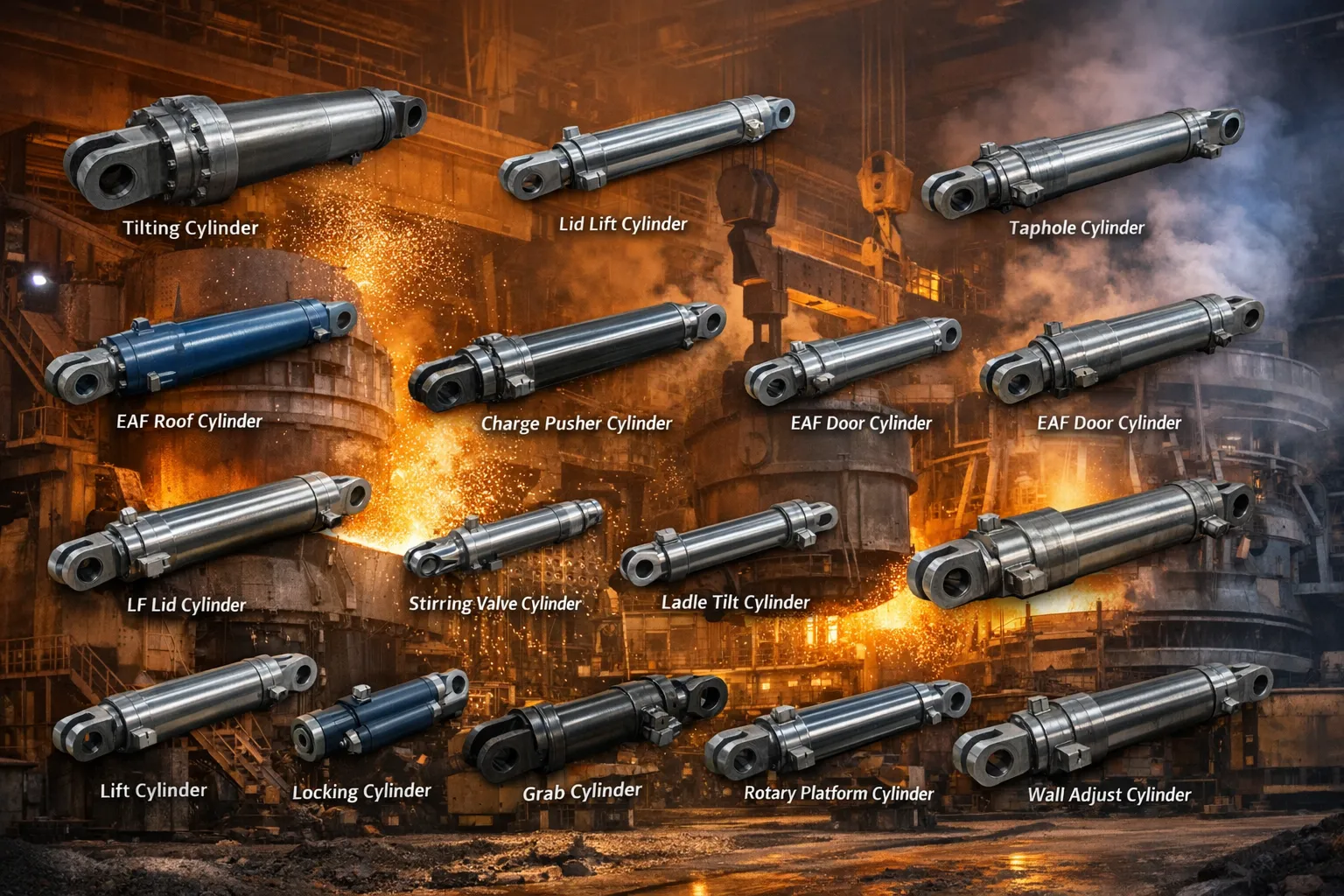
Every indoor industrial cylinder in this catalogue operates in a controlled environment — a factory building with a roof, walls, and (usually) filtered air. The tractor oil cylinder has none of these protections. The rod, barrel, ports, and hose connections are fully exposed to every element the field delivers.
Temperature extremes. Operating range -30 °C (winter ploughing in northern climates) to +50 °C (summer harvesting in hot regions). The hydraulic oil must remain fluid at -30 °C and not overheat at +50 °C. Seals must maintain elasticity across this 80 °C span — NBR compounds rated for -30 °C to +100 °C are standard.
Water, mud, and abrasives. The rod extends into a splash zone of soil, water, crop residue, and fertiliser chemicals. Mud packed around the rod seal hardens and acts as a grinding compound when the rod retracts. Double-lip wipers and heavy chrome plating (50–80 µm) are essential — the same level of protection used on cement cylinders, but for different contaminants.
Impact and vibration. Driving over ploughed fields at 8–15 km/h transmits continuous high-amplitude vibration through the tractor frame into every cylinder. Impact loading from hitting stones, roots, or frozen ground adds shock spikes on top of the vibration baseline. Pin joints, clevis mounts, and barrel welds must all be fatigue-rated for this combined loading — a challenge that no indoor industrial cylinder faces.
HSG Series — The Agricultural Cylinder Standard
The HSG series is a standardised range of double-acting hydraulic cylinders designed specifically for agricultural and mobile equipment. Unlike the custom-engineered industrial cylinders (#1–#34) which are sized for a specific machine, the HSG series offers a catalogue of pre-defined bore/stroke/mounting combinations that tractor OEMs and implement manufacturers select from.
Multiple standard bore diameters in the HSG series — from compact cylinders for steering and small implements to large-bore cylinders for heavy 3-point hitch and loader applications. Each bore size has a defined speed ratio (bore area ÷ rod-side annular area) that determines the extend/retract speed balance.
Clevis (tang or eye) at both ends for pin-connected installations. Cross tube (through-pin at the barrel end). Trunnion (pivot pins on the barrel mid-section for swinging motion). Flange (bolted to the tractor frame). Each mounting type suits different installation geometries — the OEM selects the combination that fits the tractor's linkage.
The stroke is manufactured to the OEM's specification — not constrained to a fixed catalogue value. Any stroke within the series' design envelope is available. This flexibility allows tractor and implement builders to specify the exact stroke needed for their linkage geometry without the cost of a fully custom cylinder design. Contact the hydraulic cylinder engineering team for HSG series specifications.
Field Serviceability — Repair in the Barn, Not the Factory
Industrial cylinders are repaired in workshops with overhead cranes, clean benches, and specialised tooling. Tractor cylinders are repaired in farm barns — or beside the field — with hand tools, a bench vice, and whatever the farmer has available. The cylinder's design must accommodate this reality:
The rod gland is threaded or snap-ring retained — removable with standard wrenches or pliers. No hydraulic press, no bearing puller, no factory fixtures. A farmer or local mechanic can pull the gland, replace the seal kit, and reassemble the cylinder in 1–2 hours with basic hand tools.
The HSG series uses standard metric seal sizes that are stocked by agricultural parts dealers worldwide. A seal kit for a common bore size can be purchased over the counter at a farm supply store — no need to order from the cylinder manufacturer and wait weeks for delivery. This parts availability is critical during planting and harvest seasons when downtime costs the most.
Wider seal grooves, heavier rod chrome, thicker barrel walls — the tractor cylinder is designed with more margin than a precision industrial cylinder. This margin absorbs the reality of field service: minor rod scratches from stone impacts, slightly misaligned reassembly, and less-than-perfectly-clean working conditions during seal replacement.
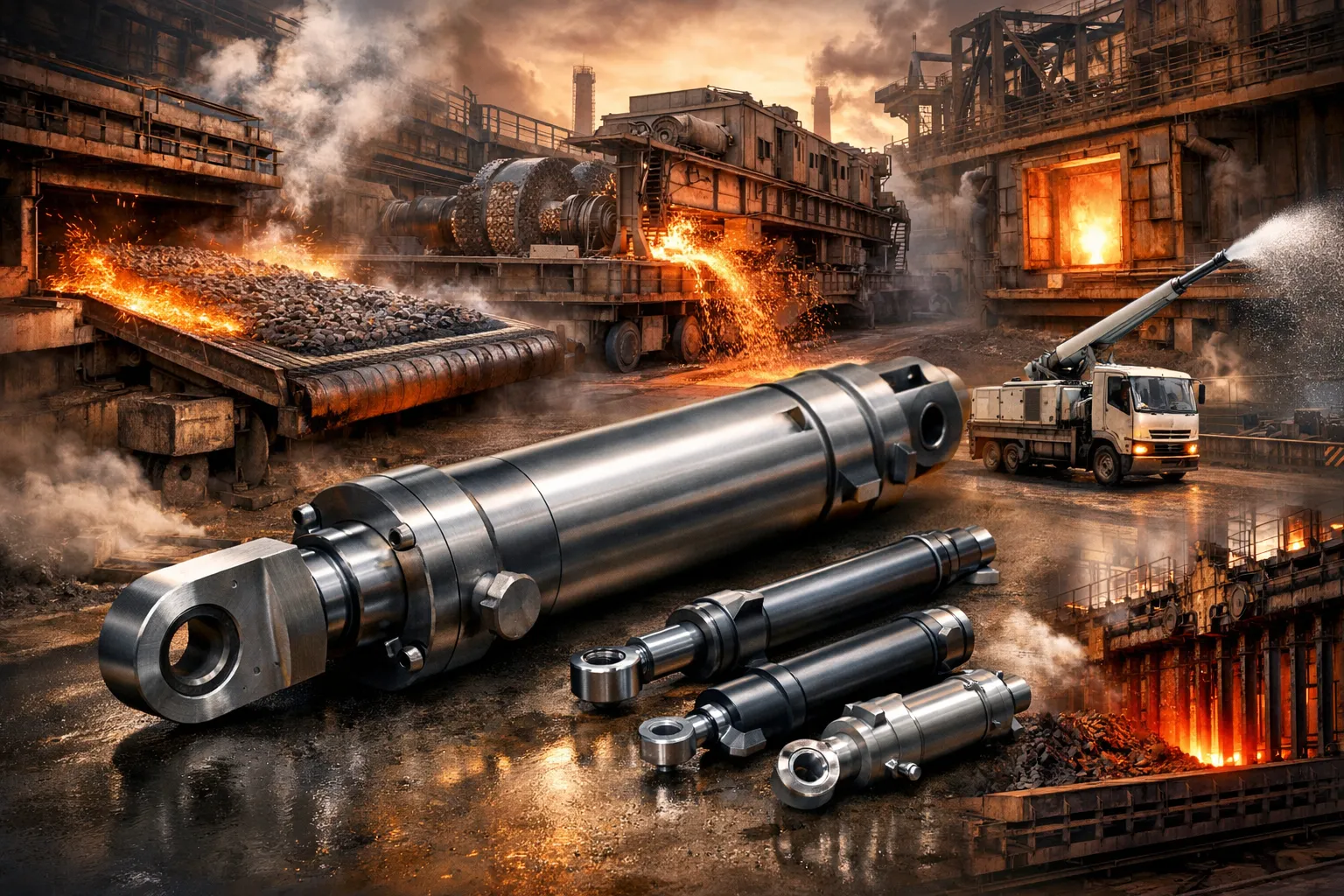
Manufacturing — Volume Production for Agricultural OEMs
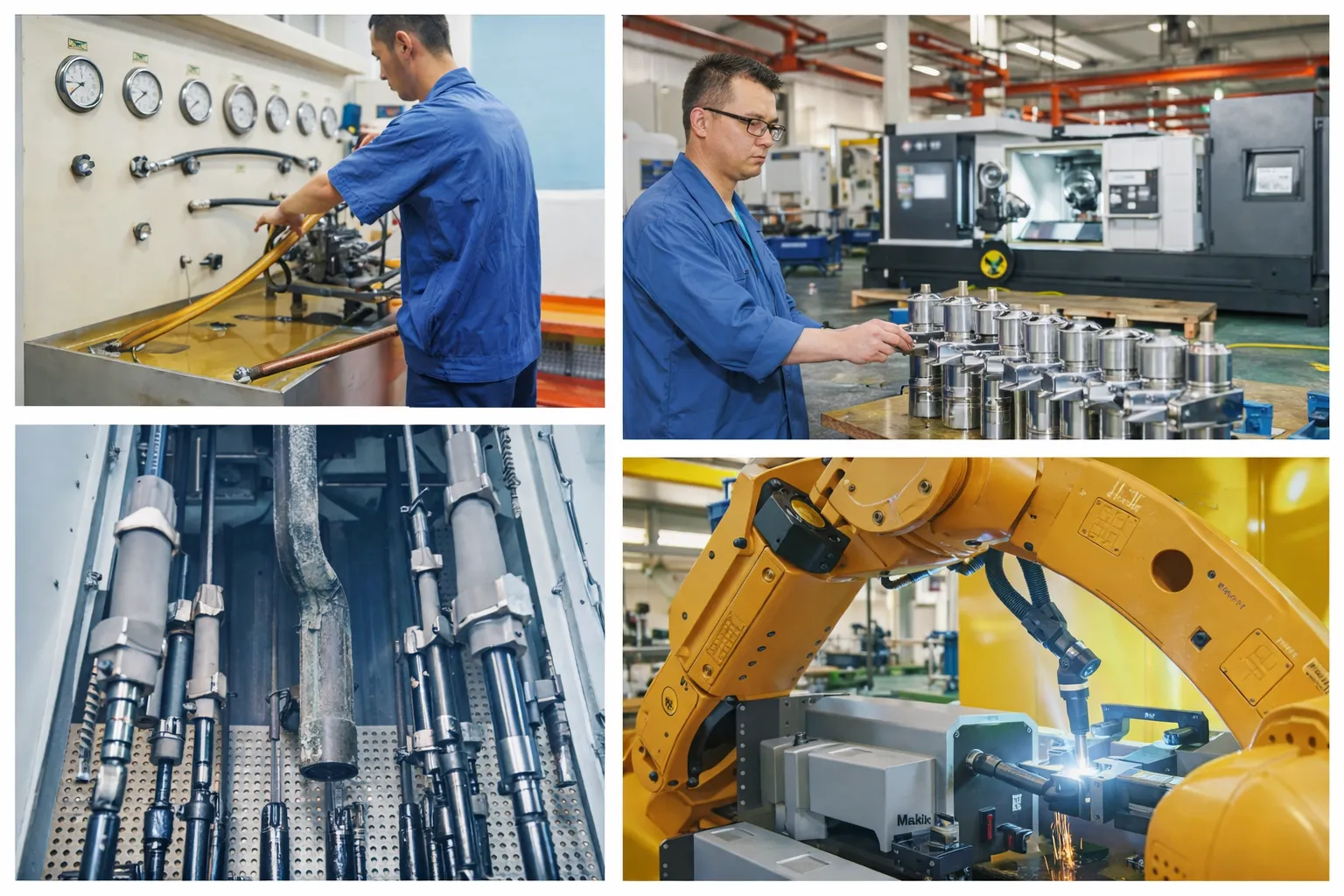
The tractor oil cylinder is manufactured in higher volumes than any custom industrial cylinder — agricultural OEMs order in batches of hundreds or thousands, not singles or pairs. Korea Ever-Power's HSG production line is optimised for this volume: standardised bore tooling, batch honing, automated chrome plating, and pre-assembled seal kits that reduce assembly time per unit.
The bore is honed to Ra 0.2–0.4 µm — the same Korea Ever-Power standard applied to every cylinder in this catalogue. Chrome plating is 50–80 µm — towards the heavier end of the range because the rod is exposed to outdoor abrasives. All external steel surfaces receive a corrosion-protective finish (paint, powder coat, or zinc plate) rated for outdoor agricultural service.
Every tractor oil cylinder is hydrostatic tested at 1.5× working pressure. For large-volume OEM orders, Korea Ever-Power also performs random-sample endurance testing — cycling a percentage of each production batch through 100,000+ extend-retract cycles to verify seal and bearing life under accelerated test conditions.
OEM & ODM
FAQ
Related Categories
Lisainfo
| Editor |
|---|
Seotud tooted
-
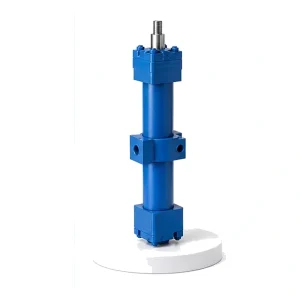
Tipping Cylinder for Vulcanizing Machine
-
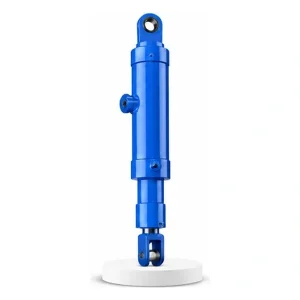
Electric Furnace Lock Cylinder
-
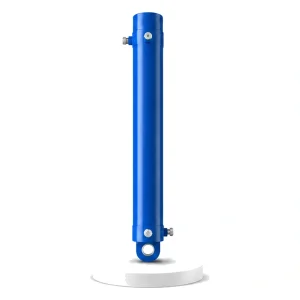
Cement Equipment Roll over Cylinder
-
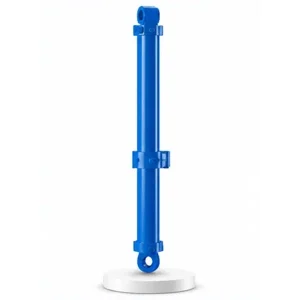
Hydraulic Press Lateral Shift Anvil Cylinder
-
Hydraulic Press Mobile Workbench Cylinder
-
Hydraulic Press Centering Cylinder
-
Hydraulic Press Rear Side Shift Cylinder
-
Cement Equipment Vertical Mill Cylinder