Advancing Cylinder for Hydraulic Support
Engineered with heavy-duty Q345D structural steel and advanced dust-proof sealing technology to conquer extreme impact and severe abrasive environments in modern mechanized longwall mining operations.
Product Overview & Industrial Value
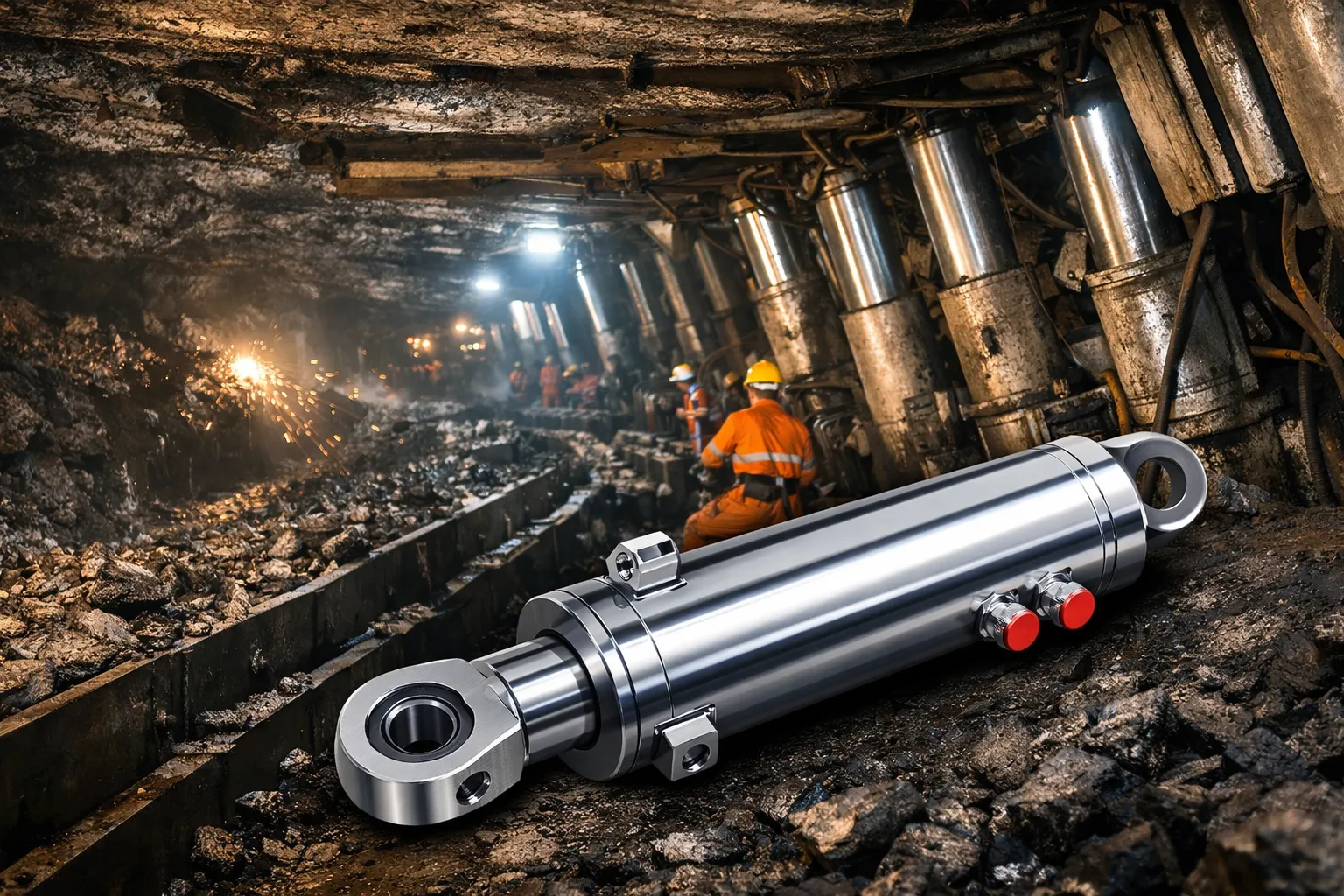
In the unforgiving, high-stakes realm of underground mineral extraction, the operational integrity of your heavy machinery directly dictates your facility’s safety and overall profitability. At the absolute core of the fully mechanized longwall mining system lies the hydraulic support structure, a massive mechanical canopy that protects operators and machinery from the immense, crushing weight of the geological strata above. Within this complex sub-system, horizontal mobility is everything. This mobility is governed entirely by the pushing device, which relies on the relentless mechanical force of the advancing hydraulic cylinder. Without a highly resilient actuation mechanism, the armored face conveyor cannot be pushed into the newly cut coal face, and the protective support cannot be pulled forward to secure the new roof. When a standard cylinder fails underground, your entire production halts, leading to devastating financial losses.
As a dedicated and deeply experienced hydraulic cylinder manufacturer, we have spent decades analyzing the specific failure modes of standard commercial fluid power components in subterranean environments. The industrial value of our pushing cylinder lies in its uncompromising resistance to the dual threats of violent mechanical impact and dense particulate dust. Ordinary cylinders succumb rapidly to seal wear under these conditions, leading to internal fluid bypass, loss of pushing force, and dangerous external leaks of hydraulic emulsion. Our products are uniquely positioned to solve this chronic industry problem. We engineer our cylinders to act as the ultimate preventative maintenance solution, drastically reducing the total cost of ownership by extending the operational lifespan far beyond what traditional hydraulic parts can offer.
For procurement managers and lead mechanical engineers in South Korea and the broader Asia-Pacific heavy industry sector, calculating the true hydraulic cylinder price means factoring in the catastrophic costs of unplanned downtime. When you deploy our advancing cylinders, you are investing in a heavily fortified kinetic system designed to endure the most punishing working conditions imaginable, maintaining peak volumetric efficiency and structural rigidity when you need it most. By integrating premium metallurgical materials with intelligent sealing architectures, we ensure that your capital investment continues to yield high-tonnage returns shift after shift, year after year.
Comprehensive Technical Specifications
Proper equipment specification is the first and most critical step toward eliminating mechanical failure. The parameters detailed below reflect our highly optimized standard configuration specifically engineered for the advancing device of mining hydraulic supports. We also offer extensive customization capabilities to ensure seamless integration into your existing mechanical frameworks and unique spatial constraints.
| Technical Parameter | Specification Details & Customization Scope |
|---|---|
| Target Industry | Mining Equipment / Heavy Subterranean Extraction |
| Equipment Category | Hydraulic Support Systems (Chock, Shield, Chock-Shield) |
| Subsystem & Action Mechanism | Pushing Device (Horizontal advancing and dragging force generation) |
| Cylinder Designation | Advancing Cylinder / Pushing Cylinder |
| Action Mode | Double acting hydraulic cylinder functionality |
| Internal Structure Type | Hydraulic cylinder piston configuration for max force density |
| Manufacturing Architecture | Welded type construction (Automated deep penetration seams) |
| Base Material System | Q345D Low-Alloy High-Strength Structural Steel |
| Rod Surface Treatment | Precision Hard Chrome Plated (Micro-cracked for lubrication retention) |
| Environmental Hazard Grade | Severe: Heavy Mechanical Impact + Dense Abrasive Dust |
| Working Condition Profile | Advancing support mechanisms under massive structural payload |
| Primary Failure Mode Addressed | Chronic seal wear and subsequent fluid leakage / rod scoring |
| Recommended Expert Configuration | Heavy-duty seal architecture + Physical protective cover (boot) |
Operational Kinematics: How the Advancing Cylinder Functions
To truly appreciate the robust engineering required for this component, maintenance directors must understand the dynamic fluid mechanics and extreme physical forces involved during a typical mining sequence. The advancing device operates on the fundamental principles of a double acting hydraulic cylinder. This means that highly pressurized hydraulic fluid—typically a fire-resistant water and oil emulsion (HFA) utilized in underground mines—is directed into the cylinder to generate immense, active force in both the extension and the retraction strokes.
The advancing cylinder is mounted horizontally, connecting the heavy base of the hydraulic support to the flexible armored face conveyor. When the shearer cuts a section of the coal face, the conveyor must be moved forward to catch the next cut. The directional electro-hydraulic control valve routes high-pressure emulsion into the blind end (cap end) of the cylinder. As the fluid fills this chamber, it exerts massive hydrostatic pressure across the full surface area of the piston. Because the hydraulic support is firmly wedged between the mine roof and floor by the vertical lift cylinder mechanisms, the advancing rod extends outward, forcefully pushing the armored face conveyor into the newly cut void.
Once the conveyor is secured in its new position, the sequence immediately reverses. The hydraulic support lowers its canopy slightly to relieve pressure against the roof. The control valve shifts, directing the high-pressure fluid into the annular side (rod end) of the cylinder while venting the cap end. The rod retracts forcefully into the barrel. Because the conveyor is now stationary and fully loaded with coal, this retraction action physically pulls the multi-ton hydraulic support forward over the uneven rock floor, advancing it toward the face. Throughout these continuous, violent push-and-pull cycles, the cylinder is subjected to severe lateral vibrations, bending moments, and heavy rock impacts. Only heavily fortified hydraulic rams designed specifically for this application can survive these extreme cyclical load reversals without succumbing to fatigue.
Strategic Fleet Upgrade: Seamless Brand Replacement
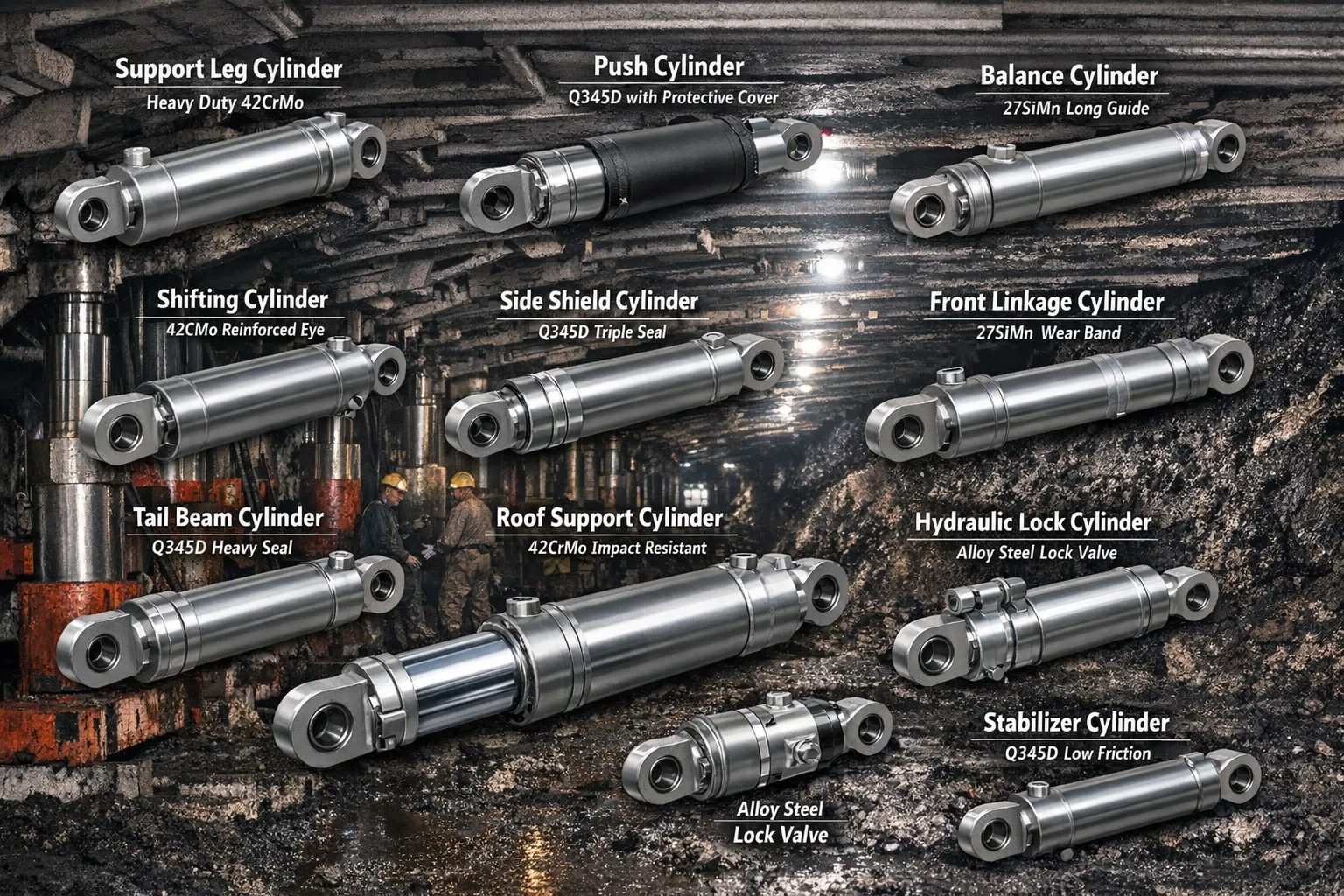
Maintaining an aging fleet of mining equipment often presents a significant logistical hurdle. Sourcing proprietary replacement components from Original Equipment Manufacturers (OEMs) can result in exorbitant costs and unacceptable delivery lead times that threaten your production schedule. We eliminate this bottleneck. Our engineering department possesses an extensive database of dimensional tolerances, pin sizes, and mounting configurations, allowing us to manufacture precise, drop-in replacement cylinders for the world’s leading heavy machinery brands.
Our advanced units are regularly deployed to upgrade hydraulic support systems originally manufactured by industry giants such as Caterpillar (CAT), Joy Global (Komatsu Mining), Sandvik, Eickhoff, Famur, and Zhengzhou Coal Mining Machinery Group (ZMJ).
Please note: The mention of these corporate brand names is provided strictly for the purpose of communicating dimensional compatibility and equipment application to assist procurement engineers with selection. We operate as an independent manufacturer of premium engineered fluid power components, and we do not claim any affiliation, sponsorship, or endorsement by these respected trademark holders.
By choosing our customized pushing hydraulic cylinder configurations, you are not merely replacing a broken part; you are actively upgrading your machinery. When faced with the decision of constantly fixing hydraulic cylinders that suffer from inherent OEM design flaws regarding dust protection, switching to our enhanced, particulate-resistant architecture is the most economically sound engineering decision a maintenance director can make.
Five Core Technical Advantages Defeating Mechanical Failure
Designing a fluid power component that thrives in an environment designed to destroy machinery requires profound metallurgical and tribological expertise. Our advancing series boasts five core technical advantages that distinctly separate it from standard commercial offerings:
1. Impermeable Heavy-Duty Sealing Architecture
The absolute primary failure mode in mining operations is seal wear. Microscopic abrasive coal and rock dust act like grinding paste against the piston rod. We counteract this by utilizing an advanced multi-lip polyurethane (PU) and PTFE sealing matrix. This system features aggressive double-wiper seals that physically scrape the rod clean during retraction, completely preventing particulate ingress from breaching the main pressure seals and contaminating the hydraulic emulsion.
2. Optimized Protective Cover Integration
To combat the extreme environmental grade of heavy mechanical impact and dense dust, our expert recommended configuration includes a robust, flexible protective cover (bellows or steel sleeve). This physical barrier encapsulates the exposed portion of the piston rod. By preventing falling rocks from directly striking the rod and isolating the chrome surface from the highly abrasive atmospheric dust, we effectively neutralize the root cause of 80% of cylinder maintenance issues.
3. Q345D Low-Alloy Structural Supremacy
Instead of utilizing standard carbon steel (like 1045 or #45), our welded cylinder barrels and trunnion mounts are forged from Q345D low-alloy high-strength steel. The “D” classification signifies exceptional impact toughness, particularly at lower ambient temperatures (tested at -20°C). This material science choice guarantees that the cylinder barrel will not suffer from fatigue micro-cracking, brittle fracture, or pressure-induced ballooning during violent shock-load events when the support encounters heavy geological resistance.
4. Micro-Cracked Hard Chrome Plating
Subterranean mine water is notoriously acidic and corrosive. Our hydraulic cylinder piston rods undergo a rigorous induction hardening process followed by specialized micro-cracked hard chrome plating to a thickness of 30-50 microns. This highly engineered surface finish creates a microscopic network of fissures that actually retain a thin film of lubricating fluid. This drastically lowers sliding friction against the seals while providing an impenetrable barrier against corrosive oxidation.
5. Robotic Submerged Arc Welding (SAW)
Because these cylinders rely on a welded-type manufacturing structure, the integrity of the joints is paramount. Space constraints dictate a compact design without tie-rods. We employ fully automated 6-axis robotic submerged arc welding for all trunnion, clevis, and end-cap attachments. This eliminates the inconsistency of manual welding, ensuring deep, uniform heat penetration and absolute structural rigidity. Every weld is subsequently subjected to strict stress-relief annealing to maximize fatigue life.
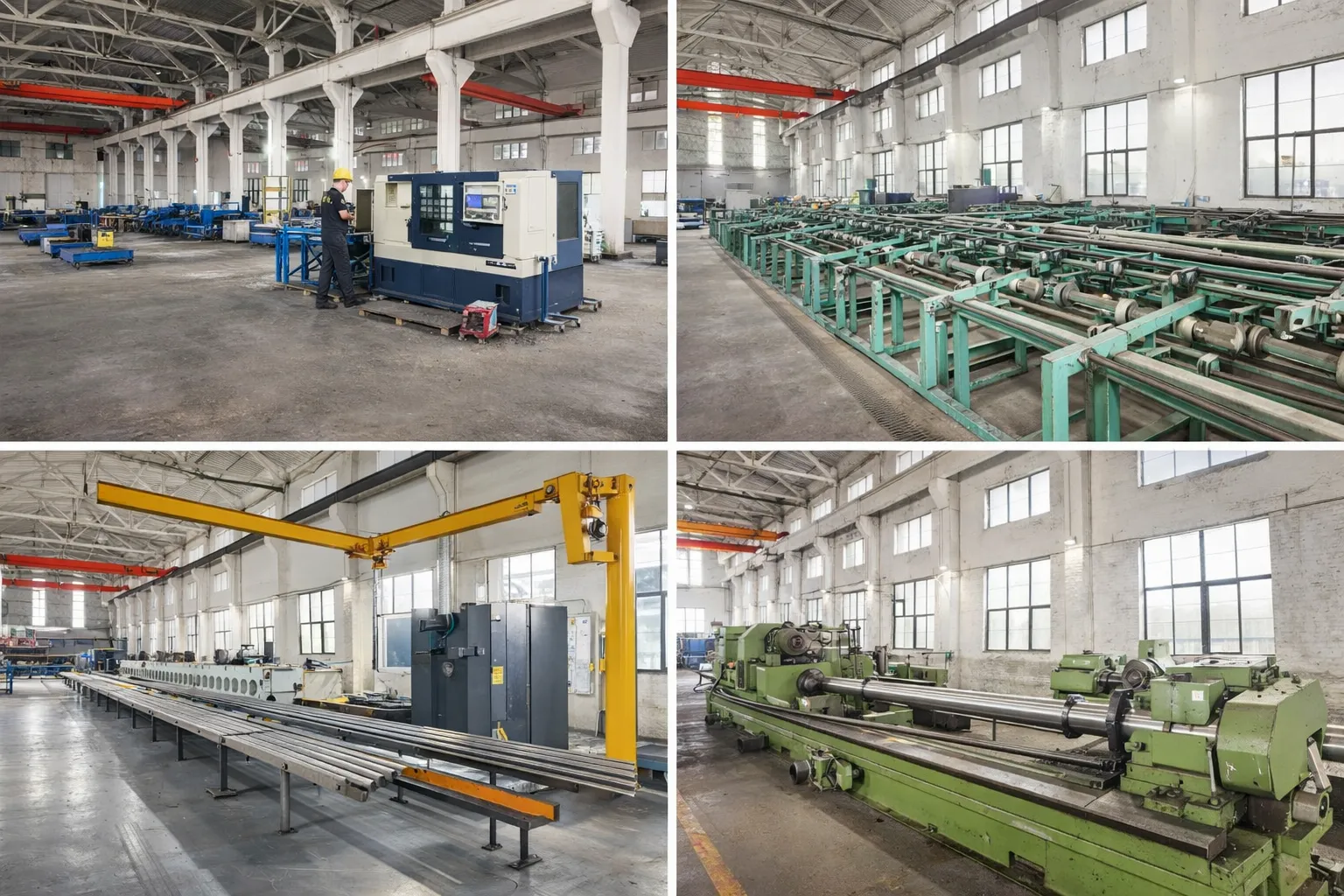
Autonomous Manufacturing and Unyielding Quality Control
Delivering a world-class fluid power component requires absolute control over every phase of production. Unlike assembly shops that outsource critical machining, we operate a fully vertically integrated manufacturing facility. From the spectral chemical analysis of incoming Q345D steel billets to the precision CNC skiving and roller burnishing of the internal bores (achieving a mirror-like Ra 0.2 finish), every step occurs under our direct supervision.
Our commitment to reliability is enforced through an uncompromising 100% factory testing mandate. No advancing hydraulic cylinder is allowed to leave our facility without passing a rigorous hydrostatic testing protocol. We mount each cylinder on computerized test benches and subject them to simulated operational cycles at 150% of their rated working pressure. We electronically monitor for internal fluid bypass, verify the integrity of the heavy-duty seals, and ensure smooth, bind-free actuation across the entire stroke length.
Furthermore, we provide complete transparency and traceability. Every single cylinder is permanently laser-engraved with a unique serialization code. This allows our clients to access the exact metallurgical certificates, ultrasonic non-destructive testing (NDT) inspection reports for the welds, and the specific pressure test graphs associated with their unit. This level of rigorous quality assurance is why leading engineering firms globally trust us for their critical hydraulic parts and assemblies.
Versatile Adaptability: Broad Industry Applications
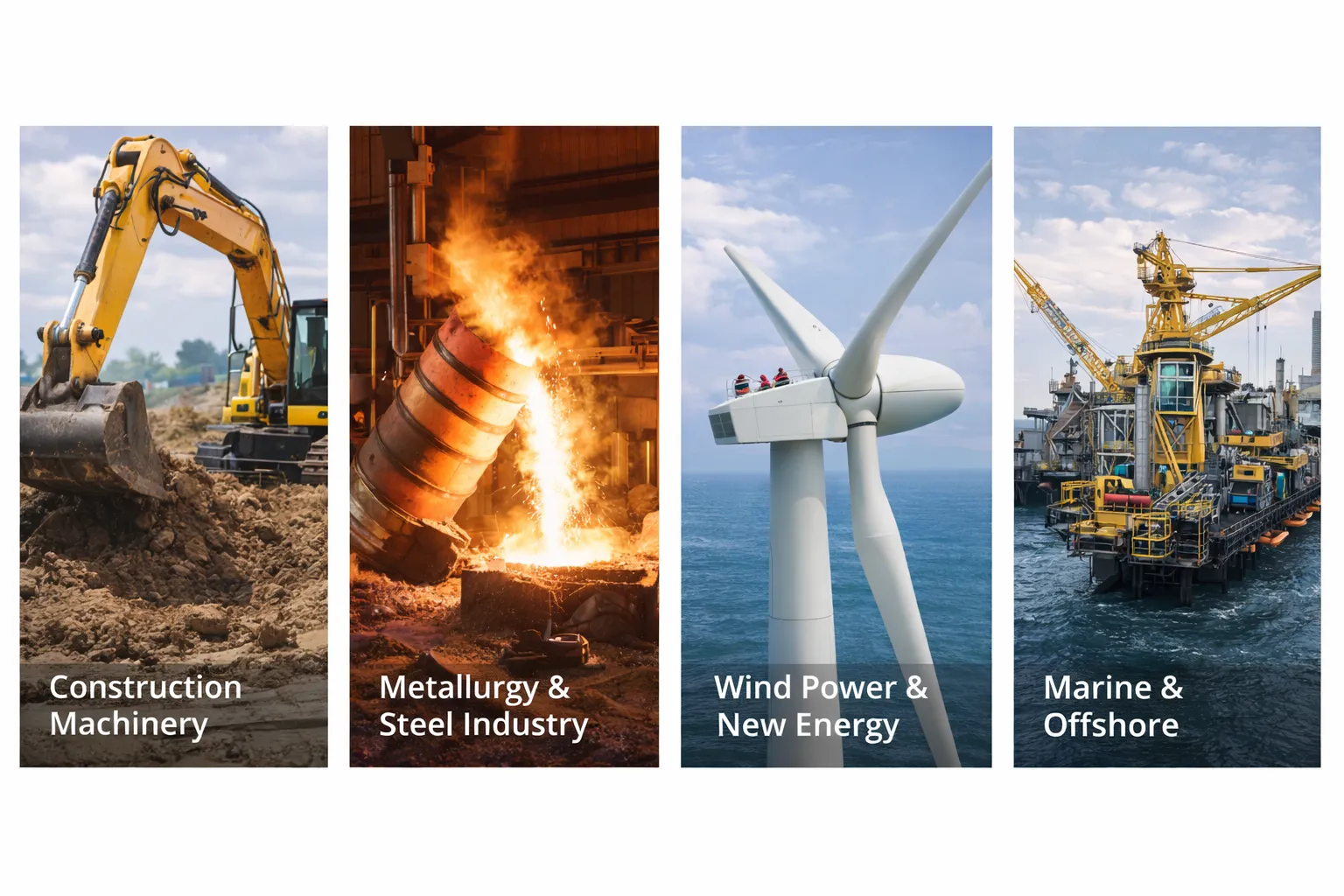
While this specific architecture was born out of the extreme necessity of underground coal extraction, the fundamental engineering principles—immense force density, extreme impact resistance, and impervious sealing—make these cylinders highly sought after across a multitude of heavy-duty industrial sectors.
- Underground Mining and Tunneling: Beyond hydraulic supports, these units drive tunnel boring machines (TBMs), continuous miners, and massive rock drilling jumbos operating in solid granite.
- Heavy Construction Machinery: Integrated into the boom, articulation joints, and track expansion mechanisms of large-scale excavators, heavy wheel loaders, and articulated dump trucks where standard designs fail under heavy mud and rock load.
- Metallurgy and Heavy Forging: Operating in the high-heat, high-particulate environments of steel mills, pushing heavy slag, manipulating glowing ladles, and driving continuous casting machinery.
- Material Handling & Port Automation: Providing reliable pushing and pulling forces for massive ship-to-shore cranes, bulk material stacker-reclaimers, and heavy railcar positioners.
- Plastics and Rubber Manufacturing: Delivering the immense, high-speed clamping forces required for industrial-scale injection molding machines.
- New Energy and Environmental Protection: Actuating heavy compactor plates in industrial waste management facilities and providing robust pitch control in large-scale offshore wind turbines.
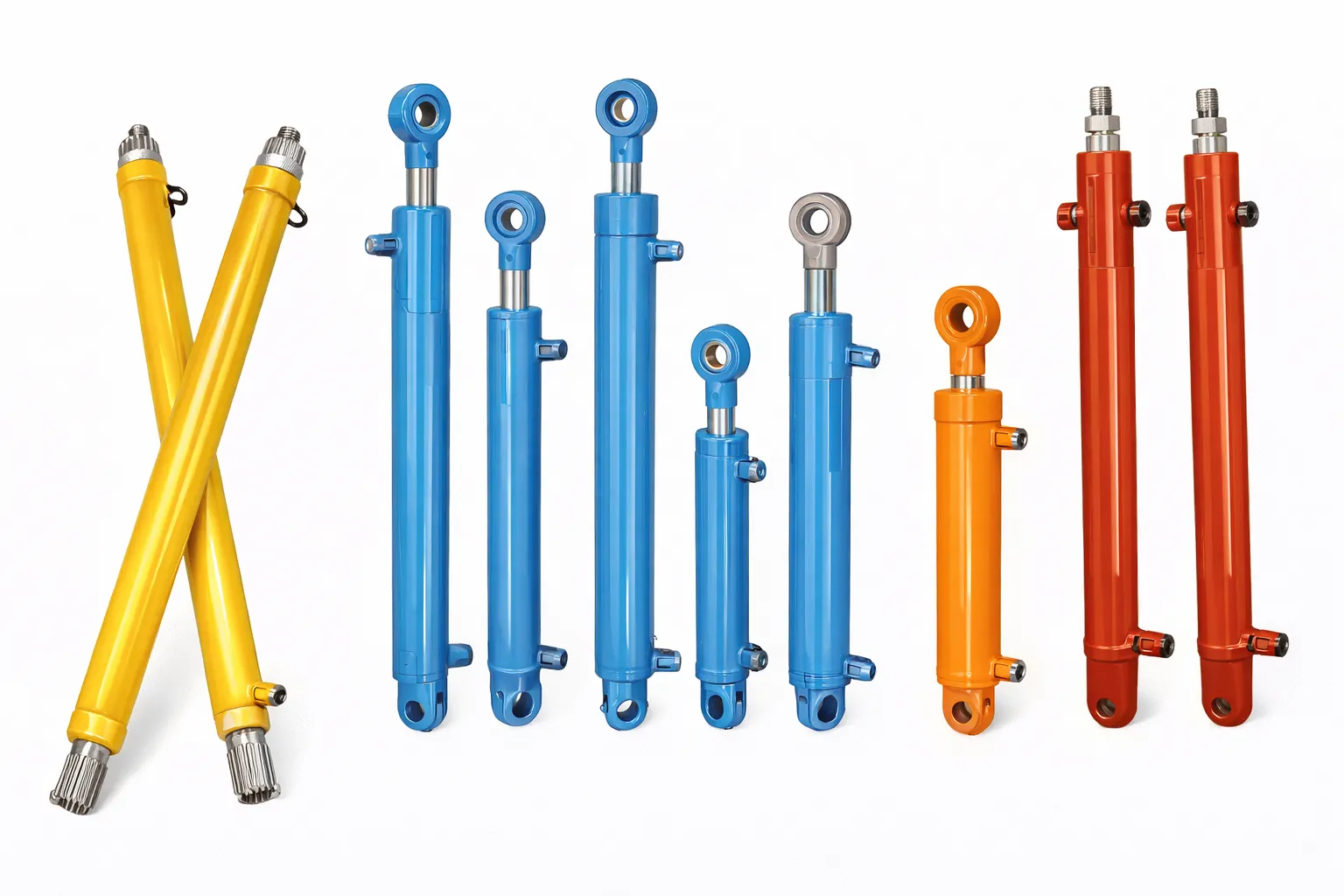
Comparative Analysis: Standard Market Cylinders vs. Our High-Performance Solution
To assist procurement professionals in evaluating long-term value, the following table highlights the critical engineering differences between standard off-the-shelf commercial cylinders and our purpose-built advancing systems. Making purchasing decisions based purely on the lowest upfront cost frequently leads to inflated maintenance budgets and disastrous operational downtime.
| Evaluation Metric | Standard Ordinary Hydraulic Cylinder | Our High-Performance Advancing Cylinder |
|---|---|---|
| Material Strength | Basic Carbon Steel (e.g., #45 / 1045) – Prone to fatigue and brittle fracture. | Q345D Low-Alloy Steel – High yield strength & extreme impact resistance. |
| Seal Defense System | Single-lip NBR seals; easily bypassed and shredded by fine coal dust. | Multi-stage heavy-duty PTFE/PU with aggressive double wipers. |
| Environmental Protection | Bare rod exposed to falling rocks, acidic water, and direct abrasive impacts. | Integrated protective cover physically shields the rod from all hazards. |
| Testing & Quality Control | Batch sampling (only testing 1 in 20 units); manual welding. | 100% individual pressure and cycle testing + NDT inspected robotic welds. |
| Maintenance Lifecycle | Short MTBF; frequent downtime requiring mid-shift internal seal replacement. | Extended MTBF; designed specifically for continuous, uninterrupted operation. |
Global Success: Verifiable Engineering Case Studies
Our reputation is built on solving complex mechanical issues in the field. Below are five detailed operational case studies demonstrating how our advancing cylinders have transformed productivity across the Asia-Pacific region and neighboring industrial hubs.
1. Subterranean Coal Extraction Fleet Upgrade — Taebaek, South Korea
Client Challenge: A major South Korean mining consortium operating deep-seam hydraulic supports experienced a disastrous 40% failure rate within six months on their OEM pushing devices. The root cause was catastrophic seal wear caused by ultra-fine, abrasive coal dust bypassing the standard wipers.
How We Connected: The lead maintenance director discovered our technical articles detailing heavy-duty, dust-proof sealing architectures through a targeted online search for robust hydraulic parts.
Delivered Result: We supplied a bulk retrofit order featuring our custom advancing cylinders equipped with heavy-duty PU/PTFE seals and the integrated protective cover. Over the following 18 months, seal failure rates plummeted to zero, saving the consortium thousands of hours in hazardous underground repair downtime.
“The protective sleeve design completely isolated the piston rod from the atmospheric dust. It’s an elegant, highly effective engineering solution that immediately stabilized our longwall progression.” — Mr. Park, Head of Fleet Maintenance, October 2025.
2. Tunnel Boring Machinery Support Thrust — Hokkaido, Japan
Client Challenge: A massive civil infrastructure tunneling firm required massive, double-acting pushing force for their shield machine’s backup sled. The unpredictable, high impact of pushing through compacted granite was literally cracking the welds on standard commercial cylinders.
How We Connected: Their procurement team contacted us via our B2B portal after meeting our engineers at a regional heavy machinery exhibition, specifically searching for Q345D steel construction capabilities.
Delivered Result: We manufactured customized advancing cylinders utilizing our automated 6-axis submerged arc welding process to ensure absolute structural rigidity. The cylinders completed the brutal 12-month bore project without a single structural fault or pressure yield.
“We required uncompromising metallurgical toughness. Your robotic welding protocols and transparent NDT testing reports gave our engineering board total confidence to proceed.” — Kenji Sato, Project Director, May 2025.
3. Conquering Acidic Mine Water Corrosion — Quang Ninh, Vietnam
Client Challenge: A state-affiliated mineral extraction enterprise utilized mechanized advancing devices in an environment with highly acidic groundwater. The thin commercial chrome on their existing rods pitted rapidly, tearing the internal seals upon retraction.
How We Connected: They reached out for a custom manufacturing quote after viewing our surface treatment capabilities online.
Delivered Result: We provided exact drop-in replacements featuring our 50-micron micro-cracked hard chrome plating over an induction-hardened substrate. The corrosion issues were entirely halted, doubling the lifecycle of the equipment compared to local alternatives.
“The surface treatment technology is exceptional. Replacing our entire face support pushing devices was seamless, and the thick chrome plating is resisting the corrosive water perfectly.” — Tran H., Operations Manager, January 2026.
4. Deep Seam Extraction and Thermal Stability — Queensland, Australia
Client Challenge: Operating in a particularly difficult thick seam, a joint venture required massive pushing force to advance ultra-heavy panlines. The continuous rapid shifting generated excessive fluid shear heat, melting standard seals and stalling operations.
How We Connected: The engineering management team contacted us through our website to request a joint design review for thermal optimization.
Delivered Result: We optimized the internal porting geometry using fluid dynamics analysis to reduce turbulence and friction heat. Combined with high-temperature PTFE seals, the customized pushing cylinder handled the heavy load continuously without pressure bypass or overheating.
“Excellent engineering consultation. They understood the fluid dynamics immediately. The units ran noticeably cooler and handled the massive load effortlessly from day one.” — Lead Engineering Consultant, November 2025.
5. Maintenance Supply Chain Logistics — Kalimantan, Indonesia
Client Challenge: A specialized firm focusing on fixing hydraulic cylinders for local mines required reliable internal components and complete cylinder assemblies to rebuild varying OEM legacy equipment.
How We Connected: Found us via our B2B catalog seeking an agile manufacturer for standardized parts.
Delivered Result: We established a continuous supply chain of premium complete custom cylinders and individual heavy-duty repair kits. Our dimensional matching dramatically improved their repair turnaround times.
“Finding a manufacturer that provides both full heavy-duty assemblies and exact dimensional match internal components at a fair price has revolutionized our workshop efficiency.” — Budi Santoso, Workshop Director, August 2025.
Expert Technical Answers (B2B FAQ)
Making informed engineering procurement decisions requires detailed technical clarity. We have compiled the most frequent inquiries from industrial designers and fleet maintenance directors regarding our heavy-duty advancing systems.
1. What makes Q345D steel the superior choice for mining cylinder construction?
2. Can your cylinders serve as direct OEM replacements for my existing fleet?
3. How do you permanently solve the issue of premature seal wear caused by coal dust?
4. Do you provide factory test certificates and material traceability for bulk orders?
5. Is it more cost-effective to repair my old cylinders or purchase your upgraded replacements?
6. What is the typical lead time for an order shipping to South Korea?
Secure Your Production Uptime Today
Do not allow substandard commercial actuation systems to dictate your operational capacity and inflate your maintenance budget. Partner with an expert engineering team that understands the brutal realities of heavy industrial environments. Let us architect the definitive heavy-duty advancing cylinder tailored for your precise mechanical requirements.
Editor: Cxm