
Product Overview & Industrial Value
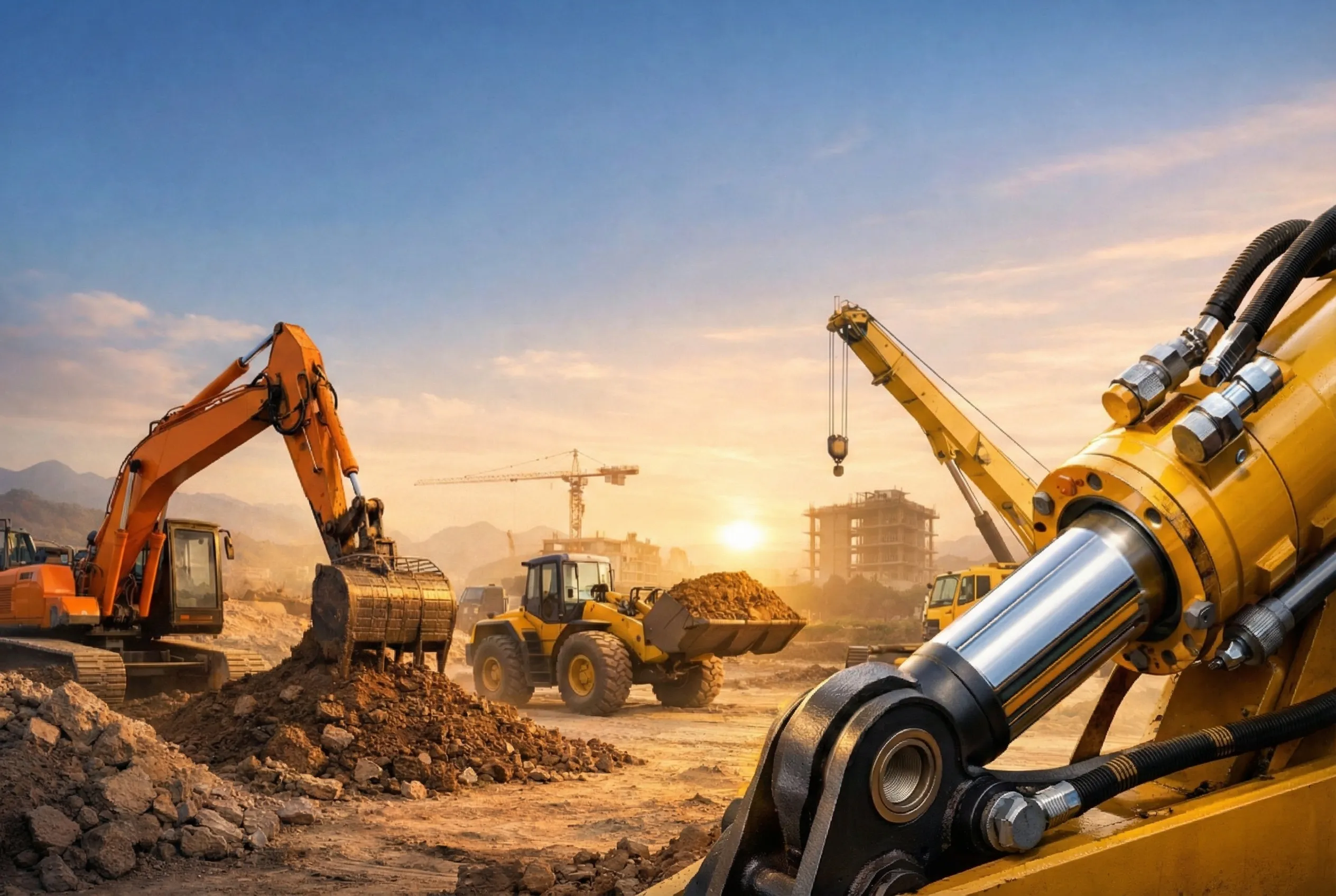
In the harsh, uncompromising reality of heavy earthmoving and infrastructure development, a standard digging bucket will eventually meet an impenetrable obstacle. When fleet operators encounter deep winter permafrost, heavily compacted clay, layered shale, or solid granite bedrock, they must deploy the heavy ripper attachment. This massive steel shank is designed to concentrate the entire immense breakout force of a thirty to one-hundred-ton machine into a single, devastating focal point. The specific fluid power component entirely responsible for driving this attachment through solid rock is the ripper hydraulic cylinder. Because of the aggressive, tearing nature of this work, this particular actuator endures the absolute worst mechanical punishment, continuous high-frequency vibration, and severe lateral torsion of any structural component on the job site.
When civil contractors deploy their excavators in geologically demanding regions—such as the mountainous terrains of South Korea, Japan, and the broader East Asian infrastructure market—they frequently encounter deeply buried, high-density rock formations. Under these brutal conditions, standard commercial fluid power units rapidly reveal their inherent engineering weaknesses. The extreme, jarring impacts of rock fracturing travel directly up the heavy steel linkage and straight into the cylinder rod. In ordinary aftermarket units, this relentless kinetic energy leads directly to catastrophic failures: the internal securing nut backs off the thread, the rod bends under extreme side loads, or the mounting trunnions simply crack and shear off under the immense twisting strain.
As a highly specialized hydraulic cylinder manufacturer with decades of metallurgical data, we recognized early on that the rock ripping application demands a fundamentally different engineering philosophy. Our specialized ripper actuators are not merely resized standard units; they are heavily reinforced power generators designed specifically to absorb shock. By integrating an ultra-secure, anti-loosening piston mechanism and forging our primary components from high-yield 42CrMo alloy steel, we permanently eliminate the primary modes of failure. Evaluating the true hydraulic cylinder price requires looking far beyond the initial purchase cost; it is about mitigating the staggering financial losses associated with unpredictable machine downtime. By investing in our incredibly resilient hydraulic parts, you secure continuous operational uptime, drastically lower your long-term maintenance expenditures, and ensure your multimillion-dollar earthmoving projects stay strictly on schedule.
Technical Specifications & Customization Parameters
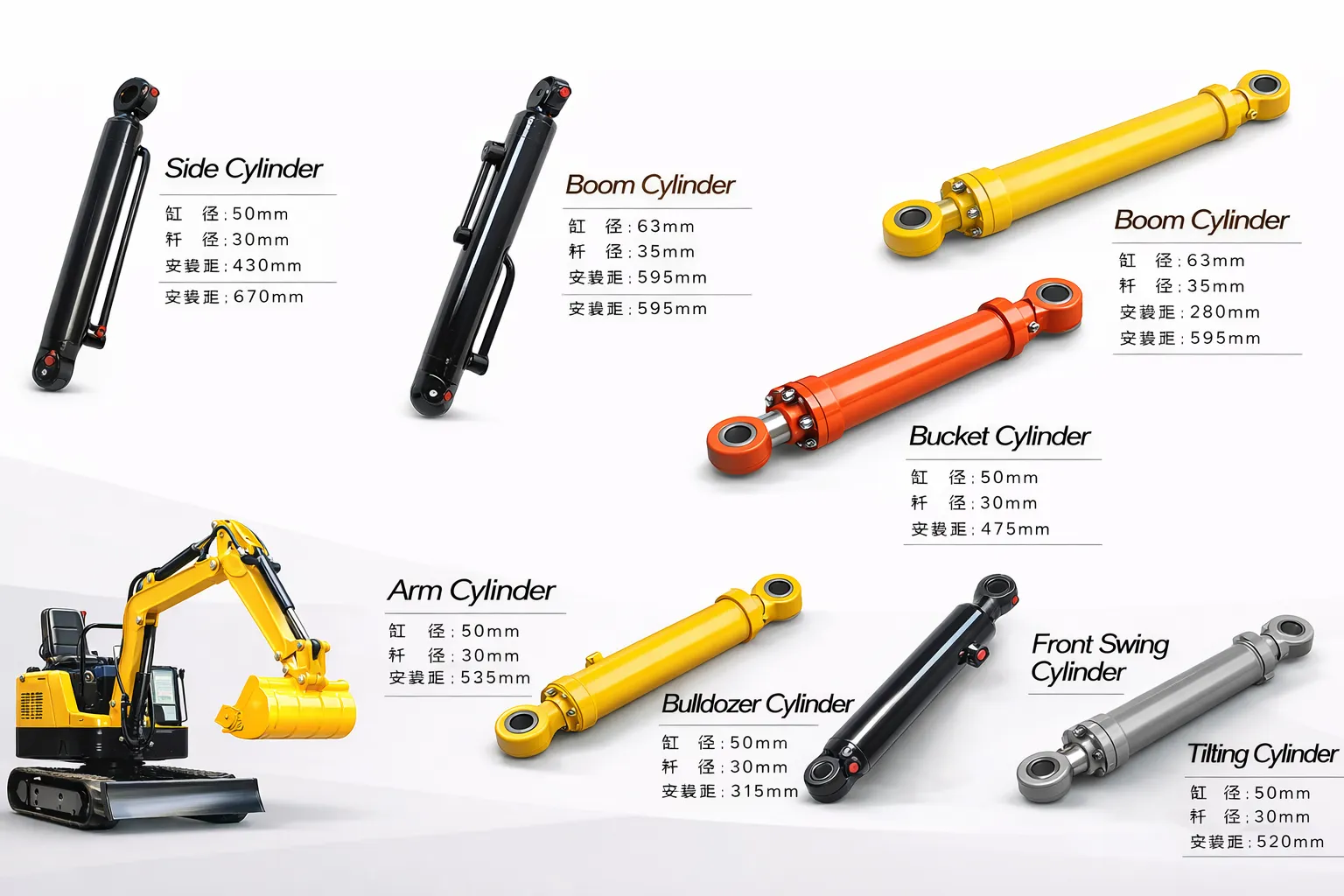
Flawless integration into your heavy machinery’s existing linkage geometry requires precise dimensional matching and uncompromising structural integrity. Below is the comprehensive technical profile of our heavy-duty excavator ripper series, engineered explicitly to thrive in destructive digging environments. We have the capability to scale these specific metallurgical parameters to fit machines ranging from mid-size 20-ton utility excavators up to massive 100-ton heavy mining variants.
| Engineering Specification | Detailed Parameter & Material Standard |
|---|---|
| Primary Industry Focus | Engineering Machinery & Infrastructure |
| Equipment Classification | Excavator (Mid-size Civil to Heavy Mining Class) |
| Subsystem Attachment | Ripper Linkage / Heavy Rock Breaker |
| Component Designation | Ripper Cylinder |
| Fluid Action Mode | Double acting hydraulic cylinder |
| Internal Structure Type | Heavy-Duty Piston Cylinder with Dynamic Cushioning |
| Manufacturing Structure | Welded Construction (Deep Submerged Arc) |
| Core Base Material | 42CrMo High-Yield Alloy Steel |
| Surface Treatment Strategy | Extra-Thick Hard Chrome Plating |
| Environmental Grade | High Load, Severe Kinetic Impact & Abrasive Dust |
| Working Condition Feature | Continuous High-Frequency Impact and Extreme Lateral Torsion |
| Primary Addressed Failure Mode | Piston Loosening, Rod Deflection, and Weld Fatigue |
| Recommended Configuration | Reinforced Trunnion Mounts & Mechanical Piston Lock |
Advanced Operational Mechanics & Working Principle
To fully comprehend why this structural component must be forged with such extraordinary materials, one must delve into the internal fluid dynamics occurring inside the heavy steel barrel during a tearing operation. Because breaking solid earth requires immense, actively controlled force in two distinct directions—pushing the heavy shank deeply into the ground, and pulling it powerfully back through the rock—this unit operates strictly as a double acting hydraulic cylinder. There is absolutely no reliance on gravity or passive spring returns here; it is a closed, highly pressurized loop of immense mechanical energy designed to physically break the earth.
When the heavy machinery operator initiates the ripping motion, forcing the tooth downward into the solid bedrock, the excavator’s main hydraulic pump routes highly pressurized oil into the blind end (often called the cap end) of the cylinder tube. This fluid rushes into the chamber and presses directly against the full, solid circular face of the internal hydraulic cylinder piston. According to the foundational laws of fluid power, mechanical force is equal to fluid pressure multiplied by the functional surface area. By utilizing the entire bore diameter of the barrel, the unit generates the maximum possible extension force. This colossal linear energy pushes the 42CrMo steel rod outward, pivoting the entire heavy linkage, and driving the ripper tooth deep into the ground with tearing power that easily exceeds tens of thousands of pounds of concentrated pressure.
Once the rock is sufficiently fractured, the work cycle must reset rapidly. The main directional control valve shifts, instantaneously routing pressurized oil into the rod end of the cylinder while simultaneously opening a clear return path for the fluid in the cap end to flow back to the main hydraulic reservoir. On this retraction stroke, the pressurized fluid can only push against the smaller, ring-shaped annular area of the piston that surrounds the solid steel rod. Because there is less surface area available, the overall retraction force is inherently lower; however, because it requires significantly less fluid volume to fill this smaller space, the cylinder retracts at a dramatically faster speed. This highly precise dynamic interaction between slow, crushing extension power and rapid, fluid retraction is exactly what allows modern excavators to operate with such ruthless efficiency in severe environments.
Seamless Drop-In Replacement for Global Machinery Brands
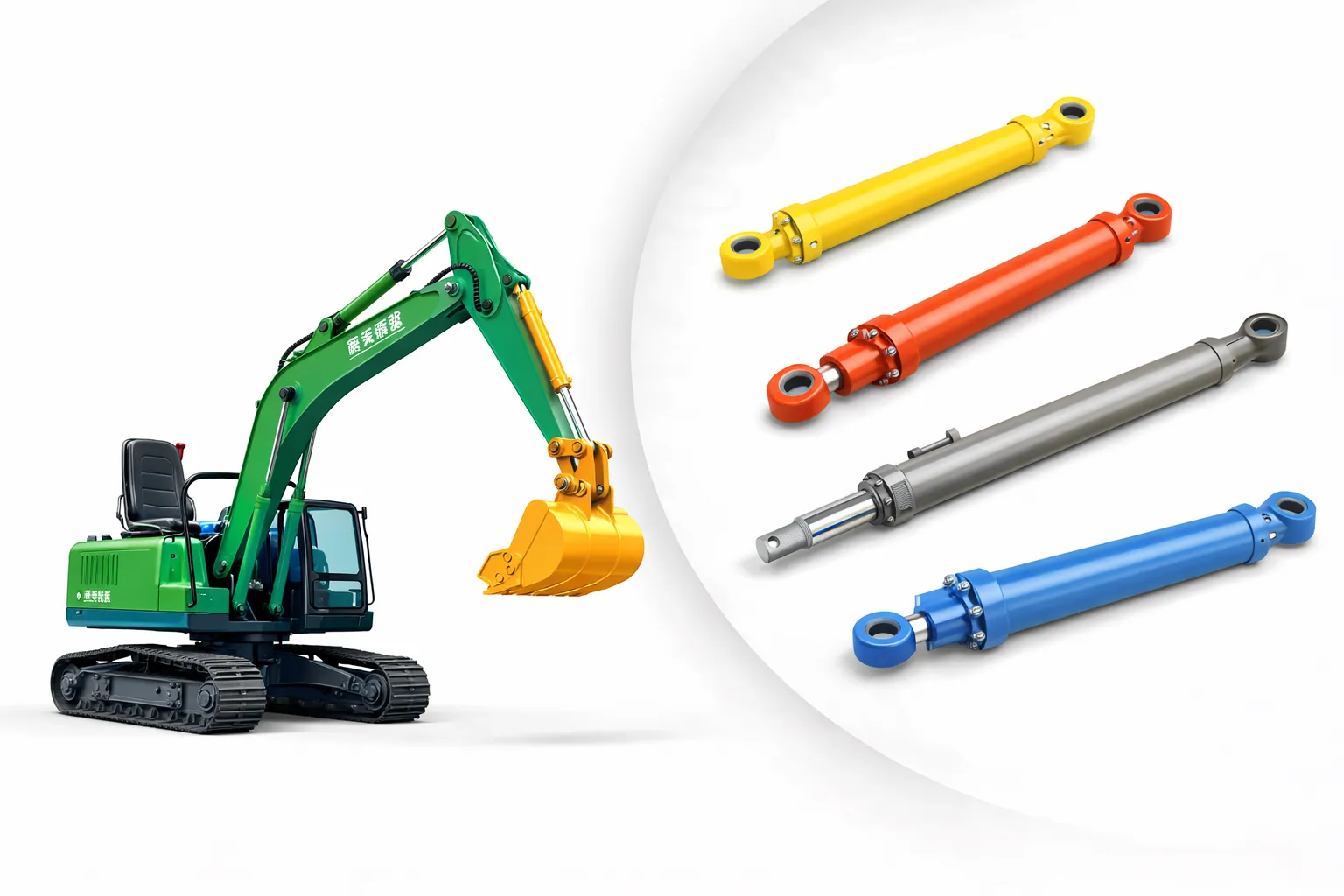
In the heavy construction industry, time is literally money. When a critical ripper actuator shatters in the middle of a major trenching operation, you absolutely cannot afford to wait weeks for a customized part or force your field mechanics to spend hours on site grinding mounts and welding brackets to make an ill-fitting aftermarket piece work. We eradicate this massive logistical headache entirely by manufacturing our heavy-duty units to exact, uncompromising original equipment manufacturer (OEM) dimensional tolerances, guaranteeing a flawless, immediate installation process the very first time.
Our highly advanced engineering database contains the precise OEM dimensions for the world’s most trusted heavy machinery brands. We routinely supply seamless drop-in replacements for popular excavators manufactured by Caterpillar (CAT), Komatsu, Hitachi, Doosan (Develon), Hyundai, Kobelco, and Volvo. We ensure that the pin-to-pin closed lengths, overall stroke distances, precise trunnion locations, rod diameters, and internal fluid port thread pitches perfectly match your existing machine linkage. (Please be advised: The mention of these specific heavy machinery brand names is strictly for dimensional reference, compatibility sizing, and component identification to assist our B2B clients. We do not claim any trademark affiliation, sponsorship, or direct endorsement from these original equipment manufacturing entities.)
By maintaining strict, unwavering adherence to standard mounting geometry while massively upgrading the internal metallurgical materials, we offer a specialized solution that is physically easy to bolt on but performs exponentially better than the original factory part. If your maintenance department is tired of the endless, frustrating cycle of constantly fixing hydraulic cylinders in the mud that were clearly not engineered for the job, standardizing your replacement parts with our heavy-duty solutions is the most logical financial step. You can easily explore our complete catalog of precision-engineered aftermarket upgrades at our hydraulic cylinder product center.
Core Technical Advantages & Deep Engineering Innovations
What fundamentally makes our engineered product vastly superior to standard, off-the-shelf actuators? The secret lies in our obsessive attention to structural metallurgy and internal kinetic mechanics. Surviving the violent shocks of a ripper attachment requires deliberate, over-engineered solutions. Making the outer metal thicker is simply not enough; one must address exactly how the kinetic energy behaves inside the barrel. Here are the five key engineering innovations built into every heavy-duty unit we produce:
1. Absolute Defense Against Piston Loosening
The most devastating and frequent failure mode in a rock ripping application is the catastrophic loosening of the internal piston assembly. When the heavy steel tooth fractures solid granite, it sends a massive, high-frequency kinetic shockwave directly up the rod. In ordinary units, this vibration acts exactly like a pneumatic impact wrench on the internal fastening nut, causing it to back off. Once loose, the massive hydraulic forces push the heavy steel piston violently back and forth, instantly destroying the inner barrel wall. We completely neutralize this critical threat. We utilize a proprietary multi-stage mechanical and chemical locking architecture. The threads are precision-machined for a highly restrictive interference fit, coated with high-temperature aerospace-grade anaerobic thread lockers, and torqued using hydraulic tensioners. Finally, secondary mechanical set-pins lock the nut securely into the piston body, ensuring the entire assembly remains a single, immovable block of steel regardless of the vibration frequency.
2. Forged 42CrMo High-Yield Alloy Steel Architecture
When a ripper tooth snags an immovable, buried boulder on one side, it generates immense lateral bending forces up the linkage. Ordinary carbon steel (like standard 1045) is simply too soft for this application; it will permanently bend under the severe lateral strain, ruining the rod seals instantly upon retraction. We forge our cylinder rods and heavy mounting structures entirely from 42CrMo, an exceptional chromium-molybdenum alloy steel. Through careful, multi-stage quenching and tempering heat treatments, we achieve a yield strength that easily withstands sudden, massive impact spikes without permanently deforming. A perfectly straight rod guarantees that the internal hydraulic parts stay aligned and never leak.
3. Heavily Reinforced Trunnion Mount Design
The physical geometry of a deep ripper tooth acts as a massive lever, magnifying side-load forces exponentially. Standard welded clevis mounting eyes attached at the extreme ends of the barrel create long lever arms that magnify stress, often leading to severe fatigue cracking at the weld seams. We utilize a highly specialized, heavily reinforced trunnion design. Heavy forged steel pivot blocks are integrated closer to the center of the barrel body using deep-penetration automated welding. This intelligent geometry centralizes the load distribution, allowing the cylinder body to pivot naturally and safely transferring the massive twisting shock loads across a much wider section of the machine’s robust framework.
4. Multi-Layer Hard Chrome Surface Protection
A pristine, perfectly smooth rod surface is absolutely critical for long seal life. Because rippers operate deep in highly abrasive dirt, mud, and flying silica dust, the rod acts as a magnet for sharp rock fragments. To protect the vital 42CrMo steel core, we employ an advanced, heavy-duty chrome plating process. We apply a significantly thicker layer of hard chrome than standard industry specs, engineered with a highly controlled micro-crack network. This microscopic texture actually holds a tiny film of hydraulic oil, constantly lubricating the external wiper seals while presenting an impenetrable, diamond-hard shield against rock strikes and environmental corrosion.
5. Advanced Impact-Resistant Buffer Sealing Matrix
When a ripper tooth suddenly slips off a buried rock ledge, the cylinder rod violently surges forward, instantly creating a massive internal pressure spike known as a hydraulic shock wave. Standard nitrile seals can be literally squeezed out of their grooves (seal extrusion) and blown out completely under this phenomenon. We equip our heavy-duty units with a specialized sealing matrix. This includes high-durometer polyurethane buffer rings positioned in front of the main rod seal to physically absorb the initial pressure spike. Behind this, we utilize advanced PTFE-blended composite step seals backed by high-strength profiled elastomers, ensuring ultra-low friction, preventing oil overheating, and guaranteeing years of leak-free operation.
Precision Manufacturing & Absolute Quality Control
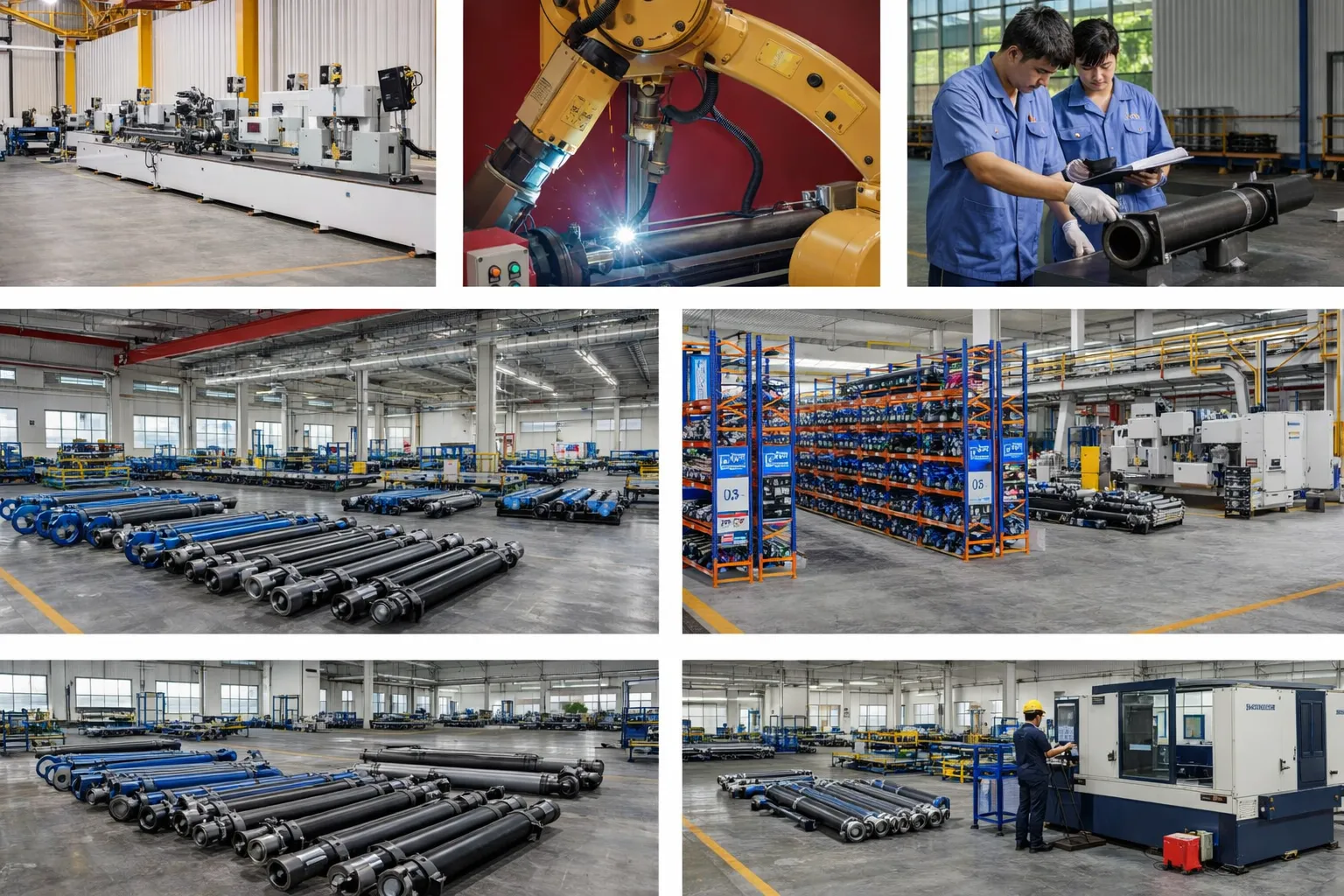
You cannot consistently guarantee severe-duty reliability if you rely on assembling inconsistent third-party parts. We maintain absolute, unyielding control over the entire production lifecycle. Every welded structure, every machined thread, and every polished surface is created autonomously within our own state-of-the-art manufacturing facilities. This vertically integrated manufacturing structure guarantees uncompromising quality from raw steel to final assembly.
The foundation of our reliability begins with rigorous raw material inspection. All incoming 42CrMo steel billets undergo mandatory ultrasonic flaw detection (UT) to ensure there are no microscopic internal voids or slag inclusions that could cause the rod to snap under heavy load. The heavy steel barrels are processed using advanced Skiving and Roller Burnishing (SRB) technology. This cold-working process violently compresses the internal grain of the steel tube, creating a mirror-smooth, highly work-hardened bore that drastically reduces seal friction and prevents heat generation over thousands of operational hours. All critical structural welding, especially around the massive reinforced trunnions, is performed using fully automated, multi-pass submerged arc welding robots. This completely eliminates human inconsistency, ensuring deep, uniform weld penetration, followed immediately by thermal stress relief in industrial ovens to completely prevent weld-zone brittleness.
Our quality control mandate is absolute: zero defective units leave the factory floor. Before any cylinder is painted and cleared for global shipping, it must survive our stringent computerized testing protocol. We mandate a 100% factory hydrostatic pressure test for every single unit. The actuator is securely connected to a high-pressure rig and violently pushed to 1.5 times its maximum rated operating pressure. We meticulously hold the heavy load to verify there is absolutely no internal fluid bypass across the piston or external weeping at the gland seals. Only when it passes perfectly does it receive its deeply laser-engraved serial number, providing full lifetime traceability of the steel batch, the seal kit lot, and the exact engineering technician who signed off on its final assembly.
Expanding Horizons: Broad Industry Applications
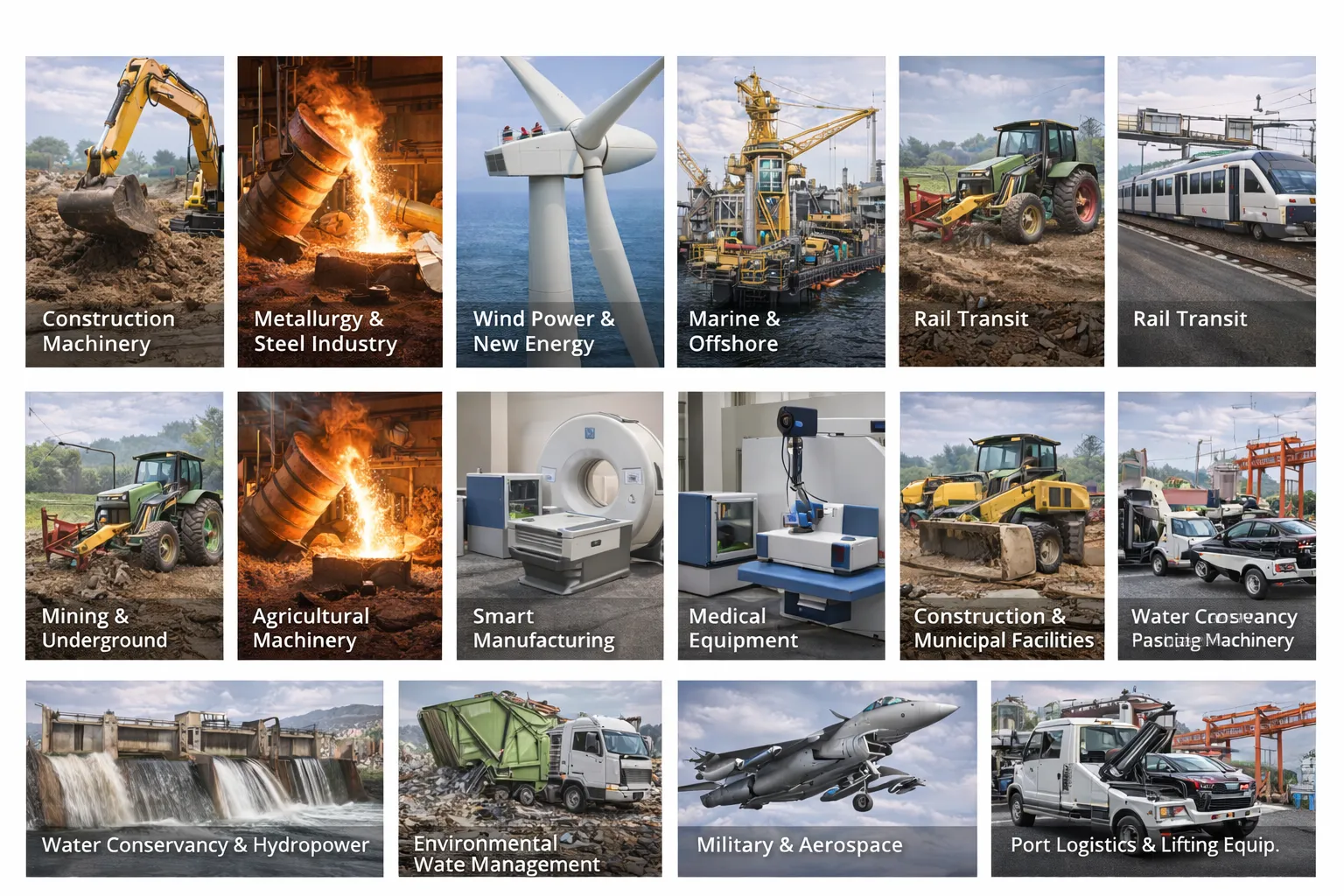
While the brutal demands of an excavator ripper represent the absolute pinnacle of our heavy-duty engineering capabilities, the underlying principles of high-impact resistance and unyielding structural rigidity translate beautifully to other brutal industrial environments. By visiting our comprehensive guide on the construction machinery industry, you can discover how our robust fluid power philosophy adapts to solve diverse global challenges.
- Heavy Earthmoving & Forestry: Beyond rippers, this heavy-wall technology securely powers bulldozer blade lift and tilt systems, large wheel loader buckets, and massive forestry grapples where constant ramming into heavy material causes similar kinetic shock profiles.
- Mining & Demolition: Essential for powering heavy hydraulic rock breakers, primary jaw crushers, and concrete pulverizers where thick dust, falling debris, and continuous high-pressure shock waves are the daily norm.
- Material Handling & Logistics: High-stress pivot points on scrap metal handlers, port cranes, and logging machines rely on our reinforced trunnions to act as a fail-safe lift cylinder to confidently avoid snapping under erratic, swinging container loads.
- Metallurgy & Heavy Manufacturing: In steel mills, custom versions of these highly rigid cylinders are used on heavy slag breakers and blast furnace doors, enduring tremendous radiant heat and jarring mechanical stops that melt standard components.
- Specialized Custom Scenarios: From specialized tunnel boring machines (TBMs) grinding blindly through solid granite to offshore piling rigs enduring both massive impact and severe saltwater corrosion, we adapt this core heavy-duty architecture to perfectly fit the specific industrial need.
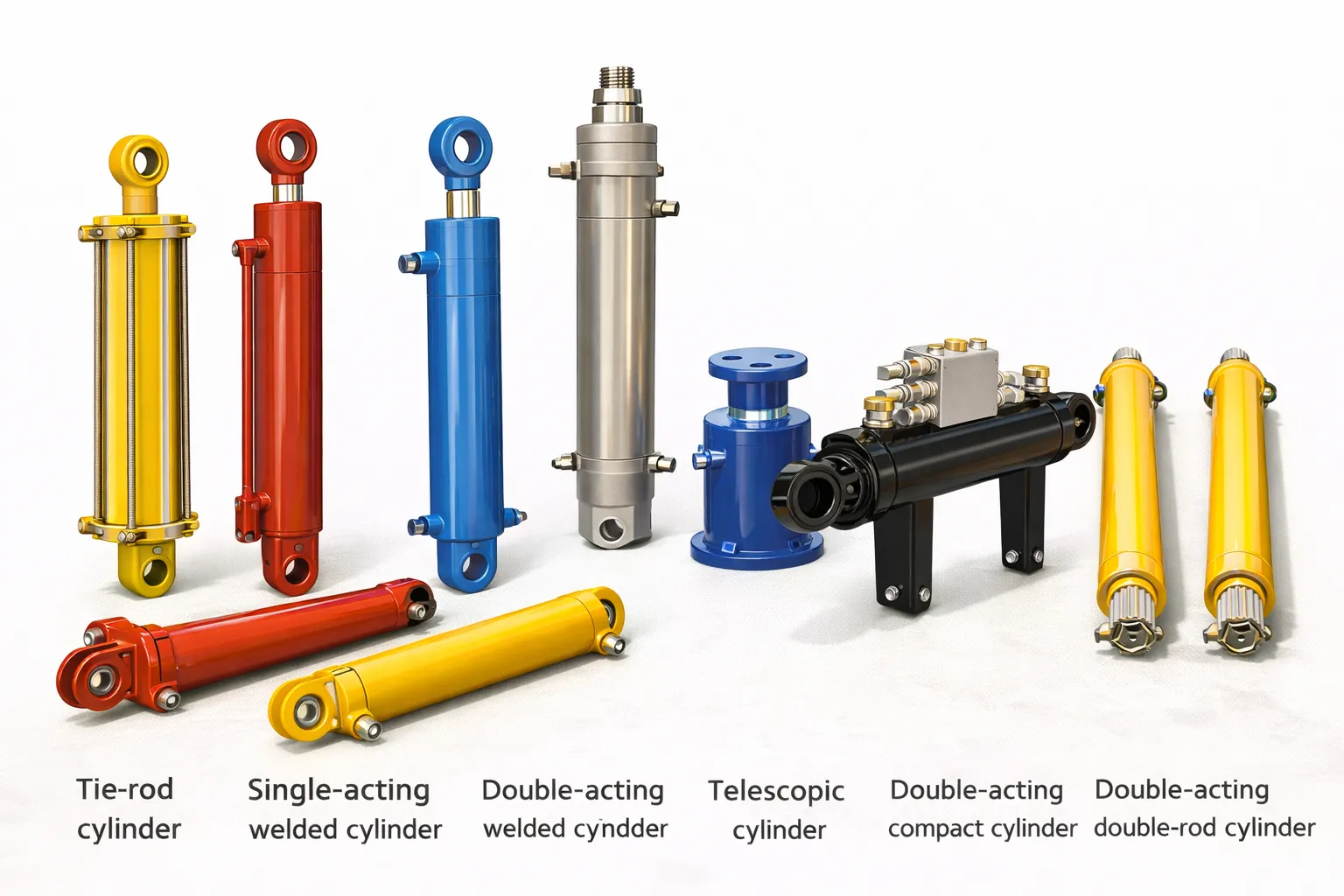
Comparative Analysis: Standard vs. Heavy-Duty Solutions
When evaluating hydraulic cylinder price quotes from various suppliers, it is critically important for procurement managers to look strictly past the fresh coat of yellow paint. A cheaper upfront cost inevitably means heavily compromised internal components and softer metal, which directly results in disastrous, expensive failure on the job site. Here is the stark reality of how our heavily engineered product compares directly to a standard commercial aftermarket replacement.
| Feature Component | Standard Ordinary Cylinder | Our High-Performance Ripper Cylinder |
|---|---|---|
| Rod Material Strength | 1045 Carbon Steel (Highly prone to bending under severe shock) | Forged 42CrMo Alloy Steel (Extreme yield strength and memory) |
| Piston Security Method | Standard single torque nut (Vibrates loose easily during impact tearing) | Multi-stage lock with mechanical set-pins (Zero loosening) |
| Mounting Architecture | Basic welded eye (Concentrates stress, prone to severe weld tearing) | Reinforced Trunnion architecture (Safely disperses massive shock) |
| Sealing Package Resilience | Basic Nitrile rubber (Blows out entirely under extreme pressure spikes) | Buffer ring + PTFE composite pressure seal with extrusion backup rings |
| Expected Lifespan in Rock | Typically 3 to 6 months before catastrophic overhaul is required | Multi-year durability (Vastly superior Return on Investment) |
Real Field Data: Proven Global Case Studies
Engineering theories must be strictly proven in the dirt. Over the past few years, we have resolved critical, repetitive failure issues for heavy equipment operators across the Asian market. Here are five highly detailed accounts of how our units perform in harsh reality.
Case Study 1: Conquering Frozen Ground in South Korea
Client & Location: A major civil infrastructure contractor operating in the mountainous regions of Gangwon-do, South Korea.
Application: Operating a fleet of 40-ton excavators equipped with ripper shanks to break through deep winter permafrost for highway foundation work.
How They Found Us: Deeply frustrated by frequent winter breakdowns, their chief mechanic searched online for a specialized hydraulic cylinder repair alternative to the weak OEM parts.
The Result: The severe, jarring shock of hitting frozen solid rock was causing their standard cylinder pistons to unscrew internally, completely destroying the barrels. We supplied our advanced anti-loosening design paired with the thick 42CrMo rod. The machines completed the entire grueling winter 2024 season without a single hydraulic failure, keeping the highway project strictly ahead of schedule.
“We used to keep two spare cylinders in the mechanic’s truck just to survive the winter freeze. Since installing these upgraded units in November 2024, we haven’t touched them. The mechanical piston lock is absolutely brilliant.” — Park Ji-hoon, Fleet Manager.
Case Study 2: Ending Fatigue Cracks in Japanese Quarries
Client & Location: A high-volume limestone quarry operation near Fukuoka, Japan.
Application: Tearing out heavily embedded limestone shelves prior to heavy loader extraction.
How They Found Us: Referred by a regional heavy equipment dealer who knew of our custom reinforced trunnion manufacturing capabilities.
The Result: The extreme prying motions were constantly ripping the welded eye mounts right off the standard cylinder tubes. We delivered units featuring our heavy-duty reinforced trunnion mounts. By distributing the load safely across the thickest part of the barrel, the fatigue cracking stopped entirely. Delivered in early 2025, they are still running perfectly under massive daily loads.
“The welding quality on the trunnion is exceptional. We push our Komatsu machines to the absolute limit, and finally, we have a component that doesn’t break under the strain.” — Sato Kenji, Quarry Supervisor.
Case Study 3: Urban Demolition Survival in Taiwan
Client & Location: A specialized structural demolition company located in Taipei, Taiwan.
Application: Ripping up thick, heavily steel-reinforced concrete building foundations in tight city limits.
How They Found Us: Searching for a better overall hydraulic cylinder price without sacrificing critical safety during risky urban demolition work.
The Result: The sudden, violent release of pressure when heavy concrete snaps was creating massive hydraulic shock waves, blowing out standard rod seals and dumping oil everywhere. Our installation of high-durometer buffer rings physically absorbed these pressure spikes completely, maintaining a dry, clean rod and easily passing strict local environmental inspections.
“Leaking oil on an urban job site is a massive environmental fine waiting to happen. These custom seals handle the concrete shock brilliantly. Reviewed in August 2025.” — Lin Wei-ting, Lead Demolition Engineer.
Case Study 4: Abrasive Dust Management in Vietnam
Client & Location: A remote, large-scale coal mining operation in Quang Ninh Province, Vietnam.
Application: Continuous trenching and heavy soil ripping in a high-temperature, highly abrasive coal dust environment.
How They Found Us: Through an industrial trade forum while actively looking for solutions to deeply scratched cylinder rods.
The Result: The abrasive dust was scoring the standard chrome, allowing dirt to bypass the seals and heavily contaminate the entire hydraulic system. We provided units with extra-thick, micro-cracked hard chrome plating and multi-lip, progressive dust wipers. The internal fluid remained pristine, drastically extending the life of the machine’s main hydraulic pumps.
“The airborne dust is our worst enemy in the pit. The thick chrome and aggressive wipers keep the dirt out completely. Installed late 2025, highly recommended.” — Nguyen Hoang, Mine Maintenance Chief.
Case Study 5: Fleet Standardization in the Philippines
Client & Location: A massive machinery rental company managing over 100 excavators in Manila, Philippines.
Application: A mixed fleet primarily rented out to regional quarry operators and civil site prep contractors.
How They Found Us: Looking for a highly reliable direct factory supplier to replace their constant need for fixing hydraulic cylinders in-house and to cut out expensive local middlemen.
The Result: Sourcing quality parts for different machine brands was an administrative nightmare. We supplied perfect, dimensionally accurate drop-in replacements for their mixed CAT, Doosan, and Hitachi fleet, all built to the exact same superior 42CrMo standard. This completely standardized their maintenance program and slashed their annual replacement budget by over 30%.
“Having one trusted factory that understands the severe earthmoving environment and provides exact fit parts has completely transformed our maintenance schedule. (Review date: January 2026)” — Roberto Santos, Fleet Procurement.
Frequently Asked Questions (FAQ)
Making technical purchasing decisions for a multimillion-dollar heavy machinery fleet requires absolute clarity. Below are the highly precise answers to the most common technical and operational questions posed by our B2B engineering partners.
Stop Wasting Money on Weak Hydraulics
Every hour your excavator sits idle waiting for a broken rod to be replaced or a loose piston to be rebuilt is actively draining your profit margin. Upgrade to a highly specialized ripper cylinder that is explicitly engineered for the brutal realities of rock breaking and deep trenching. Connect with our technical engineers today to perfectly confirm your machine dimensions and secure a competitive quote for your entire fleet.
Connect With Our Engineering Team
Explore our full range of fluid power solutions at hydrauliccylindersprice.com.


























