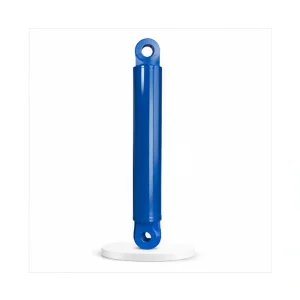
Ro-Ro Platform Latch Cylinder (Hydraulic Self-Locking)
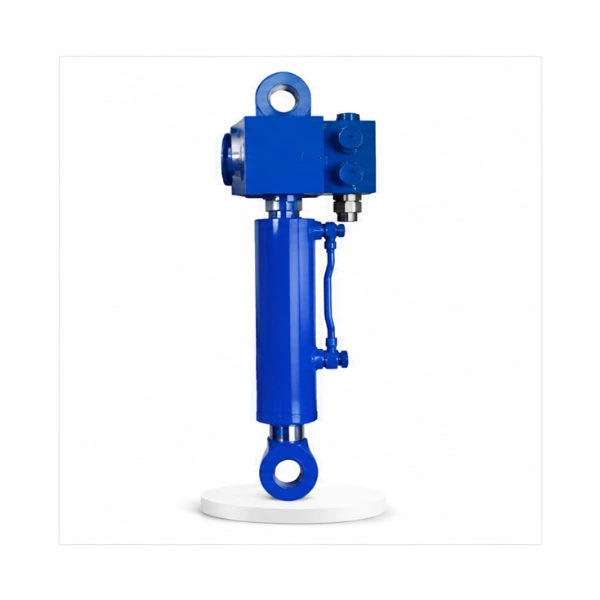
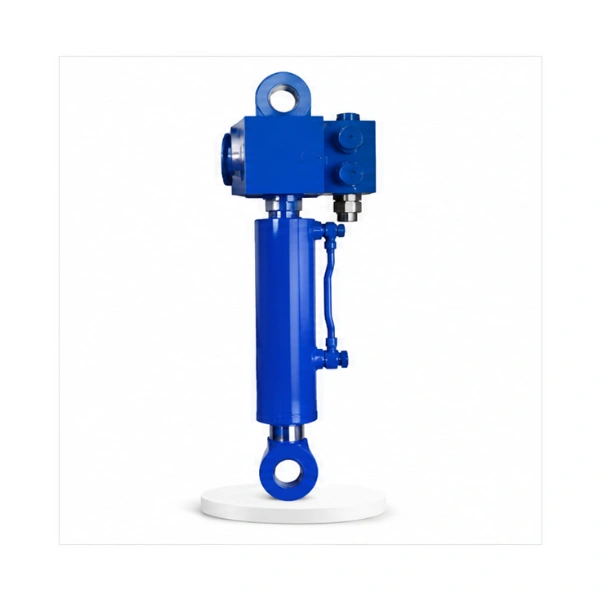
Ro-Ro Platform Latch Cylinder
Hydraulic Self-Locking
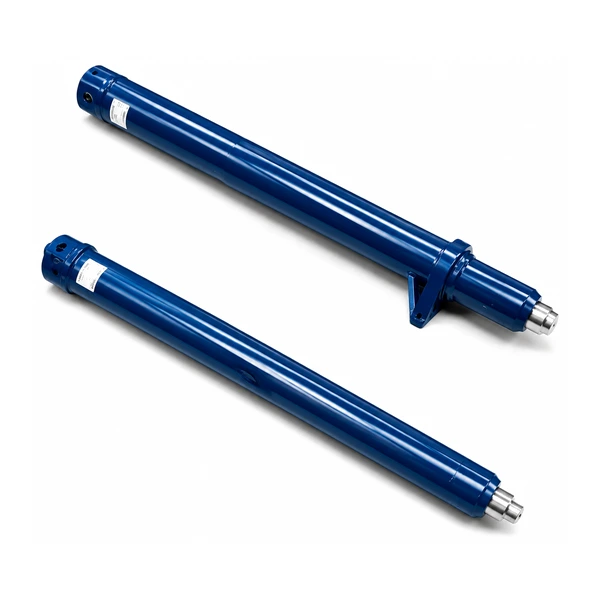
The compact alternative to mechanical self-locking. Pilot-operated check valves trap hydraulic pressure on both sides of the piston — holding the bolt in position without continuous pump pressure. Three size options for small to large ramp systems.
Technical Specifications
| Parameter | Specification |
|---|---|
| Product Name | Ro-Ro Platform Latch Cylinder (Hydraulic Self-Locking) |
| Features | Lock bolt via pilot-operated check valves; hydraulic self-locking |
| Specifications | 80/50*S, 63/40*S, 40/28*S — front and rear locking |
| Working Pressure | 25 MPa |
| Piston Rod | Stainless steel |
| Classification | DNVGL type approval |
| Application | Ro-Ro Platform |
How Hydraulic Self-Locking Differs from Mechanical
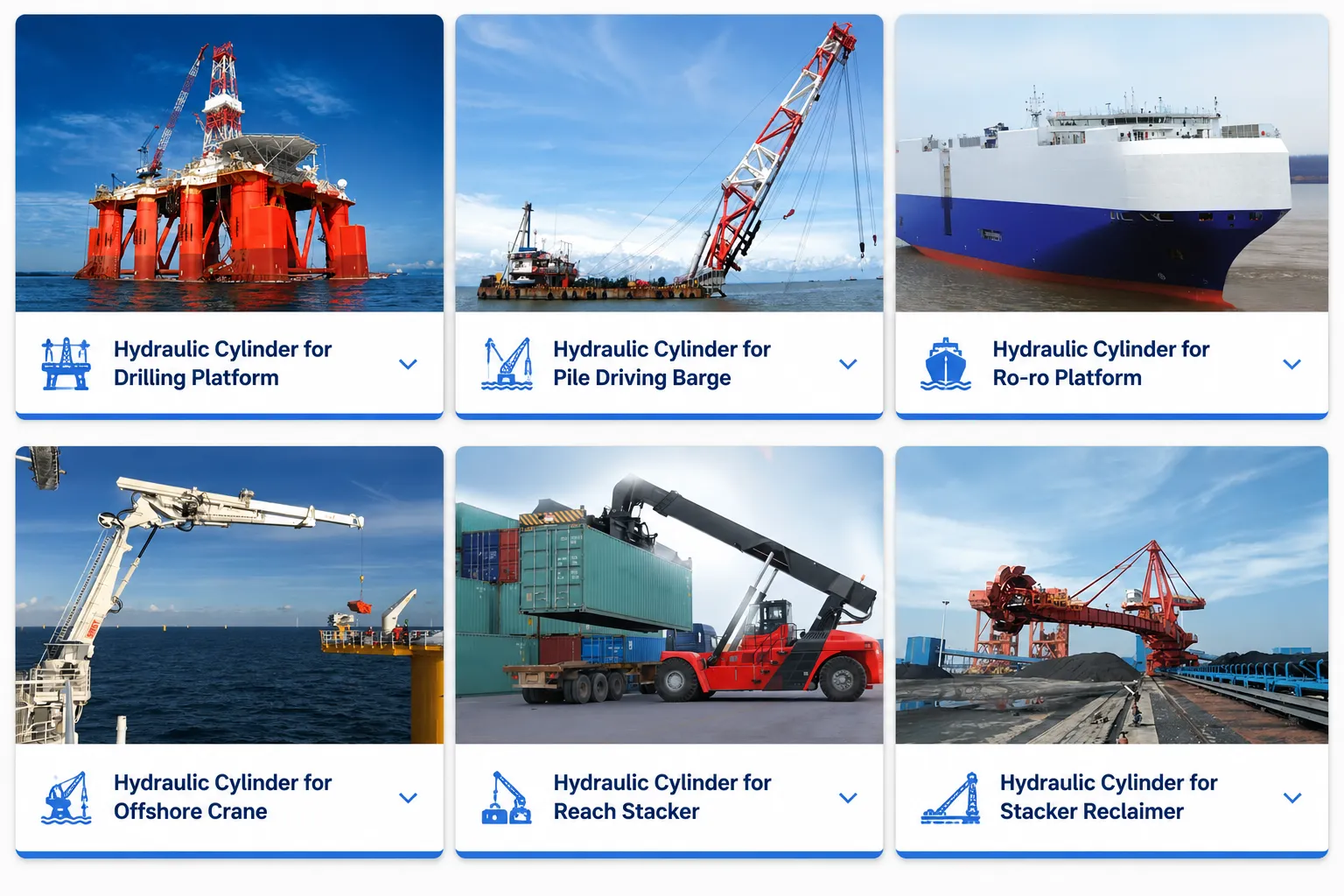
Instead of a mechanical spring, the hydraulic self-locking latch uses pilot-operated check valves (POCVs) integrated into the cylinder ports. When the bolt reaches the locked position, the POCVs close — trapping the oil on both sides of the piston. The piston cannot move in either direction because the trapped oil is incompressible, even without active pump pressure.
To unlock, a pilot signal opens the POCVs, allowing oil to flow and the bolt to retract. The advantage: no spring inside the cylinder body, so the overall length is shorter and more size options are available (three specifications: 80/50, 63/40, and 40/28). The 40/28 is the smallest latch cylinder in the ro-ro range — suited for light-duty ramps and internal vehicle deck doors.
Both mechanical (#14) and hydraulic (#15) latch cylinders carry DNVGL type approval and use stainless steel piston rods. Browse the full offshore hydraulic cylinder range.
Three Size Options for Different Ramp Systems
Largest option. For heavy stern ramps on ocean-going ro-ro cargo vessels and large passenger ferries.
Mid-range. For side ramps, quarter ramps, and medium-duty stern ramps on coastal ferries and short-sea ro-ro vessels.
Smallest option. For internal vehicle deck doors, hoistable car decks, and light-duty ramp latches on small ferries.
Hydraulic Latch Cylinder OEM & ODM
Korea Ever-Power supplies hydraulic self-locking latch cylinders for all ro-ro vessel types. Provide the ramp model, bolt force requirement, space constraints, DNVGL class requirement, and preferred size specification. Complete documentation including DNVGL type approval certificate, material certificates, and test reports. Contact the Korea Ever-Power hydraulic cylinder team for quotation.
Frequently Asked Questions
What Our Customers Say
"The hydraulic self-locking latch cylinders (63/40) are 65 mm shorter than the mechanical version we had before — crucial in our tight side-ramp hinge box. Locking performance is identical."
T. Virtanen — Marine Engineer, Finnish ferry operator
"We use the 40/28 latch cylinders on our internal hoistable car deck doors. Compact, reliable, and the DNVGL documentation was accepted by our class surveyor without question."
N. Ivanov — Ship Manager, Russian Baltic ferry line
"Solid quality. We ordered 80/50 latch cylinders for our stern ramp. After 14 months, the POCV holding performance is still within spec — no pressure decay detected during our quarterly checks."
S. Kim — Fleet Inspector, South Korean ro-ro operator
"We mixed mechanical latch (stern ramp) and hydraulic latch (side ramp) from Korea Ever-Power. Both sets shipped together with a single coordinated DNVGL package. Made our classification submission much simpler."
L. Bergman — Naval Architect, Norwegian shipyard
"Replacement for original TTS latch cylinders. Korea Ever-Power matched the mounting dimensions perfectly from our drawings. The stainless rod finish quality is better than the original."
J. Reyes — Maintenance Superintendent, Mexican ferry company
Related Hydraulic Cylinder Categories
Lisätiedot
| Editor |
|---|
Tutustu myös
-
Empty Container Stacker Lifting Cylinder
-
Reach Stacker Steering Cylinder
-
Reach Stacker Luffing Cylinder
-
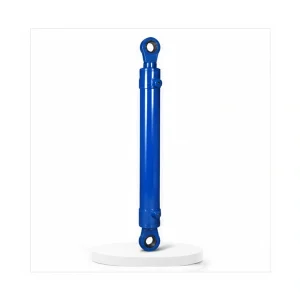
Empty Container Stacker Side Shift Cylinder
-
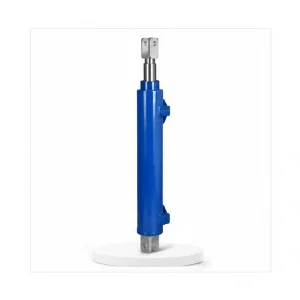
Empty Container Stacker Steering Cylinder
-
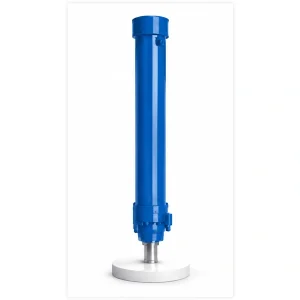
Trailing Suction Dredger Heave Compensation Cylinder
-
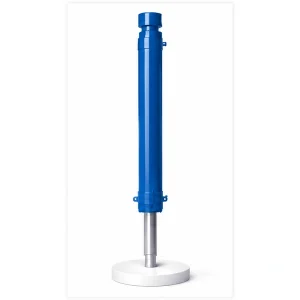
Cutter Suction Dredger Piling Cylinder
-
Offshore Crane Main Boom Luffing Cylinder