
Trailing Suction Dredger Hanger Cylinder
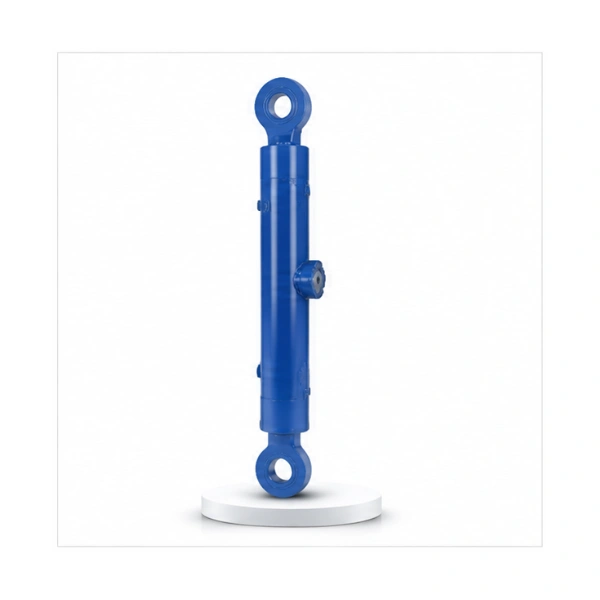
Trailing Suction Dredger Hanger Cylinder
The suction pipe on a trailing dredger hangs 20–50 metres from the hull to the seabed — suspended by a hanger mechanism that the hanger cylinder controls. Deployment, recovery, and everything in between: 3,000 KN of pull force keeps a multi-tonne pipe assembly under control in open-sea conditions.
Technical Specifications
| Parameter | Specification |
|---|---|
| Product Name | Trailing Suction Dredger Hanger Cylinder |
| Features | Provide pulling force for retracting and unfolding the suction pipe hanger |
| Bore Diameter | 450 mm |
| Rod Diameter | 220 mm |
| Stroke | 3,630 mm |
| Pulling Force | Maximum 3,000 KN |
| Working Pressure | Up to 32 MPa |
| Temperature Range | -40 °C to +100 °C |
| Application | Trailing Suction Dredger |
What Does the Hanger Cylinder Do on a TSHD?
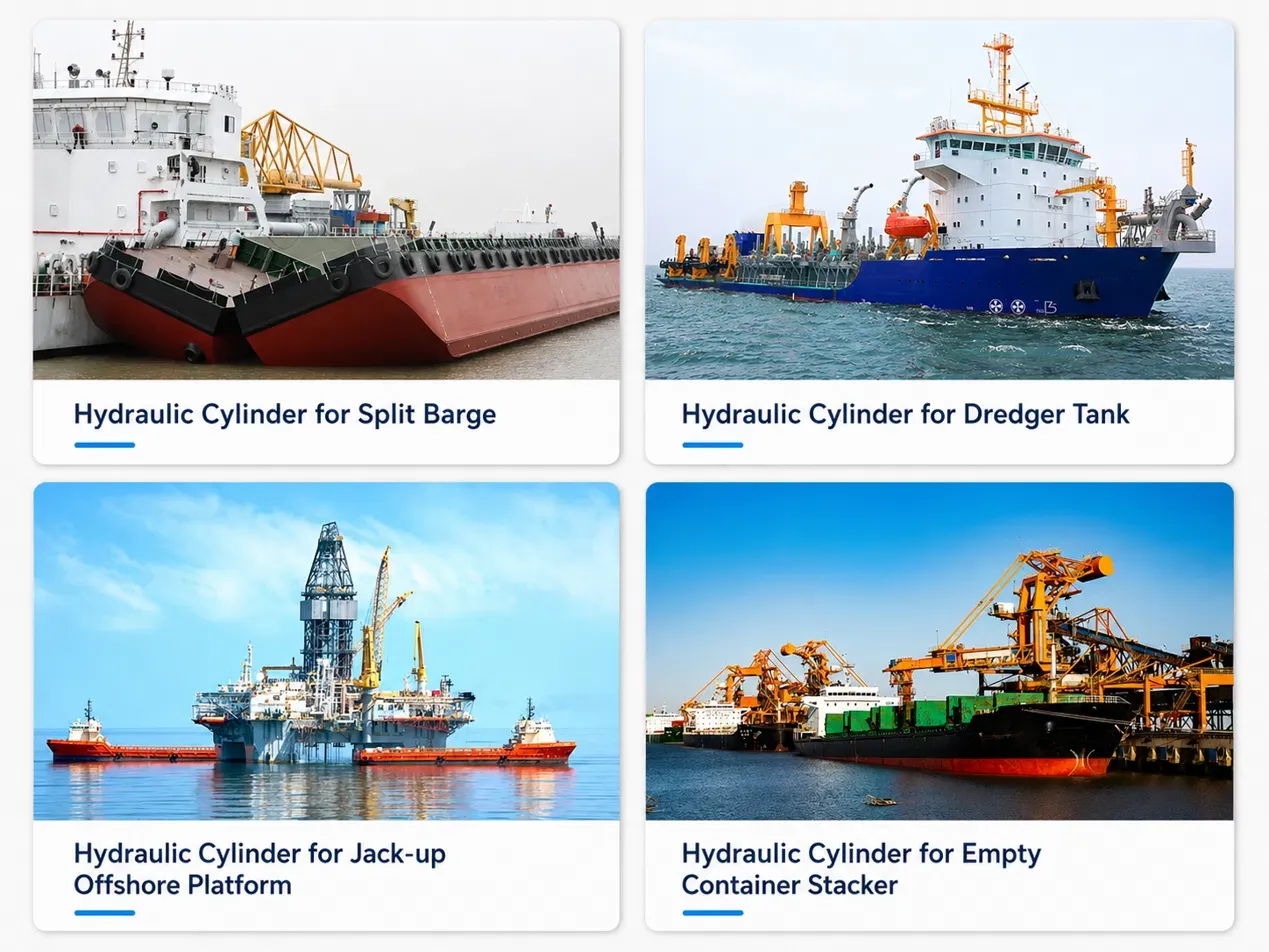
The suction pipe on a trailing suction hopper dredger extends from the hull down to the seabed — a distance of 15–50 metres depending on water depth. The pipe is not rigid; it consists of articulated sections connected by flexible joints. A hanger mechanism — essentially a large davit or gantry on the side of the hull — supports the upper section of the pipe and controls its angle and position.
The hanger cylinder provides the pulling force (up to 3,000 KN) to retract the suction pipe hanger for transit or recovery, and the pushing force to deploy it for dredging. During dredging, the hanger cylinder holds the pipe at a controlled angle, working together with the heave compensation cylinder (#5) to maintain a stable draghead position on the seabed. When dredging is complete or the vessel needs to transit, the hanger cylinder retracts the pipe assembly up against the hull — a critical operation in rough seas where the swinging pipe could damage the hull or endanger crew.
Korea Ever-Power engineers the hanger cylinder for each TSHD model's specific pipe weight, deployment geometry, and sea-state requirements within the offshore hydraulic cylinder range.
Suction Pipe Deployment Sequence
The hanger cylinder manages the suction pipe through a repeating 4-phase cycle — typically 3–6 times per day on an actively dredging TSHD:
Deploy
Cylinder extends to swing the hanger outboard. The suction pipe lowers toward the water under controlled speed. Lowering rate is metered to prevent free-fall.
Dredge
The hanger cylinder holds position while the heave compensation cylinder (#5) absorbs wave motion. The hanger provides a stable pivot point for the pipe's angular movement.
Recover
Cylinder retracts with up to 3,000 KN of pull force, hauling the pipe assembly up against its own weight plus the weight of water and sediment trapped inside. This is the peak-force phase.
Stow
The pipe is secured against the hull for transit. Load-holding valves lock the hanger in position — preventing the pipe from swinging in rough seas during the voyage to the disposal site.
Critical Design Requirements for TSHD Hanger Cylinders
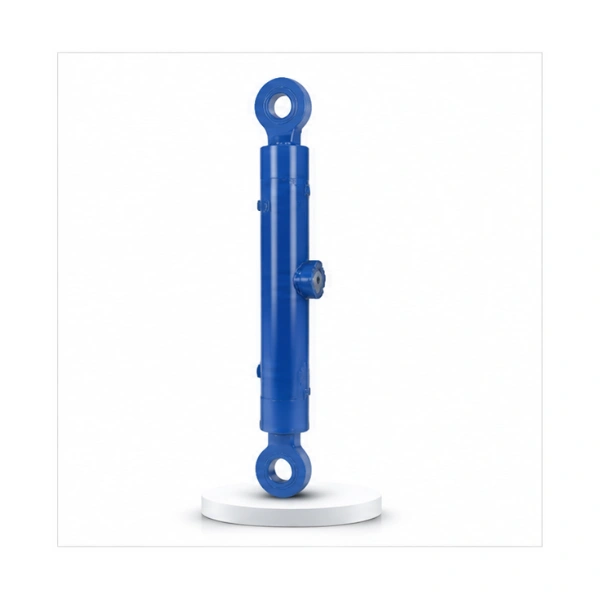
The hanger cylinder operates in the most exposed position on a trailing suction dredger — outboard on the vessel's side, directly subject to waves, wind, and saltwater immersion. Design requirements go beyond standard marine cylinders:
The hanger supports a swinging suction pipe (5–30 tonnes depending on TSHD size) in open-sea conditions. The pipe pendulates with wave motion, creating dynamic loads that cycle continuously. The cylinder's pin joints, barrel, and rod must be rated for fatigue — not just static load.
If the dredger must stop suddenly (engine failure, collision avoidance), the suction pipe must be recovered rapidly before it drags on the seabed or tangles with the vessel. The hanger cylinder's retraction speed and force must handle emergency recovery under worse-case conditions — full pipe weight plus dynamic wave loading.
The hanger cylinder operates in the worst corrosion zone on a vessel — the splash zone where alternating wet/dry cycles accelerate corrosion 5–10x faster than continuous immersion. Laser-clad or ceramic rod coating, FKM seals, and marine-grade epoxy barrel coating are standard for hanger cylinder installations.
Supply and Service Capabilities
Complete hanger cylinder sets for new-build TSHDs, designed from the vessel's GA drawings and suction pipe specifications. Lead time: 8–12 weeks from drawing approval.
Form-fit-function replacements for existing TSHDs — reverse-engineered from originals or from vessel drawings. Upgraded seals, surface treatment, and valve integration included.
Pre-packaged seal kits for field replacement. Each kit contains the complete seal set for one cylinder — rod seal, piston seal, wiper, guide rings, O-rings — packed in a labelled marine-duty container.
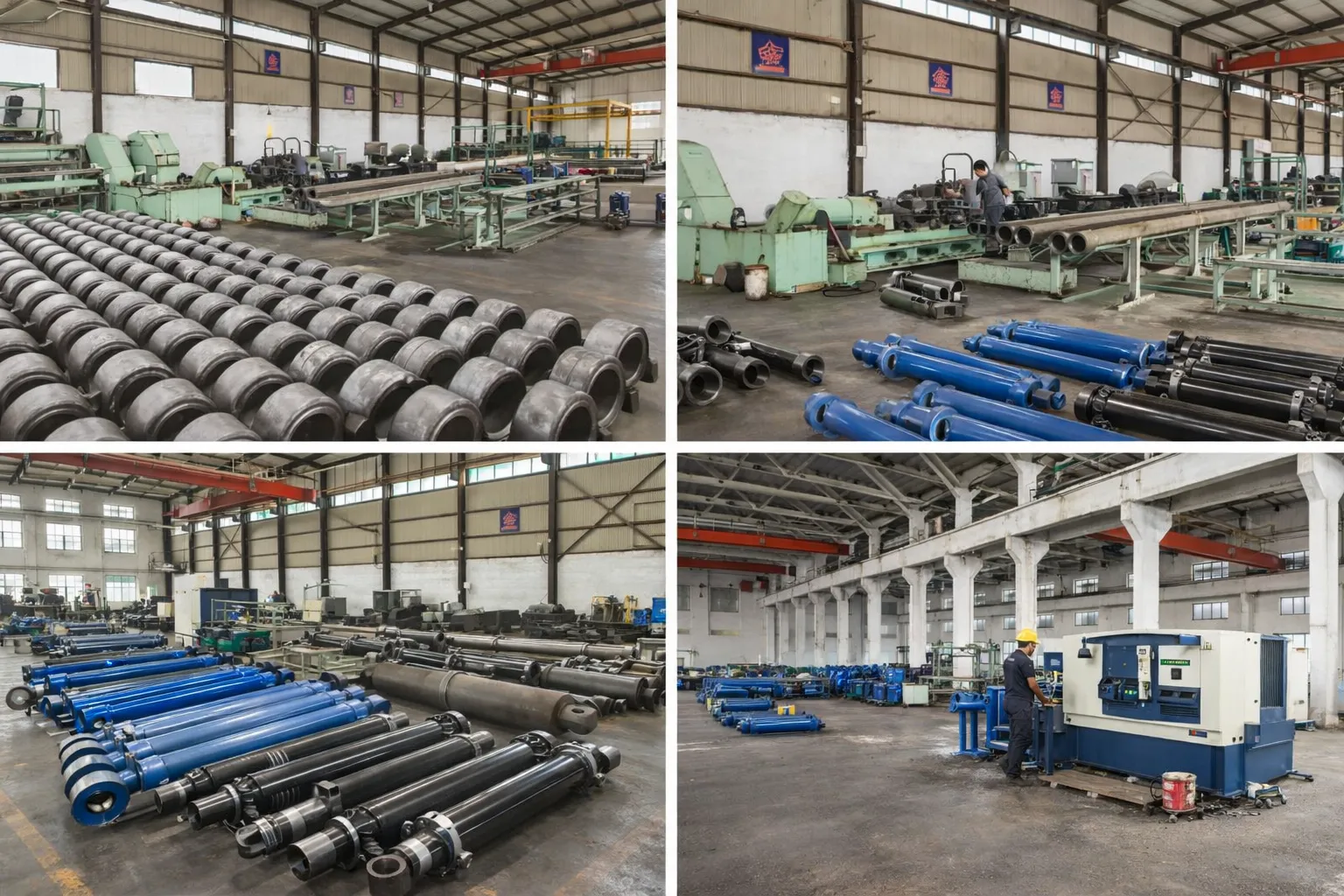
Hanger Cylinder OEM & ODM
Frequently Asked Questions
Common questions about the trailing suction dredger hanger cylinder answered by Korea Ever-Power engineers:
What Our Customers Say
"The hanger cylinders on our 12,000 m³ TSHD have been in service for 14 months. The ceramic-coated rods are handling the constant saltwater spray without any visible surface degradation. Previous hard-chrome rods on the same vessel showed pitting within 8 months."
Capt. M. Andersen — Fleet Captain, Danish dredging company
"We needed 2 hanger cylinders with exact dimensional match to our Vosta LMG suction pipe frame. Korea Ever-Power worked from our GA drawings and delivered cylinders that bolted straight in without any adapter plates. Good dimensional accuracy on the mounting pins."
G. Koopman — Maintenance Manager, Netherlands
"Hanger cylinders for a mid-size TSHD (3,500 m³). Performance is as specified. Delivery took 8 weeks — we were hoping for 6. The rod surface finish (Ra 0.2 µm measured) is very good. Seal leakage: zero after 2,400 operating hours."
A. Diallo — Chief Engineer, Senegal
"Second order from Korea Ever-Power — hanger cylinders for our second TSHD. Same spec as the first order (2024), same quality. Having a consistent, reliable supply source for dredger hydraulic cylinders is worth a lot when you operate vessels 300+ days per year."
Y. Takahashi — Procurement Manager, Japanese dredging contractor
"The load-holding valves integrated into the hanger cylinder body eliminated the risk of uncontrolled pipe drop during a hydraulic supply failure. This was a class society requirement (DNV) that our previous external valve arrangement did not fully satisfy. The integrated design passed the DNV survey without comment."
Eng. C. Olsen — Classification Compliance, Norway
Related Hydraulic Cylinder Categories
Informations complémentaires
| Editor |
|---|
Produits similaires
-
Reach Stacker Telescopic Cylinder
-
Stacker Reclaimer Skeleton Pitch Cylinder
-
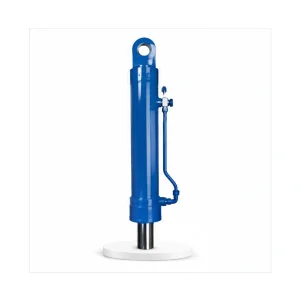
Ro-Ro Platform Jacking Cylinder
-
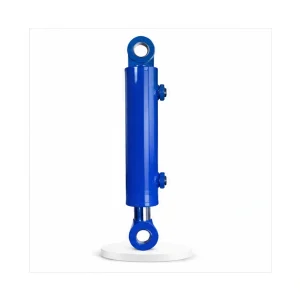
Ro-ro Platform Latch Cylinder (Mechanical Self-Locking)
-
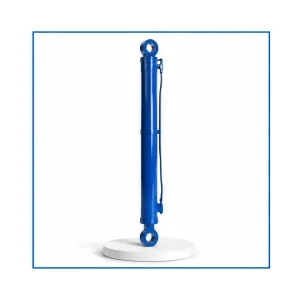
Ro-ro Platform Main Operating Cylinder
-
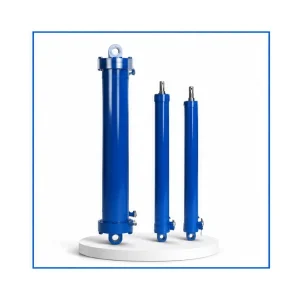
Drilling Platform Steel Wire Rope Tensioner Cylinder
-
Pile Driving Barge Luffing Cylinder
-
Cutter Suction Dredger Inverted Pile Cylinder


























