Deep Well Pump Adjusting Cylinder For Geothermal Pump Body Adjustment
Engineered with advanced marine engineering sealing and nickel-plated alloy steel to conquer extreme 120℃ subterranean environments, permanently preventing seal coking and ensuring uninterrupted geothermal extraction.
Product Overview: Revolutionizing Subterranean Geothermal Operations
The global energy landscape is undergoing an unprecedented and rapid transformation, leaning heavily toward continuous, baseload renewable energy sources. Geothermal power generation stands at the absolute forefront of this infrastructure revolution, particularly in the tectonically active regions of East Asia, including South Korea, Japan, and the surrounding Pacific Rim. Unlike intermittent solar or wind power, geothermal energy relies on the continuous, unwavering extraction of superheated fluids and steam from deep within the earth’s crust. The absolute mechanical heart of this demanding extraction process is the subterranean pump mechanism. To optimize the volumetric flow rate of superheated brine, manage varying subterranean reservoir pressures, and prevent catastrophic impeller cavitation, the internal clearances of the pump body must be dynamically and continuously adjusted. This critical, high-stakes mechanical maneuver relies entirely on the precision, immense thrust, and extreme thermal durability of a specialized deep well pump adjusting cylinder.
When operating thousands of meters below the surface, heavy fluid power equipment is continuously subjected to ambient downhole temperatures routinely reaching or exceeding 120℃, combined with highly corrosive, mineral-rich brine. Standard industrial actuation components are fundamentally incapable of surviving in this severe subterranean biome. The most catastrophic and frequent failure mode encountered in these extreme conditions is seal coking. Seal coking is a highly destructive thermodynamic process where standard elastomeric seals literally bake, harden, crack, and ultimately disintegrate into carbonized fragments due to the relentless thermal stress. Once seal coking occurs, the deep well pump adjusting hydraulic cylinder suffers massive internal pressure bypass, leading to a total loss of pump control, millions of dollars in deferred energy generation, and exorbitant well extraction and replacement costs.
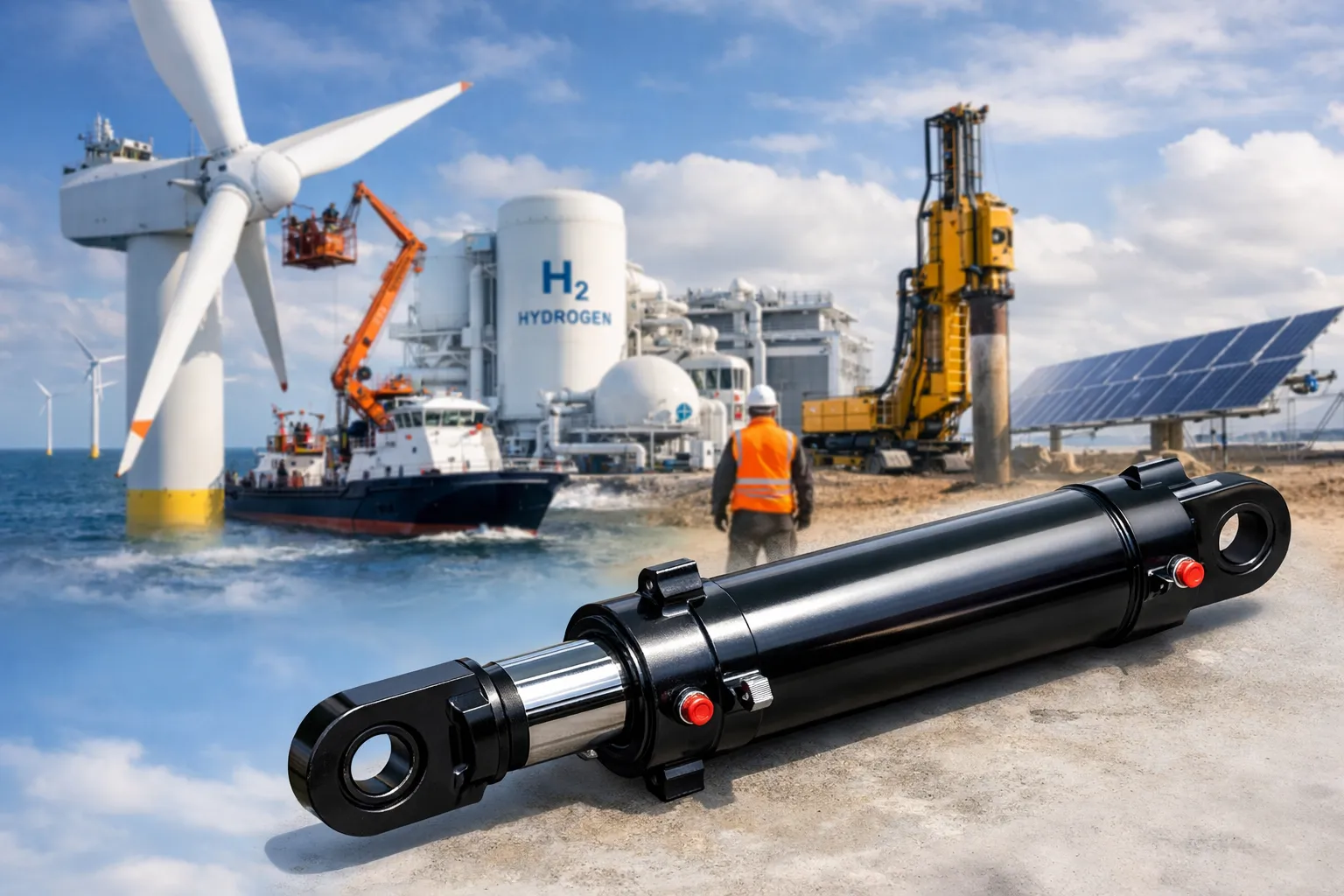
As a veteran engineering firm and a premier hydraulic cylinder manufacturer, we have meticulously designed a fluid power solution that definitively eliminates these high-temperature vulnerabilities. By integrating advanced offshore marine engineering sealing technology with a highly rigid, nickel-plated alloy steel architecture, our proprietary deep well pump adjusting cylinder is built to maintain absolute volumetric efficiency and positional locking under severe 120℃ continuous operation. This uncompromising approach to thermodynamic stability ensures that facility operators can safely perform vital micro-adjustments to the pump body deep underground without the looming threat of sudden actuator failure. Ultimately, deploying our specialized deep well pump adjusting hydraulic cylinder significantly reduces your long-term lifecycle hydraulic cylinder price by effectively eradicating unplanned subterranean downtime and costly emergency well interventions.
Comprehensive Technical Parameters and Downhole Customization
Engineering robust machinery for high-temperature, highly corrosive geological formations leaves absolutely zero margin for specification errors. The dimensional and metallurgical parameters must be calculated precisely to match the hydrostatic pressure and thermal expansion coefficients of the specific geothermal well. The following table delineates the rigorous baseline specifications, optimal working conditions, and the extensive customization envelope of our subterranean actuation systems.
| Engineering Parameter | Design Specification | Operational Significance |
|---|---|---|
| Industry Sector | New Energy | Optimized explicitly for continuous, baseload geothermal thermal power extraction. |
| Equipment Category | Geothermal energy pump body adjustment | Built for direct structural integration into massive subterranean extraction hardware. |
| Subsystem / Action | Deep well pump adjustment | Dynamically alters internal impeller and housing clearances to maximize fluid lift efficiency. |
| Hydraulic Cylinder Name | Deep well pump adjusting cylinder | The primary high-force linear actuator driving the mechanical downhole operational shift. |
| Action Mode | Double acting | A highly responsive double acting hydraulic cylinder providing active hydraulic push and pull forces. |
| Structure Type | Piston cylinder | Robust internal configuration utilizing a heavy hydraulic cylinder piston for maximum load stability. |
| Manufacturing Structure | Welded construction | Monolithic fusion absolutely eliminates the fatal tie-rod thermal expansion differentials found at 120℃. |
| Material System | Alloy steel | High-tensile integrity prevents the pressure casing from collapsing under immense hydrostatic well weight. |
| Surface Treatment | Nickel plated | Defends aggressively against high-chloride pitting and severe hydrogen sulfide (H2S) subterranean corrosion. |
| Environment Grade | High temperature 120℃ | Rigorously rated for continuous, unyielding operational exposure to boiling geological brines. |
| Working Condition | Deep well adjustment | Navigating extreme wellbore depths while executing microscopic, high-force stroke adjustments. |
| Typical Failure Mode Prevented | Seal coking | Total eradication of elastomer carbonization, permanently preventing catastrophic downhole fluid loss. |
| Recommended Configuration | Marine engineering sealing | Repurposing offshore blowout preventer tribology for extreme subterranean thermal stability. |
Advanced Downhole Hydrodynamics: The Working Principle
To fully grasp the capabilities of this system, it is essential to examine how immense kinetic energy is precisely transferred thousands of meters underground. A geothermal well operates as a harsh, pressurized vessel filled with boiling, toxic liquid. The massive pump body sits entirely submerged within this hostile environment. Surface-level control algorithms continuously monitor output efficiency, and when operational data dictates a change in the brine extraction rate, specialized, high-temperature hydraulic fluid is pumped down heavy-duty stainless-steel umbilical lines directly to the submerged deep well pump adjusting cylinder.
Upon receiving the pressurized fluid, the actuator must respond instantly. Fluid directed into the extension chamber forces the internal piston downward. The massive alloy steel rod extends, physically shifting the mechanical linkages of the pump body—altering the pitch of the impellers or adjusting heavy internal choke valves. Because the system is double-acting, directing fluid into the retraction port provides an equally powerful pulling force, allowing operators to perfectly balance the thermodynamic output of the geothermal well in real-time. This eliminates the need for gravity-return or spring-return single acting hydraulic cylinder mechanisms that are highly prone to jamming due to mineral scaling.
The central engineering challenge during this process is thermodynamics. At 120℃, standard hydraulic rams expand unpredictably, causing severe internal friction (stiction) or complete seizure. Our engineering team calculates the exact thermal expansion coefficients of the alloy steel components, machining the internal bore with highly specific thermal clearances so that the lift cylinder achieves perfect operational tolerance precisely when it reaches 120℃. Furthermore, the marine engineering sealing configuration utilizes advanced fluoroelastomers (FKM/Viton) backed by heavy-duty PTFE glide rings. This unique geometry actually harnesses the massive external hydrostatic pressure of the well to tighten the wiper seal against the nickel-plated rod, actively rejecting the caustic brine while preventing any internal hydraulic fluid from escaping.
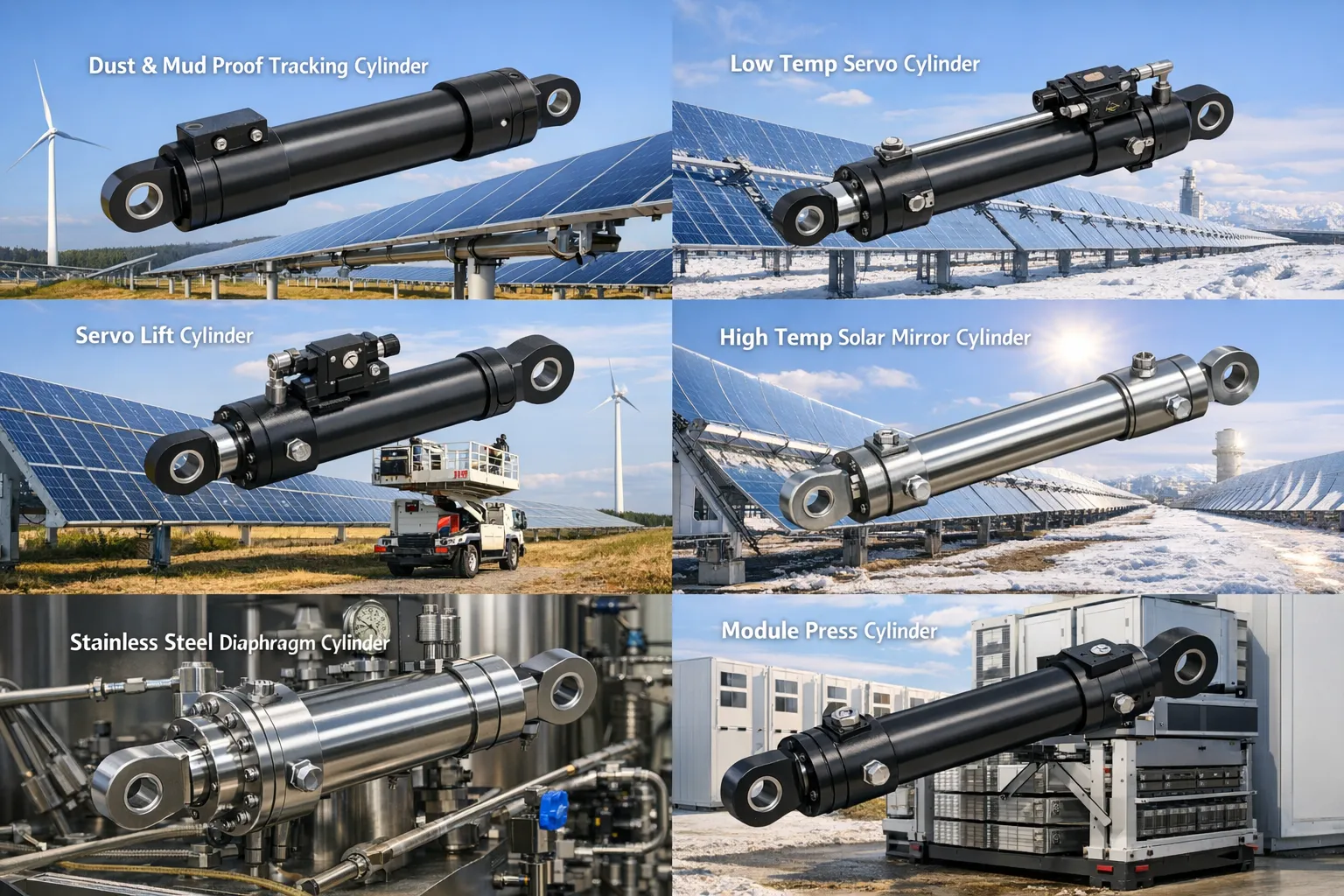
Seamless Global Interoperability and Fleet Upgrades
Managing the maintenance lifecycle and capital expenditure of a multi-well geothermal field is incredibly demanding. Many aging extraction sites in South Korea, Japan, and Taiwan were originally outfitted with standard downhole actuation components from well-known legacy global fluid power conglomerates such as Bosch Rexroth, Parker Hannifin, Eaton Vickers, or Enerpac. (Please be advised: The mention of these distinguished corporate brands is purely for technical dimensional cross-referencing, retrofit compatibility evaluation, and procurement convenience for our engineering B2B partners; we explicitly state that we hold no trademark affiliation, sponsorship, or official endorsement by these entities.)
When field engineers encounter premature downhole failure, executing hydraulic cylinder repair with identical OEM legacy components simply resets the clock for the next catastrophic seal coking event. Furthermore, sourcing these OEM high-temperature replacements often involves prohibitive lead times and highly inflated costs. As a responsive, specialized manufacturing facility, we engineer our deep well pump adjusting hydraulic cylinder to serve as a vastly superior, exact-fit drop-in upgrade for these failing units.
By precisely matching the rod thread profiles, closed-center dimensions, pin diameters, and high-pressure port geometries of your existing equipment, your technicians can seamlessly integrate our anti-coking technology into the current pump assembly. This direct interoperability eliminates the need for expensive, time-consuming structural modifications to your downhole hardware. It significantly compresses your maintenance turnaround time, drastically reduces your total hydraulic cylinder price overhead, and permanently fortifies your subterranean infrastructure against heat-induced failure.
Uncompromising Core Technical Advantages
Transforming a standard industrial actuator into a piece of survival-grade downhole machinery requires a complete re-evaluation of metallurgical chemistry and tribological norms. The following points highlight the critical technical advantages engineered into every deep well pump adjusting cylinder that leaves our facility:
1. Absolute Eradication of Seal Coking
Standard NBR and polyurethane elastomers chemically cross-link, harden, and shatter at sustained temperatures exceeding 80℃. We exclusively deploy a proprietary marine engineering sealing matrix utilizing advanced fluoropolymers (FKM) and PTFE composites. These materials remain perfectly elastic and retain full volumetric sealing integrity continuously at 120℃, permanently eliminating the risk of seal coking.
2. Electroless Nickel Plated Chemical Defense
Geothermal brine is violently corrosive. Standard hard chrome plating naturally features a network of micro-cracks that allow chlorides and H2S to attack the base metal. Our heavy electroless nickel plating provides a completely uniform, non-porous, and chemically inert shield, protecting the alloy steel rod from pitting and severe subsurface corrosion indefinitely.
3. High-Yield Alloy Steel Forging
Operating thousands of meters downhole subjects the cylinder barrel to immense external hydrostatic crushing pressures. Basic carbon steel risks microscopic deformation under this load. We forge our pressure vessels strictly from premium alloy steel, providing superior fracture toughness and ensuring the barrel geometry remains absolutely rigid to protect the seals.
4. Monolithic Welded Architecture
Extreme temperature fluctuations cause different metals to expand at different rates. In standard tie-rod cylinders, thermal elongation causes the external rods to stretch, resulting in severe end-cap fluid leakage. Our robotic submerged arc welded construction permanently fuses the components together, creating a unified vessel totally immune to thermal expansion leaks.
5. Precision Thermodynamic Clearances
To prevent the internal piston from binding as the alloy steel expands in the 120℃ ambient heat, our engineers digitally map the thermal expansion coefficients of every component. The hydraulic parts are machined with highly specific micro-tolerances, ensuring that the system achieves optimal dynamic fluid sealing exactly when it reaches maximum operating temperature.
6. Ultra-Low Friction Tribology
Adjusting a geothermal pump body requires exact, micro-stepping precision without “stick-slip” shuddering. The combination of our deep-hole skived and roller-burnished internal barrel finish (Ra < 0.2μm) paired with high-temperature PTFE guide rings drastically reduces dynamic friction, ensuring the actuator responds instantly and flawlessly to surface command signals.
Excellence in Autonomous Manufacturing & Quality Control
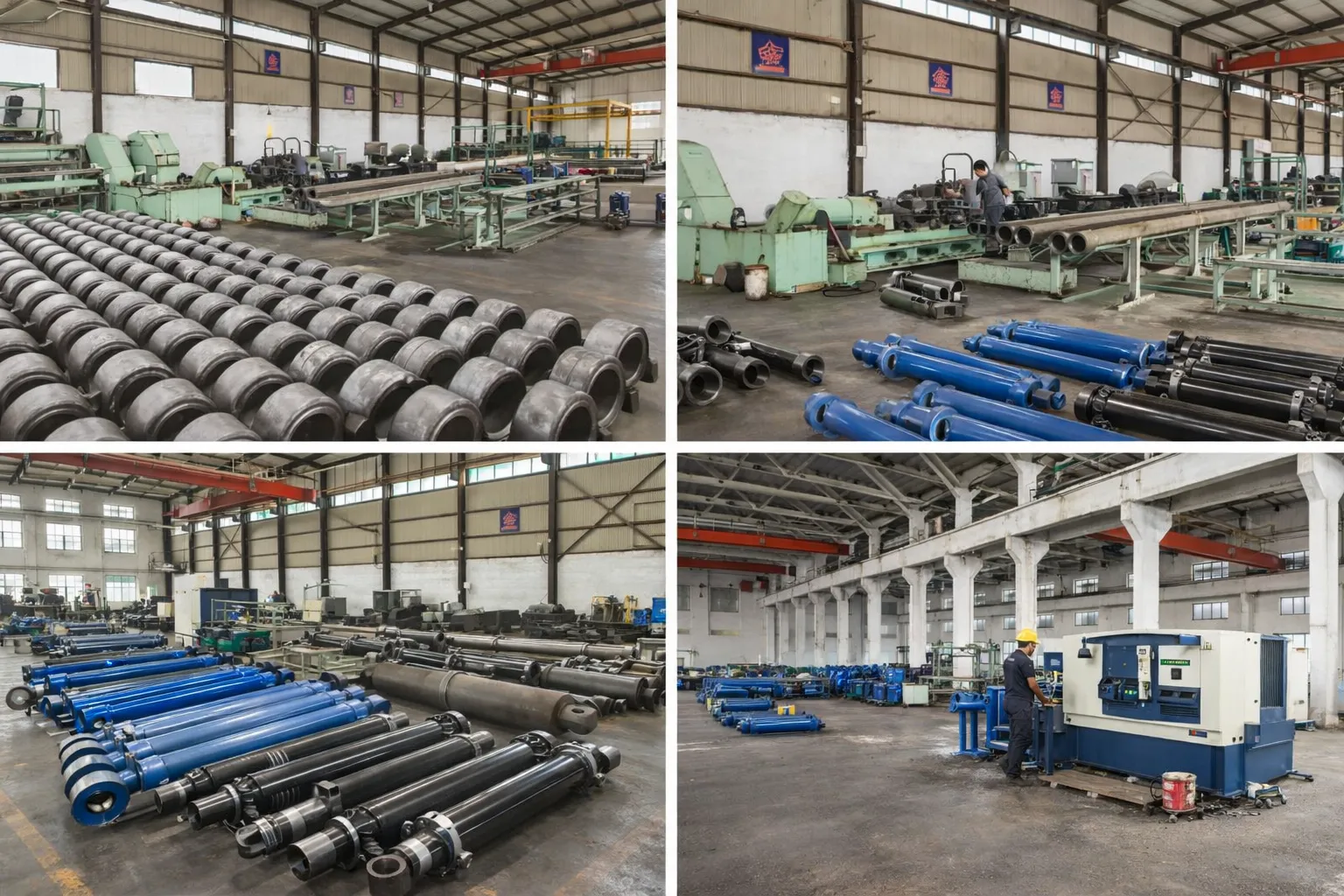
Producing mission-critical hydraulic cylinder components that dictate the uptime of a national power grid cannot be entrusted to third-party assembly houses. As a premier, fully autonomous manufacturing facility, we maintain absolute sovereignty over our entire production process. From the initial ultrasonic validation of the raw alloy steel forgings via spectrometer to the final multi-stage nickel plating bath, every critical step is executed entirely in-house under strict ISO-certified protocols.
Our internal machining centers utilize heavy-duty multi-axis CNC technology to bore, skive, and roller-burnish the internal barrel surfaces to an ultra-smooth, mirror-like finish. This flawless surface drastically reduces dynamic friction against the marine engineering seals, extending their lifespan exponentially. Furthermore, all structural welds binding the heavy end caps to the main barrel are executed by automated robotic cells. These welds are subsequently subjected to 100% Non-Destructive Testing (NDT), utilizing advanced phased array ultrasonics to verify the absolute absence of internal voids or micro-cracks before the unit is approved for high-pressure assembly.
Our quality assurance protocols are uncompromising. Before any deep well pump adjusting hydraulic cylinder is permitted to leave our facility for export to South Korea, Japan, or surrounding regions, it undergoes a grueling 100% Factory Acceptance Test (FAT). We conduct extreme proof pressure testing at 150% of maximum operating load, alongside specialized high-temperature simulation holding tests. We heat the cylinder to 120℃ while pressurized, utilizing high-resolution digital flow meters to mathematically verify that internal leakage is zero. Complete material test reports (MTRs), dimensional inspection logs, and permanent serial number engraving provide our clients with absolute, lifecycle-long traceability.
Versatile Heavy Industry Applications
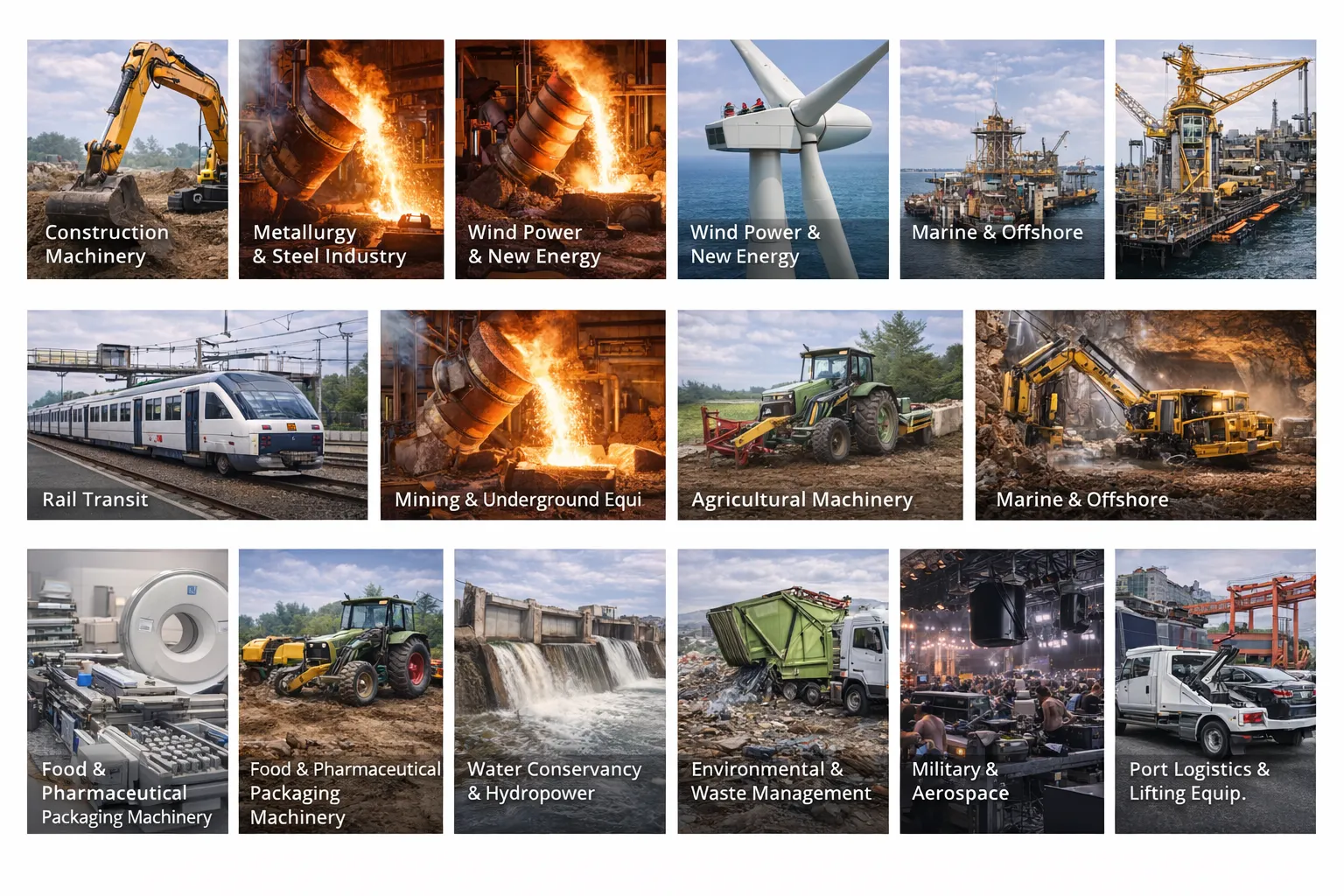
While the extraordinary thermal resilience and anti-coking properties of this specific hydraulic unit are exquisitely tailored for the geothermal energy sector, the foundational principles of extreme rigidity, absolute sealing, and corrosion resistance translate powerfully to other punishing industrial landscapes where component failure results in massive financial losses.
- Steel & Metal Processing: Exposure to extreme radiant furnace heat, continuous heavy loads, and highly abrasive slag demands specialized cylinders with fire-resistant fluid compatibility. Discover our heavy-duty platforms engineered for the metallurgical and iron industry.
- Subterranean Extraction & Crushing: The brutal, abrasive environments of deep-shaft operations and continuous tunneling require actuators that will not succumb to rock impacts or acidic groundwater. Explore how our alloy steel designs power the mining industry.
- Heavy Infrastructure Development: The rapid cycle times, massive breakout forces, and unpredictable shock loads associated with excavators and heavy earthmoving rely heavily on our welded structures specifically built for the construction machinery industry.
- High-Temperature Rubber & Plastics: Advanced injection molding and vulcanization presses require exact linear positioning and massive mold clamping tonnage without any pressure decay, utilizing both single and double acting models.
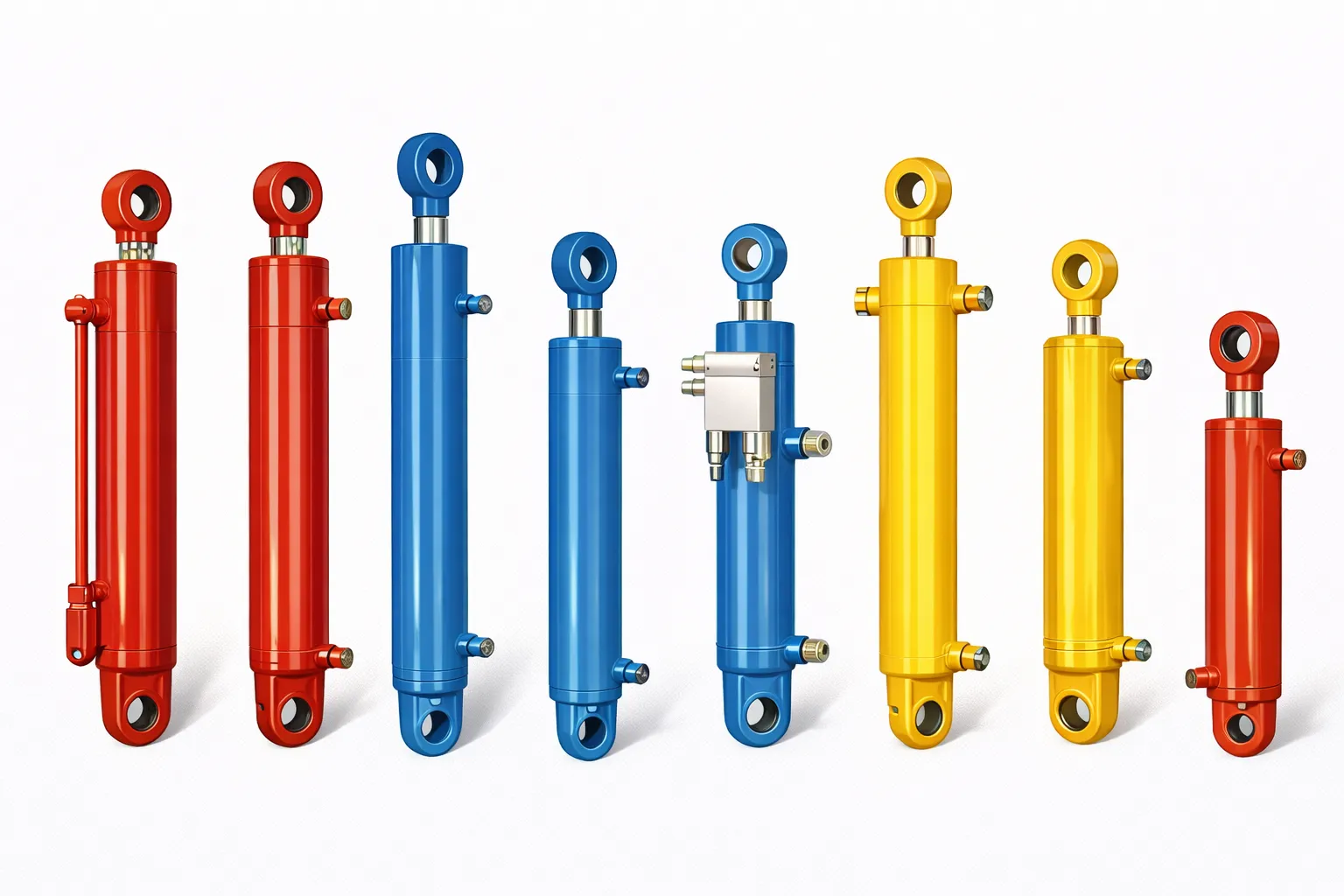
Comparative Analysis: Standard Actuators vs. Our Geothermal Benchmark
When calculating the true return on investment for deep well operations, the initial procurement cost of a cylinder is statistically insignificant compared to the multi-million dollar cost of a downhole failure and subsequent well intervention. The following comparison illustrates why top-tier engineering procurement contractors strictly mandate our high-performance solutions.
| Performance Metric | Ordinary Commercial Hydraulic Cylinder | Our Deep Well Pump Adjusting Cylinder |
|---|---|---|
| High-Temp Failure Mode | Rapid seal coking above 85℃; catastrophic pressure bypass. | Zero coking; marine engineering seals stable continuously at 120℃. |
| Corrosion Defense | Standard hard chrome micro-cracks and pits from geothermal brine. | Electroless nickel-plated barrier deflects severe H2S and chlorides. |
| Structural Rigidity | Carbon steel tie-rods prone to stretching and deep well deformation. | Alloy steel monolithic welded design ensures zero fatigue expansion. |
| Motion Control | High static friction causing stick-slip during micro-adjustments. | Ultra-smooth PTFE bearing bands allow flawless pump geometry shifts. |
| Extraction / Maintenance | High frequency; astronomical costs for pulling the well pump. | Maximized MTBF; dramatically lowers overall Levelized Cost of Energy. |
Proven Reliability: Global Field Case Studies
True engineering excellence is validated not in a laboratory, but in the brutal realities of the field. The following comprehensive analyses document how our specialized fluid power components have permanently resolved critical operational failures for our strategic energy partners across the Asia-Pacific rim.
Case Study 1: Eradicating Seal Coking in South Korea
Client & Location: National Geothermal Exploration Initiative, Pohang Region, South Korea (Late 2024)
The Engineering Challenge: A deep-drilled geothermal test well encountered static reservoir temperatures of 118℃. The OEM pump adjustment actuators were failing catastrophically within three months. Teardowns revealed severe seal coking—the polyurethane seals had carbonized into hard fragments, destroying the internal piston and completely halting fluid extraction. They contacted our engineering bureau directly searching for a permanent thermal solution instead of constantly fixing hydraulic cylinders.
Solution & Implementation: We custom-engineered a suite of our deep well pump adjusting cylinder units. The core upgrade replaced standard elastomers with our offshore marine engineering seals (high-temp FKM composites) and integrated advanced thermal barrier bands to insulate the dynamic contact points.
The Tangible Outcome: The new actuators were deployed in early 2025 and have run continuously for over 14 months with zero pressure decay. The absolute prevention of seal coking saved the initiative an estimated $1.2M in well-intervention and deferred generation costs.
Case Study 2: Defeating Acidic Brine Corrosion in Japan
Client & Location: Commercial Hot Spring & Power Cooperative, Kyushu, Japan (Mid 2025)
The Engineering Challenge: Extracting highly acidic geothermal brine rich in sulfur dioxide rapidly degraded the hard chrome surfaces of their existing actuators. The resulting pitting tore the internal wiper seals to shreds during every pump adjustment cycle, filling the hydraulic lines with corrosive water. They required a rapid, highly customized drop-in replacement to avoid shutting down the local municipal heating grid during peak winter.
Solution & Implementation: We supplied customized alloy steel deep well pump adjusting hydraulic cylinder units heavily coated with our electroless nickel-plated finish. This specific metallurgical defense creates a non-porous shield against highly corrosive chlorides and sulfides.
The Tangible Outcome: Immediate restoration of the pump adjustment capability. Subsequent scheduled camera inspections showed the nickel-plated surface remained pristine and mirror-like, drastically outperforming the legacy chrome units and extending the pump’s operational lifespan by a projected 300%.
Case Study 3: Overcoming Deep Well Structural Fatigue in the Philippines
Client & Location: Major Geothermal Energy Operator, Leyte Island, Philippines (January 2026)
The Engineering Challenge: Operating at depths exceeding 2,500 meters, the massive hydrostatic pressure and continuous harmonic vibration from the high-capacity pumps were physically shaking the tie-rod assemblies of their downhole units apart. The end caps loosened over time, allowing fluid ingress and causing immediate pressure collapse.
Solution & Implementation: Our engineers completely eliminated the tie-rod vulnerability by implementing our proprietary robotic welded architecture on a monolithic alloy steel body. The new actuator was mathematically modeled to handle 3x the expected downhole vibration loads.
The Tangible Outcome: The welded units have performed flawlessly, permanently resolving the structural fatigue bottleneck. The operator has subsequently initiated a fleet-wide procurement order to retrofit their remaining legacy wells with our fluid power technology.
Technical B2B Frequently Asked Questions (FAQ)
For EPC contractors, facility managers, and reservoir engineers evaluating our fluid power technologies, we have documented comprehensive answers to the most rigorous technical inquiries encountered during system procurement.
1. What exactly is “seal coking” and how do your units completely prevent it at 120℃?
Seal coking occurs when standard elastomeric materials (like polyurethane or NBR) are exposed to sustained high heat. The polymer chains break down, outgas, and carbonize, turning into a brittle, hard plastic that cracks and destroys the seal. We completely prevent this by utilizing specialized offshore marine engineering seals made from high-temperature fluoroelastomers (FKM) and PTFE blends. These advanced materials maintain their pliable, sealing integrity far beyond 120℃, guaranteeing zero internal leakage.
2. Why is nickel plating superior to standard hard chrome for deep well geothermal applications?
Traditional hard chrome plating inherently possesses a network of microscopic cracks. In the presence of geothermal brine—which is highly saturated with aggressive chlorides and hydrogen sulfide—these micro-cracks allow the acidic fluid to reach and rust the underlying steel, causing the chrome to flake off and destroy the seals. Electroless nickel plating deposits a continuous, non-porous, and highly chemically inert shield that completely locks out subterranean corrosion.
3. Can your deep well pump adjusting cylinder be customized for legacy pump assemblies?
Absolutely. Because we maintain entirely autonomous, vertically integrated manufacturing, we are not constrained by standard catalog dimensions. We routinely customize thread pitches, rod lengths, closed-center dimensions, and specific flange geometries so that our deep well pump adjusting hydraulic cylinder integrates flawlessly into your existing subsurface kinematic envelope as a direct drop-in replacement without modifying the pump housing.
4. Why is a welded structure preferred over tie-rod designs for this specific subterranean equipment?
Tie-rod assemblies rely on stretched bolts to hold the end caps against the barrel. Downhole pumps generate immense, continuous harmonic vibration. Over time, these vibrations cause the tie-rods to stretch further or the nuts to back off, leading to catastrophic high-pressure leaks. Our robotic submerged arc welded architecture physically fuses the heavy-duty components into a single monolithic block of alloy steel, rendering it completely immune to vibrational loosening and thermal expansion differentials.
5. What is the standard lead time for a custom pump adjustment cylinder retrofit in the Asian market?
By avoiding third-party assembly bottlenecks and maintaining substantial in-house alloy steel inventories, we aggressively compress international lead times. Standard high-performance bulk orders can typically be machined, tested, and dispatched within 4 to 6 weeks. Engaging directly with the factory also guarantees highly competitive pricing, substantially lowering your capital expenditure compared to sourcing legacy Western brands.
6. Do you supply specialized seal kits for future maintenance, or provide overhaul support?
Yes. We design our actuators for extraordinary lifespans, but we supply comprehensive documentation and proprietary spare high-temperature seals for your facility’s inventory. When the pump is eventually pulled for scheduled well maintenance, if your technicians require assistance in hydraulic cylinder repair or executing a full teardown, our factory engineering team is readily available for direct technical consultation to ensure the rebuild maintains the exact original 120℃ specification.
Fortify Your Subterranean Extraction Infrastructure
Do not let inferior, off-the-shelf actuation components jeopardize your geothermal energy yields or artificially inflate your well-intervention budgets. Upgrading to a specialized, anti-coking fluid power solution immediately secures your downhole investments and guarantees flawless pump body adjustments under the most extreme subterranean conditions.
Whether you are engineering next-generation deep well rigs from the ground up or urgently seeking high-performance drop-in retrofits to resolve catastrophic seal failures in existing fields, our engineering bureau is standing by to deliver highly competitive, precision-machined manufacturing proposals.
Connect With Our Engineering Experts Today
Editor: Cxm