Electric Forklift Cylinder
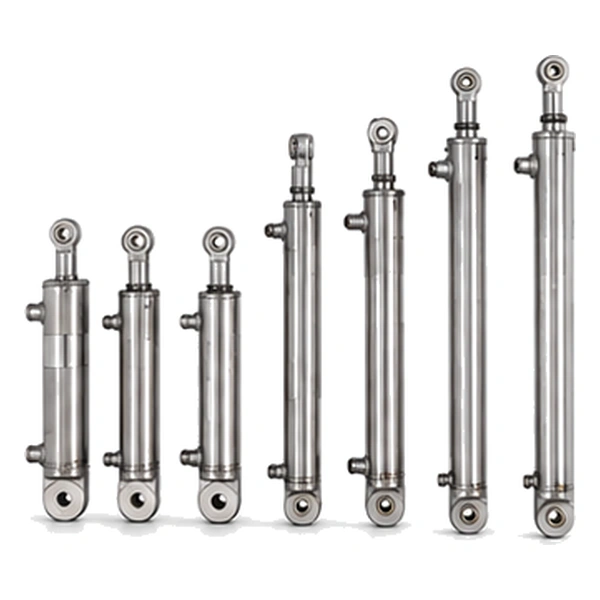
Electric Forklift Cylinder
Every Drop of Friction
Drains the Battery.
The excavator cylinder (#37) fights rock and mud at 35 MPa outdoors. The electric forklift cylinder works indoors — in a climate-controlled warehouse, a food processing cold room, or a pharmaceutical distribution centre. No dust, no stones, no weather. Instead, the enemies are different: battery drain from seal friction, noise complaints from warehouse staff, and food-safety auditors who reject any machine that leaks a single drop of oil.
Why the Electric Forklift Demands a Different Cylinder
A diesel or LPG forklift has an engine that produces hydraulic power as a by-product of its mechanical drive — hydraulic inefficiency wastes fuel, but the engine has power to spare. A battery-electric forklift runs its hydraulic pump from the same battery pack that drives the wheels, powers the steering, and runs the controller. Every watt consumed by the hydraulic system — including the friction of every seal in every cylinder — subtracts directly from the machine's operating hours between charges.
A warehouse forklift performs 200–500 lift cycles per shift. If the lift cylinder's seal friction wastes 50 watts more than necessary per cycle, that is 10–25 kilowatt-hours per shift — enough to reduce the battery's operating time by 30–60 minutes. In a two-shift warehouse operation, that means either an extra battery change (15 minutes of downtime) or a larger, more expensive battery pack. Korea Ever-Power engineers the electric forklift cylinder for minimum friction at every seal position — extending battery life by reducing the hydraulic system's parasitic energy consumption. Browse the full forklift hydraulic cylinder range.
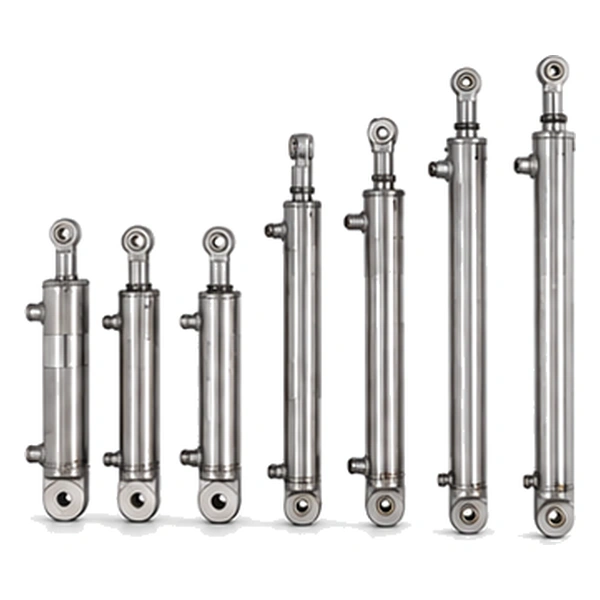
Four Functions in a Compact Mast — Lift, Tilt, Side-Shift, Reach
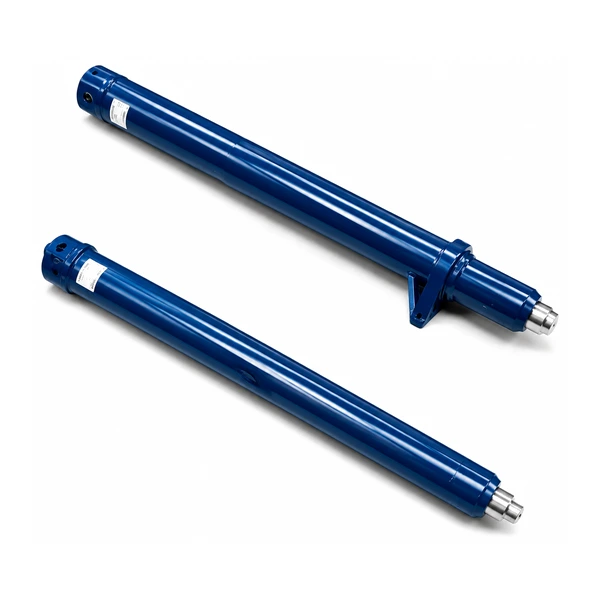
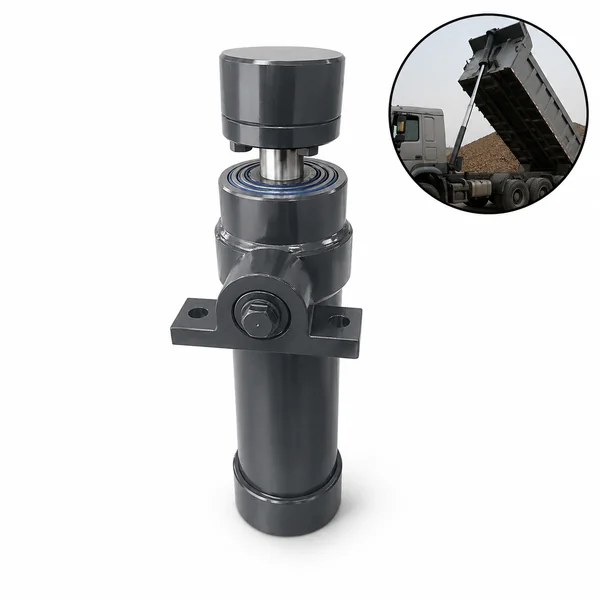
Raise and lower the forks along the mast rails. The primary work cylinders — performing the most cycles per shift. On a triple-stage mast, staged plunger cylinders lift the forks up to 6–7 metres. Low breakaway friction is critical: the operator must be able to position a pallet at exactly the right shelf height without overshoot.
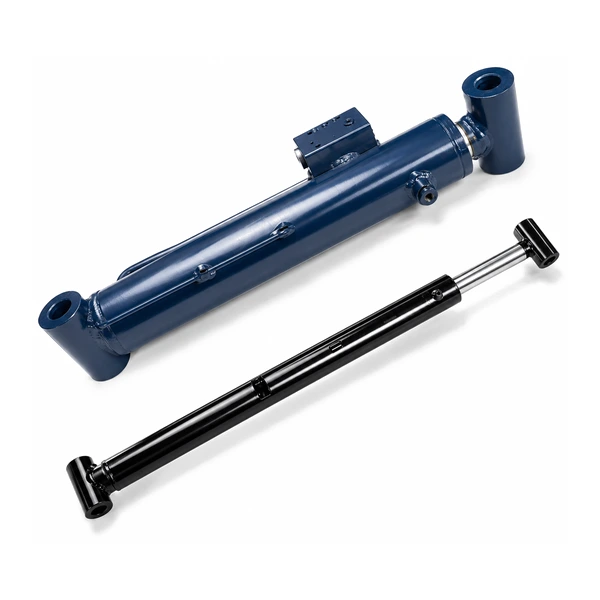
Tilts the entire mast assembly forward (for placing pallets) and backward (for travelling with a raised load). The tilt cylinder holds the mast at a set angle against the load's gravitational moment — a sustained hold function similar to the vulcanizing pressurized cylinder (#29), but at room temperature and much shorter duration.
Moves the fork carriage left or right on the mast — allowing the operator to align the forks with a pallet without repositioning the entire truck. Short stroke, high precision, low force. The most precision-sensitive cylinder on the forklift — misalignment by 20 mm means the forks miss the pallet entry pockets.
Extends the mast assembly forward beyond the front wheels — allowing the reach truck to place pallets deep into warehouse racking without driving into the aisle. Found on reach trucks and some counterbalance models. Medium bore, medium stroke, horizontal mounting.
Low Friction Engineering — Where Battery Life Meets Seal Design
On a diesel forklift, nobody measures cylinder seal friction — the engine has excess power. On a battery-electric forklift, the fleet manager tracks kWh-per-pallet-moved. Every friction source matters:
Breakaway force is the force needed to start the cylinder moving from standstill — the static friction peak. On conventional seals, breakaway is 20–40% higher than running friction. Korea Ever-Power specifies PTFE-composite piston seals and polyurethane rod seals with reduced lip preload — cutting breakaway force by 30–50% compared to standard NBR seals. Lower breakaway means less pump pressure needed to start each lift — saving energy on every one of the 500+ lift cycles per shift.
The bore is honed to Ra 0.1–0.2 µm — finer than the standard 0.2–0.4 µm used on industrial and agricultural cylinders. The finer finish reduces the seal's micro-deformation as it slides over the bore surface — reducing friction heat and energy loss per stroke. The finer finish also improves the oil film retention, further reducing friction at low speed.
The combination of low-friction seals and fine bore finish reduces the cylinder's parasitic energy consumption by 15–25% compared to a standard industrial cylinder of the same bore and stroke. Over a full shift (500+ cycles), this translates to measurable battery savings — extending operating time or reducing battery wear. Contact the hydraulic cylinder engineering team for electric forklift cylinder efficiency data.
Zero Leakage — The Compliance Requirement That Drives Everything
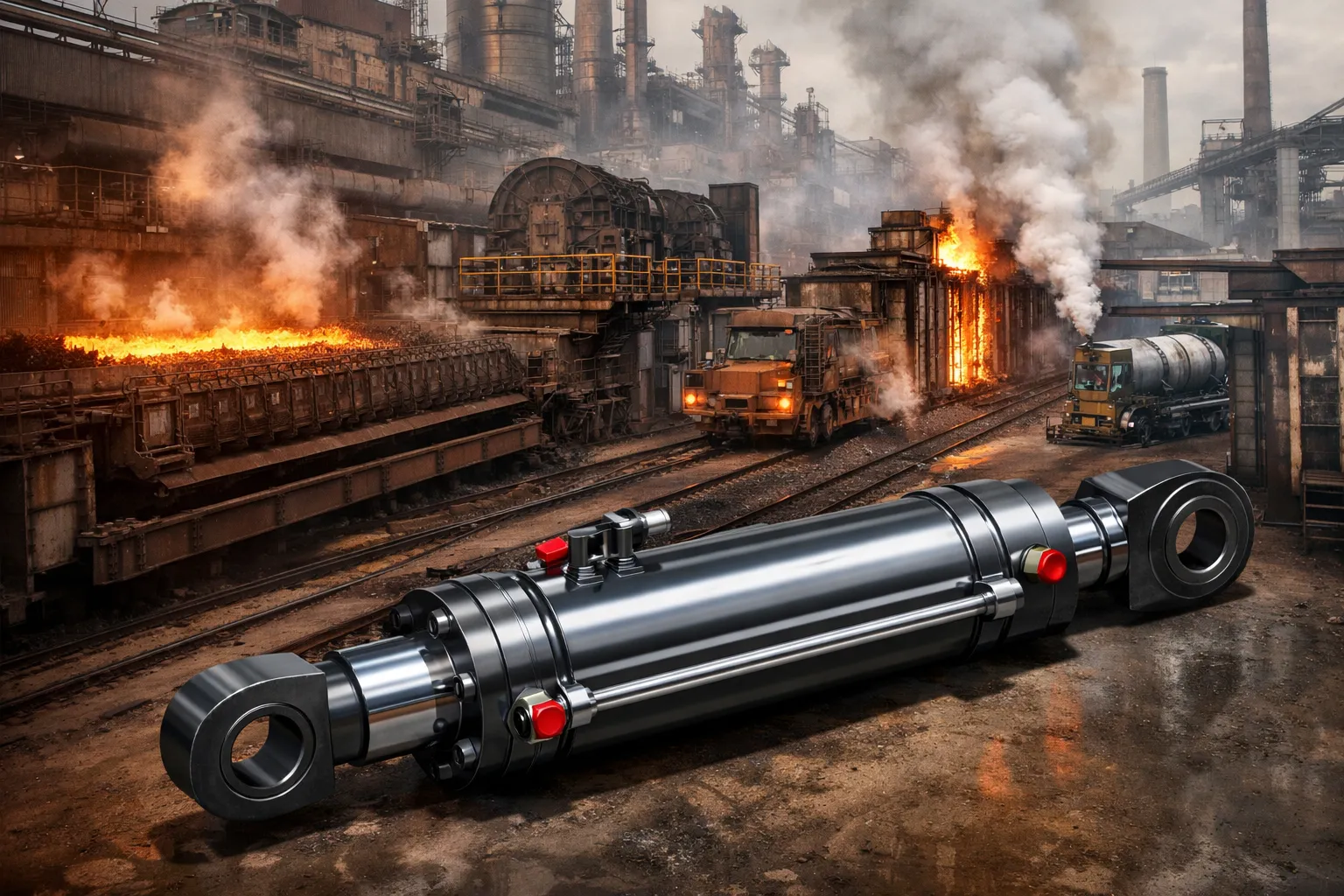
In a construction site, a small hydraulic oil drip is an annoyance. In a food warehouse, the same drip is a contamination event that can trigger a product recall. In a pharmaceutical cold room, it is a regulatory violation. Electric forklifts dominate these environments because they produce no exhaust — but their hydraulic systems must also produce no leakage.
Korea Ever-Power engineers the electric forklift cylinder for zero external leakage — not "low leakage" or "acceptable weeping," but zero visible oil on the rod or the barrel exterior. The rod seal uses a double-lip configuration with a wiper that returns any oil film to the bore. The port connections use O-ring face seals (ORFS) rather than tapered threads. The rod gland uses a metal-to-metal seal on the static face — eliminating the static O-ring leak path that is the most common leakage source on conventional cylinders.
For food-grade applications, Korea Ever-Power can specify NSF H1 food-grade hydraulic oil compatibility — using seal materials that do not degrade in contact with food-safe oils and that do not leach contaminants into the oil that could then contact food products.

Manufacturing — Precision for Efficiency, Volume for Cost
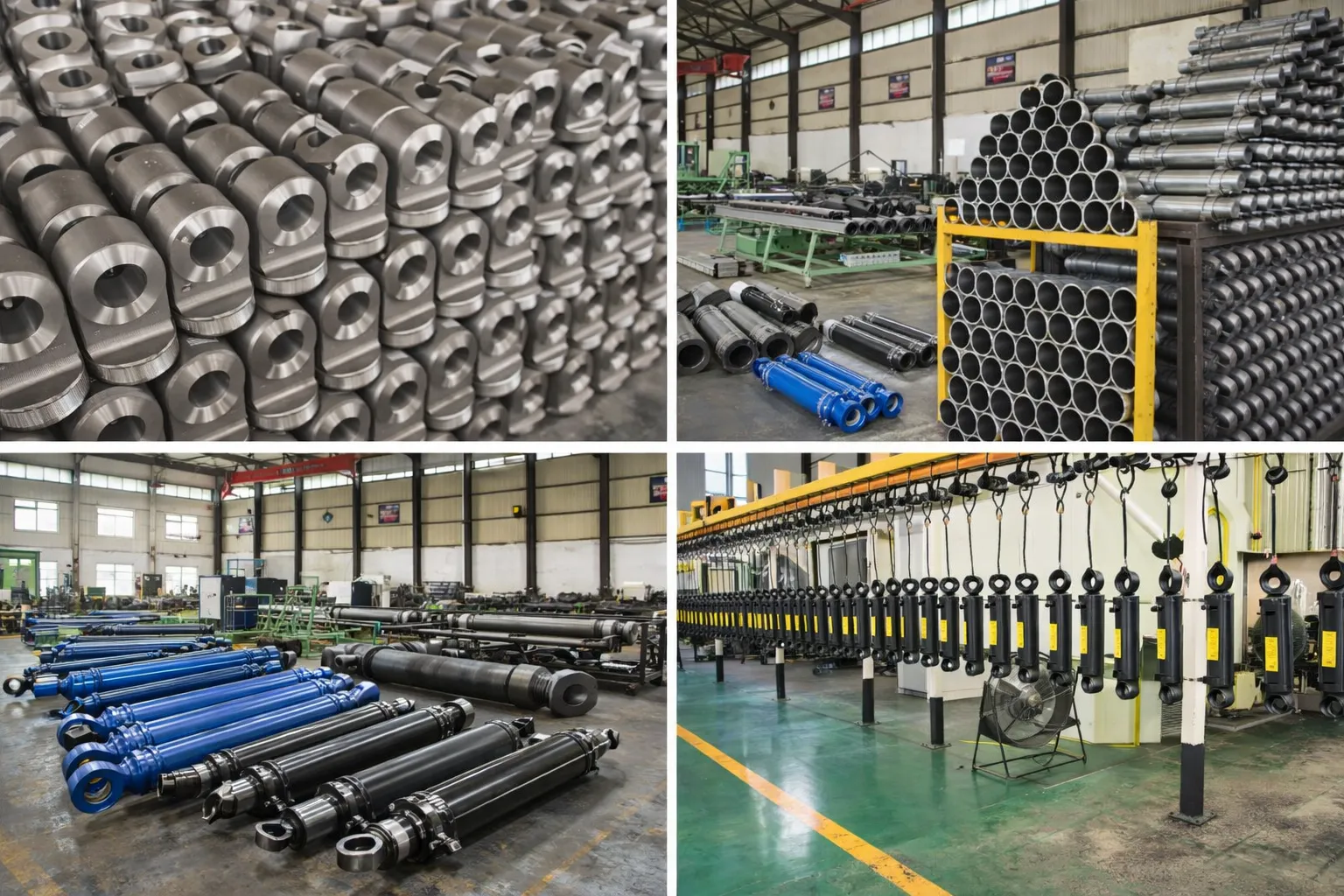
The electric forklift cylinder is a volume product — forklift OEMs order in hundreds or thousands per quarter. Korea Ever-Power's production line achieves the finer bore finish (Ra 0.1–0.2 µm) through an additional super-finishing pass after the standard honing operation. PTFE-composite seals are pre-assembled in clean-room conditions to prevent contamination particles from entering the bore — a particle trapped between the seal and the bore creates a scratch that becomes a leak path. Chrome plating is 30–50 µm (indoor service — lighter than outdoor agricultural/construction specification). Every cylinder is hydrostatic tested at 1.5× working pressure and functionally tested for breakaway force — verifying that the cylinder starts moving below the maximum breakaway force specification. Cylinders that exceed the breakaway limit are rejected and reworked — because on an electric forklift, excess friction is not an inconvenience, it is a battery-life defect.
OEM & ODM
FAQ
Related Categories
Additional information
| Editor |
|---|
Related products
-
Injection Molding Machine Mold Opening and Closing Cylinder
-
Tipping Cylinder for Vulcanizing Machine
-
Cement Equipment Vertical Mill Cylinder
-
Hydraulic Press Mobile Workbench Cylinder
-
Electric Furnace Lock Cylinder
-
Electric Furnace Cover Rotating Cylinder
-
Hydraulic Press Lateral Shift Anvil Cylinder
-
Hydraulic Press Master Cylinder