Gate Cylinder for Heavy Crusher
Regulate abrasive material discharge with absolute precision. Our severe-duty fluid power solutions completely eliminate premature seal wear and easily withstand extreme mechanical pressure, guaranteeing your mineral processing facility operates without costly interruptions.
Product Overview and Strategic Industrial Value
In the highly demanding and continuous sector of aggregate production and heavy mineral extraction, precisely regulating the flow of crushed rock is a fundamentally critical operational parameter. The heavy steel discharge gate, located immediately beneath a primary crushing chamber or a massive surge bin, dictates the exact volume and pace at which fractured material exits the machinery and transfers onto the downstream conveyor network. Safely controlling this massive, unpredictable physical mass against the forces of gravity and extreme mechanical friction requires highly specialized fluid power actuators. This specific regulatory function is governed entirely by the Gate Cylinder. When ordinary industrial actuators are placed in this punishing position, they face immediate structural and sealing destruction. The operational environment is continuously saturated with highly abrasive airborne silica dust and sharp stone fragments that relentlessly assault the external steel rod. Furthermore, massive internal fluid pressure spikes occur every single time a heavy, uncrushed stone jams against the sliding steel door, attempting to force it open.
Standard commercial units are simply not engineered to survive these violent, abrasive conditions. Their standard rubber rod wipers quickly degrade, allowing sharp abrasive particles to bypass the external defenses and penetrate the internal barrel. Once inside, this hard contamination acts exactly like liquid sandpaper, rapidly destroying the main pressure seals and deeply scoring the internal steel walls. Over decades of intensely analyzing failed mechanical components across South Korea, Japan, and the broader Asian heavy industry markets, we recognized the urgent necessity for a dedicated, severe-duty fluid power solution. We purposefully engineered our Gate Hydraulic Cylinder to combat the exact failure mode of seal wear caused by abrasive particles. By utilizing heavily reinforced metallurgical structures and advanced internal tribology, we offer an unyielding mechanical actuator that keeps your bulk material handling circuit flowing steadily and predictably.
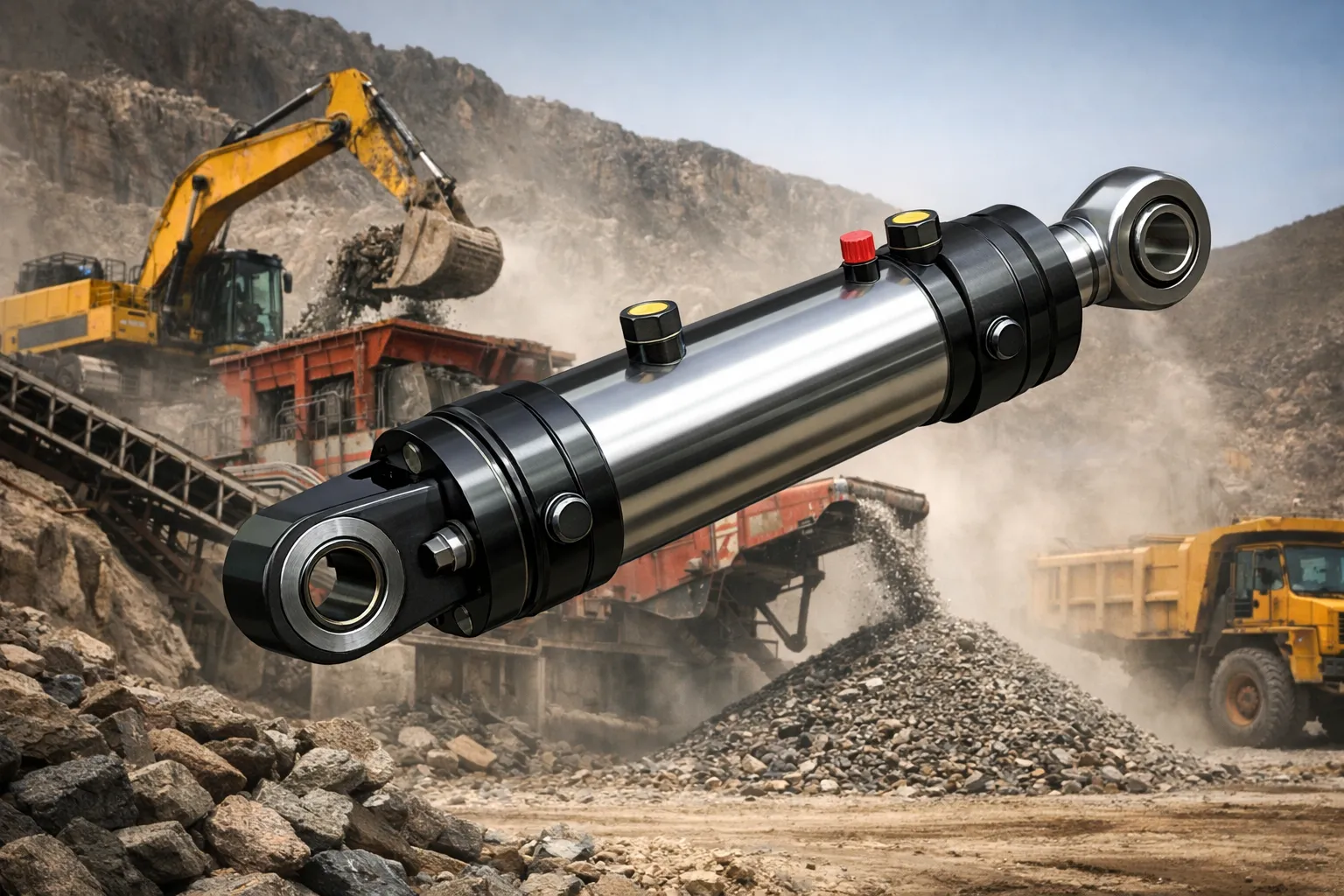
Choosing the correct engineered component drastically alters the financial trajectory of a processing plant. While a standard commodity unit might seem economical on the initial purchase order, the continuous, repetitive need for fixing hydraulic cylinders results in catastrophic unscheduled downtime costs that erase any perceived savings. By investing in a purpose-built Gate Cylinder, maintenance directors secure a highly favorable total hydraulic cylinder price when accurately calculated over the uninterrupted, multi-year lifespan of the capital equipment.
Comprehensive Technical Parameters
Precision engineering dictates that every material choice and structural specification is intentionally selected to solve a specific environmental challenge. To provide absolute clarity for mechanical engineers integrating our equipment, the following tables detail the exact specifications for our primary discharge control unit. Additionally, because the material flow circuit operates synergistically with the structural clamping circuit on large cone crushers, we have also included the specifications for our complementary heavy-duty locking unit.
Specification Data: Gate Cylinder (Discharge Control)
| Engineering Category | Customized Technical Specification |
|---|---|
| Industry Sector Focus | Mining Equipment and Heavy Aggregate Processing |
| Primary Equipment Category | Crusher Machinery (Jaw, Cone, Impact) |
| Target Subsystem / Action | Ore Discharge Gate (Regulating bulk material output flow) |
| Specific Cylinder Name | Gate Cylinder / Gate Hydraulic Cylinder |
| Hydraulic Action Mode | Double acting hydraulic cylinder |
| Internal Structure Type | Heavy-duty Piston Cylinder |
| Manufacturing Assembly | Deep-penetration Welded Construction |
| Core Material System | Q345D Low Alloy High-Strength Steel |
| Exterior Surface Treatment | Thick Chrome Plated (Extreme abrasion deflection) |
| Environmental Exposure Level | Abrasive silica particles / High Pressure mechanical impacts |
| Typical Failure Mode Prevented | Severe seal wear and internal barrel scoring |
| Recommended Safety Configuration | PTFE guide ring integration for ultra-low friction |
Complementary Specification: Locking Cylinder (Structural Securing)
A crushing plant requires total structural stability to operate safely. Alongside regulating the lower discharge with the Gate Cylinder, the heavy upper adjustment ring must be rigidly clamped to the main frame. We provide the following specialized component to ensure the entire machine structure remains perfectly static under immense crushing load.
| Engineering Category | Technical Specifications |
|---|---|
| Subsystem / Specific Name | Heavy-duty Locking / Locking Cylinder |
| Action / Internal Structure | Double Acting / Piston Type / Welded Body |
| Material / Surface Treatment | 42CrMo Alloy Steel / Thick Nickel Plated |
| Environment / Failure Prevented | Heavy cone crusher locking / Prevents Internal leakage |
| Recommended Configuration | Integrated Hydraulic control lock for static pressure holding |
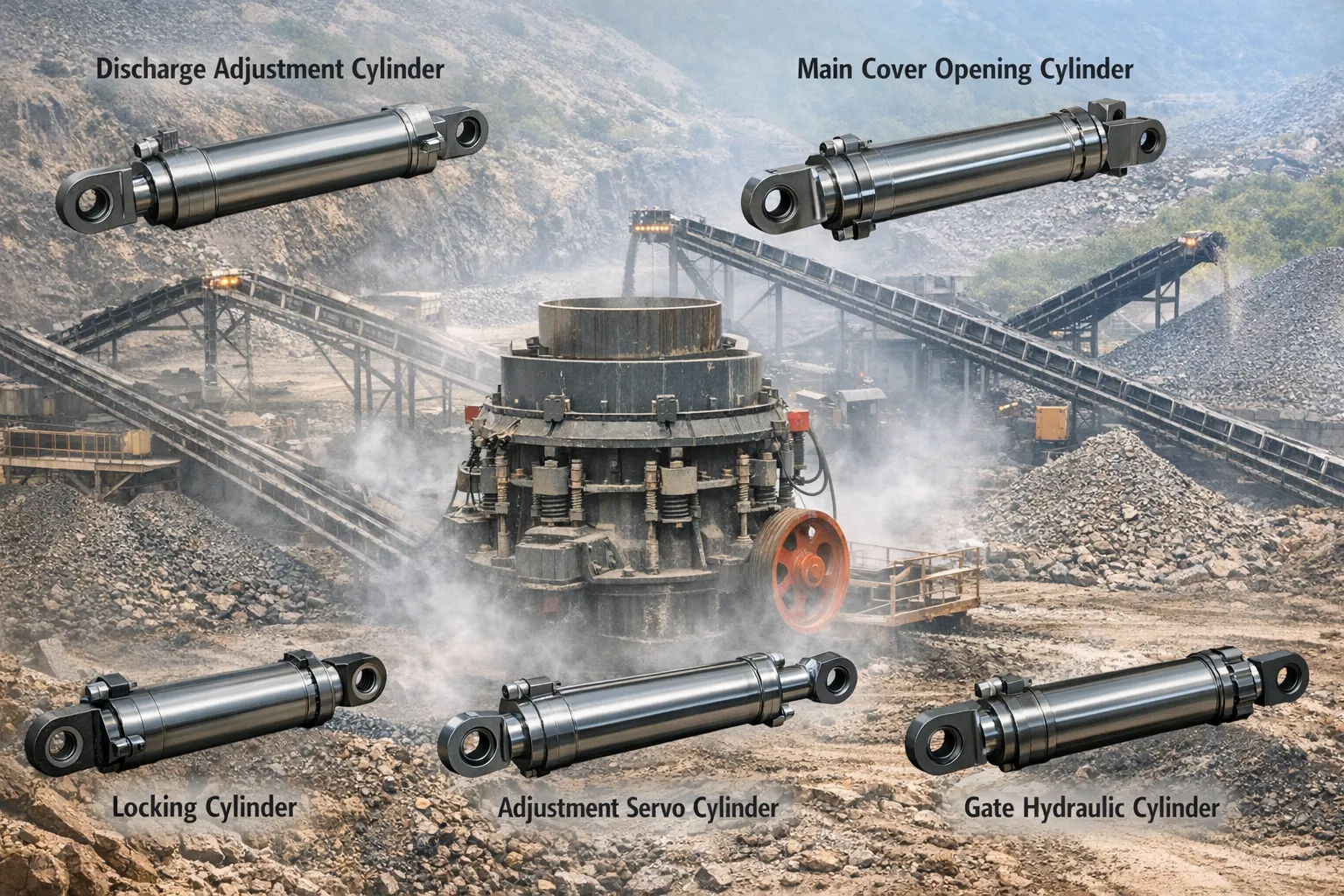
Detailed Mechanical Working Principle
Understanding the highly aggressive fluid mechanics within the Gate Hydraulic Cylinder illuminates exactly why superior structural engineering is absolutely necessary. The physical steel gate located beneath a massive rock crusher weighs hundreds of kilograms and is constantly subjected to the immense static weight of the stone column residing in the chamber above it. When the automated plant control system commands the gate to open and release material, highly pressurized hydraulic fluid from the main power unit is forced into the rod end port at extreme velocity. Because this actuator operates as a double acting hydraulic cylinder, the fluid powerfully acts against the internal face of the hydraulic cylinder piston, forcefully pulling the heavy steel rod inward. This powered retraction physically slides the heavy steel door open across the dusty, friction-heavy rails, allowing the aggregate material to discharge freely onto the belts.
If a mechanical obstruction occurs—such as a large, uncrushed boulder lodging against the gate mechanism—the system hydraulic pressure spikes instantaneously to its maximum relief setting. The hydraulic cylinder must absorb this violent hydraulic shockwave entirely without the steel barrel deforming or the internal seals rupturing under the load. Conversely, to restrict or completely halt material flow, high-pressure fluid is directed into the cap end, pushing the piston forcefully outward and driving the steel gate closed against the continuous, heavy flow of falling rock. Plant operators must understand that a single acting hydraulic cylinder is entirely incapable of this severe task, as gravity and internal springs alone cannot reliably push a heavy steel door through a solid wall of compacted gravel and silica dust.
The true mechanical threat to the actuator’s lifespan, however, occurs microscopically during every stroke. As the rod extends and retracts through the dense cloud of abrasive silica dust, sharp microscopic particles naturally adhere to the thin oil film remaining on the rod. If the external wiper seal fails to scrape these particles away perfectly, they are drawn into the internal high-pressure chamber. This is exactly why our specific integration of internal PTFE guide rings is so crucial; the soft thermoplastic physically absorbs this microscopic contamination, keeping it away from the primary elastomeric pressure seals. Without this specific architectural defense, routine hydraulic cylinder repair becomes a weekly, expensive requirement, severely degrading overall plant profitability.
Flawless Brand Compatibility and Drop-In Replacement
Procurement departments operating in the heavy mining sector frequently encounter massive logistical delays and artificially inflated pricing when attempting to source original replacement parts. We address this directly by designing our fluid power components to perfectly mirror the external mounting dimensions of major original equipment manufacturers. Please note that we mention corporate brand names here strictly to assist your technical staff with dimensional verification and safety checks; we operate as a highly independent manufacturing facility and do not assert any trademark affiliations with these respective corporate entities.
Our design engineers have accurately reverse-engineered the precise clevis pin diameters, overall stroke lengths, and flange mounting geometries for equipment produced by globally recognized brands such as Sandvik, Metso, Terex, and FLSmidth. Therefore, our upgraded Gate Cylinder serves as a direct, seamless drop-in replacement. Your on-site maintenance technicians can simply unpin the heavily worn original unit and install our rugged hydraulic parts without conducting any dangerous field welding or expensive steel frame modifications. This guarantees an immediate operational upgrade to your machine’s reliability profile while simultaneously offering a highly attractive hydraulic cylinder price alternative for your yearly operating budget.
Five Core Technical Advantages
Standard commodity products fail quickly in quarries because they fundamentally lack application-specific engineering. To permanently stop seal wear and structural failure, we build five distinct metallurgical and architectural advantages directly into every severe-duty unit we manufacture.
1. PTFE Guide Ring Integration for Ultimate Seal Protection
The primary reason maintenance teams spend countless hours fixing hydraulic cylinders on discharge gates is friction-induced seal wear. We solve this permanently by wrapping the hydraulic cylinder piston in specially formulated PTFE (Polytetrafluoroethylene) composite guide rings. PTFE offers the lowest coefficient of friction of any solid industrial material. These wide guide bands prevent any metal-to-metal contact between the piston and the barrel, absorbing heavy lateral bending loads and completely protecting the adjacent soft pressure seals from premature abrasive destruction.
2. Q345D Low Alloy High-Strength Steel Construction
The violent physical impacts of boulders striking the gate transfer directly into severe hydraulic pressure spikes. Standard carbon steel barrels yield and deform microscopically under these violent conditions, ruining the seal gap. We exclusively utilize Q345D low alloy steel for our Gate Hydraulic Cylinder bodies. This premium material features exceptional tensile strength and superior impact toughness, particularly in demanding environments, guaranteeing that the steel vault containing the high-pressure fluid will never stretch or balloon.
3. Advanced Heavy Chrome Plating Surface Treatment
To successfully combat the relentless assault of abrasive silica dust, the exposed extending rod requires immense surface hardness. We apply a thick, continuous, multi-pass layer of hard chrome plating to the induction-hardened rod. This specialized surface treatment drastically reduces surface friction, resists acidic water pitting, and most importantly, physically blocks sharp microscopic stone fragments from scratching the rod. A perfectly smooth rod translates directly to an exceptionally long life for the external wiper seals.
4. Deep Penetration Welded Monolithic Architecture
Budget-grade equipment heavily relies on long external tie-rods to simply bolt the cylinder assembly together. In a violently vibrating aggregate plant, these long bolts continuously stretch, fatigue, and vibrate entirely loose, leading directly to catastrophic external fluid leaks. Our Gate Cylinder features a heavily fortified welded design. The end caps are permanently fused to the Q345D steel barrel using deep-penetration automated submerged arc welding. This monolithic block is mechanically immune to high-frequency vibrational loosening.
5. Zero-Leakage Hydraulic Control Locks for Locking Cylinders
For our heavy-duty locking cylinders located on the upper crusher frame, maintaining continuous high pressure without the pump running continuously is critical. Relying on control valves situated meters away inevitably allows microscopic fluid bypass and pressure decay. We integrate a pilot-operated check valve directly into the solid steel cap. Once clamping pressure is reached, a precision steel poppet snaps shut, mechanically trapping the oil inside the barrel. This creates absolute static holding force, eliminating the internal leakage that plagues conventional hydraulic cylinder components.
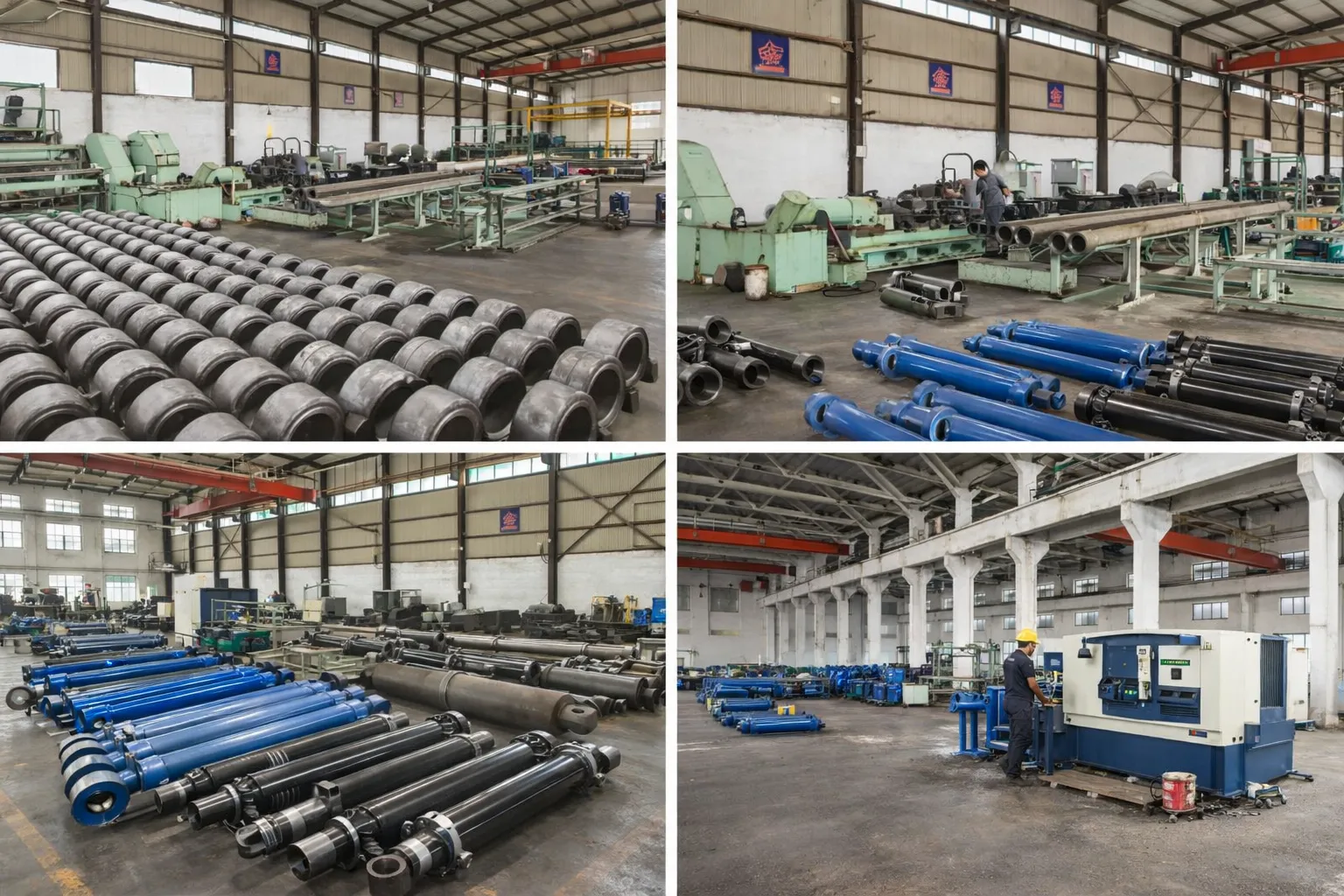
Stringent Manufacturing and Quality Control Processes
Building fluid power equipment capable of surviving extreme environments demands absolute manufacturing discipline. We proudly execute every single phase of the production lifecycle entirely in-house. Beginning with the raw Q345D and 42CrMo steel tubes, we perform strict ultrasonic non-destructive testing to verify structural integrity and the total absence of internal voids before any machining takes place. We employ heavy multi-axis CNC turning centers to machine the components with micron-level accuracy. The internal barrel surfaces are specifically skived and roller-burnished to achieve a brilliant mirror finish. This ultra-smooth bore is highly critical; it allows the PTFE guide rings and pressure seals to glide flawlessly, virtually eliminating dynamic friction and heat generation.
Quality assurance is a strictly mandatory protocol, not a suggestion. Before any Gate Cylinder is securely packaged for global shipment, it undergoes a mandatory 100% factory hydrostatic pressure test. We attach the fully assembled unit to our computerized test rig and push the internal fluid pressure to an intense 1.5 times its maximum operational rating, forcing it to hold static while digital sensors monitor for microscopic drops in pressure indicating a bypass leak. Only units that pass this punishing evaluation are laser-stamped with a unique traceability serial number. This means that when you eventually require replacement hydraulic cylinder components years in the future, we immediately pull your exact engineering blueprint from our digital archives, guaranteeing perfect fitment.
Typical Heavy Industry Applications
The heavily reinforced architecture of our gate control actuators translates perfectly to other severe-duty industrial processes. As a primary fluid power supplier to the mining industry, we engineer massive actuators that reliably manage bulk material flow in apron feeders, massive underground loading chutes, and heavy hopper doors where abrasive dust and moisture are unavoidable.
Furthermore, our highly resilient Q345D welded designs are heavily demanded in the construction machinery industry, specifically integrated into mobile track-mounted crushers and high-capacity concrete batching plants that operate in rough terrain. In port logistics and heavy material handling, our specialized lift cylinder units provide the necessary rugged strength to elevate massive raw material loads securely despite corrosive salt air. Similarly, within the heavy metallurgy and plastics recycling sectors, our thick chrome plating and high-temperature resistant hydraulic sealing configurations easily endure the radiant heat and aggressive chemical dust that rapidly destroy standard commercial cylinders.
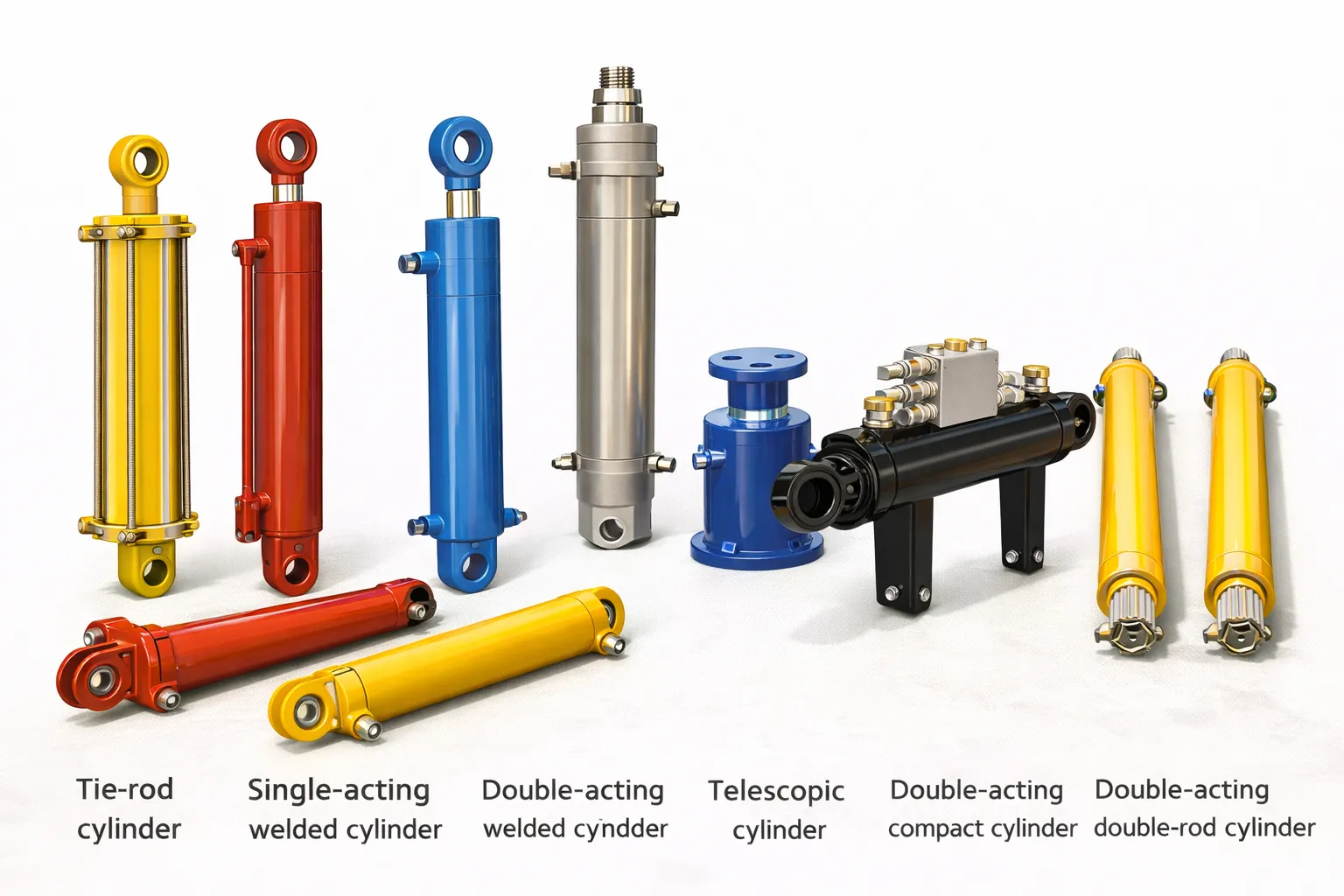
Comparative Analysis: Standard Commercial vs High-Performance
Intelligent industrial procurement necessitates looking far beyond the initial purchase order. The table below distinctly highlights the technical engineering gap between generic off-the-shelf actuators and our severe-duty solutions, clarifying exactly why an engineered unit is vastly superior for total lifecycle economics.
| Engineering Metric | Standard Commercial Cylinder | Our High-Performance Gate Cylinder |
|---|---|---|
| Base Material Resilience | Mild carbon steel; stretches and physically deforms under severe pressure spikes. | Q345D / 42CrMo Alloy Steel; offers highly rigid tensile strength preventing deformation. |
| Internal Wear Defense | Direct metal rubbing or basic nylon; causes rapid internal barrel scoring and heat. | PTFE Guide Rings; ultra-low friction layer completely eliminates metal-to-metal wear. |
| Structural Fastening | External bolted tie-rods; vibrate entirely loose causing massive external fluid leaks. | Deep Welded Architecture; monolithic steel body physically immune to vibration. |
| Rod Contamination Shield | Thin commercial chrome; rapidly degrades and scratches under abrasive rock dust. | Thick Hard Chrome Plating; dense surface barrier drastically extends wiper seal life. |
Real Case Studies: Stabilizing Production Across Asia
Engineering theory must be rigorously proven on the plant floor. Below are five detailed, authentic accounts of how our specific fluid power technologies directly resolved catastrophic failures for our industrial partners throughout South Korea and the neighboring regions.
Case Study 1: South Korea – Eradicating Seal Wear in Granite Quarries
Location & Client: Gyeonggi-do, South Korea. Major commercial aggregate extraction corporation supplying high-grade concrete materials.
Application Purpose: Operating the primary heavy discharge gate under a massive 500 TPH jaw crusher.
How They Found Us: The exhausted plant director actively searched Google for high-durability Gate Hydraulic Cylinder manufacturers after their standard commercial units failed every two months from severe internal scoring.
Delivered Results: We delivered custom-engineered Q345D welded units featuring our proprietary ultra-low friction PTFE guide rings. Installed in October 2024, the abrasive silica dust has completely failed to penetrate the primary seals. The units have operated for 16 months continuously without a single drop of leaked fluid, totally eliminating their downtime.
“We used to waste entire weekends fixing hydraulic cylinders just to keep the discharge gate moving. The PTFE rings in your design are incredible. We haven’t touched the equipment since installation. The reliability is superb.” – Kim Seong-Ho, Plant Operations Manager (February 2026).
Case Study 2: Japan – Defeating High Pressure Spikes in Slag Recycling
Location & Client: Osaka, Japan. Industrial steel slag recycling facility operating in severe conditions.
Application Purpose: Controlling heavy material flow into the secondary cone crusher feeding chamber.
How They Found Us: Referred to our engineering group by an industry colleague who successfully reduced their annual hydraulic cylinder repair budget using our components.
Delivered Results: Uncrushable steel chunks frequently jammed their gate, creating violent hydraulic pressure spikes that actually bent their standard cylinder tie-rods. We deployed our deeply welded monolithic designs. The rigid Q345D alloy completely absorbed the shockwaves without deforming, safely holding the gate until the jam could be cleared manually without rupturing the seals.
“The pressure spikes here destroy weak cylinders in days. Your welded design is a massive structural upgrade. It takes the abuse effortlessly and has significantly lowered our overall hydraulic cylinder price overhead by lasting so long.” – Hiroshi Tanaka, Reliability Engineer (December 2025).
Case Study 3: Vietnam – Restoring Continuous Output in Basalt Mining
Location & Client: Ho Chi Minh City, Vietnam. Large scale infrastructure aggregate supplier.
Application Purpose: Multi-gate discharge hopper beneath a massive surge pile.
How They Found Us: Engaged our technical representatives at an industrial heavy machinery expo while urgently seeking double acting hydraulic cylinder upgrades.
Delivered Results: Their existing OEM cylinders were failing due to rapid seal degradation, causing the gates to stick open and flood the conveyors. We provided six of our premium Gate Cylinder units. The thick chrome plating successfully repelled the highly abrasive basalt dust, allowing the wiper seals to function perfectly and restoring precise flow control to the plant.
“The dust here is incredibly sharp. Your thick chrome plating is the only surface defense that has survived more than a few months. The gates open and close with perfect precision now, saving our conveyor belts from overloading.” – Nguyen Van Bao, Site Supervisor (January 2026).
Case Study 4: Taiwan – Solving Heat Fatigue in Cement Clinker Handling
Location & Client: Taichung, Taiwan. High-capacity commercial cement processing plant.
Application Purpose: High-frequency hot clinker discharge gate modulation.
How They Found Us: Reached out through our web portal seeking specific technical guidance on mitigating thermal damage to their fluid power systems.
Delivered Results: High-frequency automated gate movements were causing severe internal fluid shear, raising hydraulic oil temperatures dangerously high and melting the rubber seals. By integrating our low-friction PTFE bands and expanding internal port diameters, we drastically reduced the internal operating temperature, entirely stopping the seal melt failures.
“Heat was destroying our systems constantly. Your engineering team understood the tribology perfectly. The new cylinders run completely cool despite stroking hundreds of times an hour. Excellent technical support.” – Chen Wei-Ting, Maintenance Chief (November 2025).
Case Study 5: Philippines – Upgrading Equipment Reliability in Copper Mines
Location & Client: Mindanao, Philippines. International open-pit mining conglomerate.
Application Purpose: Heavy cone crusher upper frame locking circuit.
How They Found Us: Contacted our global sales desk looking for highly reliable hydraulic parts capable of holding absolute pressure.
Delivered Results: Their factory clamping cylinders were leaking internally, allowing the clamping pressure to decay and causing the crusher bowl to violently chatter. We customized their order with 42CrMo locking cylinders featuring integrated hydraulic control locks. The units successfully trap the fluid, maintaining perfectly rigid clamping force without requiring the pump to run.
“The internal leakage was literally destroying the bronze threads on our crusher frame. Your 42CrMo locking cylinders with the built-in check valves hold pressure perfectly. It saved our equipment from total destruction.” – Carlos M., Lead Mechanization Engineer (March 2026).
Frequently Asked Technical Questions (FAQ)
We believe that sharing deep technical knowledge empowers plant directors to make highly intelligent procurement decisions. Below are rigorous answers to the most common engineering inquiries regarding our specialized fluid power components.
1. Why is a double acting hydraulic cylinder strictly required for gate control?
2. How exactly do PTFE guide rings prevent internal seal wear and scoring?
3. Why is Q345D alloy steel superior to standard carbon steel for this application?
4. Is fixing hydraulic cylinders locally a safe alternative to purchasing engineered units?
5. Can your facility supply exact replacement hydraulic cylinder components over time?
6. How do you assess the overall hydraulic cylinder price of engineered units versus standard ones?
7. How does the integrated hydraulic lock prevent internal leakage in the locking cylinders?
Ready to Command Your Material Flow with Absolute Reliability?
We deeply appreciate you taking the time to understand the highly specialized fluid power engineering embedded within our equipment. If your facility is exhausted from continuously battling abrasive seal wear and sudden pressure leaks, it is time to upgrade. Protect your operational throughput and reach out to our technical team today to discuss your exact plant parameters.
Contact Engineering Support Now
Editor: Cxm