Boom Aerial Work Vehicle Floating Hydraulic Cylinder — Platform Levelling
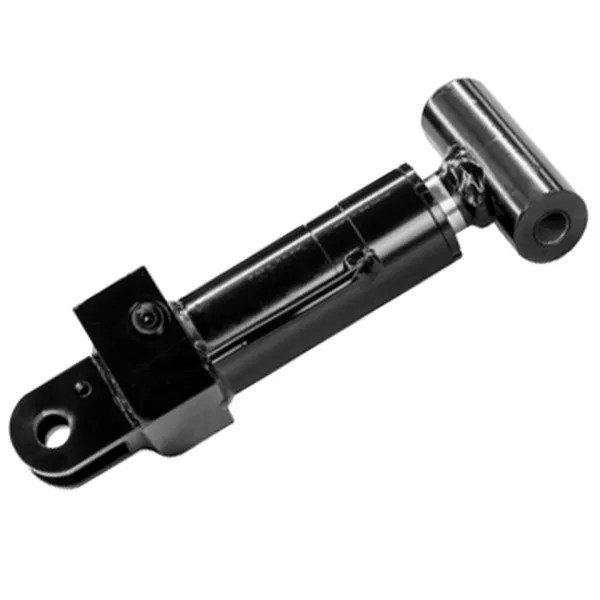
Technical Specification — GTHZ210C Floating Cylinder
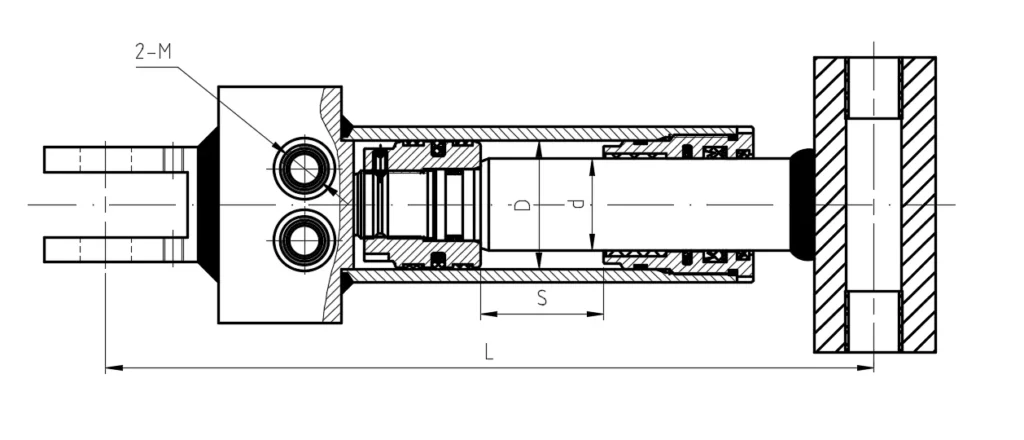
| Cylinder Name | Drawing Number | Bore (D) | Rod (d) | Stroke (S) | Install Dist (L) | Pressure | Ports (M) | Weight |
|---|---|---|---|---|---|---|---|---|
| Floating Cylinder | GTHZ210C-620200-000 | Φ63 | Φ45 | 60 | 375 | 25 MPa | 2-7/8-14UNF | 16 kg |
| Function | Platform levelling / angular compensation |
| Acting Type | Double-acting (extend & retract for angular correction) |
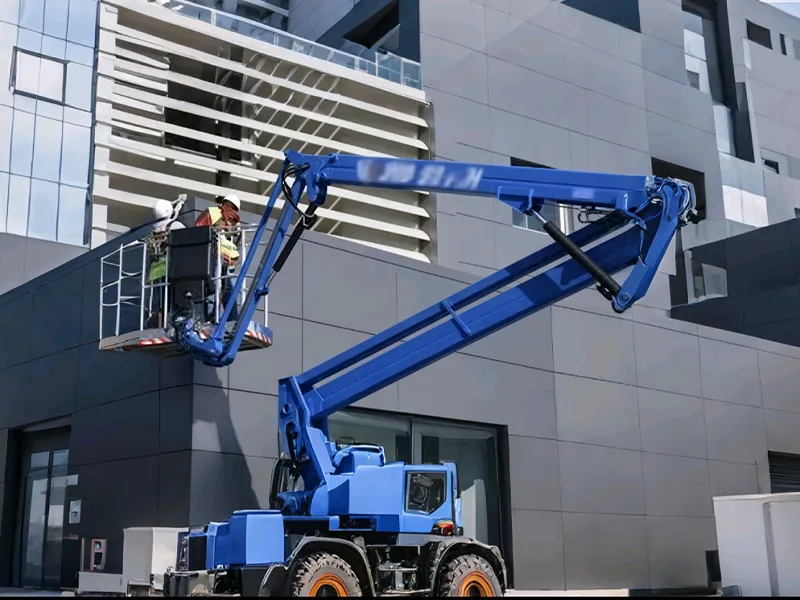
| Application | Boom aerial work vehicle — boom-tip platform levelling |
| Body Material | 20# / 45# / Q345B steel |
| Port Standard | 7/8-14 UNF (SAE J514 / JIC 37° flare) |
| Seal Options | Parker, NOK, Hallite, Busak Shamban |
| Certification | ISO 9001:2015, ISO 14001, ISO 45003 |
| Quality | 100% pressure + leakage tested · Certificate provided |
| MOQ / Warranty | 1 piece / 1 year |
What Does a Floating Cylinder Do — Platform Levelling Explained
The work platform on a boom lift is mounted at the very tip of the boom. As the boom rotates upward, the angle at the tip changes — the platform would naturally tilt backward. As the boom rotates downward, the platform would tilt forward. Without correction, a boom raised from horizontal to 60° elevation would tilt the platform 60° — turning the floor into a ramp that no worker could safely stand on.
The floating hydraulic cylinder corrects this tilt automatically. It is mounted between the boom tip and the platform bracket, and its extension or retraction adjusts the platform angle to compensate for the boom rotation. As the boom rises 10°, the floating cylinder extends a few millimetres. As the boom descends 10°, the floating cylinder retracts the same amount. The result: the platform stays level — or close to level — throughout the entire boom operating arc. This is why the cylinder is called "floating" — it does not hold the platform at a fixed position; it continuously adjusts to maintain a horizontal reference as the boom geometry changes beneath it.
Why Only 60 mm of Stroke?
The platform levelling correction is a small angular adjustment — the floating cylinder does not lift or lower the platform through a large distance. On a boom with a tip-to-cylinder linkage arm of approximately 300–500 mm, a 60 mm stroke translates to roughly ±6–10° of platform angle correction. This covers the full useful compensation range for most boom lift operating arcs. The short stroke is an advantage, not a limitation — it means the cylinder is compact, lightweight, and can be integrated into the tight space at the boom tip without interfering with platform rotation or the jib section.
Why 25 MPa Despite the Short Stroke?
The floating cylinder is positioned at the extreme end of the boom — the point of maximum moment arm. It must support the combined weight of the platform structure (200–400 kg), the guardrails, the tool tray, and up to two workers with tools (maximum 230 kg per person). This entire load acts through a short lever arm at the boom tip, creating high reaction forces at the cylinder mounting point. The 25 MPa working pressure and the oversized Φ45 rod (rod-to-bore ratio of 0.71 — significantly higher than a standard cylinder's 0.5–0.6 ratio) ensure the floating cylinder can handle these concentrated tip loads without rod bending or buckling.
60 mm Stroke in Context — Comparison Across Boom Lift Cylinder Types
Every cylinder on a boom aerial work vehicle has a different stroke — and that stroke directly reflects the function the cylinder performs. The floating cylinder's 60 mm is the shortest stroke on the machine, because its job is the smallest physical movement: a few degrees of angular correction.
| Cylinder Function | Typical Stroke | What the Stroke Produces |
|---|---|---|
| Scissor lift raising | 563–1,269 mm | Metres of vertical platform rise |
| Boom lower arm | 500–1,200 mm | 60–80° of boom rotation |
| Boom upper arm | 400–800 mm | 60–80° of jib articulation |
| Boom steering | 200–400 mm | ±35° of front-axle wheel angle |
| Platform floating | 60 mm (this product) | ±6–10° of platform angle correction |
7/8-14 UNF Ports — The SAE/JIC Standard for North American Boom Lifts
The GTHZ210C floating cylinder uses 7/8-14 UNF ports — the SAE J514 / JIC 37° flare fitting standard that is dominant on North American-market boom lifts manufactured by companies such as JLG, Genie (Terex), and Snorkel. This is a different port standard from the M14×1.5 metric ports used on the boom steering cylinder and the G1/4 BSP ports used on the scissor lift range.
The UNF thread is significant because it determines which hose fittings and adapters connect to the floating cylinder — the wrong thread standard means no connection, regardless of bore and stroke compatibility. When ordering the GTHZ210C as a replacement, verify that the existing hose fittings on the boom lift's levelling circuit use 7/8-14 UNF (37° flare seat). If the existing fittings are metric or BSP, contact Korea Ever-Power to specify the correct port thread for your platform — we produce this floating cylinder in UNF, BSP, and metric port variants on request.
The Φ45 Rod — Why the Floating Cylinder Has the Thickest Rod Relative to Bore
Standard hydraulic cylinders have a rod-to-bore ratio of 0.5 to 0.6 — a Φ63 bore cylinder would typically carry a Φ32 to Φ38 rod. The GTHZ210C floating cylinder carries a Φ45 rod — a ratio of 0.71. This oversized rod is not an accident; it is a direct response to the loading conditions at the boom tip.
Buckling resistance at the boom tip
The floating cylinder holds the platform weight as a column load — the force pushes along the axis of the rod, and any lateral deflection at the tip can cause the rod to buckle. A thicker rod increases the critical buckling load by the fourth power of the diameter (Euler's formula). The Φ45 rod has 2.2× the buckling resistance of a standard Φ35 rod on the same Φ63 bore — critical margin when the platform is loaded with two workers and the boom is at maximum extension where vibration amplitudes are highest.
Reduced retract-side area for controlled response
A larger rod reduces the annular area on the retract side (bore area minus rod area). This means the floating cylinder extends faster than it retracts at the same flow rate — a deliberate asymmetry. When the boom rises (platform tends to tilt backward), the cylinder extends quickly to compensate. When the boom descends (platform tends to tilt forward), the cylinder retracts more slowly, providing a damping effect that prevents the platform from jerking forward as the boom is lowered. Workers on the platform experience this as smooth, predictable levelling.
Boom Lift Floating Cylinder — Technical Questions
Customer Reviews
Verified Purchase · May 2025
Replaced the floating cylinder on a GTHZ210C telescopic boom — the original had developed a slow internal leak that caused the platform to tilt about 3° forward over 5 minutes when the boom was held at 50° elevation. Our guys in the basket were complaining their tools were sliding to one side. The Ever-Power replacement eliminated the drift completely. UNF ports matched, Φ45 rod matched, 60 mm stroke matched. The platform now holds dead-level at any boom angle. Installed in about an hour — most of that time was bleeding the levelling circuit.
Verified Purchase · April 2025
We service a fleet of 28 boom lifts for telecom tower maintenance. The floating cylinders are one of the harder parts to source because they're specific to each boom model and not available from generic hydraulic suppliers — you need the exact rod diameter and port thread. Ever-Power is the first aftermarket supplier we've found who can match the Φ45 rod and UNF ports correctly. We've installed 4 units over the past 3 months with zero issues. This saves us the 6–8 week wait and 2× price from the OEM channel.
Verified Purchase · February 2025
Cylinder is well-made. My only concern was that the levelling felt slightly faster on the extend stroke compared to the original — the platform snapped to level a fraction quicker when raising the boom. After about a week of use the difference was less noticeable, probably as the seals bedded in. The retract damping on lowering is actually better than the original — smoother transition. Overall a good replacement at a very competitive price. Four stars because of the initial extend-speed difference.
Verified Purchase · June 2025
The floating cylinder is niche — most aftermarket suppliers don't even stock it because the volume per model is low. Ever-Power manufactures to order at a price that makes stocking unnecessary — we order when we need it and receive it in 2–3 weeks. We've processed 6 floating cylinder orders for 3 different boom lift models. Every one has been dimensionally correct. The 25 MPa proof test certificate is included, which our safety inspectors require before any boom lift goes back into service.
Other Boom Lift Cylinders
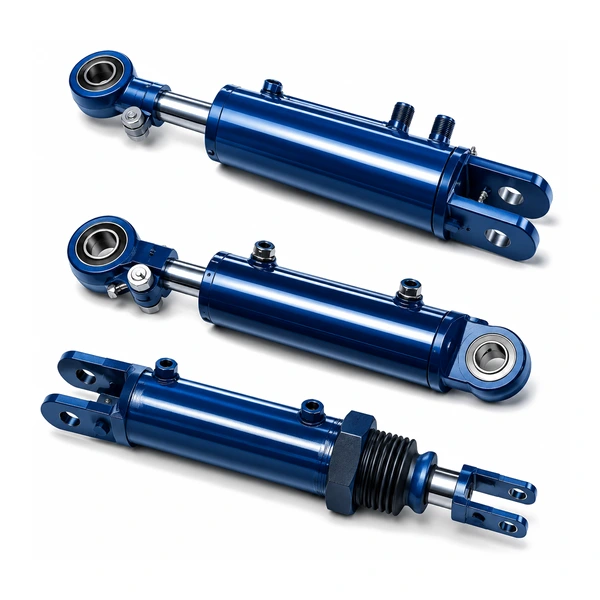
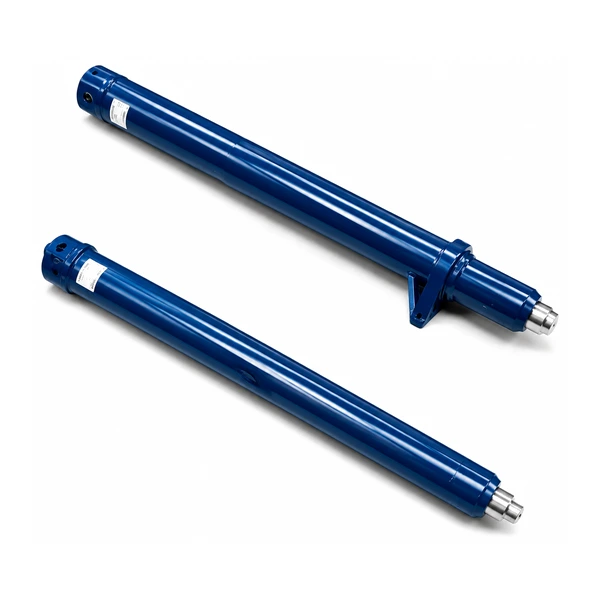
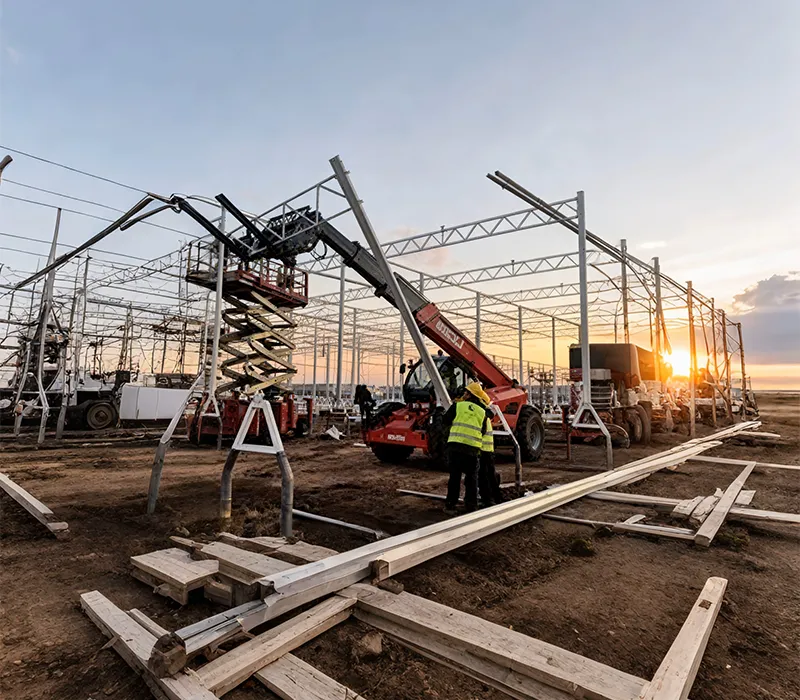
Informasi Tambahan
| Editor | Cxm |
|---|
Produk Terkait
-
Boom Lift Hydraulic Cylinder Set | 8 Models | Bore Φ40–110mm
-
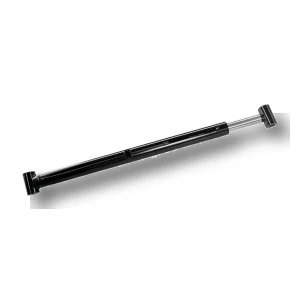
Scissor Lift Lifting Cylinder | EP-HCYY11112003 Model
-
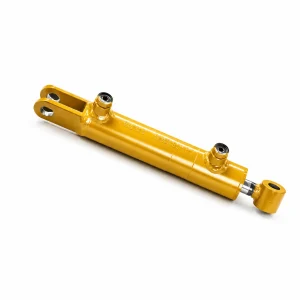
HCYY11112005 Main Boom Angle Cylinder for Aerial Work Vehicles
-
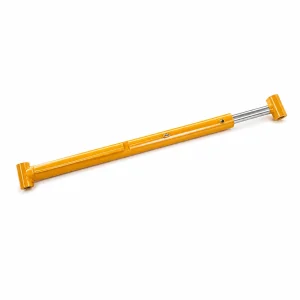
HCYY11112003 Lifting Cylinder for Aerial Work Vehicles
-
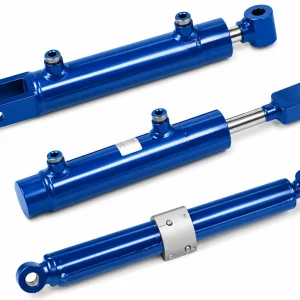
Boom Aerial Work Vehicle Upper Arm Hydraulic Cylinder
-
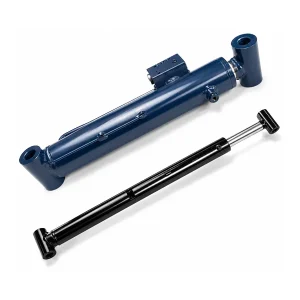
Scissor Fork Aerial Work Vehicle Lifting Hydraulic Cylinder
-

Scissor Fork Aerial Work Vehicle Steering Hydraulic Cylinder
-
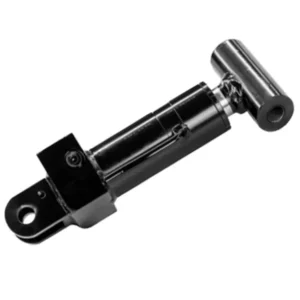
Boom Aerial Work Vehicle Floating Hydraulic Cylinder