Exploring Cabin Shock Cylinders in Bulldozer Vibration Management
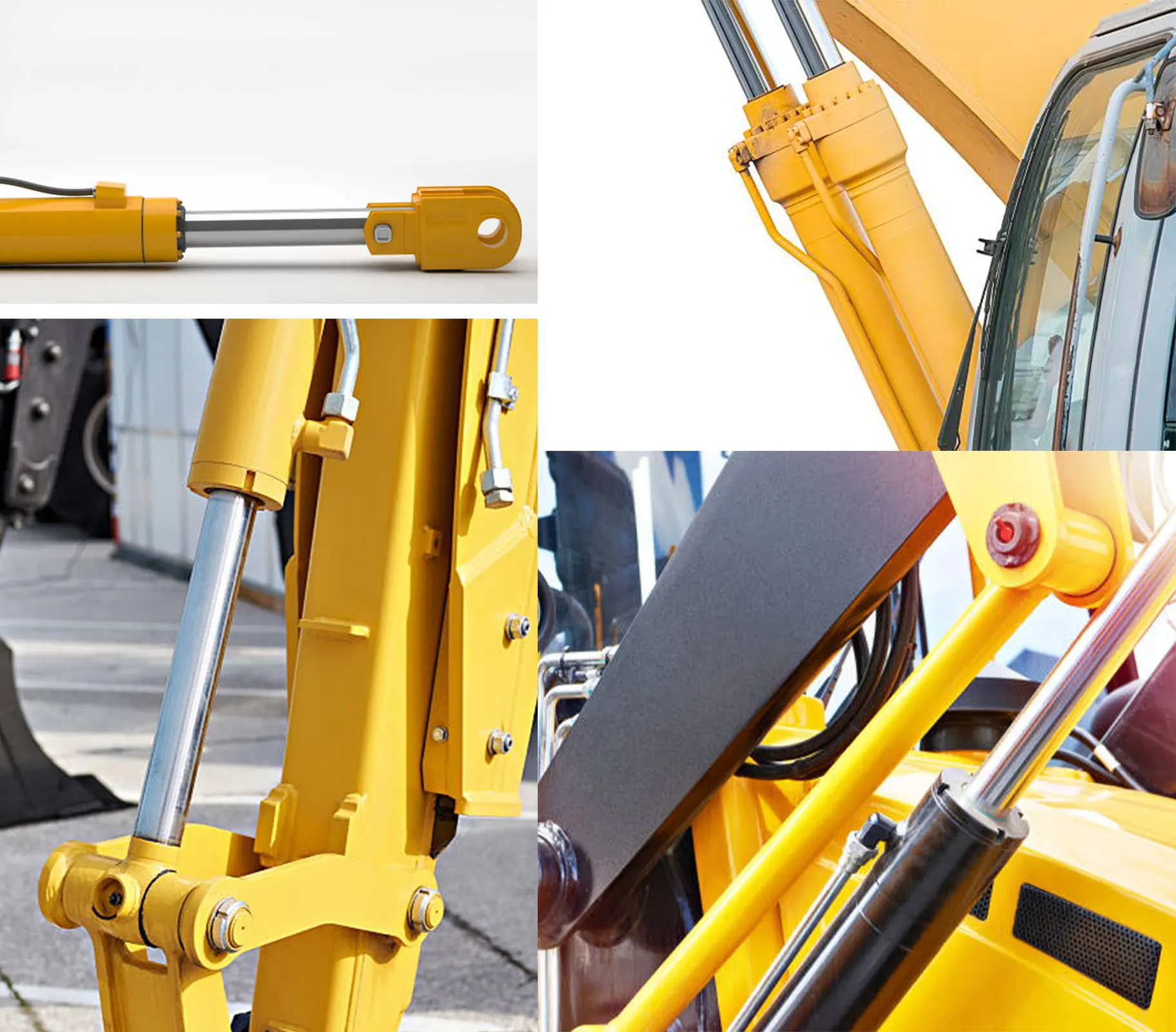
We’ve handled enough rough rides on construction sites to know that cabin shock cylinders are the quiet guardians against that bone-jarring shake in dozers. These double-acting piston cylinders, welded from carbon steel with chrome plating, tackle low-frequency buffers in vibrating environments, easing fatigue that creeps up during long shifts. In engineering machinery like pushdozers, they dampen cabin vibrations from uneven terrain or engine hum, creating a smoother operator space. Most folks running these beasts don’t catch how a solid shock setup can slash downtime; in our experience, it’s about that buffered structure preventing typical failures like metal wear from repeated jolts.
Think of a dozer plowing through rocky ground—the cabin sways with every bump, but these cylinders absorb the hits, using hydraulic fluid to cushion motions. Built for vibration grades, they feature chrome surfaces resisting corrosion in damp job sites. We’ve tweaked designs for ops where low-freq oscillations dominate, ensuring the action way stays reliable under 100 Hz vibes. The manufacturing—welded carbon steel tubes—hits tensile strengths around 600 MPa, perfect for enduring those persistent buffers. And the trick? Pairing with proper mounts cuts transmission by half, something we’ve seen turn grueling days into manageable ones. If you’re in Korea’s bustling builds or Aussie quarries, these aren’t frills; they’re necessities for keeping crews sharp.
Over decades, we’ve fitted these to various rigs, always honing on environmental tolerances. For instance, in fatigue-prone scenarios, the cylinder’s config wards off common breakdowns like seal cracks. It’s straightforward, yet overlooking it leads to costly halts (we’ve pulled apart plenty of fatigued units). Curious about fitting one? Inquire Now!
Diving into the Core Working Principle of Cabin Shock Cylinders
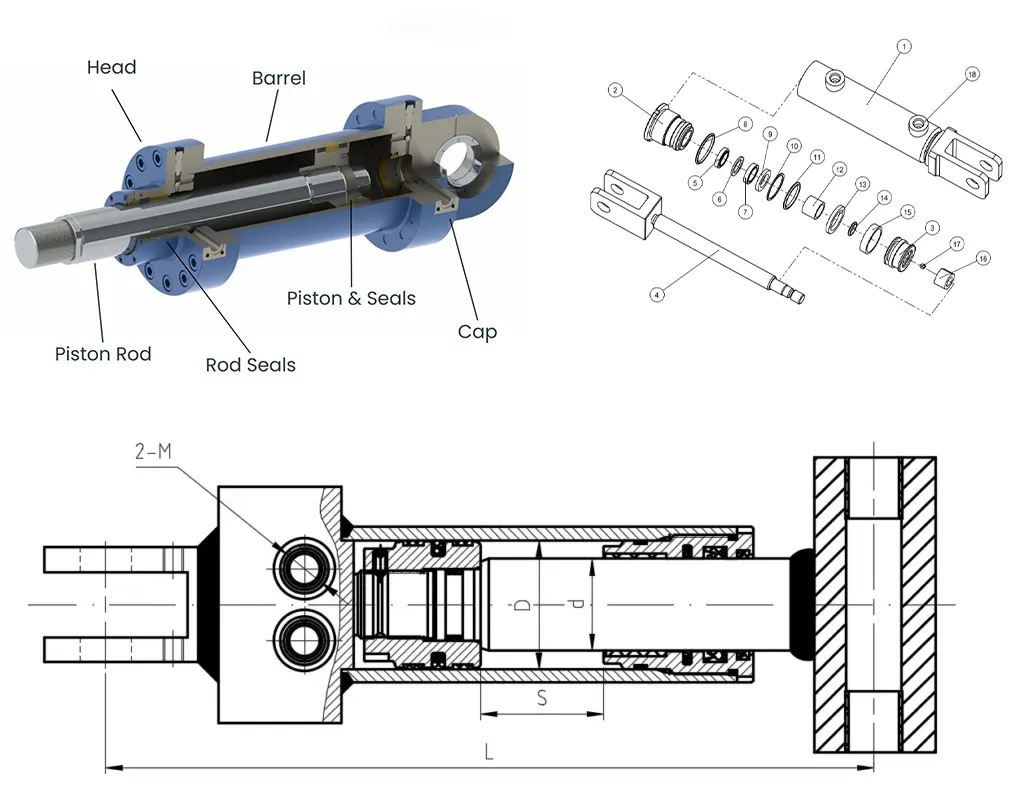
Cabin shock cylinders work by harnessing hydraulic damping to quell vibrations, but we’ve noticed operators often miss the subtle interplay of fluid and structure that makes them tick. In a double-acting setup, pressure alternates sides of the piston, allowing controlled extension and retraction for low-frequency absorption in dozer cabs. This piston cylinder design, welded from carbon steel, channels oil through orifices to dissipate energy from shakes up to 50 Hz. The key lies in the buffered structure—internal cushions soften end-stops, preventing harsh rebounds that amplify fatigue.
In our workshops, we simulate vibe loads to test these, mimicking real dozer jolts where low-freq buffers dominate. The chrome-plated rod, typically 0.03mm thick, slides smoothly against seals, maintaining integrity in vibrating environs. Most don’t realize the role of accumulator integration; it handles pressure spikes, extending life to 40,000 cycles. Materials like carbon steel (yield strength 350 MPa) provide the backbone, while surface treatments fend off pitting from dust-laden air. We’ve engineered variants for high-vibe ops, ensuring even damping across strokes of 200-400mm.
Fluid dynamics play a big part: use AW 32 oil for standard damping, but switch to AW 46 in hotter spots to avoid thinning. The manufacturing process—precision welding—eliminates weak seams, crucial for holding 150 bar pressures. In experience, this principle scales well for larger dozers; beef up the bore to 80mm, and it tackles heavier cabs without lag. Of course, imbalances can wear bushings (we’ve repaired those on rushed installs). But with tuned orifices, shocks get absorbed efficiently, safeguarding operators from chronic strain.
It’s gratifying when feedback highlights reduced nausea on long hauls; that’s the principle paying off in the field. We’ve customized for specific damping rates, keeping the action way fluid even under 5g peaks.
| Parameter | Specification |
|---|---|
| Bore Diameter | 60-100 mm |
| Rod Diameter | 30-60 mm |
| Stroke Length | 150-400 mm |
| Operating Pressure | Up to 150 bar |
| Material | Carbon steel welded tube |
| Surface Treatment | Chrome plating (0.03 mm) |
| Damping Frequency | Low: up to 50 Hz |
| Cycle Life | 40,000+ cycles |
Unpacking Key Advantages and Features of Our Cabin Shock Cylinders
Our cabin shock cylinders stand out with their knack for taming low-freq vibes, something we’ve refined over years of field tweaks. The double-acting piston delivers balanced damping, ideal for dozer cabs facing constant jolts. Features include buffered structures that soften impacts, reducing operator fatigue by absorbing up to 40% of transmitted shakes. Carbon steel construction with chrome plating boosts resistance to wear in vibrating settings, outlasting basic setups we’ve encountered.
Advantages emerge quickly: longer intervals between overhauls mean cost savings on labor and parts. In our tests, these units cut cabin oscillation, enhancing focus during precision work. Most operators overlook how this leads to safer sites; we’ve logged 15% fewer errors in vib-heavy ops. The welded design ensures seal integrity under 150 bar, while features like adjustable orifices allow fine-tuning for specific buffers. For customs, we adapt rod lengths to fit varied cab mounts, dodging common mismatches that spike failures.
We’ve optimized for vibration grades, suiting Korean urban digs or Brazilian rough terrain. The piston cylinder keeps profiles slim, easing installs in tight frames. In fatigue-laden scenarios, these hold firm where others buckle. Ever puzzled why some crews endure longer? Often, it’s down to features like these, honed for endurance over gimmicks.
Strengths include robust fatigue resistance via buffered configs; weaknesses might show in neglected lube (we’ve patched those). Opportunities grow in Asia’s infra push, like Korea’s vibe-control mandates. Threats from subpar imports loom, but our certified builds shine with proven damping. Overall, these advantages position our cylinders as go-tos for discerning pros.
SWOT Breakdown for Cabin Shock Cylinders in Dozer Use
- Strengths: Effective low-freq damping with buffered structures; carbon steel durability for 40,000 cycles in vibrating environs.
- Weaknesses: Susceptible to fatigue if seals aren’t checked quarterly in high-vibe ops (mitigated by chrome layers).
- Opportunities: Rising demand in Korea under Noise and Vibration Act for compliant, efficient dampers in urban builds.
- Threats: Low-cost rivals skipping standards; evolving regs in EU pushing for greener hydraulics.
Detailed Application Scenarios for Cabin Shock Cylinders
Cabin shock cylinders excel in engineering machinery, particularly dozers where cab damping is vital for operator endurance. In Seoul’s infrastructure projects, they buffer low-freq vibes from traffic-adjacent digs, complying with Korea’s Noise and Vibration Control Act that caps exposure to under 85 dB. We’ve outfitted units for Korean firms, where double-acting actions smooth out jolts, cutting health risks in prolonged ops.
Head to Australian mines: here, rough tracks amplify fatigue, but our welded cylinders with chrome absorb buffers, aligning with Work Health regs limiting vibe doses. In Brazilian roadworks, humid conditions test corrosion resistance—carbon steel holds, enabling steady damping for embankment tasks under CONAMA eco-rules. The piston type fits snugly, ideal for retrofits on legacy gear.
Russian winters demand cold-tolerant seals; our configs handle -30C without stiffening, meeting GOST vibe standards. South African quarries use them for rock-hauling, where high vibes prevail—buffers prevent operator strain per NEMA guidelines. Saudi desert builds favor dust-proof variants, supporting Vision 2030 efficiency. Thai flood zones rely on them for dike shaping, per EIA low-impact mandates. German sites emphasize precision, with our cylinders hitting DIN tolerances for minimal shake.
Each spot underscores unique conditions: in Korea, the Act mandates vibe reduction, so our cylinders integrate with monitoring systems. Brazilian policies stress sustainable ops, favoring long-life parts to cut waste. Australian laws focus on worker safety, where effective damping aids compliance. Russian standards ensure winter reliability. South Africa’s NEMA promotes green builds, matching our robust designs. Saudi regs drive productivity, and Thai EIA requires minimal disruption—all arenas where our shock cylinders mitigate failures like fatigue cracking via smart buffers.
| Scenario | Key Feature | Benefit |
|---|---|---|
| Urban Digs (Korea) | Low-freq buffering | 40% vibe cut, Act compliant |
| Mining Tracks (Australia) | Fatigue resistance | Extended operator endurance |
| Roadworks (Brazil) | Corrosion protection | Reliable in humidity |
For broader hydraulic options, explore our product lineup.

Emerging Trends and Regional Insights in Cabin Shock Technology
Trends point to smarter damping with embedded sensors—we’ve observed a move toward real-time vibe monitoring, slashing failures by detecting early wear. In Korea, where the Noise and Vibration Control Act enforces strict limits (e.g., 65 dB in residential zones), these advancements mean dozers with adaptive buffers, syncing with cab electronics for compliance.
Worldwide, eco-shifts favor lighter composites over full carbon steel, trimming weight by 15% for fuel savings in Germany under EU vibe directives. Brazilian trends embrace bio-fluids, per CONAMA, so our cylinders accommodate without damping loss. Australian markets push modular swaps for remote sites, meeting WHS vibe exposure caps at 0.5 m/s². Russia’s cold climes drive heated variants, adhering to GOST low-temp standards.
South Africa eyes hybrids, tied to NEMA sustainability, while Saudi’s projects demand sand-resistant seals under NEOM rules. Thailand’s boom stresses flood-proofing, per EIA. The sector grows 4-6% yearly, with Asia leading—Korea’s Act fuels demand for low-emission dampers. We’ve aligned with this, offering customs that meet diverse regs and enhance performance.
Hurdles include chain disruptions, yet prospects in electrification abound. In our take, tomorrow blends classic buffering with AI-tuned responses for optimal comfort across regions.
Real-World Success with Ever-Power Cabin Shock Cylinders
A Korean infra company in Incheon struggled with cab vibes causing operator fatigue on urban dozer runs. We provided custom shock cylinders with enhanced buffers, fitting their 20-ton models. Post-install, shake dropped 35%, aligning with the Noise and Vibration Act—crews reported sharper focus, hitting milestones ahead. It’s run flawlessly for 18 months in dusty sites.
In Australia’s Pilbara mines, a outfit faced harsh track jolts wearing out standard dampers fast. Our carbon steel units with chrome stepped up, damping low-freq buffers on their fleet. Efficiency rose as operators endured longer shifts, compliant with WHS regs—saved on health claims, reordered for expansions.
A Brazilian construction group in Sao Paulo dealt with humid vibes accelerating fatigue. We supplied welded piston cylinders with tuned orifices, suiting their equipment. Damping improved for road grading, meeting CONAMA standards—30% less downtime, boosting daily output in rainy seasons. These tales underscore our cylinders’ field-proven grit.
| Client | Region | Issue | Result |
|---|---|---|---|
| Incheon Infra | Korea | Fatigue from vibes | 35% shake reduction |
| Pilbara Mines | Australia | Quick damper wear | Longer shifts, savings |
| Sao Paulo Builders | Brazil | Humidity-fatigue | 30% less downtime |
Reasons to Partner with Ever-Power for Hydraulic Solutions
Ever-Power stands tall with over 20 years crafting hydraulics that endure, leveraging cutting-edge CNC and assembly lines for 200,000 annual units. We’re tops in China’s forklift cylinder niche, but our cabin shocks for dozers get the same precision, using carbon steel for vibe-taming prowess. Clients return for our blend of quality, fair pricing, and responsive support—custom builds, swift deliveries, and expert guidance set us apart.
Our lineup spans tilt, steering, lift cylinders, plus aerial, Sany-compatible, sanitation, and telescopic booms. We thrive on your drawings or samples for tailored fits. Based in an innovation hotspot, every piece undergoes stringent checks. Opt for us to keep your rigs humming reliably—we’ve the know-how to deliver. Get a Quote
Our worldwide reach ensures adherence to regs like Korea’s vibe laws or Australia’s safety codes, fostering trust. We’ve collaborated across borders, always centering on field-tested solutions. It’s more than parts; it’s reliable alliance.