Ripper Arm Lift Cylinder For Tillage Machinery
Engineered for extreme subterranean draft loads. Built strictly with 27SiMn alloy, extended guide lengths, and heavy-duty mud scrapers to totally eliminate rod scratching and prevent structural deflection in highly compacted soils.
Product Overview: The Core of Deep Soil Remediation
In commercial agronomy, merely tilling the surface soil is vastly insufficient for maximizing crop yields over consecutive planting seasons. The continuous operation of heavy agricultural tractors and combine harvesters inevitably compacts the subterranean layers, creating a dense, impermeable hardpan directly beneath the standard plowing depth. This hardpan acts as a physical barrier, choking off capillary water movement and completely preventing deep root development. To fracture this barrier without inverting the biologically active topsoil, agricultural operators deploy the subsoiler. This massive tillage implement utilizes incredibly thick, heavy steel ripper shanks designed to drag through the earth at depths of up to 60 centimeters. Pushing multiple steel teeth through highly compacted clay generates some of the most extreme, violent draft loads encountered in modern agriculture. The exclusive mechanical component responsible for forcing these shanks downward, holding them at an exact penetration depth, and actively extracting them against immense subterranean drag is the Ripper Arm Lift Cylinder.
In demanding agricultural environments characterized by highly dense, rocky, or unyielding clay soils—particularly across the intensive farming terraces of South Korea, Japan, and the wider Asian continent—standard commercial actuators consistently fail. The most prevalent and financially devastating failure mode specific to subsoilers is severe rod scratching and internal scoring. As the ripper feet inevitably strike buried boulders or hardpan shelves, the implement violently shudders, sending massive lateral offset forces straight up the linkage and into the hydraulic cylinder. In poorly designed units featuring short internal guide bearings, this violent side-load acts as a fulcrum, causing the internal piston to physically tilt. The high-tensile steel rod deflects, breaking through the lubricating oil film and scraping brutally against the metal gland. Once the chrome is deeply scratched, it acts precisely like a file, rapidly shredding the internal high-pressure seals on every subsequent retraction stroke, leading to immediate, uncontrollable fluid bypass and total loss of depth control.
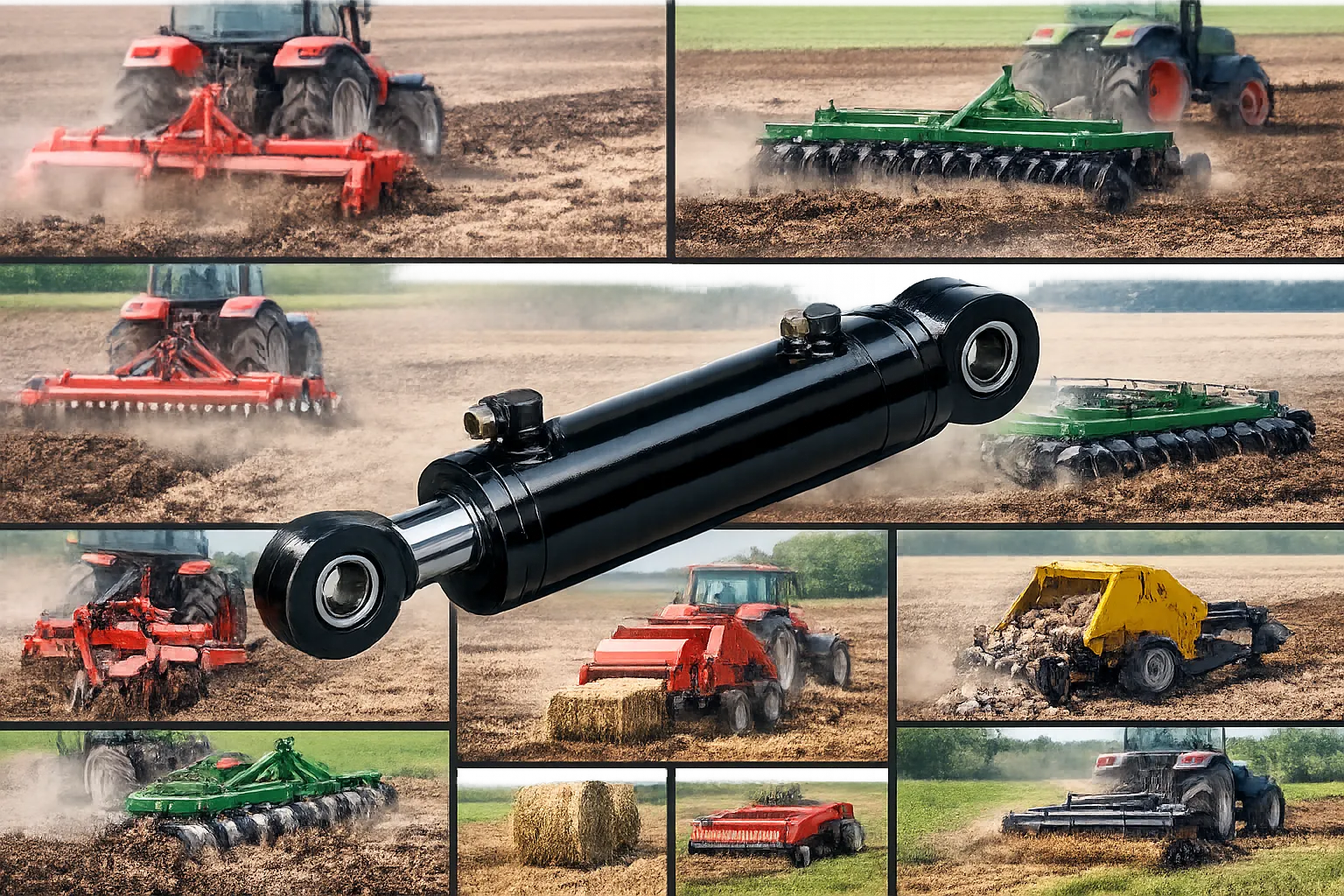
To permanently eradicate this systemic industry weakness, our specialized engineering division has completely re-architected the Ripper Arm Lifting Hydraulic Cylinder from the ground up. By drastically increasing the internal guide length between the piston bearing and the rod gland, we have effectively maximized the structural bearing area. This critical geometric enhancement safely absorbs massive lateral thrusts, ensuring the rod remains perfectly linear and entirely preventing internal metal-to-metal contact. Partnered directly with a highly rigid mud scraper ring, this unit stands as an impenetrable fortress against abrasive field contamination. As an elite global hydraulic cylinder manufacturer, we deeply understand that evaluating the initial hydraulic cylinder price is fundamentally irrelevant if the component fails during a highly compressed, weather-dependent planting window. By heavily integrating our fortified hydraulic parts into your tillage fleet, you are securing guaranteed operational uptime and drastically minimizing seasonal labor costs.
Critical Technical Parameters and Material Architecture
Seamless mechanical integration into heavily stressed subsoiler linkages demands absolute adherence to rigorous dimensional tolerances and superior metallurgical selection. The comprehensive data matrix below delineates the core structural framework, advanced material composition, and environmental defense protocols engineered into our ripper actuator. We maintain massive, autonomous CNC machining centers, allowing us to perfectly customize stroke lengths, mounting clevis geometries, and fluid port threads to match any heavy equipment specification globally.
| Engineering Parameter Category | Specification Standards and Material Data |
|---|---|
| Primary Industrial Sector | Agriculture |
| Machinery Classification | Tillage Machinery (Heavy Subsoilers / Rippers) |
| Mechanical Sub-system | Subsoiler Ripper Part / Shank Suspension |
| Fluid Power Nomenclature | Ripper Arm Lift Cylinder |
| Kinematic Action Mode | double acting hydraulic cylingder |
| Internal Architecture Type | Heavy-Duty Piston Cylinder Design |
| Manufacturing Construction | Precision Welded Type Assembly |
| Core Barrel Metallurgy | 27SiMn High-Yield Alloy Steel |
| Rod Surface Treatment | Micro-Cracked Hard Chrome Plating |
| Environmental Duty Level | Medium-Heavy Load (Extreme subterranean drag and kinetic shock) |
| Primary Functional Objective | Actively control and secure the soil penetration depth of ripper feet |
| Critical Defeated Failure Mode | Severe Internal Rod Scratching from Massive Offset Side-Loads |
| Mandatory Engineering Upgrades | Increased internal guide length + aggressive rigid mud scraper ring |
Fluid Dynamics and Mechanical Operating Principles
Subsoiling is an operation defined by extreme physical resistance, demanding absolute mechanical control over the implement’s positioning. Because the thick steel ripper shanks must be forcefully driven deep into highly compacted clay, and subsequently require massive lifting capacity to clear the earth for safe headland transport, utilizing a single acting hydraulic cylingder is mechanically impossible. A single-acting setup fundamentally lacks the ability to provide active downward hydraulic pressure, relying entirely on gravity and dead weight, which is useless against dense hardpan. Therefore, our suspension geometry absolutely requires the immense bidirectional power of a highly rigid double acting hydraulic cylingder. This setup routes highly pressurized hydraulic oil from the tractor directly to either side of the robust hydraulic cylinder piston, granting the operator total, unwavering authority over both extension and retraction.
When the tractor approaches the field, the operator actuates the main control valve, forcing high-pressure fluid directly into the cap end (base) of the cylinder barrel. The resulting hydrostatic pressure acts violently against the full surface area of the piston, generating thousands of pounds of linear thrust. This force pushes the heavy chrome rod outward, altering the linkage geometry and driving the thick steel ripper shanks deeply through the hardpan layer. Crucially, once the selected working depth is attained, the directional valve closes, entirely trapping the incompressible fluid within the 27SiMn steel barrel. This forms a perfect hydrostatic lock. Despite the enormous, fluctuating drag forces generated as the tractor pulls the massive implement through subterranean rock shelves, our lift cylinder refuses to yield, holding the depth flawlessly without any upward drift.
To rapidly raise the implement, the operator reverses the fluid routing. Pressurized oil floods the rod-end port, creating intense retraction force across the annular area of the piston, powerfully ripping the heavy implement out of the compacted dirt. It is during this dynamic lifting phase that our advanced exclusion technology activates. The exterior chrome rod is heavily caked in wet clay, crushed roots, and highly abrasive silica. The internally integrated, rigid polyurethane mud scraper aggressively acts like a steel chisel, physically shaving the rod completely clean as it retracts. This perfectly repeatable, highly engineered mechanical cycle ensures that zero abrasive contaminants ever breach the clean fluid reservoir, radically extending the lifespan of your critical hydraulic rams.
Direct Fleet Interchangeability and OEM Equipment Replacement
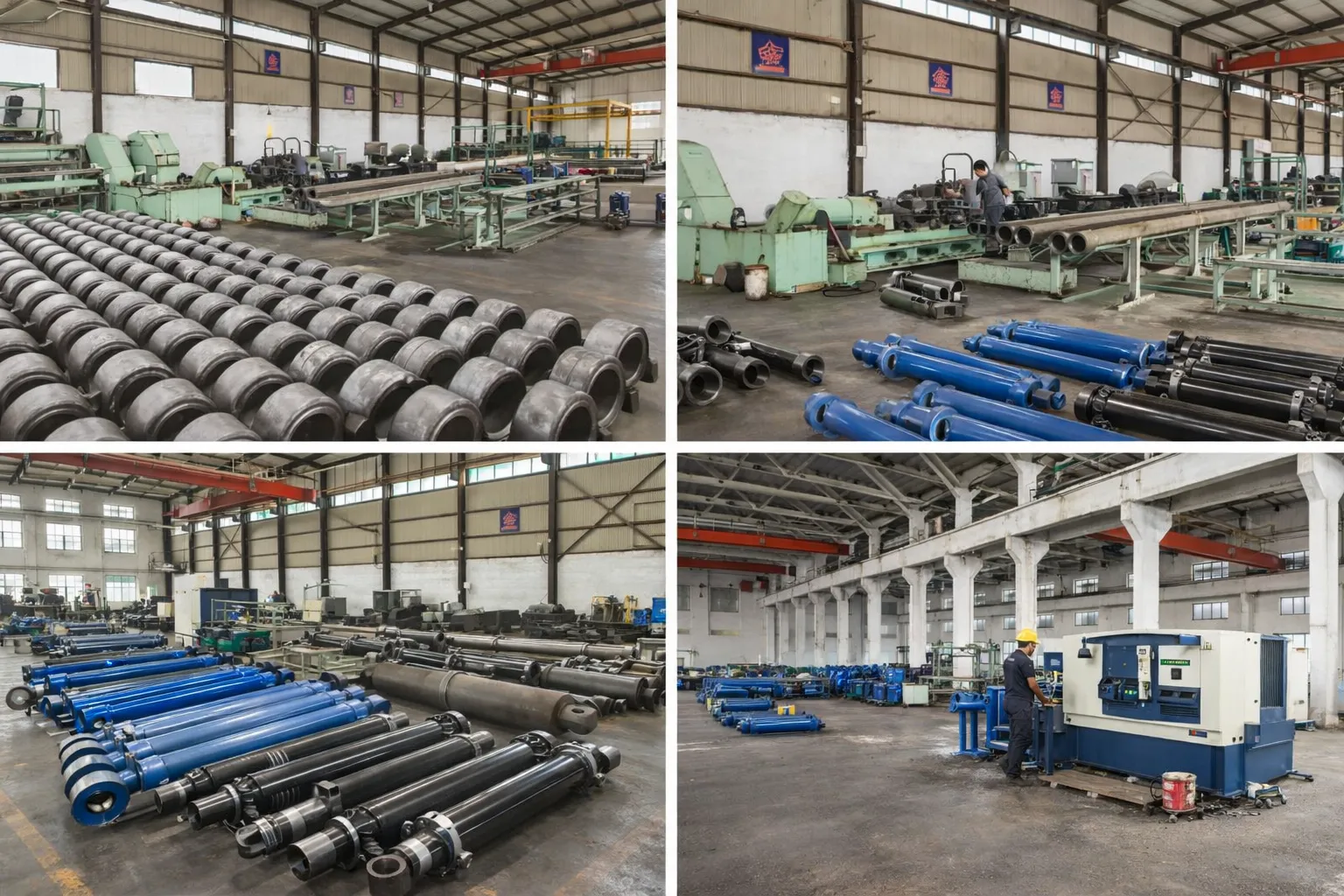
When violent subterranean forces finally destroy a weak, factory-installed actuator, the resulting tractor downtime during the heavily compressed planting season represents a devastating financial loss. Fleet mechanics do not have the time to fabricate custom frame mounts or weld new brackets in the mud. Agricultural cooperatives demand highly robust, dimensionally exact replacement hydraulic cylinder components that serve as immediate drop-in upgrades. Our engineering division meticulously dimension-maps our heavy-duty subsoiler actuators to perfectly integrate into the existing mechanical linkages of major global machinery without requiring any structural modifications.
For the strict logistical purpose of dimensional cross-referencing, mechanic sizing, and fleet upgrade planning (and explicitly without implying direct corporate endorsement or trademark infringement), our ultra-resilient Ripper Arm Lift Cylinder configurations are frequently procured to overhaul suspension systems on heavy tractors and subsoiler attachments manufactured by industry leaders prominent in the Asian market. This heavily includes machinery produced by Daedong (KIOTI), LS Mtron, TYM Tractors, Kukje Machinery, Yanmar, Kubota, Mahindra, Case IH, and John Deere. Our strict adherence to global dimensional standards ensures that replacing a weeping, heavily scored cylinder is a rapid process executed directly in the field with basic tools.
By proactively upgrading your fleet with our heavily fortified actuation units, you decisively break the agonizingly repetitive cycle of constantly fixing hydraulic cylinders that were simply never built to survive extreme draft loading. You are replacing vulnerable carbon steel with yielding 27SiMn alloy, and basic dust rings with highly rigid mud scrapers. This strategic procurement decision drastically minimizes your future requirements for complex hydraulic cylinder repair.
Eight Pillars of Structural Superiority: Defeating Rod Scratching
The profound operational divide between a weak commercial cylinder and our specialized industrial fluid power solution is defined exclusively by advanced metallurgy and highly targeted geometric engineering. Below are the definitive technical pillars that guarantee our subsoiler cylinders will survive the violent subterranean environment:
1. Massively Extended Internal Guide Geometry
The absolute primary defense against rod scratching. When the ripper hits a rock, massive offset forces attempt to tilt the piston. We structurally mandate a vastly increased physical distance between the main piston bearing and the rod gland bearing. This heavily extended geometric overlap safely dissipates violent lateral thrusts, keeping the rod perfectly linear and entirely preventing internal metal galling.
2. Aggressive Polyurethane Mud Scraper
Operating close to overturned earth means the retracting rod is bombarded by highly abrasive clay. Standard soft rubber dust rings simply fold inward. We utilize an oversized, highly rigid dual-lip polyurethane scraper. It acts precisely like a stiff mechanical chisel, aggressively peeling caked mud and sharp silica completely off the rod, providing flawless environmental exclusion.
3. 27SiMn High-Yield Alloy Steel Barrel
Subsoiling deeply compacted hardpan generates terrifyingly sudden hydrostatic pressure spikes. Standard 1045 carbon steel barrels regularly balloon or fracture under this stress. We exclusively employ 27SiMn (Silicon-Manganese alloy), possessing an exponentially higher yield strength, ensuring perfect cylindrical integrity without any plastic deformation.
4. Deep Micro-Cracked Hard Chrome Defense
The high-tensile steel piston rod receives an exceptionally thick layer of micro-cracked hard chrome plating. This dramatically raises surface hardness to completely deflect physical strikes from flying subterranean rocks, while the invisible microscopic cracks hold vital lubricating oil to drastically reduce high-speed seal friction.
5. Ultra-Low Friction CNC Skived Finish
The interior bore of the thick 27SiMn steel is processed via multi-axis CNC skiving and heavy roller-burnishing. Achieving an absolutely flawless, mirror-like Ra 0.2 finish totally eliminates microscopic machining ridges, radically reducing sliding seal drag and massively extending the fatigue life of the internal pressure seals.
6. Thermally Stable High-Grade Sealing Matrix
Heavy tractors pulling massive draft loads generate severe hydraulic heat. We abandon standard commercial rubber in favor of imported high-density polyurethane and PTFE-energized step seals. These materials maintain absolute dimensional stability and elastic memory in extreme temperatures, completely preventing mid-operation implement drift.
7. Automated Robotic Pulse-MIG Welding
The brutal subterranean pulling forces attempt to literally rip the mounting clevis off the cylinder base. We heavily utilize automated robotic pulse-MIG welding cells to permanently fuse these junctions. This guarantees flawlessly deep weld penetration while strictly managing the heat-affected zone, entirely eliminating the risk of structural fractures.
8. Comprehensive Fatigue Life Optimization
By systematically combining 27SiMn alloy, robotic welding, and extended guide bearings, the entire cylinder architecture is optimized for long-term fatigue life. This means the actuator will effortlessly survive tens of thousands of violent operational cycles without yielding, ensuring your heavy equipment remains profitable year after year.
Autonomous In-House Manufacturing and Draconian Quality Control
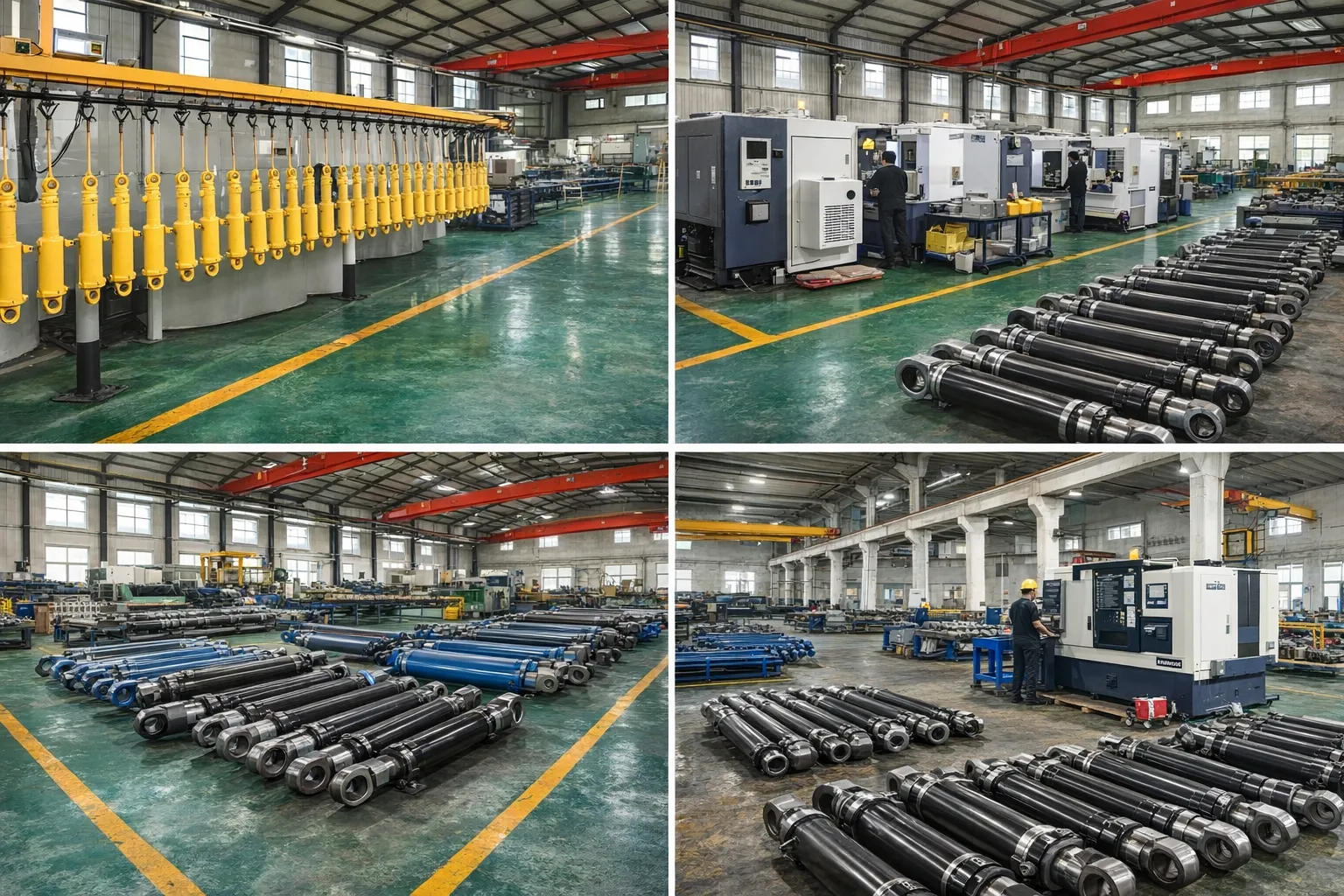
Flawless reliability in punishing agricultural conditions is synthesized directly on the factory floor; it cannot be inspected into a poorly manufactured product. As a completely autonomous, vertically integrated hydraulic cylinder manufacturer, our internal production protocols are aggressively controlled to entirely eliminate reliance on substandard third-party suppliers. Every single incoming billet of 27SiMn high-yield steel is immediately subjected to advanced metallurgical verification using optical emission spectrometry. This guarantees the chemical alloy composition mathematically matches our exact engineering blueprints before any machining begins.
Following robotic assembly within our pristine manufacturing sectors, we enforce a mandatory, highly rigorous testing protocol. We absolutely refuse the industry standard of random statistical batch testing. 100% of our manufactured cylinders are securely mounted to computerized diagnostic test rigs. The units are dynamically stroked at high speed and then subjected to a brutal static hydrostatic pressure hold at 150% of their rated maximum working load. Highly sensitive digital transducers verify zero internal seal bypass and zero external weeping. Upon passing, a permanent alphanumeric serial matrix is laser-etched directly into the steel base, providing total lifecycle traceability directly back to the original steel heat batch and assembly technician.
Exceptional Versatility Across Severe Heavy Industries
The profound structural engineering implemented to completely prevent severe side-load rod scratching and heavy mud ingress on agricultural subsoilers translates flawlessly to other severe-duty industrial applications. A robust fluid power actuator explicitly designed to survive massive subterranean kinetic shock without bending or leaking is highly sought after by engineers combating similar extreme environments globally.
Consequently, this ultra-rigid 27SiMn architecture, deeply integrated with our extended internal guide lengths, is heavily specified for massive ripping attachments within the construction machinery industry (such as bulldozer ripper shanks and excavator bucket linkages). Furthermore, our aggressive polyurethane mud exclusion systems make this foundational blueprint highly effective for prolonged deployment in the abrasive, dust-choked atmospheres characteristic of the mining industry. Truly exceptional hydraulic engineering is universally recognized across all heavy-duty sectors.
Comparative Technical Analysis: Standard Commercial vs. Engineered Subsoiler Actuator
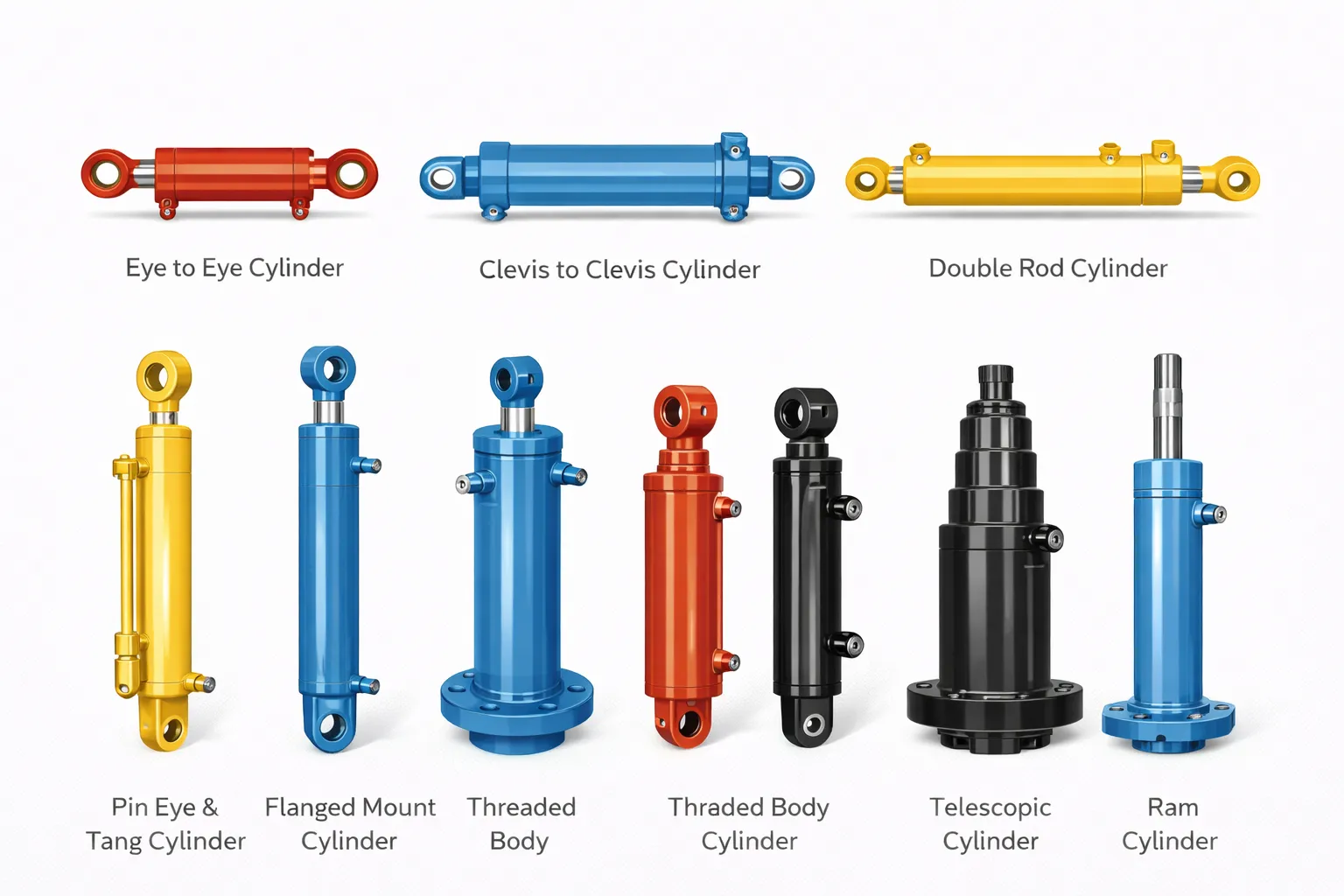
For B2B procurement managers calculating the total lifecycle cost of agricultural machinery, a direct technical juxtaposition is incredibly revealing. Opting for under-engineered commercial cylinders guarantees rapid, catastrophic field failure. The table below technically illustrates exactly why our specialized architecture massively outperforms generic aftermarket alternatives.
| Critical Design Feature | Standard Commercial Cylinder | Our Specialized Ripper Cylinder |
|---|---|---|
| Rod Scratching Defense | Short guide bands. Offset side-loads cause severe rod deflection, resulting in massive metal-to-metal scoring and immediate seal blowout. | Heavily extended internal guide length geometry. Completely absorbs lateral thrust, keeping the rod linear and entirely scratch-free. |
| Barrel Metallurgy | Basic 45# carbon steel. Highly prone to ballooning and permanent deformation under extreme subterranean pressure spikes. | 27SiMn High-Strength Alloy. Immense yield strength guarantees absolute structural concentricity under massive draft loads. |
| Particulate Exclusion | Basic soft NBR rubber dust ring. Bends easily, allowing abrasive wet clay and sharp silica directly into the clean fluid reservoir. | Aggressive dual-lip Polyurethane mud scraper. Physically chisels and rejects thick, caked mud completely away from the seals. |
| Depth Lock Integrity | Cheap seals lose shape under high operating heat, causing the ripper implement to slowly drift upward out of the hardpan. | Absolute hydrostatic locking. Premium, thermally stable PTFE seals maintain the exact commanded depth flawlessly all day. |
| Quality Verification | Random statistical batch sampling. Extremely high operational probability of installing a defective, weeping unit. | 100% individual dynamic pressure cycle testing at 150% maximum load. Zero functional defects shipped globally. |
Real-World Field Victories: Eliminating Severe Agricultural Breakdowns
Rigorous fluid power theory is ultimately validated by surviving in the dirt. By partnering directly with heavy machinery fleets and agricultural enterprises across Asia, we have conclusively proven the massive financial impact of deploying structurally sound, heavily engineered subsoiler hardware.
Case Study 1: Stopping Catastrophic Rod Scratching in South Korean Hardpan
Client Profile: Large Commercial Farming Cooperative, Gyeonggi-do, South Korea.
The Challenge: The cooperative heavily utilized high-horsepower tractors pulling deep subsoilers to break incredibly dense, rocky hardpan. The violent subterranean drag created massive lateral deflection forces, causing the standard factory cylinders to bend internally. This side-loading caused severe rod scratching against the metal glands, shredding the seals and causing massive hydraulic blowouts within weeks, devastating their tightly scheduled planting season.
The Solution & Result: The maintenance director found our B2B manufacturing portal and provided the required dimensions. We rapidly deployed a container of our specialized Ripper Arm Lift Cylinder models featuring drastically extended internal guide lengths. Upon installation for the 2024 season, the enhanced structural rigidity completely absorbed the lateral shock. Rod scratching was utterly eradicated, and the fleet operated flawlessly without a single seal blowout across the entire field rotation.
“The elongated guide design solved our biggest mechanical nightmare instantly. The rods stayed perfectly smooth despite the brutal rocky terrain. The hydraulic cylinder price was easily paid for by the massive reduction in hours we previously wasted on fixing hydraulic cylinders mid-season.” — Mr. Choi, Fleet Director (December 2024)
Case Study 2: Eradicating Weld Fatigue for a Japanese Tillage OEM
Client Profile: Heavy Tillage Implement Manufacturer, Hokkaido, Japan.
The Challenge: A reputable implement builder faced an escalating rate of warranty claims. When their heavy ripper frames struck subterranean volcanic rock shelves, the sudden pressure spikes and intense kinetic shock were causing the weak 45# carbon steel cylinder barrels to physically fracture right at the base clevis welds, completely dropping the implement into the dirt and stranding the customer’s tractor.
The Solution & Result: We heavily redesigned their actuation system, completely substituting the weak carbon steel with our highly resilient 27SiMn alloy, combined perfectly with our robotic pulse-MIG welding execution. The superior impact toughness of the 27SiMn effortlessly absorbed the subterranean shock waves without yielding. The OEM immediately standardized our hydraulic cylinder components for all future builds, dropping structural warranty claims to absolute zero.
Case Study 3: Defeating Severe Wet Clay in Vietnamese Paddies
Client Profile: Commercial Rice Cultivation Enterprise, Mekong Delta, Vietnam.
The Challenge: Subsoiling dry paddies prior to flooding involves churning up highly sticky, abrasive clay. The standard rubber dust rings on the tractors’ aftermarket cylinders simply folded inward under the mud’s weight, allowing the wet grit straight into the barrel. This immediately destroyed the high-pressure seals and heavily contaminated the tractor’s main fluid reservoir.
The Solution & Result: We supplied customized units heavily fitted with our extremely rigid, aggressive polyurethane mud scrapers. Acting literally like a physical chisel, the scraper shaved the thick mud completely off the rod before it retracted into the gland. This highly effective engineering upgrade expanded the operational lifecycle of the suspension units by over 400%, maintaining absolute hydrostatic sealing and avoiding frequent hydraulic cylinder repair.
Frequently Asked Questions
To provide absolute clarity to international fleet directors, procurement officers, and mechanical engineers, we detail transparent answers regarding the highly specific metallurgical advantages, structural capabilities, and global logistics of our specialized tillage actuation hardware.
Permanently Secure Your Fleet’s Deep Ripping Capability
Do not allow substandard commercial steel and inadequate internal guide lengths to continually drain your maintenance budget and violently stall your tractors in the field. Partner directly with a premier fluid power engineering facility to comprehensively integrate absolute rigidity and completely scratch-resistant actuation hardware into your agricultural fleet.
Provide our engineering team with your specific required pin-to-pin dimensions, OEM stroke lengths, or direct descriptions of your current field failures for an immediate, highly actionable technical consultation.
Editor: Cxm