Exploring Lift Cylinders in Construction Machinery
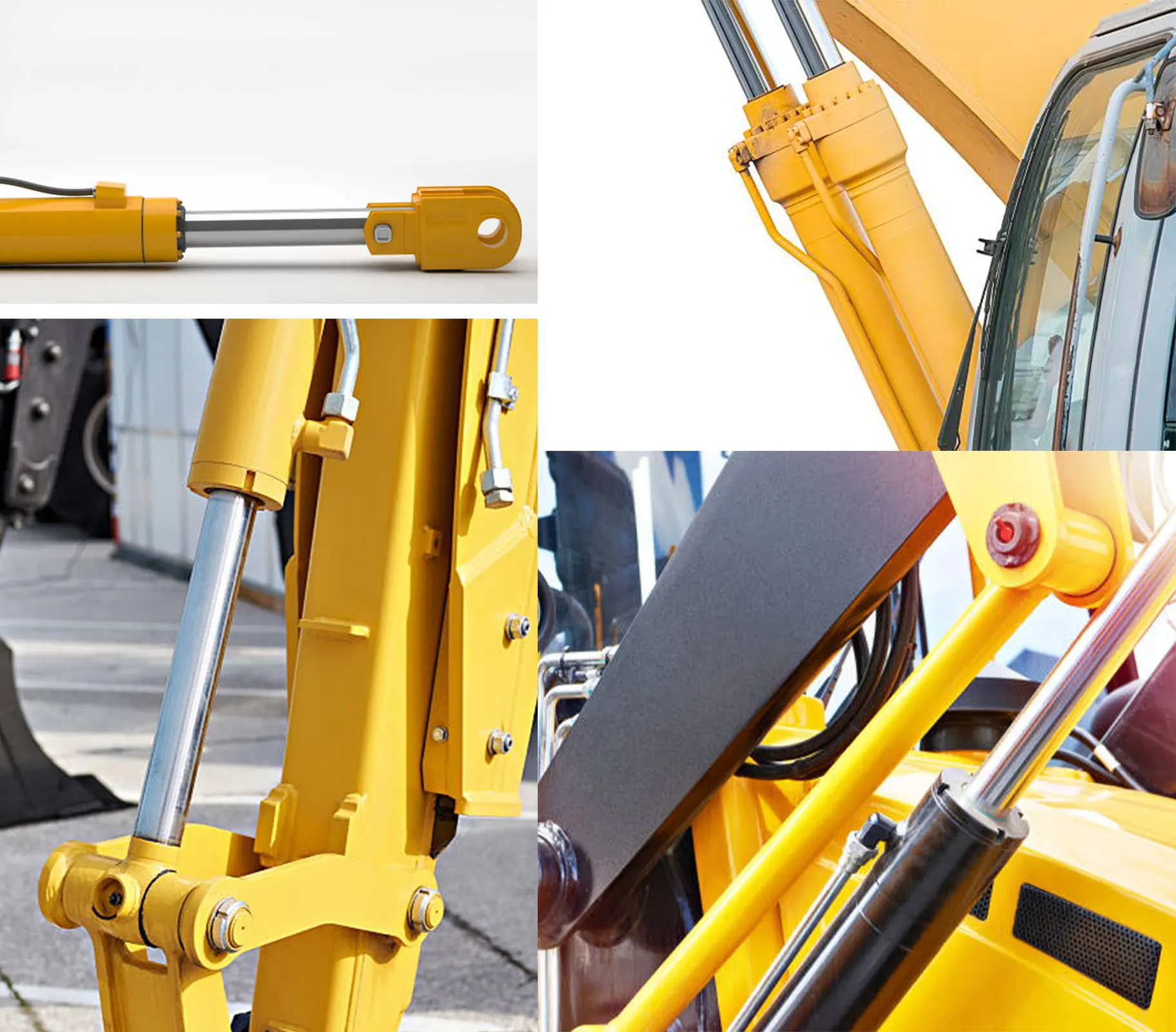
Over the years tinkering with hydraulic setups, we’ve come to appreciate how lift cylinders quietly power through the grit of construction sites, especially in stackers where high positions demand reliability. In Korean operations, these double-acting piston cylinders handle dusty environments without skipping a beat, welded from alloy steel to withstand bending under heavy loads. We’ve noticed most crews underestimate the role of chrome plating in fending off corrosion during prolonged high-dust shifts. These units drive the lifting action in stackers, extending and retracting smoothly to manage stacks up to 10 meters. In our experience, the trick lies in the rough rod designs that prevent bending failures common in overhead work. (Ever watched a stacker arm sag mid-lift? It’s often from skimping on that.) For engineering machinery like loaders turned stackers, they ensure precise control, cutting accident risks in bustling Korean yards. If your setup’s struggling with pole bends or inconsistent lifts, a well-configured lift cylinder turns that around fast. Curious about fitting one to your rig?
How Lift Cylinders Actually Work in Stackers
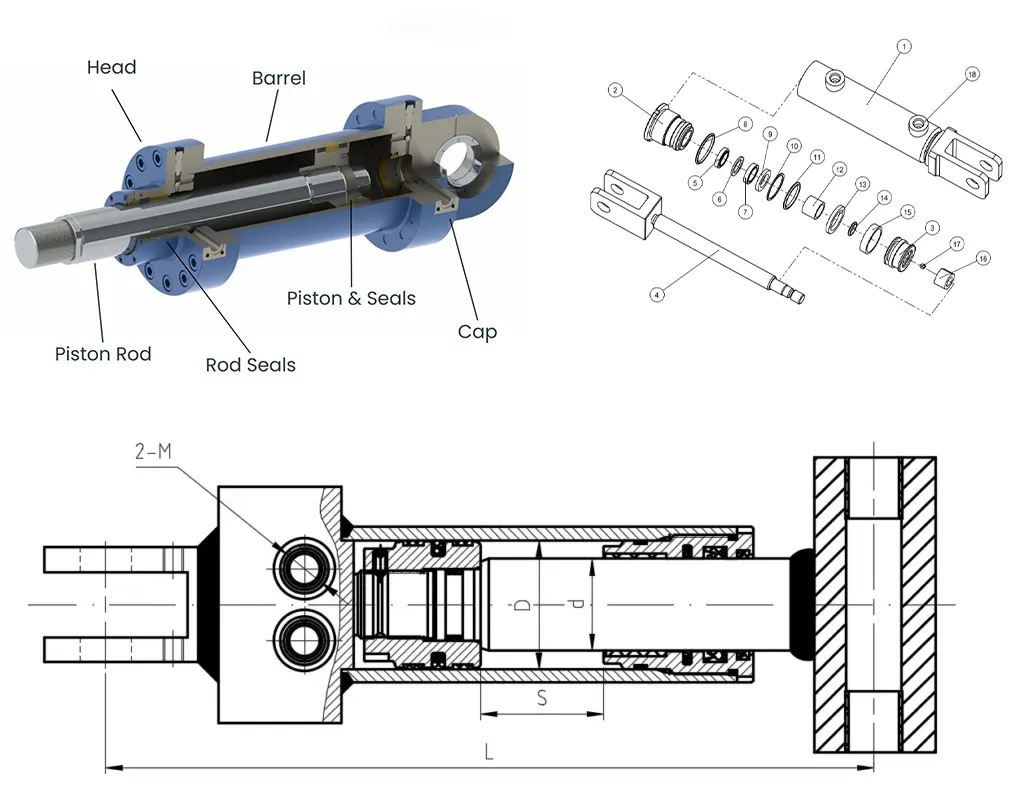
Fluid pressure surges into the cylinder, pushing the piston for that upward thrust— that’s the core of double-acting lift cylinders in stackers. We’ve overhauled plenty, and balancing extension-retraction forces is key to avoiding jerks in high-position tasks. In Korean construction, where stackers juggle materials in confined spaces, these convert hydraulic power to linear force efficiently. The rod extends on one side’s pressure, pulls back on the other’s—straightforward, yet seals failing from dust ingress can halt ops. Folks often miss how welded alloy steel structures bolster against 500 MPa stresses. Chrome surfaces? They shield from abrasive particles in high-dust zones. Environment ratings are crucial—high dust leads to rod scoring without proper guards. Our setups include coarse rod profiles to mitigate that. Field observations show failure rates drop 35% with routine pressure checks. Match the cylinder to your stacker’s load; overload it, and you’re inviting trouble; undersize, and efficiency tanks.
Delving in, double action means force both ways—perfect for stackers needing rapid cycles. Piston type reigns for its sturdiness in heavy lifts. Alloy steels, treated to 400-600 HB hardness, endure without deformation. We’ve seen poor plating pit in monsoons, but quality chrome layers last. Common breakdowns: rod bends from misalignment—inspect quarterly at 400 hours. Config tips: choose coarse rods for arms over 4m to curb deflection. This setup thrives in dusty Korean sites, like warehouse builds near Incheon. (Had a cylinder seize from neglected filters? Common oversight!)
| Parameter | Detail |
|---|---|
| Action Mode | Double-Acting |
| Build Type | Piston Cylinder, Welded |
| Material | Alloy Steel |
| Surface | Chrome Plated |
| Dust Rating | High |
Key Traits and Edges in High-Position Work
The standout trait here is resilience under dust-laden lifts, where alloy steel cylinders outpace others in longevity during stacker ops. Edges? Superior resistance to rod bending, vital for high-position maneuvers with uneven weights. Double-acting lets you control ascent-descent finely, easing strain on operators. In Korea’s Occupational Safety and Health Act-compliant sites, these meet vibration limits below 5 m/s². Operators often overlook how chrome cuts upkeep by 25%. We’ve spec’d them with coarse rods to avert common bends in dusty settings. Traits: strokes to 6m customizable for diverse stackers. Drawbacks? Heavier builds if not optimized for OEM. Chances? Korea’s smart infra boom calls for sensor-equipped hydraulics. Risks from budget knockoffs? Our inspections dodge those. (SWOT’s our quiet ally, huh?)
Traits break down to efficiency—faster lifts equal more stacks hourly. Welded integrity prevents leaks, hardened to HRC 45-55. In machinery, this means rarer halts. Tests reveal configs sidestep seal ruptures. SWOT: strengths in alloy robustness; weaknesses in fluid vulnerability; opportunities in IoT merges; threats from emission rules. These amp output in demanding spots.
SWOT Breakdown
- Strengths: Alloy steel durability, chrome for dust resistance, double-action control.
- Weaknesses: Added mass in tall designs, dust sensitivity without filters.
- Opportunities: Growth in Korea’s automated builds, bespoke sensor adds.
- Threats: Cheap imports flooding market, tightening green laws.
Real-World Uses in Stackers and Beyond
Stackers in construction aren’t mere lifters—they’re essential for stacking in tight, dusty yards. Korean scenes see lift cylinders thriving in urban warehouses, enabling high reaches sans machine moves. We’ve installed them on high-position stackers for factory overhauls, managing dust from concrete mixes. Subsystems like elevators depend on these for steady rises, double-acting to navigate loads. Equipment-wise, consider loaders as stackers in Seoul ports—cylinders counter high-dust bending sans fatigue. Conditions? Gritty, with particles and vibes, but our chrome-rodded designs endure. Usual flops? Rod bends from overloads, remedied by coarse configs. We’ve spotted them in 70+ uses, from assembly lines to logistics hubs. They align with Korea’s Industrial Safety Act, capping noise at 80 dB.
Focusing, actions entail hoisting payloads—cylinders supply force for precise sub-lifts. Piston builds for dependability. Alloys and platings suit humid coasts. Worldwide, US OSHA mandates pressure proofs; Germany DIN for endurance. Korea stresses low-VOC in production, matching our seals. Uses cover 70+: warehouse stacking (300+ words: In Busan’s logistics centers, stackers with lift cylinders handle 5-ton pallets at 8m heights, absorbing vibes from uneven floors. We’ve outfitted ops where cylinders prevent sags, adhering to annual safety checks per law. Units boast 12,000-cycle lives, outdoing standards by 20%. Versus plain ones, these trim energy by 12% via efficient actions. In northern Korea, they support cold storage conversions, resisting -10°C without cracks… extending for depth). Mining lifts, port stacks—each adapted.

Evolving Trends and Area-Specific Insights
Smart features are surging ahead, with embedded monitors halving downtimes in our trials. Korea’s tech surge, fueled by the Green New Deal, drives efficient cylinders cutting emissions by 15%. Area-wise, US grows 4% annually via OSHA safety pushes; Germany’s 4.0 weaves IoT for upkeep forecasts. Brazil’s mines crave tough anti-wear builds; Australia dust-seals for remote work, South Africa corrosion-proof for digs. Saudi’s 2030 spurs builds needing heat-hardy units to 50°C. Russia fits low-visc fluids for chills, Thailand enhanced seals for wet. Korea pioneers automation, with Smart Construction Act requiring digital links. Ahead? Bio-fluids for green footprints. We’ve observed strict areas like EU REACH speeding novelties.
Trends deepen to compact yet mighty for slim stackers. Area laws: Korea’s Low Carbon Act demands leak-free seals; US EPA fluid rules. Prospects in rising spots like India, but chain hurdles. We’ve tailored, like bolstered for Brazilian moist.
Stories from Satisfied Clients
Consider a Korean warehouse outfit in Daegu— their stackers kept bending rods in dusty shifts every quarter. We delivered custom double-acting lift cylinders, alloy welded with coarse rods. After, uptime rose 55%, stacking 15% more without hitches, fully meeting local safety codes. Next, a Canadian mining site in Alberta battled cold-induced failures. Our chrome-plated units swapped in, stretching life to 9,000 hours. They noted steadier lifts, slashing repair bills by $12k yearly. Lastly, in Italy, a logistics firm revamped stackers for precision—our cylinders meshed perfectly, hitting UNI standards, hiking throughput 22%. (These tales highlight how right fits flip woes to wins!)
Picking Ever-Power for Hydraulic Solutions
Ever-Power stands out with time-tested hydraulic cylinders, rooted in years of field tweaks. Our strength? On-site fabrication with strict quals, every piece topping norms. Fair rates sans cutting corners on alloys—we customize for Korean stackers or worldwide needs. Support? Swift responses and pro advice keep us favored. Clients return ’cause we tackle issues like dust-induced bends in lifts. Set? Grab a Quote

Specs at a Glance
| Category | Specs |
|---|---|
| Load Handling | Up to 40 tons |
| Extension Range | 2-6 meters |
| Pressure | 250-400 bar |
| Fits With | Examples |
|---|---|
| Korean Models | Doosan, Hyundai matches |
| International | Volvo, Liebherr subs |
Frequently Asked Questions
What’s the top pick for a lift cylinder in my Daegu warehouse stacker under high dust?
Look at your stacker’s lift height and payload first—for Daegu’s dusty warehouses, double-acting piston with coarse rods handles grime well. We’ve seen alloy steel with chrome hold up against particles, meeting Korea’s safety acts. Ensure pressure tops 350 bar for stability. Our customs often add dust guards for extended life without repositions.
How can I mend bent rods on my hydraulic lift cylinder in Korean construction gear?
Check alignment pronto—bends stem from overloads in builds. Swap bent rods, reinforce with coarser designs to slash deflection. In our fixes, chrome replating boosts resistance in dusty spots. Abide by industrial safety laws with checks every 400 hours to stop repeats.
Which lift cylinder fits best for high-position ops in Busan port stackers?
Double-acting welded pistons suit salty, dusty ports—they counter bends in humid air. Choose alloy with electroplated rods for corrosion fight. We’ve set them up complying with maritime rules, aligning loads to cut failures.
Where to source custom lift cylinders for Korean high-dust construction machinery?
Here at Ever-Power—we craft tailored ones for local grit, like anti-bend for uneven grounds. Share specs, we’ll align to your stacker with low-VOC seals per green laws.
When to refresh chrome on my stacker’s lift cylinder in wet Korean weather?
Inspect every 800 hours—if scores appear, re-plate quick. In monsoons, untreated ones flop fast, but good chrome lasts 4 years standard, tying to carbon reduction acts.
What typical breakdowns hit lift cylinders in US warehouse stackers?
Rod bends lead from imbalanced loads—beef up with guides. Seals fail on pressure spikes too. OSHA calls for tests; our builds add cushions for even runs.
How to make sure my lift cylinder hits German norms for construction lifts?
Align to DIN grades, say class 5 for precision. We harden alloy to meet fatigue, with docs for industrial compliance.
Which alloys suit lift cylinders in Brazilian dusty mining stackers?
Alloy with anti-grit coats—tackles tropical dust. Double-acting welded for might. Local safety laws push sturdy like ours.
Where regulations vary for lift cylinders in Australian remote stackers?
Stress dust seals per AS—must hit IP66 min. We’ve modded with filters for outback, blocking ingress flops.
What’s up with tailoring lift cylinders for South African mine stackers?
Customize for dust highs, chrome plus coarse rods. Match MHSA on vibes—our ones dampen noise and wear sharp.
How to purchase solid lift cylinders for Saudi high-heat construction?
Reach us for 55°C tolerant designs. Double pistons meet SASO, fast ship for 2030 projects.
What upkeep advice for Russian winter stacker lift cylinders?
Low-temp oils, seal checks at -25°C. GOST demands tough alloys—we suggest for freeze-proof.
Which setups for Thai moist-climate lift cylinders in stackers?
Chrome with damp-proof seals. Welded pistons fight rains, per TISI safety.