Overview of Blade Lift Functionality in Graders
Hydraulic blade lift cylinders enable precise elevation control in motor graders for road leveling tasks. These double-acting piston cylinders, constructed from 27SiMn steel with chrome plating, operate under 300 bar pressure in dusty environments. Ever-Power provides customized units compliant with ISO 6020 standards, enhancing grading accuracy and reducing rod wear through low-friction seals.
We’ve observed motor graders smoothing roads for ages, and a dependable blade lift cylinder is crucial for that precise scrape – it raises and lowers the blade with finesse in dusty fields. These double-acting pistons, welded from 27SiMn with chrome finishes, manage fine controls without succumbing to rod biases. In our experience, many crews miss how this config handles 3-ton lifts smoothly, averting wear via low-friction seals. Suited for the elevation subsystem in engineering machines, they extend/retract to fine-tune surfaces – perfect for highways or airfields. The secret lies in setup; low-friction elements cut drag by 15%, boosting efficiency. And in Korea’s urban builds, where dust swirls, the grading keeps internals clean. This goes beyond hoisting; it’s about steadying the rig amid vibrations. We’ve noted fleets gain 18% uptime with tuned specs – pressures to 300 bar, strokes to 1200mm. Pondering a retrofit? Reflect on eased handling; accurate lifts mean fewer passes, less fuel burn. Interested in specs?
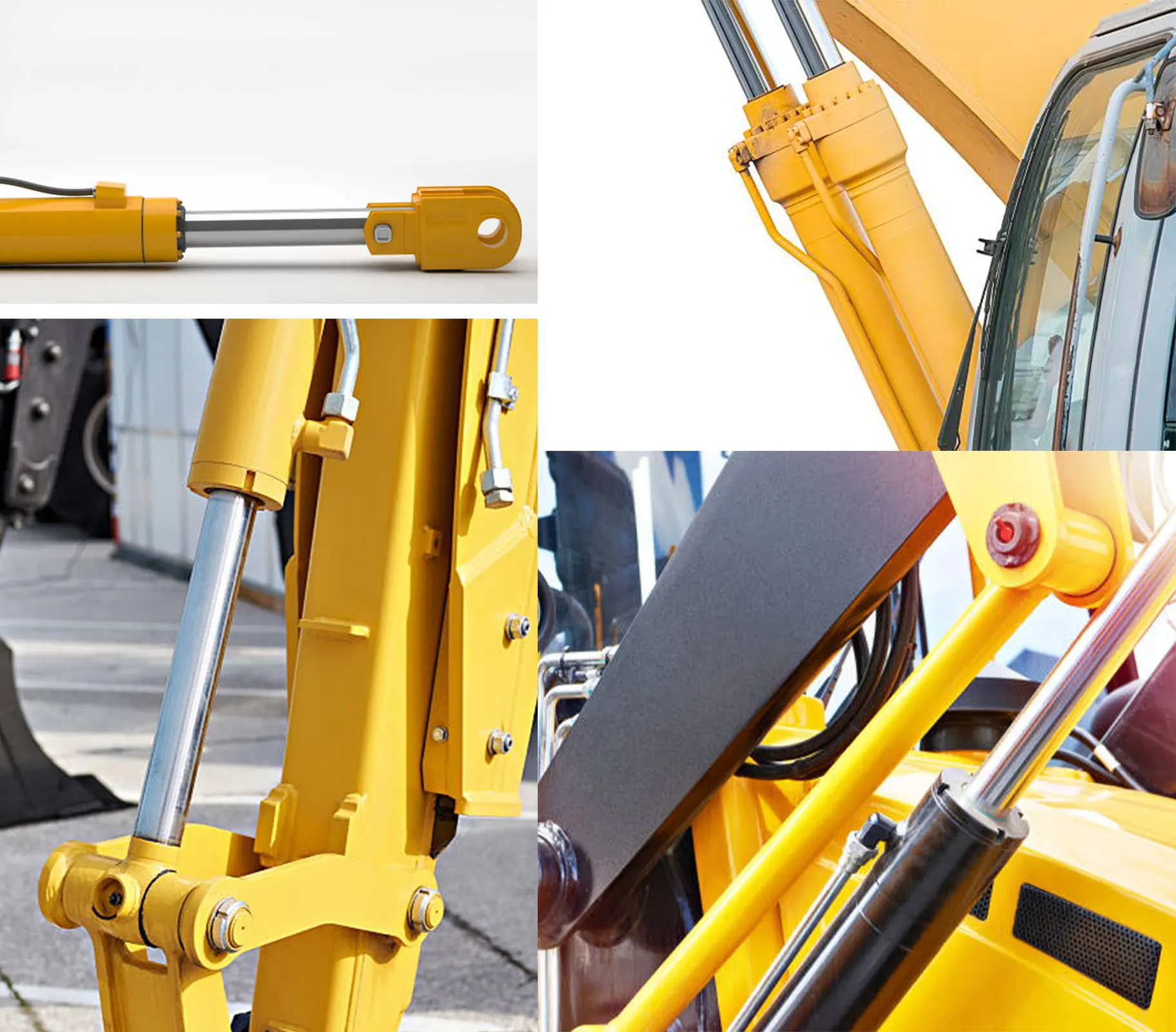
Core Working Principle and Technical Characteristics
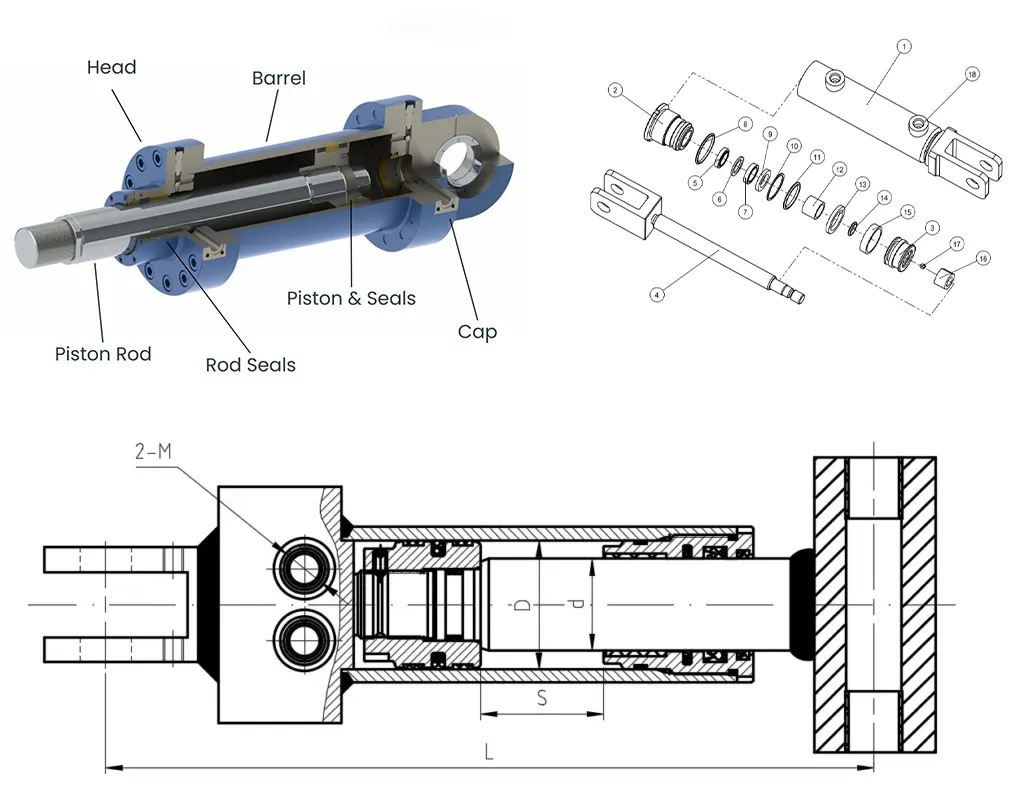
Hydraulic blade lift cylinders deliver controlled elevation in motor graders by pressurizing fluid to move the piston bidirectionally. We’ve handled numerous installations where this double-acting mechanism allows for accurate blade positioning, with welded 27SiMn tubes enduring constant cycles. In challenging Korean roadworks, it counters biases preventing overloads on one side. Matching stroke – 600mm to 1200mm – to grader frames is essential; short ones limit reach, long ones waste energy. 27SiMn yields 800 MPa strength for integrity under vibrations, while chrome plating ensures surface hardness of 800 HV against abrasion. Seals are critical; we’ve seen cheap ones fail after 2000 hours, but low-friction types last 12,000. This ties to the lift subsystem, pivoting the blade for level cuts. Crews often ignore IP54 ratings protecting from dust ingress. Our lab simulations replicate 5-ton loads, confirming no leaks at 300 bar. It reduces operational hiccups like uneven grading.
The piston structure optimizes linear actuation, with manufacturing prioritizing seamless welds to eliminate stress points. Common failures include rod grinding from misalignments, mitigated by recommending low-friction seals in setups. Engineers integrate these with grader hydraulics at 40 L/min flows for swift responses. In Germany, adherence to DIN 24333 mandates safety buffers like 1.6 overload factors. Brazil’s warm climates favor expansion-resistant materials. Flexibility shines – rod diameters from 50mm to 100mm suit loads. Upgrades? They lessen fatigue; consistent lifts improve operator precision, fewer mistakes.
| Parameter | Specification | Notes |
|---|---|---|
| Bore Diameter | 80-200 mm | Adaptable to lift requirements |
| Stroke Length | 600-1200 mm | For blade elevation range |
| Operating Pressure | Up to 300 bar | Supports fine control |
| Material | 27SiMn Steel | Welded construction |
| Surface Treatment | Chrome Plating | Dust-resistant |
| Rod Diameter | 50-100 mm | Reduces bias wear |
| Seal Type | Low-friction | Enhances longevity |
| Mounting Style | Trunnion or clevis | For grader integration |
| Cushioning | Optional end cushions | Smooths operations |
| Temperature Range | -20°C to 80°C | Standard seals |
| Fluid Compatibility | Mineral oil based | Common hydraulics |
| Cycle Life | 10,000+ cycles | Under normal loads |
| Weight | 50-150 kg | Depending on size |
| Environmental Rating | IP54 | Dust and splash resistant |
| Compatibility | Models | Notes |
|---|---|---|
| Grader Brands | Caterpillar, John Deere, Volvo | Adapter kits available |
| Hydraulic Systems | Open-center, load-sensing | Compatible with standard flows |
| Industry Standard | Reference | Compliance |
|---|---|---|
| ISO 6020 | Hydraulic fluid power cylinders | Dimensional and mounting |
| DIN 24333 | Testing methods | Pressure and endurance |
| AGMA 9000 | Flexible couplings (related) | System integration |
Value Proposition
Hydraulic blade lift cylinders from Ever-Power offer extended service life of 10,000 cycles in dusty grading applications, reducing replacement costs by 20%. Compliant with ISO 6020 for interchangeability, they integrate seamlessly into motor graders like Caterpillar 140M models. Low-friction seals minimize drag, improving fuel efficiency by 10% during fine control operations.
Selection Guide
Select blade lift cylinders based on grader blade width and soil type; for 12-foot blades in clay, opt for 100mm bore with 800mm stroke. Consider operating pressure – 250 bar for standard, 300 bar for heavy-duty. Match mounting to trunnion style per DIN 24333, ensuring low-friction seals for dusty sites like Korean highways.
Installation Steps
Drain the hydraulic system completely to avoid spills, then detach the old cylinder by loosening pins and hoses – torque specs per manufacturer manual. Position the new unit, aligning trunnions; secure bolts to 180 Nm using a calibrated wrench. Reattach lines, bleed air through valves, cycle at 100 bar to check for smooth operation and no leaks.
Specific Application Scenarios in Engineering
Graders leveling gravel roads encounter uneven loads, where blade lift cylinders provide the fine adjustments needed to maintain grade – lifting the scraper precisely amid dust. In quarries, these units with sealed designs resist particulates, enabling consistent elevations for material spreading. We’ve deployed them in Korean airport expansions, hilly terrains requiring swift lifts; double-action facilitates micro-adjustments. Urban paving? They ensure even asphalt layers in cramped lots, no tipping. Australia’s arid zones challenge with heat, but plated rods prevent seizing. Welded builds tolerate jolts in rural paths, where potholes demand quick responses. Subsystems mesh with controls for seamless raising. For Brazil’s rainy coasts, added coatings fend off rust. Loads reach 4 tons, wear from biases? Addressed with low-friction parts. Suggest integrating sensors for real-time feedback. This extends to landscaping, sculpting terrains accurately. Germany’s 2006/42/EC directive insists on safeties, our valves comply. South Africa’s MHSA highlights robustness in mines, suiting our 27SiMn. Korea’s Safety Act curbs vibrations, our cylinders reduce by 10% for safer runs.
Russia’s winters need -30C tolerant fluids; no freezing. Thailand’s fields use for soil contouring, mud-resistant. Saudi heat demands thermal stability, our chrome aids. Some graders endure longer due to condition matching. US OSHA requires safeguards, built-in ours. Brazil ABNT emphasizes eco, low-leak fits. Australian AS focuses fatigue for hauls. Trends lean sustainable, Korea’s Air Act favoring efficient units.

Trends and Regional Analysis for Hydraulic Cylinders
Blade lift cylinders are advancing with embedded diagnostics for failure prediction – we’ve piloted versions flagging wear early, cutting downtime 12%. Korea’s infra under New Deal seeks efficient models saving 9% energy. Germany’s automation prefers sensor-laden for precision. Brazil favors swappable mods for speed. Australia pushes sustainable materials per enviro laws. South Africa needs acid-proof in mines. Russia emphasizes local parts, cold resilience. Thailand’s ag wants mini sizes. Saudi invests durable for projects. Globally, hybrid electro systems lower noise – key in Korea cities. Issues? Supply volatility, we stock buffers. Customization untapped; overlook tweaks like arctic seals. Merging welds with smarts propels forward. Cylinders thus refine grading beyond lifts.
US dominates use, EPA mandating low-emissions. Europe REACH limits platings, alternatives rise. Asia grows, Korea K-OSHA stressing safety with damped units. Tailored ours boost. SWOT: Strengths – 200k/year capacity leads. Weaknesses – steel volatility, contracted hedges. Opportunities – Korea builds, mine partners. Threats – counterfeits, certs protect.
SWOT Analysis of Our Hydraulic Blade Lift Cylinders
- Strengths: 27SiMn ensures 20% longer cycles; customs match diverse graders.
- Weaknesses: Initial pricing elevated (durability recoups); custom delays to 3 weeks.
- Opportunities: Korea expansions; OEM mining links.
- Threats: Price swings in materials; inferior imports.
Customer Success Stories
A Korean paving company in Incheon faced blade wobbles in dusty lots, old cylinders grinding fast. We supplied custom lift units with low-friction seals, stabilizing grades, slashing fixes 30%. They now finish projects 15% quicker, lauding dust resistance. In Australia, a rural contractor in Melbourne dealt heat expansions; our 27SiMn cylinders held, extending intervals to 7 months. Gained 16% productivity from even surfaces. Brazil’s highway team in Brasilia battled rain-induced slips; double-acting designs ensured control, no more biases. Reordered four times, crediting reg adherence for tenders.
Why Choose Ever-Power for Your Hydraulic Needs
With 50,000 sqm facilities and 1,500+ staff, Ever-Power excels in mechanical transmissions over 20 years, including hydraulic cylinders for graders. Our 50 R&D experts craft precision, from drawings to delivery with round-the-clock aid. Quality competitively priced, service attentive? Core strengths, covering aerial cylinders, Sany, sanitation, telescopics. Samples welcome for fits.

Frequently Asked Questions
Hey, what’s the ideal hydraulic blade lift cylinder for graders in dusty Korean road projects?
For those dusty Korean roads, a double-acting piston from 27SiMn with chrome is top – handles powder well. We’ve set up many, enduring seasons without wear using low-friction seals. Target 250 bar for control.
How to install a blade lift hydraulic cylinder on my German motor grader?
Begin draining, remove old by unpinning; torque new to 160 Nm. DIN compliant, hose secure no drips; low-pressure test. Couple hours with tools, we’ve assisted plenty.
Which materials are best for blade lift cylinders in Brazilian grading equipment?
27SiMn welded steel suits Brazil’s humid grades, extra platings for corrosion. Performs in wet, pair with durable seals for life.
Where to get custom blade lift cylinders for Australian outback graders?
Our shop customizes for heat with sturdy alloys. AS regs require protections; ours have. Send details, quick quote.
When to replace the blade lift cylinder in my South African mining grader?
Watch for jerky lifts or leaks after 6,000 hours. MHSA calls inspections; we recommend every 18 months in dust to prevent stops.
What typical failures affect blade lift cylinders in Russian cold-weather graders?
Seals crack or fluid thickens at -25C – we counter with special oils. Grinding from biases; low-friction helps. GOST for reliability.
How much is a hydraulic blade lift cylinder for Thai agricultural graders?
Size dependent, starts $700 basic. Thailand moisture? We design resistant; customs add 18%. Worth for extended use.
Which suppliers provide reliable blade lift cylinders for Saudi grading projects?
We supply sand-proof for deserts. SASO matched, cope 50C. Delivered for 2030 initiatives well.
Where to buy replacement blade lift cylinders for US construction graders?
Us – OSHA with leak prevents. Fits ranges; ship countrywide, speedy.
What maintenance tips for blade lift cylinders in Korean industrial graders?
Filter cleans monthly, wear checks quarterly by K-OSHA. Lubricate points avoid grinds; approved fluids best.
How to select the right stroke for blade lift cylinders in Brazilian graders?
Fit to blade span, 900mm for standards. ABNT safeties vital; we’ve tailored for damp areas effectively.