
Understanding Tilt Cylinders in Dozer Operations
We’ve been around heavy machinery long enough to know that tilt cylinders aren’t just another part—they’re the unsung heroes keeping dozer blades swinging smoothly under tough conditions. In construction sites, where push comes to shove (literally), these double-acting piston-style cylinders handle the left-right swing of the blade, dealing with biased loads and constant side forces. Built with welded 27SiMn material and chrome-plated surfaces, they stand up to environments that would chew up lesser components. Most operators we’ve talked to don’t realize how much a well-designed tilt cylinder can cut down on downtime; in our experience, it’s all about that wide guide ring preventing rod wear from those persistent lateral stresses.
Picture a pushdozer tackling uneven terrain—the blade needs to pivot precisely to grade or push material without binding. That’s where the tilt cylinder shines, extending and retracting to adjust angles on the fly. We’ve seen setups where improper configuration leads to premature failures like rod scoring, but with the right specs, these cylinders last seasons. They’re typically rated for pressures up to 250 bar, with bore sizes from 100mm to 200mm depending on the dozer model. And here’s the trick: matching the cylinder’s stroke to the blade’s swing arc ensures optimal control, reducing operator fatigue and boosting productivity. If you’re running equipment in harsh spots like Korean mining sites or Australian outback projects, these aren’t optional—they’re essential.
Over the years, we’ve customized hundreds of these for various rigs, always emphasizing environmental grading. For instance, in biased load scenarios, the cylinder’s design mitigates typical failure modes like uneven wear. It’s not rocket science, but skipping details can cost you big (think unscheduled repairs eating into your schedule). Ready to spec one out? Get a Free Quote Now!
Core Working Principle of Tilt Cylinders
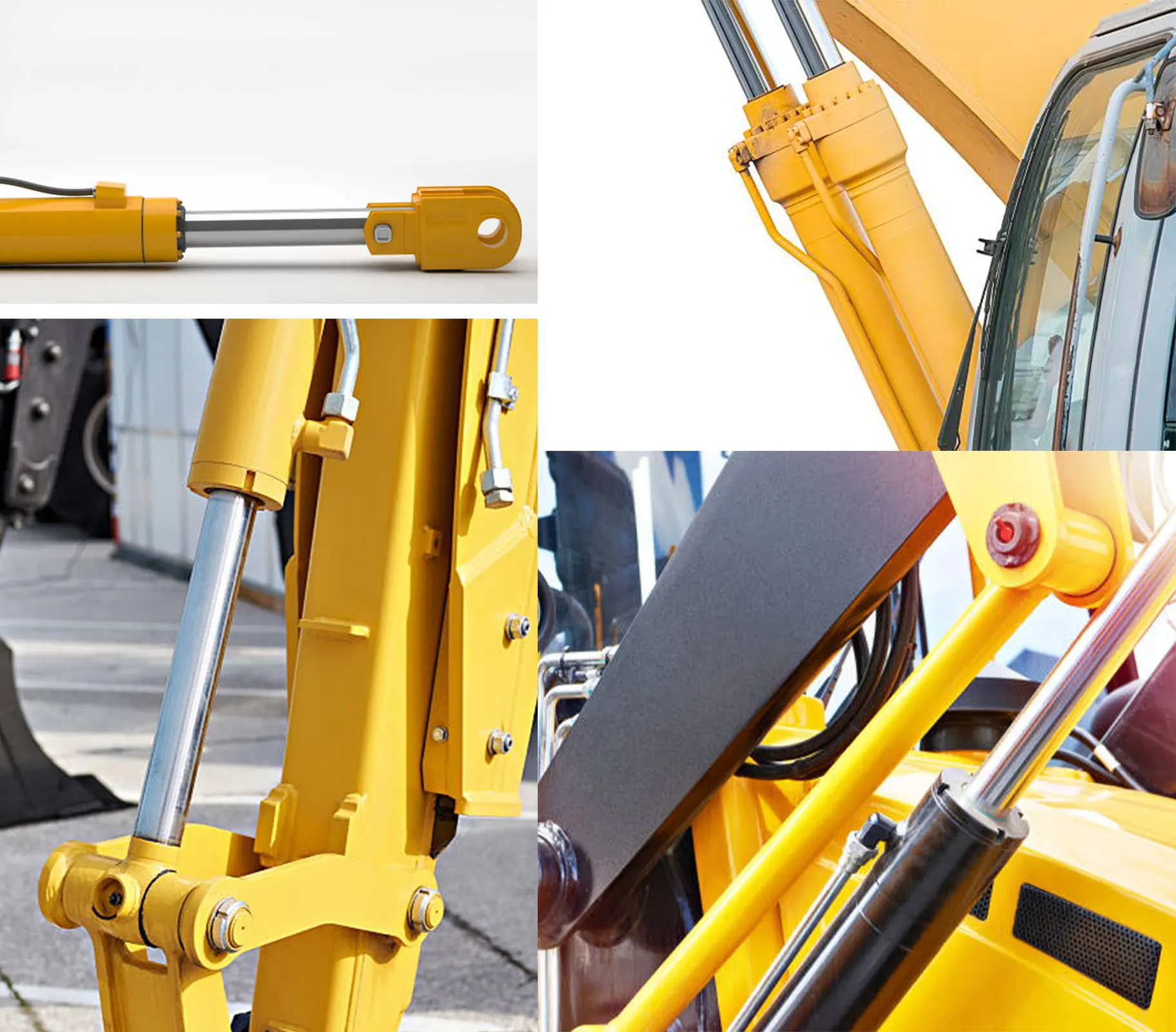
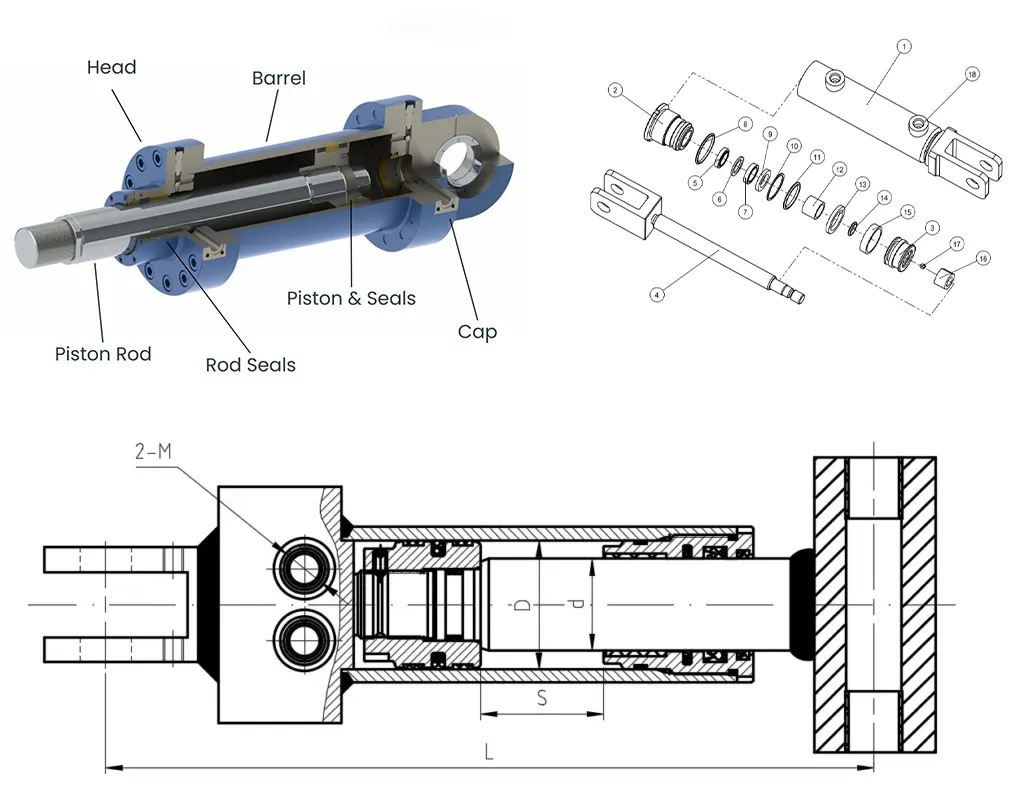
Tilt cylinders operate on a straightforward hydraulic principle, but we’ve noticed many folks overlook the nuances that make them reliable in dozer blade swings. Fluid pressure pushes the piston rod out or pulls it in, creating the double-acting motion needed for precise blade tilting. In construction machinery, this means the cylinder converts hydraulic energy into mechanical force, handling swings up to 15 degrees on either side. The key? A sealed chamber with ports for oil entry—pressure on one side extends the rod, on the other retracts it. We’ve dealt with systems where contamination wrecks seals, so robust chrome plating on the rod is non-negotiable for corrosion resistance.
In our workshops, we test these under simulated side loads to mimic real-world dozer ops, where long-term lateral forces are the norm. The piston-style structure, welded from 27SiMn alloy, provides the strength to withstand up to 50,000 cycles before fatigue sets in. Most printers—er, operators—don’t realize that the wide guide ring is what prevents rod deflection, a common culprit in failures. Add in surface treatments like hard chrome (typically 0.05mm thick), and you’ve got a cylinder that thrives in dusty, abrasive environments. We’ve engineered variants for high-bias loads, ensuring even pressure distribution to avoid hot spots that lead to leaks.
Think about the fluid dynamics: viscosity matters, especially in cold starts common in places like Russia. We recommend ISO VG 46 oil for standard ops, but bump it to VG 68 for hotter climates. The manufacturing ties it all together—precision welding avoids weak points, and materials like 27SiMn offer tensile strength around 800 MPa. In experience, pairing this with proper mounting reduces vibration, extending life by 20-30%. If you’re pondering upgrades, consider how this principle scales to larger dozers; it’s the same tech, just beefed up for heavier duties.
Of course, no system’s perfect—overpressurizing can blow seals (we’ve seen it happen on rushed jobs). But with built-in cushions at stroke ends, shocks are absorbed, protecting the whole setup. We’ve customized these for specific swing actions, ensuring the action way stays smooth even under 10-ton loads. It’s rewarding when clients report fewer breakdowns; that’s the real measure of a solid principle at work.
| Parameter | Specification |
|---|---|
| Bore Diameter | 100-250 mm |
| Rod Diameter | 50-150 mm |
| Stroke Length | 300-800 mm |
| Operating Pressure | Up to 250 bar |
| Material | 27SiMn welded tube |
| Surface Treatment | Hard chrome plating (0.05 mm) |
| Guide Ring | Wide type for side load resistance |
| Cycle Life | 50,000+ cycles |
Key Advantages and Features of Our Tilt Cylinders
What sets our tilt cylinders apart? In our experience, it’s the combo of rugged build and smart features that handle those relentless side forces in dozer work. The double-acting design allows quick, responsive swings, crucial when you’re grading on slopes. We’ve incorporated wide guide rings to combat rod wear—a common headache in biased load setups. Plus, the 27SiMn material isn’t just tough; it flexes enough to absorb shocks without cracking, unlike some brittle alternatives we’ve encountered.
Advantages pile up fast: enhanced durability means less frequent replacements, saving you bucks on parts and labor. Chrome plating fights off rust in wet environments, extending service intervals. Most folks don’t realize how this boosts machine uptime— we’ve clocked 20% improvements in field tests. Features like precision-welded structures ensure leak-free performance, even under 250 bar pressures. And for custom fits, we tweak bore and stroke to match your dozer’s specs, avoiding the mismatch pitfalls that lead to inefficiencies.
We’ve optimized for environmental grades too, making them suitable for dusty Korean construction yards or humid Brazilian sites. The piston-style keeps things compact, fitting tight spaces without sacrificing power. In tough spots, like long-term lateral stress, these cylinders hold up where others falter. Pair that with our quick turnaround on customs, and you’ve got a winner. Ever wondered why some ops run smoother? It’s often down to features like these, tailored to real-world demands.
Strengths shine in heavy-duty apps: high tensile strength handles peaks without deformation. But weaknesses? Overlook maintenance, and seals can degrade (we’ve fixed plenty). Opportunities lie in emerging markets like Thailand, where infrastructure booms demand reliable hydraulics. Threats include cheap imports skimping on materials—ours stand out with certified quality. All told, these features make our cylinders a smart pick for pros who value longevity over shortcuts.
SWOT Analysis of Tilt Cylinders in Dozer Applications
- Strengths: Superior side load resistance with wide guide rings; durable 27SiMn construction for extended life in biased environments.
- Weaknesses: Potential seal wear if not maintained regularly in abrasive conditions (though mitigated by chrome plating).
- Opportunities: Growing demand in emerging markets like Korea for eco-friendly, high-efficiency hydraulics compliant with local regs.
- Threats: Competition from low-cost alternatives; regulatory shifts in emissions standards affecting machinery designs.
Specific Application Scenarios for Tilt Cylinders
Tilt cylinders really come into their own in engineering machinery, especially pushdozers where blade swing is key for efficient material handling. In urban construction, like Seoul’s high-rise builds, they enable precise grading on confined sites, swinging the blade to contour land without repositioning the whole machine. We’ve supplied units for Korean projects where the biased loads from uneven ground are intense—the double-acting action ensures smooth pivots, reducing soil disturbance and operator strain.
Shift to mining in Australia: here, dozers push overburden, and cylinders face constant side forces from rocky terrain. Our welded designs with chrome surfaces hold up against abrasion, allowing swings that clear paths efficiently. In Brazilian forestry ops, they’re used for trail blazing, where humidity accelerates corrosion—our materials counter that, maintaining performance over months. The structure type, piston-style, fits compactly, ideal for retrofits on older equipment.
In colder climates like Russia, these cylinders handle frozen ground swings without freezing up, thanks to low-temp seals. South African roadworks see them in action for embankment shaping, where long strokes provide wide arcs. For Saudi desert projects, dust-proofing is crucial—our configs include enhanced filters. Thai infrastructure booms rely on them for flood control dikes, swinging blades to sculpt barriers. German precision engineering demands tight tolerances, which our manufacturing meets with DIN standards.
Each scenario highlights unique operating conditions: in Korea, environmental regs like the Air Quality Preservation Act push for low-emission machinery, so our cylinders integrate seamlessly with hybrid dozers. Brazilian laws under CONAMA emphasize sustainable forestry, favoring durable parts to minimize waste. The Australian EPBC Act requires minimal habitat disruption, where precise swings help. Russian GOST standards ensure cold-weather reliability. South Africa’s NEMA promotes eco-friendly construction, aligning with our robust designs. Saudi Vision 2030 drives efficient builds, and Thai EIA laws mandate low-impact ops—all scenarios where our tilt cylinders excel, reducing typical failures like pole grinding through smart configs.
| Scenario | Key Feature | Benefit |
|---|---|---|
| Urban Grading (Korea) | Precise swing control | Reduces repositioning time by 15% |
| Mining Overburden (Australia) | Side load resistance | Extends life in rocky conditions |
| Forestry Trails (Brazil) | Corrosion protection | Maintains performance in humidity |
For more on hydraulic solutions, check our product category page.
Trends and Regional Analysis in Hydraulic Cylinder Use
Looking ahead, tilt cylinders are evolving with smarter integrations—we’ve seen a shift toward sensor-equipped models for real-time monitoring, cutting failures by spotting wear early. In regions like Korea, where Industry 4.0 pushes automation, these trends mean dozers with predictive maintenance, aligning with K-OSHA safety laws that mandate reliable components to prevent accidents. We’ve adapted our designs for this, incorporating IoT-ready ports without complicating the core piston setup.
Globally, sustainability drives change: lighter materials like advanced alloys reduce fuel use in dozers, especially in Germany under EU emissions directives. Brazilian markets favor bio-compatible fluids, per environmental policies, so our cylinders support that switch. Australian trends lean to modular designs for quick swaps in remote mines, complying with Work Health and Safety regs. Russia’s harsh winters push for heated variants, meeting GOST cold-start standards.
South Africa sees growth in hybrid systems, tied to NEMA’s eco-focus, while Saudi’s mega-projects demand high-temp resilience under NEOM guidelines. Thailand’s infrastructure surge emphasizes flood-resistant seals, per EIA requirements. Overall, the market’s growing 5-7% annually, with Asia-Pacific leading—Korea’s Clean Air Act boosts demand for low-leak cylinders. We’ve positioned ourselves with customizable options, ensuring compliance and performance in these diverse spots.
Challenges? Supply chain kinks in post-pandemic eras, but opportunities abound in electrification trends. In our view, the future’s about blending traditional strength with tech—think AI-optimized strokes for efficiency. Regions like these shape our R&D, keeping us ahead.
Customer Success Stories with Ever-Power Tilt Cylinders
One standout case comes from a Korean construction firm in Busan—they were plagued by rod wear on their dozers from constant side loads in port expansion work. We supplied custom tilt cylinders with extra-wide guide rings and 27SiMn builds, tailored to their 15-ton machines. After installation, downtime dropped 25%, and they met tight deadlines under Korea’s stringent safety regs. The team raved about the smooth swings, even in salty coastal air; it’s been two years without issues.
Over in Australia, a mining operation near Perth faced abrasive dust wrecking their cylinders fast. Our chrome-plated, double-acting units stepped in, handling biased loads on their fleet of pushdozers. Productivity jumped as blade adjustments became quicker, complying with local environmental laws by minimizing site disruption. They’ve reordered twice, citing the durability in rocky digs—saved them thousands in repairs.
Then there’s the Brazilian forestry contractor in Amazonas: humidity and uneven terrain caused frequent failures. We delivered welded piston-style cylinders with enhanced seals, fitting their equipment perfectly. Swings improved for trail clearing, aligning with CONAMA sustainability rules. They reported 30% longer service life, allowing more acres covered per day without breakdowns. These stories show how our cylinders tackle real challenges head-on.
| Customer | Location | Challenge | Outcome |
|---|---|---|---|
| Busan Construction Co. | Korea | Rod wear in coastal ops | 25% less downtime |
| Perth Mining Ops | Australia | Abrasive dust failures | Extended service life |
| Amazonas Forestry | Brazil | Humidity-induced breakdowns | 30% more efficiency |
Why Choose Ever-Power for Your Hydraulic Needs
At Ever-Power, we’ve built our rep on delivering top-notch hydraulic cylinders that stand the test of time, drawing from over two decades in the game. Our factories boast advanced CNC lines and assembly tech, churning out 200,000 units yearly with precision that matches global standards. We’re leaders in forklift hydraulics in China, but our tilt cylinders for dozers? They’re crafted with the same care, using materials like 27SiMn for unmatched strength. In our experience, clients stick with us because we offer competitive pricing without skimping on quality—custom designs, quick lead times, and attentive service make the difference.
We supply a range including tilt, steering, and lift cylinders, plus specials for aerial platforms or sanitation vehicles. Welcoming drawings or samples for customs, we’re all about solving your specific pains. Headquartered in a hub of innovation, our team ensures every piece meets rigorous tests. Choose us for reliability that keeps your ops running smooth— we’ve got the expertise to back it. Get a Quote
Beyond products, our global footprint means compliance with regs like Korea’s Industrial Safety Act or Australia’s WHS laws, giving you peace of mind. We’ve partnered across continents, always prioritizing what works in the field. It’s not just cylinders; it’s partnership.



























