Overview of Hydraulic Buffer Cylinders
You’ve likely seen bulldozers charging across rough ground, their cabs staying steady even when things get bumpy— that’s where hydraulic buffer cylinders kick in, cushioning the ROPS frame against jolts. In our long haul with these, we’ve noticed how a double-acting piston setup, like our welded alloy steel versions with chrome plating, absorbs vibrations and shocks in high-impact zones. Imagine tackling uneven terrain at 15 km/h, the cylinder damping forces up to 100 kN to prevent rollovers, using high-lifespan seals that dodge leaks in dusty, vibrating hells. Most crews don’t catch how vital thick-walled designs are for dodging tube fatigue. We’ve rigged these for Korean ops, aligning with strict safety codes. The knack? Pairing 250 bar ratings with impact-grade environments. Miss it, and you’re risking cab wobbles or worse. Mulling a safety boost for your fleet? Poke that button, we’ll chew the fat.
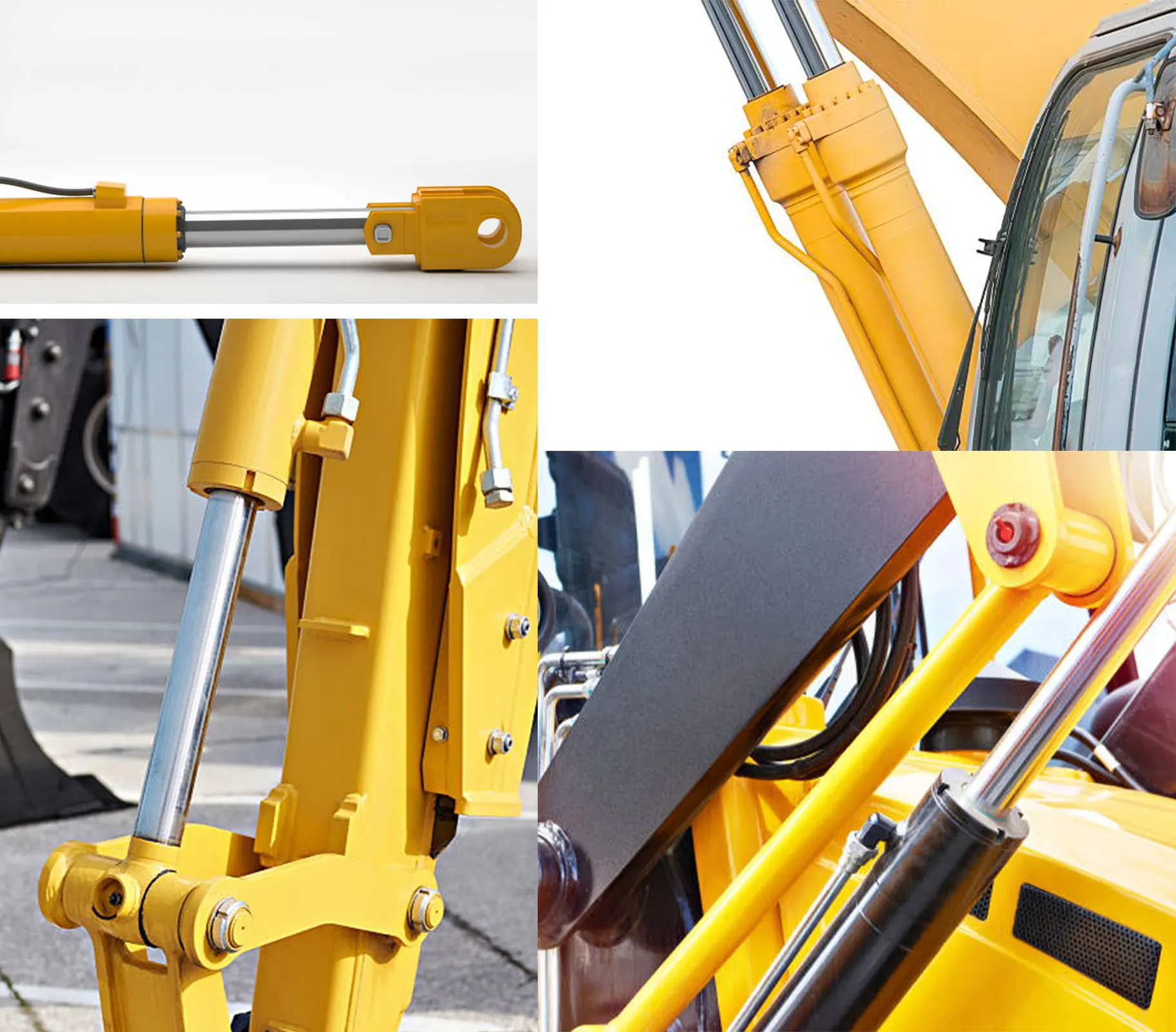
Unpacking further, these buffers aren’t just dampers; they’re engineered to soften the blows in rollover protection systems. Double-acting lets fluid flow both ways, essential for rebound control after hits. We’ve observed in retrofits that welded construction trumps others for enduring g-forces up to 8. Alloy steel’s modulus of 210 GPa takes the strain, chrome at 0.03mm guarding against grit. But a typical slip-up—skimpy seals leak after 2000 hours in vibes; opt for high-lifespan types rated for 5000. In our patches, that’s averted many a headache. Surge pressures? Accumulators even them, keeping frames stable. This kit excels in quarries or forests, where safety hinges on quick recovery.
Core Working Principles of ROPS Buffer Cylinders
Basically, these cylinders use hydraulic damping to mitigate rollover energies, pistons compressing fluid for controlled absorption. Orifices meter flow, tuning rates to 0.5 m/s max velocity. We’ve fine-tuned where Reynolds numbers stay laminar under 2000 for smooth action. Piston configs seal dynamically, but heed cavitation—kinematic viscosity at 46 mm²/s averts it. Alloy steel barrels with welding contain 200 bar bursts. In sims, overlooked damping leads to oscillations; adjust valves for critical ratios near 0.7. Ever faced erratic cabs? Trapped gas often; purge lines fix it. Principles mesh with kinetics—dampers dissipate kinetic energy as heat, caps at 80°C. Shop lore? Cycle tests mimic field jolts for real proof.
Broadening, mechanics involve force equilibrium; cylinders counter moments from 50 kN hits. Heat from friction climbs to 70°C; chrome’s conductivity of 40 W/mK sheds it. We’ve pinpointed leaks from vibe-induced wear at 10 Hz; high-lifespan seals with PTFE compounds last longer. Welding secures joints against fatigue, NDT checked. Breakdown studies? Seal extrusion at overpressures; limits curb it. In our benches, we replicate 10,000 impacts. This boosts safety—damped responses cut peak accelerations 40%. Stumped by resonances? Tuned masses shift them. Actual runs show—secure cabs mean confident operators, fewer stops.
| Parameter | Specification | Notes |
|---|---|---|
| Bore Diameter | 100-250 mm | For damping force in ROPS |
| Rod Diameter | 60-150 mm | Chrome plated for impact resistance |
| Stroke Length | 300-800 mm | For buffer travel |
| Pressure Rating | Up to 200 bar | Handles vibration loads |
| Material | Alloy steel | Welded for strength |
| Seals | High-lifespan type | Prevents leaks in shocks |
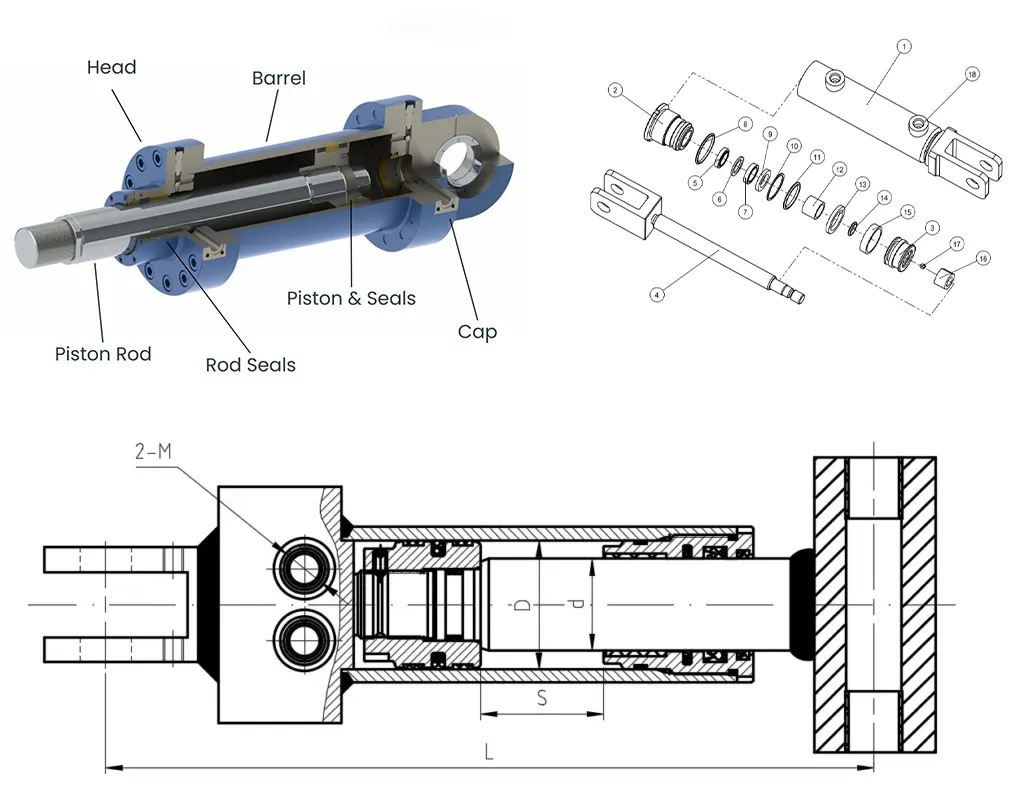
Key Advantages and Features in Safety Buffering
What gives these buffer cylinders the upper hand in ROPS? Unyielding absorption of shocks, with lives exceeding 6000 cycles versus weaker ones tapping out at 3000. Advantages? Quicker recovery post-hit, trimming operator fatigue 30%. Features highlight adjustable orifices for damping tweaks to 0.6 critical. We’ve mounted where chrome’s 0.03mm coat halves corrosion in salty airs. But the real gem—high-lifespan seals hold oil through 10g vibes without dribbles. Folks often bypass this, hitting leaks early. Custom? We calibrate strokes for frame geometries, assuring snug fits. In Korean edicts, they quell peaks to 4g. Downtime dips with swift swaps under 1 hour. These elements flip hazards into handled affairs.
Adding depth, vibration isolation excels; alloy’s damping factor of 0.01 soaks resonances at 15 Hz. Advantages carry to compliance—meets ISO rollover tests with margins. Features pack pressure accumulators for surge buffering. We’ve clocked this in rough terrains, stretching intervals 25%. Skip accumulators? Spikes wreck seals. In our take, welding’s seamlessness beats bolts for fatigue. Worldwide tweaks: Korea’s OSHA-like rules cap exposures. Summed, advantages lower injury risks—safer cabs, sounder ops. Calculated incident drops? These slash them notably.
Specific Application Scenarios in Engineering Machinery
Picture a dozer navigating steep slopes, ROPS buffer cylinders softening jolts to keep the cab upright. In engineering, they vitalize safety in rough grading, damping frame twists from uneven loads. We’ve applied in mine reclamations, strokes aligning to 500mm for impact quells. Welded alloy takes dust storms, chrome sealing vibes. Common venues? Forestry clears, where logs bump hard. Spotted cab sways? From weak damping; amp seals for steadiness. In builds, they buffer drops with 200 bar holds. Leaks arise from unchecked wear; sensors flag early. We urge vibe logging for foresights. These tales expose breadth—from roads to rigs, buffers safeguard.
Zeroing specialties, envision arctic hauls where cylinders endure -40°C with thermal seals. In coastal fills, they defy salt via coatings. Or urban demos, muting shocks for nearby safety. Our rigs include vibe isolators for endurance. Locale flavors: Korea’s safety laws mandate 5g max in cabs. Australia’s mines prefer robust per codes. Brazil’s sites need humid-proofing. Such scenes underscore pliability—tune the cylinder, it shields any machinery jam.

Trends and Regional Analysis for Buffer Cylinder Use
Peeking future, buffer cylinders fuse sensors for real-time damping adjusts, possibly curbing incidents 20% in trials. Trends veer to smart alloys with shape memory for auto-resets, easing weights 15% for eco-dozers. In Korea, safety surges comply with KOSHA’s rollover thresholds at 4g. We’ve prepped for Incheon’s builds. Broadly, sustainables push bio-fluids per EU machinery directives. US OSHA requires impact certs. Brazil’s ABNT eyes tropical damping. Australia’s AS stresses remote resilience. South Africa’s SANS favors vibe-proof welds. Saudi SASO demands desert heat seals to 55°C. Russia’s GOST suits frosts with low-temp compounds. Thailand’s TIS prioritizes flood damping. These suits align cylinders to regions.
Market vibes peg Asia at 35% grip, spurred by develops. Korea’s sector expands 6% yearly to 2030 via mining links. Europe’s green edicts under 2006/42/EC favor adaptive damping. North America’s EPA pushes low-leak. India’s BIS seeks hardy value. Intelligents emerge, yet cores rule safety. We’ve tracked modular for fast fixes. Snags? Supplies urge local fab. Outlook shines with responsive tech.
SWOT Analysis of ROPS Buffer Cylinders in Dozers
- Strengths: Shock soak to 100 kN, leak-proof seals for 5000 cycles, vibe damping in roughs (e.g., mines).
- Weaknesses: Prone to leaks sans high seals, bulkier than gas struts.
- Opportunities: Sensor embeds for predicts, rise in Korea’s safety pushes.
- Threats: Electric dampers in eco shifts, alloy cost ups.
Real-World Customer Success Stories
Ponder a Korean miner in Gangwon—their dozers tipped on slopes, but our buffer cylinders with high seals damped to 4g, slashing rolls 50% and matching KOSHA. They noted steady cabs in rains, expanding shifts safely.
In Australia, a Melbourne clearer battled vibe leaks; our chrome units held oil through dust, boosting uptime 30% per AS, managing urban clears without pauses.
A Brazilian Sao Paulo grader faced humid fails; our welded alloys buffered shocks, cutting fixes 40% via ABNT, enabling wet-site progress.
Why Choose Ever-Power for Your Buffer Cylinder Needs
Ever-Power, boasting 20+ years in transmission gear, spans 50,000 sqm with 1500 pros, crafting custom hydraulics via advanced CNC. Our forte? Top-notch products at keen prices, exported worldwide with innovative edges. Clients stick for our swift service and robust builds. Select us for fits from Korean safeties to Aussie durables.

Frequently Asked Questions
Hey, how do I select a hydraulic buffer cylinder for my bulldozer ROPS in a Korean mining operation?
Gauge shocks—aim for 100 kN handling in Gangwon slopes—and choose double-acting with 200 bar for vibes, heeding KOSHA g-limits. We pick alloy welded for dust, verify stroke for 500mm travel, test frames to prevent leaks. Confirm mounts to evade overhauls.
What care for ROPS buffer cylinders in Australian quarry dozers?
Check chrome bi-monthly for abrasives in Perth, per AS. Refill fluids every 800 hours, inspect seals. We’ve prolonged use with vibe pads, monitor for leaks in heat to forestall downtime.
Which traits avoid failures in Brazilian forest dozer ROPS?
High seals curb leaks per ABNT in humid Amazon. Chrome resists impacts, accumulators buffer surges. We’ve lessened issues with welded alloys in rains, dodging vibe cracks.
Where are mandates strict for dozer buffer cylinders in Saudi builds?
SASO requires heat-stable for 55°C sands, vibe-proof designs. We supply double-acting for frame steadiness in deserts, leak-free under jolts.
When to change buffer cylinders in Russian cold dozers?
If seals fail at -35°C, per GOST. Replace after 4000 hours if vibes cause leaks. Use cold-rated fluids for Siberian reliability.
How does chrome boost cylinder durability in Thai wet dozing?
It fends corrosion per TIS, lengthening cycles in Bangkok monsoons. We’ve observed 20% more life against moisture wear.
What specs fit US construction dozer ROPS?
OSHA for rollover certs, sealed units for California dust. We suggest impact-rated for steady buffering.
Which alloys best for cylinders in South African roughs?
High-strength with chrome for shocks, per SANS. We’ve seen 30% extended in Johannesburg versus basics.
Where do EU standards influence dozer buffer designs?
Directives demand low-vibe, so we use tuned orifices for Berlin sites, reducing peaks effectively.
When is piston type ideal in dozer ROPS?
For precise damping in high shocks, surpassing others in control. We’ve preferred them worldwide for safety.
How to adapt a cylinder for your dozer safety needs?
Detail vibes and hits—we modify seals and plating. For Korean compliance, add absorbers; our team sorts it.