Electric Furnace Mast Cylinder
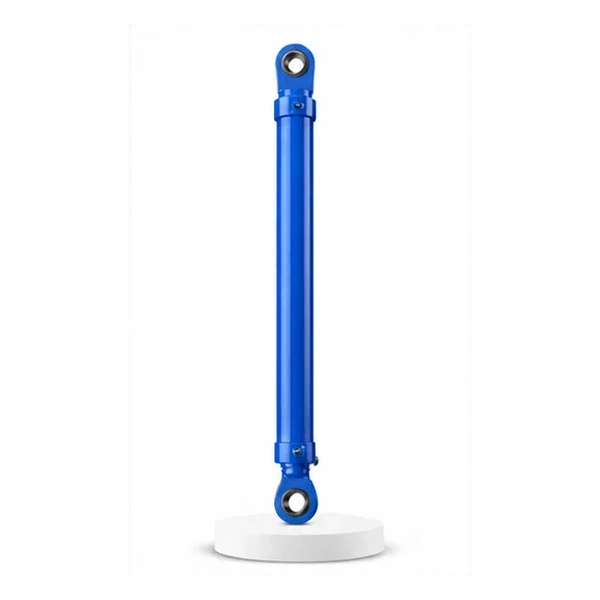
6th of 6 — EAF Family Complete
The Heavy Lifter
That the Servo Rides On
The electrode lifting cylinder (#18) fine-adjusts electrode height by millimetres, thousands of times per heat. But it can only adjust within the range that the mast cylinder (#19) provides. The mast cylinder is the platform — it raises and lowers the entire electrode mast structure by metres, setting the coarse vertical range from which the servo cylinder fine-tunes. Without the mast cylinder, the servo has nowhere to operate.
Two-Level Electrode Height Control
The electrode height system uses a two-level architecture — like a telescope with coarse and fine focus wheels. The mast cylinder sets the coarse range; the lifting cylinder fine-tunes within that range. Neither can do the other's job effectively.
Korea Ever-Power manufactures both cylinders as part of the electrode height control system within the electric furnace cylinder family. Ordering the mast and lifting cylinders together ensures mechanical and hydraulic compatibility across the two-level system.
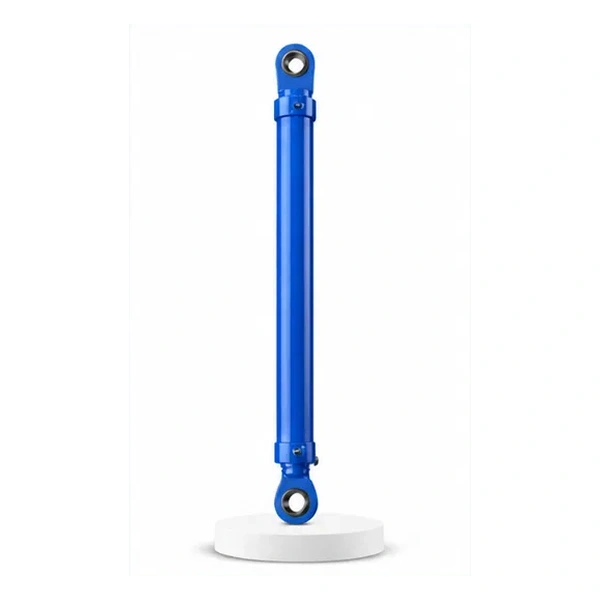
Technical Specifications
| Parameter | Value |
|---|---|
| Product | Electric Furnace Mast Cylinder |
| Function | Raise/lower the electrode mast column |
| Bore Diameter | 300 mm |
| Rod Diameter | 230 mm (76.7% of bore) |
| Working Pressure | 14 MPa |
| Maximum Thrust | 581 KN |
| Quantity per Furnace | 3 (one per electrode mast) |
| Certification | ISO 9001 · 100% hydrostatic tested |
Managing the Electrode's Lifecycle — The Mast Cylinder's Primary Job
Graphite electrodes are consumables — they burn away during melting at a rate of 1–3 kg per tonne of steel produced. A 6-metre electrode column lasts approximately 8–24 heats before it is consumed to a stub and must be replaced. The mast cylinder manages every stage of this lifecycle:
A fresh 6-metre electrode column is clamped into the electrode holder. The mast cylinder positions the mast at approximately mid-stroke — low enough for the electrode tip to reach the scrap charge, high enough to leave room for the lifting cylinder (#18) to fine-adjust during melting.
As the electrode burns away during each heat, it becomes shorter. After several heats, the lifting cylinder reaches the bottom of its fine-adjustment range — the electrode can no longer reach the bath surface. The mast cylinder lowers the mast by 200–500 mm, resetting the lifting cylinder to mid-range. This coarse re-centring happens 3–8 times over the electrode's life.
When the electrode is consumed to its minimum usable length (the stub, typically 0.5–1 metre), the mast cylinder raises the mast to withdraw the stub above the cover level. A crane lifts the stub out and positions a new electrode column in the holder.
Sometimes a new electrode segment is nippled (threaded) onto the remaining stub instead of replacing the entire column. The mast cylinder raises the stub above the cover, the new segment is attached, and the mast lowers the now-extended column back to operating height.
What the Mast Cylinder Lifts — It Is Not Just an Electrode
The mast is a vertical column or guide frame that carries the entire electrode assembly. The mast cylinder does not lift an electrode in isolation — it lifts everything attached to the mast:
The graphite electrode itself — 300–750 mm diameter, 3–8 metres long depending on how much has been consumed. Weight varies with diameter and remaining length.
The copper or steel clamp that grips the electrode and conducts the arc current from the power cables into the graphite. Includes the clamping mechanism (spring or hydraulic), the contact pads, and the water-cooling circuits that prevent the clamp from overheating.
The horizontal beam connecting the electrode holder to the mast column. Carries the full weight of the electrode and holder at the end of a cantilever. The arm also carries the water-cooled high-current bus tubes and the lifting cylinder (#18) that provides fine regulation.
The mast column itself, including the guide rails or roller guides that keep the mast aligned vertically as it raises and lowers. The total assembly — electrode + holder + arm + mast — can weigh 10–40 tonnes per electrode position.
The 581 KN thrust at 300 mm bore and 14 MPa provides the force to raise this combined 10–40 tonne load, with a safety margin for dynamic loads during charge collapse events (when the scrap suddenly shifts and impacts the electrode). Contact the hydraulic cylinder engineering team for mast cylinder specifications.
Additional information
| Editor |
|---|
Related products
-
Pressurized Hydraulic Cylinder for Vulcanizing Machine
-
Injection Molding Machine Reciprocating Cylinder (Mold Shifting Cylinder)
-
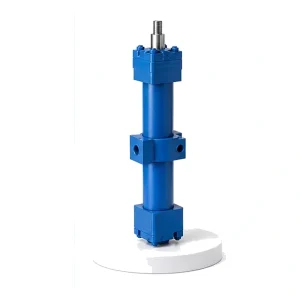
Tipping Cylinder for Vulcanizing Machine
-
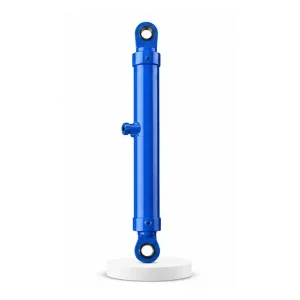
Electric Furnace Cover Rotating Cylinder
-
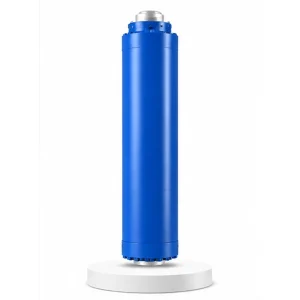
Filter Press Hydraulic Cylinder
-
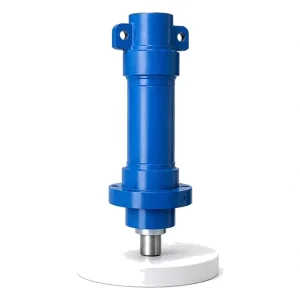
Injection Molding Machine Ejection Cylinder
-
Hydraulic Press Side Cylinder
-
Hydraulic Press Return Cylinder