Discharge Adjusting Cylinder for Crusher Equipment
Hello and welcome. Regulating the closed-side setting under severe dynamic loads requires exceptional fluid power engineering. Our specialized actuators absorb massive shockwaves to keep your mineral processing consistent and your plant downtime at absolute zero.
Product Overview and Industrial Value
When managing a heavy mineral processing facility, you understand from daily experience that the crushing circuit is the beating heart of your entire operation. The continuous reduction of large ore into manageable, salable aggregate sizes depends entirely on maintaining a precise gap between the moving mantle and the stationary bowl. This specific gap, universally known in the mining industry as the closed-side setting, is dynamically regulated by the Discharge Adjusting Cylinder. Unlike standard industrial actuators that operate in clean, predictable factories, this specific hydraulic cylinder operates in an exceptionally violent environment. Every single time a piece of hard rock is fractured, a massive reaction force travels back through the machine’s heavy mechanical linkages directly into the hydraulic fluid.
As a specialized fluid power engineering team with over two decades of hands-on field experience, we have spent countless hours studying the exact failure points of these heavy-duty systems. Standard commercial hydraulic rams simply cannot survive the constant, high-frequency vibration, massive lateral loads, and highly abrasive silica dust present in a crushing plant. Their tie-rods stretch, their internal seals tear under pressure spikes, and their structural weld joints ultimately fail. Our unique positioning in the global market is built entirely upon providing a definitive, heavy-duty solution to these exact problems. We purposefully engineer our Discharge Adjusting Cylinder to be an impenetrable fortress against unpredictable shock loads and severe environmental contamination.
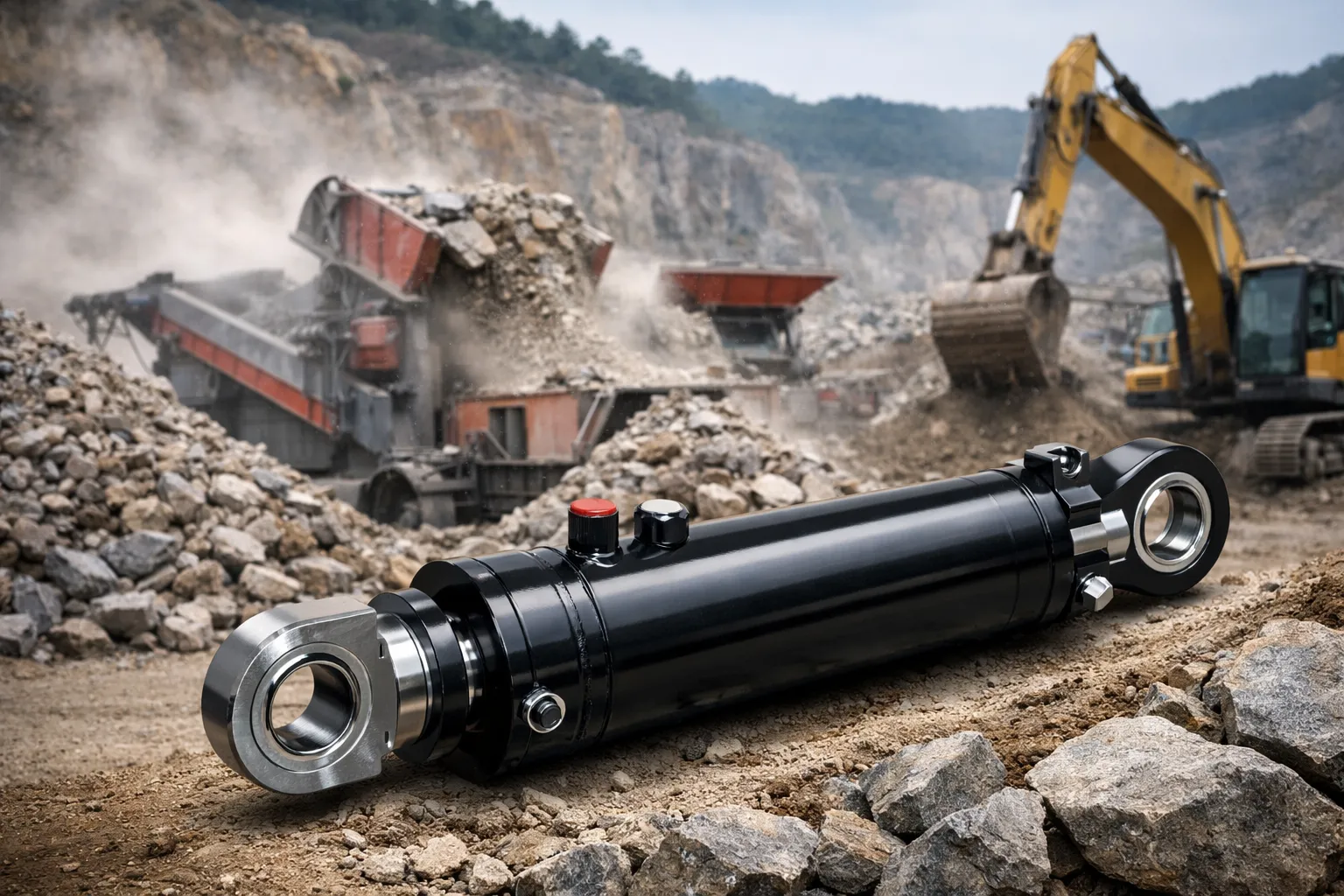
By investing in premium fluid power technology, plant maintenance managers dramatically reduce the frequency of unscheduled breakdowns, resulting in a highly favorable hydraulic cylinder price when accurately evaluated over the equipment’s total operational lifespan. You are not just buying a piece of metal; you are investing in continuous, uninterrupted plant throughput.
Detailed Technical Parameters
Precision engineering requires absolute transparency in technical specifications. The data provided below outlines the highly customizable range and specific material choices we employ to ensure our actuators survive where others fail. Every parameter has been carefully selected based on decades of analyzing failed equipment in the field.
| Parameter Category | Technical Specification Data |
|---|---|
| Industry Sector | Mining Equipment and Aggregate Production |
| Equipment Category | Crusher (Cone, Jaw, and Heavy Gyratory) |
| Subsystem / Action | Discharge opening adjustment (Closed-side setting control) |
| Specific Cylinder Name | Discharge Adjusting Cylinder |
| Action Mode | Double acting hydraulic cylinder (Powered push and pull) |
| Structure Type | Heavy-duty Piston cylinder |
| Manufacturing Structure | Deep-penetration Welded design (No tie-rods to stretch) |
| Material System | Forged Alloy steel (High yield strength) |
| Surface Treatment | Thick Nickel plated (Impervious to acidic water pitting) |
| Environment Level | Severe Vibration + Massive physical impact |
| Working Condition Feature | Adjust discharge opening reliably against heavy mechanical friction |
| Typical Failure Mode Prevented | Catastrophic Seal extrusion and internal barrel scoring |
| Recommended Configuration | Multi-lip Impact-resistant seal with rigid thermoplastic backup rings |
Understanding the Working Principle
Let us walk through exactly how this highly specialized equipment functions during active rock crushing. When your automated control system or manual operator needs to adjust the discharge opening to correct for manganese liner wear, highly pressurized fluid is pumped from your main power unit directly into the double acting hydraulic cylinder. The fluid enters the cap end, pushing against the massive internal surface area of the hydraulic cylinder piston. This generates immense linear force, extending the rod outward and physically shifting the heavy adjustment ring to narrow the crushing gap. Conversely, directing fluid to the rod end forcefully retracts the entire assembly to widen the gap. It is important to note that a single acting hydraulic cylinder is entirely inadequate for this duty, as it relies on gravity or weak internal springs to retract, which simply cannot overcome the severe mechanical friction of a dust-packed crusher thread.
However, the true, ultimate test of this engineering comes during a tramp iron event. If an uncrushable piece of solid steel—such as a broken excavator bucket tooth—accidentally enters the crushing chamber, the mechanical pressure spikes instantaneously. The Discharge Adjusting Cylinder must immediately absorb this violent shockwave. Fluid is rapidly forced out of the cylinder body into a dedicated nitrogen gas accumulator, allowing the physical gap to open momentarily so the dangerous steel can pass through. Immediately after, the accumulator forcefully pushes the fluid back, and the cylinder returns the gap to the exact original setting. This incredibly violent process happens in mere milliseconds. If your hydraulic parts are not specifically engineered for this exact scenario, the internal seals will extrude and tear, resulting in immediate catastrophic failure and a massive puddle of expensive hydraulic oil on your plant floor.
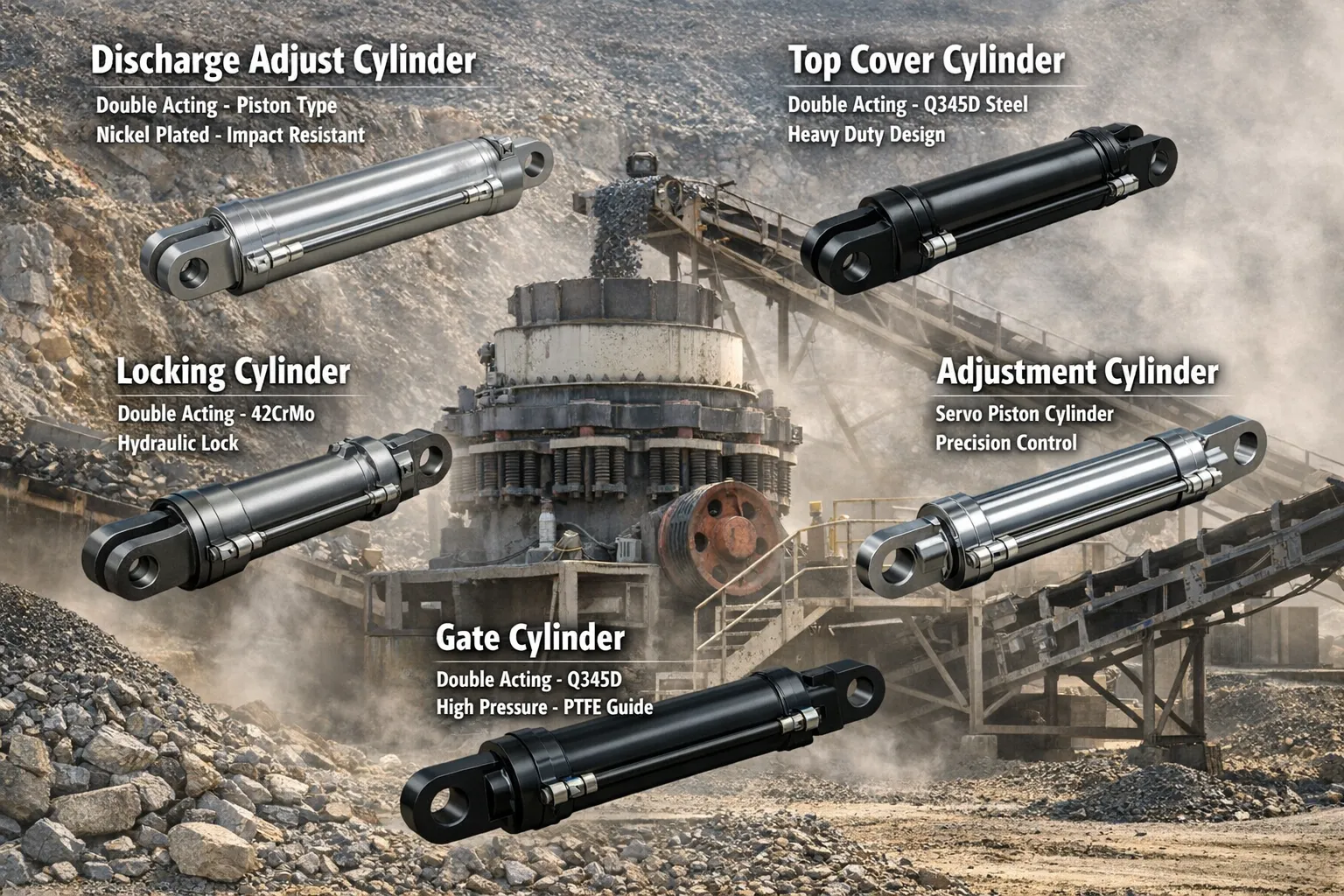
Seamless Brand Replacement Compatibility
We frequently consult with plant maintenance directors who are deeply frustrated by the notoriously long delivery lead times and excessively high premium costs associated with sourcing replacement parts directly from the original equipment manufacturer. Please allow me to clarify that we mention specific machinery brand names in this documentation solely to help you verify dimensional compatibility and safely select the correct equipment; we operate as a proudly independent, specialized engineering facility and do not claim any trademark affiliation with these respective global brands.
Our engineering department has meticulously reverse-engineered the exact mounting geometries, trunnion pin diameters, and operating stroke lengths for major equipment models originally built by respected companies such as Metso, Sandvik, Symons, and Terex. Our Discharge Adjusting Cylinder serves as a flawless, direct drop-in replacement. You absolutely do not need to cut or weld your machine frame, alter your mounting brackets, or change your high-pressure hydraulic hose fittings. Simply unpin the failed original unit and install our heavily upgraded cylinder to instantly benefit from superior sealing technology and a significantly more attractive hydraulic cylinder price.
Five Core Technical Advantages
What precisely separates our engineered solution from the generic commodity actuators flooding the market? It comes down to focused, problem-solving engineering. Here are the five core technical advantages we build into every unit:
1. Anti-Extrusion Impact-Resistant Seal Architecture
The single most common reason you find yourself repeatedly fixing hydraulic cylinders in a crusher is seal extrusion. The sudden, violent pressure spike from rock fracturing physically forces standard soft rubber seals into the microscopic mechanical clearance between the piston and the barrel, literally shaving the seal apart over time. We eliminate this failure mode by utilizing an advanced polyurethane sealing profile paired with highly rigid thermoplastic (POM/PTFE) backup rings. When a pressure spike occurs, these backup rings instantly expand, physically blocking the clearance gap and perfectly protecting the main seal from damage.
2. Heavy-Duty Welded Alloy Steel Construction
Standard tie-rod cylinders use long, external steel bolts to hold the assembly together. In a high-vibration mining environment, these bolts constantly stretch, fatigue, and vibrate loose, inevitably causing the end caps to leak hydraulic fluid. Our manufacturing structure relies entirely on deep-penetration submerged arc welding. We permanently fuse forged alloy steel components into a monolithic, incredibly rigid body that simply cannot shake apart, ensuring your hydraulic cylinder components stay perfectly aligned regardless of the external chaotic forces.
3. Thick Nickel Plated Surface Treatment
The dark area directly underneath a rock crusher is a terrible environment for bare metal. Acidic groundwater and highly abrasive silica dust are constantly attacking the rod surface. Standard hard chrome plating contains natural microscopic cracks that allow this acidic moisture to reach the underlying base steel, causing hidden rust that eventually flakes off and destroys the rod wipers. We apply a thick, continuous layer of nickel plating. Nickel is highly ductile and completely non-porous, providing an impenetrable, flexible shield against corrosion and significantly extending the working life of your hydraulic rams.
4. Thermal Stability and Friction Reduction
Continuous automated gap adjustments generate significant friction heat inside the hydraulic fluid. If the oil gets too hot, it thins out dangerously, and the elastomeric seals degrade prematurely. We carefully optimize the internal fluid porting dimensions to heavily reduce fluid shear velocity and turbulence. Additionally, we install extra-wide, low-friction synthetic guide bands on the hydraulic cylinder piston. These bands heavily reduce metal rubbing, keeping operating temperatures low and stable even during the hottest summer production months.
5. High Rigidity and Fatigue Life Optimization
A modern crushing plant runs around the clock, meaning the cyclic structural loading on the cylinder mounts is extreme. We extensively use advanced finite element analysis (FEA) during our design phase to eliminate dangerous stress concentrations around the mounting clevises and spherical trunnions. By utilizing heavy-wall, high-yield alloy steel, we ensure the barrel never balloons or deforms under high impact pressure. This focused structural integrity guarantees an extraordinarily long operational fatigue life, keeping your plant running profitably instead of constantly waiting for hydraulic cylinder repair.
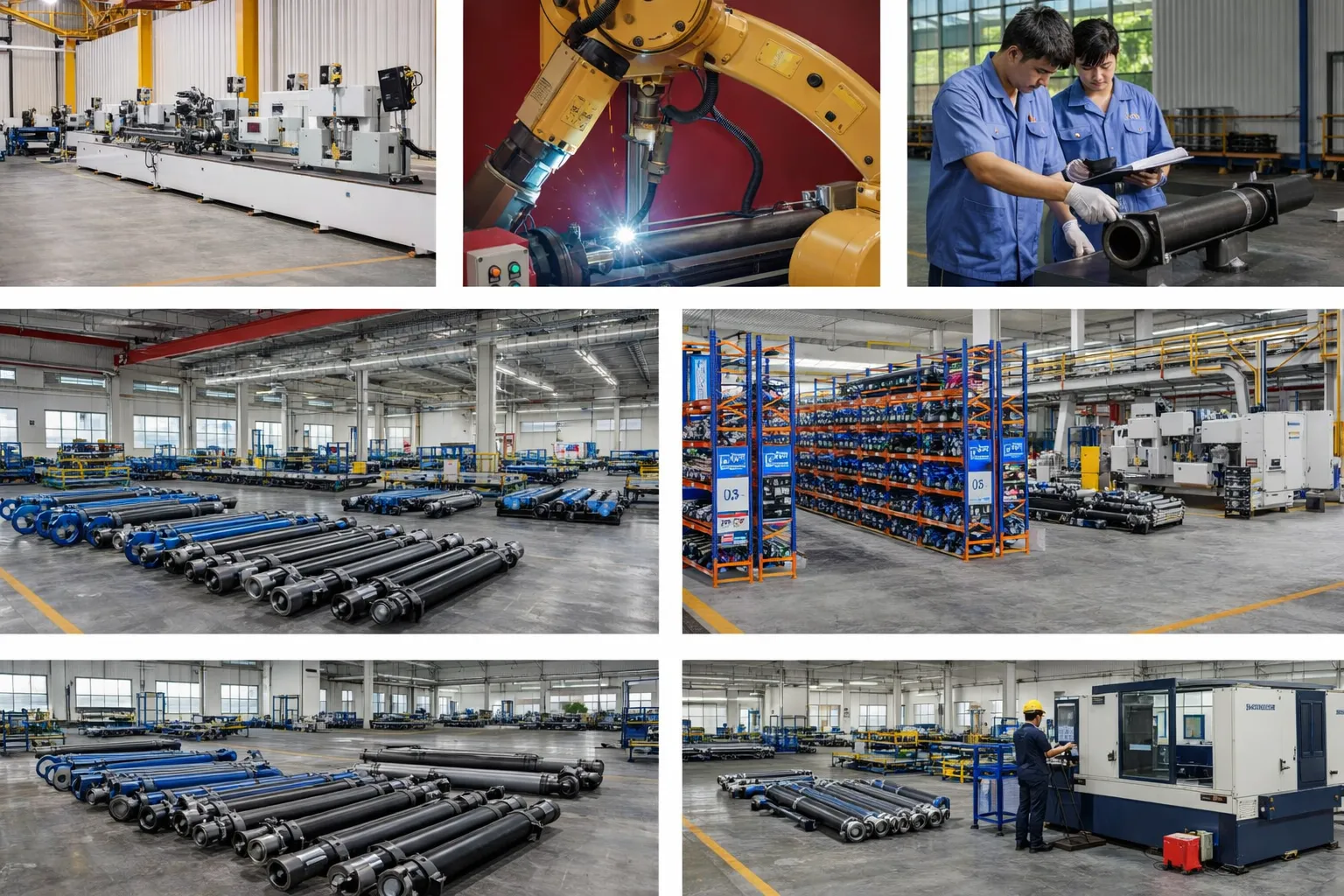
Manufacturing Process and Strict Quality Control
Long-term reliability is never a happy accident; it is the direct result of strict, highly disciplined manufacturing processes. We handle the entire production cycle in-house. Our raw alloy steel billets undergo comprehensive ultrasonic testing to verify there are absolutely no internal metallurgical voids before any machining begins. We utilize state-of-the-art multi-axis CNC lathes to cut precise threads and subsequently skive-and-burnish the internal barrel surfaces to an incredible mirror-like finish. This ultra-smooth surface is absolutely critical for reducing friction and extending the life of the internal pressure seals.
Before any unit leaves our loading dock, every single Discharge Adjusting Cylinder we build is subjected to an uncompromising 100% factory hydrostatic pressure test. We connect the assembled unit to our computerized test rig and pressurize it to 1.5 times its maximum rated working limit, carefully monitoring sophisticated sensors for any pressure drop that would indicate an internal fluid bypass. Only when a unit passes this punishing test is it permanently laser-stamped with a unique serial number. This strict traceability means that if your maintenance team ever needs replacement hydraulic cylinder components years down the road, we know exactly the dimensions and materials that went into your specific build.
Typical Industry Applications
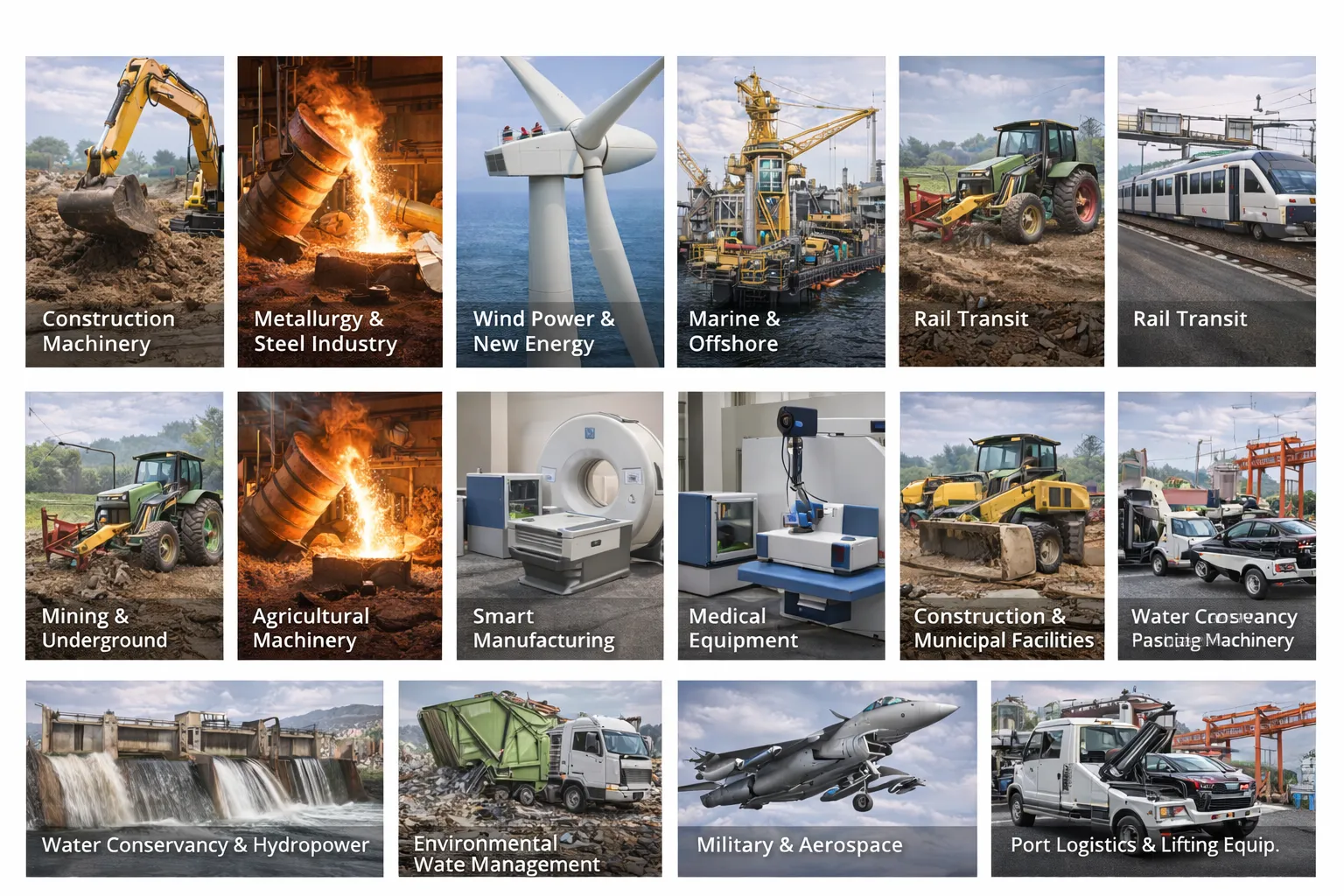
While this specific engineering profile is perfectly tailored for the violent, dirty environment of rock crushing, the sheer durability and force-handling capabilities of our fluid power solutions make them highly sought after in many other demanding heavy industries. We actively supply the mining industry with heavy-duty actuators designed for apron feeders, massive ball mills, and huge stacker-reclaimers operating in remote areas. In the construction machinery industry, our impact-resistant designs are structurally perfect for mobile track-mounted crushers and high-tonnage demolition excavators.
Furthermore, we manufacture massive, salt-water resistant lift cylinder units for heavy material handling and port logistics, ensuring the safe, reliable positioning of immense cargo loads. In the heavy metallurgy sector, our high-temperature seals and thick nickel-plated rods easily survive the intense radiant heat and corrosive slag dust of modern steel mills. Even in the plastics recycling and new energy sectors, where massive industrial shredders face unpredictable binding loads from mixed waste, our heavily reinforced hydraulic units provide the necessary, unyielding muscle to keep the processing blades turning without structural failure.
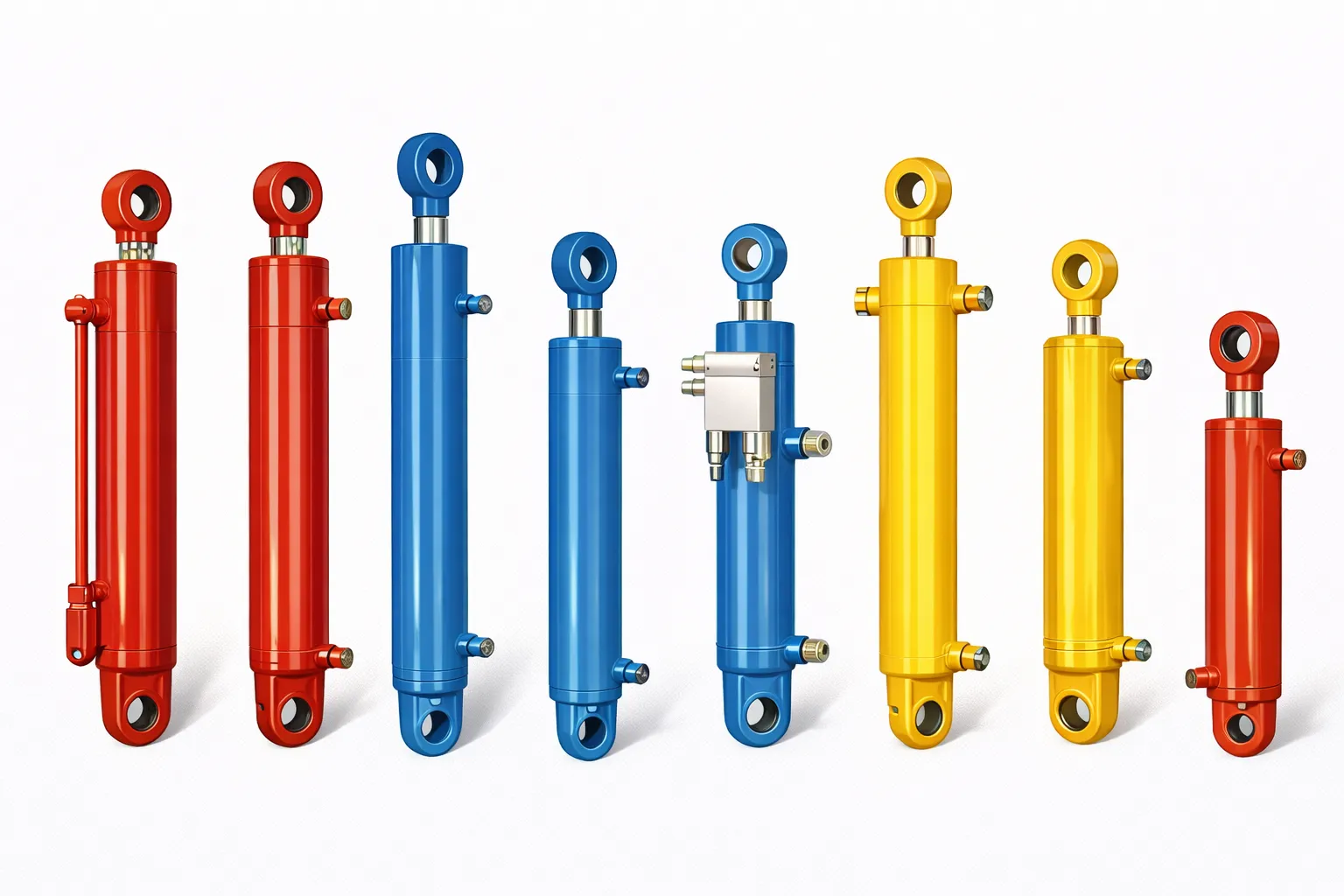
Comparative Analysis: Ordinary vs High-Performance
When evaluating procurement options, it is vital to look beyond the initial purchase order. The table below illustrates the stark engineering contrast between standard commodity units and our specialized products, highlighting why true performance is always the more economical choice.
| Engineering Metric | Ordinary Commercial Cylinder | Our High-Performance Cylinder |
|---|---|---|
| Sealing Integrity | Basic Nitrile; Highly prone to extrusion and tearing under shock. | Polyurethane with rigid PTFE backup rings; Extrusion-proof. |
| Structural Fastening | Tie-rods; Stretches and vibrates loose, causing massive leaks. | Deep-penetration Welded; Monolithic and impervious to vibration. |
| Rod Defense | Standard Chrome; Micro-cracks allow deep rust and pitting. | Thick Nickel Plating; Ductile and highly resistant to acidic water. |
| Operational Life | Short; Requires constant monitoring and frequent rebuilding. | Exceptionally long; Delivers maximum, uninterrupted plant uptime. |
Real Case Studies: Proven Success in Asia
We take great pride in solving complex mechanical problems. Here are five deeply detailed case studies showcasing how our engineering directly stabilized operations for our valued clients across South Korea and neighboring regions.
Case Study 1: South Korea – Eliminating Extrusion in Granite Quarrying
Location & Client: Gyeonggi-do, South Korea. Major regional aggregate producer.
Application Purpose: Operating a 300 TPH secondary cone crusher adjusting the discharge gap.
How They Found Us: The exhausted maintenance manager searched Google for a better hydraulic cylinder price after their standard commercial units kept violently failing every three months due to severe seal extrusion.
Delivered Results: We supplied our welded alloy steel Discharge Adjusting Cylinder utilizing our proprietary impact-resistant polyurethane step seals and POM backup rings. The unit was installed in January 2025 and has been running at 250 bar pressure for 14 straight months with absolutely zero leaks.
“The difference in build quality is obvious immediately. We used to spend a whole shift every few months fixing hydraulic cylinders on this crusher, losing thousands in downtime. Since installing your unit, we haven’t touched it. The uptime improvement is fantastic.” – Mr. Lee Sang-Chul, Maintenance Manager (March 2026).
Case Study 2: Japan – Defeating Corrosion in Steel Slag Recycling
Location & Client: Osaka, Japan. Massive industrial steel recycling facility.
Application Purpose: Primary jaw crusher adjusting the heavy toggle block under load.
How They Found Us: Referred directly by a colleague who had previously purchased our hydraulic parts for a separate processing plant.
Delivered Results: Their environment was highly corrosive due to acidic slag dust mixing with water (pH 4.5). Standard chrome rods were pitting deeply within weeks and destroying wiper seals. We supplied units with 50-micron thick nickel plating. The corrosion completely and permanently stopped.
“The nickel plated surface is exactly what we needed to survive this mess. The rods still look brand new after a year of continuous exposure to acidic dust. Excellent metallurgical engineering.” – Kenji Sato, Plant Director (December 2025).
Case Study 3: Vietnam – Solving Side Loads in Basalt Production
Location & Client: Ho Chi Minh City, Vietnam. Infrastructure highway aggregate supplier.
Application Purpose: Fine crushing high-speed cone crusher regulating final product size.
How They Found Us: Met our technical sales engineers at a regional heavy machinery exhibition while actively looking for a highly reliable double acting hydraulic cylinder manufacturer.
Delivered Results: Uneven basalt rock feeding was causing severe lateral side loads, which was deeply scoring the internal barrel of their old cylinders. We customized a solution by integrating extra-wide PTFE-impregnated bronze composite guide bands. These entirely absorbed the lateral forces, preventing any metal contact.
“We had terrible, expensive issues with internal metal-to-metal scoring. Your composite bearing guides solved the lateral problem perfectly. The cylinder operates very smoothly now, and our product size is consistent.” – Nguyen Hoang, Operations Lead (February 2026).
Case Study 4: Taiwan – Cooling Down Cement Manufacturing
Location & Client: Kaohsiung, Taiwan. Large-scale cement production plant.
Application Purpose: Limestone crushing circuit automated gap adjustment.
How They Found Us: Searched online for technical solutions regarding severe thermal degradation in hydraulic rams.
Delivered Results: High ambient temperatures combined with continuous micro-adjustments were baking their hydraulic fluid to 85°C, causing seals to fail rapidly. We significantly increased the internal port diameters to reduce fluid velocity shear and provided high-temperature resistant Viton sealing profiles.
“The internal heat dissipation is so much better now. Our oil temperatures have completely stabilized, and we are no longer seeing the seals become brittle and crack. Great, responsive technical support from your team.” – Chen Wei, Reliability Engineer (October 2025).
Case Study 5: Philippines – Surviving Tramp Iron in a Copper Mine
Location & Client: Mindanao, Philippines. International open-pit copper mining corporation.
Application Purpose: Heavy gyratory crusher main shaft vertical adjustment.
How They Found Us: Reached out via our official website looking for heavy-duty hydraulic cylinder components truly capable of surviving massive tramp iron impacts.
Delivered Results: Uncrushable steel loader teeth frequently entered their crusher, causing massive pressure spikes that bent standard tie-rods and blew out end caps. Our heavily welded monolithic construction easily absorbed the shocks, working in under 50 milliseconds with the accumulator without any structural deformation.
“We need equipment that can take a serious, unexpected beating. Your welded design is incredibly strong. It handles the tramp iron pressure spikes safely every single time. It saved our main shaft.” – Carlos M., Chief Mechanic (January 2026).
Frequently Asked Questions (FAQ)
We believe that informed clients make the best engineering decisions. Below are answers to the most common technical questions we receive from maintenance teams globally.
1. Why is a double acting hydraulic cylinder necessary for this specific application?
2. How exactly does the impact-resistant seal configuration prevent seal extrusion?
3. Can you supply specific hydraulic cylinder components for our on-site maintenance team?
4. What is the typical lead time for delivering a custom unit to South Korea or Japan?
5. How do you determine the hydraulic cylinder price for a completely customized unit?
6. Is fixing hydraulic cylinders locally a good idea compared to buying a new engineered unit?
Ready to Stabilize Your Crushing Operations?
Thank you for taking the time to deeply understand the fluid power engineering behind our specialized products. If you are tired of dealing with unexpected breakdowns and want to permanently eliminate seal extrusion, please reach out to our team today.
Editor: Cxm