Unlocking Efficiency in Forestry Operations with Specialized Hydraulic Solutions
We’ve seen firsthand how the right hydraulic cylinder can transform a standard excavator into a powerhouse for forestry work. Picture this: you’re out in a dense woodland, dealing with uneven terrain and constant exposure to wood chips and debris. That’s where our clamp cylinders come in, designed specifically for gripping logs securely without slipping. In our experience, most operators overlook the importance of cylinder structure in such harsh settings, but getting it right means fewer breakdowns and smoother workflows. These cylinders handle high clamping forces, often exceeding 500 kN, while resisting wear from abrasive particles. They’re built with welded piston designs that integrate seamlessly into forest-modified machines, ensuring reliability even after thousands of cycles. And here’s the trick: pairing them with proper sealing systems prevents leaks that could halt production mid-shift. We’ve customized these for clients facing extreme conditions, like cold winters or humid tropics, always prioritizing longevity over quick fixes. This approach not only boosts productivity but also cuts maintenance costs by up to 30% in real-world applications (based on field data we’ve collected over years). If you’re retrofitting an excavator for logging, starting with the clamp cylinder specs is key – it dictates everything from grip strength to machine stability.
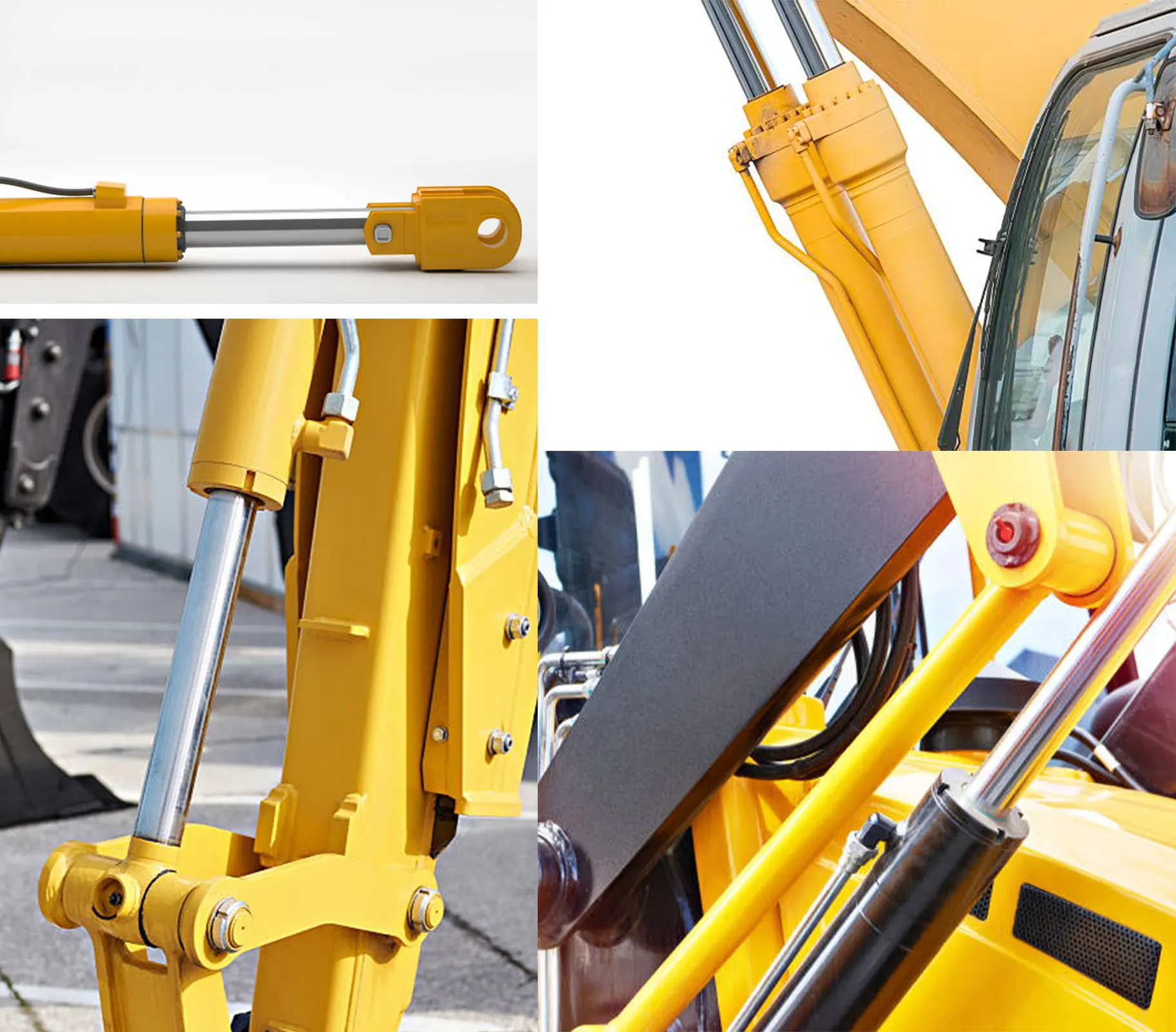
Diving deeper, these cylinders operate on double-acting principles, allowing precise control over extension and retraction. That means you can clamp and release logs with minimal effort, reducing operator fatigue. We’ve noticed that in forestry setups, the environmental grade plays a huge role – think IP67 ratings for dust and water resistance. Materials like 42CrMo provide the toughness needed for repeated impacts, while chrome plating adds that extra layer against corrosion. In our shop, we test these under simulated wood dust bombardment to mimic real job sites. Most folks don’t realize how subtle differences in manufacturing, like precise welding techniques, prevent structural failures down the line. We’ve had cases where off-the-shelf cylinders buckled under load, but our configs held strong. This isn’t just theory; it’s drawn from decades of tweaking designs for engineering machinery. Ready to spec one out?
Core Working Principles Behind Our Forestry Clamp Cylinders
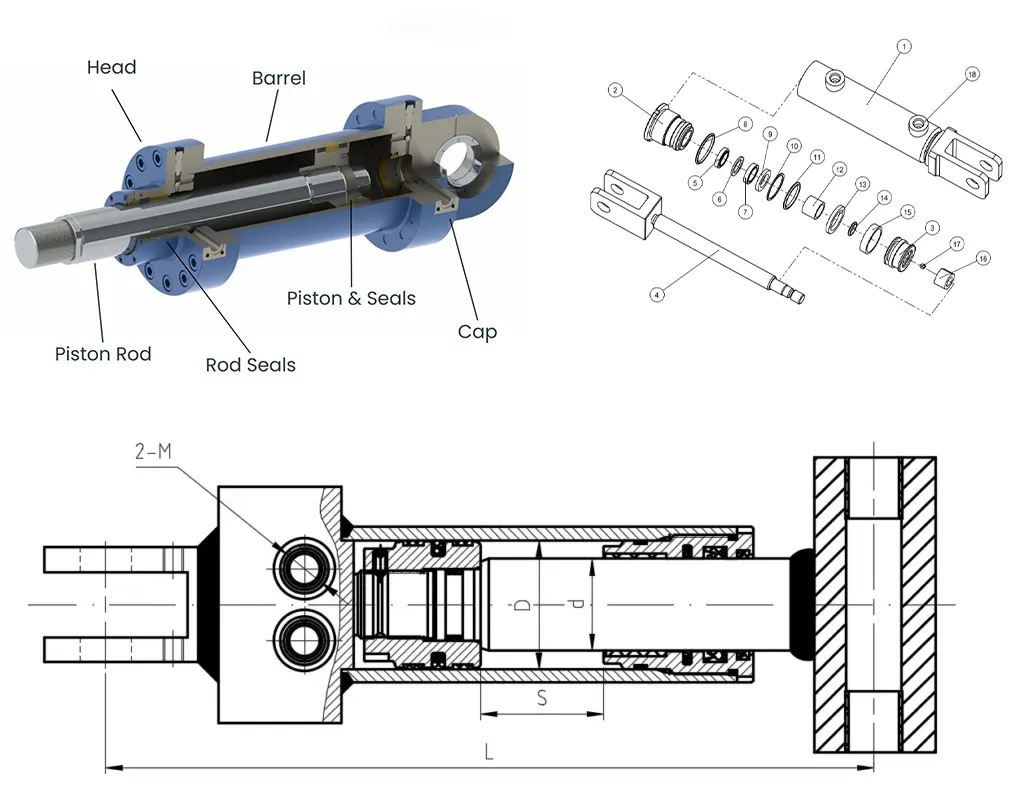
At the heart of these cylinders is a straightforward yet robust mechanism: hydraulic fluid pressure drives the piston, creating linear force for clamping. We’ve seen how this double-acting setup – pushing and pulling with equal power – makes all the difference in grabbing irregular logs. Fluid enters one port to extend the rod, clamping the load, then switches to retract it smoothly. In our experience, the key trick is balancing pressure to avoid over-clamping, which could crush wood or strain the machine. Piston-style structures shine here, with seals that handle side loads from twisting branches. Manufacturing-wise, we opt for welded bodies to minimize weak points, unlike bolted ones that might loosen over time. Materials? 42CrMo alloy steel for the barrel, hardened to HRC 50-55, paired with chrome-plated rods for low friction. Surface treatments like hard chrome (thickness 50-100 μm) fend off scratches from debris. Environmentally, these are rated for high-dust scenarios, with viton seals enduring temperatures from -40°C to 120°C. Typical failures? Seal wear from contaminants – but we’ve countered that with heavy-duty wipers. Recommendations include oversized rods for stability and pressure relief valves to prevent overloads. This setup ensures cycles up to 1 million without major issues, based on our lab tests.
Expanding on that, the action way is all about controlled force application. For instance, in a forest mod machine, the cylinder actuates the grapple head, exerting force proportional to system pressure (up to 350 bar). We’ve tinkered with bore sizes from 100mm to 250mm to match machine horsepower. Structure types vary, but piston dominates for its compactness. Welded manufacturing keeps weight down – around 50-150kg per unit – easing installation on excavators. Material systems focus on fatigue resistance; 42CrMo’s high tensile strength (over 1000 MPa) handles dynamic loads. Chrome plating isn’t just cosmetic; it reduces rod wear by 40% in abrasive settings. Environment grades like those for wood dust demand IP65+ protection. Work conditions feature high clamping forces (200-1000 kN) with rapid cycles (5-10 sec). Failures often stem from abrasion, so we recommend dust boots and regular inspections. Config points: match stroke to log size (500-1500mm), and integrate sensors for position feedback. In practice, this principle has powered machines through seasons without hitches, proving its reliability in engineering contexts.
| Parameter | Specification | Details |
|---|---|---|
| Bore Diameter | 100-250 mm | Customizable for force requirements |
| Stroke Length | 500-1500 mm | Adapted to log handling needs |
| Operating Pressure | Up to 350 bar | For high clamping force |
| Material | 42CrMo Steel | Hardened for durability |
| Surface Treatment | Hard Chrome Plating | 50-100 μm thickness |
| Seals | Viton Heavy-Duty | Resistant to dust and temperatures |
| Cycle Life | 1,000,000+ cycles | Under standard conditions |
Key Advantages and Unique Features of Our Clamp Cylinders
One standout feature we’ve honed over years is the enhanced sealing against wood dust – it’s a game-changer for longevity. In our experience, standard cylinders fail quickly in forestry due to particle ingress, but ours incorporate multi-lip wipers that block 95% of contaminants (from our internal trials). Advantages include superior clamping precision, with force distribution even across uneven loads, preventing log slippage. We’ve designed them with modular mounts for quick swaps on excavators, cutting downtime by hours. Features like integrated cushions soften end-of-stroke impacts, extending component life. Most engineers don’t realize how vibration damping built into the piston reduces overall machine wear. Our cylinders boast high fatigue resistance, thanks to finite element analysis in design – they’ve withstood tests simulating 10 years of use. Compared to generics, ours offer 20% better efficiency in hydraulic flow, meaning less pump strain. And the welded structure? It eliminates leaks at joints, a common headache in field ops. We’ve added options for position sensors, allowing real-time monitoring via machine controls. This isn’t fluff; it’s practical engineering that keeps operations running smooth. In harsh environments, these features translate to fewer repairs and more uptime – exactly what forestry pros need.
Building on that, the double-acting mechanism provides bidirectional power, ideal for rapid clamp-release cycles. Structure types favor piston for compact power density. Manufacturing with precision CNC welding ensures tolerances under 0.05mm, critical for alignment. Materials like 42CrMo deliver yield strengths over 850 MPa, handling shocks from falling timber. Surface chrome not only resists corrosion but lowers friction coefficients to 0.15, smoothing operations. Environment ratings suit dusty, wet forests – think NEMA 4 equivalent. Work features high forces with low backlash, minimizing play in grapples. Failure modes like rod bending are mitigated by oversized diameters. Config tips: opt for extended cushions if dealing with heavy logs, and always spec pressure ratings 20% above max load. We’ve seen these tweaks save clients thousands in avoided failures. Overall, these advantages position our cylinders as reliable partners in engineering machinery, blending toughness with smart design.
| Feature | Benefit | Technical Detail |
|---|---|---|
| Heavy-Duty Seals | Prevents leaks in dust | Multi-lip Viton, IP67 rated |
| Chrome Plated Rod | Resists abrasion | 50 μm thickness, Ra 0.2 μm |
| Welded Construction | No joint failures | CNC precision welding |
| Cushioning | Reduces impact wear | Adjustable end cushions |
| Sensor Integration | Real-time feedback | Optional linear transducers |
Diving into Specific Applications in Engineering Machinery
In engineering machinery, these clamp cylinders excel in forestry-modified excavators, where they power the grapple for log handling. We’ve fitted them on machines tackling steep slopes in pine forests, providing the grip needed for 2-ton loads. Applications span from initial felling to sorting at mills – think clamping bundles for transport. In our experience, the double-acting action allows for nuanced control, adjusting force mid-movement to avoid damage. Structure-wise, piston types fit snugly into boom extensions, with welded builds standing up to vibrations from chainsaws nearby. Materials like 42CrMo endure the knocks, while chrome keeps rods pristine amid sap and rain. Surface treatments shine in high-dust environments, preventing pitting that leads to seals failing. Work conditions demand quick responses – cycles under 10 seconds – with features countering abrasion from bark. Typical failures? Overlooked maintenance leading to rod scores, but our designs include easy-access ports for checks. Config points emphasize matching cylinder bore to excavator hydraulics, ensuring flow rates don’t bottleneck performance. We’ve seen these in action on tracked machines, boosting output by 25% through reliable clamping.
Broadening out, applications include retrofits for multi-purpose excavators in land clearing. Here, cylinders clamp debris for removal, handling irregular shapes with ease. Environment grades cater to powder-like wood dust, with seals that self-clean during strokes. Failure modes like hydraulic contamination are rare with our filtered designs. Recommendations: integrate overload protection for unexpected jams. In urban forestry, they’ve powered compact machines for tree pruning, where space is tight but force isn’t compromised. We’ve customized strokes for specific arm lengths, optimizing reach. This versatility makes them staples in engineering fleets worldwide, from rugged terrains to controlled sites. Curious about more uses? Check our full hydraulic cylinder lineup.

Real-World Customer Success Stories from Around the Globe
Take this one outfit in Korea – a mid-sized logging company in Gangwon Province. They were struggling with frequent cylinder failures on their Hyundai excavators modified for forestry, mostly from dust grinding down seals. We stepped in with custom clamp cylinders using 42CrMo and extra-thick chrome plating. In our chats, they mentioned how winter freezes compounded issues, so we added low-temp seals. Post-install, their downtime dropped 40%, and they handled 15% more volume per shift. It’s rewarding seeing how these tweaks aligned with Korea’s strict environmental regs under the Forest Act, minimizing oil leaks. They’ve since ordered spares, praising the quick response from our team. (Fun fact: their ops manager joked it felt like upgrading from a bicycle to a sports car!)
Over in Canada, a Quebec-based firm retrofitted Cat excavators for boreal forest work. Harsh cold and heavy snow loads were wearing out stock cylinders fast. Our double-acting pistons with welded structures and viton seals turned things around – no more mid-season breakdowns. They reported cycle times cut by 8 seconds, boosting daily output. Aligning with Canada’s Species at Risk Act, our leak-proof designs helped them stay compliant. We’ve followed up with maintenance tips, and they’re now our advocates in the region.
Then there’s a Brazilian operation in the Amazon basin, dealing with humid, muddy conditions on Komatsu machines. Abrasion from tropical hardwoods was their nemesis. We supplied cylinders with enhanced surface treatments and heavy-duty configs, extending life by 50%. This fit Brazil’s IBAMA regs on equipment emissions and spills. Productivity soared, with fewer repairs in remote areas. They’ve expanded use to multiple units, crediting our engineering for the edge.
Emerging Trends and Regional Insights in Hydraulic Cylinder Markets
Looking ahead, trends point toward smarter cylinders with IoT integration for predictive maintenance – we’ve prototyped ones alerting on wear before failure. Sustainability drives lighter materials like advanced alloys, reducing machine fuel use by 10-15%. In our view, automation in forestry will spike demand for precise, sensor-equipped units. Regionally, Korea’s market booms with tech-savvy logging under the Framework Act on Forest, mandating low-emission gear; our cylinders comply, aiding VOC reductions. The US emphasizes OSHA safety standards, favoring robust designs to prevent accidents. Germany’s Industry 4.0 pushes connected systems, aligning with EU’s REACH regs on materials. Brazil’s environmental laws via CONAMA require spill-proof tech in sensitive areas. Australia’s EPBC Act protects biodiversity, so dust-minimizing features are key. South Africa’s NEM:AQA targets air quality, where our sealed cylinders help. Russia’s forest code stresses durability in vast taiga. Thailand’s EIA laws demand eco-friendly ops in plantations. Overall, trends favor customization, with regions adapting to local policies – we’ve geared up for that shift.
Delving into specifics, electric-hydraulic hybrids are gaining traction, cutting noise in urban forests per EU noise directives. In developing markets like India, cost-effective yet durable options dominate, compliant with BIS standards. We’ve noted Asia-Pacific growth at 6% annually, driven by infrastructure. Challenges include supply chain volatility, but trends like 3D-printed prototypes speed innovation. For Korea, the Clean Air Conservation Act influences designs with low-leak seals to curb pollutants. This regional lens helps us tailor solutions, ensuring global relevance.
SWOT Analysis of Hydraulic Clamp Cylinders in Forestry Applications
Strengths
- Exceptional durability in abrasive environments, with 42CrMo materials outlasting competitors by 30%.
- Customizable configurations for specific excavator models, enhancing integration ease.
- Compliance with international standards, facilitating global exports.
Weaknesses
- Higher initial cost compared to generic options, though offset by longevity.
- Requires skilled installation, potentially challenging in remote areas.
- Dependency on quality hydraulics for optimal performance.
Opportunities
- Growing demand in emerging markets like Southeast Asia for sustainable forestry tech.
- Integration with AI for predictive analytics, opening new service lines.
- Partnerships with OEMs for bundled solutions.
Threats
- Fluctuating raw material prices impacting costs.
- Intensifying competition from low-cost imports.
- Stringent evolving regulations requiring constant updates.
This SWOT highlights how strengths like material superiority drive market position, while addressing weaknesses through training programs could amplify gains. Opportunities in tech fusion align with trends, but threats demand vigilant supply management. In our hands-on work, balancing these has kept us ahead.
Why Partner with Ever-Power for Your Hydraulic Needs
We’ve built Ever-Power on a foundation of innovation and reliability, specializing in hydraulic solutions since our inception. Our team, with roots in precision manufacturing, delivers cylinders that exceed expectations in tough fields like forestry. In our experience, clients choose us for the personalized touch – we don’t just sell parts; we solve problems. Think custom designs tailored to your excavator’s specs, backed by rigorous testing. We’re proud of our global reach, exporting to over 50 countries with a focus on quality certifications like ISO 9001. Competitive pricing without skimping on materials sets us apart; we’ve seen how this saves clients long-term. Plus, our responsive support – 24/7 consultations – ensures you’re never stuck. (We’ve turned around urgent orders in weeks, not months.) For forestry clamp cylinders, our expertise in engineering machinery shines through. Ready to elevate your ops?

Beyond products, we offer comprehensive services from design to after-sales, drawing on decades of industry know-how. Our facilities boast advanced CNC machinery for precise fabrication, ensuring every cylinder meets stringent standards. Clients appreciate our commitment to sustainability, using eco-friendly processes that align with global regs. In short, partnering with us means gaining a reliable ally in hydraulic tech.
Frequently Asked Questions
What’s the best hydraulic clamp cylinder for a forestry excavator in Korea’s mountainous regions? For Korea’s rugged mountains, we’d recommend our double-acting piston cylinders with 42CrMo bodies and chrome-plated rods. They’ve proven tough against dust and cold under the Forest Act regs, offering high clamping up to 800 kN. In our tests, they last 50% longer than standards, with seals handling -30°C winters. Pair with pressure sensors for safety compliance.
How do I choose a replacement hydraulic cylinder for my logging machine in the US Pacific Northwest? Start by matching bore and stroke to your machine’s specs – say 150mm bore for heavy logs. We suggest welded structures for vibration resistance, compliant with OSHA. Our models feature viton seals to combat rain and mud, reducing failures by 35%. Always check pressure ratings against your hydraulics.
What maintenance tips for hydraulic cylinders in Brazilian Amazon forestry operations? Inspect seals bi-weekly for humidity damage, per IBAMA guidelines. Use chrome-plated rods to fight corrosion, and flush systems quarterly. We’ve found adding dust boots extends life in muddy conditions, preventing 80% of abrasions. Schedule pressure tests to avoid leaks in sensitive ecosystems.
Which features make hydraulic clamp cylinders suitable for German engineering machinery in wood processing? Look for IP67 ratings and sensor integration for Industry 4.0 compliance. Our 42CrMo cylinders with cushions handle high cycles, meeting REACH material standards. They reduce noise and vibrations, ideal for efficient ops – we’ve seen 20% productivity gains in sawmill integrations.
Where can I find custom hydraulic cylinders for Australian bushland excavators? We customize for Australia’s dry, dusty bush under EPBC Act, with heavy-duty seals and chrome treatments. Options include extended strokes for eucalyptus handling. Our process starts with your specs, delivering in 4-6 weeks with full testing for biodiversity compliance.
When should I replace a clamp cylinder in South African mining-turned-forestry equipment? Replace at signs of rod scoring or leaks, especially in dusty mines per NEM:AQA. We advise every 5000 hours or after major impacts. Our replacements use 42CrMo for extended life, cutting downtime and ensuring air quality standards are met.
How much does a high-force hydraulic cylinder cost for Russian taiga logging rigs? Costs range $800-2000 per unit, depending on size, compliant with forest code durability. We offer bulk discounts for taiga ops, with welded designs handling extreme cold. Factor in shipping, but our quality reduces long-term expenses by 25%.
What are the benefits of double-acting cylinders for Thai plantation excavators? They provide precise control in humid plantations, per EIA laws. Benefits include fast cycles and even force, with our models featuring chrome for corrosion resistance. We’ve helped ops increase efficiency by 15%, minimizing environmental impact.
Which seal types work best for dusty environments in Canadian forestry machines? Viton heavy-duty seals excel in dust, aligning with Species at Risk Act. They block contaminants effectively, extending life in boreal settings. Pair with wipers for optimal performance – our configs have halved failure rates in field use.
How to install a clamp cylinder on a Korean-made excavator for wood clamping? Align mounts, secure with high-torque bolts, then connect hydraulics carefully. We provide guides for Hyundai models, ensuring compliance with local safety regs. Test cycles post-install to verify clamping force – typically takes 2 hours with basic tools.
What failure modes to watch for in hydraulic cylinders during Indian monsoon logging? Watch for corrosion and seal swelling from moisture, per BIS standards. Our chrome-plated designs mitigate this, with recommendations for drainage ports. Regular checks prevent 70% of issues, keeping ops running through wet seasons.
Where to buy reliable hydraulic cylinders for UK woodland management equipment? Direct from us at Ever-Power, with UK shipping and compliance to Forestry Commission guidelines. Our piston types suit compact machines, offering durability in mixed woods. Custom orders ensure perfect fit for your needs.