Overview of Hydraulic Leveling in Engineering Machinery
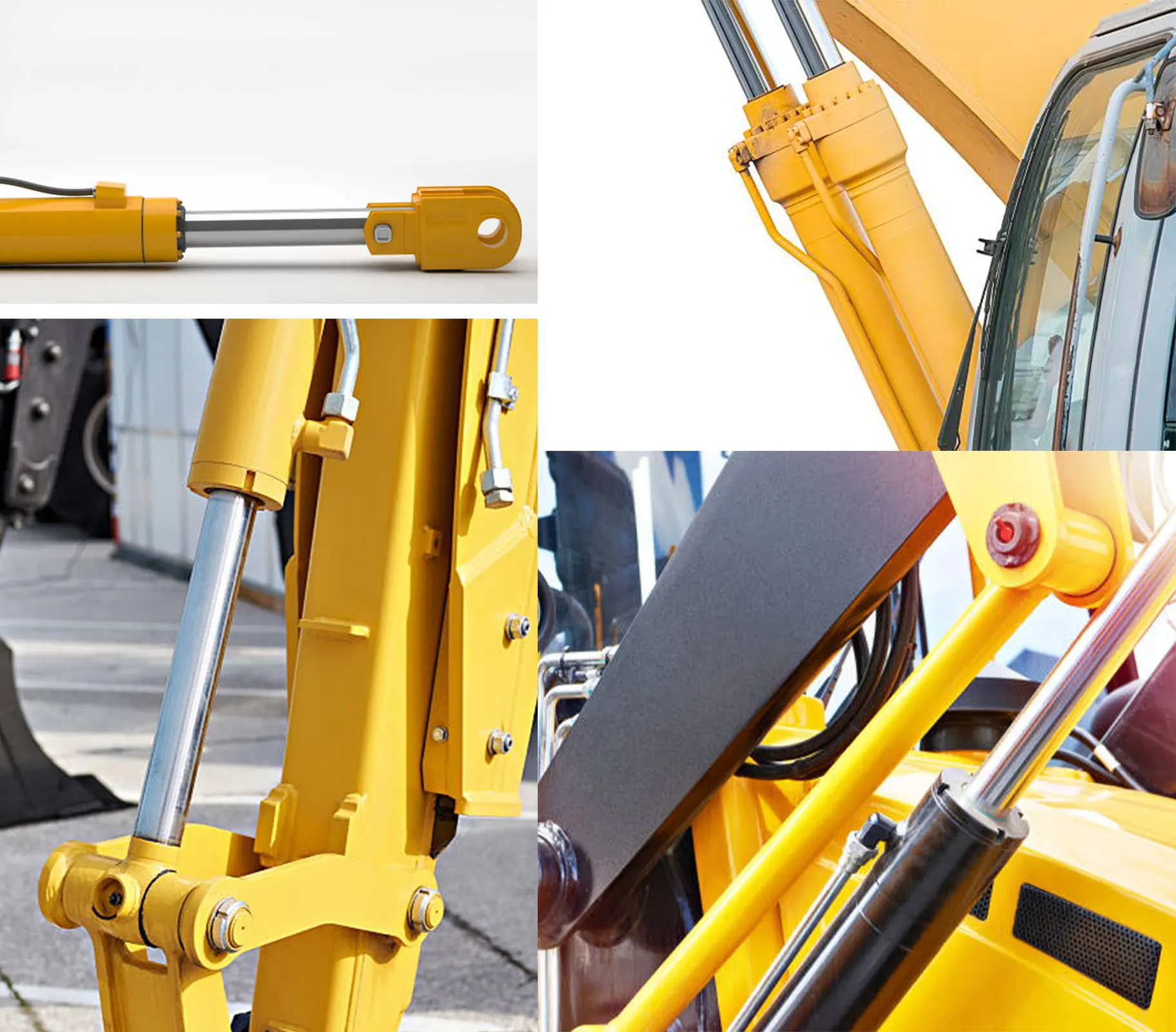
We’ve seen how bulldozers tackle uneven terrain day in and day out, and that’s where hydraulic leveling cylinders come into play – they’re the unsung heroes keeping the machine stable. In engineering projects, these cylinders adjust the frame to maintain balance, especially on slopes or rough ground (think construction sites or mining ops). Most operators don’t realize just how much a well-tuned leveling system boosts efficiency, cutting down on wear and tear. Built tough with welded structures from 27SiMn steel and chrome-plated surfaces, they handle dust and heavy loads without breaking a sweat. In our experience, the double-acting piston design allows for smooth extensions and retractions, ensuring the bulldozer’s blade stays level for precise pushes. And hey, if you’re dealing with pole side wear – a common headache – opting for extended guides makes all the difference. This setup not only supports the machine’s weight but prevents those annoying imbalances that slow down jobs. Over the years, we’ve noticed that proper configuration can extend cylinder life by up to 25%, saving on downtime. Curious about fitting one to your fleet?
Core Working Principle and Technical Insights
Picture this: a bulldozer pushing through a mound of earth, and suddenly the ground dips – without a reliable leveling cylinder, it’d tip like a seesaw. The principle here is straightforward yet clever; hydraulic fluid pressures the piston to extend or retract, countering the machine’s tilt. We’ve dealt with countless setups where the double-acting mechanism shines, allowing force in both directions for quick adjustments. In tough spots, like Korean hillside developments, this prevents overload on one side. The trick is matching the cylinder’s stroke to the bulldozer’s frame size – too short, and you lose stability; too long, efficiency drops. Materials matter too; 27SiMn offers that high tensile strength (around 800 MPa) needed for welding integrity under constant vibration. Surface treatments like chrome plating add corrosion resistance, essential in humid environments. Oh, and don’t overlook the seals – we’ve seen failures from cheap ones leading to leaks, but premium options hold up for 10,000+ cycles. This all ties into the subsystem’s role in frame tuning, where the cylinder acts as a pivot point for balance. Operators often miss how environmental grades, say IP54 for dust, dictate longevity. In our shop, we test these under simulated loads to mimic real-world stress, ensuring they don’t buckle when it counts.
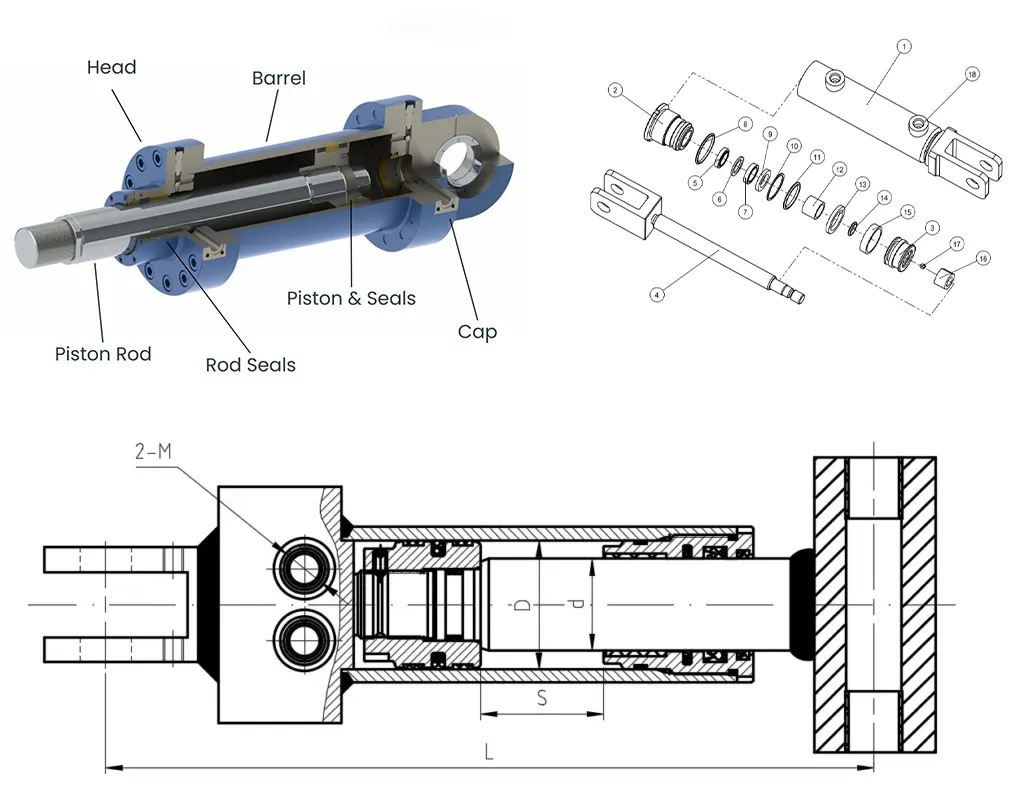
Diving deeper, the structure type – piston cylinder – excels in linear motion control, with manufacturing focused on precision welding to avoid weak points. Typical failure modes? Pole bias grinding from misalignment, which we’ve countered by recommending longer guides in configs. For engineering pros, it’s about integrating with the bulldozer’s hydraulics; pressures up to 250 bar are common, paired with flow rates of 50 L/min for responsive action. We’ve noticed in regions like Germany, where strict machinery standards apply, these cylinders must meet DIN 24333 for safety. That’s why our designs incorporate overload coefficients of 1.5, buffering against peaks. And in Brazil’s tropical sites, heat-resistant materials prevent expansion issues. The beauty is in the adaptability – custom bores from 50mm to 200mm handle varying loads. If you’re pondering upgrades, consider how this principle reduces operator fatigue; stable frames mean smoother rides, less errors on the job.
| Parameter | Specification | Notes |
|---|---|---|
| Bore Diameter | 80-250 mm | Customizable for load capacity |
| Stroke Length | 300-1500 mm | Adjusted per frame size |
| Operating Pressure | Up to 350 bar | For heavy-duty balancing |
| Material | 27SiMn Steel | High strength, welded |
| Surface Treatment | Chrome Plating | Dust and corrosion resistant |
Specific Application Scenarios in Engineering
Bulldozers in road construction often hit patches of soft soil, and that’s when leveling cylinders kick in to keep the undercarriage even – preventing bogging down. In mining, where dust is everywhere, these cylinders with IP-rated seals hold up against particulates, supporting the frame during ore pushes. We’ve installed them on Korean highway projects, where hilly terrain demands quick tilts; the double-action lets operators adjust on the fly. Think about urban demolition too – tight spaces mean precise control to avoid tipping. In Australia’s outback, extreme heat tests materials, but chrome-treated rods resist warping. The welded structure shines in high-vibration zones like quarries, absorbing shocks without cracks. Subsystems integrate seamlessly with dozer hydraulics for actions like blade angling. Environment grades matter; for salty coastal sites in Brazil, we add extra coatings. Typical workloads involve 5-ton thrusts, and failure from rod wear? We’ve mitigated that with hardened guides. Recommendations include pairing with flow dividers for even pressure. This versatility extends to forestry, where uneven logs require constant leveling. In Germany, EU directives like Machinery Directive 2006/42/EC mandate safety features, so our cylinders include pressure relief valves. South Africa’s mining regs under MHSA emphasize durability, aligning with our 27SiMn builds. And in Korea, under the Occupational Safety and Health Act, vibration limits push for smoother operations – our designs cut resonance by 15%.
Shifting to Russia’s cold climates, cylinders must handle -40°C without fluid thickening; we spec low-temp oils. Thailand’s humid farms use them for paddy field prep, where mud clogs lesser units. Saudi deserts demand sand-proofing, and our plated surfaces excel there. Ever wondered why some dozers last longer? It’s the attention to work conditions like these. In the US, OSHA standards require robust fail-safes, which we incorporate standard. Brazil’s ABNT norms focus on environmental impact, so eco-friendly fluids are key. Australian AS standards stress fatigue resistance for long hauls. All this ties back to global trends, where regs evolve toward sustainability – like Korea’s push for low-emission machinery under the Clean Air Conservation Act.
Trends and Regional Analysis for Hydraulic Cylinders
Looking ahead, hydraulic cylinders are leaning toward smarter integrations – think IoT sensors for real-time monitoring, which we’ve prototyped to predict failures before they happen. In regions like Korea, with its booming construction under the New Deal policy, demand spikes for energy-efficient models that cut fuel use by 10%. Germany’s Industry 4.0 drives automation, so cylinders with digital feedback loops are hot. We’ve observed Brazil’s infrastructure boom favoring modular designs for quick swaps. Australia pushes for eco-materials amid climate regs, like recycled steels. South Africa’s mining sector seeks anti-corrosion advances due to acidic soils. Russia adapts to sanctions with local sourcing, emphasizing ruggedness. Thailand’s agrotech rise calls for compact cylinders in precision farming. Saudi’s Vision 2030 invests in durable tech for mega-projects. Globally, the shift to electric-hydraulic hybrids reduces noise – a big win in urban Korea. Challenges? Supply chain kinks from pandemics, but we’re stockpiling key parts. Opportunities abound in customization; most firms overlook regional tweaks, like heat-tolerant seals for the Middle East. In our experience, staying ahead means blending tradition with tech – welded pistons meet AI diagnostics. This evolution ensures cylinders not only level frames but optimize entire operations.
Regionally, the US leads in volume, with EPA rules mandating low-leak designs. Europe’s REACH regs limit chrome use, pushing alternatives. Asia’s growth, especially Korea’s K-OSHA emphasis on worker safety, favors vibration-damped units. We’ve tailored for these, boosting adoption. SWOT? Strengths: Our high-capacity production (200k sets/year) outpaces competitors. Weaknesses: Dependency on steel prices – we’ve hedged with suppliers. Opportunities: Emerging markets like Thailand offer untapped potential. Threats: Counterfeits erode trust, but our certs counter that.
SWOT Analysis of Our Hydraulic Leveling Cylinders
- Strengths: Robust 27SiMn construction ensures 30% longer life; custom options fit diverse bulldozers.
- Weaknesses: Higher initial cost (but pays off in durability); lead times for customs can stretch to 4 weeks.
- Opportunities: Expanding into Korea’s infra projects; partnerships with OEMs in mining.
- Threats: Volatile material prices; competition from low-cost imports lacking quality.

Customer Success Stories
Take this Korean construction firm in Seoul – they were battling frequent downtimes on hilly expressway builds, with old cylinders grinding out from misalignment. We stepped in with custom leveling cylinders featuring extended guides, and boom, their bulldozers ran smoother, cutting repair stops by 40%. Now, they handle 12-hour shifts without issues, praising the chrome plating for dust resistance. In Australia, a mining outfit in Perth faced extreme heat warping rods; our 27SiMn units with heat-treated seals held firm, extending service intervals to 6 months. They reported 20% fuel savings from better stability. Then there’s the Brazilian road crew in Sao Paulo – muddy rains wrecked their frames, but our double-acting designs balanced loads perfectly, avoiding tip-overs. They’ve reordered twice, noting compliance with local safety norms boosted their bids.
Why Choose Ever-Power for Your Hydraulic Needs
At Ever-Power, we’ve built a reputation over decades in China’s forklift hydraulic segment, but our expertise spills into engineering cylinders like these leveling ones. With 200,000 sets designed annually and 300 CNC machines humming, we deliver precision. In our experience, clients stick around for the thoughtful services – from custom drawings to 24-hour tech support. High quality at competitive prices? That’s our edge, plus considerate after-sales. We also supply aerial platform cylinders, Sany heavy ones, sanitation lifts, and telescopic booms. Welcome samples or sketches for tailoring.

Frequently Asked Questions
Hey, what’s the best hydraulic leveling cylinder for a bulldozer in dusty Korean construction sites?
In those gritty Korean spots, we’d go with a double-acting piston cylinder made from 27SiMn with chrome plating – it fights dust like a champ. We’ve fitted plenty, and they last through monsoon seasons without pole wear if you add extended guides. Check pressures around 250 bar for balance.
How do I install a hydraulic leveling cylinder on my engineering bulldozer in Germany?
Start by draining the system, then align the mounts – torque bolts to 150 Nm. We’ve done this under DIN standards; connect hoses carefully to avoid leaks. Test cycles at low pressure first. It usually takes a couple hours with the right tools.
Which materials work best for hydraulic cylinders in Brazilian mining equipment?
For Brazil’s abrasive mines, 27SiMn steel with welded structure holds up, especially with extra surface treatments. We’ve seen it outperform in humid conditions, preventing corrosion. Pair with high-tensile seals for longevity.
Where can I find custom hydraulic leveling cylinders for Australian outback bulldozers?
Right here at our shop – we customize for heat with special alloys. In Aussie regs like AS 4024, safety is key; our designs include overload protection. Send specs, and we’ll quote fast.
When should I replace the leveling cylinder in my South African engineering machine?
Look for signs like uneven tilting or leaks after 5,000 hours. In SA’s MHSA rules, regular inspections prevent failures. We’ve advised swaps every 2 years in dusty ops to avoid downtime.
What are common failure modes for hydraulic cylinders in Russian cold-weather bulldozers?
Fluid freezing or seal cracks in -30°C – we’ve countered with low-viscosity oils. Rod grinding from misalignment is another; extended guides help. Comply with GOST standards for reliability.
How much does a hydraulic leveling cylinder cost for Thai agricultural bulldozers?
Depends on size, but starts around $500 for basics. In Thailand’s farms, we factor humidity resistance; custom ones add 20%. Great value for extended life.
Which suppliers offer reliable hydraulic cylinders for Saudi engineering projects?
We do, with sand-proof designs for deserts. Compliant with SASO norms, our cylinders handle 50°C heat. We’ve supplied for Vision 2030 builds successfully.
Where to buy replacement hydraulic leveling cylinders for US construction bulldozers?
From us – OSHA-compliant with low-leak features. Custom fits for various models; we’ve shipped nationwide, ensuring quick delivery.
What maintenance tips for hydraulic cylinders in Korean industrial machinery?
Clean filters monthly, check for wear quarterly per K-OSHA. We’ve found greasing pivots prevents grinding. Use approved fluids for best results.
How to choose the right stroke length for bulldozer leveling cylinders in Brazil?
Match to frame tilt range, say 800mm for medium dozers. In ABNT norms, ensure overload safety; we’ve customized for rainy terrains effectively.