Operation Cylinder for ROV Systems
Engineered from aerospace-grade titanium alloy for unparalleled subsea performance. Delivering absolute dexterity, marine-grade sealing, and total fatigue resistance for robotic arm articulation in extreme deep-sea high-pressure environments.
Product Overview: The Core Muscle of Subsea Robotics
The operational reality of deep-water energy extraction, transoceanic cable laying, and subsea scientific exploration dictates that human intervention is physically impossible at extreme depths. To perform physical work thousands of meters below the surface, offshore engineering firms rely entirely on Remotely Operated Vehicles (ROV systems). However, an ROV is merely an observation platform without its robotic arm. This manipulator arm is the physical bridge between the surface pilot’s intent and the abyssal environment, tasked with executing delicate sample retrievals, turning heavy subsea blowout preventer valves, or operating heavy hydraulic cutting tools. The singular component responsible for translating fluid power into exact, reliable linear mechanical force within these joints is the operation cylinder.
The industrial and financial value of a flawlessly engineered operation hydraulic cylinder is monumental. Deploying a deep-water support vessel and a work-class ROV costs tens of thousands of dollars per day. The subsea environment is incredibly hostile, presenting a combination of massive ambient hydrostatic pressure, near-freezing temperatures, and hyper-corrosive saltwater. If a standard industrial actuator is deployed, the intense pressure forces saltwater past the seals, or the continuous cyclical loads cause the metal to fatigue and fracture. A failure of the manipulator arm immediately aborts the mission, requiring a time-consuming and expensive retrieval to the surface. For fleet managers and subsea contractors operating in the advanced maritime hubs of South Korea, Japan, and Singapore, mitigating this specific equipment failure is a top procurement priority.
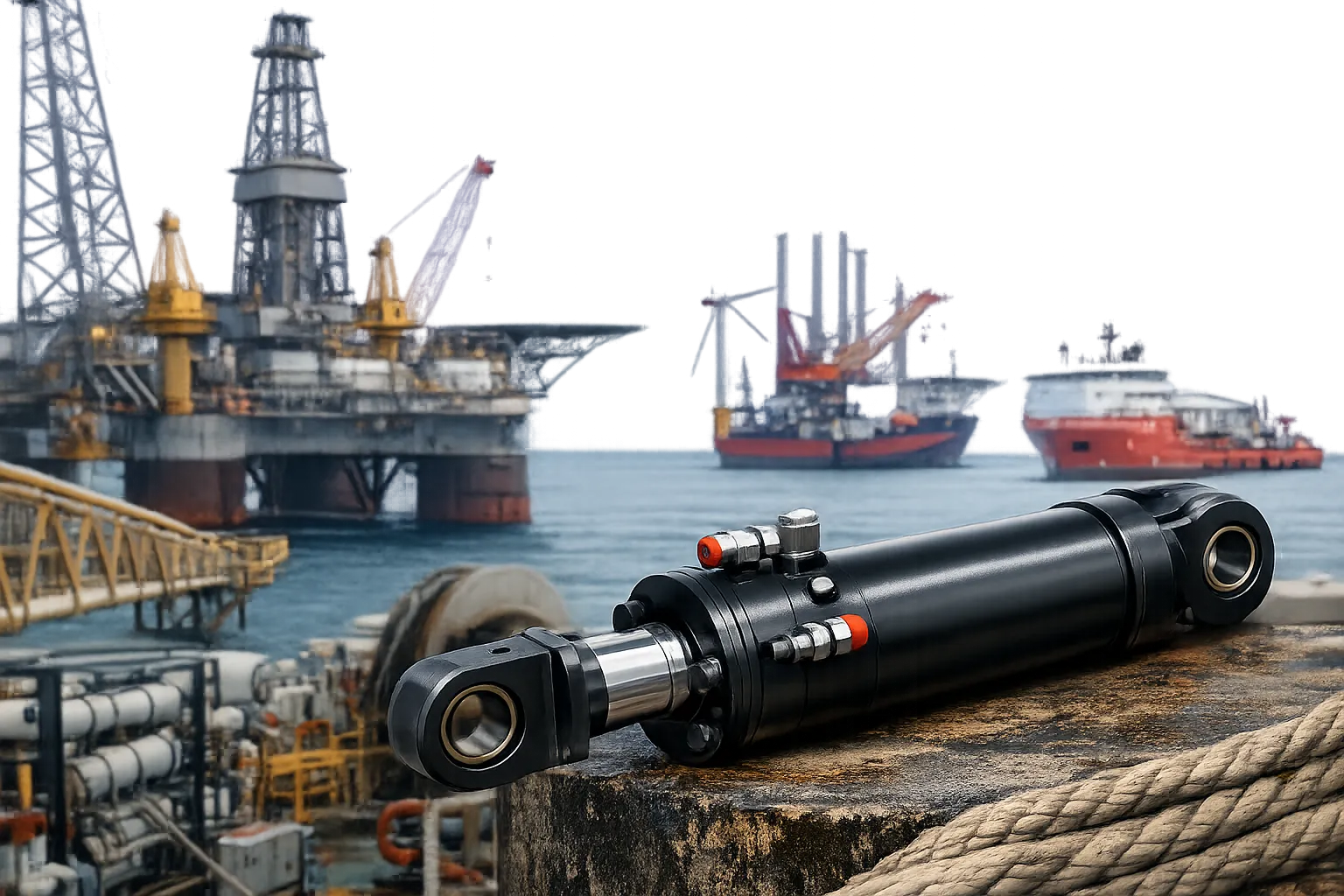
As a dedicated hydraulic cylinder manufacturer, our unique positioning lies in our absolute refusal to utilize inadequate materials for deep-water applications. We engineer a purpose-built double acting hydraulic cylinder constructed exclusively from premium Grade 5 titanium alloy. By utilizing a highly compact miniature piston cylinder architecture combined with a monolithic welded construction, we completely eradicate the mechanical fatigue that destroys standard hydraulic rams. Furthermore, our specialized marine-grade sealing offshore technology ensures absolute fluid retention, providing ROV pilots with the flawlessly smooth, high-torque tactile feedback required to execute complex subsea interventions without the constant fear of sudden mechanical breakdowns.
Extensive Technical Parameters & Customization Scope
Integrating fluid power into a densely packed ROV skid requires exact dimensional precision and highly specific kinematic profiles. A heavy-duty grabber jaw requires a vastly different flow dynamic and structural strength compared to a delicate, multi-axis sensory deployment arm. The engineering matrix below details the baseline parameters of our subsea equipment, alongside the extensive customization options available to our B2B clients.
| Engineering Specification | Standard Subsea Baseline | Customization / Adaptations |
|---|---|---|
| Industry Domain | Marine-grade sealing offshore | Deep-sea mining, naval defense robotics, oceanographic sleds |
| Equipment Target | ROV Systems | Autonomous Underwater Vehicles (AUVs), Seabed Trenchers |
| Subsystem Application | Robotic arm articulation | Camera pan/tilt mechanisms, subsea tool skid deployments |
| Component Designation | ROV operation cylinder | Specific configurations for shoulder pitch, elbow flexion, or jaw grip |
| Fluid Action Principle | Double acting | Compatible with high-frequency proportional servo-valve integration |
| Physical Architecture | Miniature piston cylinder | Ultra-compact micro-bore sizes down to 12mm for dense sensor racks |
| Manufacturing Structure | Welded construction | Threaded gland caps available for rapid on-deck field servicing |
| Primary Material System | Titanium alloy (Grade 5 / Ti-6Al-4V) | Super Duplex Stainless Steel (SAF 2507) for shallow, weight-insensitive roles |
| Surface Treatment | Precision Polished | Diamond-Like Carbon (DLC) coating for high-abrasion seabed trenching |
| Environmental Tolerance | Deep sea high pressure (4,000m+) | Full-ocean hadal zone configurations (6,000m to 11,000m) upon request |
| Operational Condition | Robotic arm operation | Continuous dynamic mechanical cycling under heavy off-axis loads |
| Defeated Failure Mode | Fatigue and Seal Extrusion | FEA-optimized spherical bearing trunnions to disperse severe lateral shock forces |
Working Principle: Mastering Fluid Dynamics at the Ocean Floor
Operating an actuator three kilometers beneath the waves requires a fundamental understanding of hydrostatic physics. In terrestrial applications, a cylinder merely contends with internal fluid pressure pushing against atmospheric air. However, at 3,000 meters depth, the ambient ocean pressure exceeds 300 bar (approx. 4,350 psi). If an ROV attempted to use a standard single acting hydraulic cylinder or an uncompensated system, the immense external pressure of the ocean would instantly crush the rod inward, overwhelm the internal return spring, and flood the entire fluid circuit with corrosive seawater. This dictates the absolute necessity of a pressure-compensated fluid power system.
The ROV’s central hydraulic power unit utilizes a volumetric compensator—essentially a flexible elastomeric bladder or a spring-loaded secondary piston exposed directly to the ocean. This mechanism continually adjusts the internal dielectric fluid pressure to perfectly match the external seawater pressure, usually maintaining a slight positive bias of roughly 0.5 to 1 bar. Because the internal base pressure of our operation hydraulic cylinder equals the crushing ocean pressure, the differential pressure across the titanium cylinder walls is neutralized. The dynamic rod seals only have to manage the actual working pressure generated by the ROV’s subsea pump to physically move the manipulator arm.
When the surface pilot initiates a movement command, proportional servo valves route high-pressure fluid to either the cap-end or rod-end of the unit. The hydraulic cylinder piston translates this hydraulic power into smooth, bi-directional mechanical force. The compact nature of our miniature piston cylinder design ensures that internal fluid volumes are kept low, providing incredibly fast, snappy response times. As the highly polished titanium rod extends and retracts, advanced PTFE-blended wiper seals actively scrape away abrasive marine silt, ensuring the integrity of the internal fluid circuit is never compromised, while eliminating the “stick-slip” friction that ruins delicate robotic movements.
Strategic Brand Replacement and Fleet Standardization
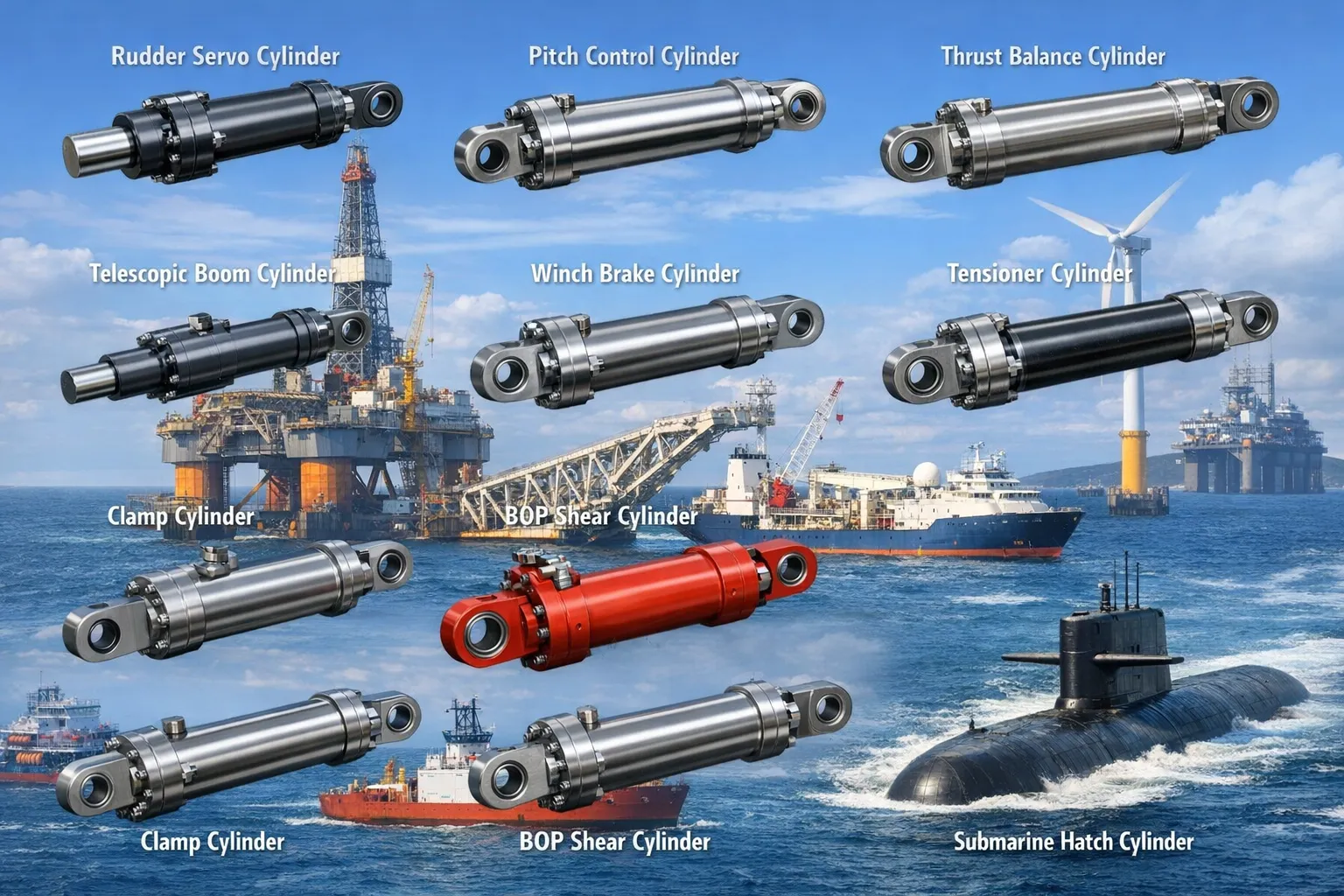
For ROV fleet operators and subsea engineering firms, reliance on major Original Equipment Manufacturers (OEMs) for spare hydraulic parts is a persistent source of operational friction. OEMs notoriously demand extended lead times—often several months—for specialized manipulator components, imposing massive markups that quickly drain vessel maintenance budgets. To alleviate this severe supply chain bottleneck, our engineering division has strategically reverse-engineered the dimensional footprints of our operation cylinder line to serve as exact, drop-in replacements for the industry’s most ubiquitous robotic arms.
Whether your offshore vessels deploy manipulators originally manufactured by Schilling Robotics (including the Titan, Orion, and Conan series), FMC Technologies, Oceaneering, SMD, or Saab Seaeye, we can precisely match the closed lengths, stroke distances, mounting trunnion pin diameters, and fluid port thread specifications. (Please note: The mention of these specific corporate brands is provided strictly for technical compatibility sizing and fitment cross-referencing for our B2B clients. We operate solely as an independent hydraulic cylinder manufacturer and claim no commercial affiliation, sponsorship, or trademark endorsement by these entities.)
When a legacy steel cylinder begins bypassing fluid or shows signs of micro-cracking at the weld joints, operators face a critical operational choice. Fixing hydraulic cylinders that have been structurally compromised by deep-sea stress cycles is a dangerous gamble; a repaired weld may hold on the test bench but fail catastrophically at 4,000 psi on the seabed. By replacing fatigued OEM components with our brand-new, hyperbaric-tested titanium units, you completely revitalize the operational lifespan of the arm. Furthermore, our direct-from-factory hydraulic cylinder price structure allows Asian shipyards and offshore contractors to upgrade their fleets far more economically than OEM procurement dictates.
Definitive Engineering Advantages for the Abyss
Thriving in the abyssal zone requires moving far beyond generic fluid power designs. We integrate specific metallurgical and structural advantages into every subsea actuator we build, ensuring they vastly outperform standard marine equipment.
1. Aerospace-Grade Titanium Construction
Weight management is highly critical in ROV design; excess weight requires expensive syntactic buoyancy foam. By forging our cylinders from Grade 5 Titanium (Ti-6Al-4V), we reduce the component mass by nearly 45% compared to 316L stainless steel, while achieving superior tensile strength. Most importantly, titanium is fundamentally immune to galvanic saltwater pitting, ensuring decades of corrosion-free service.
2. Eradication of Structural Fatigue
The primary cause of manipulator failure is metal fatigue induced by millions of micro-movements under extreme lateral loads. Standard tie-rod cylinders flex and stretch, eventually failing at the threads. Our fully welded miniature piston cylinder design utilizes Finite Element Analysis (FEA) to heavily radius all stress transitions, creating a monolithic structure that absorbs kinetic shock without yielding.
3. Ultra-Low Friction Dynamic Sealing
Subsea robotic operations demand surgical precision. Standard rubber seals compress against the rod under extreme depth pressure, causing a jerky “stick-slip” motion that makes delicate tasks impossible. We deploy advanced PTFE-blended composite seals and energized lip profiles that drastically lower the friction coefficient, providing the ROV pilot with flawlessly smooth, proportional control.
4. Deep-Sea High Pressure Seal Matrix
To combat the crushing forces of the abyss, our gland heads are engineered with specialized high-strength PEEK backup rings and redundant sealing profiles. This configuration prevents the primary elastomeric seals from extruding under massive depth pressures, ensuring absolute containment of the internal fluid while blocking highly abrasive seabed silt.
5. Precision Mirror-Polished Surface
Any surface imperfection on the rod will act like sandpaper against the seals in a sandy benthic environment. Our titanium rods are subjected to rigorous multi-stage mechanical and chemical polishing, resulting in an ultra-smooth, mirror-like finish. This slick topography rejects marine debris and drastically extends the lifecycle of the wiper seals.
6. Unyielding Thermal Stability
ROVs transition from scorching surface decks (35°C) to freezing abyssal depths (2°C) in minutes. Standard alloys and fluids contract unpredictably, causing seal leakage or rod binding. The specific thermal expansion coefficients of our titanium alloy and polymer guide rings are perfectly matched to maintain exact clearances across extreme temperature gradients.
Uncompromising Manufacturing and Quality Traceability
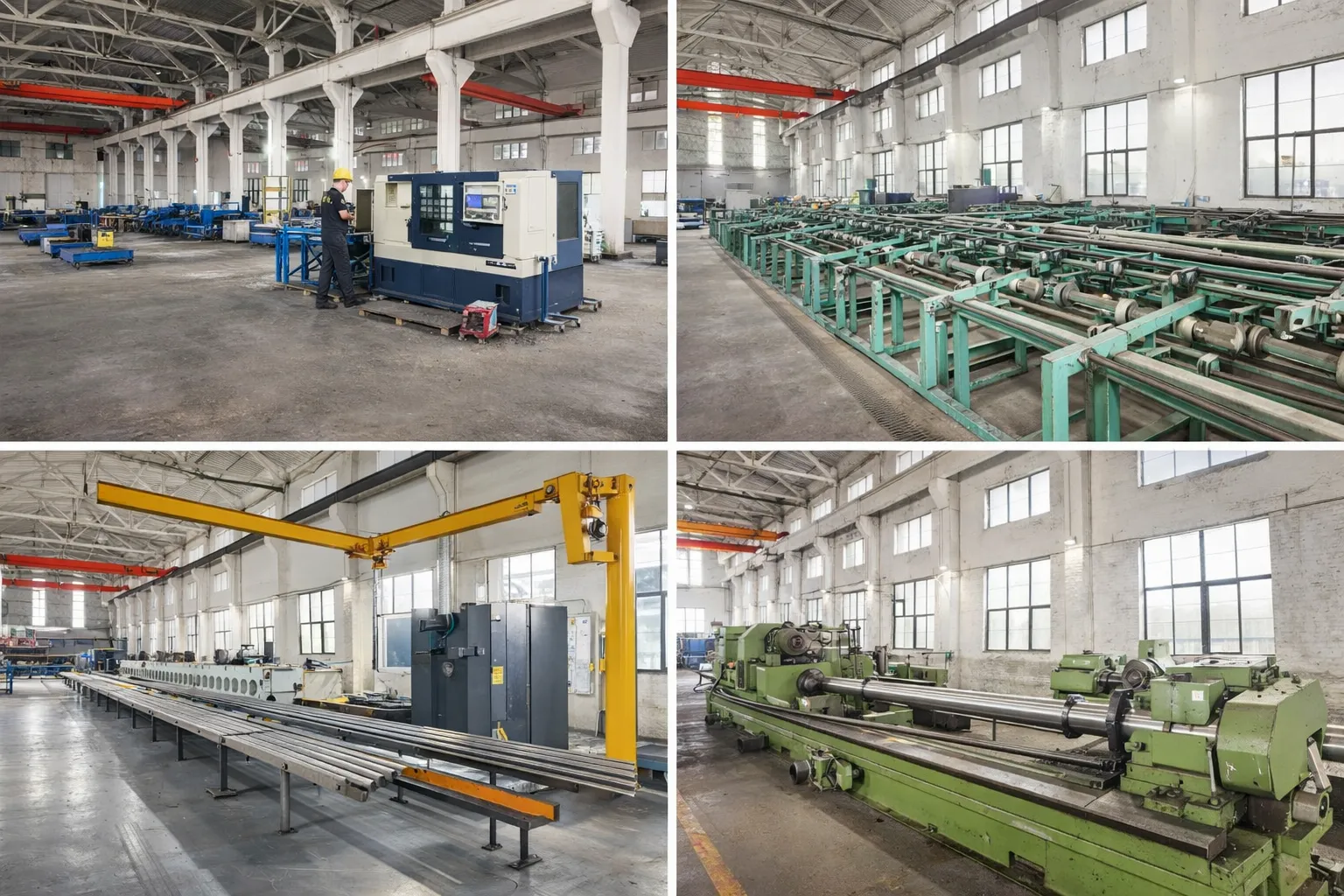
Fabricating titanium fluid power components requires an entirely different level of metallurgical precision compared to standard steel manufacturing. Titanium is highly reactive at elevated welding temperatures; if exposed to the atmosphere, it will absorb oxygen and nitrogen, leading to severe embrittlement and catastrophic structural failure under load. Therefore, all structural welding on our subsea cylinders is performed utilizing automated Tungsten Inert Gas (TIG) processes inside strictly controlled, inert argon-gas purged chambers. By keeping all CNC turning, milling, and specialized welding strictly in-house, we eliminate the quality control blind spots associated with outsourcing hydraulic cylinder components to third-party foundries.
Because our clients rely on this equipment to perform in highly inaccessible environments, our testing protocols are absolute. 100% of our operation cylinder units undergo severe factory acceptance testing prior to dispatch. We do not rely solely on standard internal pressure bench tests; we utilize specialized hyperbaric testing chambers to subject the units to external hydrostatic pressures mimicking depths of up to 6,000 meters. We actuate the cylinders under these simulated loads to verify zero pressure decay, perfect pressure compensation, and absolute zero seawater ingress.
Furthermore, we adhere tightly to the manufacturing guidelines set forth by major marine classification societies, such as DNV, ABS, and the Korean Register (KR). Every single cylinder is permanently laser-etched with a unique serial identifier, tying it to a comprehensive digital production dossier. This provides our B2B clients with full material traceability (EN 10204 3.1 certificates) for the titanium billets, ultrasonic NDT weld reports, and seal batch records, drastically simplifying long-term fleet maintenance audits.
Expanding Beyond ROVs: Heavy Industry Synergies
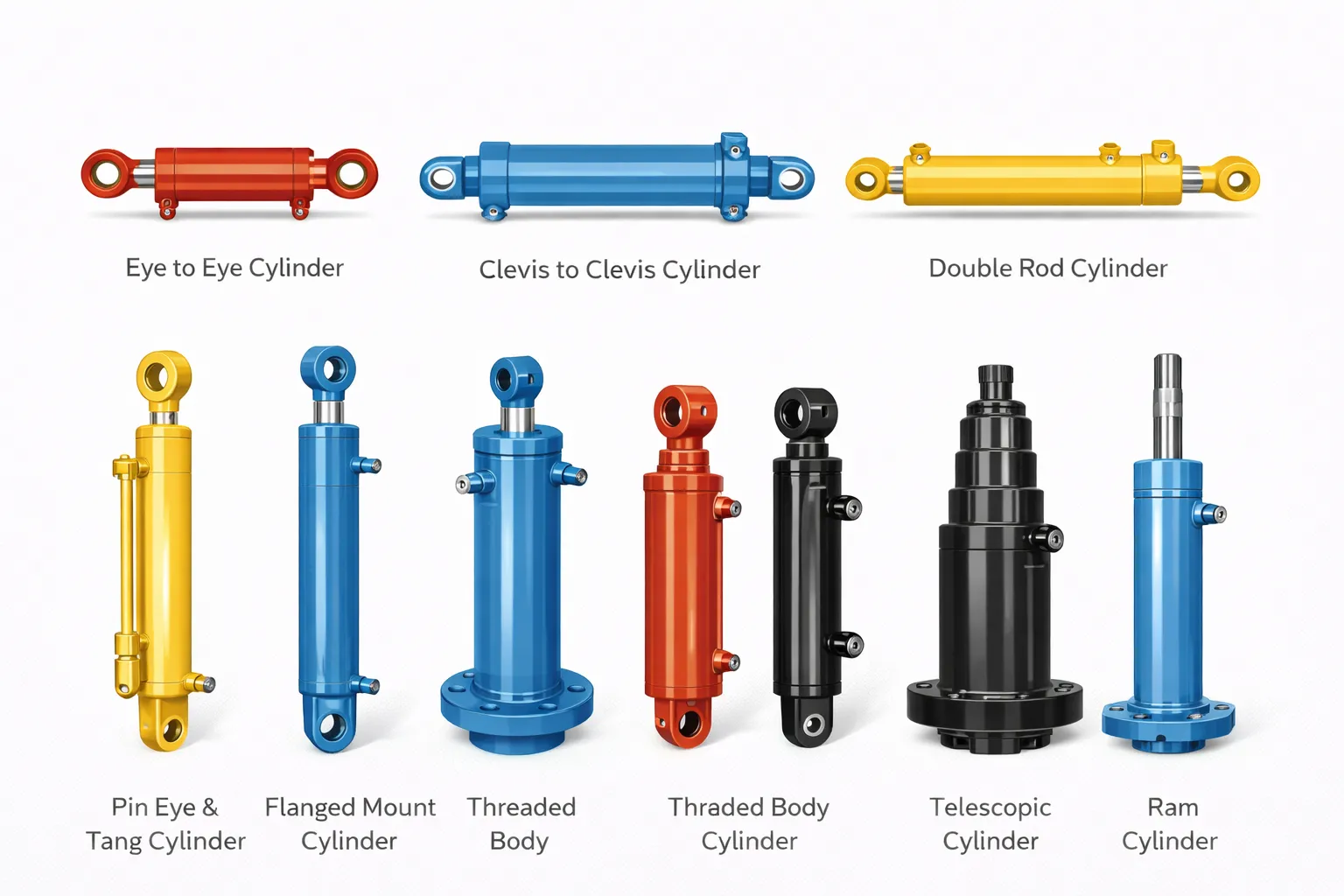
The engineering breakthroughs required to survive the bottom of the ocean—specifically the extreme miniaturization, total corrosion immunity, and immense fatigue resistance—translate perfectly into solving severe mechanical issues in terrestrial heavy industries. When standard commercial actuators fail repeatedly, engineering managers consistently specify our specialized titanium operation cylinders.
- Subsea Infrastructure: Beyond manipulators, our units operate subsea Blowout Preventers (BOPs), wellhead choke valves, and heavy-duty cable trenching ploughs.
- Metallurgical and Iron Industry: The intense radiant heat, acidic vapor, and abrasive slag dust of continuous casting lines require robust, polished actuators that will not jam or corrode like standard carbon steel.
- Mining Industry: Autonomous underground drilling rigs and scaling robots rely on our ultra-compact designs to provide massive breakout force in highly restricted, highly acidic mine-water environments.
- Construction Machinery Industry: Coastal demolition robots and specialized amphibious excavators upgrade to our sealed titanium units to prevent abrasive saltwater mud from destroying their standard cylinders.
- Material Handling & Logistics: High-cycle automated port equipment where an unexpected failure of a critical lift cylinder could halt container loading operations for hours.
- Nuclear Decommissioning: Tele-operated robotic arms working inside radioactive hot cells require the exact same zero-leak, high-precision telemetry as deep-sea ROVs to prevent hazardous exposure.
Comparative Analysis: Standard Subsea Actuator vs. Titanium Excellence
Procurement teams often attempt to control initial capital expenditures by purchasing standard 316L stainless steel subsea cylinders. However, a lifecycle cost analysis quickly reveals that the operational downtime caused by these inferior units eclipses the initial savings. The table below illustrates the stark mechanical differences.
| Evaluation Metric | Standard 316L Stainless Steel Cylinder | Our Titanium ROV Operation Cylinder |
|---|---|---|
| Weight Penalty | Heavy mass requires adding expensive syntactic buoyancy foam to the ROV frame to balance. | Ultra-lightweight titanium significantly increases allowable sensor and tool payload. |
| Corrosion Resistance | Good overall, but highly susceptible to crevice corrosion when stagnant in warm saltwater. | Absolute immunity. Titanium will not pit or oxidize under any extreme marine conditions. |
| Fatigue Endurance | Prone to micro-fractures at weld joints and threads after thousands of heavy grab cycles. | FEA-optimized titanium architecture absorbs extreme kinetic shock and defeats fatigue entirely. |
| Operational Dexterity | Standard rubber seals grip the rod under pressure, causing jerky, “stick-slip” movement. | Polished finish and PTFE seals ensure flawlessly smooth, millimeter-accurate pilot control. |
Proven in the Deep: B2B Engineering Case Studies
Theoretical specifications must translate directly to reliable offshore performance. Our specialized fluid power equipment actively supports major maritime contractors across the demanding Asian offshore sector. Below are four documented cases where our solutions resolved critical subsea mechanical failures.
Project 1: Securing Subsea Cable Trenching Operations
Client Location & Date: Offshore Engineering Firm, Busan, South Korea (October 2024)
The Challenge: During a critical telecommunications cable burial project, the heavy work-class ROVs were experiencing repeated failures on their manipulator arms. The OEM stainless steel cylinders were fatiguing at the base mounts due to the intense, continuous vibration of the trenching equipment, leading to catastrophic fluid blowouts at 2,000 meters depth.
The Engineering Action: The fleet superintendent located our subsea capabilities online. We engineered custom titanium double acting units, massively reinforcing the clevis mounts via FEA while maintaining the exact OEM pin-to-pin dimensions for an immediate drop-in replacement.
The Outcome: We delivered 12 fully tested units directly to the Busan shipyard within 4 weeks. Since installation, the ROVs have operated continuously for 16 months without a single structural failure, saving the client massive potential downtime penalties.
“Upgrading from standard steel to these titanium micro-cylinders completely eliminated our structural fatigue issues. The delivery speed allowed us to hit our deployment window perfectly.” – Chief Subsea Engineer, Busan.
Project 2: Overcoming Stick-Slip in Scientific Research
Client Location & Date: Oceanographic Institute, Yokohama, Japan (May 2025)
The Challenge: A scientific research submersible was attempting to recover extremely delicate biological samples and seismic sensors at 4,000 meters. The existing manipulator arm cylinders suffered from severe friction, causing jerky, unpredictable movements that crushed several priceless samples during the dive.
The Engineering Action: We supplied completely custom operation hydraulic cylinder models featuring our ultra-low friction PTFE sealing matrix and mirror-polished titanium rods to guarantee absolute micro-millimeter precision for the pilot.
The Outcome: The pilots reported an unprecedented level of dexterity and smoothness. The arm successfully retrieved all target instruments flawlessly, and the weight reduction of the titanium allowed the sub to carry additional battery packs for extended mission time.
Project 3: Heavy Duty Salvage and Lifting
Client Location & Date: Marine Salvage Contractor, Singapore (January 2026)
The Challenge: A salvage team required specialized gripper arm cylinders capable of exerting immense crushing force to secure heavy hull debris without bending the polished rod under severe lateral, off-center loads.
The Engineering Action: We manufactured an oversized, high-yield titanium operation cylinder paired with extra-wide internal bronze guide rings to manage the extreme off-axis bending moments during the salvage operations.
The Outcome: The upgraded arms managed to securely lift sections of plating that exceeded the ROV’s original factory payload specifications, operating perfectly in a highly abrasive, debris-filled environment without bending.
Project 4: Eliminating Crevice Corrosion on Tool Sleds
Client Location & Date: Offshore Maintenance Firm, Ulsan, South Korea (August 2026)
The Challenge: Subsea tooling skids left on the seabed for weeks were developing severe crevice corrosion around the rod glands of their locking cylinders. Upon reactivation, the corroded rods would immediately shred the seals, causing total fluid loss.
The Engineering Action: We replaced the vulnerable carbon steel locking cylinders with our fully titanium miniature piston cylinder designs equipped with heavy-duty marine scraper rings.
The Outcome: The crevice corrosion issue was entirely eradicated. The sleds now remain submerged for extended periods without any degradation, significantly reducing the client’s emergency hydraulic cylinder repair budget.
Professional FAQ for Subsea Procurement Teams
Specifying mission-critical fluid power components for the deep ocean requires absolute technical clarity. Below, we address the most frequent inquiries from ROV fleet managers, naval architects, and offshore B2B procurement officers.
Why exactly is titanium vastly superior to 316L stainless steel for an ROV operation cylinder?
How does your equipment integrate with standard ROV pressure compensators?
Why is a single acting hydraulic cylinder insufficient for robotic manipulator arms?
Is fixing hydraulic cylinders that belong to deep-sea ROVs a recommended practice?
Can you customize the stroke and bore of the miniature piston cylinder for unique subsea tools?
How does your hydraulic cylinder price compare to purchasing OEM replacements?
Do you supply replacement hydraulic cylinder components like subsea seal kits?
What is the expected delivery timeframe to offshore bases in South Korea or Singapore?
Upgrade Your Subsea Robotics Payload and Reliability
Do not gamble your multimillion-dollar offshore operations on standard steel actuators that crack under fatigue or jam at depth. Transitioning to our engineered titanium micro piston units guarantees precise manipulator arm articulation, massive weight savings, and total immunity to deep ocean corrosion.
Editor: Cxm