
Spray Adjusting Cylinder for Road Roller
Engineered for severe corrosive environments, ensuring precise water tank system control and optimal compaction performance.
Product Overview & Industrial Value
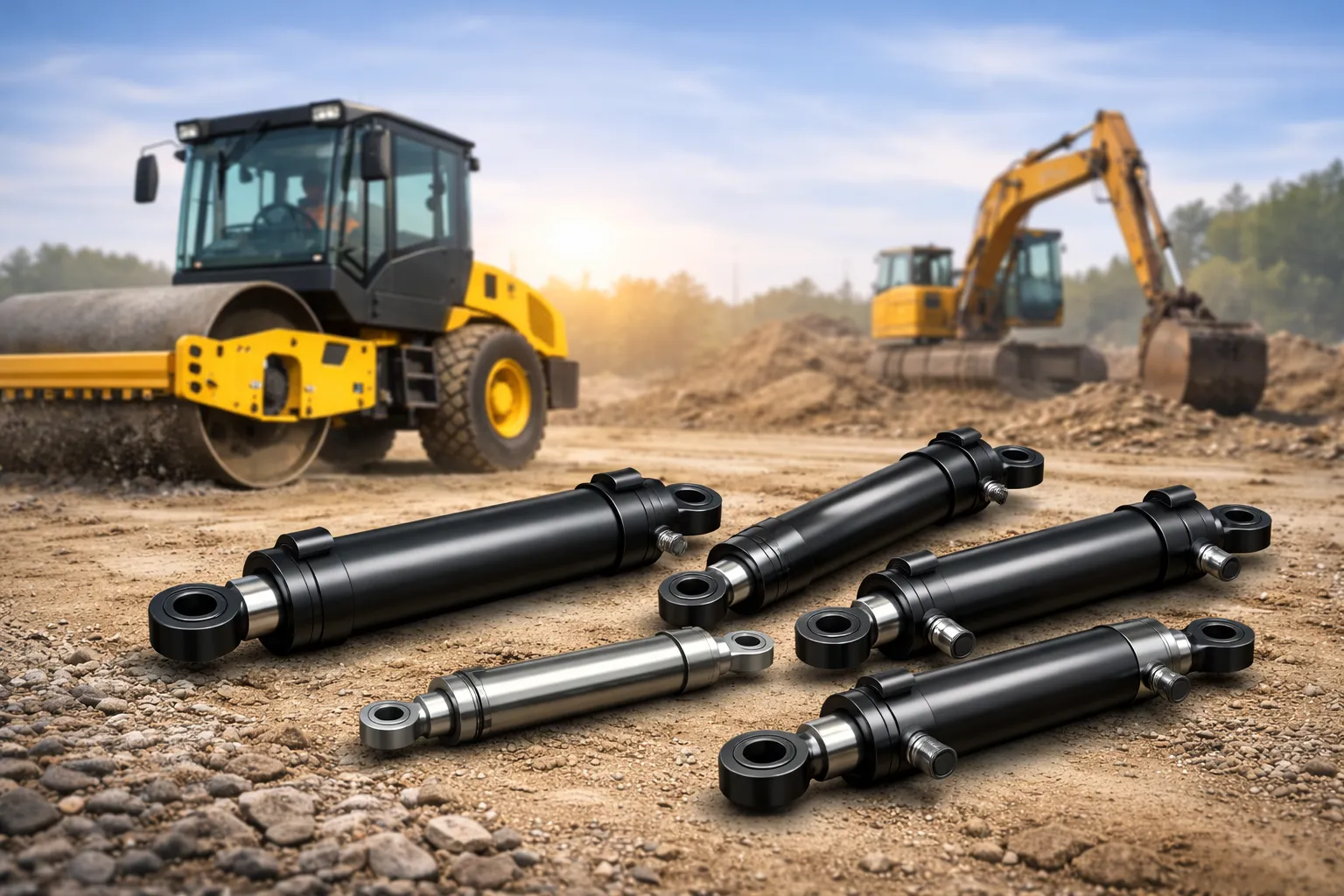
In the highly demanding field of pavement and asphalt compaction, achieving a flawless surface finish requires meticulous control over environmental variables. The water tank system on a road roller serves an indispensable function: it prevents hot, sticky asphalt from adhering to the heavy compaction drums. At the core of this critical moisture delivery mechanism is the spray adjusting cylinder. This specialized spray adjusting hydraulic cylinder acts as the primary mechanical actuator, precisely regulating the position, angle, and flow of the water spray bar. Without reliable spraying action, asphalt pick-up occurs, leading to costly surface defects and immediate project delays.
Unlike standard actuation components that operate in enclosed or protected environments, this particular unit is constantly exposed to severe conditions. The water tank system utilizes fluids that are inherently corrosive, often mixed with chemical release agents. Therefore, the traditional carbon steel cylinder is fundamentally inadequate for this application. Our product occupies a unique position in the market by addressing the precise failure modes associated with this application, primarily pitting and rapid corrosion. By utilizing high-grade metallurgical solutions, we provide an engineered product that drastically reduces equipment downtime.
When analyzing the total cost of ownership, the hydraulic cylinder price is only one factor. The true value of our spray adjusting cylinder lies in its exceptional longevity and structural integrity. Whether you are an Original Equipment Manufacturer (OEM) seeking reliable hydraulic cylinder components for assembly or a fleet manager urgently replacing failed parts, our solutions guarantee that your road rollers maintain optimal operational efficiency. By investing in our technology, you are securing a component designed specifically for the realities of the construction site.
Technical Parameters & Specifications
Precision engineering requires absolute transparency in technical specifications. The following table outlines the foundational parameters of our spray adjusting hydraulic cylinder. As a dedicated manufacturer, we offer broad customization options to ensure perfect integration with your specific machinery architecture.
| Category | Standard Parameter | Design Rationale / Customization |
|---|---|---|
| Industry | Construction Machinery | Engineered for extreme vibration and harsh weather |
| Equipment Category | Road Roller | Applicable to tandem, single drum, and pneumatic rollers |
| Sub-system / Action | Water tank system / Spraying | Controls fluid distribution over compaction drums |
| Cylinder Name | Spray adjusting cylinder | Often termed water spray control cylinder |
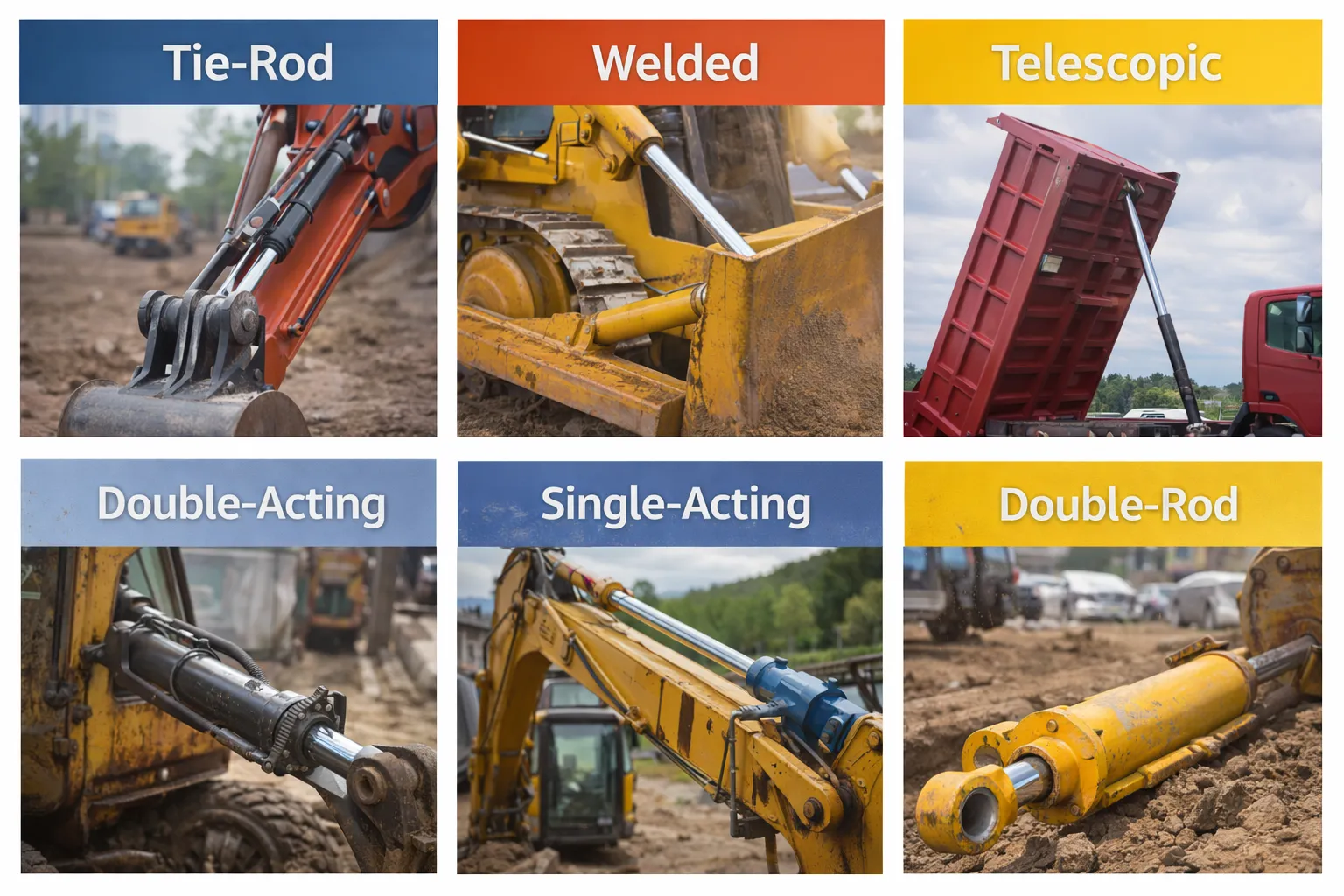
| Action Type | Double acting hydraulic cylinder | Provides positive force in both extension and retraction |
| Structure Type | Small piston cylinder | Compact footprint for limited installation space |
| Manufacturing Structure | Welded | Eliminates tie-rods to prevent debris accumulation |
| Material System | Stainless steel | Highly resistant to water and chemical release agents |
| Surface Treatment | Polished | Reduces seal wear and repels mineral deposits |
| Environmental Rating | Corrosive | Withstands constant moisture exposure |
| Typical Failure Mode | Pitting | Prevented by advanced metallurgical selection |
| Recommended Configuration | 316L | Superior pitting resistance compared to 304 stainless |
Working Principle: Fluid Control Mechanics
Understanding the operational dynamics of the spray adjusting hydraulic cylinder is vital for equipment optimization. Functioning as a double acting hydraulic cylinder, it utilizes pressurized hydraulic fluid to exert force in two linear directions. When the machine operator initiates a change in the spray pattern, fluid is directed into the cap end port. This pressure acts upon the internal surface area of the hydraulic cylinder piston, extending the rod outward. This mechanical extension smoothly alters the geometry of the spray bar linkages, moving the nozzles closer to or further from the compaction drum.
Conversely, when fluid is pumped into the rod end port, the cylinder retracts with equal precision. The small piston cylinder design ensures that even minute adjustments in fluid volume translate directly to fine angular changes in the spray mechanism. This high-resolution control is what allows the spraying action to remain perfectly calibrated, regardless of operating speed or wind conditions. The polished stainless steel rod glides through the wiper seals with near-zero friction, ensuring that the entire action is instantaneous and free from judder.
Seamless OEM Replacement & Compatibility
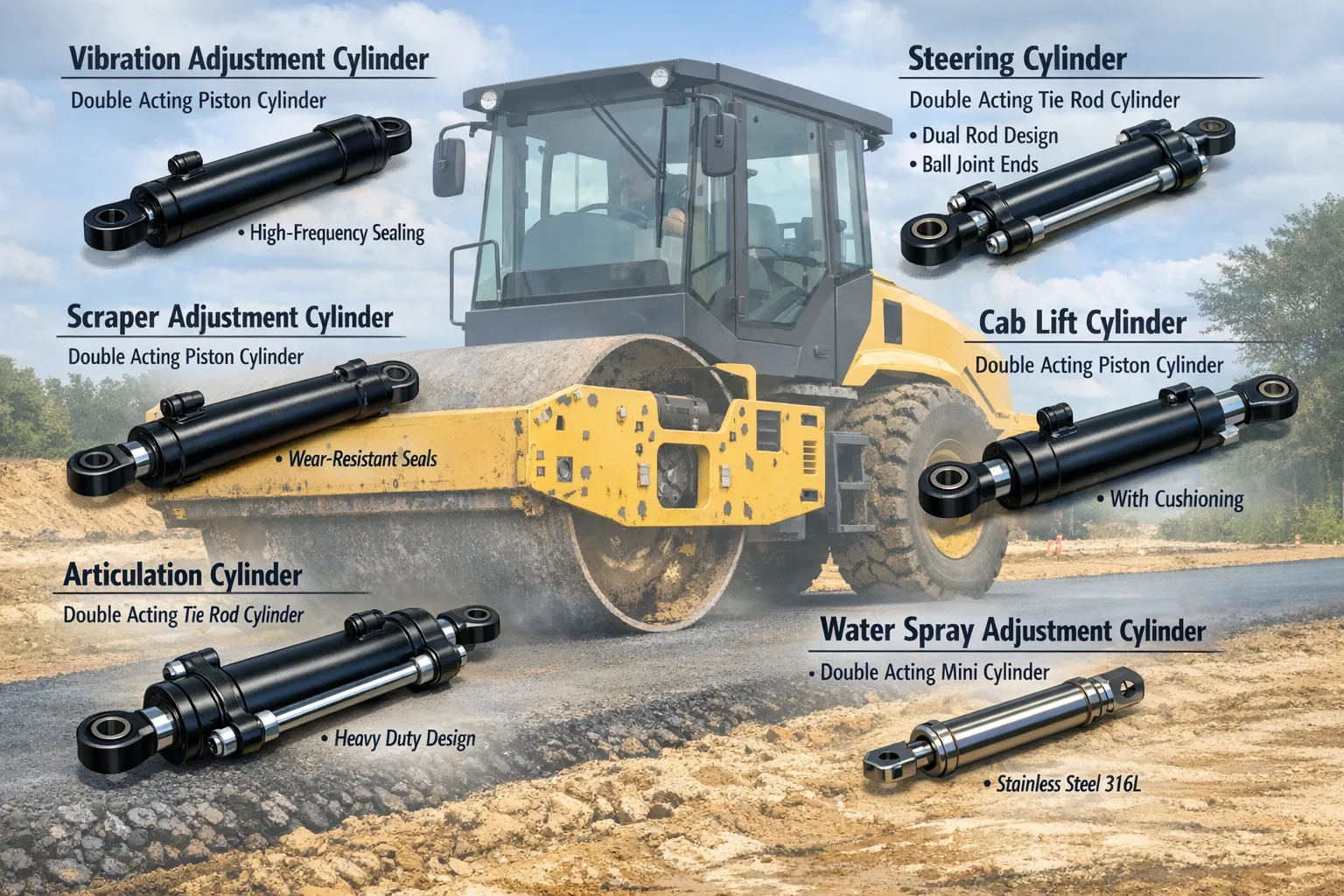
Equipment downtime directly impacts the profitability of any paving project. Recognizing this, our engineering department has mapped the dimensional standards of the world’s most prominent compaction equipment. Our spray adjusting cylinder serves as a flawless drop-in replacement, requiring no modifications to the existing mounting brackets or hydraulic lines.
Our products are fully compatible with the water tank systems of industry-leading brands such as Bomag, Hamm, Dynapac, Caterpillar, Sakai, and Ammann.
Note: The brand names mentioned herein are strictly for reference and compatibility identification purposes to aid in parts selection. We are an independent manufacturer of premium aftermarket hydraulic parts and do not claim any official affiliation or trademark ownership with these entities.
5 Core Technical Advantages
When you compare standard hydraulic rams to our application-specific models, the engineering differences become starkly apparent. We have optimized every variable to ensure survival in a wet, corrosive environment.
1. Advanced 316L Stainless Steel Metallurgy
The most critical failure mode in water tank systems is pitting corrosion. Standard steel, even when chromed, eventually succumbs to the constant moisture and chemical additives. We utilize 316L stainless steel, which contains molybdenum. This specific alloy addition drastically increases resistance to chloride-induced pitting, extending the component lifecycle by up to 300% compared to standard materials.
2. Precision Polished Surface Treatment
Instead of relying on easily damaged paint or standard plating, our cylinders undergo a multi-stage mechanical polishing process. A highly polished surface prevents mineral deposits from the water from adhering to the rod. When the rod retracts, these deposits are easily swept away by the wiper seal without tearing the polyurethane material.
3. Ultra-Low Friction Sealing Technology
Because the spray adjusting hydraulic cylinder makes frequent micro-adjustments, stick-slip (juddering) must be avoided. We implement proprietary PTFE composite seals that offer incredibly low dynamic friction. This ensures that the hydraulic cylinder piston moves fluidly, translating into perfectly even spraying action across the asphalt.
4. Monolithic Welded Construction
Tie-rod cylinders present crevices where water, dirt, and asphalt particles can accumulate, accelerating external degradation. Our welded design creates a smooth, monolithic exterior profile. The high-penetration TIG welding process ensures total structural rigidity while eliminating structural weak points prone to vibration-induced fatigue.
5. Optimized Thermal Stability
Road rollers operate directly above hot asphalt, subjecting components to intense radiant heat. Our internal guide rings and elastomeric compounds are rated for extreme thermal stability. They maintain their dimensional integrity, preventing fluid bypass across the piston even during peak summer paving operations.
Manufacturing Process & Quality Control
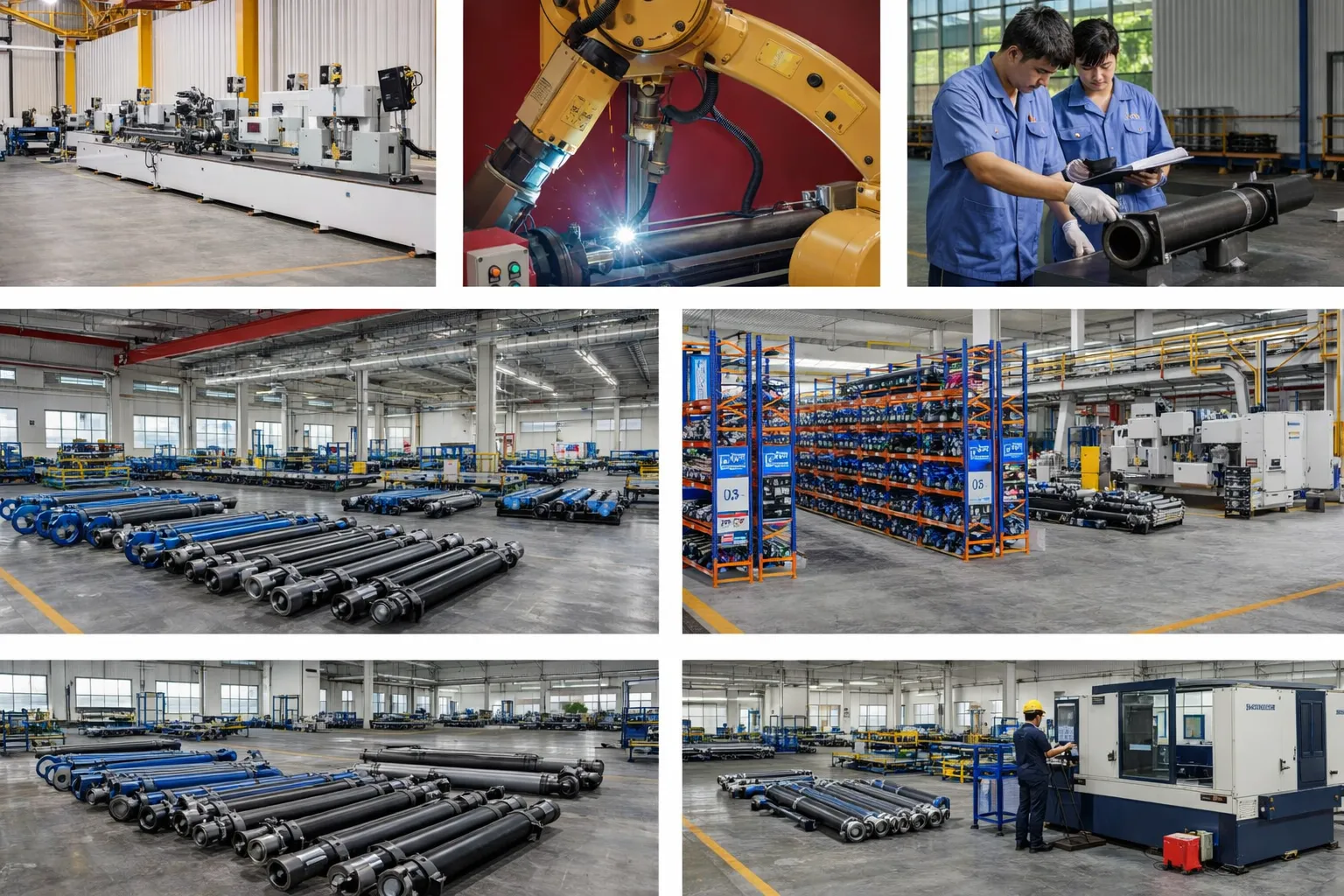
As a premier hydraulic cylinder manufacturer, our facility operates under stringent ISO quality management protocols. The fabrication of the spray adjusting cylinder begins with rigorous material verification. Every batch of 316L stainless steel undergoes spectrographic analysis to confirm its exact chemical composition before it enters our CNC machining centers.
During assembly, components are mated in a climate-controlled environment to prevent microscopic contamination. The true hallmark of our process is our testing regime. We do not rely on batch sampling; we mandate 100% factory testing. Each double acting hydraulic cylinder is subjected to high-pressure static load tests to verify seal integrity, followed by dynamic cycle testing to ensure smooth actuation. A unique serial identifier is laser-engraved onto every barrel, granting full traceability from raw material to final installation.
Expanding Into Diverse Industry Applications
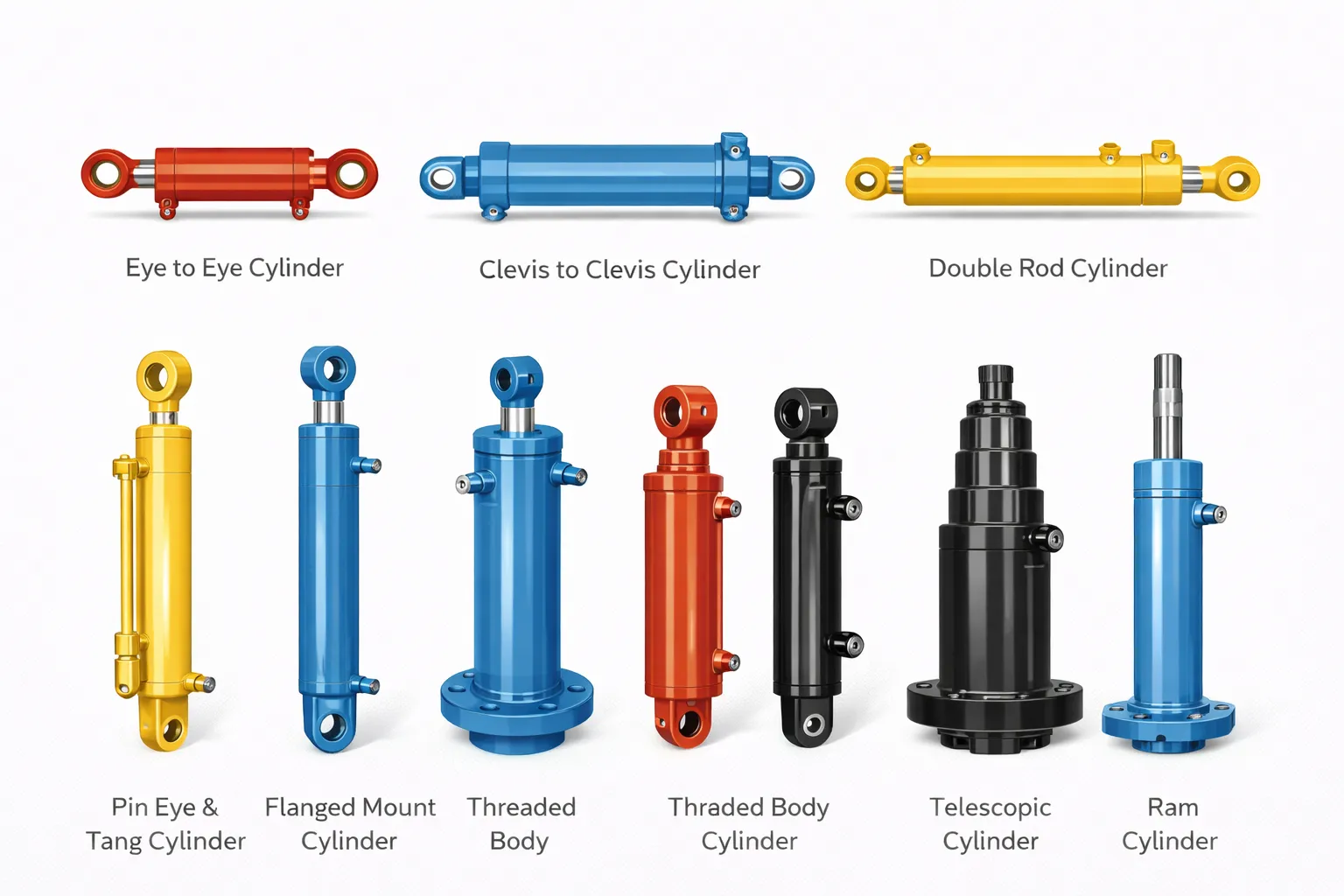
The engineering principles that make our cylinders immune to pitting and corrosion are highly transferable. While optimized for road rollers, our fluid power technology serves a vast array of sectors. You can explore more of our solutions within the construction machinery industry.
- Heavy Construction: Excavator boom and arm cylinders, grader blade controls.
- Metallurgy & Mining: Slag door actuators and extreme heavy-duty lifting mechanisms.
- Marine & Offshore: Hatch cover cylinders and steering gear mechanisms requiring extreme salt-spray resistance.
- Environmental Equipment: Waste compactor cylinders and water treatment plant gate actuators.
- Logistics: Material handling lifts, AGV steering systems, and dock levelers.
Comparative Analysis: Standard vs. High-Performance
Why choose our customized 316L spray adjusting cylinder over a generic off-the-shelf alternative? The differences directly influence machinery uptime and maintenance budgets.
| Metric / Feature | Standard Generic Cylinder | Our Performance Cylinder |
|---|---|---|
| Core Material | Carbon Steel (Q235 or similar) | 316L Stainless Steel |
| Corrosion Resistance | Poor; relies on external paint | Excellent; innate pitting resistance |
| Surface Finish | Standard Chrome Plating | High-grade Mechanical Polish |
| Seal Longevity in Water | Low; prone to swelling/cracking | High; chemical resistant polymers |
| Maintenance Frequency | High; frequent rod cleaning needed | Minimal; self-clearing action |
Proven Success in the Asian Market
We proudly supply high-performance solutions to contractors and OEMs across East Asia. Below are five verified deployment case studies demonstrating our technical capability.
1. Eradicating Pitting Issues in Seoul
Location: Seoul, South Korea
Client Context: A major urban paving contractor handling night-time highway resurfacing.
The Challenge: Their fleet of Dynapac rollers was experiencing severe pitting on the water tank cylinders due to municipal water acidity. They found us by searching for specialized hydraulic parts online.
The Solution: We rapidly supplied our 316L polished spray adjusting cylinder.
Client Feedback: “We installed these in May 2024. As of today, there is absolutely zero sign of surface pitting. The asphalt finish remains perfect because our spraying action never fails.” – Mr. Kim, Fleet Director.
2. OEM Supply Chain Optimization in Busan
Location: Busan, South Korea
Client Context: An emerging manufacturer of mid-sized tandem road rollers.
The Challenge: They needed to lower the overall hydraulic cylinder price without compromising the water system’s integrity. They contacted our sales engineering team via an industry trade portal.
The Solution: We engaged in a direct B2B supply agreement, delivering customized small piston cylinders built to their exact dimensional CAD drawings.
Client Feedback: “The dimensional accuracy was flawless right out of the box, saving our assembly line hours. Their 100% testing guarantee gave us complete confidence.” – Park Ji-hoon, Lead Engineer.
3. Upgrading Heavy Rental Fleets in Tokyo
Location: Tokyo, Japan
Client Context: A massive heavy machinery rental conglomerate.
The Challenge: Rental machines suffer high abuse. The original carbon steel cylinders on the water systems were rusting and seizing within a year. They contacted us looking for solutions regarding fixing hydraulic cylinders.
The Solution: Rather than just supplying seal kits, we provided full stainless steel replacements, drastically cutting their long-term maintenance costs.
Client Feedback: “Replacing the OEM parts with these stainless upgrades was the best financial decision for our compaction fleet in 2025. Unbelievable durability.” – T. Sato, Maintenance Manager.
4. Restoring Classic Compaction Machinery in Taipei
Location: Taipei, Taiwan
Client Context: A specialized equipment refurbishing company.
The Challenge: Sourcing parts for older generation Hamm rollers where OEM parts were obsolete or prohibitively expensive. They reached out through our main website.
The Solution: We reverse-engineered the obsolete spray adjusting hydraulic cylinder and manufactured a batch of 20 units using modern welded 316L materials.
Client Feedback: “Not only did they match the legacy specs perfectly, but the polished surface actually looks and performs better than the original parts ever did.” – Chen Wei, Operations Chief.
5. Combating Coastal Humidity in Incheon
Location: Incheon, South Korea
Client Context: A contractor managing port expansion and coastal paving projects.
The Challenge: High ambient salt in the air combined with the water tank moisture accelerated the pitting failure on standard hydraulic cylinder components.
The Solution: Our marine-grade 316L cylinder was the exact specification needed to resist chloride attack.
Client Feedback: “We were replacing cylinders every six months due to salt-air corrosion. It has been 14 months since we installed these, and they are still gleaming and operating smoothly.” – Lee Min-ho, Project Supervisor.
B2B Client FAQ: Technical & Commercial Inquiries
We prioritize clear communication. Below are the most frequent questions from prospective buyers and procurement engineers.
Eliminate Downtime. Upgrade Your Fluid Power Systems.
Don’t let a failing water tank system halt your compaction operations. Partner with a manufacturer that understands the extreme engineering required for the construction machinery industry. Reach out to our technical team today to discuss dimensions, material specifications, and bulk pricing.
Editor: Cxm


























