
Factory Customized Mini Dump Truck Hydraulic Cylinder
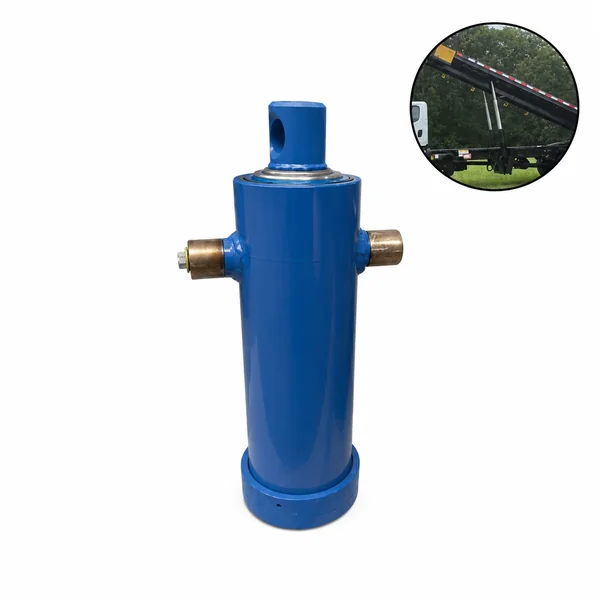
MINI TRUCK · CUSTOMIZED
Mini Dump Truck
Telescopic Cylinder
Retracted Length — How Many Stages Do You Need?
Mini dump trucks have the tightest space constraints of any dump vehicle — short wheelbases, low chassis frames, and limited under-body clearance. The telescopic cylinder's retracted length must fit within this limited space while still providing enough stroke to fully tip the dump body. Stage count is the primary tool for balancing stroke against retracted length.
Custom Stage Count
ISO 9001
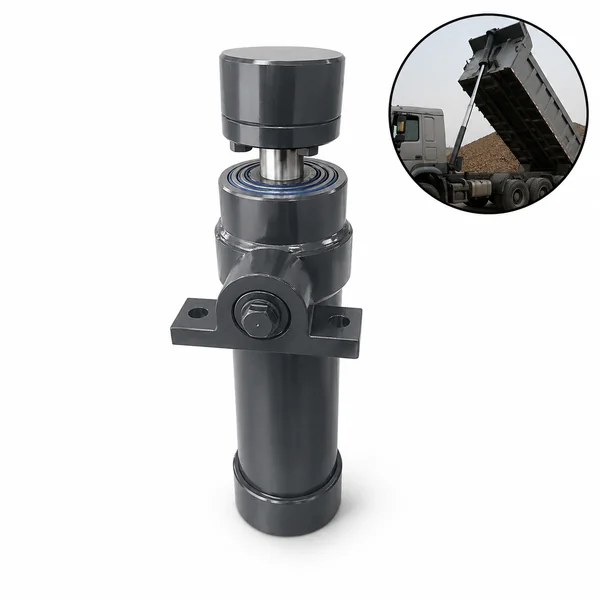
Korea Ever-Power manufactures telescopic cylinders in 2, 3, 4, and 5-stage configurations — each with a different retracted-to-extended ratio. This page explains the engineering relationship between stage count and retracted length, provides practical calculation examples, and helps you select the optimal stage count for your mini dump truck's available installation space.
Mini Dump Truck Telescopic Cylinder — Parameters
| Bore / Rod / Stroke / Pin | 2–6″ / 1.125–4″ / 4–100″ / 0.5–2″ |
| Port Options | G / SAE / NPT / M |
| Stage Options | 2 / 3 / 4 / 5 stages — customised to available space |
| Body / Certification | Steel / ISO 9001 / 100% pressure tested |
| Lead Time / Warranty | 25–35 days / 1 year |
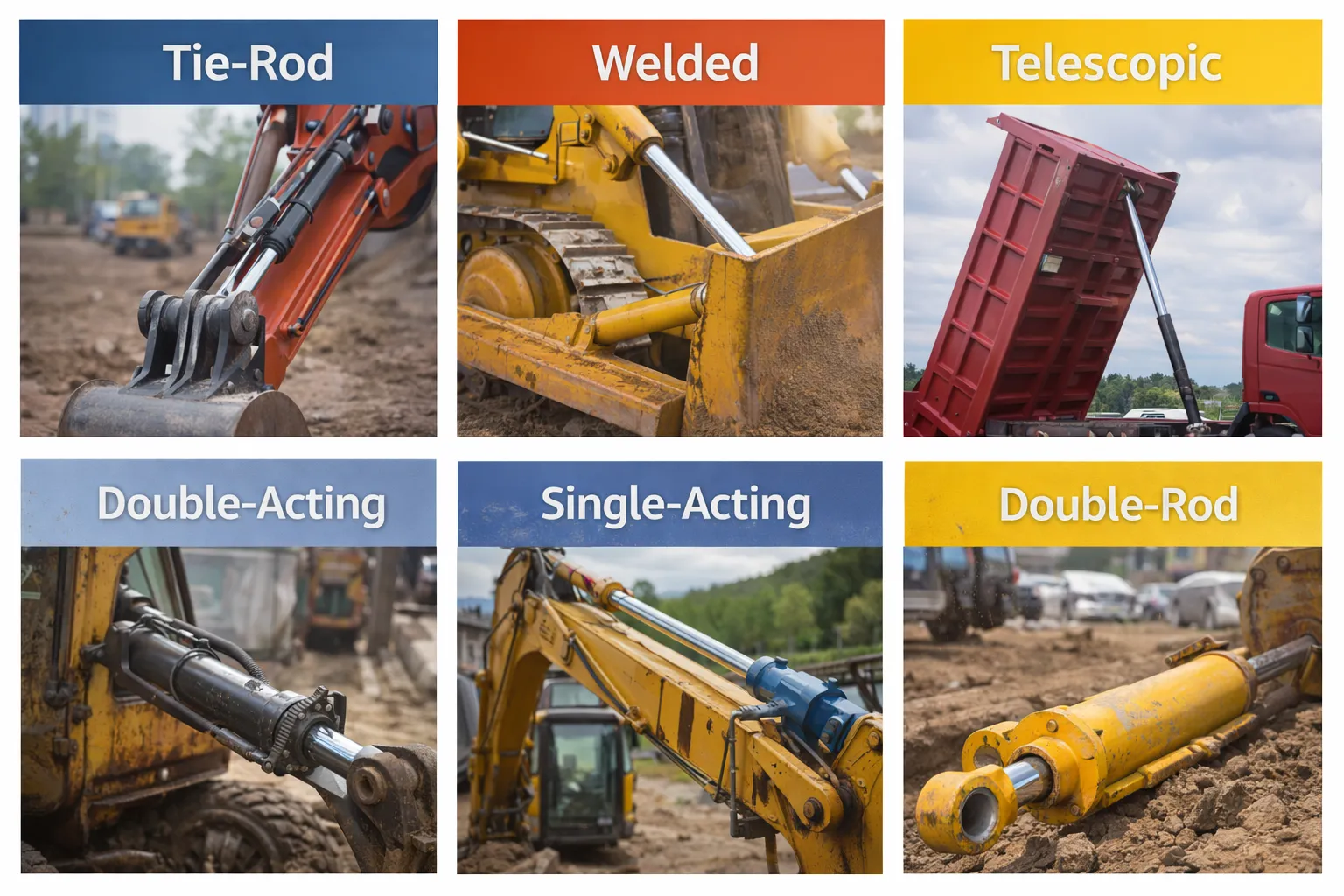
How Stage Count Affects Retracted Length — The Core Relationship
A telescopic cylinder achieves its stroke by nesting multiple tubes (stages) inside each other. When retracted, all stages are nested — the cylinder's length is approximately the length of the outermost barrel plus the overlap regions where the stages nest. When extended, each stage slides out sequentially, and the total stroke is the sum of all individual stage strokes. More stages means more nesting — so the retracted length relative to the total stroke decreases as stage count increases.
| Stages | Approximate Retracted / Extended Ratio | Example: 1,200 mm Stroke | Trade-Off |
|---|---|---|---|
| 2 | ~60–65% | ~720–780 mm retracted | Simplest, fewest seals, lowest cost. Longest retracted. |
| 3 | ~45–50% | ~540–600 mm retracted | Good balance — popular for mini trucks. |
| 4 | ~35–40% | ~420–480 mm retracted | Short retracted, moderate complexity. |
| 5 | ~28–33% | ~340–400 mm retracted | Shortest retracted. Most seals, highest cost. |
Ratios are approximate — actual retracted length depends on bore diameter, overlap length, end cap thickness, and mounting hardware. The engineering team provides the exact retracted length on the drawing.
Measure your available installation space (from the mounting point to the nearest obstruction) and compare against the retracted length in the table above. If a 2-stage cylinder fits, use 2 stages — it is the simplest, cheapest, and most reliable option. Only increase the stage count when the available space demands it. Over-specifying stage count (e.g. using 5 stages when 3 would fit) adds cost and complexity without benefit.
Stage Count Selection — Choose the Fewest That Fit
Each additional stage adds cost (more machining, more seals, more guide rings), complexity (more internal passages, more potential leak paths), and weight. The optimal stage count is the minimum number that fits your available space — not the maximum the factory can produce. This decision framework applies to all hydraulic cylinder applications, not just mini dump trucks.
Available space ≥ 60% of required stroke. Typical on larger mini trucks (5–7.5t) with longer wheelbases, or trucks with short stroke requirements (short dump bodies). The 2-stage is the lowest cost, has the fewest seals (longest service interval), and the simplest internal flow path (fastest tipping speed per unit of pump flow).
Available space is 40–55% of required stroke. This is the most common configuration for mini dump trucks — it provides a practical retracted length for most Kei-class and compact truck wheelbases while keeping cost and complexity moderate. Three stages is the "sweet spot" for most mini truck applications.
Available space is under 40% of required stroke. Necessary for very short wheelbase vehicles (electric utility carts, micro trucks) that need a long stroke in an extremely compact space. Accept the higher cost, more frequent seal maintenance, and slightly slower tipping speed as the price of fitting the cylinder into a space that fewer stages cannot accommodate.
Six Factors That Affect the Actual Retracted Length
The stage-count-to-retracted-length ratios above are approximations. The actual retracted length on the engineering drawing is determined by six additional factors that the factory calculates for each custom cylinder.
Bore diameter
Larger bore = thicker walls = longer end caps = longer retracted length for the same stroke.
Overlap length
Each stage must overlap the next by a minimum distance to maintain guide ring contact. More overlap = more stability but longer retracted length.
End cap thickness
The bottom end cap (port end) and the top end cap (rod seal end) both add to the retracted length. Thicker caps = more pressure margin but longer retracted length.
Mounting hardware
Pin eye, clevis, or cross tube mounting adds length beyond the barrel. Include mounting hardware in the overall installed length calculation.
Port position
Bottom port vs side port affects the overall length. Side ports can reduce the bottom-end length slightly but require lateral clearance for the hose fitting.
Stage stroke distribution
Equal stage strokes are standard, but unequal distribution (longer first stage, shorter inner stages) can optimise the retracted length for specific space constraints.
OEM & ODM — Space-Optimised Cylinder Design
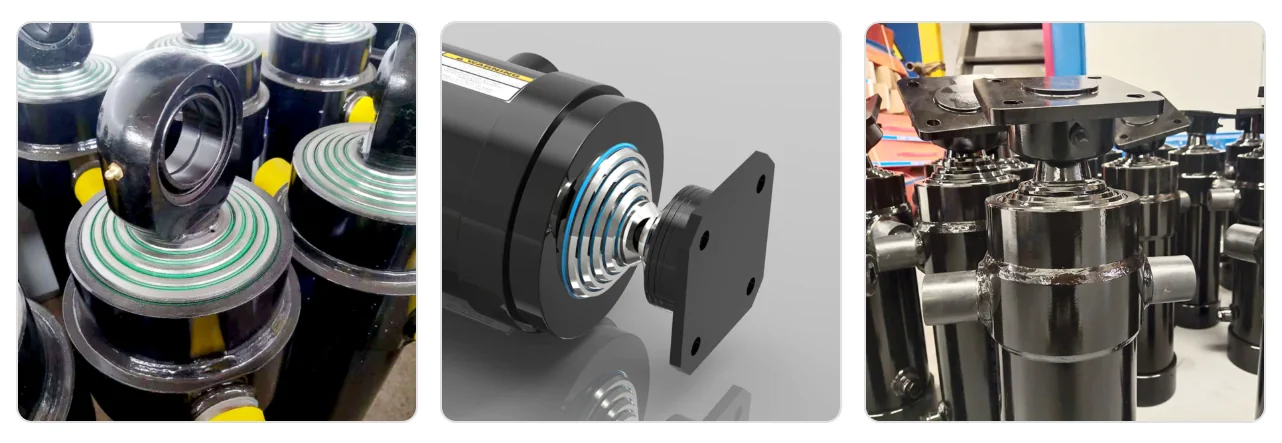
Retracted Length & Stage Count — FAQ
Field Reports
Our Kei-class micro trucks have only 380 mm of available vertical space for the retracted cylinder. Required stroke: 900 mm. Using the ratio table: 2-stage would need ~580 mm (doesn't fit), 3-stage ~430 mm (doesn't fit), 4-stage ~340 mm (fits!). Ordered a 4-stage from Ever-Power — the actual retracted length on the drawing came back at 365 mm including the pin eye mount. Perfect fit with 15 mm clearance. The 4-stage was the minimum stage count that fit — exactly what the selection guide recommends. 20 units, all installed without clearance issues.
Our electric utility dump carts need 600 mm stroke in only 230 mm of retracted space. Even a 5-stage at 28–33% ratio would need ~190–200 mm for 600 mm stroke — very tight. Four stars because it took 2 drawing revisions to optimise the end cap thickness and overlap lengths to hit 228 mm retracted. The Ever-Power engineering team was creative — they used unequal stage strokes (longer first stage, shorter inner stages) to minimise the overlap stacking. The final production cylinders measured 227 mm retracted — 3 mm under the limit. For extreme space constraints, expect the drawing process to take slightly longer as the engineering team optimises every millimetre.
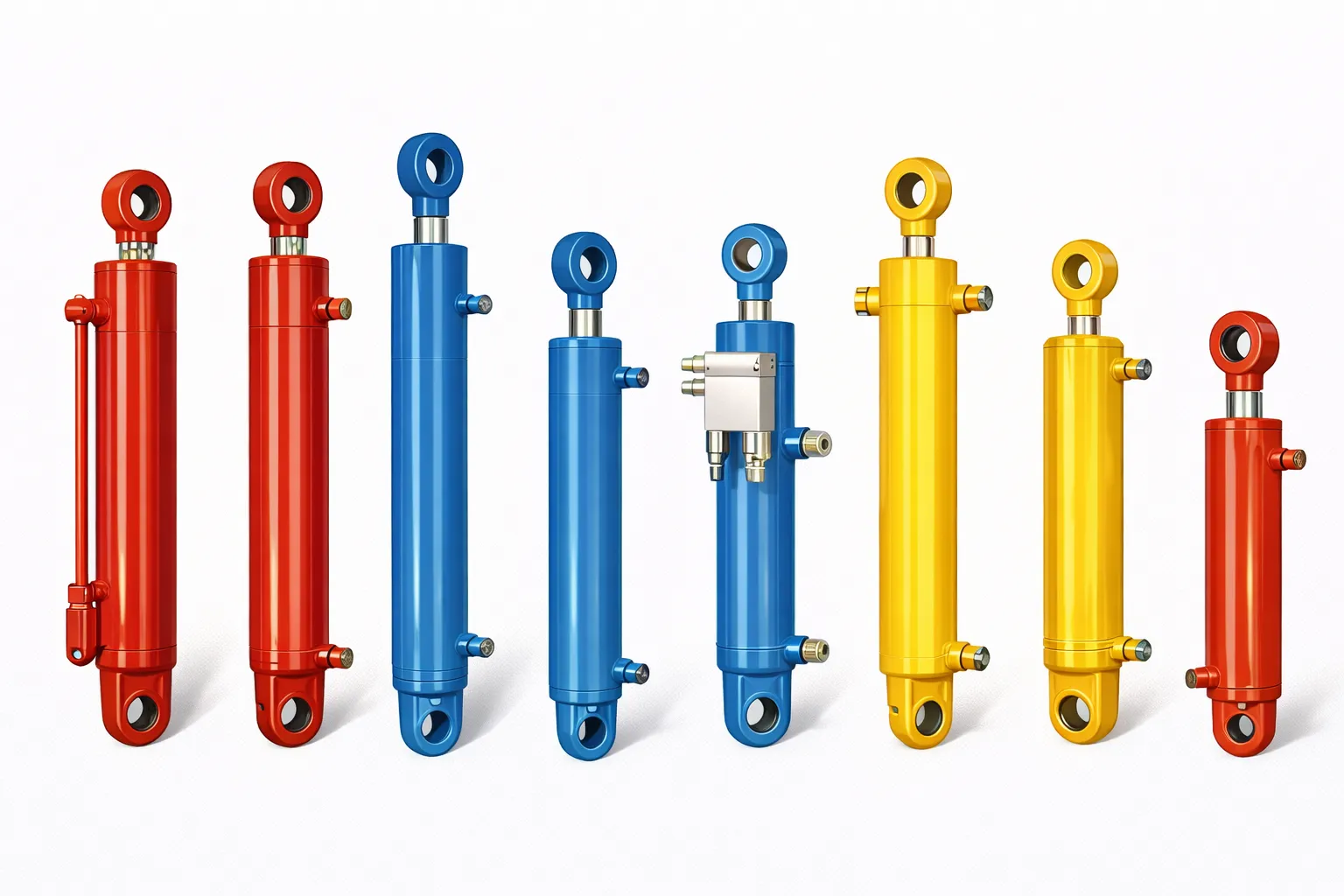
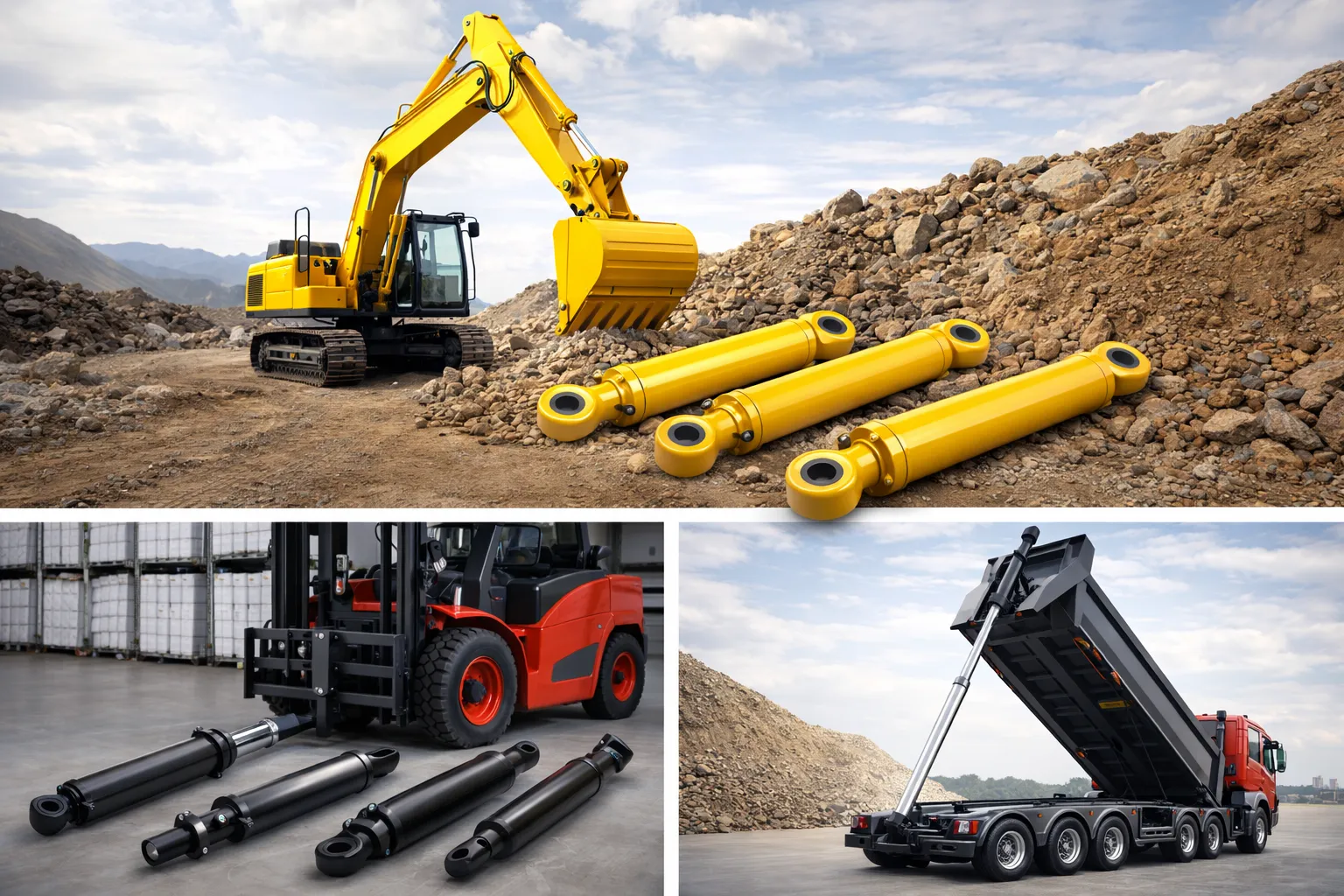
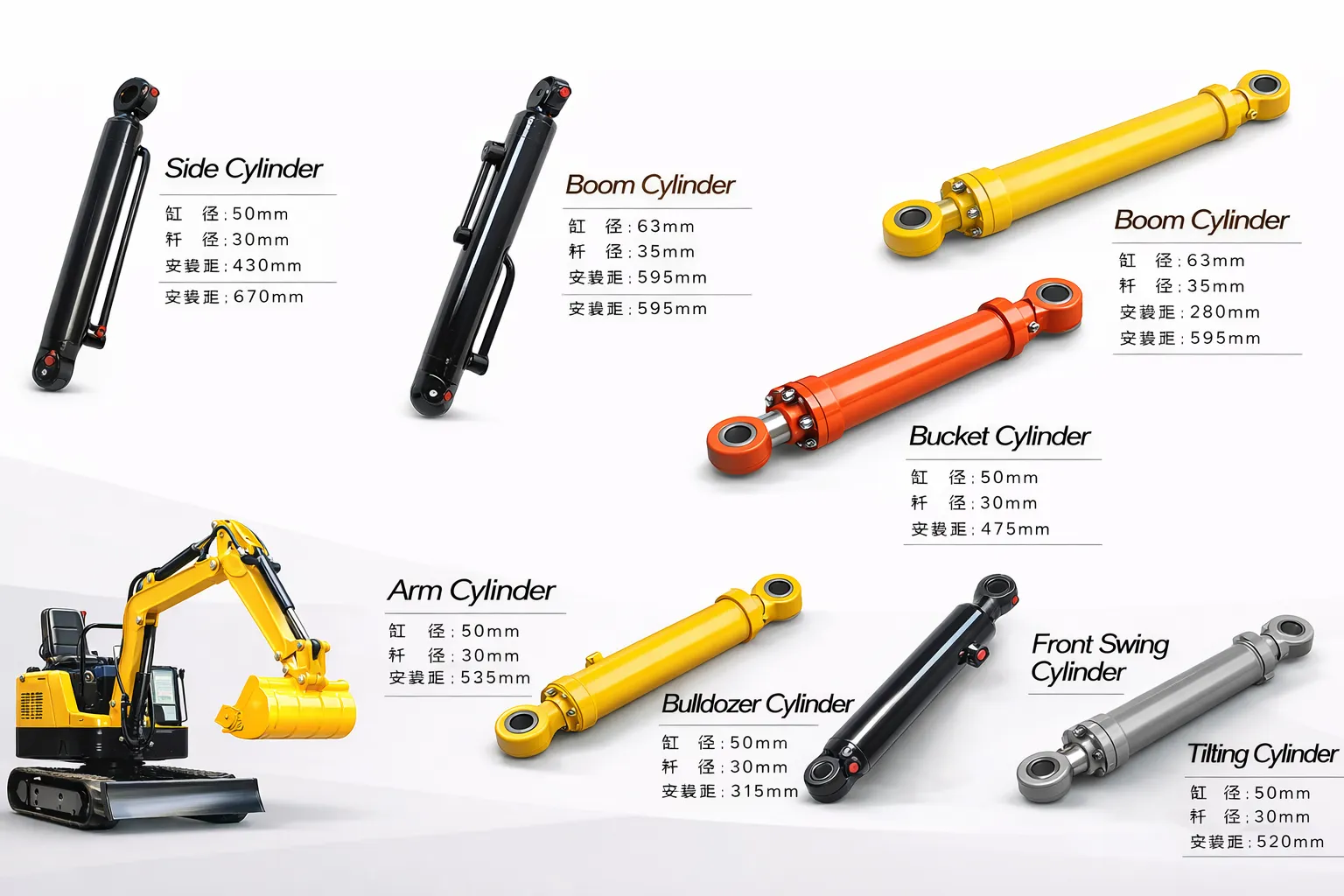
Other Hydraulic Cylinder Categories
Додатне информације
| Editor | Cxm |
|---|
Повезани производи
-
New Arrival Double Acting Dump Truck Telescopic Hydraulic Cylinder For Sale
-

High Quality Small Hydraulic Cylinder Telescopic Hydraulic Cylinder For Dump Truck
-
Factory Direct Sale 2 Stage Small Hydraulic Cylinder
-
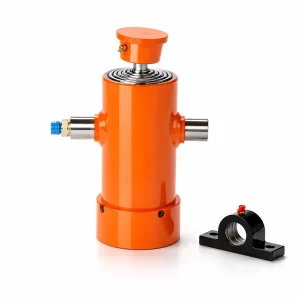
Customized Telescopic Hydraulic Cylinders — Multistage For Dump Trailer
-
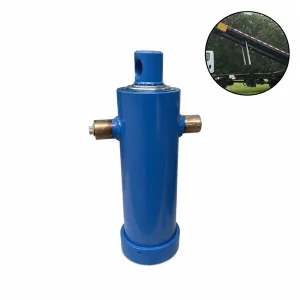
Factory Price Hydraulic Cylinder — Telescopic For Dump Trailer
-
High Quality Double Acting Dump Truck Telescopic Hydraulic Cylinder for Sale
-
Good Quality 2 Stage Hydraulic Cylinder — Telescopic Hydraulic Cylinder For Sale
-
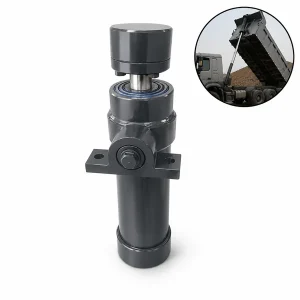
5 Stage Telescopic Dump Truck Hydraulic Cylinder — Maximum Compactness, Steel, Custom Bore 2–6 inch


























