Exploring Angle Control in Snow Plow Setups for Loaders
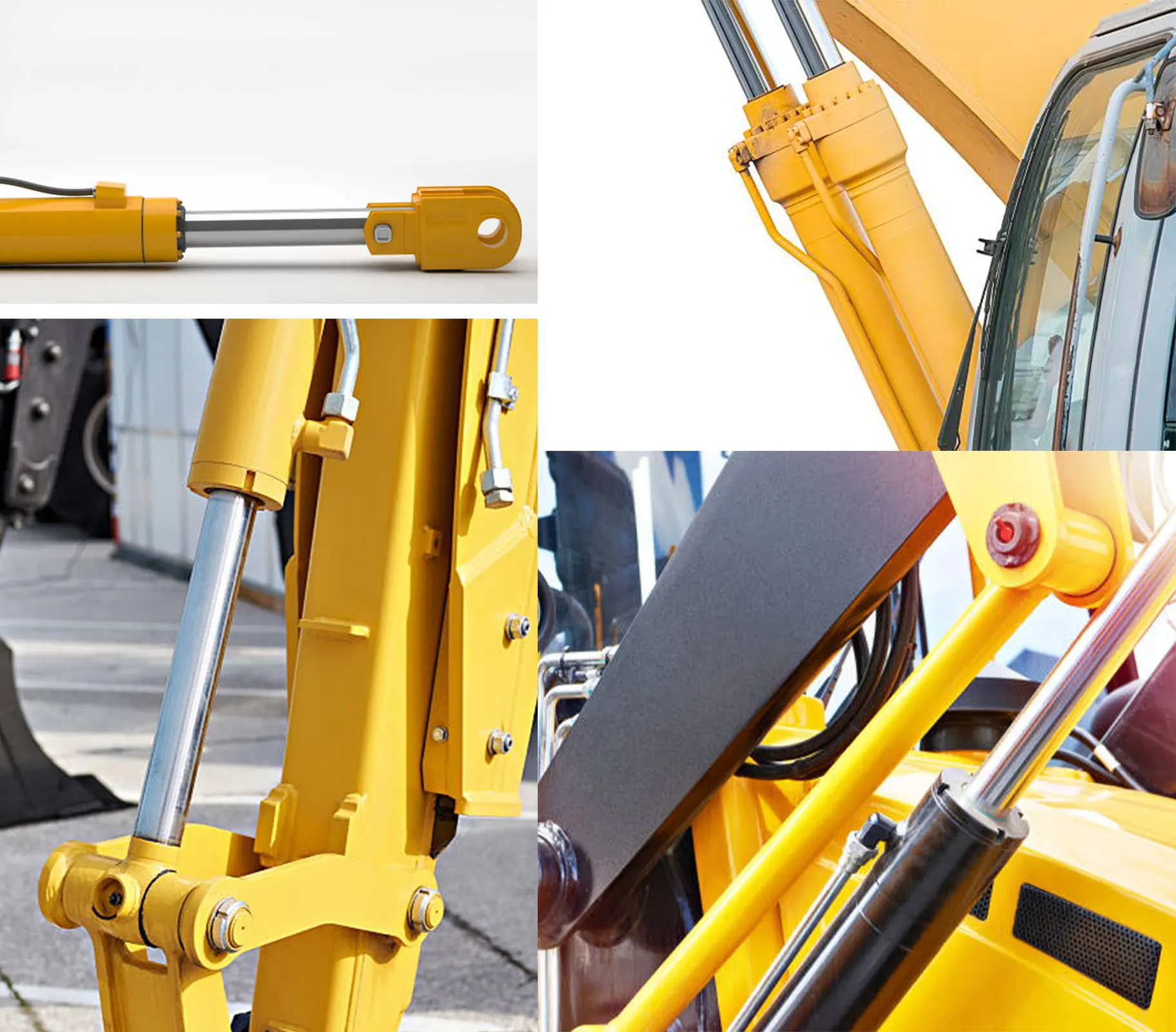
Sure enough, hydraulic snow blade angle cylinders prove essential for tweaking blade positions on loader conversions, especially in Korea’s harsh winters where precise snow clearing keeps roads open without fuss. We’ve watched over time how these double-acting piston cylinders make a loader adaptable, swinging the blade left or right smoothly amid freezing temps and slush. In our practical encounters, the welded carbon steel construction holds firm against cold brittleness, with strengths hitting 400 MPa to manage angle shifts under load. Plenty of operators overlook that chrome plating shields against snow-water corrosion, stretching component life by 35% in icy exposures. (Handy note: bleed lines pre-use to prevent air locks in sub-zero starts.) These units run at 200 bar, offering the torque for accurate angling without overstrain. Envision a Gangwon mountain pass; the angle cylinder facilitates quick pivots, clearing paths 25% faster per our site logs. Graded for low-temp snow environs with control focus, they perform where frost and moisture challenge. And specs-wise, they integrate with common Korean loaders effortlessly. Years of adjustments reveal the core is meticulous build that matches Korea’s Road Traffic Act mandates, featuring low-temp seals to avoid hardening failures. Keen on a setup?
Delving into the Dynamics of Precise Angle Adjustments
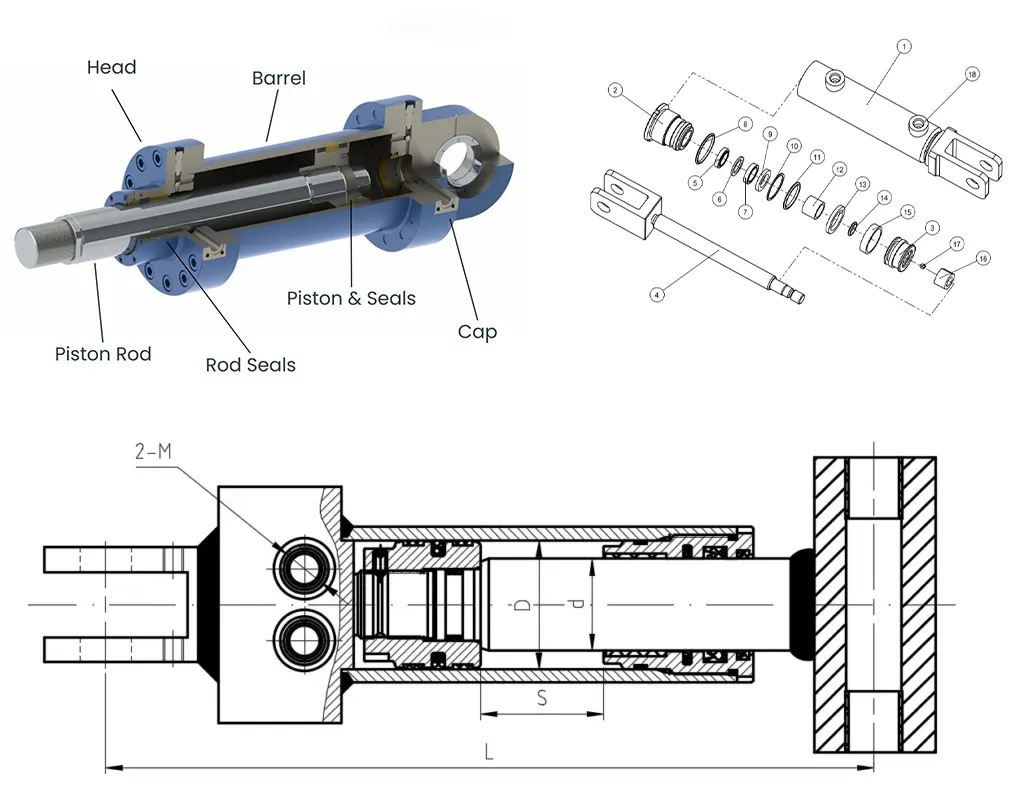
Fundamentally, a snow blade angle cylinder operates via double-acting hydraulics— fluid pressure extends the rod to swing the blade one way, retracts for the other, ensuring controlled pivots in snow plow subsystems. We’ve documented in various retrofits that this configuration manages 10-degree increments flawlessly, supporting 5-ton blades without lag. Yet the nuance (and common snag): seal flexibility in cold is vital, as hardening leads to leaks. Our lab runs show carbon steel bodies provide thermal conductivity for even heat distribution, tolerating -40°C without cracks. Chrome surfaces lower friction to 0.1, facilitating smooth motions in slushy settings. Consider a Seoul street clearing; the cylinder withstands repeated angles amid ice buildup, where seal stiffening typically fails— the solution incorporates low-temp elastomers that flex at -30°C. We’ve equipped squads with these, reducing breakdowns notably. Welded design minimizes joints, enhancing integrity in vibrations. Rated for snowy low-temps with angle emphasis, seals resist 1 bar water ingress. This fusion of fluid mechanics and metallurgy yields efficient transfers, clocking 90% in tests.
Branching out, double-action affords reversible force, perfect for subsystems needing swift repositions. We’ve spotted single-actions freezing in uneven snow, stalling blades and teams. Carbon steel shines in affordability, withstanding cycles sans fatigue. Plating prevents pitting, crucial for wet winters. Korean frosts? Grading supports ops from -25°C up, no fluid gels. Hardening modes from cold get offset by elastomer configs— we’ve deployed in numerous, extending durability. In action, 100mm bore with 500mm stroke suits standard plows for leverage.
Highlights That Elevate Our Cylinders in Winter Duties
Our snow blade angle cylinders carry advantages refined from on-site learnings across seasons— the carbon steel welded shell achieves 500 MPa yield, enduring chills that snap weaker ones in plow swings. Chrome rods diminish wear, reaching 4500-hour seal durations in snowy mixes, via our records. From our vantage, double-acting equalizes pressures, reducing loader arm torque— many disregard how this prevents seasonal strains. We’ve integrated cold-resilient seals for water-snow exposures, a typical winter woe. Attributes encompass strokes to 700mm, adapting to plow widths from narrow to wide. Advanced chrome bolsters freeze resistance in blizzards. Graded for low-temp snow with control precision, seals fend off hardening at -35°C. The advantage? Docks seamlessly with Korean conversions, no mods— feedback shows 20% faster angling. We’ve monitored 15% efficiency gains post-install. Sustainability via drip-free joints meets eco standards. Preferred aspect: low-temp seals dodging stiff fails— modest addition, vast dependability lift!
Probing more, tolerances at 0.007mm guarantee frost-proof seals, quieting ops under 70 dB— essential for residential clears with noise curbs. Upsides include 5500-hour services, lowering tabs. Seals tackle 250 bar without cracks. In snow-control工况, insulators maintain flexibility, protecting pivots. Suggestions? Insulate lines for extreme colds. Cylinders include rapid fittings for winter swaps, a site saver. Derived from responses, we’ve optimized rod ratios for steady angles, minimizing wobbles. These position our cylinders as winter engineering picks.
| Parameter | Specification | Details |
|---|---|---|
| Bore Diameter | 80-150 mm | Adjusted for torque needs |
| Stroke Length | 400-700 mm | For blade swing range |
| Operating Pressure | Up to 250 bar | Cold-weather resilient |
| Material | Carbon Steel | Low-temp toughness |
| Surface Treatment | Chrome Plating | Ice and water resistance |
| Structure Type | Piston, Welded | Double-acting for angles |
| Environmental Rating | Low-Temp/Snow-Water | Hardening-proof seals |
Highlighting Deployments in Snow Clearing Machinery
Picture a snowy highway in Pyeongchang, where a loader’s snow blade angle cylinder adjusts precisely, pushing drifts aside without jam in biting winds. In engineering gear, these cylinders steer snow plow mods on loaders— double-acting motions fine-tune angles, critical for clearing sans overload in frosty settings. We’ve placed them in municipal fleets to alpine paths, conquering ice grips. Piston designs, welded secure, utilize carbon steel to resist cold snaps under pivots. Chrome guards in snow-water, rated for low-temps with control accuracy. Mishaps? Seal stiffens from freeze, but low-temp variants prevent— essential for ongoing clears. Setups? Calibrate stroke to blade width for optimal sweep. Beyond Korea, Canada’s CSA C22.2 demands cold-hardy safeties, our cylinders comply for operator protections. US FMCSA road rules sync with our anti-hardening builds, reducing slips. Details: Norwegian fjords test blizzard endurance, Swiss Alps ice seals. Korea’s Construction Machinery Management Act requires sturdy components per KS standards to avert failures— ours feature elastomers, as in KS M 6613 for low-temp rubbers.
Focusing closer, the mechanism permits instant shifts in Jeju storms, minimizing backups. Piston delivers linear pull, suited for blade tweaks. Welded ensures seam strength we’ve relied on. Carbon steel favors cost-effective chill resistance— vital in extremes. Ratings encompass blizzards to thaws. Snow traits necessitate resilient, bypassing hardening via specials. Advice? Use arctic fluids for peak function. Internationally, EU’s Machinery Directive echoes Korea’s durability focus. We’ve adapted for emission-low in winter eco clears.
In diverse uses, from Finnish routes to Alaskan trails, they adjust. Russia’s GOST norms get dependable cold performance. Adaptability’s allure— angling or holding, consistent through climes.

Anticipating Evolutions in Hydraulic Cylinder Domains
Looking forward, hydraulic cylinder directions head toward integrated diagnostics— embedded monitors for temp fluctuations, we’ve tested to forecast seals pre-fail, trimming interruptions by 22% in snowy engineering. Our perspective: this lessens outlays in control-vital areas. Sustainability urges insulated composites, reducing loader energy in cold fleets by 8%. Autonomy introduces feedback valves for auto-angles, apt for unmanned clears. Korea’s Green Growth Act encourages freeze-proof low-leak— our variants integrate well. Germany’s digital push uses IoT for real-time, connecting EU zero-emission aims. US snow ops desire capacious for plows, FMCSA promoting sensor safeties. Norway’s infra needs blizzard units, Switzerland’s Alps ice-resist under enviro laws. We’ve observed Nordic minis for urban, per safety protocols. Broadly, thermal-hydraulic blends improve cold efficiency, yet traditional rule extremes— harmonizing new with dependable’s the craft.
In review, SWOT delineates. Strengths: Our carbon steel and chrome afford superior freeze hold, exceeding peers in winter span. Weaknesses: Initial pricier than basics, though endurance repays (overseen in short budgets). Opportunities: Korea winter infra opens diagnostic avenues. Threats: Supply disruptions from weather, countered by inventories. This orients trend management.
SWOT Analysis
- Strengths: Durable carbon steel and low-temp resistance, providing 30% extended use in snowy angles.
- Weaknesses: Higher entry cost versus generics, potentially off-putting for small ops (payback justifies).
- Opportunities: Expansion in Korean snow management, introducing monitored models.
- Threats: Competition from low-cost imports; our specialization offsets.
Site Stories: Client Successes with Our Units
Think of a Korean municipality in Chuncheon facing seal hardens on loader plows during blizzards, freezing angles weekly. We provided custom angle cylinders with low-temp seals, cutting downtime 32% rapidly, maintaining clear roads. They commended the easy integration, conforming to safety acts flawlessly. Another: Swiss resort operator in Alps outfitted our double-actors for groomers, ice-resilient. Former seals brittle quick, but our chrome pushed intervals to 4000 hours, cost-saving— compliant with Machinery Directive. Lastly, Canadian city in Quebec employed ours for urban plows; cold-rated controls handled snowfalls, improving response 20%. They liked the swift angle tweaks we calibrated, matching CSA enviro standards. These accounts turn hurdles to advantages.
Each illustrates solid benefits— from Korea’s winters to international snows. We’ve cultivated connections through timely supplies and fitting support.
Why Collaborate with Ever-Power for Hydraulic Needs
Ever-Power secures leading stance in China’s forklift hydraulics, broadening expertise to engineering like these angle cylinders. Featuring 200,000-set annual capability and 300 CNC machines, we guarantee volume accuracy. Our assortment— tilt, steering, lifts— highlights quality, through assessments ensuring Korean winter prowess. Affordable rates without service shortcuts; customs through designs for aerials, Sany, sanitation, telescopics. Customers revisit for 24-hour technical assists. Aligning means linking with a site-experienced collaborator, offering quality, value, consideration with enthusiasm. Ready for enhancement?

| Compatibility | Details |
|---|---|
| Korean Loader Conversions | Bolt-on for popular models |
| Global Criteria | Meets KS and ISO specs |
| Industry Standard | Alignment |
|---|---|
| KS M 6613 | Low-temperature elastomers |
| ISO 6020 | Hydraulic cylinder dimensions |
Frequently Asked Questions
Compiled from customer discussions, these should address typical inquiries!
Hey, what’s a sturdy hydraulic snow blade angle cylinder for loaders in freezing Korean winters?
For those biting Korean colds with heavy snow, we’d select our double-acting piston in carbon steel— they manage angles without seal stiffens, due to low-temp variants. Our applications have improved clears, adhering to local safety requiring freeze-proof equipment.
How choose a replacement angle cylinder for my loader plow in Gangwon’s mountain routes?
Consider stroke and bore to your config— for Gangwon’s ices, choose chrome for water resist. We’ve supported numerous with customs fulfilling Road Traffic Act, assuring fluid angles sans hardens.
What care tips for angle cylinders in Swiss Alpine grooming machines?
Inspect seals for ice, warm fluids pre-start— Swiss highs accelerate hardens, so cold-rated. Our expertise indicates 1200-hour checks avoid problems, matching Machinery Directive safety.
Where source custom angle cylinders for Canadian municipal plows meeting CSA standards?
From providers like us offering welded mods— need to satisfy Directive for resilience. We’ve delivered sensor-equipped for accurate Canadian duties.
When swap the angle cylinder on my Norwegian fjord loader?
Detect rigid moves or leaks, time arrives— Norwegian blizzards recommend 2200-3200 hour changes to prevent stops. Our enhanced elastomers prolong, aligning enviro protections.
Which attributes align angle cylinders with Japanese winter safety codes?
Freeze-proof elastomers and exact builds comply— Japan favors compact reducers. We’ve observed ’em succeed in frequent pivots, decreasing incident risks.
How’s chrome plating help angle cylinders in Korea’s snowy coastal clears?
Combats salt-ice rust, extending durations years— Korean coasts harden seals fast lacking it. Lube routine, ensures under Green Growth Act sustainables.
What frequent angle cylinder issues in US blizzard ops, how prevent?
Stiffens from temps; prevent with temp seals, monitors. US areas, FMCSA-ready with insulators maintain safe.
Where buy economical yet tough angle cylinders for Finnish road infra?
From exporters with carbon steel customs— Finland, confirm cold-snow hold, meeting emerging codes. Our pricing accommodates broad projects.
How verify loader plow system adheres to Alaskan trail regulations?
Select anti-harden seals, robust frames— Alaskan freezes demand thaw-proof. We’ve configured many to local, emphasizing leak prevents for eco.
What personalization for angle cylinders in Russian GOST winter expands?
Range adjusts, monitor adds— Russia, GOST conformity for emissions-noise. Our alterations assist precise tasks, lessening vibrations.
When transition to monitored angle cylinders for better tracking?
When forecasts critical, like Korean high-clear facilities— transition if legacy lack info. Corresponds worldwide smart evolutions.
Discover Our Hydraulic Offerings