Ash Hopper Discharging Cylinder for Baghouse
Engineered specifically to conquer highly abrasive particulate environments and aggressive corrosive flue gases. Featuring an advanced wear-resistant sealing matrix and a physical protective dust cover to guarantee continuous, zero-leakage environmental protection operations.
Operational Overview and Environmental Significance
In the highly regulated and mechanically intense realm of modern metallurgical processing, environmental protection and air quality control are absolute operational mandates. The industrial bag filter, commonly referred to as a baghouse dust collector, serves as the primary line of defense against atmospheric pollution. These colossal filtration structures are designed to meticulously strip thousands of tons of hazardous particulate matter, abrasive sinter dust, and acidic fumes from blast furnace exhaust, sintering plant emissions, and electric arc furnace flue gases. Beneath these massive filtration networks lie the collection hoppers, which gather the dense, heavy, and highly abrasive fallout. Periodically, these hoppers must be purged to maintain system equilibrium. The critical mechanical gate that releases this concentrated, toxic payload onto the removal conveyors is actuated exclusively by the ash hopper discharging cylinder. If this critical fluid power prime mover hesitates, binds, or fails to create an airtight vacuum seal upon closing, the hopper will rapidly overfill. This causes the abrasive ash to bridge and entirely collapse the airflow dynamics of the dust removal system, leading to forced plant shutdowns and severe environmental compliance penalties from regulatory agencies.
The working environment situated directly beneath a metallurgical bag filter is exceptionally hostile to standard mechanical equipment. The ash hopper discharging hydraulic cylinder is perpetually subjected to a devastating combination of microscopic, razor-sharp iron ore fines and highly concentrated corrosive gases. As hot flue gases containing sulfur dioxide cool within the hopper, they frequently condense to form highly corrosive sulfuric acid vapors. When generic, off-the-shelf commercial fluid power components are installed in this aggressive zone, they suffer immediate and catastrophic degradation. The abrasive dust completely overwhelms standard rubber rod wipers, aggressively scoring the chrome rod and acting as a destructive lapping compound against the primary pressure seals. Concurrently, the corrosive gases attack the exposed steel, causing rapid surface pitting. This relentless assault leads directly to the most common failure mode in baghouse automation: severe seal wear resulting in massive hydraulic fluid leaks. Maintenance directors are intimately familiar with the grueling, hazardous cycle of continuously fixing hydraulic cylinders while suspended under a toxic ash hopper just to keep the facility operational.
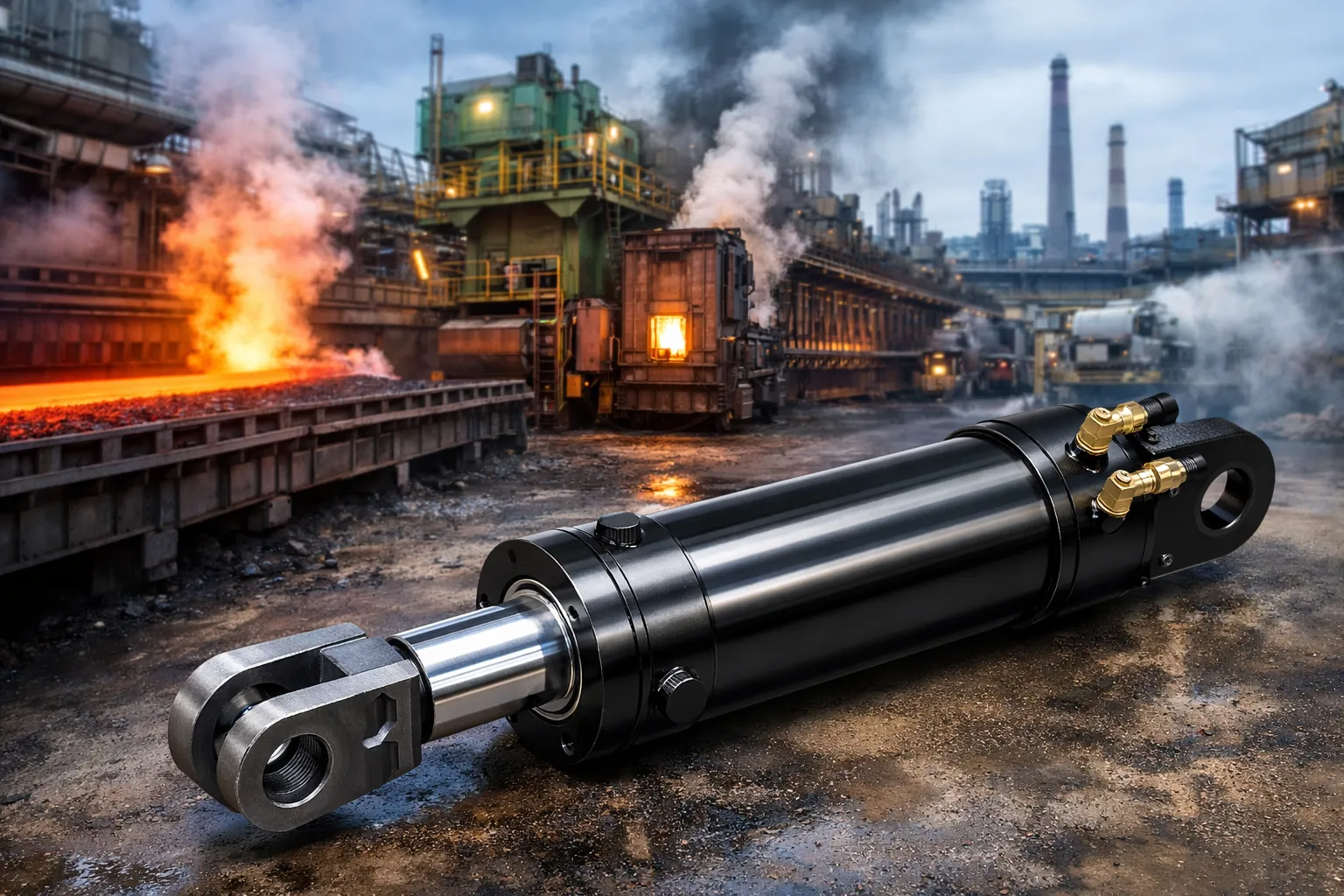
Operating as an elite, globally recognized hydraulic cylinder manufacturer with decades of applied metallurgical engineering expertise, we have meticulously designed a specialized solution to permanently eradicate these inherent vulnerabilities. Our heavy-duty hydraulic cylinder is engineered with an impenetrable, multi-layered defense architecture. By integrating a specialized mechanical dust cover, deploying a highly advanced wear-resistant sealing matrix, and housing the entire assembly within an unyielding Q345D welded structure, we completely block external contaminants and neutralize acid vapor attacks. For plant reliability engineers across East Asia, South Korea, and Japan seeking to optimize their environmental control infrastructure, upgrading your discharge valves to our engineered solutions offers an unparalleled increase in continuous machinery uptime. This absolute reliability ensures that your initial hydraulic cylinder price investment is rapidly offset by the total elimination of emergency repair labor, the preservation of expensive filter bags, and the avoidance of costly environmental downtime.
Comprehensive Technical Specifications
Achieving flawless mechanical synchronization and absolute sealing precision within a heavy baghouse discharge system requires strict adherence to precise dimensional and material specifications. Our dedicated engineering design division collaborates directly with your environmental maintenance team to customize every single actuator, meticulously matching your specific valve linkage geometry, required breakout force, and unique corrosive exposure levels. The comprehensive technical table below outlines the foundational engineering specifications and highly specialized material configurations of our premium unloading units, optimized strictly for the metallurgical dust control sector.
| Engineering Specification | Data Range & Technical Configuration Matrix |
|---|---|
| Target Industrial Sector | Metallurgical and Iron Industry |
| Equipment Category | Dust Removal / Environmental Protection – Baghouse Dust Collector |
| Subsystem & Action | Ash Hopper Valve Opening and Closing |
| Product Nomenclature | Ash Hopper Discharging Cylinder |
| Hydraulic Action Principle | Double acting hydraulic cylinder (Active bi-directional thrust) |
| Core Structure Type | Heavy-Duty Piston Cylinder Design |
| Manufacturing Assembly | Deep-Penetration Welded Construction (100% UT Inspected) |
| Primary Material System | Q345D High-Strength Low-Alloy Structural Steel |
| Rod Surface Treatment | Precision Hard Chrome Plated (Thickness: 30-50µm, Hardness > HRC60) |
| Environmental Grade Rating | Severe Abrasive Dust + Acidic Corrosive Gases |
| Targeted Failure Mode Prevented | Premature Seal Wear, Rod Scoring, and Internal Fluid Bypass |
| Expert Recommended Configuration | Wear-Resistant Sealing Matrix + Physical Protective Dust Cover |
Fluid Dynamic Mechanics and Working Principle
A complete, engineering-level understanding of the internal fluid pressure dynamics and linear force vectors generated within the ash hopper discharging hydraulic cylinder is essential for optimizing plant automation and guaranteeing continuous dust extraction. In a metallurgical bag filter environment, relying on a basic single acting hydraulic cylinder equipped with a mechanical return spring is fundamentally flawed and physically dangerous. Accumulated metallurgical ash is rarely dry and loose; it frequently absorbs ambient moisture, curing into dense, hardened blocks that physically jam the discharge valves. To break through this solidified ash and force the heavy steel valve open, immense, active fluid power is required in both the extension and retraction strokes. Therefore, a robust double acting hydraulic cylinder is an absolute operational necessity.
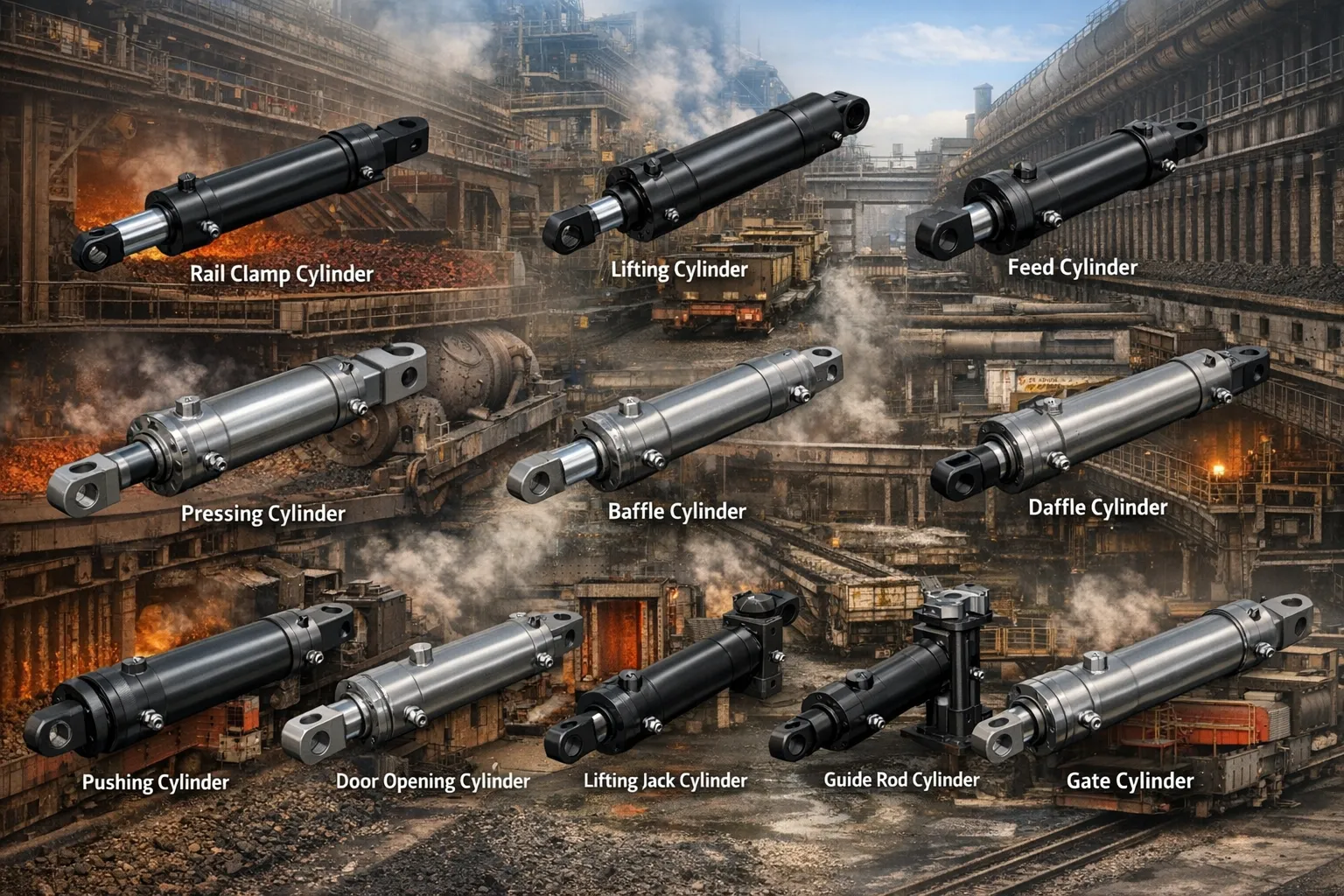
During the automated discharge sequence, the bag filter’s central hydraulic power unit channels highly pressurized fluid into the cap end (the blind base chamber) of the heavy-wall Q345D steel barrel. This incompressible fluid exerts thousands of pounds of hydrostatic pressure uniformly across the large face of the internal hydraulic cylinder piston. This stored fluid energy is instantaneously converted into a massive linear thrust, driving the chrome-plated rod outward. This relentless force cleanly breaks any hardened ash seals and pushes the heavy slide gate fully open, allowing the captured particulate to free-fall onto the sealed removal conveyor. Our exceptionally tight CNC machining tolerances ensure that this extension is perfectly smooth, entirely preventing lateral valve binding which could warp the rod over time.
Once the designated unloading timer completes, the control logic smoothly reverses the fluid flow. High-pressure oil is rapidly routed into the rod-end annular chamber, actively pulling the massive valve assembly closed and securely sealing the hopper. It is precisely during this rapid retraction stroke that our engineering superiority proves its ultimate worth. The specialized external dust cover collapses synchronously with the rod, guaranteeing that no abrasive ash particles can ever touch the chrome surface or enter the gland. This mechanical isolation ensures that the primary internal pressure seals remain in a perpetually clean environment, allowing the hydraulic rams to perform millions of high-stress discharge cycles without suffering from particulate-induced seal shredding. Furthermore, the active hydraulic holding force guarantees a perfect vacuum seal, preventing ambient air from compromising the filter’s negative pressure dynamics.
Seamless Cross-Brand Integration and Retrofitting
When a critical bag filter hopper valve becomes stuck due to a failing actuator, the metallurgical plant suffers immediate environmental compliance risks and subsequent production bottlenecks. Tolerating agonizing, multi-month lead times to import standard Original Equipment Manufacturer (OEM) replacement parts from Europe, North America, or Japan is a disastrous scenario for plant profitability. Our dedicated fluid power engineering division has meticulously mapped, reverse-engineered, and optimized the precise dimensional footprints, trunnion mounting geometries, and fluid port alignments of the heavy industry’s most recognizable fluid power brands. We specialize in manufacturing 100% structurally compatible, direct drop-in replacement units for systems originally supplied by industry giants such as Bosch Rexroth, Parker Hannifin, SMC, Festo, and Eaton Vickers.
Technical Fitment Disclaimer: We independently design, manufacture, and internationally supply heavily upgraded fluid power solutions for industrial environmental machinery. The explicit mention of OEM trademarks is provided strictly for the operational convenience of plant maintenance engineers to facilitate rapid dimensional cross-referencing and fitment validation. We operate autonomously as a specialized independent manufacturing entity and hold no formal affiliation, sponsorship, or endorsement from these respective trademark owners.
By carefully analyzing your existing hydraulic schematics or physically evaluating your degraded core unit, our fluid power experts verify the exact trunnion measurements, rod threading, and maximum system operating pressures. This highly structured, disciplined methodology transforms the chaotic stress of a severe hydraulic cylinder repair into a rapid, highly predictable, and permanent maintenance upgrade. Selecting our heavy-duty drop-in replacements massively reduces your procurement timeline and greatly optimizes your overall hydraulic cylinder price expenditure. By ending the continuous consumption of fragile spare parts, you effectively bypass expensive OEM markups while securing vastly superior hydraulic cylinder components engineered specifically for your exact working environment.
Core Engineering Superiority and Technical Advantages
What genuinely differentiates a true metallurgical-grade ash hopper discharging cylinder from a standard commercial unit pulled off a generic distributor’s shelf? The core distinction lies in the uncompromising application of advanced material science, physical contamination barriers, and a deep, practical understanding of hopper dust behavior. Here are the foundational technical advantages engineered directly into our actuators:
I. Total Dust Exclusion via Integrated Protective Boot
The absolute primary cause of failure on a bag filter actuator is microscopic abrasive dust bypassing the gland wipers. We entirely neutralize this threat by equipping the cylinder with an integrated, heavy-duty flexible dust boot (bellows). This high-temperature, tear-resistant barrier permanently encompasses the extended rod, physically sealing it off from the ambient atmosphere. The rod extends and retracts within a pristine, sealed envelope, ensuring abrasive particles can never contact the chrome surface or reach the primary internal seals.
II. Extreme Wear-Resistant Sealing Matrix
To combat the relentless high-frequency cycling required for continuous dust discharge, we deploy a proprietary composite sealing matrix utilizing heavily reinforced PTFE (Teflon) guide bands and high-grade polyurethane step seals. This specific tribological combination provides exceptional resistance to physical extrusion under high crushing pressures while maintaining an ultra-low dynamic friction coefficient, completely eliminating internal seal wear and ensuring perfectly smooth valve operation over millions of strokes.
III. Unyielding Q345D Welded Steel Architecture
Forcing a heavy steel valve through solidified, compacted ash generates immense reactive shockwaves and heavy lateral vibrations. Standard tie-rod cylinders easily stretch, warp, or fracture under these massive breakaway stresses. Our design strictly utilizes Q345D high-strength low-alloy structural steel with deep-penetration welded construction. This massive structural integrity prevents barrel ballooning under intense fluid pressure, ensuring the internal piston maintains perfect concentricity during the most aggressive shearing strikes.
IV. Corrosion-Resistant Hard Chrome Plating
Flue gases frequently mix with ambient moisture to create highly corrosive sulfurous and nitrous acids that quickly pit standard steel. We protect the high-strength piston rod with an exceptionally thick, micro-crack-free hard chrome plating process. This ultra-smooth, glass-like metallic surface actively resists acidic pitting and high-temperature oxidation, preventing rust from shredding the gland seals from the inside out in the event of minor gas exposure.
V. Comprehensive Fatigue Life Optimization
The strict environmental compliance schedule of a metallurgical plant dictates relentless dust discharge, 24 hours a day. We execute all load-bearing structural welds using automated robotic submerged arc welding (SAW) systems. Subsequent localized thermal stress-relieving procedures entirely eliminate any brittle heat-affected zones near the heavy trunnion and clevis mounts, granting the structural chassis a virtually unlimited fatigue life under continuous shock loading.
Autonomous Manufacturing and Quality Control
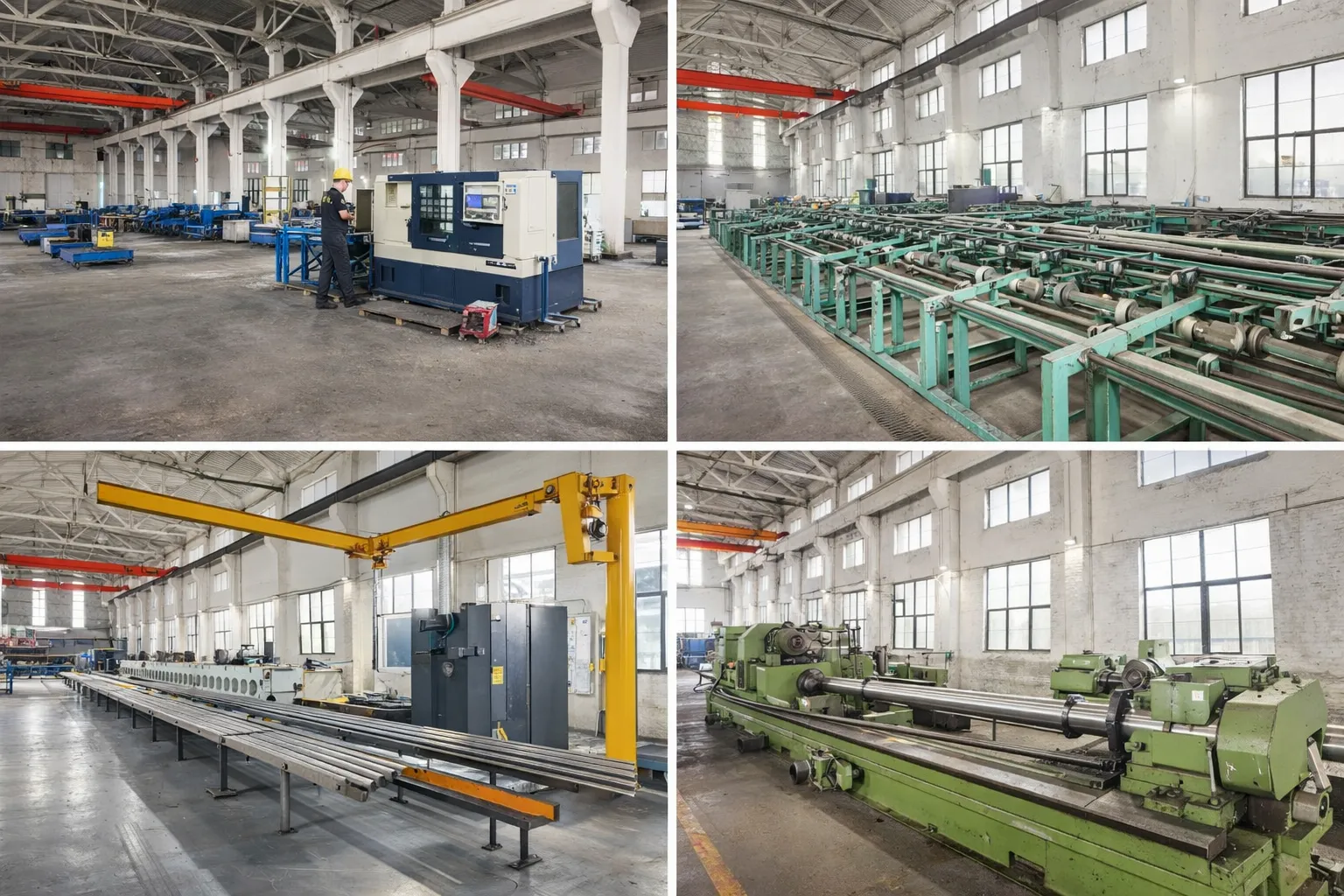
Sustained industrial reliability on a critical environmental control system must be intelligently engineered into a product from the raw material level; it cannot simply be randomly inspected at the end of an assembly line. Operating as a deeply capable, vertically integrated manufacturer, we maintain absolute, uncompromising sovereignty over our entire manufacturing pipeline. We resolutely refuse to utilize outsourced assembly or unregulated third-party machine shops, ensuring that every batch of hydraulic parts deployed to your bag house meets our exacting, world-class metallurgical mandates.
Our rigorous production sequence initiates with advanced ultrasonic testing (UT) on all incoming Q345D steel tubes to verify the complete absence of microscopic lamination defects or internal material voids. The heavy-duty barrels then proceed through specialized CNC deep-hole boring, skiving, and heavy roller burnishing. This precision internal finishing highly compresses the metallic grain structure, producing a flawless bore surface roughness of Ra 0.2 to 0.4 µm. This internal mirror-like finish ensures the heavy-duty seals encounter virtually zero dynamic sliding friction, entirely preventing localized heat generation and premature wear.
Our factory quality assurance protocols are absolute. Prior to receiving its final protective industrial epoxy paint coat and dust boot installation, every single completed cylinder is securely bolted to our computerized testing benches. We subject the actuators to exhaustive full-stroke high-velocity cycling to purge aerated fluid, followed by a punishing static hydrostatic hold test at 150% of the maximum rated system pressure. High-resolution digital telemetry ensures absolutely zero internal fluid bypass or external weeping. After successful certification, each unit is permanently laser-etched with a serialized identifier, guaranteeing lifetime engineering traceability for all replacement components.
Versatile Cross-Industry Engineering Applications
While this specific structural architecture is intensively heavy-duty and heavily optimized to defeat the abrasive and corrosive horrors of the bag filter ash hopper, the foundational engineering principles—absolute dust exclusion, extreme structural rigidity, and zero-leakage precision—render these specialized fluid power units highly effective across multiple severe-duty B2B sectors globally.
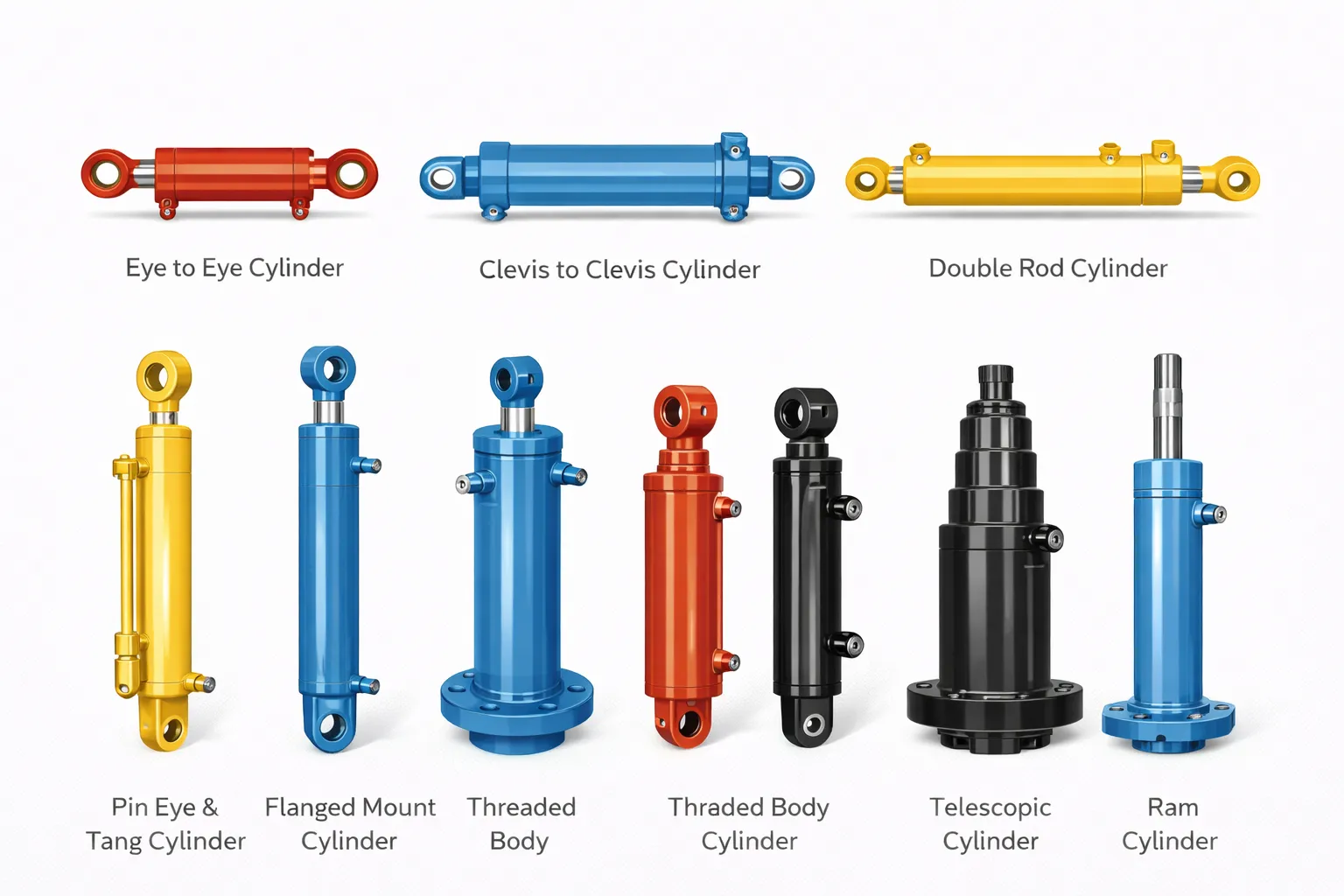
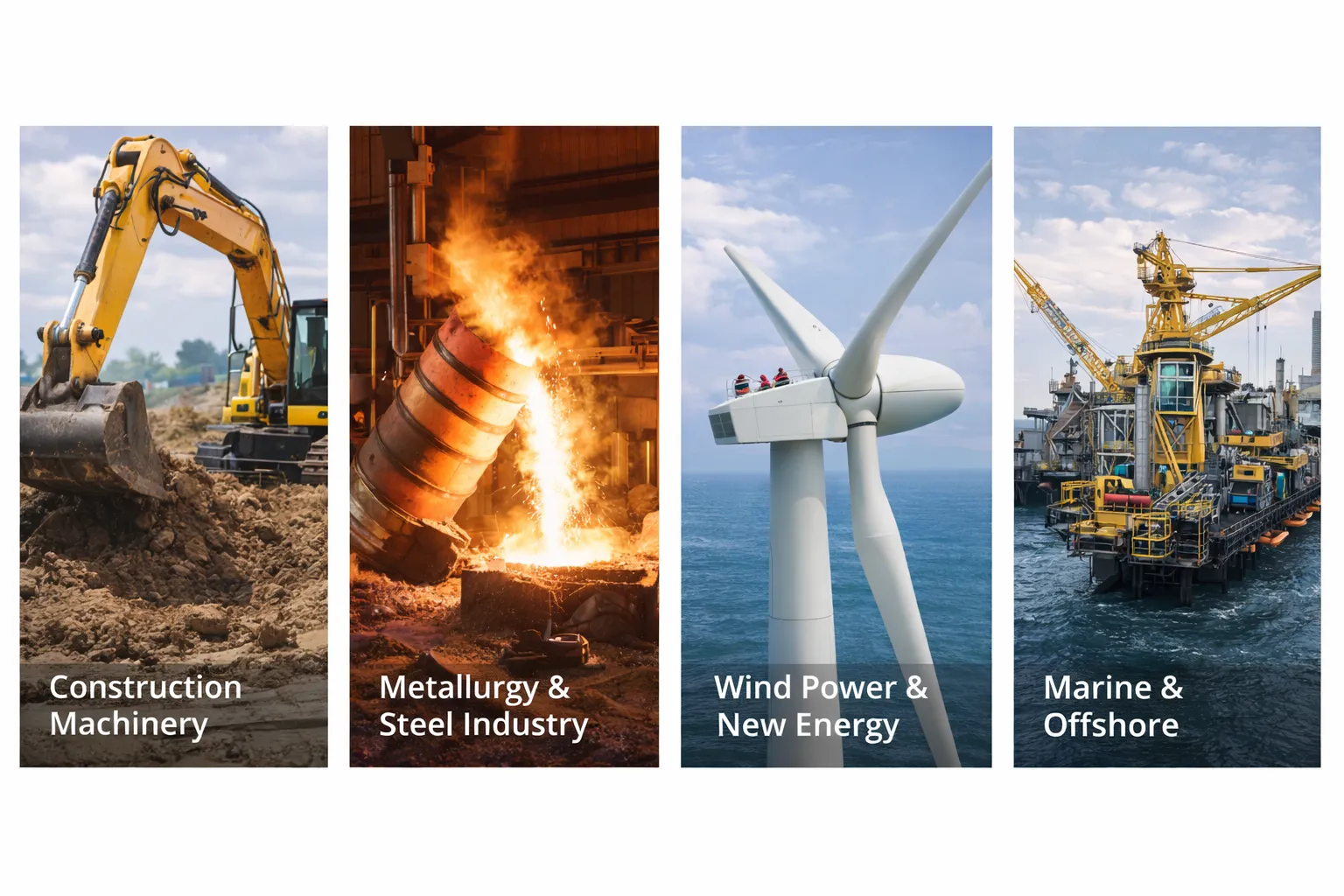
- Metallurgical and Iron Industry: Powering dust collection systems on basic oxygen furnaces, massive sintering machine exhaust lines, and continuous casting plant bag houses operating under extreme heat.
- Mining and Bulk Material Handling: Providing relentless linear thrust for dust extraction valves above subterranean primary jaw crushers, heavy apron feeders, and automated stacker-reclaimer transfer points operating in atmospheres completely choked with abrasive ore dust.
- Construction Machinery Industry: Serving as the indestructible discharge muscle for cement plant storage silos, concrete batching plant hoppers, and asphalt mixing plant dust collectors subject to extreme particulate loading.
- Power Generation and Incineration: Operating massive fly-ash handling valves in coal-fired power plants and municipal waste incinerators where highly corrosive, toxic flue gases are present.
- Heavy Material Handling: Serving as the primary lift cylinder for heavy industrial scissor lift tables and bulk powder processing equipment operating in harsh, dusty chemical environments.
Economic Comparative Analysis: Standard vs. Specialized
Evaluating the true Total Cost of Ownership (TCO) for an environmental protection system requires looking far beyond the initial procurement sheet. Opting for the lowest commercial hydraulic cylinder price is a massive mathematical error when that unit suffers catastrophic seal failure within three months due to dust ingress, shutting down a multi-million dollar smelting line. This comparative table explicitly demonstrates why our specialized, dust-resistant actuators massively outperform generic alternatives in real-world scenarios.
| Evaluation Metric | Standard Commercial Cylinder | Our Ash Hopper Discharging Cylinder |
|---|---|---|
| Abrasive Dust Exclusion | Single soft rubber wiper (Easily breached by microscopic PM2.5 dust) | Integrated physical dust boot completely isolates the rod |
| Seal Wear Resistance | Standard NBR O-rings (Shredded rapidly by particulate contamination) | High-grade Polyurethane + PTFE composite matrix (Extreme durability) |
| Corrosive Gas Defense | Standard Chrome (Micro-cracks allow acidic vapors to pit the steel rod) | Micro-crack-free, ultra-thick chrome plating resists acidic attack |
| Structural Barrel Rigidity | Standard Tie-Rod (Vulnerable to deflection when crushing hardened ash) | Heavy-Duty Q345D Welded Steel Architecture (Ultimate yield strength) |
| Overall Lifecycle ROI | Low initial cost, but incurs massive secondary plant shutdown penalties | Exceptional long-term ROI through sustained environmental compliance |
Verified Production Success: Real-World Case Studies
Our rigorous, abrasive-optimized fluid power solutions are actively protecting the continuous production schedules of major metallurgical complexes globally. Here are five detailed instances outlining how our specialized heavy engineering decisively solved critical operational bottlenecks for prominent B2B clients, notably within the advanced manufacturing hubs of South Korea and East Asia.
Case 1: Eradicating Seal Failure in Pohang, South Korea
Client Profile & Location: A tier-one integrated steel manufacturing facility operating massive blast furnace bag houses, located in the heavy industrial sector of Pohang. (Project Date: November 2024)
The Operational Challenge: The facility faced a continuous crisis with their primary dust collectors. Highly abrasive iron dust was bypassing the standard rod wipers, acting like liquid sandpaper inside the barrel, and totally shredding the internal seals every three months, causing severe hydraulic leaks and forcing environmental compliance shutdowns.
How We Connected: The head of environmental reliability actively searched online for an expert manufacturer specializing in abrasive dust resistance and submitted an urgent technical RFQ via our portal.
The Engineered Result: We custom-engineered and delivered specialized ash hopper discharging hydraulic cylinder units featuring our integrated external dust boots and wear-resistant sealing matrix. Fluid leakage immediately dropped to absolute zero, extending their maintenance interval past 24 months of continuous operation.
“The dust exclusion capability is incredible. We installed the upgraded units during a brief weekend plant shutdown, and the oil has remained completely free of particulate contamination. A genuinely exceptional engineering partner.” — Mr. Lee S.M., Lead Reliability Engineer
Case 2: Overcoming Acidic Pitting in Gwangyang, South Korea
Client Profile & Location: A high-output sintering plant managing a highly corrosive exhaust filtration system, situated in Gwangyang. (Project Date: February 2025)
The Operational Challenge: The flue gases in the sintering hopper contained high levels of sulfur dioxide which mixed with moisture to form sulfuric acid. This acid was rapidly pitting the standard commercial chrome rods, creating sharp craters that ripped the gland seals apart on retraction, leading to endless fixing hydraulic cylinders routines.
How We Connected: They were referred to our technical sales team by a partnered mill maintenance manager heavily familiar with our corrosion-resistant plating technologies.
The Engineered Result: We deployed our heavy-duty cylinders equipped with micro-crack-free, high-thickness hard chrome plating, shielded entirely by our specialized bellows. The rod surfaces successfully repelled the acidic attack, remaining completely pristine and ending the catastrophic seal destruction cycle entirely.
“The acidic pitting was destroying our maintenance budget. The advanced chrome plating and protective covers on these new units completely solved the corrosion issue. A highly profitable upgrade that stabilized our environmental quota.” — Park K.T., Chief Maintenance Supervisor
Case 3: Cost-Effective OEM Modernization in Incheon, South Korea
Client Profile & Location: A massive cement and bulk material terminal operating heavy silo dust collectors based in Incheon. (Project Date: May 2025)
The Operational Challenge: The facility was facing an agonizing 20-week lead time and exorbitant markups to import standard European replacement cylinders for their primary ash discharge valves, severely threatening their port loading schedule and air quality limits.
How We Connected: They contacted our engineering desk directly through our website after heavily analyzing our dimensional reverse-engineering and rapid manufacturing capabilities.
The Engineered Result: Working strictly from their exact dimensional CAD data, we manufactured a 100% structurally compatible drop-in replacement delivered within just 30 days, saving the terminal over 35% in direct procurement costs while heavily upgrading the dust seals.
“Flawless trunnion alignment and exceptional heavy-duty machining. It dropped right into our equipment mounts without a single modification required. They are our absolute primary source for high-quality replacements now.” — Kim M.H., Sourcing Director
Case 4: Eliminating Ash Jams in Ulsan, South Korea
Client Profile & Location: A major petrochemical plant operating a hazardous waste incinerator with strict bag filter controls, located in Ulsan. (Project Date: August 2025)
The Operational Challenge: The toxic ash in the hopper frequently absorbed moisture and hardened into solid blocks. Their generic single-acting, spring-return cylinders completely lacked the pushing force to crush through the blockages, resulting in constant hopper jams and manual cleanouts.
How We Connected: They submitted a highly detailed technical inquiry via our contact page after searching for specialized, high-force actuators for hopper applications.
The Engineered Result: We supplied customized double acting hydraulic cylinder units featuring a massive Q345D welded architecture. The active hydraulic force in both directions effortlessly crushed the hardened ash, maintaining absolute valve clearance and stopping the manual cleanouts permanently.
“The crushing power of the double-acting stroke is unmatched. The hopper jams have completely vanished, and our operators are much safer. A remarkably effective and permanent solution to our biggest process bottleneck.” — Choi Y.S., Operations Supervisor
Case 5: Resolving Valve Binding in Kaohsiung, Taiwan
Client Profile & Location: A large-scale automated bulk material handling and heavy logistics terminal operating in Kaohsiung. (Project Date: October 2025)
The Operational Challenge: The immense weight of compacted, damp bulk ash resting on the discharge valve plates was causing standard tie-rod cylinders to stretch and deflect laterally. This structural bowing forced the internal piston to bind against the barrel wall, causing the valves to stall midway through the dump cycle.
How We Connected: They submitted a highly detailed technical inquiry via our contact page after searching for specialized, ultra-rigid welded cylinder designs to replace standard tie-rods.
The Engineered Result: We supplied customized units featuring our immensely rigid Q345D welded architecture. The heavy-wall barrel completely absorbed the eccentric loads, maintaining absolute concentricity and stopping the internal binding permanently.
“The precision and breakout strength of these units are unmatched. The tie-rod stretching has completely vanished, and our automated ash dumping is finally reliable. A remarkably effective upgrade.” — Lin Wei, Operations Supervisor
Executive B2B Procurement FAQ
We strongly believe in complete technical transparency to support the rigorous engineering validation and procurement processes of large-scale manufacturing plants. Below are detailed answers to the most common inquiries we receive regarding abrasive resistance, technical integration, and international supply logistics.
1. What is the standard manufacturing lead time for custom cylinders exported to South Korea?
2. How exactly does the integrated dust boot attach to the cylinder without tearing?
3. Can you engineer precise replacements for obsolete or undocumented bag filter valves?
4. Why is a double-acting cylinder necessary instead of a cheaper single-acting one?
5. Do you provide factory-matched abrasive-resistant spare seal kits?
6. How do you maintain a highly competitive hydraulic cylinder price for such specialized equipment?
7. Can the cylinders operate with fire-resistant hydraulic fluids?
Stop Abrasive Dust from Destroying Your Cylinders Today
Do not allow inferior, commercially generic cylinders to dictate your plant’s environmental compliance and consume your maintenance budget with constant seal replacements. Partner directly with a deeply experienced, globally trusted engineering manufacturer to decisively secure your machinery’s operational uptime. Provide our fluid power experts with your precise technical parameters, stroke lengths, and operating pressures today, and we will supply a comprehensive structural engineering proposal and a highly competitive quotation.
Editor: Cxm