Console Lift Cylinder for Urban Rail Vehicles
Eliminate interior cab leakage and achieve microscopic ergonomic adjustment precision with our advanced low-friction sealing technology, engineered strictly for modern transit networks.
Product Overview: Precision Ergonomics in Rail Transit
The continuous operational safety of an urban rail vehicle relies heavily on the physiological comfort and situational awareness of the train operator. Driving a light rail car or a high-capacity subway train across complex metropolitan grids demands intense visual concentration and rapid physical reaction times over long shifts. This biological reality makes the ergonomic configuration of the driver cab a critical engineering priority. The primary interface between the human operator and the train network is the main control console, which houses the braking mechanisms, acceleration throttles, and diagnostic displays. Because transit operators vary significantly in physical stature, arm reach, and seating posture, the ability to vertically adjust this massive control desk is absolutely mandatory. This essential vertical mobility is smoothly powered by a highly specialized console lift cylinder hidden beneath the floorboards.
Unlike heavy earth-moving machinery or agricultural equipment that utilize fluid power to smash through rock, the lift mechanism inside a driver cab operates within an entirely different physical profile. The operational condition is categorized strictly as a light load lifting adjustment. However, the requirement for mechanical exactness is incredibly high. A standard, off-the-shelf commercial hydraulic cylinder typically fails in this highly specific interior application due to two primary engineering flaws. First, generic units suffer from severe stick-slip—a jerky, unpredictable stuttering movement caused by high-friction rubber seals gripping the internal barrel. This renders fine-tuning the desk height practically impossible for the driver. Second, and far more dangerously, standard commercial cylinders carry an unacceptable risk of fluid leakage inside the climate-controlled cabin environment. Leakage is the most prevalent and disruptive typical failure mode in this sector. Escaping fluid creates a severe slipping hazard on the floor and can quickly short-circuit the sensitive electronic communication wiring routed directly beneath the control desk.
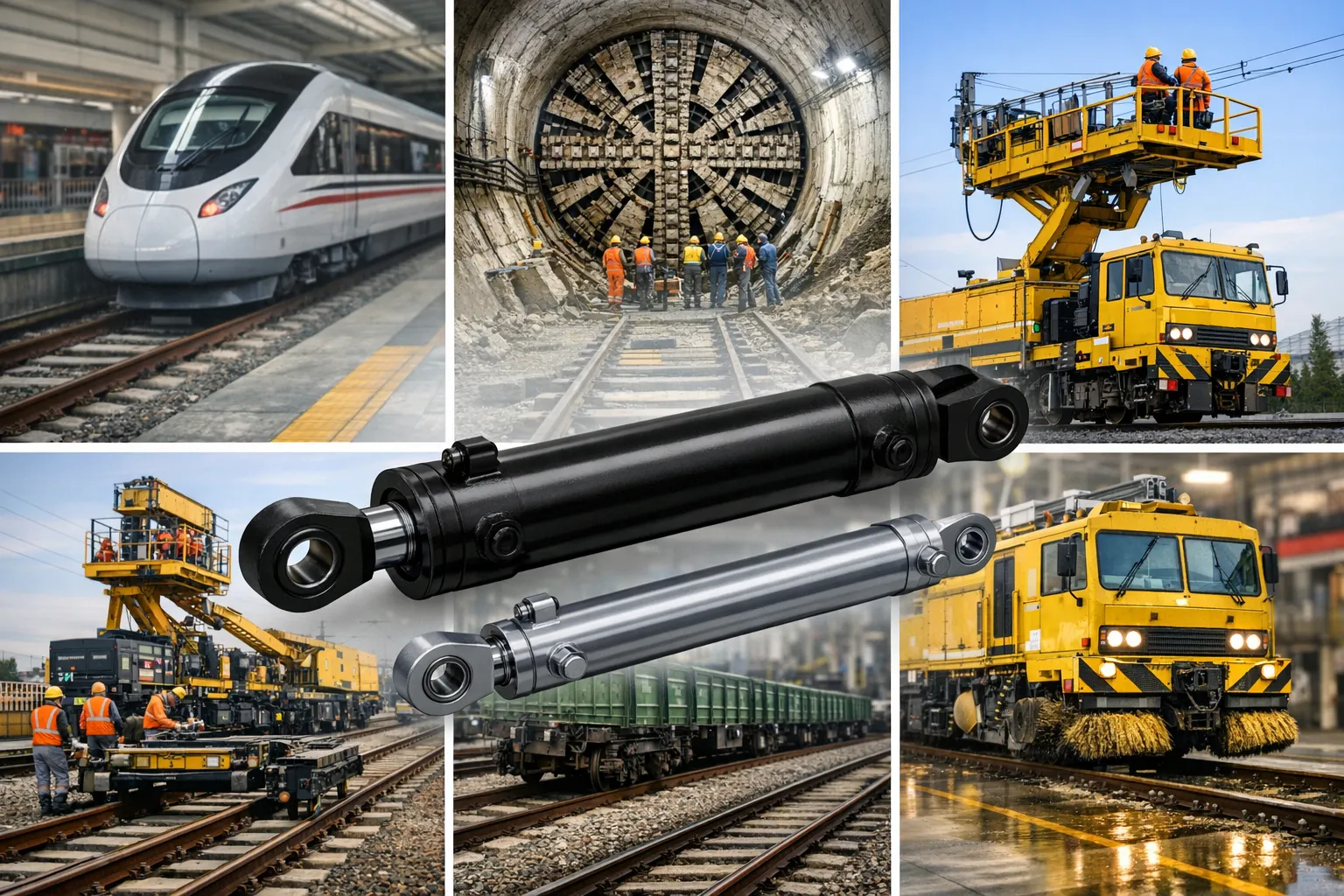
Our proprietary console lift hydraulic cylinder is engineered precisely to eradicate these persistent industry defects from the ground up. By integrating an advanced low-friction seal matrix, we have entirely removed the jerky stick-slip effect, allowing for microscopic, ultra-smooth elevation changes that feel completely premium and effortless to the operator. Furthermore, our strict zero-leakage manufacturing protocols guarantee that the cab interior remains completely dry, clean, and safe throughout the vehicle’s service life. As a dedicated, vertically integrated hydraulic cylinder manufacturer, we deliver a component that optimizes your long-term hydraulic cylinder price by drastically reducing maintenance intervals, minimizing vehicle downtime, and extending the functional lifespan of the entire cab subsystem.
Technical Parameters & Configuration Specifications
Selecting the correct console lift cylinder requires a strict adherence to rail industry dimensional standards, weight capacities, and material safety regulations. The parameters detailed in the following engineering matrix represent the baseline capabilities of our actuators. We utilize a highly dependable carbon steel welded architecture, prioritizing absolute structural rigidity while maintaining a compact physical footprint suitable for tight driver cab enclosures.
| Engineering Parameter | Standard Specifications & Customization Baseline |
|---|---|
| Target Industry | Rail transit |
| Equipment Category | Urban rail vehicle |
| Subsystem / Specific Action | Driver cab lifting |
| Component Nomenclature | Console lift cylinder |
| Action Method | Double acting |
| Internal Structure Type | Piston cylinder |
| Manufacturing Structure | Welded assembly |
| Core Material System | Carbon steel |
| Rod Surface Treatment | Chrome plated |
| Environmental Grade | Light load |
| Primary Working Condition | Lifting adjustment |
| Typical Failure Mode | Leakage |
| Recommended Configuration | Low friction seal matrix |
Kinematic Working Principle
The reliable, predictable operation of our console lift hydraulic cylinder is deeply rooted in controlled, low-pressure fluid dynamics. To achieve the delicate lift adjustment required for an expensive electronic control dashboard, the system utilizes a mathematically precise double acting hydraulic cylinder design. Many vehicle engineers mistakenly attempt to specify a basic single acting hydraulic cylinder for this application, assuming they can rely on the weight of the console itself to push the fluid out and retract the rod. However, relying on gravity when handling lightweight, friction-bound electronic consoles is a fundamental error. It leads to an unpredictable, jerky descent, especially if the internal sliding friction of the console guide rails changes due to temperature variations. Our double-acting system actively controls fluid flow in both extension and retraction directions, ensuring absolute kinematic control at all times.
When the train operator presses the ergonomic elevation button, a compact internal power unit quietly directs filtered hydraulic fluid into the cap end of the welded carbon steel barrel. This incompressible fluid exerts a steady pressure against the internal hydraulic cylinder piston. Due to the ultra-smooth, deeply honed finish of the inner barrel wall and our proprietary low friction seal matrix, the chrome-plated rod extends upwards with perfect linearity, entirely devoid of shuddering. This elevates the heavy dashboard smoothly to the desired ergonomic eye-level.
For retraction, the directional control valves seamlessly reverse the flow, introducing fluid into the rod end while carefully metering the fluid exiting the cap end. This controlled fluid evacuation ensures a soft, actively dampened descent. By trapping a precise volume of fluid on both sides of the piston when the directional valves close, the hydraulic rams hydraulically lock the dashboard rigidly in place. This guarantees that during emergency braking, rapid acceleration, or aggressive track switching, the console does not collapse, bounce, or shift, maintaining absolute safety and preventing premature fatigue wear on other connected hydraulic parts.
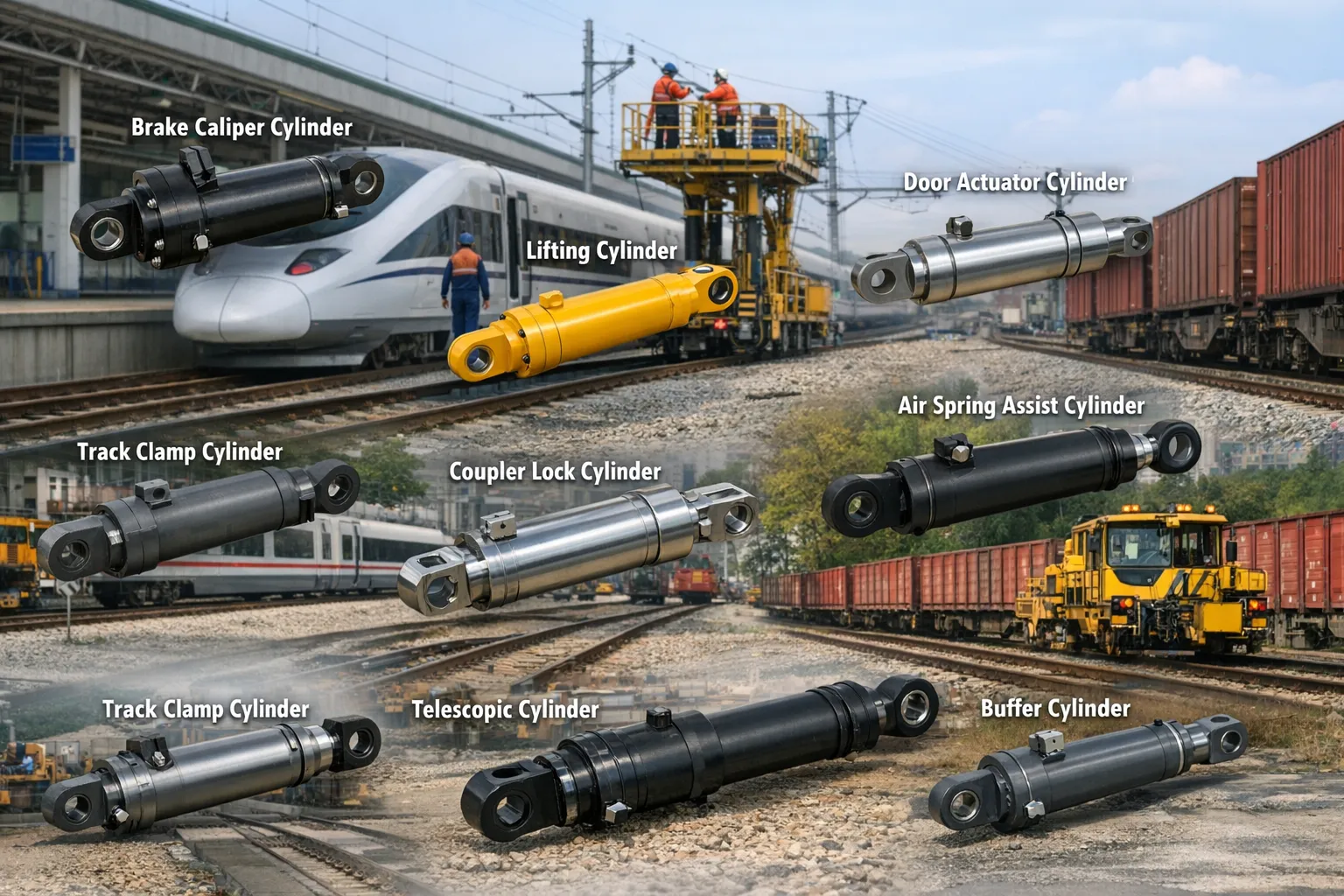
Direct Form-Fit Replacement & Brand Cross-Reference
Urban rail transit fleet modernization programs and mid-life overhauls require replacement components that integrate immediately without modifying the existing cab floor chassis or the control desk structures. Our engineering division has meticulously reverse-engineered the spatial envelopes, mounting pin dimensions, and fluid port configurations of the most common standard actuators utilized in global rail networks today.
Our console lift cylinder is specifically calibrated to serve as a direct, drop-in mechanical replacement for equivalent light load adjustment cylinders historically manufactured by global fluid power entities such as Parker Hannifin, SMC Corporation, Bosch Rexroth, and Festo. (Legal notation: The specific corporate brand names mentioned here are strictly utilized for the purpose of technical cross-referencing and dimensional compatibility matching for transit engineers. We operate as a fully independent manufacturing entity and assert zero affiliation with the respective trademark holders.)
By utilizing our specialized replacement solutions, rail procurement officers and depot maintenance managers can effectively bypass extended OEM supply chain delays. You can drastically optimize the total hydraulic cylinder price without compromising on the strict structural and ergonomic standards required for driver safety, while simultaneously upgrading the internal sealing technology to prevent future fluid leaks entirely.
Core Technical Advantages of Our Console Lift Architecture
Mass-produced standard pneumatic or industrial fluid power cylinders are fundamentally inadequate for the refined, sensitive environment of a modern passenger train cab. Our console lift hydraulic cylinder integrates multiple specialized engineering advancements designed specifically to resolve the chronic issues of fluid leakage and erratic movement.
-
1. Advanced Low Friction Seal Technology
Standard NBR elastomer seals create high static friction against the barrel wall. When the internal pump engages, fluid pressure builds until it suddenly overcomes this static friction, causing the console to violently jump. We deploy a proprietary low friction seal matrix utilizing PTFE (Polytetrafluoroethylene) bronze-filled composites. This formulation nearly completely eliminates the gap between static and kinetic friction, allowing the dashboard to glide upward smoothly. Simultaneously, it establishes an impenetrable barrier that directly combats the primary failure mode, guaranteeing absolute zero leakage into the driver’s cabin.
-
2. Precision Carbon Steel Welded Structure
While the operational state is a light load, the continuous, multi-directional vibration of an urban rail vehicle moving at high speeds requires substantial structural integrity from all cab components. We utilize high-grade carbon steel combined with automated continuous-seam welding techniques. This rigid architecture absolutely prevents microscopic flex or ballooning in the cylinder body, which is a common root cause of premature seal fatigue and subsequent fluid leakage in inferior, mass-produced lift cylinder models.
-
3. Environmental Chrome Plating for Enclosed Spaces
Train cabs experience rapid temperature fluctuations, combining daytime air conditioning with nighttime heating. This creates severe condensation micro-climates inside the dark, unventilated console housing. The hydraulic cylinder piston rod is treated with a specialized hard chrome plated process. This creates a highly uniform, non-porous defensive layer that completely resists oxidation and atmospheric moisture rust. It ensures the rod remains perfectly smooth and never acts as sandpaper against the primary wiper seals over decades of continuous use.
-
4. Micro-Positioning Valving Integration
Our units can be pre-configured with integrated, micro-metering counterbalance valves directly machined into the base end caps. This drastically reduces the need for external plumbing hoses, eliminating multiple potential fluid leak points. It provides the driver with the ability to adjust the console height within a single millimeter tolerance, achieving true ergonomic perfection.
-
5. Acoustic Dampening Design
Train operators require a strictly quiet environment to monitor radio communications and audible track warning signals. By optimizing fluid channel geometry within the end caps and utilizing internal mechanical cushioning, we have engineered a system that operates with virtually zero fluid hiss or mechanical clanking during end-of-stroke impact, preserving the vital acoustic comfort of the cab.
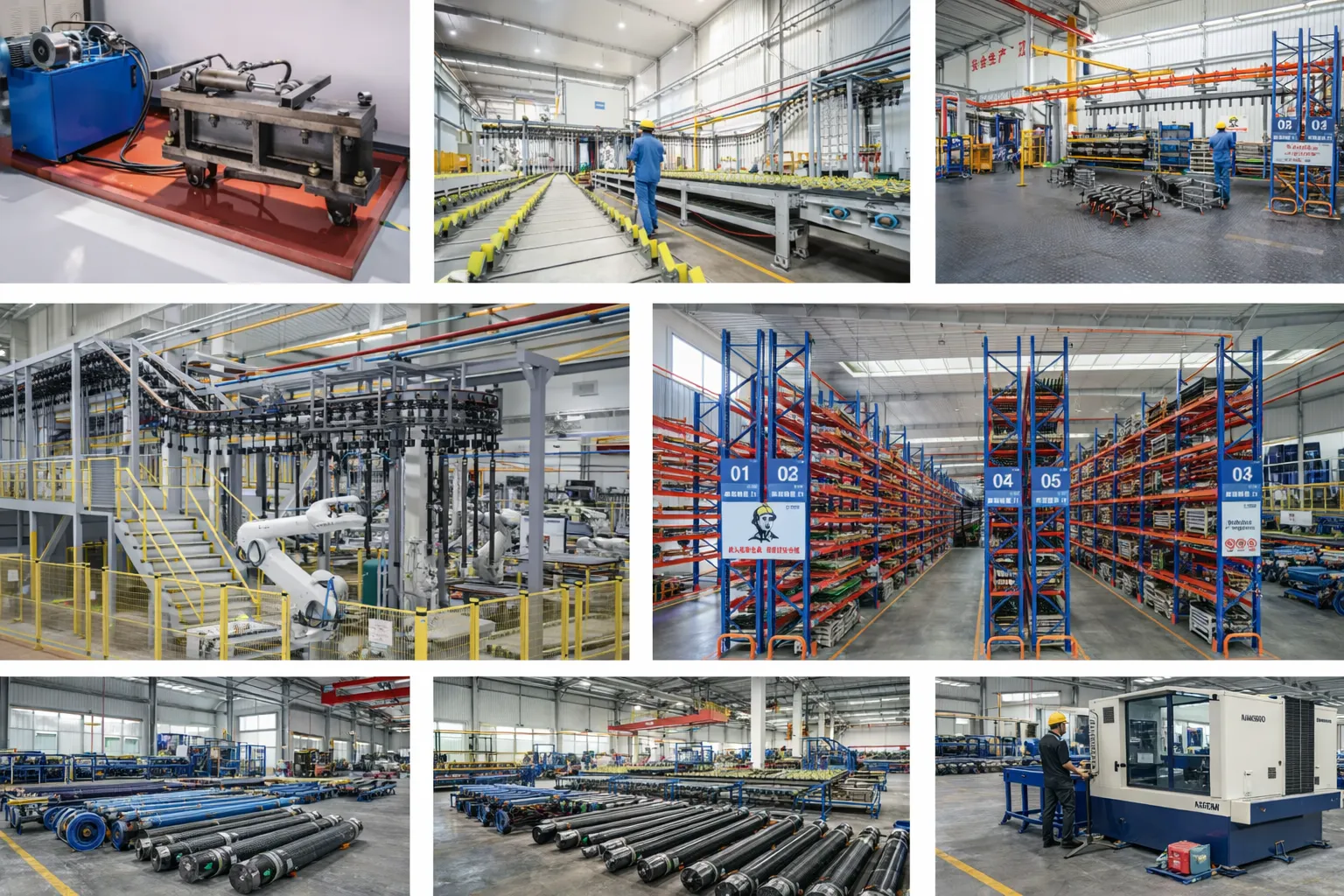
Rigorous Manufacturing & Zero-Defect Quality Control
Producing a fluid power component that guarantees zero leakage in an enclosed passenger vehicle demands extreme manufacturing discipline. All hydraulic cylinder components for our transit sector clients are processed entirely within our vertically integrated, climate-controlled facility. We do not outsource critical pressure-retaining assemblies to third parties. The inner diameter of the carbon steel barrel undergoes high-precision deep-hole boring and a subsequent skiving and roller-burnishing process to achieve an ultra-fine surface roughness. This internal mirror finish is the absolute physical foundation of our low friction seal performance.
Furthermore, final component assembly is conducted in positive-pressure clean zones to entirely prevent microscopic airborne dust or metallic shavings from contaminating the internal pathways. Every single console lift cylinder is then subjected to 100% computerized factory testing. We execute rigorous cycle testing to verify frictionless movement, followed by sustained, static over-pressure holds to guarantee absolute sealing integrity. Total metallurgical and dimensional traceability is permanently logged against the individual unit’s serial number, ensuring unparalleled accountability. This meticulous, autonomous manufacturing process significantly reduces the frequency of necessary hydraulic cylinder repair deployments in the field.
Expanding Ergonomic Control Across Industries
The technological breakthrough of achieving smooth, zero-leakage micro-adjustments is not limited to urban rail vehicles. Procurement engineers across multiple heavy industries actively seek out our specialized low friction actuator models to solve similar ergonomic challenges involving human-machine interfaces.
For instance, operators in the construction machinery industry sitting inside high-altitude tower cranes or navigating heavy excavators require exactly this type of vibration-resistant, highly adjustable seat and console lift capability to mitigate physical fatigue. Similarly, control pulpits managing automated pouring in the extreme heat of the metallurgical and iron industry utilize our heavily shielded, low-friction cylinders to adjust protective operator screens and digital interface panels flawlessly. By standardizing on high-quality components, these sectors dramatically improve operator safety, focus, and overall operational efficiency.
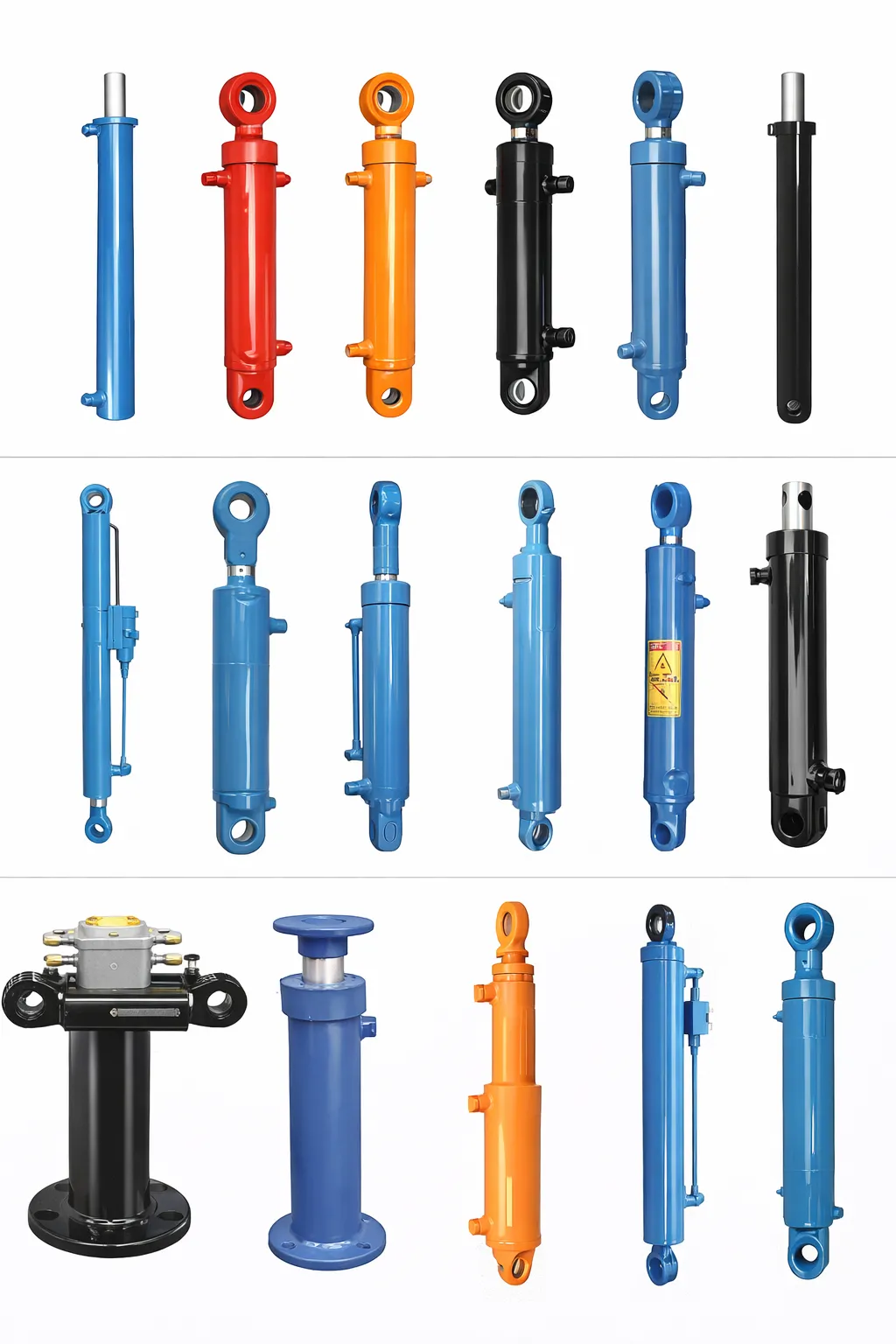
Comparative Analysis: Standard Commercial Cylinder vs. Dedicated Console Lift Cylinder
The decision to specify a purpose-built actuator drastically impacts long-term maintenance budgets, cab hygiene, and operator satisfaction. The matrix below delineates the critical engineering differences that position our specialized solution far above standard commercial fluid power components.
| Engineering Metric | Standard Commercial Cylinder | Our Console Lift Hydraulic Cylinder |
|---|---|---|
| Dynamic Sealing Strategy | Basic NBR lip seals (High friction) | Low friction seal matrix (PTFE composite) |
| Kinematic Motion Quality | Prone to severe stick-slip (jerky dashboard movement) | Ultra-smooth, millimeter-precision micro-positioning |
| Fluid Containment Reliability | High probability of long-term weeping leakage | Strict absolute zero-leakage guarantee for cab interiors |
| Acoustic Profile | Audible valving hiss and mechanical end-stroke impact | Acoustically dampened internals for quiet driver environments |
| Maintenance Requirement | Frequent seal replacements due to cab temperature cycling | Install-and-forget reliability spanning multiple overhaul cycles |
Proven Global Field Deployments
Rigorous engineering requires real-world validation. Across the heavy transit networks of East Asia, our precision actuators are actively ensuring the comfort and safety of thousands of train operators daily.
Case Study 1: Seoul Metropolitan Subway Fleet Modernization (South Korea)
Client Identity: Leading Rolling Stock Refurbishment Contractor
The Challenge: During a mid-life overhaul of 150 urban rail vehicles, the client discovered widespread fluid leakage from the original console lift mechanisms. The leaking fluid was pooling under the floorboards, creating slip hazards and degrading the cab’s critical electrical wiring harnesses.
Our Deployment: In mid-2024, they contacted our engineering team through our digital portal. We designed a custom-dimensioned console lift cylinder utilizing our proprietary carbon steel welded body and a multi-stage PTFE low friction seal matrix to definitively halt the leakage.
The Outcome: Following the rapid installation across the fleet, the transit authority reported absolute zero leakage over 18 months of continuous service. The fleet director noted: “The replacement eliminated a massive maintenance headache. The cab remains spotless, and we no longer waste budget on emergency fixing hydraulic cylinders at the depot.”
Case Study 2: Busan Light Rail Driver Ergonomic Upgrade (South Korea)
Client Identity: Regional Transit Operator
The Challenge: Train drivers union representatives consistently complained about the jerky, unpredictable movement of the main control console when adjusting for height during shift changes. The existing standard cylinders suffered from terrible stick-slip, making it impossible to align the console perfectly with the driver’s seat armrests.
Our Deployment: We supplied specifically tailored double acting hydraulic cylinders featuring highly polished internal bores and advanced micro-metering valves for extremely slow, deliberate rod extension and retraction.
The Outcome: The adjustment action became flawlessly smooth. Drivers can now secure the console exactly where they need it. The procurement officer stated: “The kinematic precision is exactly what we needed for driver comfort, and the overall hydraulic cylinder price for the bulk upgrade was exceptionally reasonable compared to domestic OEMs.”
Case Study 3: Tokyo Intercity Commuter Train Assembly (Japan)
Client Identity: Tier-1 OEM Rail Cab Manufacturer
The Challenge: The OEM required a highly compact lift cylinder to fit within a newly designed, highly congested aerodynamic driver cab. Pneumatic options were rejected due to their spongey holding characteristics, and standard hydraulic units were physically too large.
Our Deployment: Working directly from their 3D CAD files, we engineered a dense, carbon steel piston cylinder that integrated the holding valves directly into the cylinder base block, shrinking the total required installation envelope by thirty percent.
The Outcome: The streamlined components slid perfectly into the cab design. The lead mechanical engineer remarked: “Their capability to rapidly prototype and test new designs that fit our extreme space constraints was critical. We completely avoided the nightmare of modifying other parts during the final assembly stage.”
Technical FAQ: Console Integration & Supply
For transit procurement teams evaluating fluid power solutions for cab modernization, clarity regarding operational specs and logistics is paramount. Below are the definitive technical answers to the most frequently encountered inquiries from engineering directors.
1. Why specify carbon steel over aluminum for a light load cab application?
While the lift weight itself is relatively low, an urban rail vehicle experiences continuous, multi-directional high-frequency vibrations from the track interface. Welded carbon steel provides infinitely superior fatigue resistance and rigid dimensional stability compared to aluminum extrusions. This rigidity keeps the inner bore perfectly straight, which is an absolute prerequisite for ensuring the low friction seals never bypass fluid.
2. How exactly does the low friction seal prevent the ‘stick-slip’ phenomenon?
Stick-slip occurs when the static friction of a rubber seal gripping the metal wall is drastically higher than its kinetic friction. When fluid pressure builds, the seal violently breaks free, causing a jerk. Our proprietary PTFE (Teflon-based) composite seals possess an exceptionally low, near-identical coefficient of both static and kinetic friction. Consequently, the console lift cylinder moves instantly and smoothly the millisecond hydraulic flow is initiated.
3. Can these units be painted or coated to match the specific interior design of the driver cab?
Absolutely. We recognize that the aesthetic integration of hydraulic parts into a modern train cab is necessary. We apply industry-standard, fire-retardant epoxy or polyurethane topcoats in any specified RAL color code, ensuring the unit visually blends with the console chassis while maintaining strict transit fire safety protocols.
4. What are the typical bulk production lead times for transit clients in South Korea?
For standard production runs where we utilize our extensive inventory of raw carbon steel tubing and chrome plated rods, our internal manufacturing and 100% leak testing cycles generally complete within 3 to 4 weeks. Subsequent maritime shipping logistics to primary ports like Incheon or Busan are highly efficient, ensuring your fleet overhaul remains rigidly on schedule.
5. Do you guarantee the availability of replacement seals for future maintenance intervals?
Yes. The life cycle of an urban rail vehicle typically spans decades. We archive all exact dimensional data and seal profiles linked to your specific order serial numbers. We guarantee long-term availability of exact-match OEM repair kits, ensuring that if you need to perform localized hydraulic cylinder repair ten years from now, your local transit depot has immediate access to the correct components.
6. Is it difficult to retrofit an older pneumatic system to this double acting hydraulic model?
It is a very straightforward engineering process. While pneumatics use compressible air, moving to our compact fluid power system only requires the integration of a miniaturized power unit. The physical mounting points of our cylinders will precisely match the old pneumatic layout, drastically simplifying the mechanical phase of the upgrade.
Ready to Eradicate Cab Leakage and Elevate Driver Comfort?
The structural integrity and ergonomic precision of the driver’s environment dictate the operational safety of your entire transit network. Stop accepting fluid leakage and erratic stick-slip movements from generic, under-performing commercial actuators.
Editor: Cxm