Module Pressing Cylinder for BESS Energy Storage Stations
Engineered for light load high precision battery assembly, delivering absolute force control to eliminate cell deformation and maximize new energy production yields.
Product Overview: Precision Engineering for the New Energy Sector
The rapid expansion of global renewable energy infrastructure has exponentially increased the demand for highly reliable Energy Storage Power Stations. At the mechanical heart of these massive facilities are Battery Energy Storage System (BESS) modules. The manufacturing and assembly of these critical components require an operating environment where dimensional tolerances are strictly measured in micrometers. During the automated assembly phase, individual lithium-ion cells—whether prismatic, pouch, or cylindrical—must be pressed together with an exact, calculated force before structural frames are laser-welded or mechanically bolted. Applying excessive clamping force causes micro-fractures in the internal battery separators, leading to catastrophic thermal runaway in the field. Conversely, applying insufficient force results in high electrical resistance, poor busbar contact, and compromised structural integrity. This highly sensitive manufacturing step is entirely dependent on the unyielding performance of a dedicated Module Pressing Cylinder.
Standard industrial automation actuators simply lack the dynamic fluid response and structural rigidity required for this specific task. Operating in what is categorized as a light load high precision environment, these standard pneumatic or commercial-grade fluid power units often suffer from the stick-slip phenomenon. This results in jerky, unpredictable movements that cause irreversible physical deformation to the delicate battery cell casings. Recognizing this critical industry bottleneck, particularly for high-volume gigafactories operating in South Korea and neighboring technology hubs, our engineering team has developed a specialized actuation solution. We operate as a deeply experienced hydraulic cylinder manufacturer focusing exclusively on advanced fluid mechanics. Our engineered Module Pressing Hydraulic Cylinder represents the absolute pinnacle of linear motion control for the new energy sector.
By integrating high-strength 42CrMo alloy steel construction with an advanced welded architectural geometry, our actuators maintain zero lateral deflection during the entire pressing phase. This guarantees that the BESS module geometry remains perfectly square and free from any crushing deformation. As a direct result, battery plant operators experience a drastic reduction in material scrap rates and a significant improvement in overall manufacturing throughput. The integration of our systems solidifies the immense industrial value of deploying purpose-built precision hydraulic parts rather than relying on generic factory automation components.
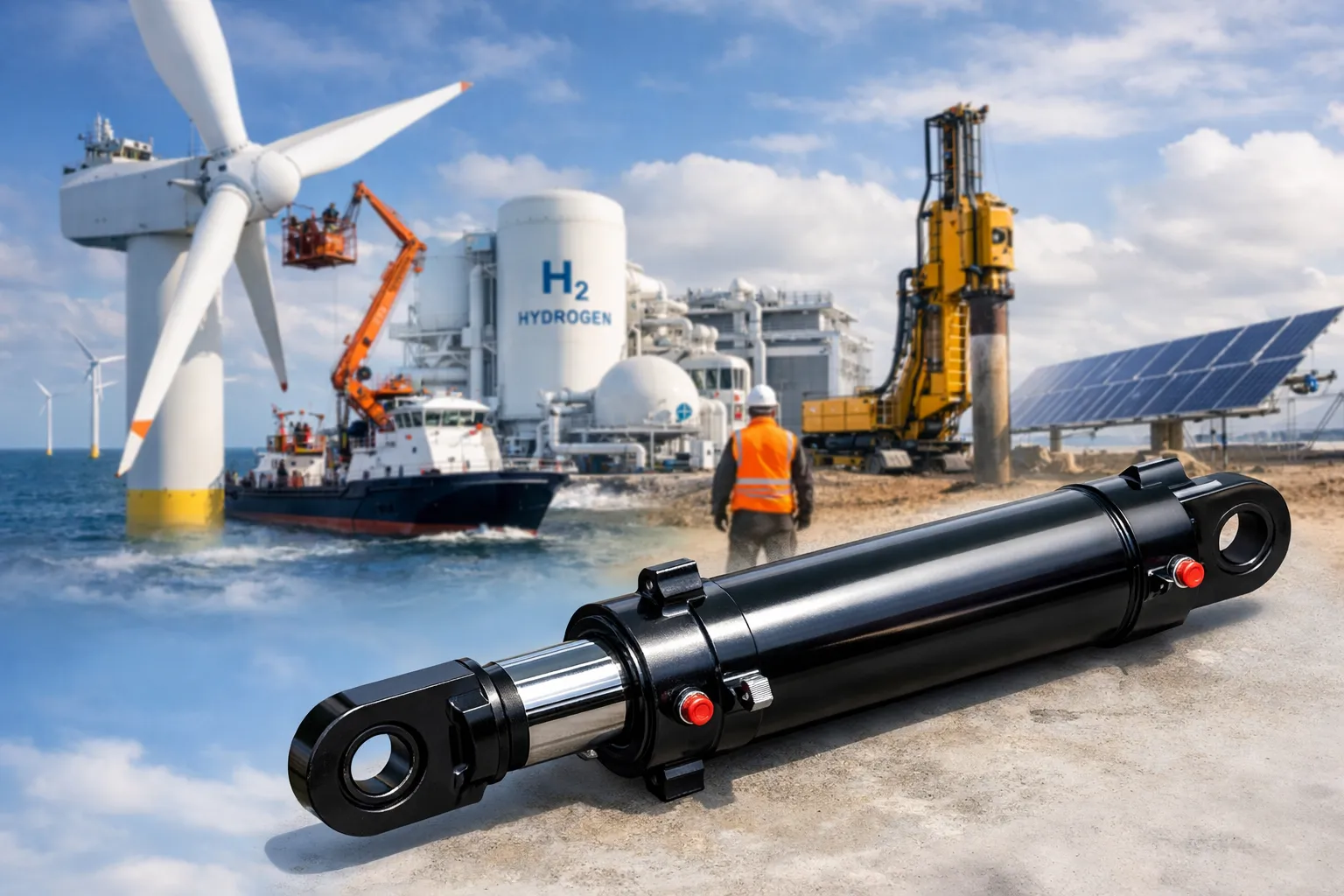
Comprehensive Technical Parameters
To ensure reliable mechanical and electrical integration into automated BESS assembly lines, our engineering division provides a highly configurable parameter framework. The data table below outlines the foundational specifications for our precision Module Pressing Cylinder engineered specifically for energy storage module production and gigafactory deployment.
| System Category | Technical Specification | Engineering Implication |
|---|---|---|
| Target Industry | New Energy | Optimized strictly for cleanroom battery manufacturing standards. |
| Equipment Category | Energy Storage Power Station | Core automation component for utility-scale battery pack assembly lines. |
| Subsystem Action | BESS Module Integration | Executes the critical physical compression of cell stacks in jigs. |
| Product Designation | Module Pressing Hydraulic Cylinder | Dedicated nomenclature for this specialized precision actuator. |
| Action Method | Double Acting | Allows fully controlled, powered fluid movement during both extension and retraction. |
| Structure Type | Piston Cylinder / Welded Construction | Eliminates the micro-flexing commonly associated with standard tie-rod designs. |
| Material System | 42CrMo Alloy Steel | Provides extreme material yield strength to maintain absolute linearity. |
| Surface Treatment | Chrome Plated | Ensures a mirror-finish for ultra-low friction dynamic seal interaction. |
| Working Condition | Pressing battery modules | Continuous 24/7 cyclical operation on high-speed automated lines. |
| Environmental Grade | Light load high precision | Tuned exclusively for micrometer-level positioning rather than brute breakout force. |
| Targeted Failure Mode | Deformation | Our rigid design completely mitigates this catastrophic cell-crushing manufacturing error. |
| Recommended Configuration | 316L full material + FFKM | The ultimate chemical resistance upgrade against volatile battery electrolyte vapors. |
Kinematic Working Principle: Achieving Micro-Precision
Understanding the fluid dynamics within our double acting hydraulic cylinder is absolutely essential for appreciating its performance on a high-speed BESS assembly line. During the module pressing cycle, hydraulic fluid is introduced into the cap end of the cylinder via highly responsive proportional directional control valves. This incompressible fluid exerts a strictly controlled pressure against the precision-machined hydraulic cylinder piston. Unlike standard heavy industrial applications that require rapid, forceful actuation, the battery module pressing process demands slow, meticulously metered linear movement.
As the piston advances, the 42CrMo chrome plated rod drives the pressing platen toward the stacked lithium-ion cells. The inherent mechanical challenge here is overcoming static friction without causing a sudden surge in velocity. Our internal cylinder bore is micro-honed to an exceptional mirror surface finish, and we utilize proprietary PTFE-based low-friction glide rings. This precise internal architecture allows the fluid pressure to translate into perfectly linear, ultra-smooth mechanical motion. Once the exact pre-determined compression force is achieved—often monitored by external load cells feeding data back to the plant’s programmable logic controller (PLC)—the hydraulic proportional valves lock the fluid column securely in place.
Because hydraulic fluid is inherently incompressible, this closed-loop system acts as an infinitely rigid mechanical strut. It holds the BESS module under the exact, uniform pressure required while automated laser welders secure the structural aluminum side plates. This flawless holding capacity is exactly why relying on a basic single acting hydraulic cylinder or a standard pneumatic cylinder frequently leads to micro-shifting, poor weld penetration, and subsequent expensive product rejection.
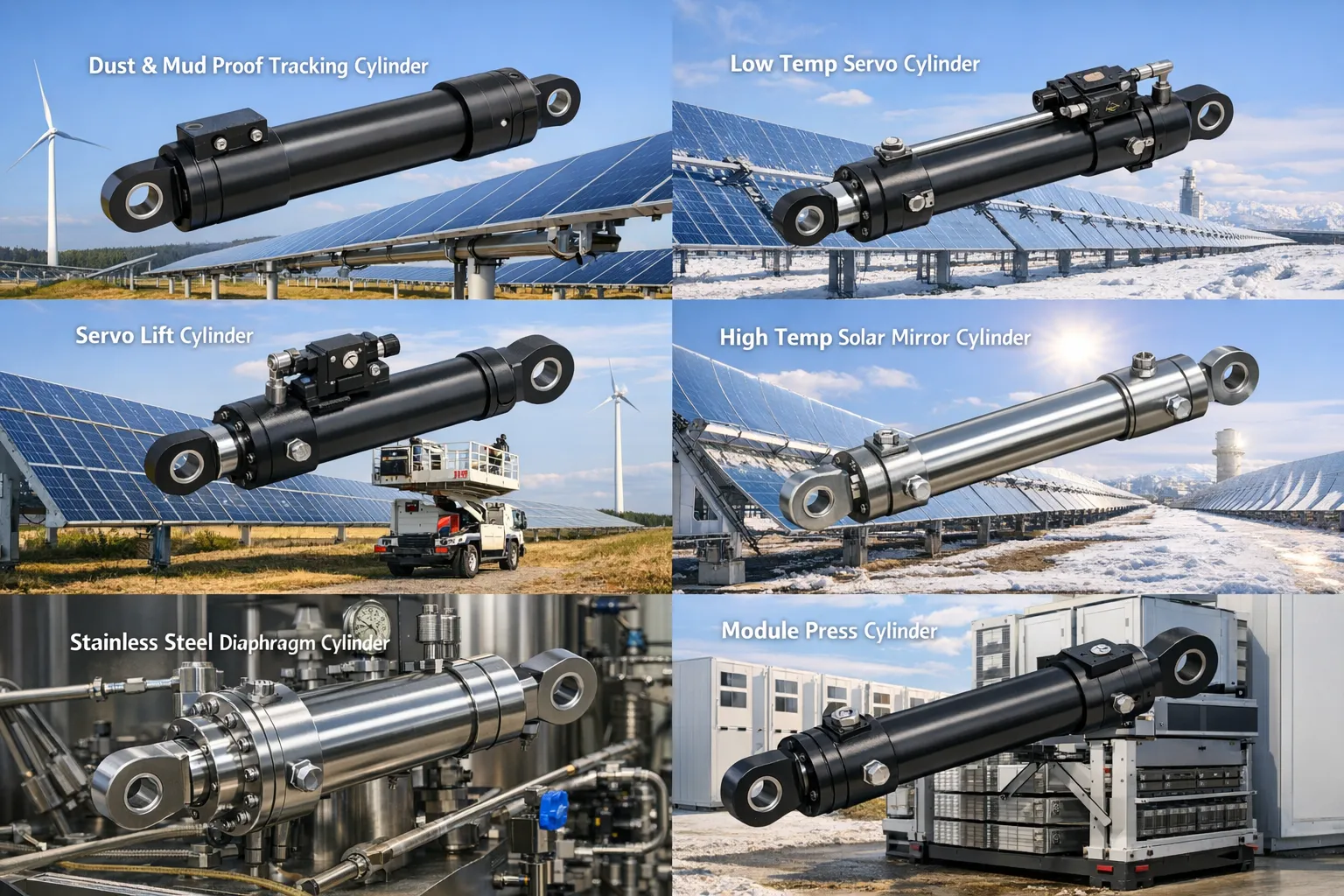
OEM Equipment Modernization & Brand Replacement
Many first-generation battery manufacturing facilities were originally equipped with standard commercial-off-the-shelf actuators provided by their machine builders. As production scales up and module densities increase, plant engineers frequently encounter unacceptably high failure rates with these legacy systems. The continuous need for fixing hydraulic cylinders drastically reduces the Overall Equipment Effectiveness (OEE) of the entire plant. Sourcing proprietary replacement parts from original European or Japanese machine builders often involves entirely unacceptable lead times and exorbitant markups.
We specialize in manufacturing exact dimensional drop-in replacements for these systems. Whether your assembly line requires a direct flange-mount substitution, a custom trunnion interface, or specific rod end threading, our Module Pressing Cylinder integrates seamlessly with your existing infrastructure. By upgrading to our specialized, highly rigid units, you eliminate the repetitive costs and downtime associated with continuous hydraulic cylinder repair. You benefit from a highly competitive hydraulic cylinder price directly from the manufacturer, without sacrificing an ounce of the light load high precision needed to protect your lithium cells from deformation.
Core Technical Advantages for BESS Manufacturing
Eliminating battery casing deformation requires a fundamental rethinking of fluid power mechanics and metallurgy. Our engineers have developed a suite of technical advantages specifically tailored for the highly demanding cleanroom environments of the new energy sector:
- 1. High-Rigidity 42CrMo Construction: Standard automation cylinders use extruded aluminum or Q235 steel, which exhibits microscopic flex under sustained holding pressure. We utilize forged 42CrMo alloy steel for the rod and cylinder barrel. This material possesses exceptionally high tensile and yield strength, ensuring absolute zero lateral deflection during the pressing cycle, thereby guaranteeing perfectly square module geometry.
- 2. Ultra-Low Friction Sealing Kinematics: Overcoming the static friction “stick-slip” effect is highly critical when handling fragile battery cells. We employ a customized matrix of low-friction PTFE energized seals and specialized internal guide bands. This configuration ensures the piston initiates movement seamlessly, allowing your proportional valves to dictate exact, micrometer-level positioning without sudden, cell-crushing pressure spikes.
- 3. Premium Hard Chrome Plating: The 42CrMo piston rod undergoes a rigorous electroplating process, resulting in a deep, dense layer of hard chrome. This mirror-like surface not only drastically reduces friction against the rod seals but also provides superior defense against microscopic wear and tear in high-cycle 24/7 manufacturing environments, keeping your cleanroom free of particulate generation.
- 4. Ultimate Chemical Defense (316L + FFKM): For BESS module lines operating in proximity to electrolyte filling stations, standard materials degrade rapidly. Our recommended premium configuration utilizes 316L stainless steel for all wetted and external surfaces, combined with FFKM (Perfluoroelastomer) seals. FFKM offers extreme chemical resistance, providing an impenetrable barrier against volatile lithium-ion electrolyte vapors that melt standard NBR seals.
- 5. Heavy-Duty Welded Architecture: Traditional tie-rod cylinders are prone to stretching over millions of cycles, leading to critical alignment shifts. Our fully welded end-cap design permanently fuses the structural integrity of the cylinder, ensuring the dimensional stack-up remains flawless throughout its entire operational lifespan on the gigafactory floor.
- 6. Zero Internal Leakage Lock-in: Maintaining exact, unwavering pressure during the laser welding phase is non-negotiable. Our precisely toleranced bore finishing and premium piston seals ensure absolute zero internal fluid bypass across the hydraulic cylinder piston, holding the required tonnage with perfect stability.
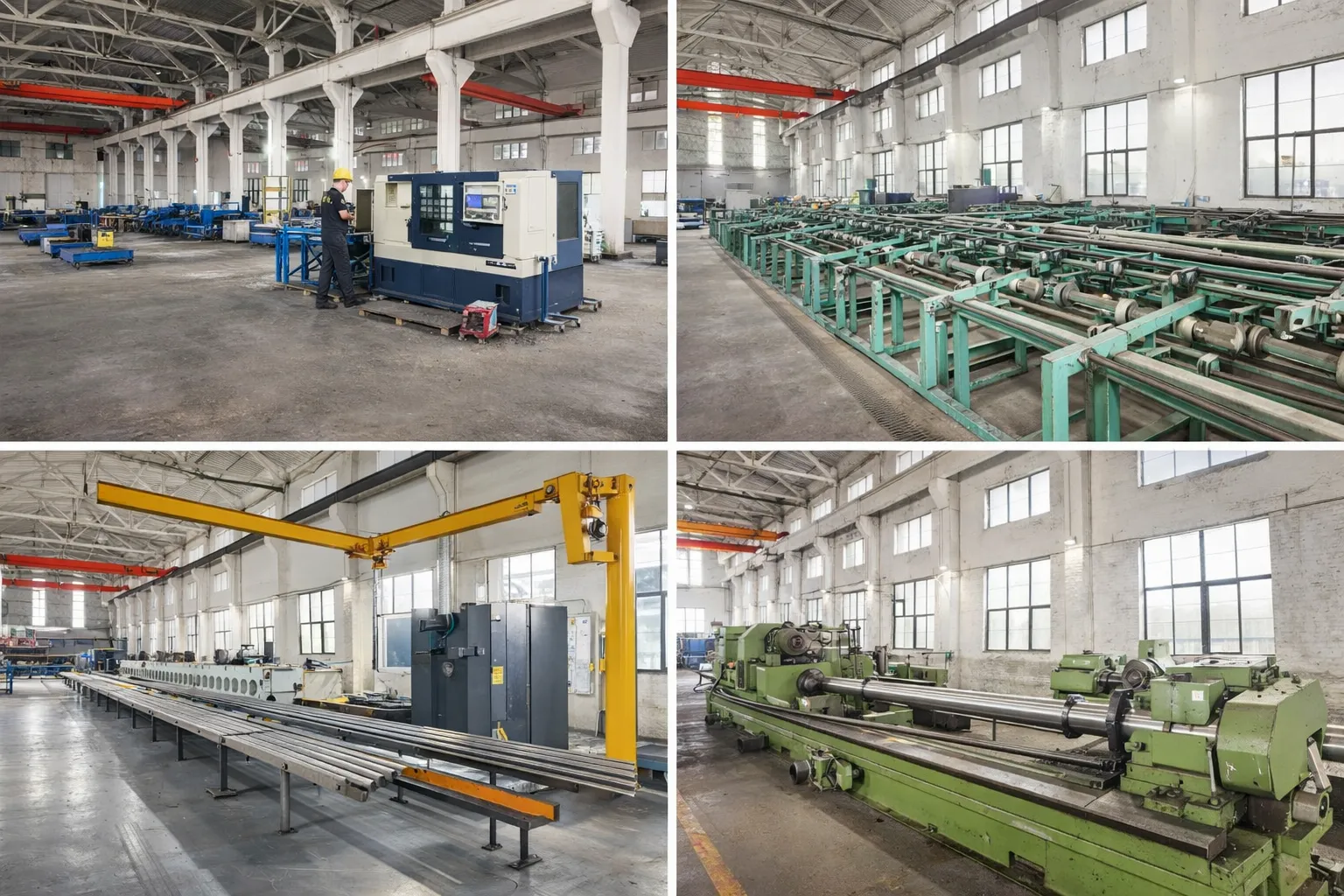
In-House Manufacturing & Uncompromising Quality Control
To guarantee the precise micrometer tolerances required by the new energy sector, we maintain total autonomous control over our manufacturing processes. From the initial metallurgical verification of the 42CrMo steel stock using optical emission spectrometry, to the final assembly of the hydraulic cylinder components, every step is executed within our advanced facilities. We utilize state-of-the-art multi-axis CNC machining centers to process internal bores and piston rods to exact geometric and dimensional tolerances.
Crucially, components destined for BESS battery manufacturing must be entirely free of particulate contamination. Assembly takes place in strictly controlled positive-pressure environments. Before dispatch, 100% of our precision cylinders undergo rigorous automated testing protocols. This includes dynamic displacement tracking, low-pressure friction analysis to verify the absence of stick-slip, and static pressure holding tests at 1.5 times the working load to certify absolute zero internal leakage.
Every Module Pressing Cylinder system is permanently laser-engraved with a unique serial number, ensuring comprehensive material, assembly, and testing traceability for our B2B partners and their stringent gigafactory quality audits.
Cross-Industry Engineering Pedigree & Typical Applications
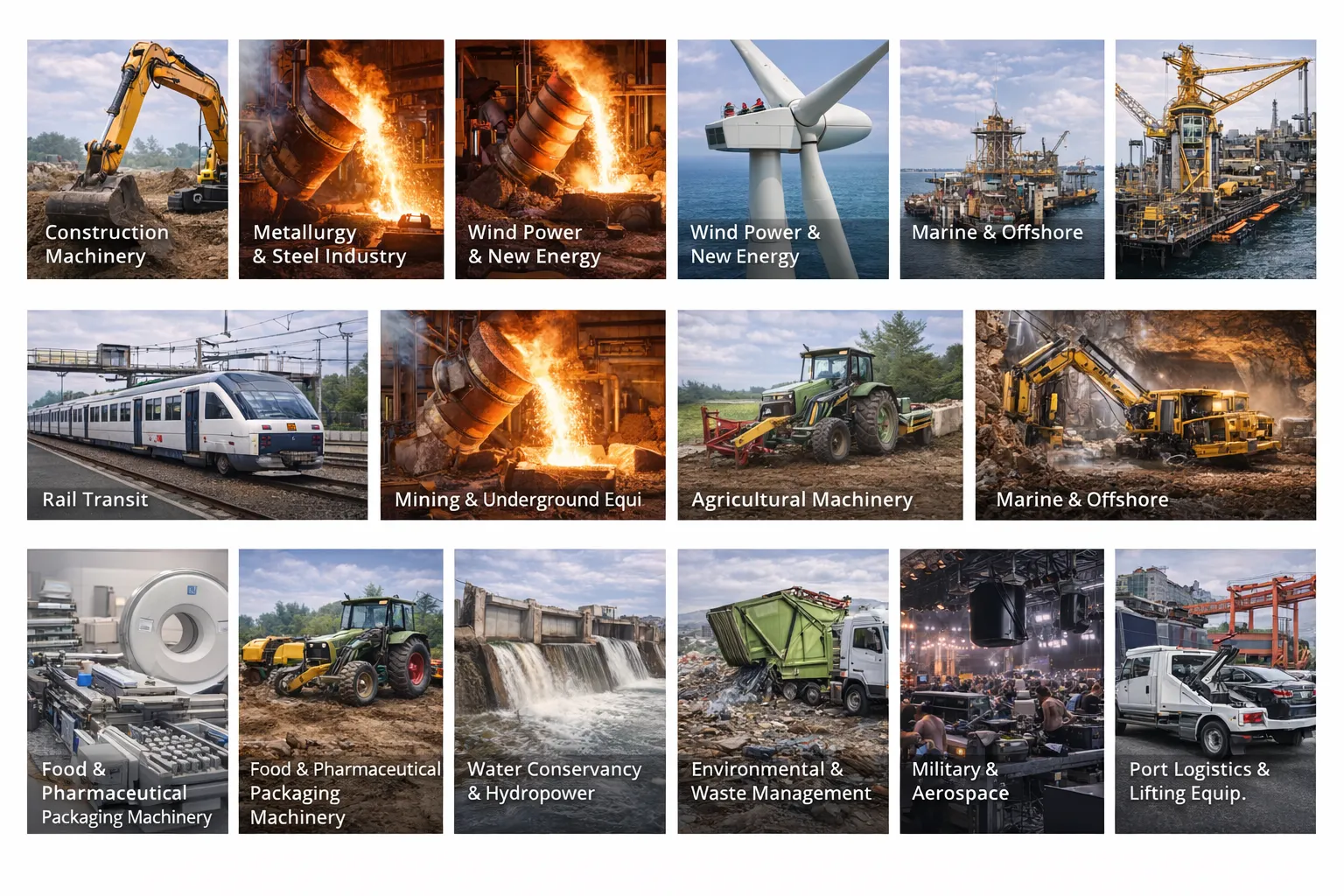
The extreme precision required for BESS module assembly is built upon our vast foundational experience in designing fluid power systems for the world’s most physically demanding environments. This cross-industry expertise allows us to engineer unparalleled reliability into every product. Our robust actuation technology serves multiple heavy sectors:
- Construction Machinery Industry: The reliability of a core lift cylinder operating flawlessly on heavy excavators subjected to immense shock loads translates directly to the 24/7 structural reliability of our automated assembly line systems.
- Metallurgical and Iron Industry: The robust structural integrity found in our precision units stems from our extensive work engineering massive actuators that must survive continuous radiant heat and molten slag near active blast furnaces.
- Mining Industry: Our sealing technology, absolutely crucial for cleanrooms, evolved from designing impenetrable systems that completely block abrasive rock dust and acidic groundwater in deep underground mining equipment.
- Plastic and Rubber Machinery: Our high-pressure double acting systems deliver the exact, unyielding locking tonnage required for modern high-speed injection molding presses.
- Material Handling & Logistics Automation: Providing exact, repeatable kinematic strokes for automated guided vehicles (AGVs) and warehouse sorting systems.
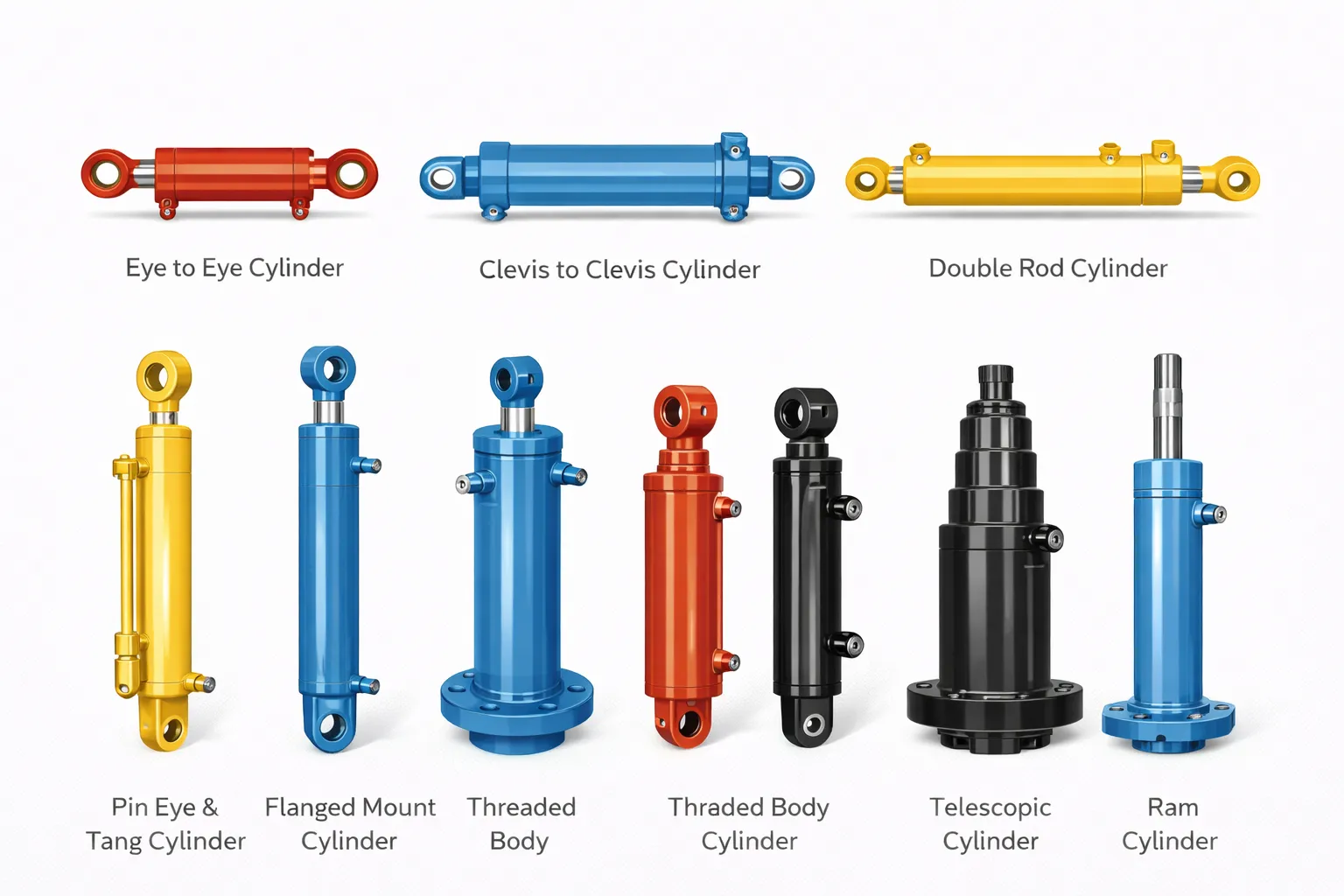
Comparative Analysis: Standard Automation vs. Precision Pressing
Deploying standard industrial pneumatic or generic hydraulic actuators in a highly sensitive battery production facility is a dangerous false economy. The table below illustrates the stark contrast between generic automation components and our dedicated BESS engineering solutions.
| Evaluation Metric | Standard Industrial Cylinder | Our High-Performance Module Pressing Cylinder |
|---|---|---|
| Base Material Rigidity | Mild Steel / Q235 / Aluminum (Prone to micro-flexing) | 42CrMo Alloy Steel (Absolute rigid linearity) |
| Motion Dynamics | High friction, noticeable stick-slip jerking at low speeds | Ultra-smooth, micrometer-level proportional fluid response |
| Deformation Risk | High risk (Frequent cause of battery casing rejection) | Zero risk (Clamping force is applied perfectly square) |
| Chemical Resistance | Standard NBR seals (Degrades quickly near electrolytes) | Optional 316L + FFKM configuration (Total chemical immunity) |
| Maintenance Cycle | Frequent seal replacements causing costly line downtime | Engineered for extended continuous 24/7 operational lifespans |
Proven Application: Real-World Gigafactory Case Studies
Our precision fluid power solutions are actively driving the assembly lines of tier-one energy storage manufacturers across Asia. Theoretical specifications must be proven in the field; the following case studies demonstrate our capability to solve critical production bottlenecks.
Case Study 1: Eradicating Casing Deformation in South Korean BESS Production
Location: Cheonan, South Korea | Application: Utility-Scale Energy Storage Assembly | Date: October 2024
The Challenge: A major automated facility manufacturing grid-level BESS modules was experiencing an unacceptable 4.2% rejection rate due to casing deformation during the cell stacking process. Their existing pneumatic press systems lacked the structural rigidity and micro-force control required, causing uneven pressure distribution across the lithium-ion cell faces. The procurement engineering team contacted us via our website seeking an urgent technical upgrade.
The Solution & Result: We completely replaced the pneumatic array with our dedicated 42CrMo Module Pressing Hydraulic Cylinder systems. The transition to rigid, incompressible fluid power, combined with our low-friction kinematics, provided perfectly uniform compression. Module deformation dropped to absolute zero, immediately improving their overall line yield to 99.8% within the first month of operation.
“The difference in mechanical rigidity is night and day. We used to struggle with micro-shifting during the laser welding phase. Since installing these hydraulic units, the modules are perfectly square every single time. It completely solved our bottleneck.” — Mr. Park Ji-Hoon, Senior Manufacturing Engineer
Case Study 2: Extreme Electrolyte Defense in Advanced Battery Labs
Location: Osaka, Japan | Application: Next-Gen Battery Pilot Line | Date: February 2025
The Challenge: An R&D facility scaling up solid-state and advanced lithium chemistry cells required automated pressing equipment operating immediately adjacent to electrolyte filling stations. Volatile chemical vapors were causing standard NBR and polyurethane seals to swell and fail rapidly, leading to highly frequent and disruptive hydraulic cylinder repair shutdowns.
The Solution & Result: We supplied a customized batch of cylinders utilizing the 316L full material body and FFKM (perfluoroelastomer) seal configuration. This highly specialized setup provided ultimate chemical immunity. The hydraulic rams have run continuously for over 12 months without a single seal-related pressure drop or atmospheric containment failure.
“We absolutely needed an actuator that could survive a harsh chemical micro-environment without compromising on micrometer precision. Their engineering team understood the specific elastomer chemistry required. Outstanding reliability.” — Dr. Kenjiro Sato, Lead Process Engineer
Case Study 3: Replacing Legacy European Actuators Rapidly
Location: Hsinchu, Taiwan | Application: Commercial Energy Storage Assembly | Date: August 2025
The Challenge: A high-volume manufacturer was facing unacceptable six-month lead times and massive costs to replace aging proprietary European actuators on their automated pressing lines. The excessive clearance in the worn units was causing inconsistent cell compression and slowing down the entire factory.
The Solution & Result: After receiving their mechanical drawings, our team reverse-engineered the flange mounts and rod interfaces to provide perfect dimensional drop-ins. Our highly efficient advanced manufacturing enabled a delivery time of just 28 days. The plant restored its original precision specifications at a fraction of the OEM replacement cost, optimizing their hydraulic cylinder price expenditure.
“The dimensional accuracy was flawless. They bolted straight into the existing PLC and hydraulic power unit infrastructure without modifications. We saved months of downtime and significantly optimized our procurement budget.” — Lin Wei-Ting, Plant Director
Frequently Asked Questions (B2B Procurement)
Clear, transparent engineering communication is vital when specifying critical infrastructure components. Below are the most common inquiries from procurement managers and mechanical engineers evaluating our pressing solutions.
1. Can we use a pneumatic or single acting hydraulic cylinder instead for BESS assembly?
2. Exactly why is FFKM recommended over standard NBR or FKM seals?
3. What is the typical lead time for a custom batch delivered to South Korea?
4. How do you ensure the cylinders integrate seamlessly with our existing PLC systems?
5. Do you supply maintenance parts and technical support post-installation?
6. How does your pricing structure eliminate supply chain markups?
Optimize Your BESS Assembly Line Today
Do not let casing deformation and erratic equipment behavior bottleneck your new energy production capabilities. Upgrade to our precision-engineered pressing cylinders for absolute structural control, flawless cell stacking, and maximum operational throughput. Connect with our technical team today to configure your exact mechanical specifications.
Editor: Cxm