
Forklift Lifting Hydraulic Cylinder
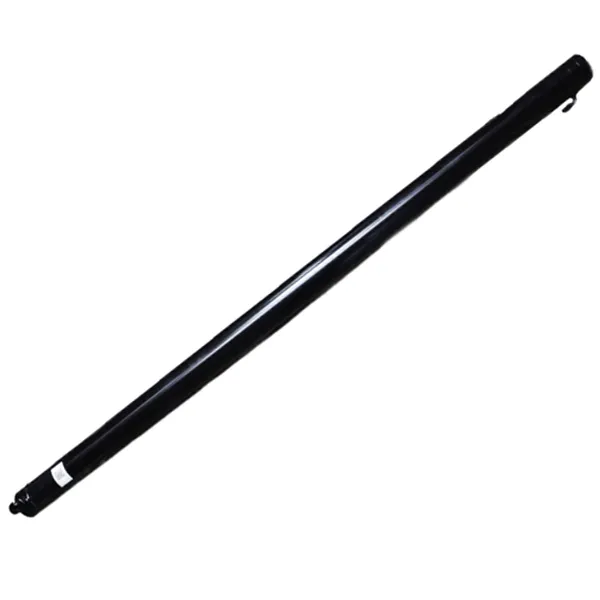
The forklift lifting hydraulic cylinder incorporates advanced sealing technology and precision engineering to minimize leakage and ensure consistent performance under demanding conditions. Its robust piston rod, often chrome-plated for enhanced corrosion resistance, facilitates seamless integration with forklift mechanisms, promoting operational efficiency and reducing maintenance requirements.
This forklift lifting hydraulic cylinder not only supports load capacities ranging from several tons to over 10 tons but also complies with international safety standards, making it an indispensable choice for optimizing productivity in logistics, manufacturing, and distribution sectors.
Forklift Lifting Hydraulic Cylinder Dimensions:
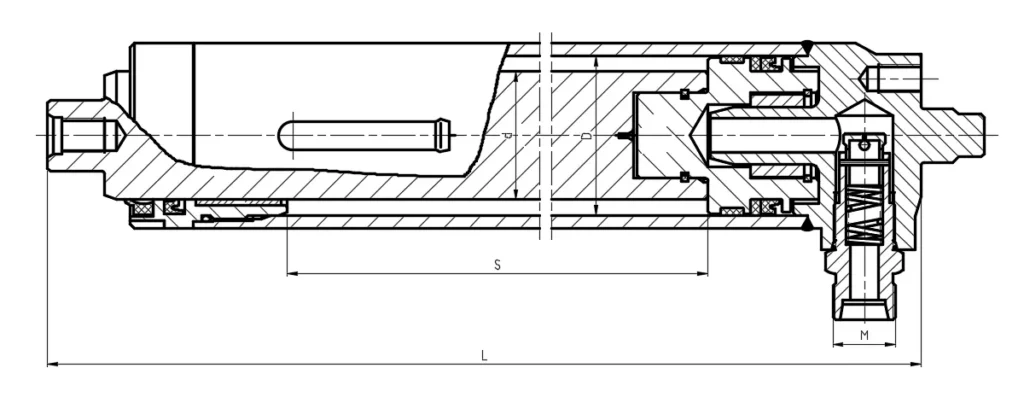
| Cylinder Name | drawing number | bore diameter (D) | rod diameter (d) | stroke (S) | Installation distance (L) | working pressure | Interface dimensions (M) | weight |
| Lifting cylinder | N30M300-5/400000-000 | Φ56 | Φ45 | 1500 | 1658 | 18.1MPa | G1/2 | 32.6kg |
| Lifting cylinder | A2A30M300-400000-000 | Φ56 | Φ45 | 1500 | 1658 | 18.1MPa | M22*1.5 | 36kg |
| Lifting cylinder | 3.5N4.5H-400000-003 | Φ60 | Φ45 | 1505 | 1780 | 17.5MPa | M22*1.5 | 41kg |
| Lifting cylinder | N35M300-5/400000-001A | Φ60 | Φ45 | 1500 | 1808 | 18.1MPa | G1/2 | 46kg |
| Lifting cylinder | A2A35M300-400000-000 | Φ60 | Φ45 | 1500 | 1808 | 18.1MPa | M22*1.5 | 50kg |
Working Principle of Forklift Lifting Hydraulic Cylinder
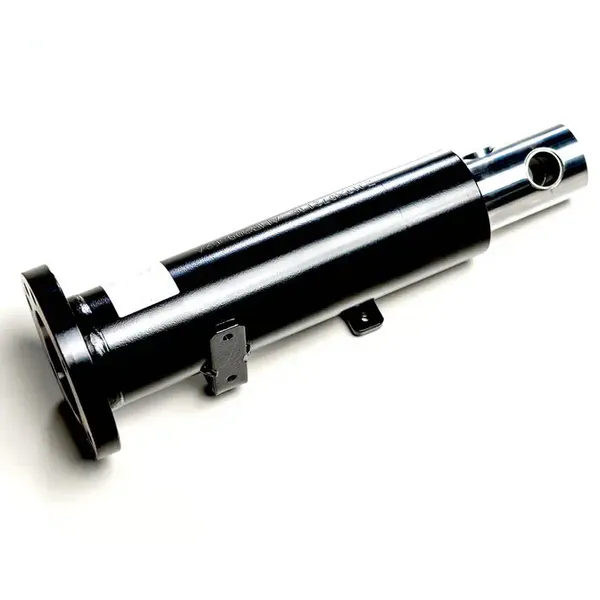
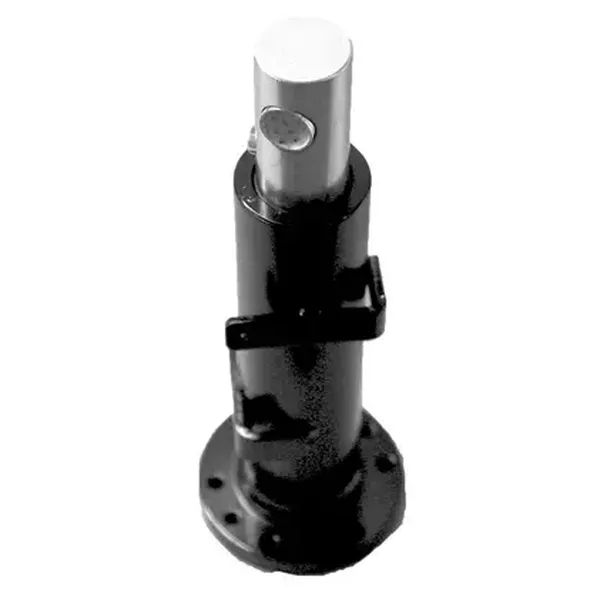
The forklift lifting hydraulic cylinder operates by converting hydraulic fluid pressure into linear motion within the cylinder barrel. When the hydraulic pump injects fluid, the piston rod extends, propelling the forklift mast upward to raise cargo. This single-acting or double-acting design allows for precise control, preventing load instability.
During operation, the control valve manages fluid direction and velocity to accommodate varying loads, thereby enhancing energy efficiency and minimizing mechanical wear.
 |
 |
Applications of Forklift Lifting Hydraulic Cylinder
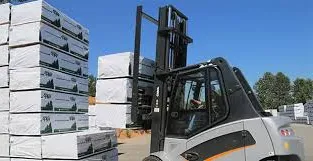
This cylinder is extensively used in warehouse logistics, manufacturing, and construction sites for efficient material handling in confined spaces. For instance, during pallet stacking, it delivers stable lifting force to support multi-tier storage systems.
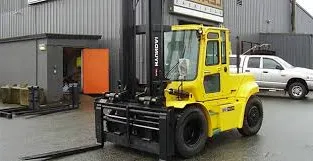
Furthermore, in heavy equipment maintenance, the cylinder assists in elevating components, facilitating repair tasks while ensuring safety and operational continuity.
 |
 |
Installation Guide for Forklift Lifting Hydraulic Cylinder
Prior to installation, inspect the cylinder seals and hydraulic lines for leaks. Secure the cylinder to the forklift mast frame and connect it to the hydraulic system, ensuring proper alignment of the piston rod to avoid offset loading.
In the testing phase, gradually increase pressure, monitor smooth movement, and adjust valves for optimal performance. Regular maintenance can extend service life.
China Hydraulic Cylinder Manufacturers
As a leaOur first-class independent assembly and R&D platform drives innovation and efficient development.
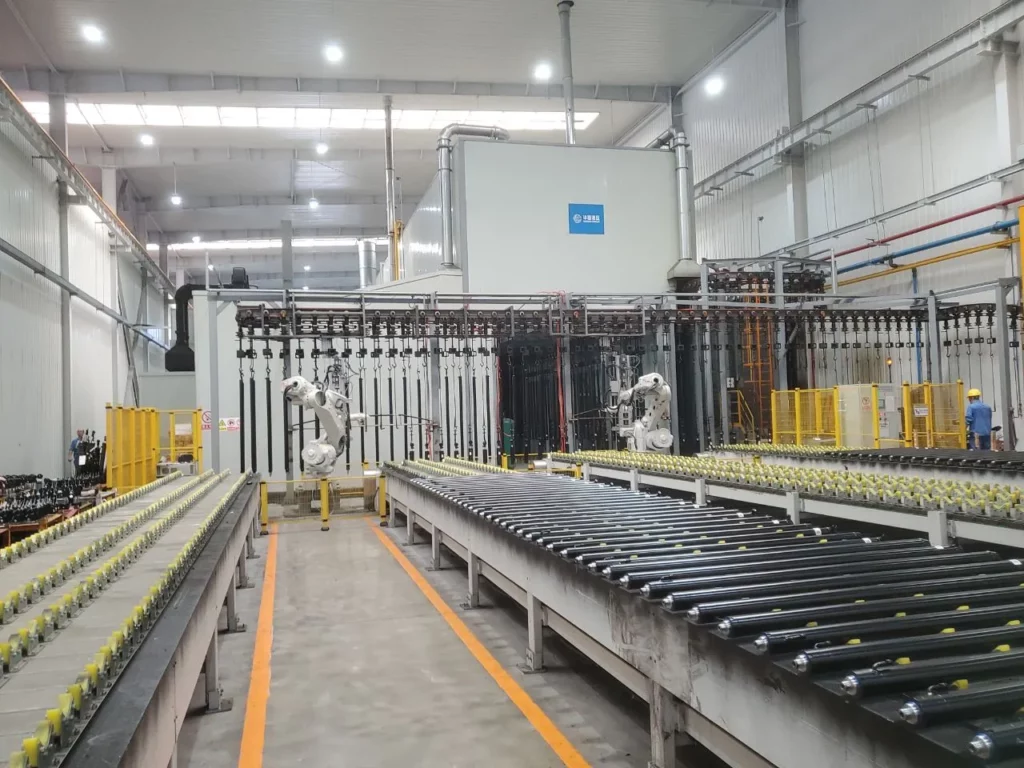
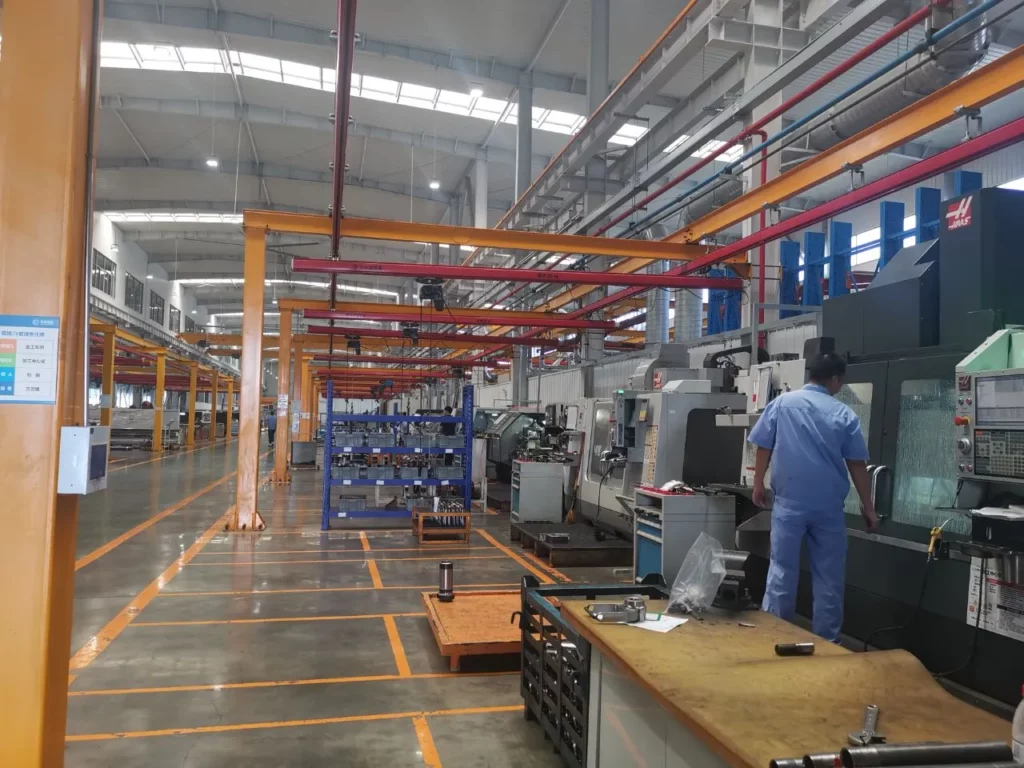
Advanced facilities include a forklift cylinder workshop with automatic lift and tilt assembly lines, and a specialized workshop with semi-automatic cleaning and assembly systems, supporting an annual production capacity of hundreds of thousands of cylinders.
We utilize hundreds of key equipment, such as branded CNC machines, machining centers, high-precision tools, robotic welders, automatic cleaners, assemblers, and painting lines.
Through optimized resource allocation, we ensure product precision, high quality, and reliable, durable hydraulic solutions for customers.
 |
 |
Customer Reviews
⭐⭐⭐⭐⭐ M****n, Maintenance Engineer at HeavyHaul Logistics, USA
The forklift lifting hydraulic cylinder exhibits superior durability and precision engineering, ensuring smooth operation under extreme pressure without any signs of wear or malfunction during extended shifts.
⭐⭐⭐⭐⭐ S****a, Operations Manager at FreightForce Inc., Canada
This hydraulic component for forklift lifting has proven its robustness through consistent performance, maintaining optimal lift capacity and seal integrity even in high-volume warehouse environments.
⭐⭐⭐⭐⭐ J****s, Fleet Coordinator at EuroLift Solutions, France
The lifting cylinder's advanced design and high-quality materials deliver reliable elevation control, preventing downtime and enhancing safety in rigorous industrial applications.
⭐⭐⭐⭐⭐ L****e, Technical Supervisor at AsiaCargo Ltd., Singapore
Engineered for excellence, the forklift's hydraulic lifting mechanism offers exceptional load-bearing strength and leak-proof functionality, supporting seamless daily operations in challenging conditions.
⭐⭐⭐⭐⭐ R****t, Equipment Specialist at GlobalWarehousing, Australia
With its sturdy construction and efficient hydraulic performance, this cylinder ensures precise and stable lifting for forklifts, minimizing maintenance needs and maximizing productivity in demanding settings.
FAQ
1.What causes hydraulic leaks in the forklift lifting hydraulic cylinder?
Hydraulic leaks are commonly caused by aging seals. This issue can be resolved by replacing the affected components to restore proper functionality.
2.What leads to uneven lifting in the forklift lifting hydraulic cylinder?
Uneven lifting may result from fluid contamination. It is recommended to perform periodic filtration of the hydraulic oil to prevent this problem.
3.What should be done if the forklift lifting hydraulic cylinder overheats?
Overheating could indicate an overload in the pump system. Examine the pump for potential overload and ensure adequate cooling measures are implemented to maintain equipment reliability.
4.What causes cylinder drift in the forklift lifting hydraulic cylinder?
Cylinder drift, where the load lowers unexpectedly, may stem from internal seal wear or valve malfunctions. Inspect and replace the affected parts to restore stability and mitigate safety hazards.
5.Why does the forklift lifting hydraulic cylinder produce excessive noise during operation?
Excessive noise could indicate air ingress into the hydraulic system or worn bearings. Bleeding the system and conducting routine inspections can effectively address this issue.
6.What factors contribute to reduced lifting capacity in the forklift lifting hydraulic cylinder?
Reduced lifting capacity might arise from insufficient hydraulic fluid levels or pump inefficiencies. Regularly verify fluid levels and service the pump to optimize performance and extend component longevity.
Related products
-
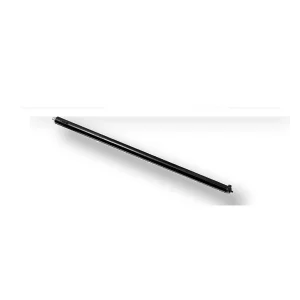
Forklift Lifting Cylinder | EP-HCYY11112000 Model
-
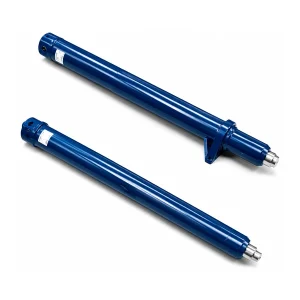
Custom Hydraulic Lift Cylinder — OEM Lift Cylinder with Integrated Check Valve and Sprocket for Forklifts
-
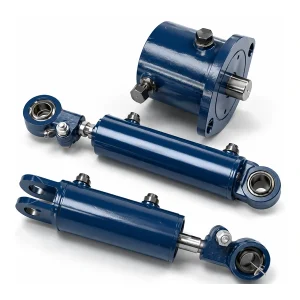
Hydraulic Tilt Cylinder for Loader — OEM Multi-Function Cylinder for Wheel Loaders
-
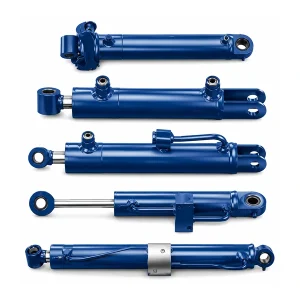
OEM Double Acting Forklift Hydraulic Cylinder
-
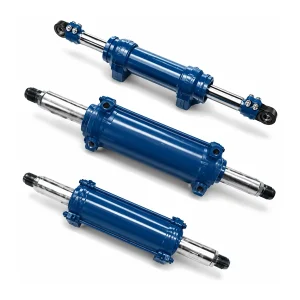
Forklift Steering Hydraulic Cylinder — Double-Acting Dual-Rod Power Steering Cylinder for 2–10 Ton Forklifts
-
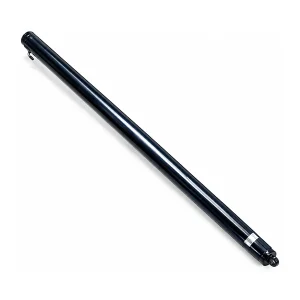
Forklift Lifting Hydraulic Cylinder — Single-Acting Mast Lift Cylinder
-

Scissor Fork Aerial Work Vehicle Steering Hydraulic Cylinder
-
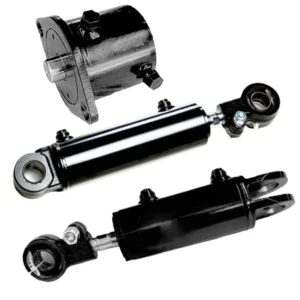
Forklift Tilt Hydraulic Cylinder


























