Telescopic Boom Cylinder for Crane
Engineered for heavy-duty lifting, providing exceptional stability, precise fluid control, and guaranteed elimination of unsmooth extension under massive side loads.
Product Overview & Industrial Value
Welcome to the absolute core of modern lifting equipment. In the highly demanding construction machinery industry, the safety, reach, and efficiency of a telescopic boom crane depend entirely on its fluid power mechanisms. The main boom extension is arguably the most critical and highly stressed function of the entire machine. The telescopic boom cylinder acts as the central muscle here, translating pressurized hydraulic fluid into the massive linear mechanical force required to push the internal boom sections outward against severe gravitational and frictional resistance. When you are managing heavy infrastructure projects, the reliability of these core components cannot be compromised.
When a crane lifts a heavy load, especially at extended radii, the cylinder is subjected to intense lateral forces and bending moments. If the actuator is not designed with these specific stresses in mind, the lateral forces cause internal binding. This results in a dangerous, shuddering effect commonly known as unsmooth extension, which severely compromises load stability and operator safety. As a dedicated hydraulic cylinder manufacturer with decades of specialized engineering experience, we have focused our resources on completely eradicating this phenomenon. Our mission is to provide fleet operators and equipment engineers with fluid power solutions that perform flawlessly under the most extreme conditions imaginable.
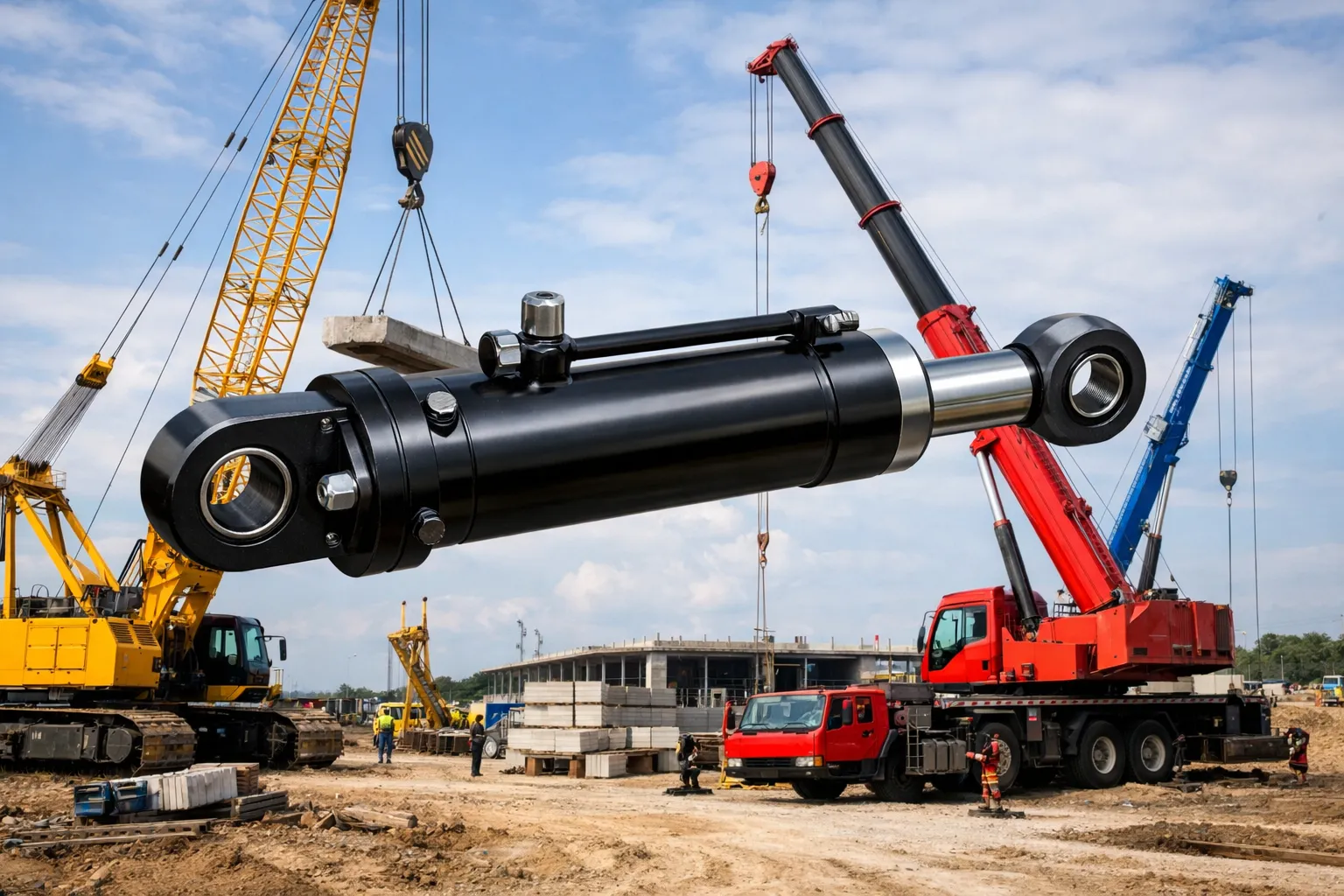
Our uniquely positioned telescopic boom hydraulic cylinder systems are meticulously engineered to counteract heavy offset loads. By integrating advanced multi-stage guidance systems and utilizing ultra-high-yield steel alloys, we ensure that every single movement is fluid, precise, and completely controlled. Whether you are outfitting a newly manufactured fleet or seeking reliable aftermarket hydraulic parts to reduce equipment downtime, our products deliver an exceptional balance of structural rigidity, longevity, and overall industrial value. The financial impact of a failed cylinder on a busy job site is immense; our engineered solutions act as an insurance policy against catastrophic operational delays.
Technical Specifications & Customization
Understanding the specific operating envelope of your lifting equipment is vital for proper fluid power specification. A component that operates flawlessly in a controlled warehouse may fail catastrophically on a dusty, wind-swept construction site. The tables below outline the exact engineering parameters and customizable ranges for our heavy-duty units designed explicitly for the construction sector. We leave nothing to chance when mapping the load capabilities of our hydraulic cylinders.
| Industry | Equipment Category | Subsystem / Action | Cylinder Name | Action Type | Structure Type |
|---|---|---|---|---|---|
| Construction Machinery | Telescopic Boom Crane | Main Boom Extension | Telescopic Boom Cylinder | Double Acting | Multi-stage Telescopic Cylinder |
| Manufacturing Structure | Material System | Surface Treatment | Environmental Grade | Operating Condition | Typical Failure Mode | Recommended Configuration |
|---|---|---|---|---|---|---|
| Welded Structure | High-strength Steel | Chrome Plating | Heavy-duty / Harsh Outdoor | Long Stroke + Heavy Side Load | Unsmooth Extension | Multi-stage Guidance |
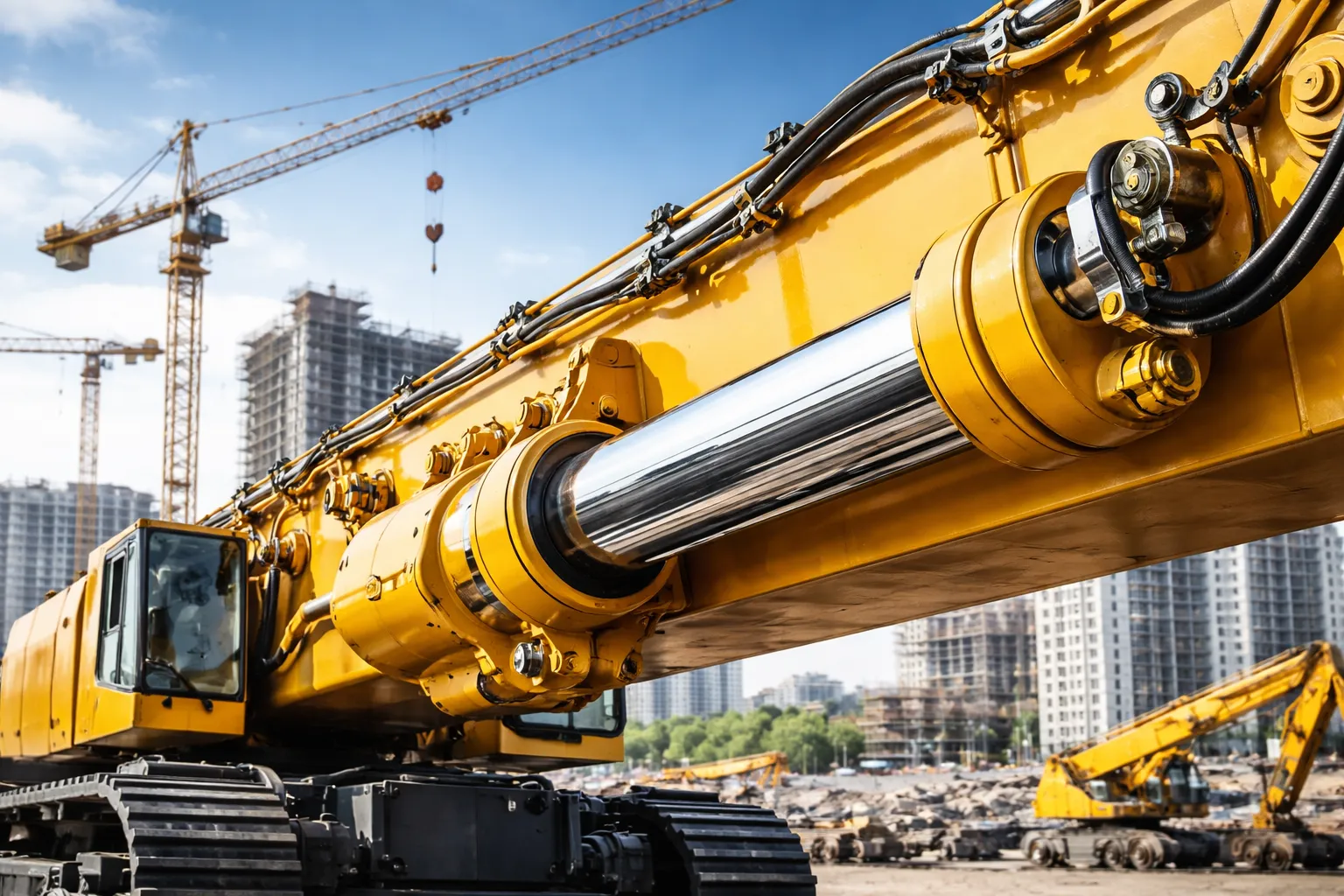
The selection of high-strength steel is intentional and critical. When any lift cylinder extends to its maximum stroke, the overlapping sections of the nested tubes act essentially as a lever. Without high-yield steel, the cylinder barrel would distort or balloon under the intense internal hydraulic pressure combined with the external bending moments. Furthermore, the surface treatment involves a highly precise layer of hard chrome plating. This provides an exceptionally durable, low-friction surface that interacts flawlessly with the wiper seals. By maintaining a specific micro-crack structure within the chrome layer, the surface retains a microscopic film of hydraulic oil, ensuring the hydraulic cylinder piston seals remain constantly lubricated during rapid movements, even in dusty or corrosive environments.
Working Principle of the Telescopic System
A multi-stage cylinder operates on the fundamental, immutable principles of fluid mechanics. When the crane operator actuates the main control valve, highly pressurized hydraulic fluid enters the base end port of the cylinder. Because physical force is equal to fluid pressure multiplied by the surface area, the fluid naturally exerts the most force on the largest available surface area first. Consequently, the largest diameter stage of the telescopic boom cylinder begins to extend initially. This mechanical sequencing is highly beneficial, as the crane boom is heaviest when fully retracted, thereby requiring the absolute maximum lifting force at the beginning of the stroke. Proper sequencing ensures the structural integrity of the boom is never compromised during the most demanding phase of the lift.
Once the first massive stage completes its full stroke, specialized internal bypass ports open, seamlessly directing the pressurized fluid to the next sequential stage. This synchronized process continues until the boom reaches its desired operational length. Because our unit functions entirely as a double acting hydraulic cylinder, the retraction process is completely and actively powered. Fluid is redirected into the rod-end annulus area, forcing the stages to retract, typically starting with the smallest diameter stage. This actively powered retraction is absolutely critical for job site safety, allowing operators to carefully control the descent of suspended loads rather than relying on unpredictable gravity. Integrated counterbalance and holding valves keep the hydraulic pressure perfectly steady, preventing any sudden load drop even if a primary hydraulic hose were to rupture unexpectedly.
Perfect Compatibility & Brand Replacement
Heavy machinery operators and fleet managers frequently struggle with sourcing reliable replacement parts when Original Equipment Manufacturer (OEM) warranties expire. Waiting several months for imported original parts causes unacceptable and costly equipment downtime. Our engineering team specializes in reverse-engineering exact dimensional replacements for major global brands, including Liebherr, Tadano, Kato, XCMG, Sany, and Zoomlion. We understand that in the construction industry, time is literally money, and prolonged equipment paralysis can ruin a project’s profitability.
Please note: Mentioning these specific brands is strictly to clarify dimensional and mounting compatibility to assist our clients in proper sizing and selection. We operate as an independent manufacturer and do not claim any trademark affiliation, intellectual property ownership, or endorsement from these respective entities.
By choosing our aftermarket hydraulic rams, you are not simply performing a repair; you are actively executing a structural upgrade. We precisely match the trunnion mounts, clevis pin diameters, and retracted closed lengths to ensure your maintenance team can perform a swift, drop-in replacement without modifying the host machine. If your crew is constantly fixing hydraulic cylinders due to repeated OEM failures under specific harsh working conditions, our upgraded materials provide a permanent, robust solution at a highly competitive hydraulic cylinder price. You can browse our broader capabilities in our hydraulic cylinder section.
Core Technical Advantages
Finding a reliable hydraulic cylinder manufacturer means looking beyond basic specifications and understanding the underlying engineering. We have incorporated over five distinct technical advantages into our designs to guarantee maximum performance and longevity in the field:
1. Ultra-Low Friction Sealing Technology
Standard rubber seals create high breakaway friction, causing the cylinder to jerk as it initially begins to move. We utilize proprietary composite seals manufactured from a precise blend of Polytetrafluoroethylene (PTFE) and highly durable polyurethane. These advanced seals dramatically lower the dynamic friction coefficient between the moving tubular stages. This ensures the telescopic boom hydraulic cylinder executes millimeter-precise movements, which is absolutely vital when placing heavy concrete girders or delicate steel structures with pinpoint accuracy.
2. High-Rigidity Barrel & Piston Rod Manufacturing
Telescoping operations inherently generate massive bending moments. We source specialized alloy steel tubes (such as 27SiMn) and process them through deep-hole boring and skiving machines. This creates an incredibly rigid barrel wall that actively resists deflection. The outer piston rods are induction hardened, providing a tough, resilient layer that withstands external impact shocks and prevents the internal tubes from bowing when subjected to heavy offset loads common in modern crane operations.
3. Advanced Multi-Stage Guidance System
To directly solve the persistent industry issue of unsmooth extension, we engineered an extended overlap guidance system. We utilize wide, high-compressive-strength Polyoxymethylene (POM) and specialized bronze wear bands. These bands distribute the lateral side-loading forces across a significantly larger surface area within the cylinder barrel. This completely prevents metal-to-metal contact, eliminates internal scoring, and keeps the extension perfectly concentric, drastically extending the life of the hydraulic cylinder piston.
4. Thermal Stability and Fatigue Optimization
Continuous lifting generates significant heat within the hydraulic fluid, which can thin the oil and degrade sealing compounds over time. Our internal porting designs are computationally optimized using advanced fluid dynamics software to reduce fluid turbulence and heat buildup. Additionally, the critical welding zones around the trunnions and end caps are rigorously analyzed using finite element analysis (FEA) to eliminate stress concentrators, drastically extending the structural fatigue life of the entire assembly.
5. Exceptional Environmental & Corrosion Protection
Cranes operate outdoors, continuously exposed to acidic rain, abrasive construction dust, and coastal salt spray. Our hard chrome plating process is tightly controlled to achieve an optimal thickness and micro-hardness. We then apply a multi-layer industrial epoxy paint system to the exterior barrel. This comprehensive environmental defense matrix ensures that rust and pitting do not compromise the structural integrity or cause seal wipe-out over years of demanding, heavy-duty service.
Manufacturing Process & Strict Quality Control
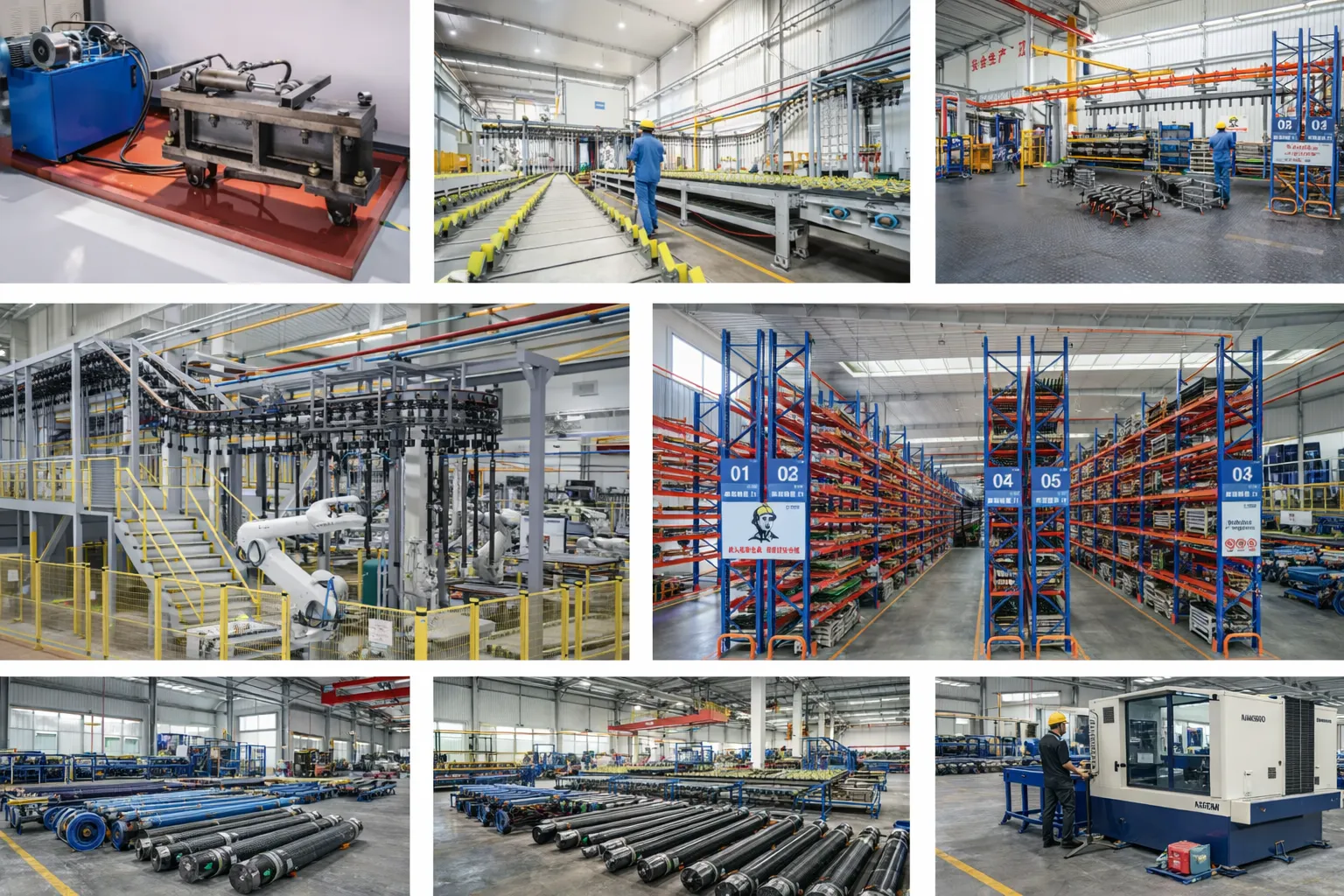
As a fully integrated manufacturer, we maintain absolute control over every variable in the production process. Raw steel billets are subjected to rigorous metallurgical spectrometer testing upon arrival to verify their exact chemical composition and yield strength. The machining of all internal hydraulic parts is performed on multi-axis CNC lathes, ensuring that the critical clearances between the telescopic stages are held to strict micrometer tolerances. This precision is the foundation of long-term operational reliability.
Welding is a critical failure point in any high-pressure vessel. We employ automated robotic submerged arc welding to ensure deep, consistent weld penetration entirely free of human error. Following the welding process, 100% of the structural seams undergo ultrasonic non-destructive testing (NDT) to confirm there are absolutely no internal voids, inclusions, or micro-cracks that could propagate under cyclic loading. We leave absolutely zero room for guesswork in our fabrication methodology.
Before any completed unit leaves our facility, it is subjected to a punishing dynamic pressure test. We connect the cylinder to a computerized high-pressure test rig and cycle it multiple times at 150% of its rated working pressure. We closely monitor for any microscopic pressure drops that would indicate internal fluid bypass across the seals. Finally, each cylinder is permanently stamped with a unique serialization code, providing full lifecycle traceability for the materials used, the test results, and the assembly personnel involved.
Typical Industry Applications
While primarily engineered to optimize crane performance, the exceptional power density and stability of these multi-stage cylinders make them highly sought after across numerous other heavy-duty industrial sectors worldwide:
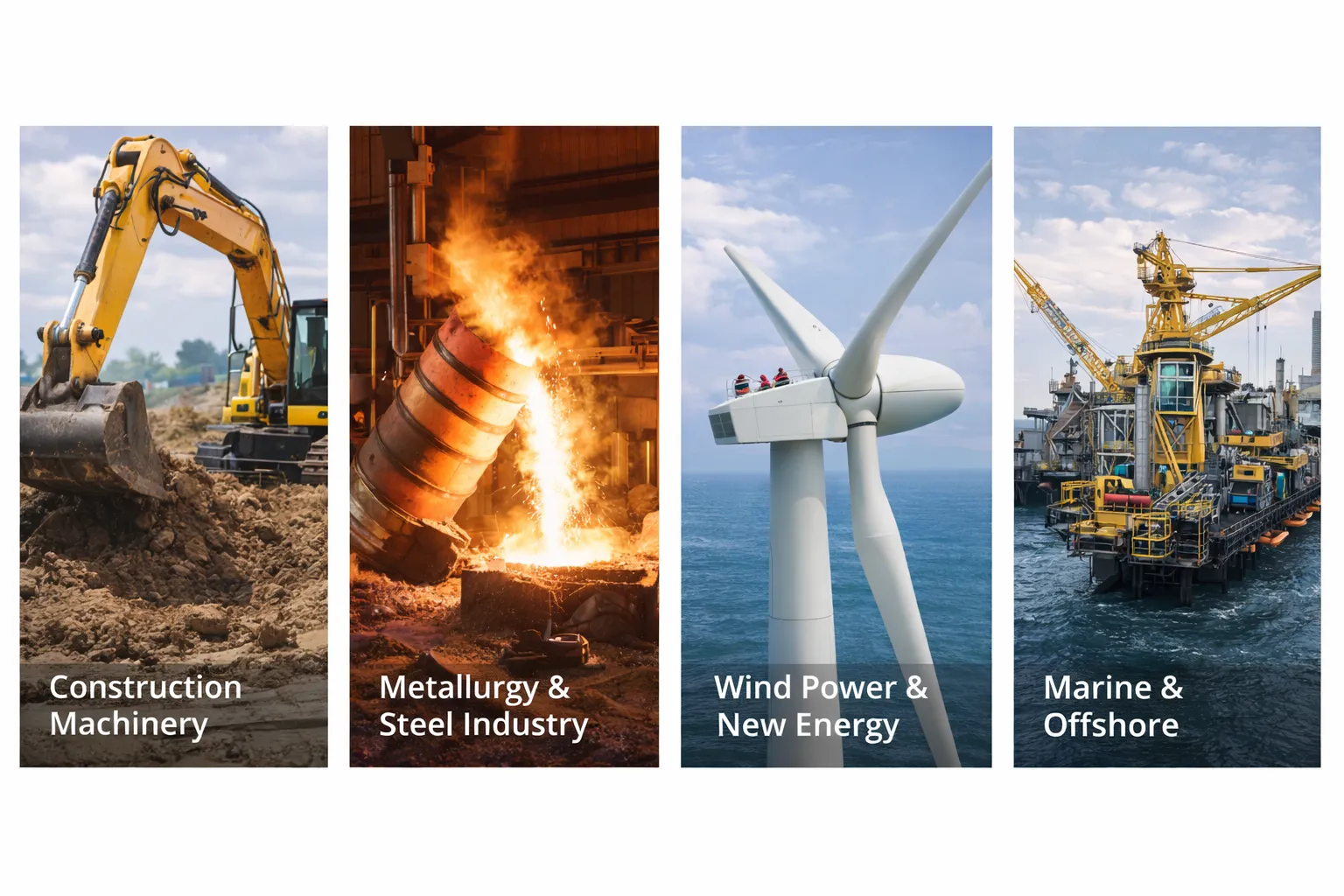
- Construction Machinery: Beyond telescopic boom cranes, these are heavily utilized in large excavators, rotary drilling rigs, and high-reach concrete pump trucks, providing the necessary reach and stabilization.
- Metallurgy & Heavy Manufacturing: Steel mills require specialized, high-temperature tolerant cylinders to safely manipulate heavy ladles near blast furnaces and to drive massive forging presses.
- Plastics & Rubber Machinery: Large-scale injection molding machines rely on rapid, high-pressure actuation to keep massive molds clamped tightly shut during the extreme pressures of the plastic injection phase.
- Material Handling & Logistics Automation: Busy shipping ports utilize massive reach stackers to lift, transport, and stack fully loaded 40-foot shipping containers, requiring highly durable lifting mechanisms resistant to salt air.
- New Energy & Environmental Equipment: Specialized logistical vehicles use these robust cylinders to safely erect towering wind turbine columns and precisely adjust massive blade pitch angles during installation.
- Special & Custom Scenarios: Tunnel boring machines, specialized military logistics vehicles, and offshore marine deck equipment require highly customized, fail-safe actuation solutions tailored to unique operational limits.
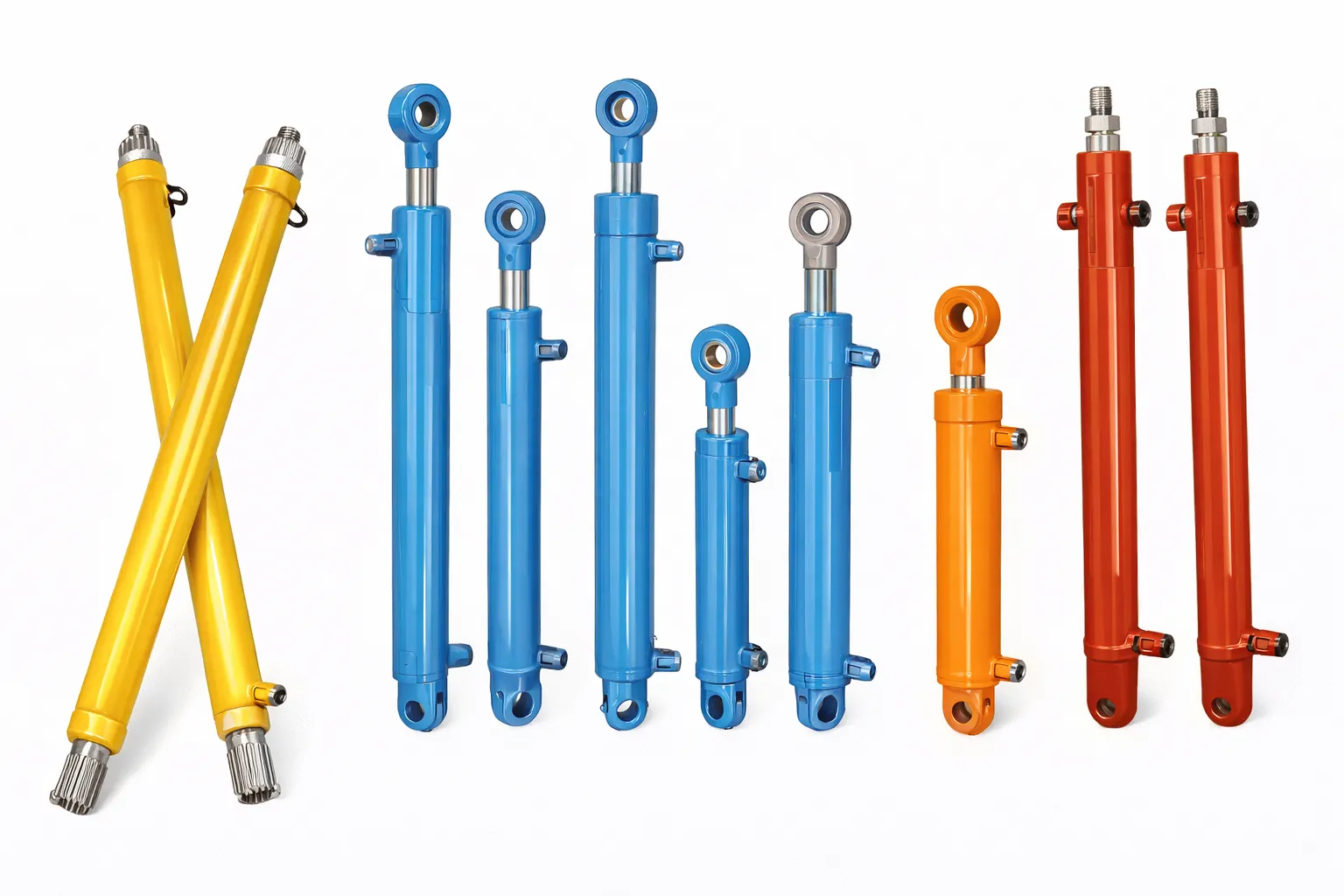
Comparative Analysis: Standard vs. High-Performance
When evaluating a hydraulic cylinder price, the total cost of ownership over the equipment’s lifespan must be the primary metric. Standard commercial cylinders often cut corners on material science and machining tolerances, resulting in premature failure. The table below illustrates why investing in our engineered solutions is the safer, more economical choice in the long run.
| Feature / Aspect | Standard Ordinary Cylinders | Our High-Performance Cylinders |
|---|---|---|
| Steel Yield Strength | Low-grade carbon steel. High risk of bending under lateral loads. | 27SiMn high-yield alloy steel. Prevents tube distortion and ballooning. |
| Guidance Mechanism | Narrow wear bands. Causes unsmooth extension and metal galling. | Extended multi-stage POM bands. Ensures concentric, jitter-free motion. |
| Seal Longevity | Basic NBR rubber. Degrades quickly under heat and high friction. | PTFE/Polyurethane composite. Ultra-low friction and high thermal tolerance. |
| Quality Testing | Random batch sampling. Increases the risk of field failures. | 100% individual dynamic pressure testing at 150% maximum rated load. |
Verified Global Case Studies
We have consistently supplied top-tier engineering solutions across Asia and globally. Here are five verified case studies demonstrating how our components solve real-world operational challenges in the field:
1. Re-powering a Heavy Crane Fleet in South Korea
Client: Heavy Construction Leasing Firm, Seoul (January 2025)
Application: Main boom extension on a 100-ton mobile crane fleet.
The Challenge & Contact: The client was experiencing severe stick-slip issues during cold winter operations. The freezing temperatures caused standard OEM seals to harden, and the heavy side loads caused the booms to shudder violently. They contacted us directly after reading our technical literature online regarding low-temperature fluid power.
The Result: We engineered custom replacement telescopic boom cylinder units utilizing low-temperature resilient seals and our advanced multi-stage guidance system. The shuddering completely disappeared immediately after installation.
“The precision of our lifting operations improved immediately, and we experienced absolutely zero hydraulic downtime throughout the harsh winter season. Exceptional build quality that saved our contracts.” — Mr. Park, Fleet Maintenance Director.
2. Port Logistics Automation Upgrade in Japan
Client: Container Terminal Operator, Yokohama (November 2024)
Application: Heavy-duty reach stackers handling fully loaded 40-foot shipping containers.
The Challenge & Contact: Constant coastal salt spray was rapidly corroding the exposed rods of their existing hydraulic rams, leading to torn wiper seals and dangerous environmental fluid leaks into the harbor. They reached out to our engineers at an industry trade show.
The Result: We supplied heavy-duty replacements featuring a specialized dual-layer nickel and hard chrome plating process to vigorously combat the saline environment and preserve seal integrity.
“After 14 months of continuous dockside operation, the cylinder rods show absolutely no signs of pitting or rust. This upgrade saved the terminal thousands in recurring maintenance costs and prevented environmental fines.” — H. Tanaka, Logistics Supervisor.
3. Wind Turbine Erection Rigidity in Taiwan
Client: Renewable Energy Contractor, Taichung (August 2025)
Application: High-capacity crawler crane working on uneven, remote mountain terrain.
The Challenge & Contact: Lifting massive turbine blades on slight inclines created severe eccentric loads that were visibly bending standard cylinders and triggering LMI safety alarms, halting the project. They found our engineering team via a B2B platform search.
The Result: We provided a heavily reinforced double acting hydraulic cylinder constructed from high-yield 27SiMn steel. The vastly increased structural rigidity prevented all lateral deflection.
“The stability these cylinders provided allowed us to continue lifting heavy components safely even when the wind velocities increased. Truly exceptional structural engineering that kept us on schedule.” — Lin W., Project Manager.
4. Highway Bridge Construction Continuity in Vietnam
Client: National Civil Engineering Group, Hanoi (May 2025)
Application: Specialized concrete bridge girder placement machinery.
The Challenge & Contact: Continuous heavy lifting in high ambient summer temperatures caused the hydraulic fluid to overheat, rapidly degrading the internal seals of their lift cylinder mechanisms. They emailed our technical support desk for emergency help.
The Result: We rapidly deployed drop-in replacement units fitted with high-temperature Viton fluoroelastomer seals and enlarged fluid porting for superior heat dissipation.
“The project resumed within ten days. The newly installed cylinders handled the extreme thermal load perfectly for the remainder of the bridge construction phase without a single leak.” — Nguyen V., Site Director.
5. Equipment Rental Fleet Overhaul in Thailand
Client: Heavy Machinery Rentals, Bangkok (February 2026)
Application: Overhauling a mixed fleet of Tadano and Kato telescopic cranes.
The Challenge & Contact: The rental company needed to overhaul several aging cranes quickly to meet upcoming leasing contracts but faced 6-month lead times for OEM parts. They needed reliable hydraulic parts urgently and contacted our sales team via our website.
The Result: We reverse-engineered the required mounting dimensions from their provided blueprints and supplied perfectly matched drop-in replacements within just four weeks of the order confirmation.
“Getting our crane fleet back online this quickly saved our quarterly revenue targets. The operational performance is absolutely indistinguishable from the original factory components.” — S. Chai, Operations Manager.
Frequently Asked Questions (FAQ)
For engineering firms and procurement managers, having clear technical answers is essential when making large purchasing decisions. Below are the most common inquiries we address regarding our lifting solutions:
How do you calculate the required stroke and tonnage for a custom order?
We utilize specialized engineering software to evaluate the crane’s maximum working radius, optimal boom angle, and maximum payload capacity. By calculating the mechanical advantage and the hydraulic pressure available from the main pump, our engineers determine the exact bore diameter and total stroke length needed for the telescopic boom hydraulic cylinder to operate safely and efficiently without risk of overloading.
What directly causes the unsmooth extension phenomenon in multi-stage cylinders?
Unsmooth extension, often referred to as stick-slip, is primarily caused by excessive internal friction combined with severe side-loading. When a boom extends, the weight of the load pulls the internal tubes off-center. If the wear bands are too narrow, the metal tubes rub forcefully against each other, causing the cylinder to bind and release repeatedly. Our wide composite guidance bands keep the tubes perfectly aligned, eliminating this dangerous issue entirely.
Do you provide guidance on fixing hydraulic cylinders in the field?
Yes. While we build our products for maximum longevity, seals will eventually wear out. We provide detailed maintenance manuals, exploded technical diagrams, and comprehensive seal replacement kits to assist your teams. However, for extensive structural damage, we often recommend full replacement rather than continuously fixing hydraulic cylinders, as a compromised inner barrel severely compromises lifting safety.
Can I order individual hydraulic cylinder components for my maintenance team?
Absolutely. As a full-scale hydraulic cylinder manufacturer, we maintain a very large inventory of replacement spare parts. We can quickly supply individual piston heads, specialized low-friction seal kits, extended wear bands, and replacement trunnion mounts to support your internal maintenance programs and perform rapid hydraulic cylinder repair to get your machines back on the job site.
What factors influence the final hydraulic cylinder price?
The overall hydraulic cylinder price is determined by several factors: the physical dimensions (bore and stroke), the operating pressure requirements, the specific material grades selected (such as upgrading to higher-yield steel for extreme loads), and the complexity of the multi-stage internal valving. Because we manufacture everything entirely in-house, we eliminate intermediary markups, providing premium engineering at a highly competitive cost for our B2B partners.
Secure Your Equipment’s Lifting Capability Today
Do not compromise the safety and efficiency of your lifting operations with inadequate fluid power components. Upgrade to a highly engineered solution designed specifically to handle the most severe construction environments. Whether you need a drop-in replacement for an existing crane fleet or are designing a completely new machine, our engineering team is ready to assist you.
Editor: Cxm